
View more
This product has multiple variants. The options may be chosen on the product page
£19.99
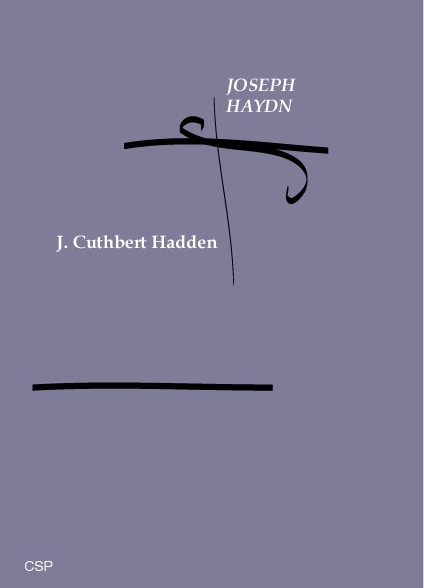
This accessible work traces Haydn's development as both a man and a composer. It details his compositions, social habits, humour, and piety, and includes a useful catalogue of his works, a selection of his letters, and his last will and testament.
This accessible work traces Haydn’s development as both a man and a composer. It details his compositions, social habits, humour, and piety, and includes a useful catalogue of his works, a selection of his letters, and his last will and testament.
View more
This product has multiple variants. The options may be chosen on the product page
View more
This product has multiple variants. The options may be chosen on the product page
£4.99
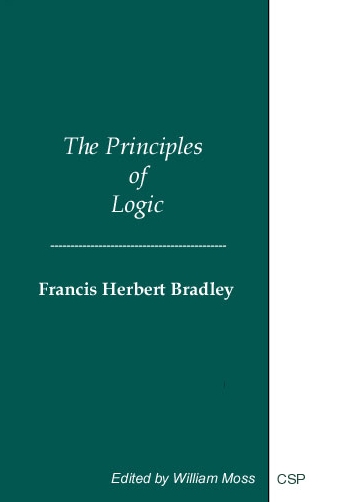
This new edition of F. H. Bradley’s Principles of Logic is pivotal for understanding British idealism. A new introduction by William Moss places the work in context and challenges the view that Bradley is of little use for philosophy today.
This new edition of F. H. Bradley’s Principles of Logic is pivotal for understanding British idealism. A new introduction by William Moss places the work in context and challenges the view that Bradley is of little use for philosophy today.
View more
This product has multiple variants. The options may be chosen on the product page
View more
This product has multiple variants. The options may be chosen on the product page
£19.99
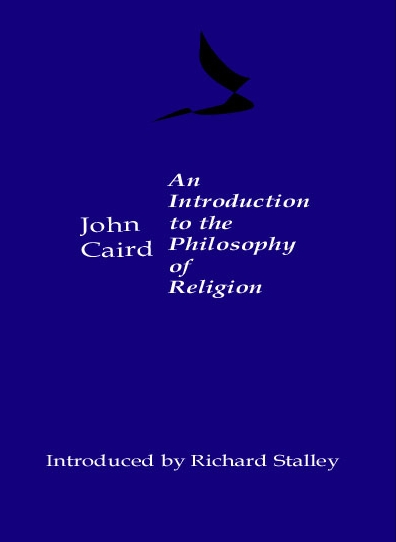
John Caird offers a distinctive reading of Hegel, designed to answer the religious questions of his day. This work provides a fascinating account of religion, a brilliant introduction to its philosophy, and a unique interpretation of Hegelian thought.
John Caird offers a distinctive reading of Hegel, designed to answer the religious questions of his day. This work provides a fascinating account of religion, a brilliant introduction to its philosophy, and a unique interpretation of Hegelian thought.
View more
This product has multiple variants. The options may be chosen on the product page
View more
This product has multiple variants. The options may be chosen on the product page
£4.99
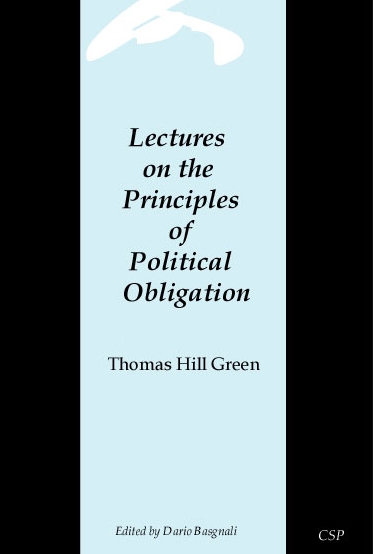
Thomas Hill Green’s work on ‘the common good’ provides the means to evaluate the conduct of political establishments. One of the most important contributions to political philosophy by any English philosopher, it continues to fuel lively debate today.
Thomas Hill Green’s work on ‘the common good’ provides the means to evaluate the conduct of political establishments. One of the most important contributions to political philosophy by any English philosopher, it continues to fuel lively debate today.
View more
This product has multiple variants. The options may be chosen on the product page