
View more
This product has multiple variants. The options may be chosen on the product page
From £30.99
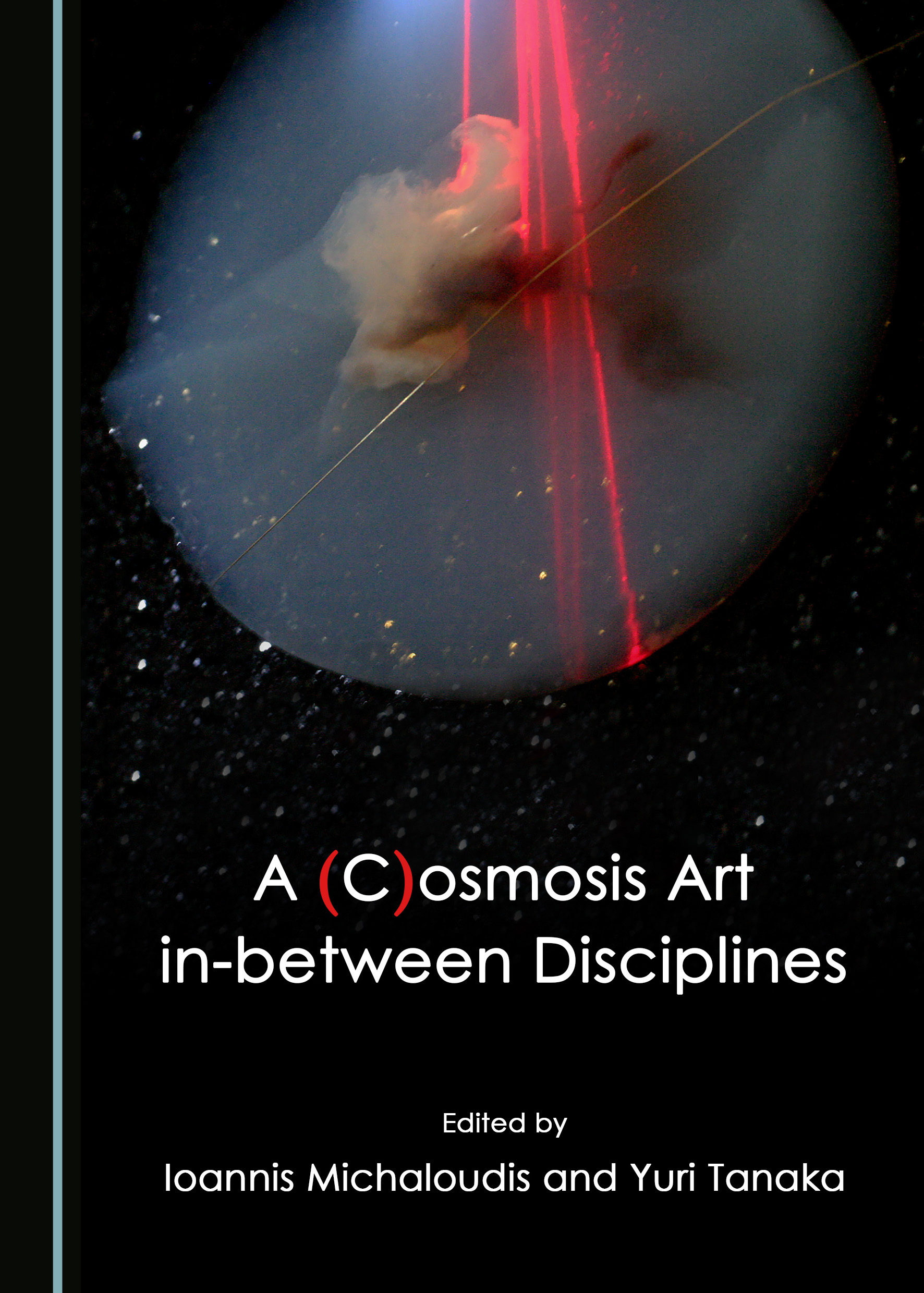
This volume explores humankind’s relationship with the cosmos, a source of awe since civilization began. The first of its kind for a general audience, it introduces (C)osmosis Art, a new conceptual framework inspired by the interactions between art, science and technology.
This volume explores humankind’s relationship with the cosmos, a source of awe since civilization began. The first of its kind for a general audience, it introduces (C)osmosis Art, a new conceptual framework inspired by the interactions between art, science and technology.
View more
This product has multiple variants. The options may be chosen on the product page
View more
This product has multiple variants. The options may be chosen on the product page
From £49.99
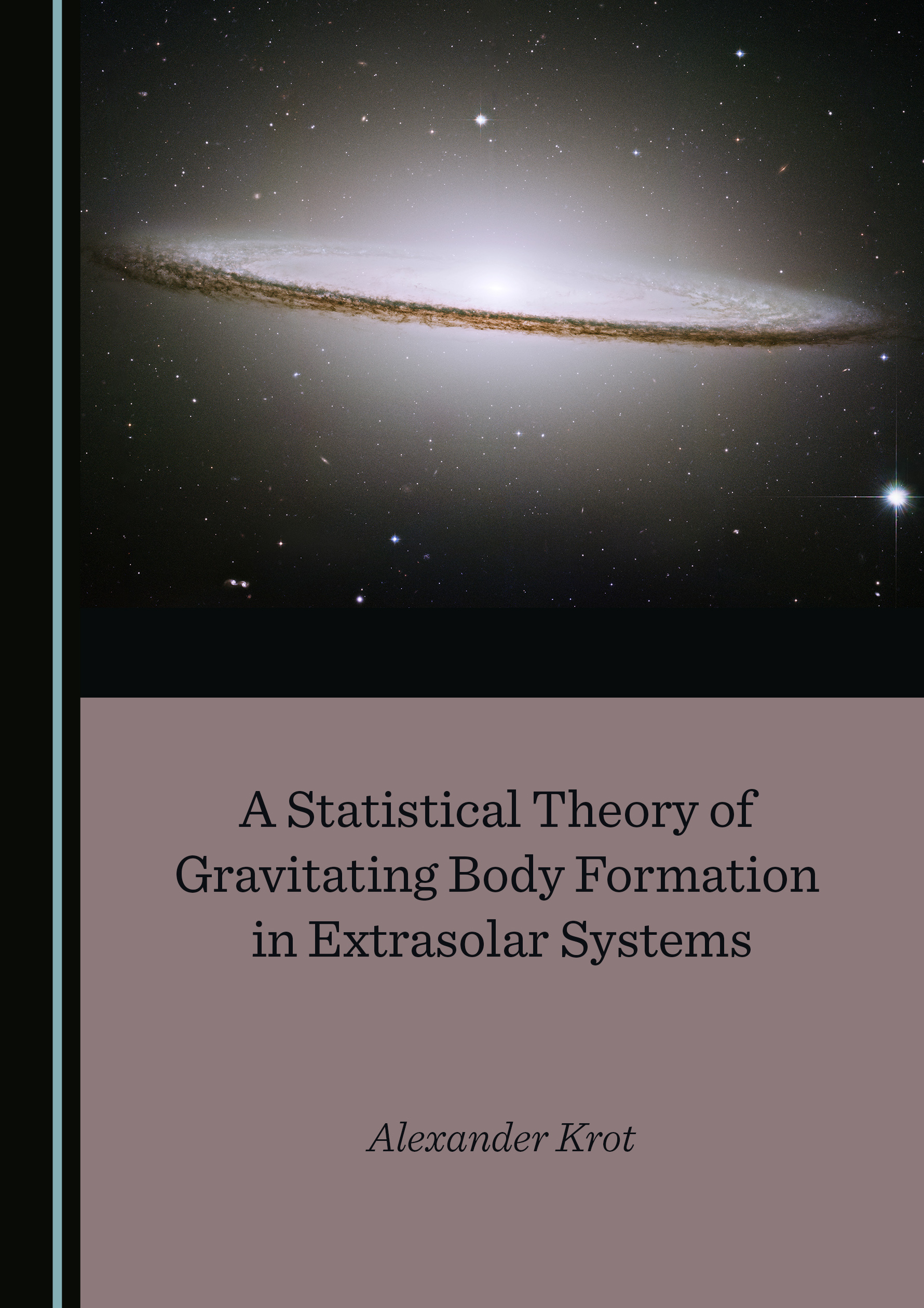
This book develops the statistical mechanics of planet and star formation in our solar system and exoplanetary systems. It presents a new statistical theory, a universal stellar law, and a new law for the distribution of planets in the solar system.
This book develops the statistical mechanics of planet and star formation in our solar system and exoplanetary systems. It presents a new statistical theory, a universal stellar law, and a new law for the distribution of planets in the solar system.
View more
This product has multiple variants. The options may be chosen on the product page
View more
This product has multiple variants. The options may be chosen on the product page
From £36.99
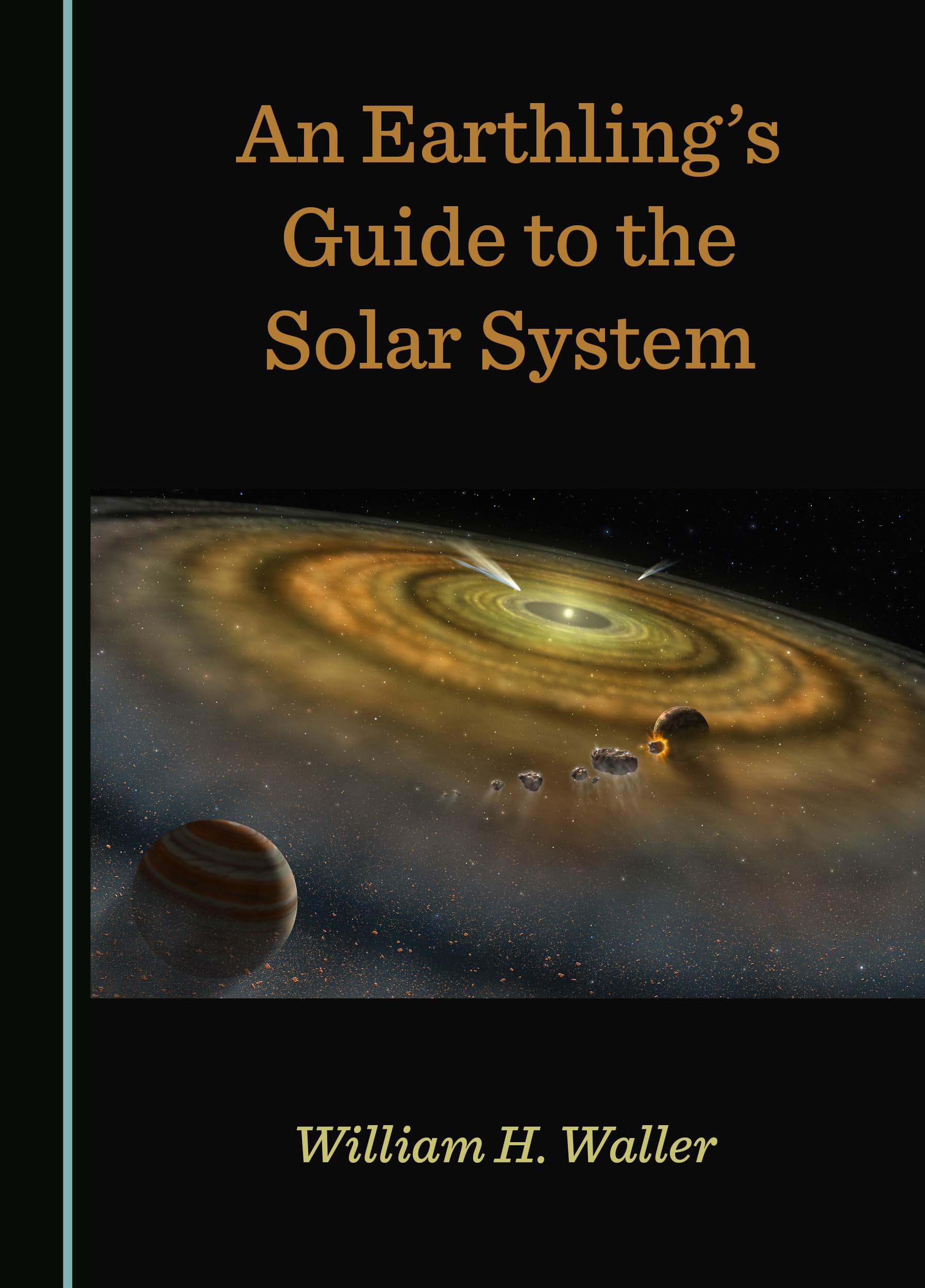
Take a tour of our Solar System, from rocky planets and gas giants to asteroids and comets. Informed by the latest space missions, this accessible guide explores our home system, its origin, distant exoplanets, and its cosmic context as a wellspring of life.
Take a tour of our Solar System, from rocky planets and gas giants to asteroids and comets. Informed by the latest space missions, this accessible guide explores our home system, its origin, distant exoplanets, and its cosmic context as a wellspring of life.
View more
This product has multiple variants. The options may be chosen on the product page
View more
This product has multiple variants. The options may be chosen on the product page
From £30.99
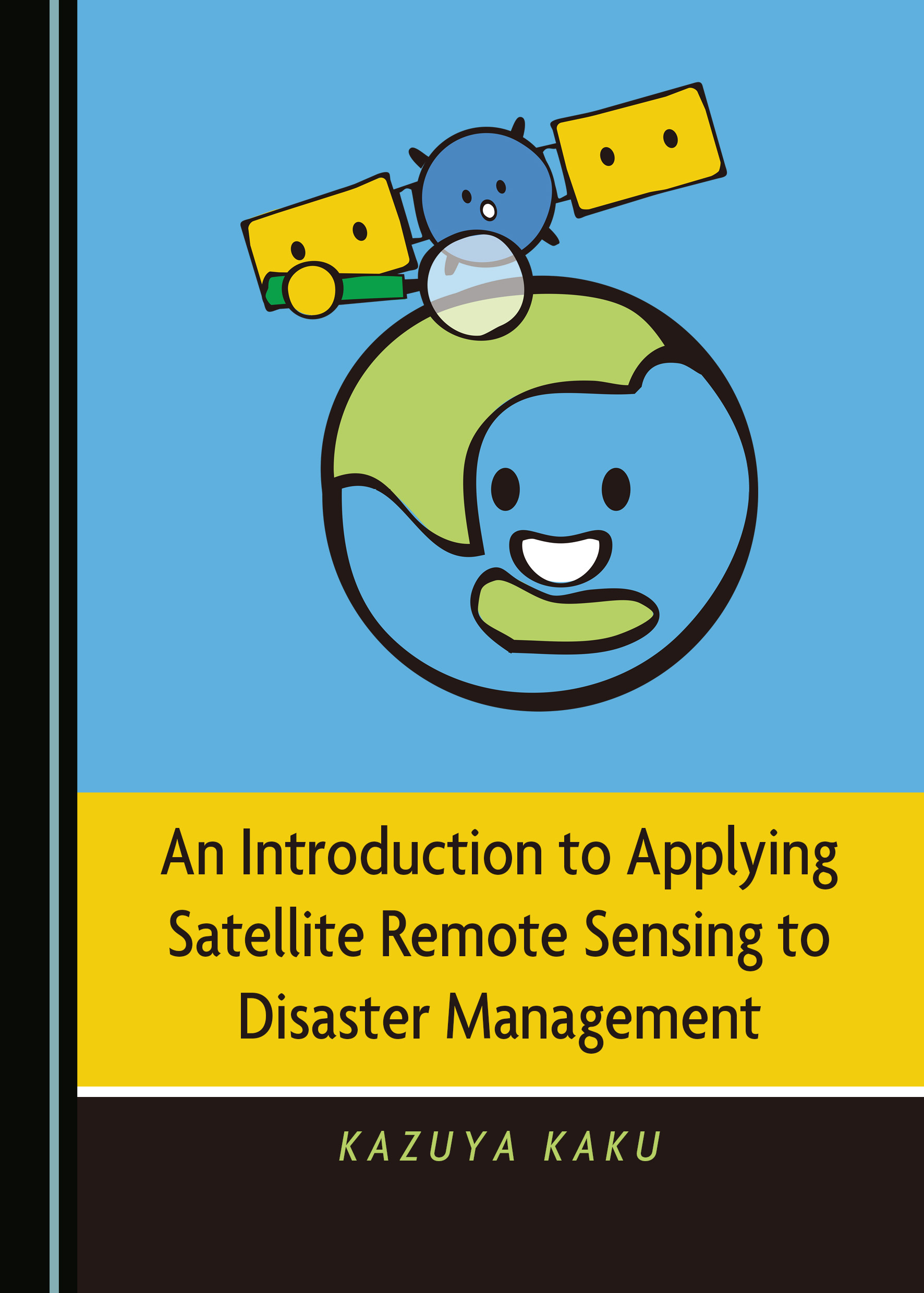
Based on 13 years of empirical study, this unique book covers the application of satellite remote sensing in disaster management, with a focus on human factors. It provides an overview of the technology and its uses for practitioners and researchers in the field.
Based on 13 years of empirical study, this unique book covers the application of satellite remote sensing in disaster management, with a focus on human factors. It provides an overview of the technology and its uses for practitioners and researchers in the field.
View more
This product has multiple variants. The options may be chosen on the product page
View more
This product has multiple variants. The options may be chosen on the product page
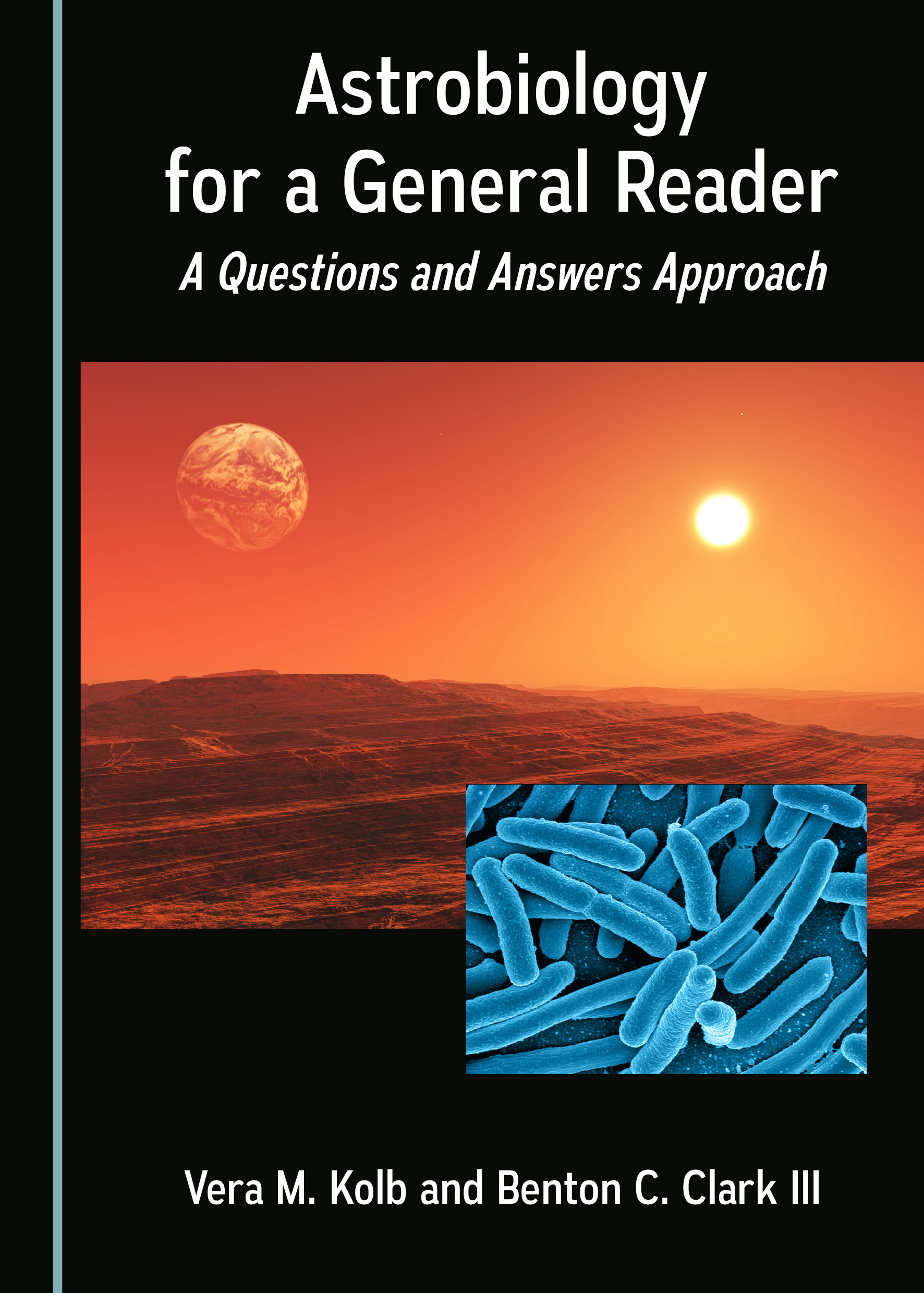
Astrobiology for a General Reader
A Questions and Answers Approach
This book explores astrobiology in a unique ‘Questions and Answers’ format. With over 250 questions answered in a conversation-like style, it is a comprehensive guide for general readers and students eager to delve into this fascinating field.
This book explores astrobiology in a unique ‘Questions and Answers’ format. With over 250 questions answered in a conversation-like style, it is a comprehensive guide for general readers and students eager to delve into this fascinating field.
View more
This product has multiple variants. The options may be chosen on the product page
View more
This product has multiple variants. The options may be chosen on the product page
Astronomy for Cloudy Nights
Eight Essays of Respite from Frustrating Skies
Educational, humorous essays connecting astronomy to the arts—from literature to pop music. Autobiographical in places, it shares breathtaking stories of telescope observing around the world, from a childhood discovery to the high altitude of the Bolivian Andes.
Educational, humorous essays connecting astronomy to the arts—from literature to pop music. Autobiographical in places, it shares breathtaking stories of telescope observing around the world, from a childhood discovery to the high altitude of the Bolivian Andes.
View more
This product has multiple variants. The options may be chosen on the product page
View more
This product has multiple variants. The options may be chosen on the product page
From £36.99
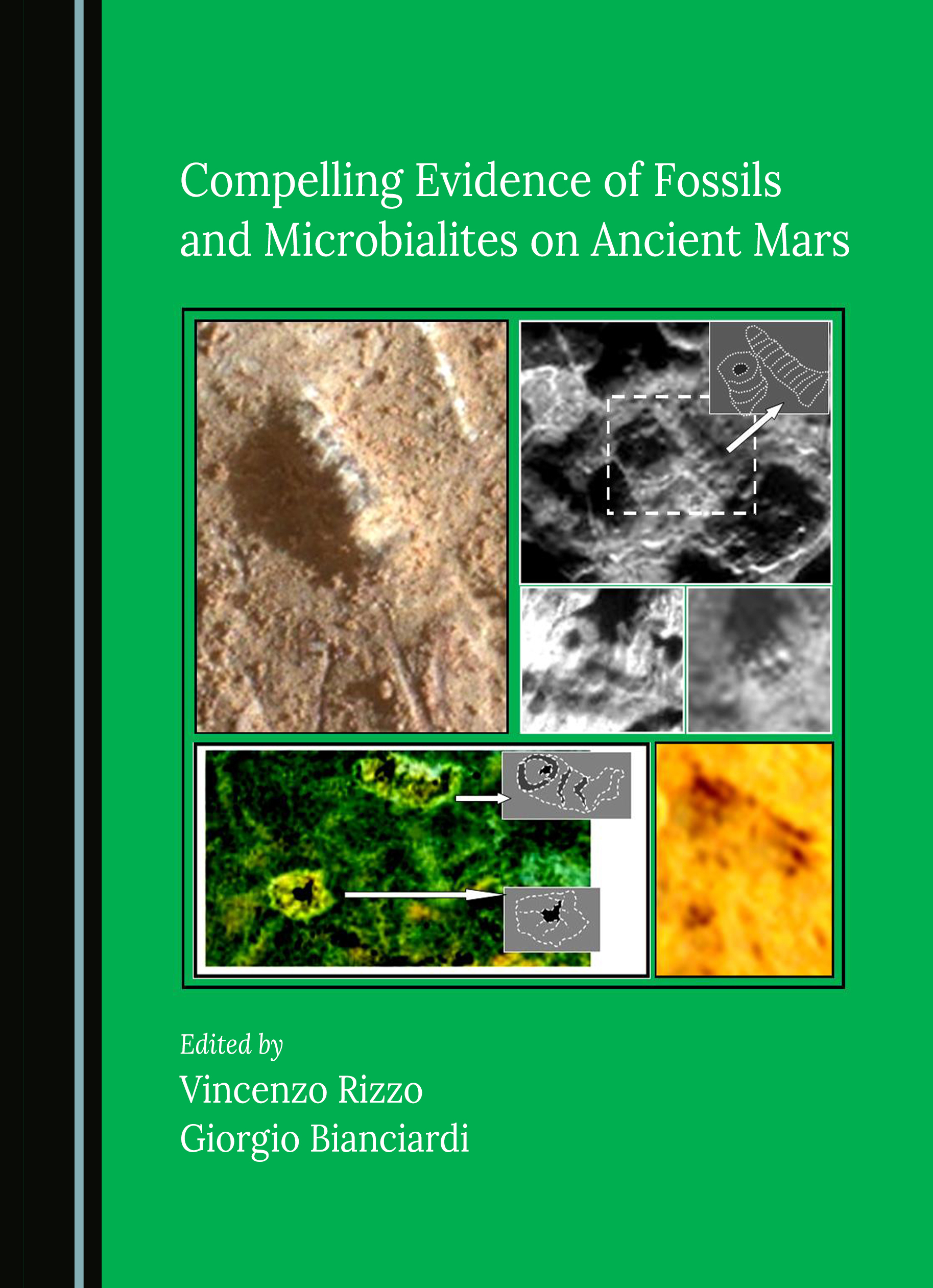
This book offers an amazing collection of analyzed images from the Red Planet, suggestive of ancestral life on Mars. It evidences possible microbial life and complex structures reminiscent of terrestrial fossils, a presentation of importance for astrobiologists and space lovers.
This book offers an amazing collection of analyzed images from the Red Planet, suggestive of ancestral life on Mars. It evidences possible microbial life and complex structures reminiscent of terrestrial fossils, a presentation of importance for astrobiologists and space lovers.
View more
This product has multiple variants. The options may be chosen on the product page
View more
This product has multiple variants. The options may be chosen on the product page
From £33.99
This book explores the ponderomotive wave forces of space plasma and their theoretical implications. The theory offers a vital tool for analyzing plasma data from the terrestrial and Martian environments, providing a roadmap for interpreting distant stellar and galactic objects.
This book explores the ponderomotive wave forces of space plasma and their theoretical implications. The theory offers a vital tool for analyzing plasma data from the terrestrial and Martian environments, providing a roadmap for interpreting distant stellar and galactic objects.
View more
This product has multiple variants. The options may be chosen on the product page
View more
This product has multiple variants. The options may be chosen on the product page
From £37.99
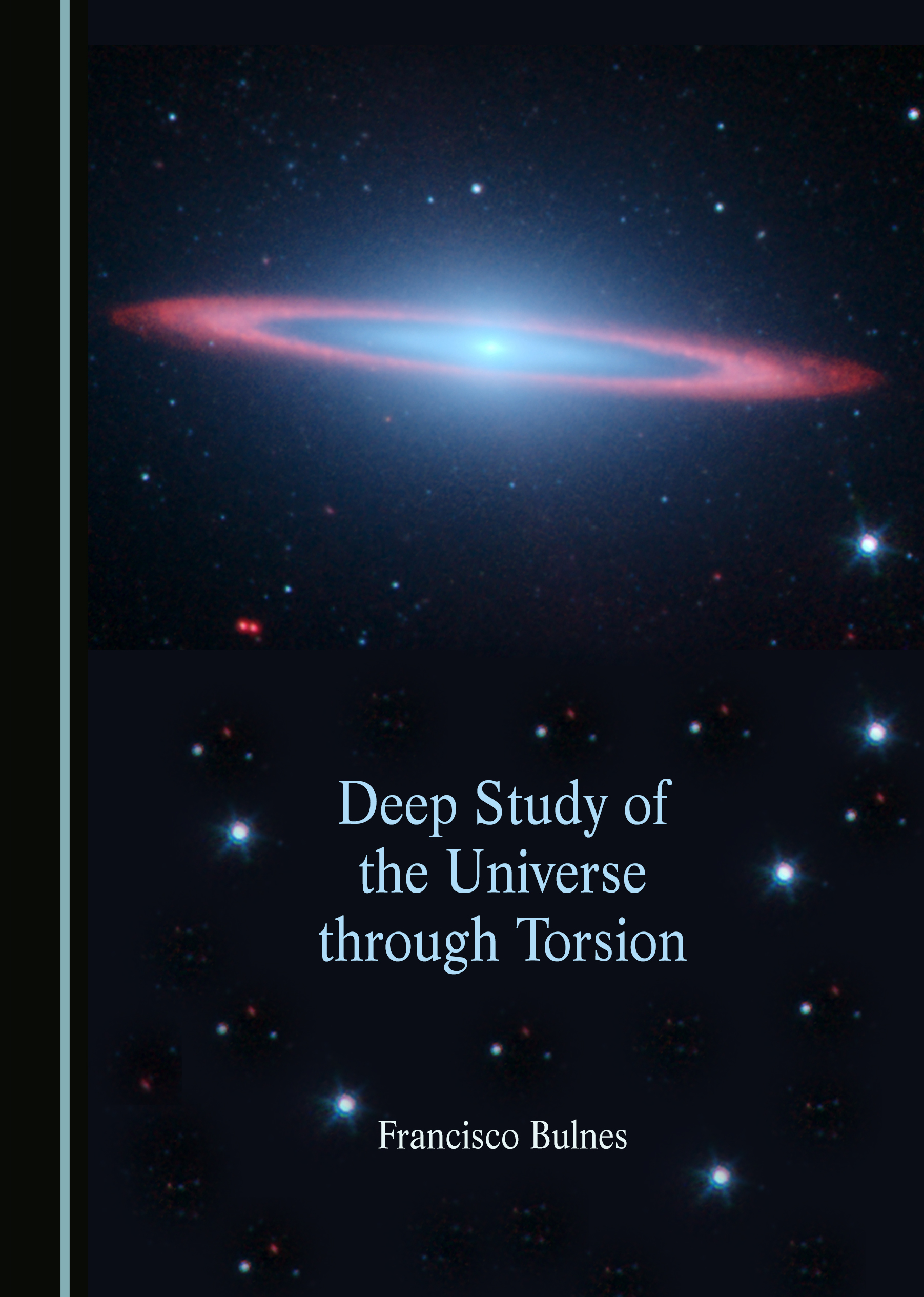
This book contains recent and important results on the deep study of the universe, with great impact on space-time research and the creation of future technologies. It will appeal to mathematicians, scientists, cosmologists, researchers, and postgraduate students.
This book contains recent and important results on the deep study of the universe, with great impact on space-time research and the creation of future technologies. It will appeal to mathematicians, scientists, cosmologists, researchers, and postgraduate students.
View more
This product has multiple variants. The options may be chosen on the product page
View more
This product has multiple variants. The options may be chosen on the product page
From £29.99
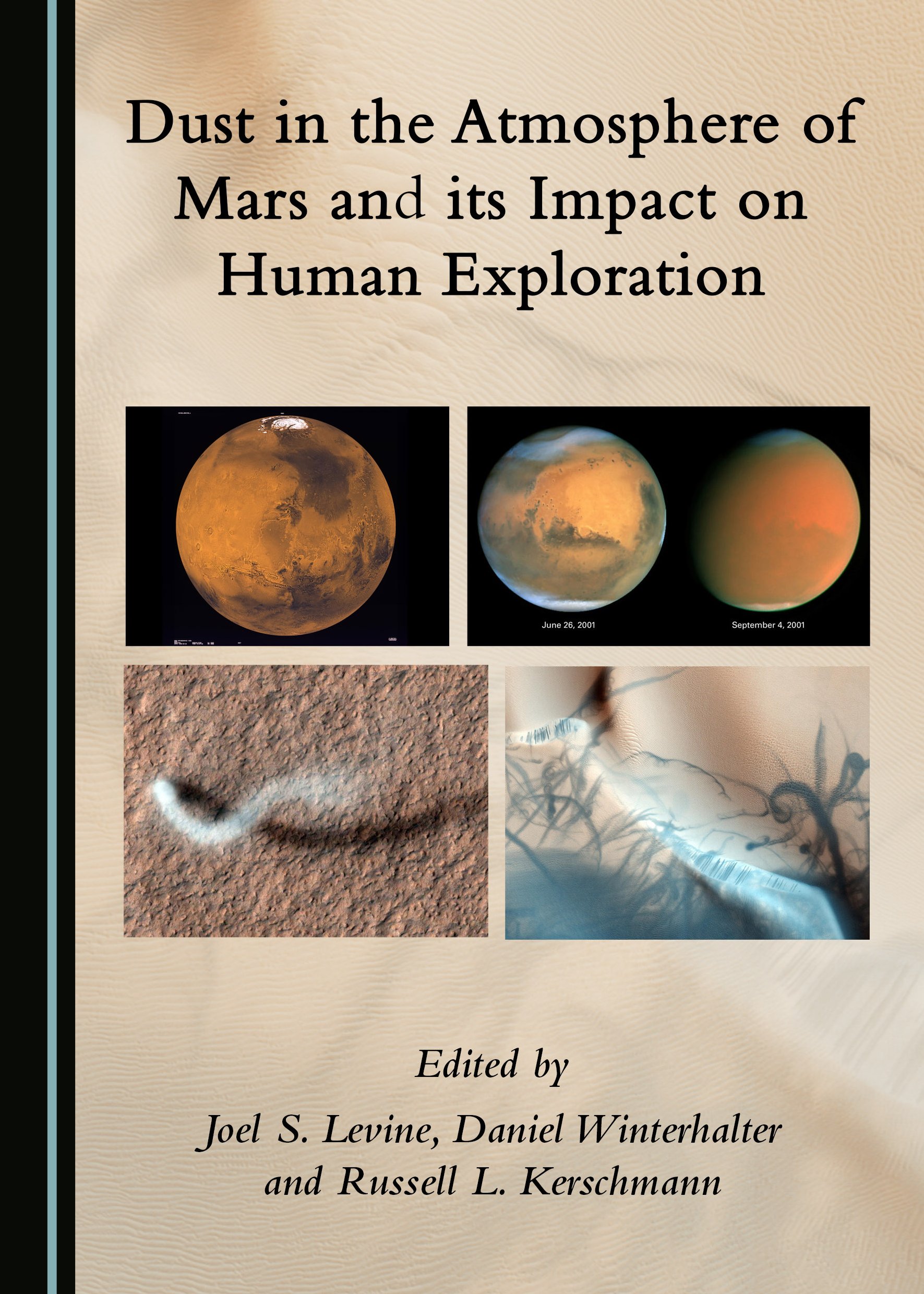
This volume gathers 41 Mars scientists, mission engineers and planners and medical researchers to address knowledge gaps in a wide range of areas, including the chemical, physical and electrical properties of Mars atmospheric dust and its effects on human health.
This volume gathers 41 Mars scientists, mission engineers and planners and medical researchers to address knowledge gaps in a wide range of areas, including the chemical, physical and electrical properties of Mars atmospheric dust and its effects on human health.
View more
This product has multiple variants. The options may be chosen on the product page
View more
This product has multiple variants. The options may be chosen on the product page
£72.99
What is our place in the universe? This book offers a journey through our evolving understanding of the cosmos, from ancient myths to modern physics. It explains quantum physics and relativity without mathematical baggage, revealing that our world is ultimately unpredictable.
What is our place in the universe? This book offers a journey through our evolving understanding of the cosmos, from ancient myths to modern physics. It explains quantum physics and relativity without mathematical baggage, revealing that our world is ultimately unpredictable.
View more
This product has multiple variants. The options may be chosen on the product page
View more
This product has multiple variants. The options may be chosen on the product page
From £29.99
This book presents an original theory for searching for space objects when only crude orbital information is known. It uses a special principle to construct efficient search plans that prevent the object's loss and ensure an economical use of resources.
This book presents an original theory for searching for space objects when only crude orbital information is known. It uses a special principle to construct efficient search plans that prevent the object’s loss and ensure an economical use of resources.
View more
This product has multiple variants. The options may be chosen on the product page
View more
This product has multiple variants. The options may be chosen on the product page
From £35.99
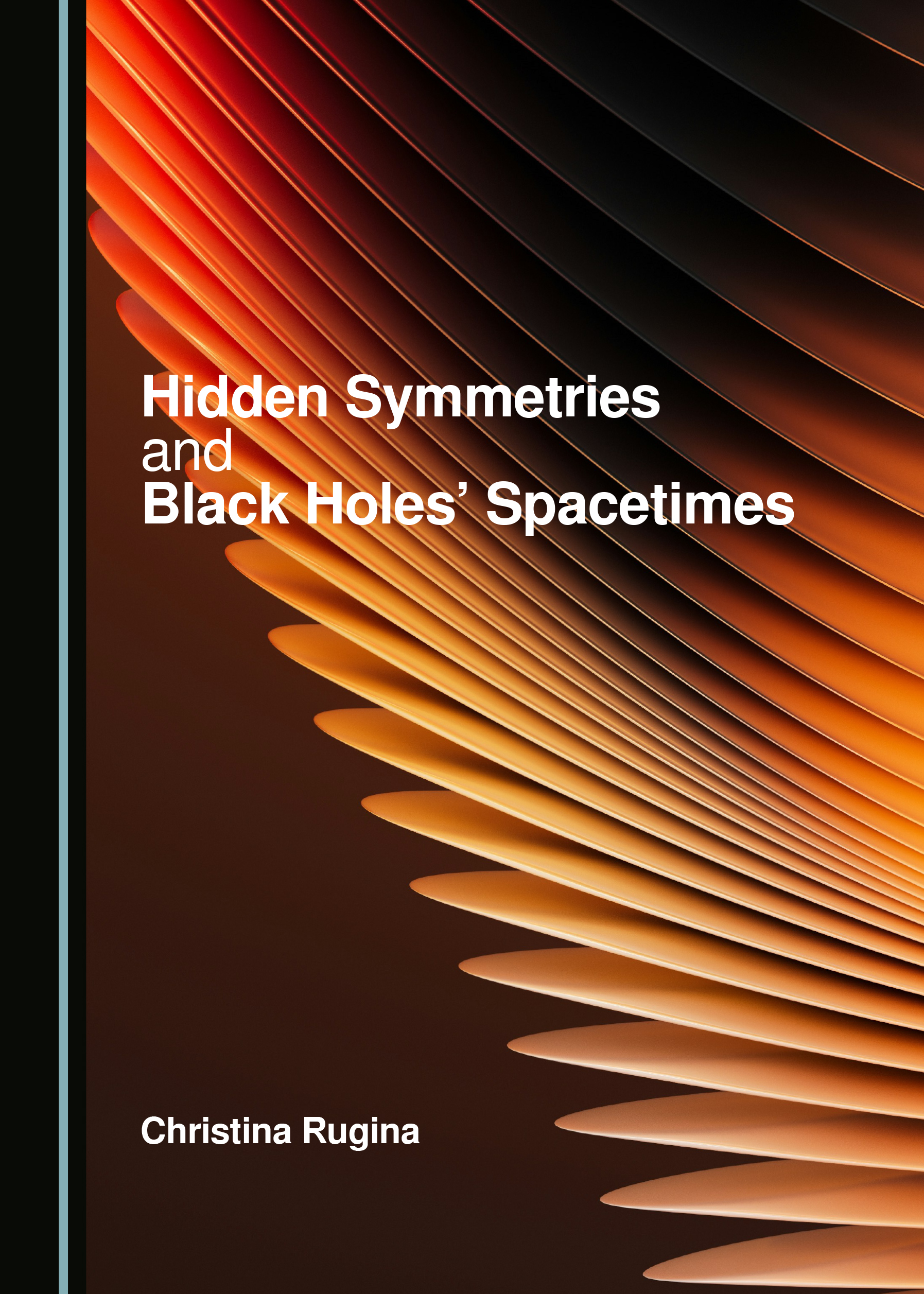
This book provides a graduate-level introduction to classical and quantum black holes. It details examples of integrable systems, hidden symmetries in black hole spacetime, and resolutions to the information paradox, presenting an overview of cutting-edge research.
This book provides a graduate-level introduction to classical and quantum black holes. It details examples of integrable systems, hidden symmetries in black hole spacetime, and resolutions to the information paradox, presenting an overview of cutting-edge research.
View more
This product has multiple variants. The options may be chosen on the product page
View more
This product has multiple variants. The options may be chosen on the product page
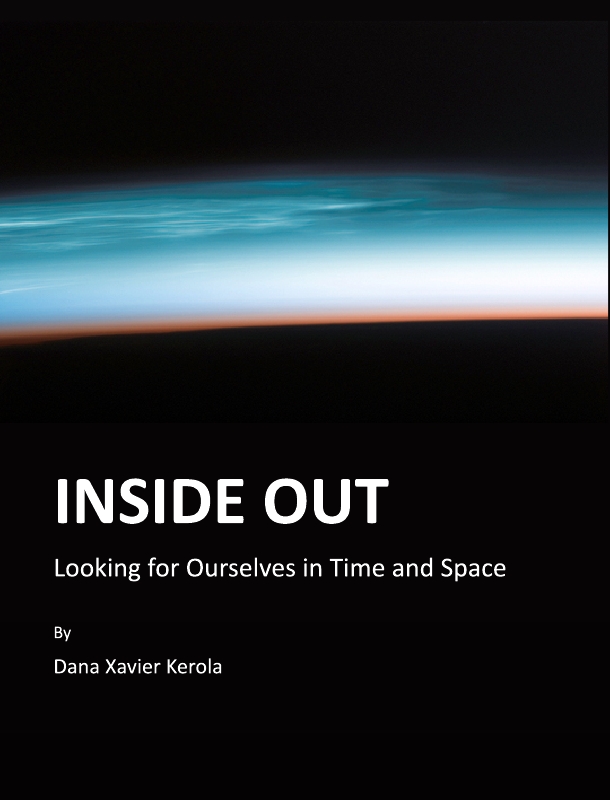
Inside Out
Looking for Ourselves in Time and Space
This work tackles the age-old mind-body duality, demonstrating the conflict dissolves when we realize the universe is governed by physical laws. Inspired by pop music, the author explores our ties to the cosmos and forecasts our future in time and space.
This work tackles the age-old mind-body duality, demonstrating the conflict dissolves when we realize the universe is governed by physical laws. Inspired by pop music, the author explores our ties to the cosmos and forecasts our future in time and space.
View more
This product has multiple variants. The options may be chosen on the product page
View more
This product has multiple variants. The options may be chosen on the product page
£61.99
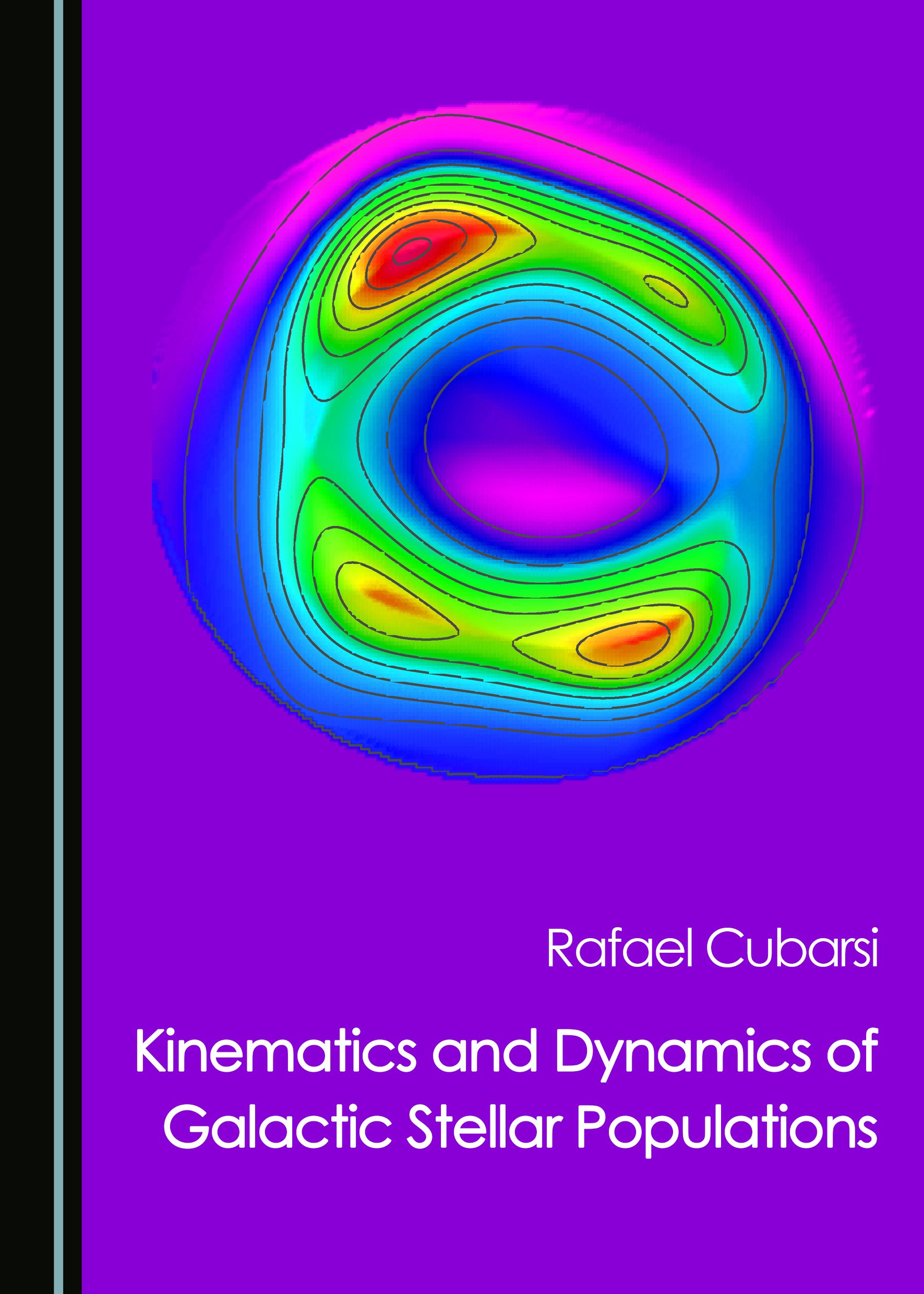
This book offers a statistical study and a dynamical approach to stellar systems. It explains and solves the closure problem for any velocity distribution, and applies these methods to describe the mixture of stellar populations in the Milky Way.
This book offers a statistical study and a dynamical approach to stellar systems. It explains and solves the closure problem for any velocity distribution, and applies these methods to describe the mixture of stellar populations in the Milky Way.
View more
This product has multiple variants. The options may be chosen on the product page
View more
This product has multiple variants. The options may be chosen on the product page
From £29.99
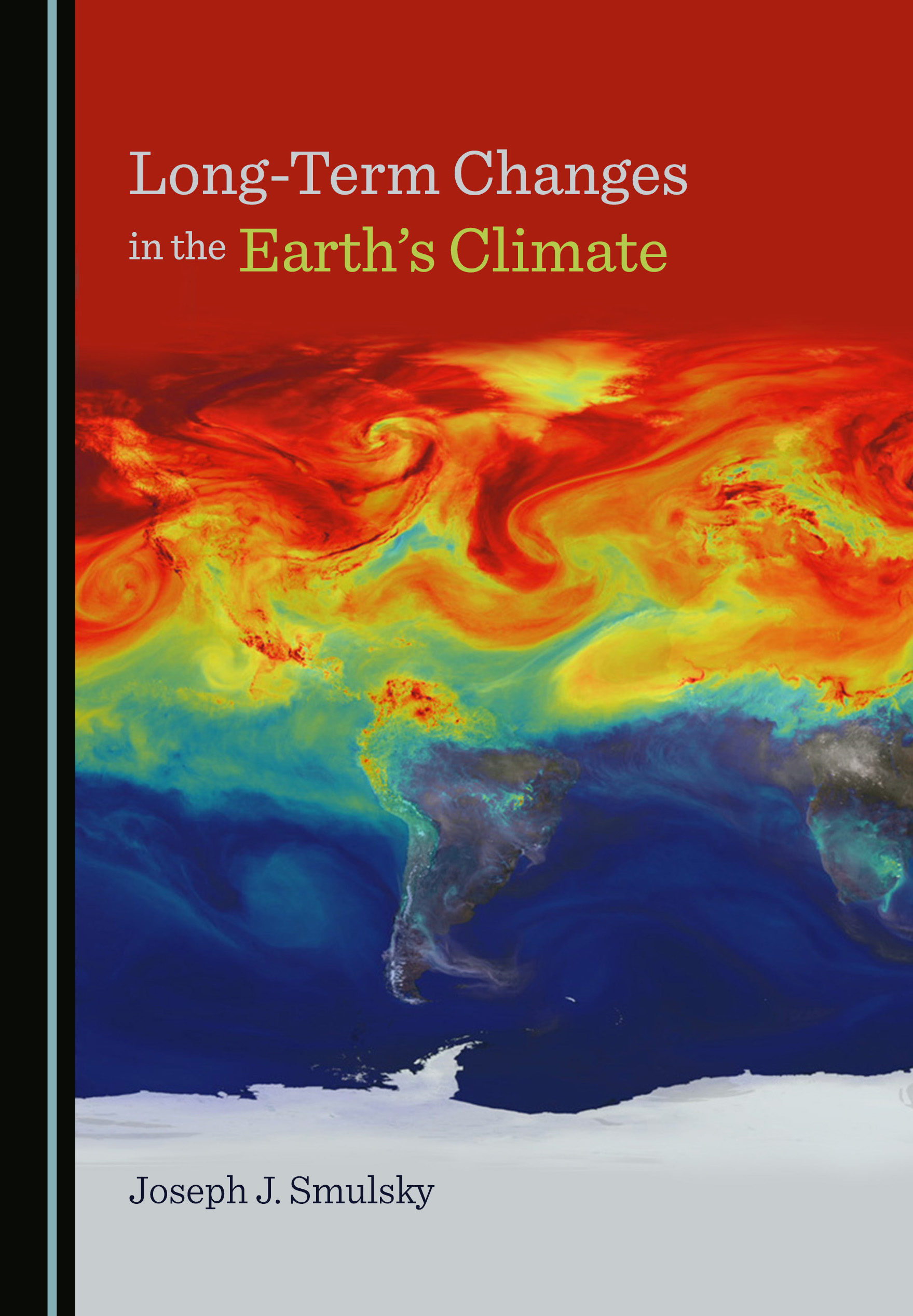
Earth's long-term climate is driven by evolving orbital and rotational movements. This book presents a new version of the astronomical theory of climate change, solving these problems in a different way. The new results coincide with historical warming and cooling periods.
Earth’s long-term climate is driven by evolving orbital and rotational movements. This book presents a new version of the astronomical theory of climate change, solving these problems in a different way. The new results coincide with historical warming and cooling periods.
View more
This product has multiple variants. The options may be chosen on the product page
View more
This product has multiple variants. The options may be chosen on the product page
From £31.99
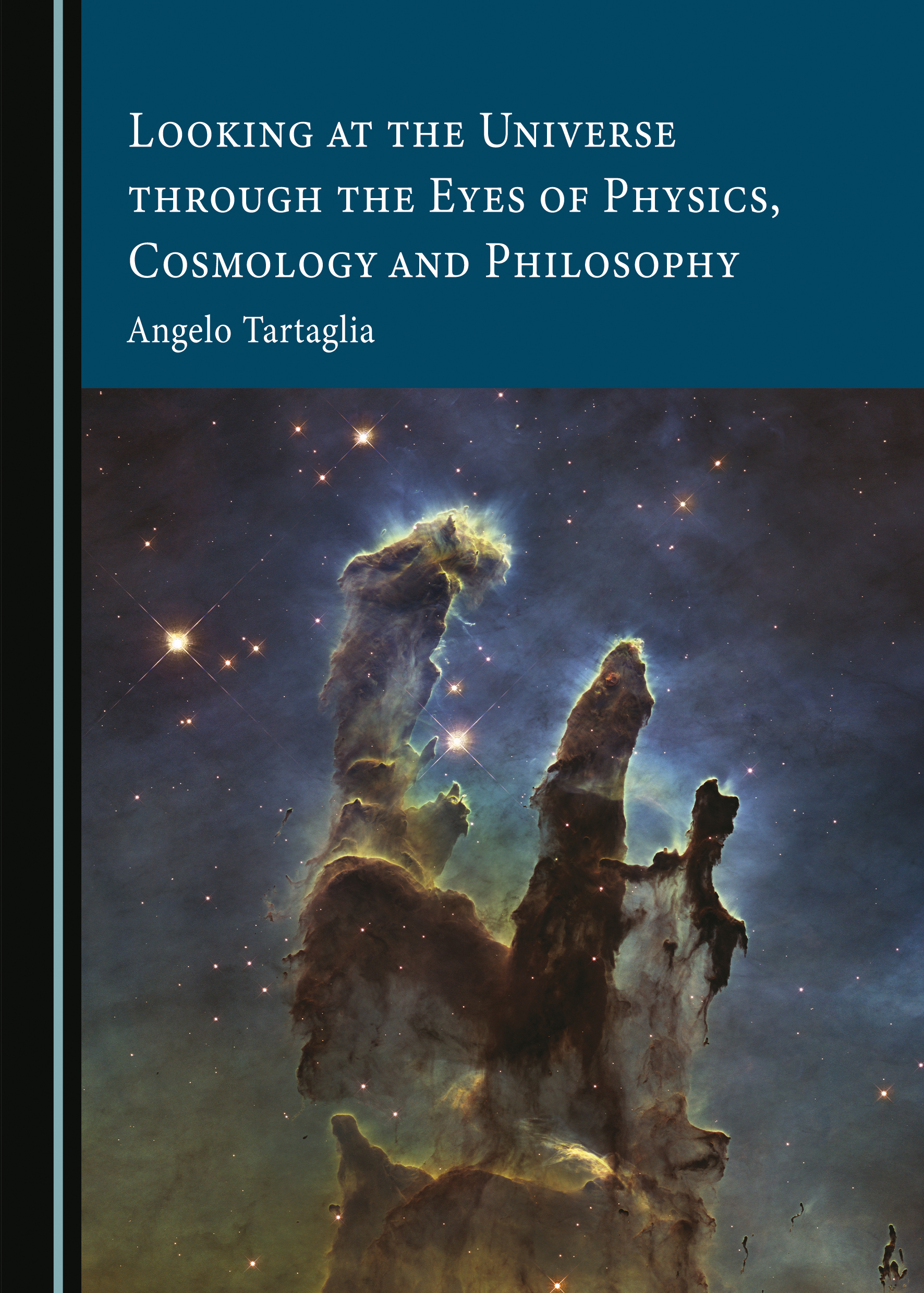
This book delves into the foundations of physics and our understanding of the universe. It covers cosmology from origin myths to dark energy, focusing on the open problems and unsolved puzzles that inevitably intertwine physics, astrophysics, and philosophy.
This book delves into the foundations of physics and our understanding of the universe. It covers cosmology from origin myths to dark energy, focusing on the open problems and unsolved puzzles that inevitably intertwine physics, astrophysics, and philosophy.
View more
This product has multiple variants. The options may be chosen on the product page
View more
This product has multiple variants. The options may be chosen on the product page
From £31.99
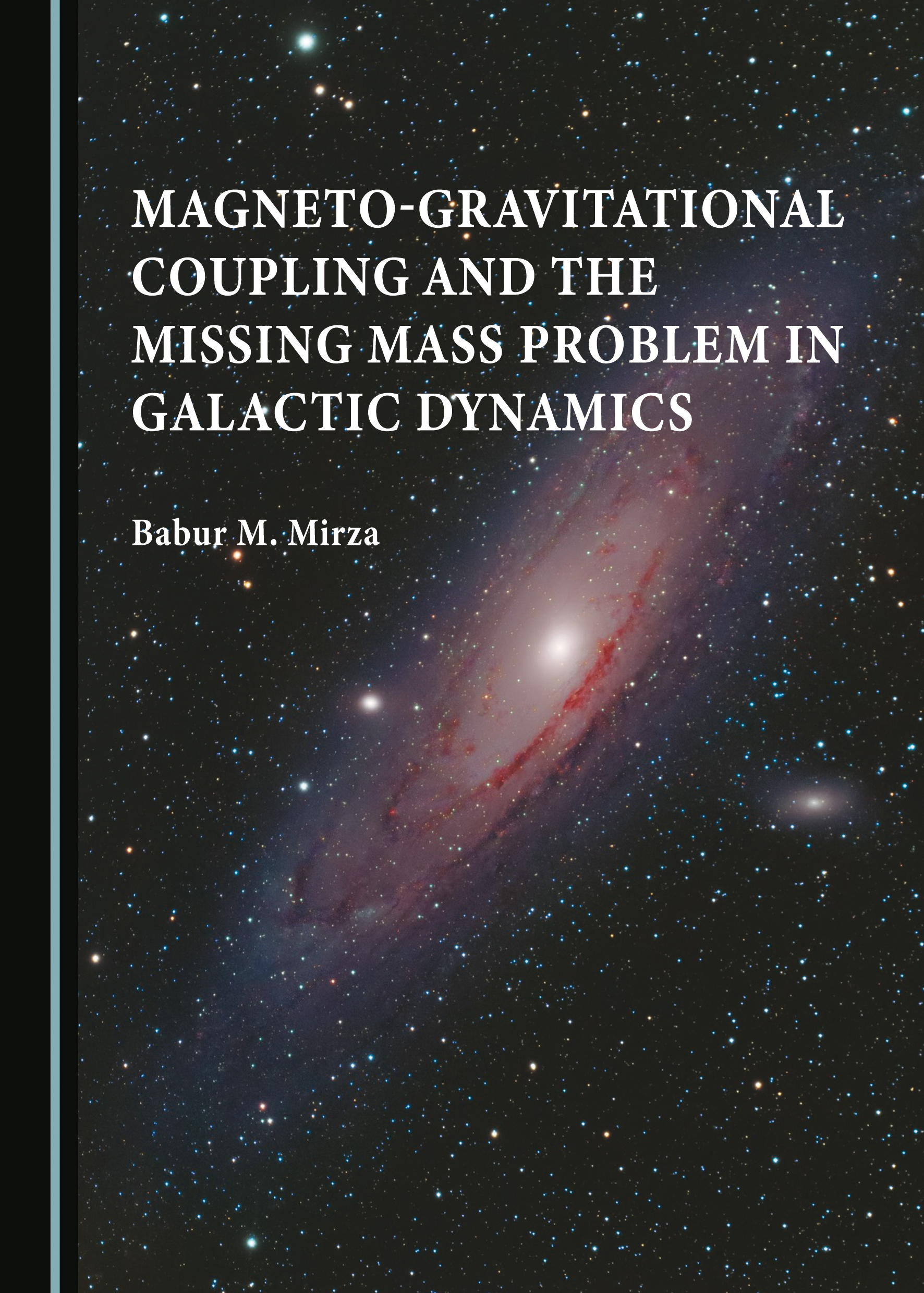
By coupling gravitational and magnetic fields, a normally weak relativistic effect is enhanced. This outward dragging increases the rotational velocities of galaxies, presenting important implications for the missing mass problem in galactic dynamics.
By coupling gravitational and magnetic fields, a normally weak relativistic effect is enhanced. This outward dragging increases the rotational velocities of galaxies, presenting important implications for the missing mass problem in galactic dynamics.
View more
This product has multiple variants. The options may be chosen on the product page
View more
This product has multiple variants. The options may be chosen on the product page
From £32.99
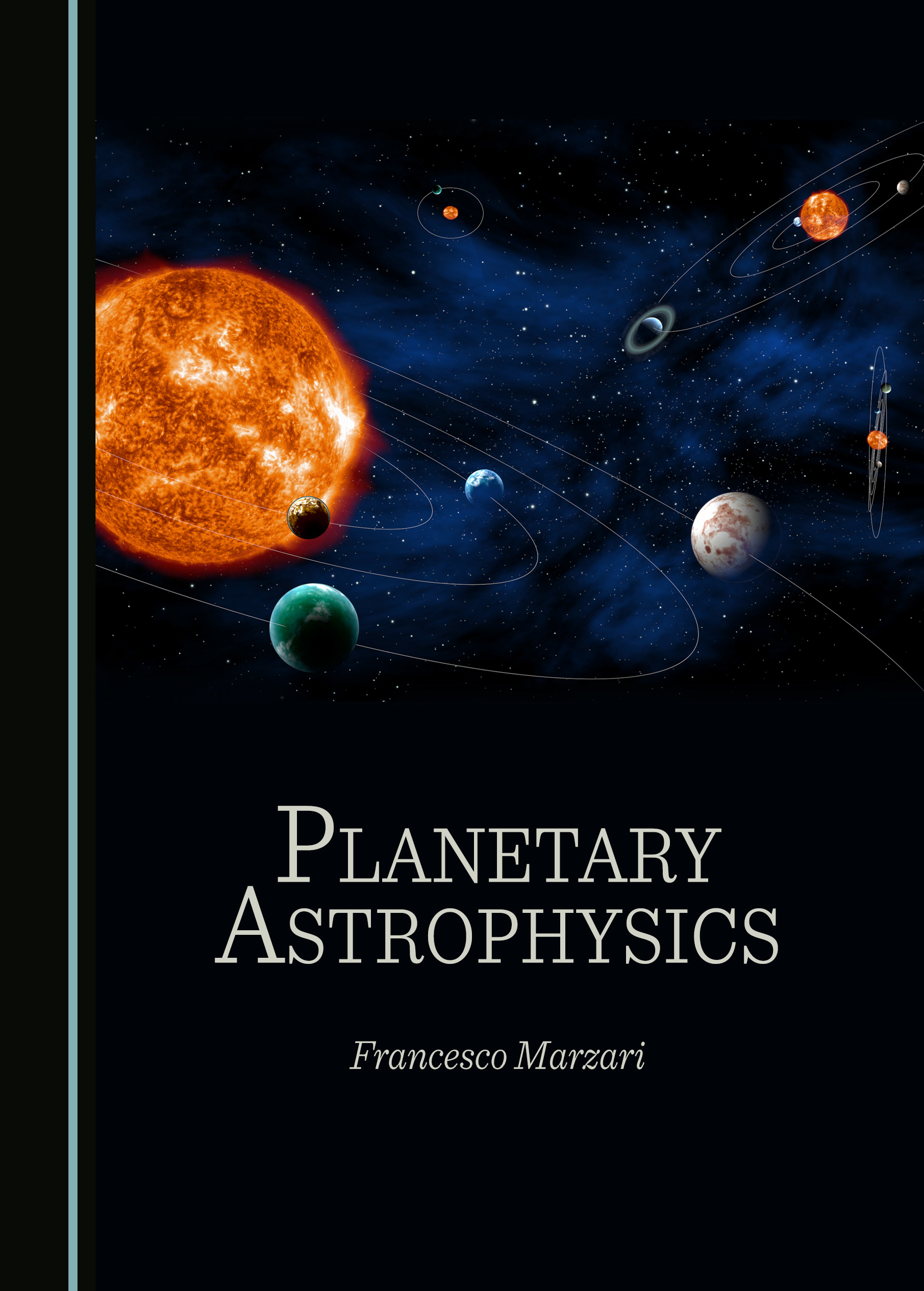
This textbook explains the physical processes governing the formation and evolution of planetary systems. Designed for undergraduates, the theory is developed from first principles, covering planetary dynamics, magnetic fields, and the fluid dynamics of circumstellar disks.
This textbook explains the physical processes governing the formation and evolution of planetary systems. Designed for undergraduates, the theory is developed from first principles, covering planetary dynamics, magnetic fields, and the fluid dynamics of circumstellar disks.
View more
This product has multiple variants. The options may be chosen on the product page
View more
This product has multiple variants. The options may be chosen on the product page
£90.00
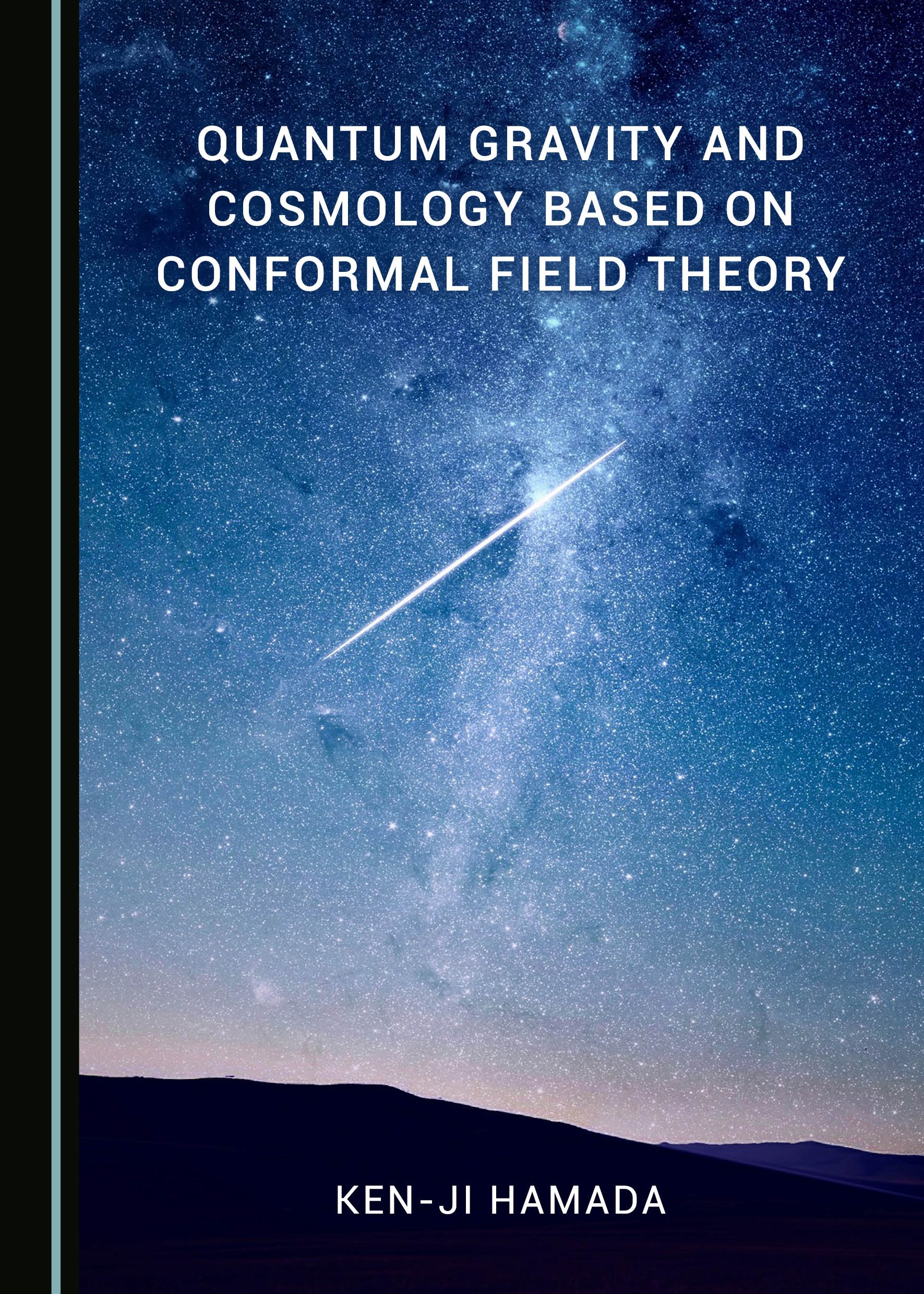
Quantum gravity seeks to reveal physical laws beyond the Planck scale, in a background-free world where time and distance are lost. This book introduces a renormalizable theory that helps us understand the history of the universe, from its birth to the present.
Quantum gravity seeks to reveal physical laws beyond the Planck scale, in a background-free world where time and distance are lost. This book introduces a renormalizable theory that helps us understand the history of the universe, from its birth to the present.
View more
This product has multiple variants. The options may be chosen on the product page
Processing Your Order
Please wait while we securely process your order.
Do not refresh or leave this page.
You will be redirected shortly to a confirmation page with your order number.