
View more
This product has multiple variants. The options may be chosen on the product page
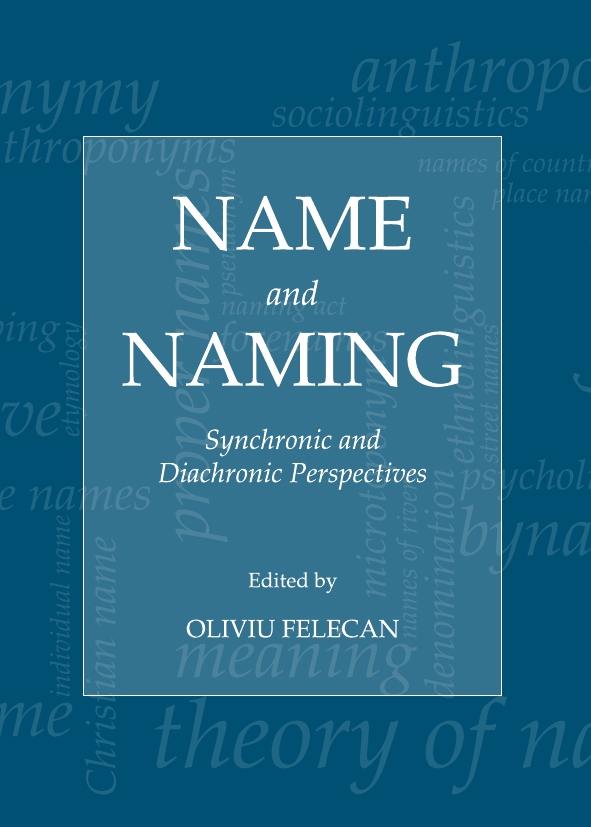
Name and Naming
Synchronic and Diachronic Perspectives
This book analyses names and the act of naming from an intercultural, synchronic, and diachronic perspective. Its originality lies in a multi-disciplinary approach, merging onomastics with sociolinguistics, history, literature, pragmatics, and more.
This book analyses names and the act of naming from an intercultural, synchronic, and diachronic perspective. Its originality lies in a multi-disciplinary approach, merging onomastics with sociolinguistics, history, literature, pragmatics, and more.
View more
This product has multiple variants. The options may be chosen on the product page
View more
This product has multiple variants. The options may be chosen on the product page
£49.99
This volume explores new directions in Hispanic linguistics, focusing on understudied topics and speech communities. Presenting new takes on key linguistic and sociocultural issues, its relevance reaches far beyond the confines of the Hispanic World.
This volume explores new directions in Hispanic linguistics, focusing on understudied topics and speech communities. Presenting new takes on key linguistic and sociocultural issues, its relevance reaches far beyond the confines of the Hispanic World.
View more
This product has multiple variants. The options may be chosen on the product page

View more
This product has multiple variants. The options may be chosen on the product page
£52.99
Once denigrated, the Ryukyuan languages are now severely endangered by oppressive policies. This volume depicts the history of the crisis, shedding light on the dark side of modernization and a misplaced obsession with monolingualism.
Once denigrated, the Ryukyuan languages are now severely endangered by oppressive policies. This volume depicts the history of the crisis, shedding light on the dark side of modernization and a misplaced obsession with monolingualism.
View more
This product has multiple variants. The options may be chosen on the product page
View more
This product has multiple variants. The options may be chosen on the product page
Discourse In and Through the Media
Recontextualizing and Reconceptualizing Expert Discourse
This conference proceedings examines various aspects related to the representation of specialised discourse in and through the media, including argumentative practices and knowledge construction, providing extensive examples of the type of research conducted on these issues.
This conference proceedings examines various aspects related to the representation of specialised discourse in and through the media, including argumentative practices and knowledge construction, providing extensive examples of the type of research conducted on these issues.
View more
This product has multiple variants. The options may be chosen on the product page

View more
This product has multiple variants. The options may be chosen on the product page
£52.99
Why do some English learners succeed and others fail? This book uncovers the crucial role of culture in shaping attributions and motivation. Essential for researchers and language teachers.
Why do some English learners succeed and others fail? This book uncovers the crucial role of culture in shaping attributions and motivation. Essential for researchers and language teachers.
View more
This product has multiple variants. The options may be chosen on the product page
View more
This product has multiple variants. The options may be chosen on the product page
Persuasion in Tourism Discourse
Methodologies and Models
Manca proposes an original approach to the study of tourism discourse by combining several methodologies and models, including Halliday’s systemic functional grammar. The result is a detailed linguistic and socio-cultural overview of the most common strategies of persuasion.
Manca proposes an original approach to the study of tourism discourse by combining several methodologies and models, including Halliday’s systemic functional grammar. The result is a detailed linguistic and socio-cultural overview of the most common strategies of persuasion.
View more
This product has multiple variants. The options may be chosen on the product page

View more
This product has multiple variants. The options may be chosen on the product page
£54.99
This volume examines how migration is affecting schools in Southern Europe. It explores changing language use and attitudes, asking: How do children react to diversity? Are schools equipped for these changes? Is there an adequate framework for integration?
This volume examines how migration is affecting schools in Southern Europe. It explores changing language use and attitudes, asking: How do children react to diversity? Are schools equipped for these changes? Is there an adequate framework for integration?
View more
This product has multiple variants. The options may be chosen on the product page
View more
This product has multiple variants. The options may be chosen on the product page
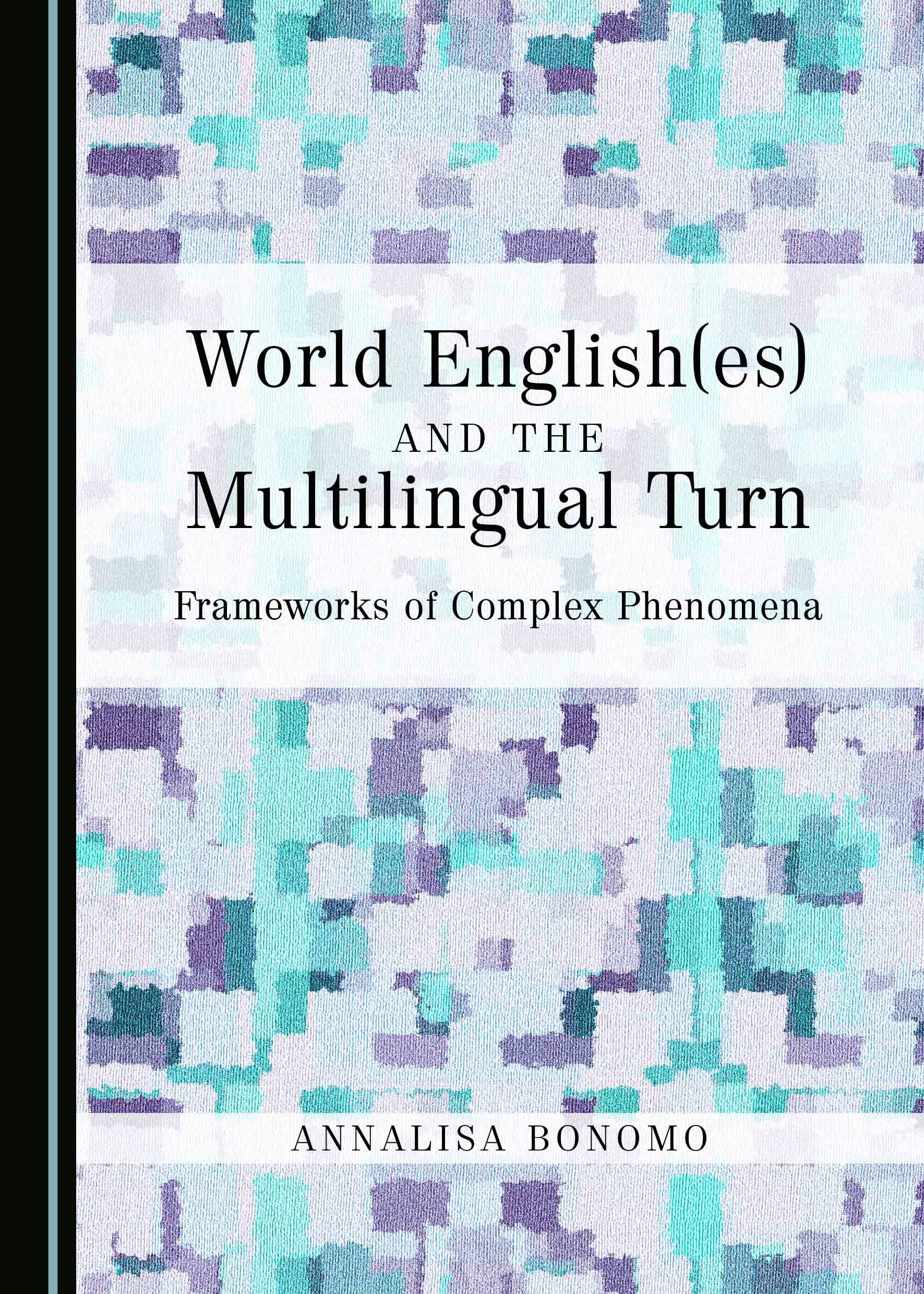
World English(es) and the Multilingual Turn
Frameworks of Complex Phenomena
Bonomo considers the social value of communication as the basis of multilingualism and of the evolution of language systems. Her data show English as being in the middle of the double “listening” of cultural mediation and the imperfect “magnifying” glass of translation.
Bonomo considers the social value of communication as the basis of multilingualism and of the evolution of language systems. Her data show English as being in the middle of the double “listening” of cultural mediation and the imperfect “magnifying” glass of translation.
View more
This product has multiple variants. The options may be chosen on the product page

View more
This product has multiple variants. The options may be chosen on the product page
Culture’s Software
Communication Styles
Geert Hofstede defined culture as collective programming of the mind. This volume, Culture’s Software, develops this idea. Born from a debate on cultural communication styles, this book offers a fresh perspective and will inspire further research into this fascinating subject.
Geert Hofstede defined culture as collective programming of the mind. This volume, Culture’s Software, develops this idea. Born from a debate on cultural communication styles, this book offers a fresh perspective and will inspire further research into this fascinating subject.
View more
This product has multiple variants. The options may be chosen on the product page
View more
This product has multiple variants. The options may be chosen on the product page
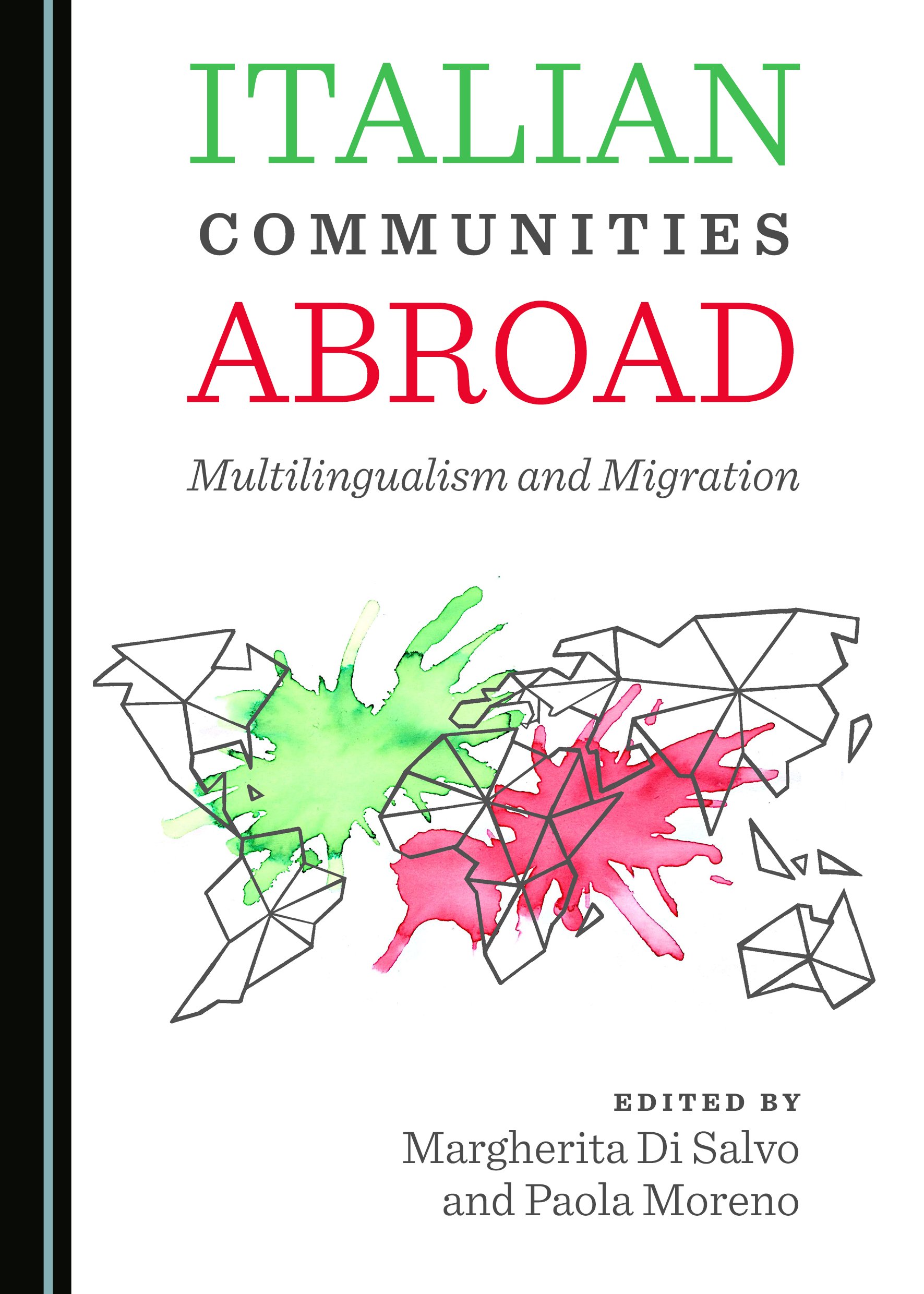
Italian Communities Abroad
Multilingualism and Migration
This volume provides an overview of research on Italian communities abroad, and, thus, represents an important contribution to the recent wave of paradigm renewal in the field of migration (socio)linguistics of Italian.
This volume provides an overview of research on Italian communities abroad, and, thus, represents an important contribution to the recent wave of paradigm renewal in the field of migration (socio)linguistics of Italian.
View more
This product has multiple variants. The options may be chosen on the product page
View more
This product has multiple variants. The options may be chosen on the product page
£58.99
Vision is not just perception, but is deeply rooted in human physiology, psychology and culture. This book challenges the Anglo-centric view that vision is a universal source for metaphor, exploring languages worldwide where other senses are preferred.
Vision is not just perception, but is deeply rooted in human physiology, psychology and culture. This book challenges the Anglo-centric view that vision is a universal source for metaphor, exploring languages worldwide where other senses are preferred.
View more
This product has multiple variants. The options may be chosen on the product page

View more
This product has multiple variants. The options may be chosen on the product page
Semantic Traces of Social Interaction from Antiquity to Early Modern Times
Historical Conversatio
Tracing the changes in the meaning of “conversatio” and its modern language derivatives, Plotke illustrates the productivity of historical semantic analysis for cultural studies.
Tracing the changes in the meaning of “conversatio” and its modern language derivatives, Plotke illustrates the productivity of historical semantic analysis for cultural studies.
View more
This product has multiple variants. The options may be chosen on the product page
View more
This product has multiple variants. The options may be chosen on the product page
£61.99
This collection offers fresh perspectives on the syntax and semantics of South Asian languages. Drawing on novel data, it covers key grammatical aspects like clausal/nominal structure, case/phi-agreement, and primitive categories, with analyses couched in the generative paradigm.
This collection offers fresh perspectives on the syntax and semantics of South Asian languages. Drawing on novel data, it covers key grammatical aspects like clausal/nominal structure, case/phi-agreement, and primitive categories, with analyses couched in the generative paradigm.
View more
This product has multiple variants. The options may be chosen on the product page

View more
This product has multiple variants. The options may be chosen on the product page
Totalitarian (In)Experience in Literary Works and Their Translations
Between East and West
This book explores totalitarianism in 20th century literature through a cross-linguistic analysis of works by Huxley, Orwell, Miłosz, and Konwicki. Using the Natural Semantic Metalanguage framework, it examines how the totalitarian experience shaped their writing.
This book explores totalitarianism in 20th century literature through a cross-linguistic analysis of works by Huxley, Orwell, Miłosz, and Konwicki. Using the Natural Semantic Metalanguage framework, it examines how the totalitarian experience shaped their writing.
View more
This product has multiple variants. The options may be chosen on the product page
View more
This product has multiple variants. The options may be chosen on the product page
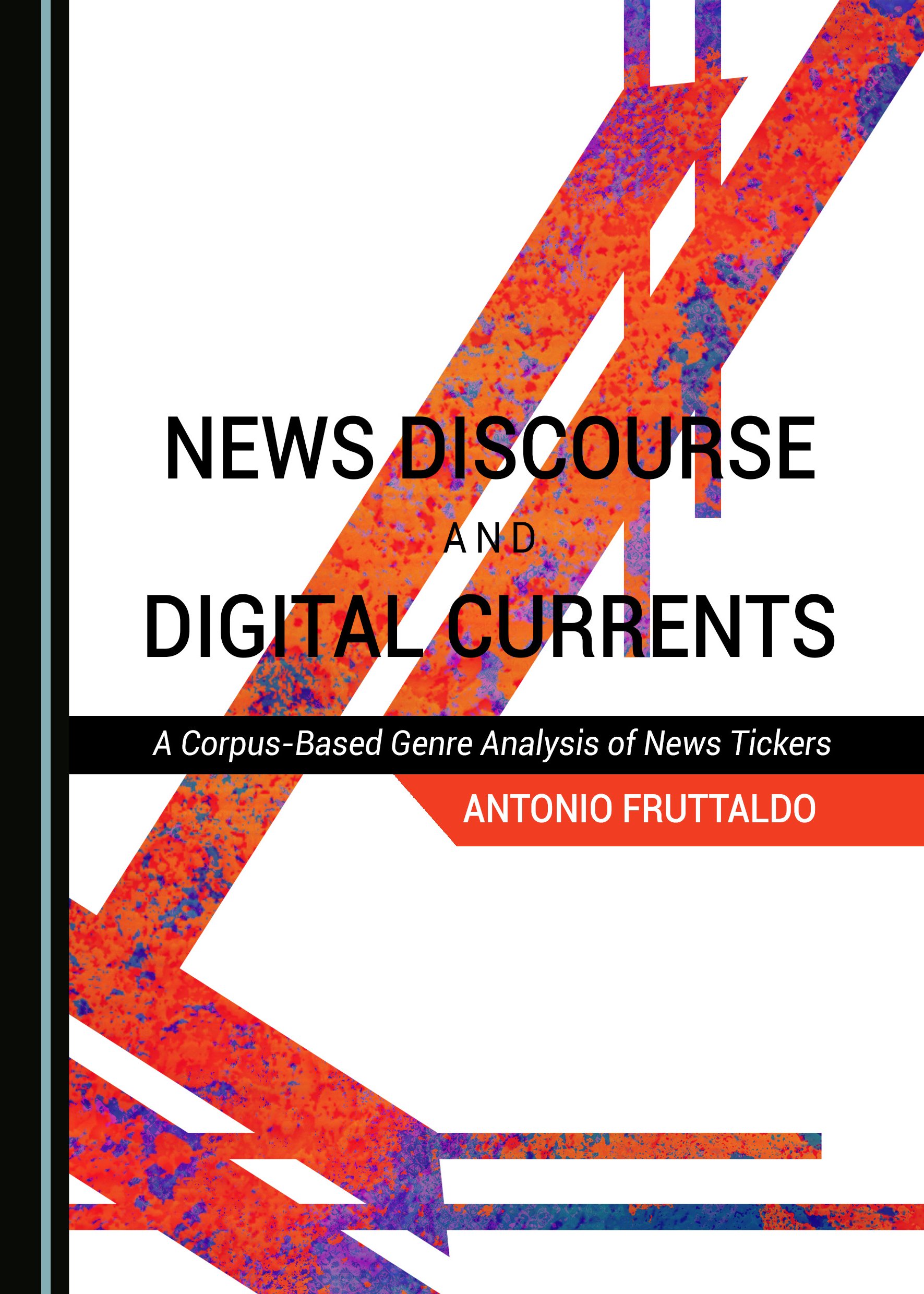
News Discourse and Digital Currents
A Corpus-Based Genre Analysis of News Tickers
This book investigates the under-researched genre of news tickers. Based on a year-long collection from BBC World News, it uses corpus-based analysis to define tickers as a mixed genre that combines headlines and leads to achieve specific marketization strategies.
This book investigates the under-researched genre of news tickers. Based on a year-long collection from BBC World News, it uses corpus-based analysis to define tickers as a mixed genre that combines headlines and leads to achieve specific marketization strategies.
View more
This product has multiple variants. The options may be chosen on the product page

View more
This product has multiple variants. The options may be chosen on the product page
Foreign Women Authors under Fascism and Francoism
Gender, Translation and Censorship
This collection highlights cultural features and processes which characterized translation practice under the dictatorships of Mussolini and Franco. It brings to the fore the “microhistory” that exists behind every publishing proposal, whether collective or individual.
This collection highlights cultural features and processes which characterized translation practice under the dictatorships of Mussolini and Franco. It brings to the fore the “microhistory” that exists behind every publishing proposal, whether collective or individual.
View more
This product has multiple variants. The options may be chosen on the product page

View more
This product has multiple variants. The options may be chosen on the product page
Taiwanese and Polish Humor
A Socio-Pragmatic Analysis
Is there a specifically ‘Taiwanese’ or ‘Polish’ humor? Do people from Taiwan and Poland share the same sense of humor? How is humor related to politics, religion and the LGBT community? Lee Chen grapples with these questions, among others, in this monograph.
Is there a specifically ‘Taiwanese’ or ‘Polish’ humor? Do people from Taiwan and Poland share the same sense of humor? How is humor related to politics, religion and the LGBT community? Lee Chen grapples with these questions, among others, in this monograph.
View more
This product has multiple variants. The options may be chosen on the product page
View more
This product has multiple variants. The options may be chosen on the product page
Reflections on Persian Grammar
Developments in Persian Linguistic Scholarship I
Soheili presents the first authoritative survey of the historical developments of Persian grammar, from the first attested work some 200 years ago to the present day. He examines the development of Persian linguistic thought in five different periods.
Soheili presents the first authoritative survey of the historical developments of Persian grammar, from the first attested work some 200 years ago to the present day. He examines the development of Persian linguistic thought in five different periods.
View more
This product has multiple variants. The options may be chosen on the product page
View more
This product has multiple variants. The options may be chosen on the product page
Exploring New Occupational Discourses and Identities across Genres
Crisis and Well-Being
This collection explores the reconceptualisation of work following the Great Resignation. Focusing on Millennials and Gen Z, it investigates shifting narratives on work-life balance, well-being, and the new power dynamics between employers and employees in a post-COVID world.
This collection explores the reconceptualisation of work following the Great Resignation. Focusing on Millennials and Gen Z, it investigates shifting narratives on work-life balance, well-being, and the new power dynamics between employers and employees in a post-COVID world.
View more
This product has multiple variants. The options may be chosen on the product page

View more
This product has multiple variants. The options may be chosen on the product page
Multilinguality, Vitality, and Endangerment
Insights from the Lived Experiences of Multilingual India
Languages are not lost; they are displaced. This book challenges conventional narratives by exploring why the Toda language is declining while Kota remains resilient. It demonstrates that language endangerment is a consequence of systemic marginalization, not modernization.
Languages are not lost; they are displaced. This book challenges conventional narratives by exploring why the Toda language is declining while Kota remains resilient. It demonstrates that language endangerment is a consequence of systemic marginalization, not modernization.
View more
This product has multiple variants. The options may be chosen on the product page
Processing Your Order
Please wait while we securely process your order.
Do not refresh or leave this page.
You will be redirected shortly to a confirmation page with your order number.