
View more
This product has multiple variants. The options may be chosen on the product page
£39.99
This collection of articles explores globalization's impact on literary production. Featuring non-Eurocentric perspectives, it comments on today's literary market, highlighting unexpected global exchanges and challenging the ongoing debate on “world literature”.
This collection of articles explores globalization’s impact on literary production. Featuring non-Eurocentric perspectives, it comments on today’s literary market, highlighting unexpected global exchanges and challenging the ongoing debate on “world literature”.
View more
This product has multiple variants. The options may be chosen on the product page
View more
This product has multiple variants. The options may be chosen on the product page
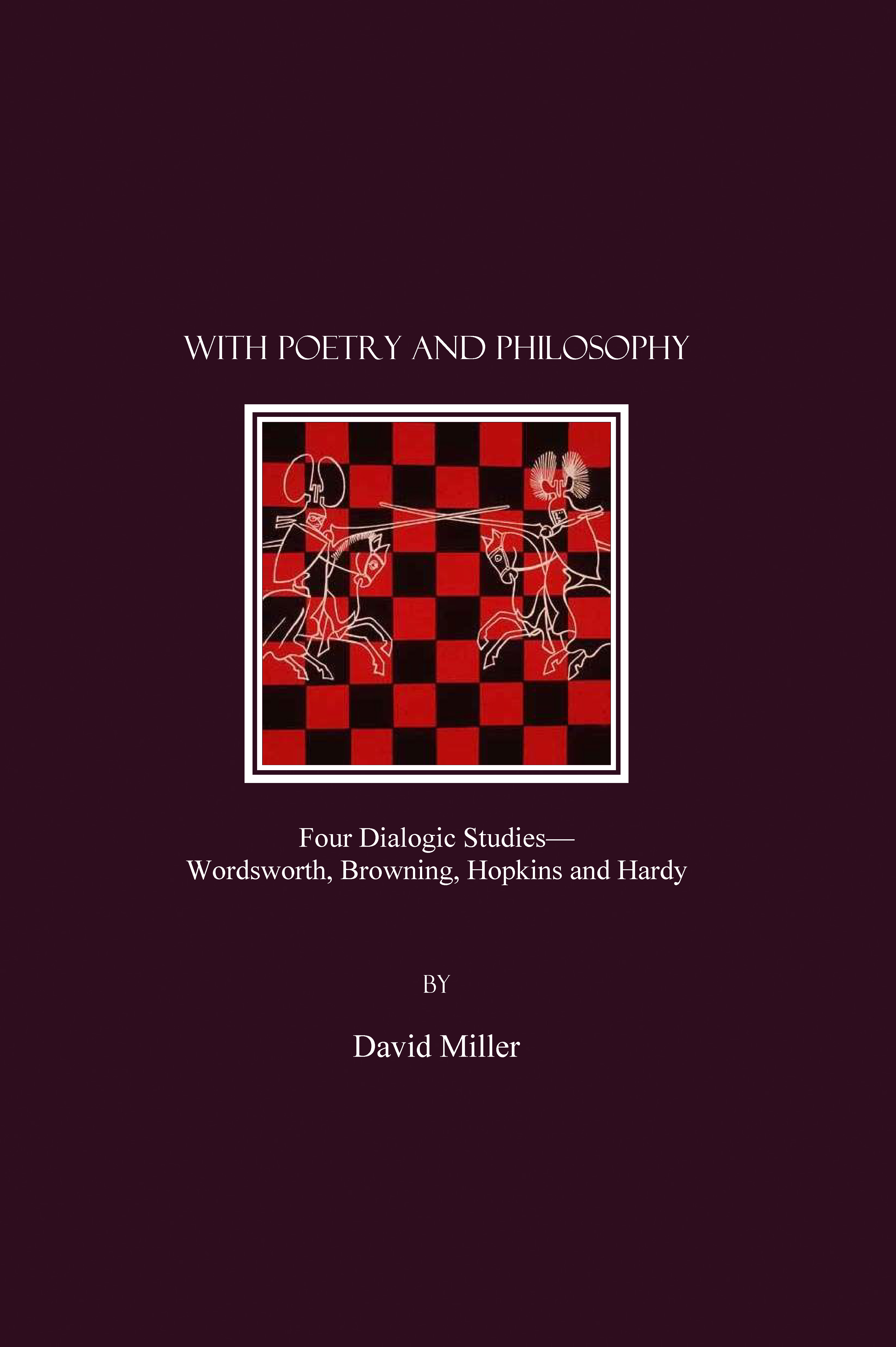
With Poetry and Philosophy
Four Dialogic Studies—Wordsworth, Browning, Hopkins and Hardy
This book explores the dialogue between poetry and philosophy, from Kant and Wordsworth to Adorno and Hardy. Outlining a new ‘dialogic’ approach, it produces considerations on language and thought that are unexpected, yet strangely fitting.
This book explores the dialogue between poetry and philosophy, from Kant and Wordsworth to Adorno and Hardy. Outlining a new ‘dialogic’ approach, it produces considerations on language and thought that are unexpected, yet strangely fitting.
View more
This product has multiple variants. The options may be chosen on the product page
View more
This product has multiple variants. The options may be chosen on the product page
£34.99
From Ireland to Byzantium, medievalists face constraints interpreting texts. Problems of authorship, transcription, and translation create a complex discourse. These chapters prise truths about texts, transmission, and the critical literacies needed to interpret both.
From Ireland to Byzantium, medievalists face constraints interpreting texts. Problems of authorship, transcription, and translation create a complex discourse. These chapters prise truths about texts, transmission, and the critical literacies needed to interpret both.
View more
This product has multiple variants. The options may be chosen on the product page
View more
This product has multiple variants. The options may be chosen on the product page
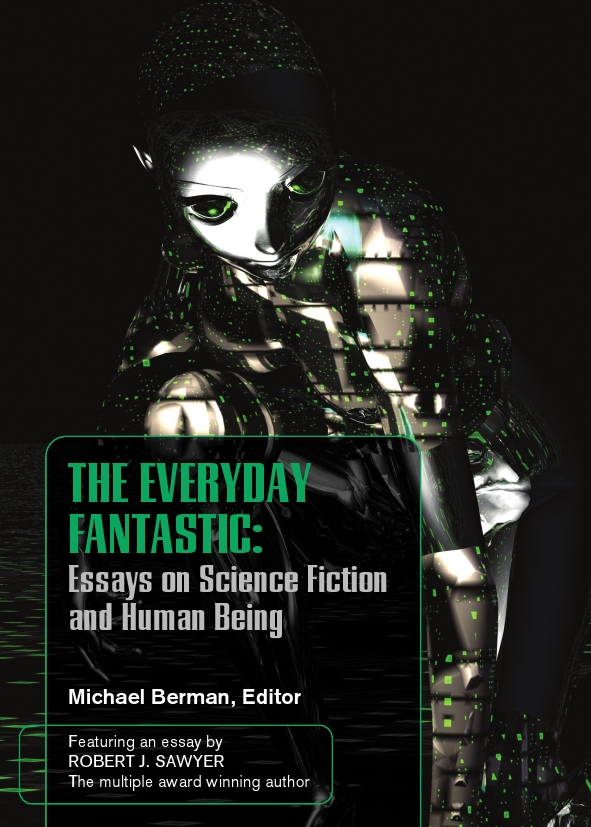
The Everyday Fantasic
Essays on Science Fiction and Human Being
The Everyday Fantastic is a collection of essays born from a love for science fiction. Writers from the humanities, social sciences, and sciences view the genre beyond mere entertainment, engaging the fundamental questions explored in its myriad forms.
The Everyday Fantastic is a collection of essays born from a love for science fiction. Writers from the humanities, social sciences, and sciences view the genre beyond mere entertainment, engaging the fundamental questions explored in its myriad forms.
View more
This product has multiple variants. The options may be chosen on the product page
View more
This product has multiple variants. The options may be chosen on the product page
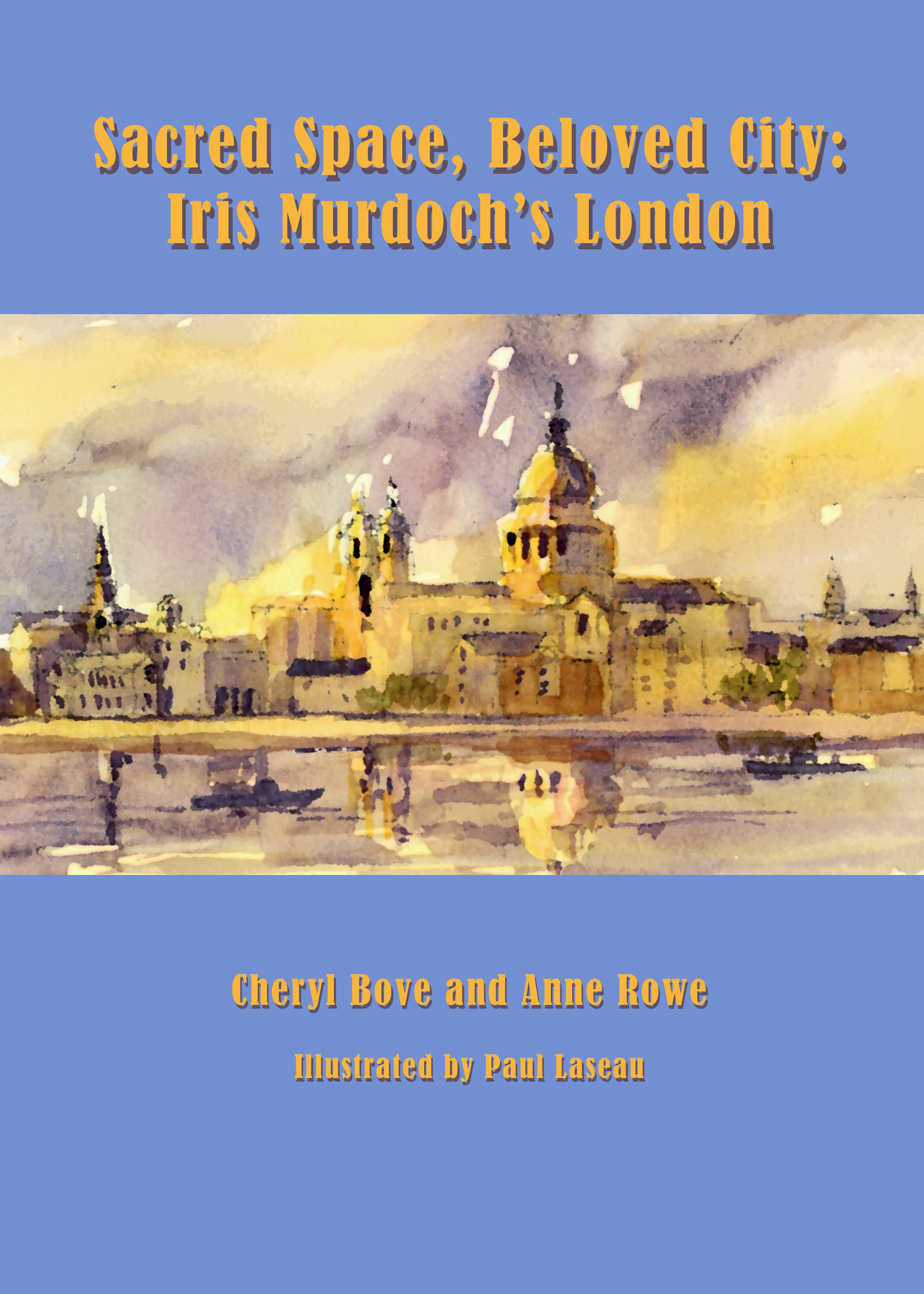
Sacred Space, Beloved City
Iris Murdoch’s London
Explore Iris Murdoch’s London. Essays and guided walks link her plots to real landmarks and routes, revealing how characters experience their surroundings. Illustrated with atmospheric sketches, the book includes a complete glossary of London places from her 26 novels.
Explore Iris Murdoch’s London. Essays and guided walks link her plots to real landmarks and routes, revealing how characters experience their surroundings. Illustrated with atmospheric sketches, the book includes a complete glossary of London places from her 26 novels.
View more
This product has multiple variants. The options may be chosen on the product page
View more
This product has multiple variants. The options may be chosen on the product page
£44.99
Literature has always treated the sensational, but it is also intricately connected with sensation in ways that are less understood. This book offers detailed readings of literature according to the sensations they represent, incite, or evoke in us.
Literature has always treated the sensational, but it is also intricately connected with sensation in ways that are less understood. This book offers detailed readings of literature according to the sensations they represent, incite, or evoke in us.
View more
This product has multiple variants. The options may be chosen on the product page
View more
This product has multiple variants. The options may be chosen on the product page
Inside Knowledge
(Un)doing Ways of Knowing in the Humanities
Can art produce knowledge? Is the body a medium for knowing? This collection of essays offers a fresh, interdisciplinary examination of how we know what we know in the humanities, challenging conventional methodologies through concrete case studies.
Can art produce knowledge? Is the body a medium for knowing? This collection of essays offers a fresh, interdisciplinary examination of how we know what we know in the humanities, challenging conventional methodologies through concrete case studies.
View more
This product has multiple variants. The options may be chosen on the product page
View more
This product has multiple variants. The options may be chosen on the product page
£39.99
An international group of contributors explores privacy’s contours in a series of accessible yet rigorous essays. Themes include the psychology of privacy, social accountability, and the concerns of emerging information technologies.
An international group of contributors explores privacy’s contours in a series of accessible yet rigorous essays. Themes include the psychology of privacy, social accountability, and the concerns of emerging information technologies.
View more
This product has multiple variants. The options may be chosen on the product page
View more
This product has multiple variants. The options may be chosen on the product page
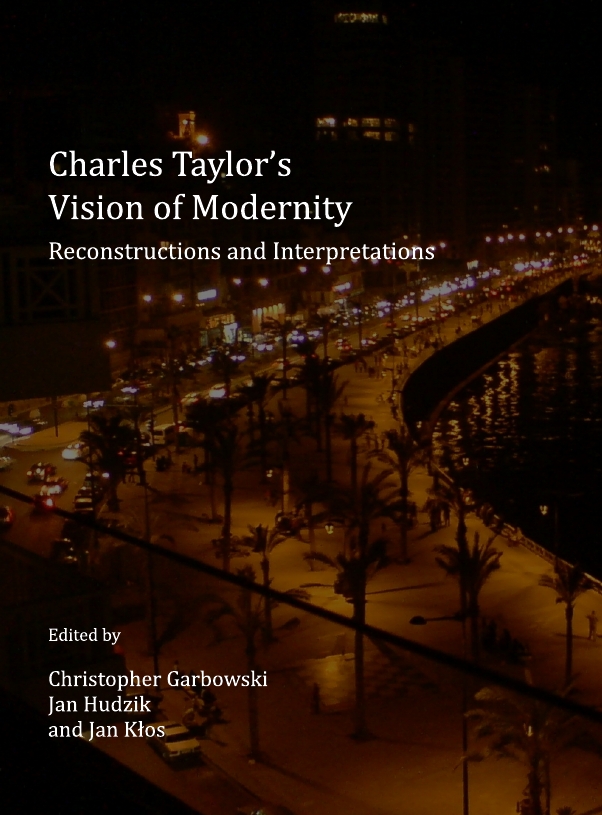
Charles Taylor’s Vision of Modernity
Reconstructions and Interpretations
A penetrating cross-section of influential philosopher Charles Taylor's thought. The contributions in this volume engage with and find inspiration in his work on the modern self, secularization, liberalism, communitarianism, language, and culture.
A penetrating cross-section of influential philosopher Charles Taylor’s thought. The contributions in this volume engage with and find inspiration in his work on the modern self, secularization, liberalism, communitarianism, language, and culture.
View more
This product has multiple variants. The options may be chosen on the product page
View more
This product has multiple variants. The options may be chosen on the product page
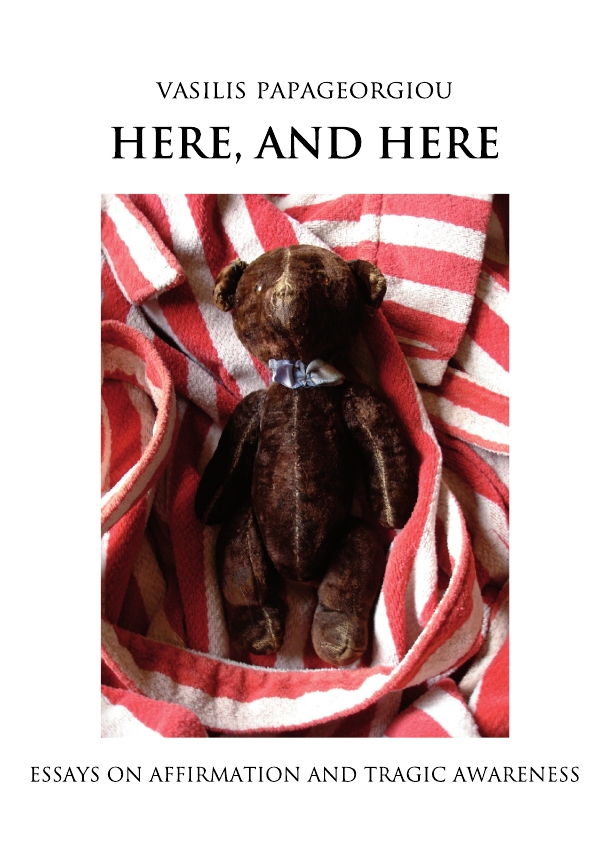
Here, and Here
Essays on Affirmation and Tragic Awareness
These essays explore using logos without its negative, restricting aspects through affirmation and tragic awareness. It is all about arrangements that say yes, since they do not raise absolute boundaries. The arrangement is a logos without logos: a cosmos.
These essays explore using logos without its negative, restricting aspects through affirmation and tragic awareness. It is all about arrangements that say yes, since they do not raise absolute boundaries. The arrangement is a logos without logos: a cosmos.
View more
This product has multiple variants. The options may be chosen on the product page

View more
This product has multiple variants. The options may be chosen on the product page
£39.99
New essays on the Frankfurt School explore its dialogue with predecessors like Marx, its key debates, and its continuing significance in the postmodern age. Readers will find a lively debate on technology, “negative dialectics,” the Shoah, and political thought.
New essays on the Frankfurt School explore its dialogue with predecessors like Marx, its key debates, and its continuing significance in the postmodern age. Readers will find a lively debate on technology, “negative dialectics,” the Shoah, and political thought.
View more
This product has multiple variants. The options may be chosen on the product page
View more
This product has multiple variants. The options may be chosen on the product page
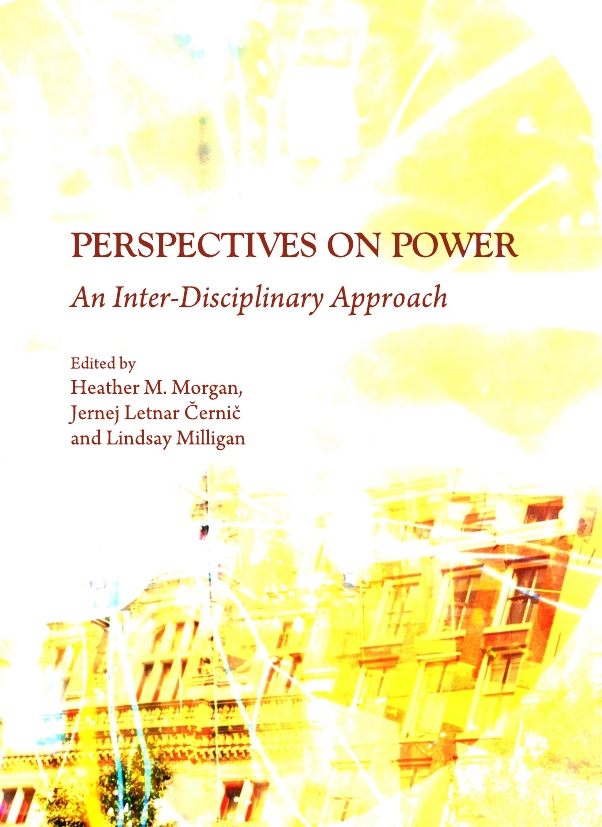
Perspectives on Power
An Inter-Disciplinary Approach
In this interdisciplinary collection, postgraduate researchers boldly explore power relations. Twenty-one articles spanning the arts and social sciences—from human rights to literature—reveal the many similarities that exist between these distinct disciplines.
In this interdisciplinary collection, postgraduate researchers boldly explore power relations. Twenty-one articles spanning the arts and social sciences—from human rights to literature—reveal the many similarities that exist between these distinct disciplines.
View more
This product has multiple variants. The options may be chosen on the product page

View more
This product has multiple variants. The options may be chosen on the product page
One is Never Alone with a Rubber Duck
Douglas Adams’s Absurd Fictional Universe
Douglas Adams’s Hitchhiker Series is not merely light-hearted comedy, but is underpinned by philosophical ideas like Existentialism and absurdity. It investigates madness as subjective reality and uses aliens to satirise the human condition.
Douglas Adams’s Hitchhiker Series is not merely light-hearted comedy, but is underpinned by philosophical ideas like Existentialism and absurdity. It investigates madness as subjective reality and uses aliens to satirise the human condition.
View more
This product has multiple variants. The options may be chosen on the product page

View more
This product has multiple variants. The options may be chosen on the product page
£49.99
Leading scholars from philosophy, psychology, and history cast new light on Sartre. This volume deliberately stresses a middle and final period of his work, exploring diverse topics and offering new insights on authenticity, freedom, and ethics.
Leading scholars from philosophy, psychology, and history cast new light on Sartre. This volume deliberately stresses a middle and final period of his work, exploring diverse topics and offering new insights on authenticity, freedom, and ethics.
View more
This product has multiple variants. The options may be chosen on the product page
View more
This product has multiple variants. The options may be chosen on the product page
£39.99
Why study Pound and Eliot as Imagists when one left the movement and the other never belonged? To explore their shared premium on precision for opposite ends. Pound plied accuracy to carve distinctions, while Eliot used it to intuit a divine amalgamation.
Why study Pound and Eliot as Imagists when one left the movement and the other never belonged? To explore their shared premium on precision for opposite ends. Pound plied accuracy to carve distinctions, while Eliot used it to intuit a divine amalgamation.
View more
This product has multiple variants. The options may be chosen on the product page
View more
This product has multiple variants. The options may be chosen on the product page
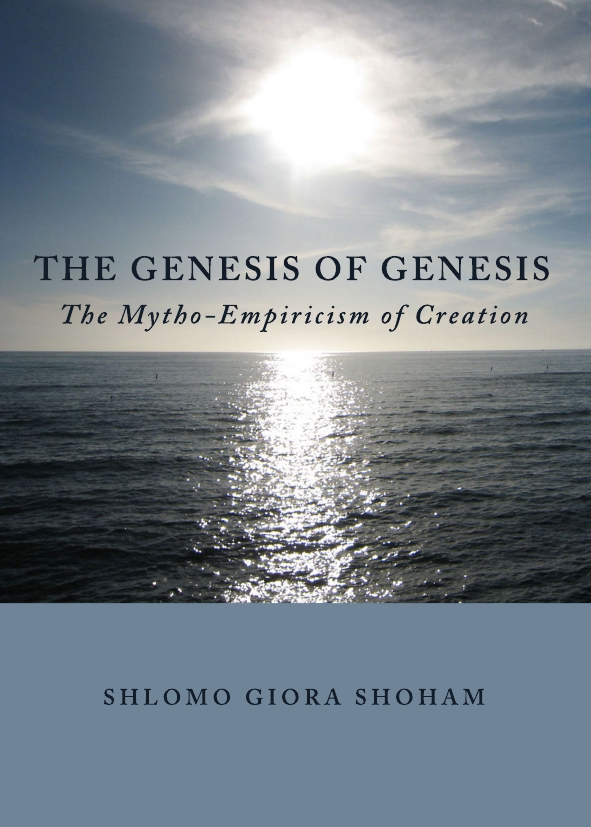
The Genesis of Genesis
The Mytho-Empiricism of Creation
The Genesis of Genesis compares creation myths of ancient Egypt, Greece, and Mesopotamia with the Judaic cosmogony of Genesis. It contrasts their deterministic mythologies with the unique Judaic reliance on the word as the creative agent.
The Genesis of Genesis compares creation myths of ancient Egypt, Greece, and Mesopotamia with the Judaic cosmogony of Genesis. It contrasts their deterministic mythologies with the unique Judaic reliance on the word as the creative agent.
View more
This product has multiple variants. The options may be chosen on the product page
View more
This product has multiple variants. The options may be chosen on the product page
Conrad’s Destructive Element
The Metaphysical World-View Unifying Lord Jim
This new interpretation of Lord Jim uses Conrad's manuscript to reveal the novel as a unified whole. It refutes critics by showing how one metaphysical question gives the story a fixed pattern of meaning from beginning to end, just as Conrad claimed.
This new interpretation of Lord Jim uses Conrad’s manuscript to reveal the novel as a unified whole. It refutes critics by showing how one metaphysical question gives the story a fixed pattern of meaning from beginning to end, just as Conrad claimed.
View more
This product has multiple variants. The options may be chosen on the product page
View more
This product has multiple variants. The options may be chosen on the product page
£34.99
This analysis of Hardy’s tragedies finds his famed pessimism is a mask for evolutionary ethics. Women's suffering is an adapted parental investment in survival, a force of superiority granting greater fitness than the heroic deeds of men.
This analysis of Hardy’s tragedies finds his famed pessimism is a mask for evolutionary ethics. Women’s suffering is an adapted parental investment in survival, a force of superiority granting greater fitness than the heroic deeds of men.
View more
This product has multiple variants. The options may be chosen on the product page

View more
This product has multiple variants. The options may be chosen on the product page
Bonds and Borders
Identity, Imagination and Transformation in Literature
This collection of essays explores bonds and borders in literature, from colonial times to post-9/11 narratives. Trespassing boundaries to create new ideas, these essays dissect, subvert, and challenge our understandings of identity in an international society.
This collection of essays explores bonds and borders in literature, from colonial times to post-9/11 narratives. Trespassing boundaries to create new ideas, these essays dissect, subvert, and challenge our understandings of identity in an international society.
View more
This product has multiple variants. The options may be chosen on the product page

View more
This product has multiple variants. The options may be chosen on the product page
£34.99
In a postmodern world where grand narratives have collapsed, Michel Tournier's mission is to create a new mythology. He reworks established myths and legends, allowing the reader to take the place of the author and create their own individual mythology.
In a postmodern world where grand narratives have collapsed, Michel Tournier’s mission is to create a new mythology. He reworks established myths and legends, allowing the reader to take the place of the author and create their own individual mythology.
View more
This product has multiple variants. The options may be chosen on the product page
Processing Your Order
Please wait while we securely process your order.
Do not refresh or leave this page.
You will be redirected shortly to a confirmation page with your order number.