
View more
This product has multiple variants. The options may be chosen on the product page
From £38.99
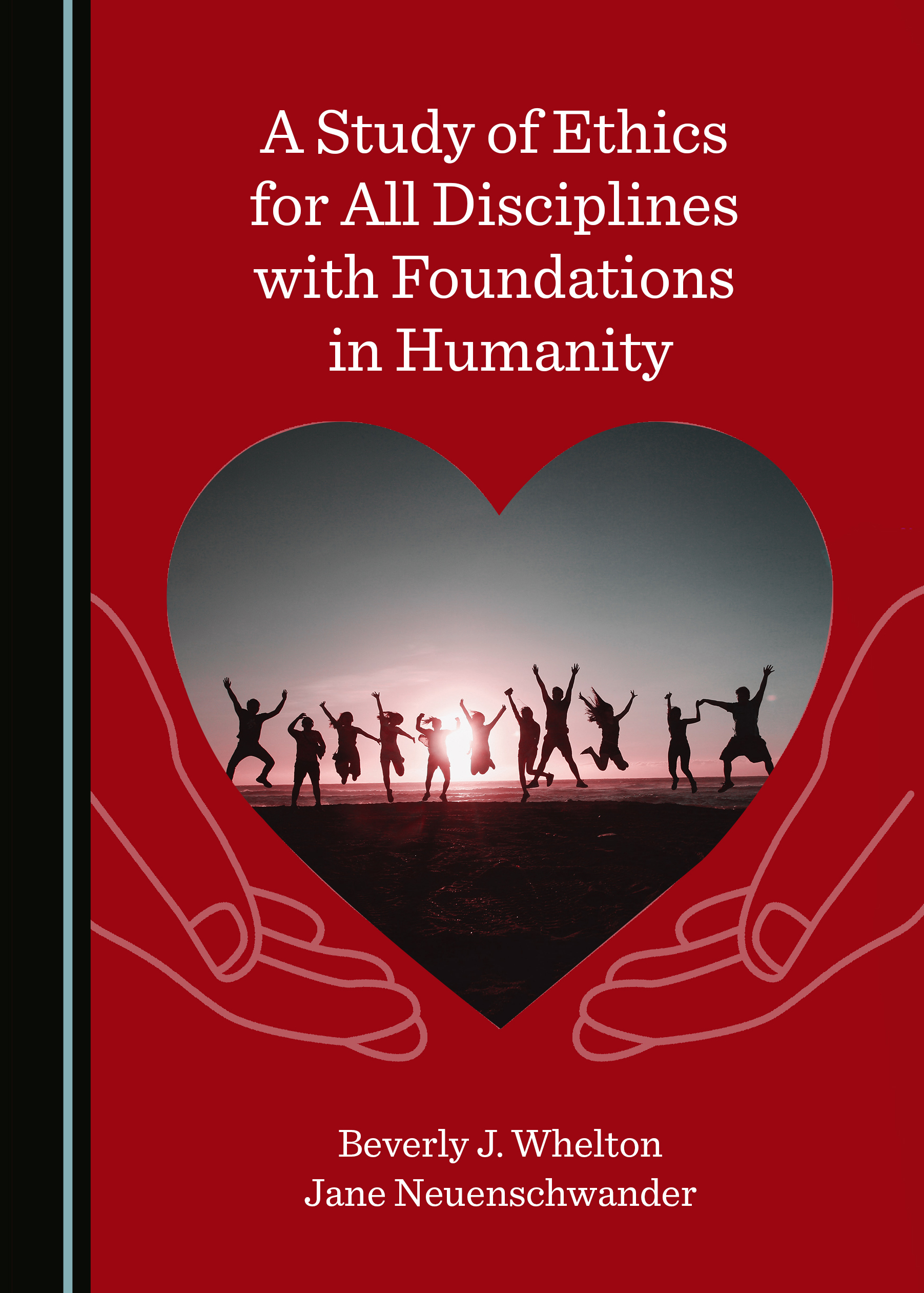
This book provides a framework for ethical reasoning, exploring how values shape our worldview and principles guide our practice. Placing humanity at its heart, it discusses applications within the beginning and end of life, science, education, and business.
This book provides a framework for ethical reasoning, exploring how values shape our worldview and principles guide our practice. Placing humanity at its heart, it discusses applications within the beginning and end of life, science, education, and business.
View more
This product has multiple variants. The options may be chosen on the product page
View more
This product has multiple variants. The options may be chosen on the product page
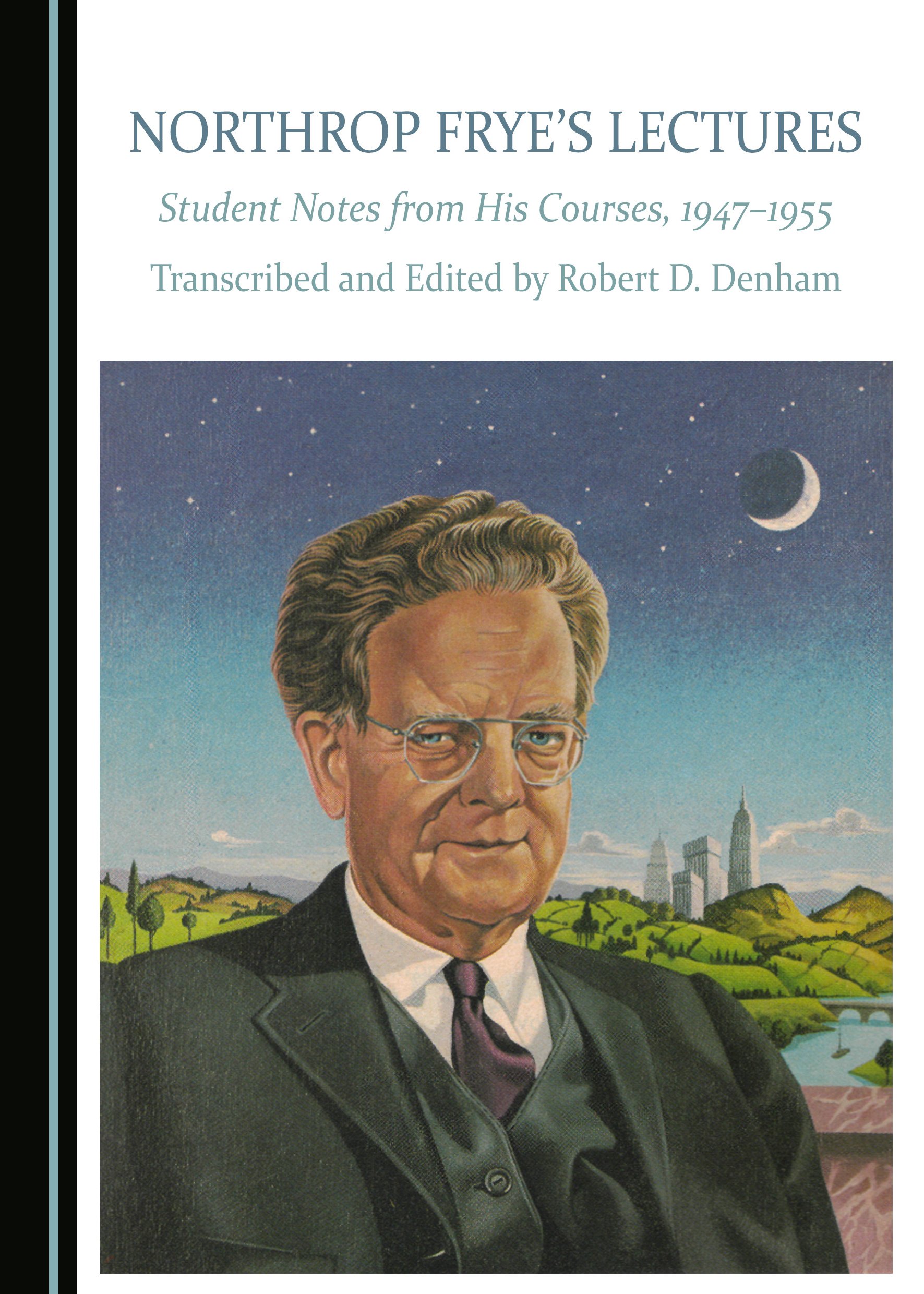
Northrop Frye’s Lectures
Student Notes from His Courses, 1947–1955
This collection provides a transcription of fifteen sets of notes taken by Northrop Frye’s students in the late 1940s and early 1950s, and is the only available extended record of the courses taught by the great Canadian literary critic and humanist.
This collection provides a transcription of fifteen sets of notes taken by Northrop Frye’s students in the late 1940s and early 1950s, and is the only available extended record of the courses taught by the great Canadian literary critic and humanist.
View more
This product has multiple variants. The options may be chosen on the product page
View more
This product has multiple variants. The options may be chosen on the product page
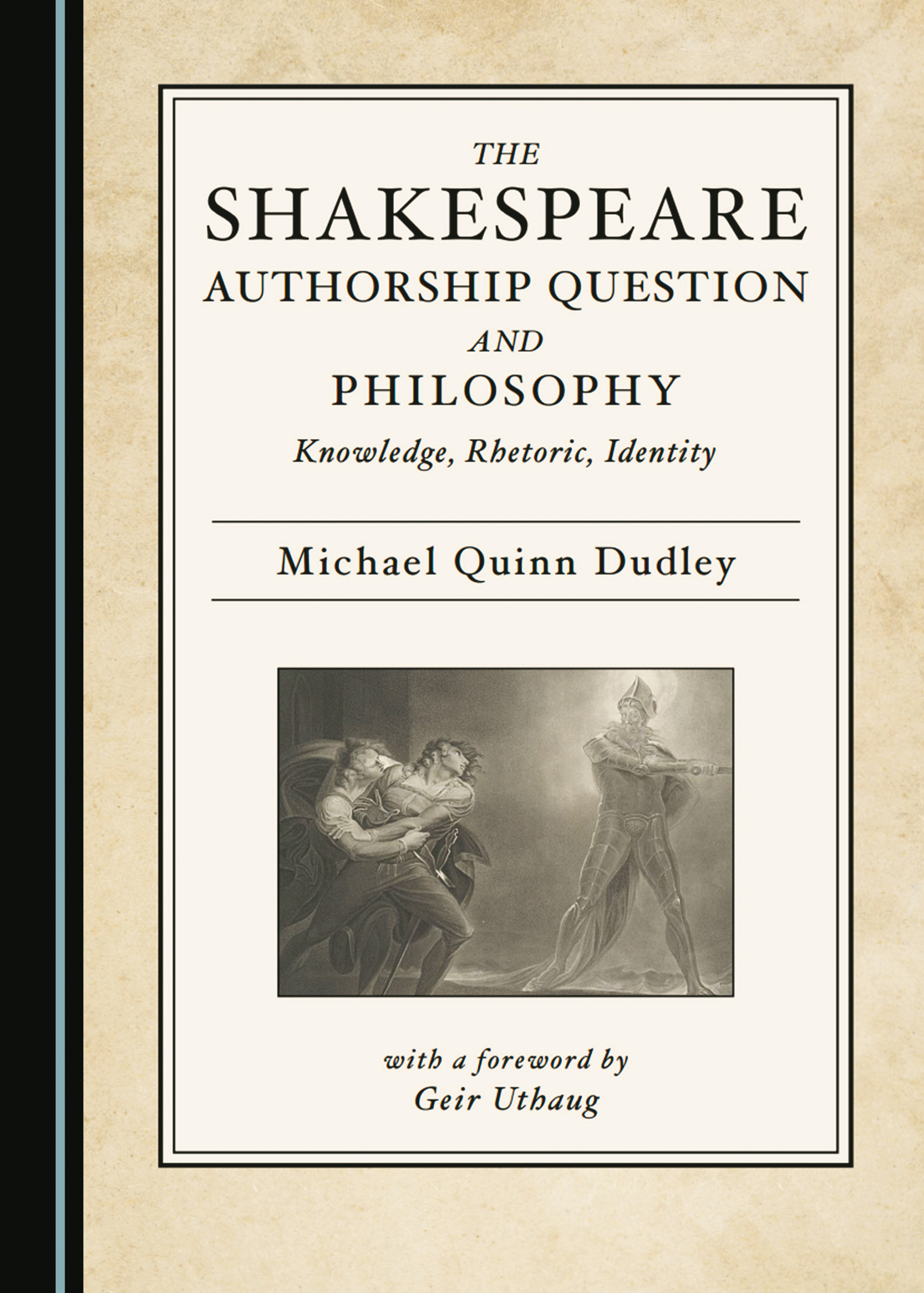
The Shakespeare Authorship Question and Philosophy
Knowledge, Rhetoric, Identity
The Shakespeare authorship debate is often dismissed by scholars, yet the documented facts are meager. This book sets out the debate’s profound philosophical dimensions concerning knowledge, truth, and academic freedom—implications that transcend the question itself.
The Shakespeare authorship debate is often dismissed by scholars, yet the documented facts are meager. This book sets out the debate’s profound philosophical dimensions concerning knowledge, truth, and academic freedom—implications that transcend the question itself.
View more
This product has multiple variants. The options may be chosen on the product page
View more
This product has multiple variants. The options may be chosen on the product page
Karen Blixen’s Existentialism
"Where I Ought to Be"
This book investigates the writings of Karen Blixen from an existentialist angle. Blixen subtly integrates the ideas of Kierkegaard, Nietzsche, and Sartre, making them accessible while offering her own ideas on existentialism’s fundamental problem: how to become who you are.
This book investigates the writings of Karen Blixen from an existentialist angle. Blixen subtly integrates the ideas of Kierkegaard, Nietzsche, and Sartre, making them accessible while offering her own ideas on existentialism’s fundamental problem: how to become who you are.
View more
This product has multiple variants. The options may be chosen on the product page
View more
This product has multiple variants. The options may be chosen on the product page
From £35.99
This collection explores intercultural and transcultural studies in Bosnia and Herzegovina, showcasing contributions from local scholars across medieval, modern, and postmodern eras. It strengthens transcultural exchanges and helps navigate cultural differences in today's world.
This collection explores intercultural and transcultural studies in Bosnia and Herzegovina, showcasing contributions from local scholars across medieval, modern, and postmodern eras. It strengthens transcultural exchanges and helps navigate cultural differences in today’s world.
View more
This product has multiple variants. The options may be chosen on the product page
View more
This product has multiple variants. The options may be chosen on the product page
From £35.99
A fresh perspective on Gerard Manley Hopkins. This book argues that his artistic vision, not his faith, was the foremost concern in his poetry. It explores how themes of anxiety and transience shaped his voice, revealing his belief that they enhance rather than hinder creativity.
A fresh perspective on Gerard Manley Hopkins. This book argues that his artistic vision, not his faith, was the foremost concern in his poetry. It explores how themes of anxiety and transience shaped his voice, revealing his belief that they enhance rather than hinder creativity.
View more
This product has multiple variants. The options may be chosen on the product page
View more
This product has multiple variants. The options may be chosen on the product page
Interpreting Literary Texts
A Post-Kantian Approach
This book explores how textual interpretation evolved from Classicism to Postmodernism. Using novels by authors like Jane Austen, Patrick White, and Margaret Atwood, it traces the shifts in literary movements and philosophical concepts of truth, reason, and the human mind.
This book explores how textual interpretation evolved from Classicism to Postmodernism. Using novels by authors like Jane Austen, Patrick White, and Margaret Atwood, it traces the shifts in literary movements and philosophical concepts of truth, reason, and the human mind.
View more
This product has multiple variants. The options may be chosen on the product page
View more
This product has multiple variants. The options may be chosen on the product page
From £47.99
A Fred Will Reader samples writings from poetry to philosophy. Naming the world, Will says, is half the world. The other half is supplied by the reader. By reading each other globally, we can learn to reconstruct the broken totality of the human condition.
A Fred Will Reader samples writings from poetry to philosophy. Naming the world, Will says, is half the world. The other half is supplied by the reader. By reading each other globally, we can learn to reconstruct the broken totality of the human condition.
View more
This product has multiple variants. The options may be chosen on the product page
View more
This product has multiple variants. The options may be chosen on the product page
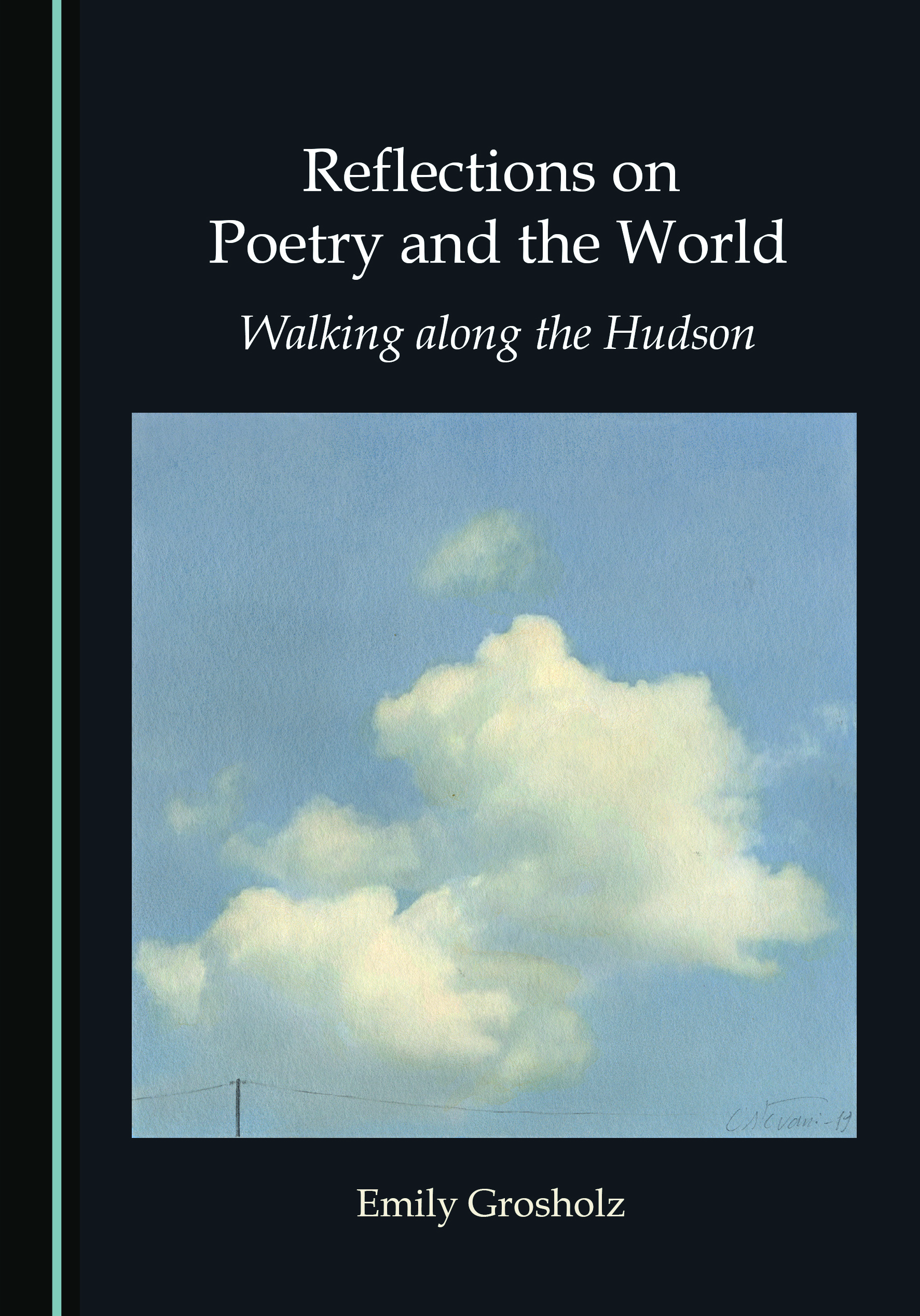
Reflections on Poetry and the World
Walking along the Hudson
This collection brings together 40 years of essays by philosopher Emily Grosholz. She brings poetry into relation with ethics, politics, science, and imagination, admiring all the more the distinct wisdom of poetry. These essays show how poetry deepens our understanding of life.
This collection brings together 40 years of essays by philosopher Emily Grosholz. She brings poetry into relation with ethics, politics, science, and imagination, admiring all the more the distinct wisdom of poetry. These essays show how poetry deepens our understanding of life.
View more
This product has multiple variants. The options may be chosen on the product page
View more
This product has multiple variants. The options may be chosen on the product page
From £32.99
How do young Arab scholars interact with English literature? This book shows why courageous voices from the past, like Swift’s, must remain alive in a wasteland of globalization. Anarchist, champion of the oppressed, Swift’s ghost is needed to wake us to the truth.
How do young Arab scholars interact with English literature? This book shows why courageous voices from the past, like Swift’s, must remain alive in a wasteland of globalization. Anarchist, champion of the oppressed, Swift’s ghost is needed to wake us to the truth.
View more
This product has multiple variants. The options may be chosen on the product page
View more
This product has multiple variants. The options may be chosen on the product page
From £32.99
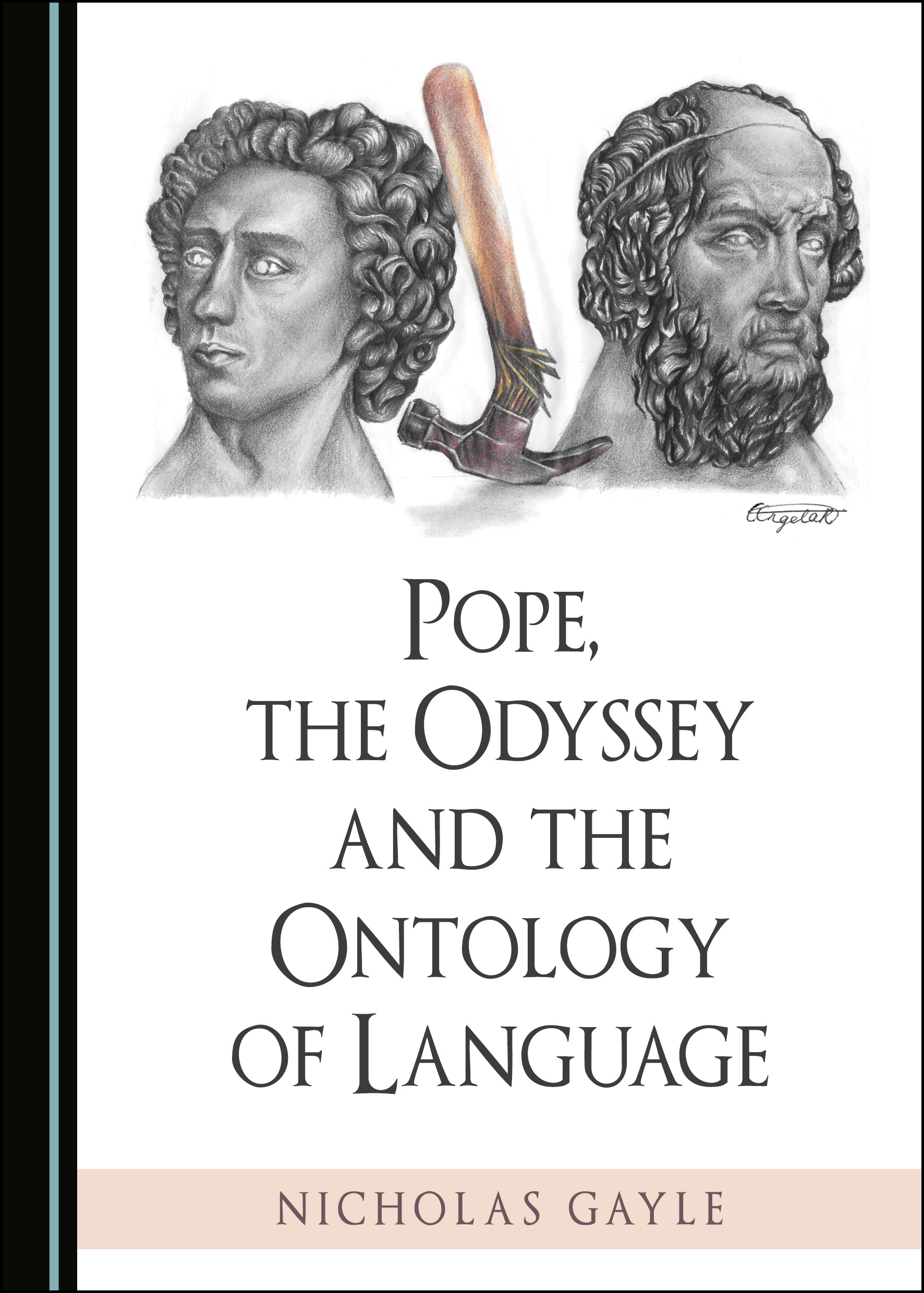
This study examines Pope's translation of the Odyssey through Graham Harman's Object-Oriented Ontology. It explores the poems' figurative language to uncover a withdrawn reality, contrasting it with a sensual world of shimmering objects from the quotidian to the bizarre.
This study examines Pope’s translation of the Odyssey through Graham Harman’s Object-Oriented Ontology. It explores the poems’ figurative language to uncover a withdrawn reality, contrasting it with a sensual world of shimmering objects from the quotidian to the bizarre.
View more
This product has multiple variants. The options may be chosen on the product page
View more
This product has multiple variants. The options may be chosen on the product page
The Emergence of Discourses and Cultural Hegemony
A Study of Edward W. Said’s Orientalism
Edward W. Said’s seminal text Orientalism disrupted how the Orient understands itself. This book focuses on his work, analyzing how the discourse of orientalism perpetrated the West's cultural hegemony and the internal hegemony within the non-western world.
Edward W. Said’s seminal text Orientalism disrupted how the Orient understands itself. This book focuses on his work, analyzing how the discourse of orientalism perpetrated the West’s cultural hegemony and the internal hegemony within the non-western world.
View more
This product has multiple variants. The options may be chosen on the product page
View more
This product has multiple variants. The options may be chosen on the product page
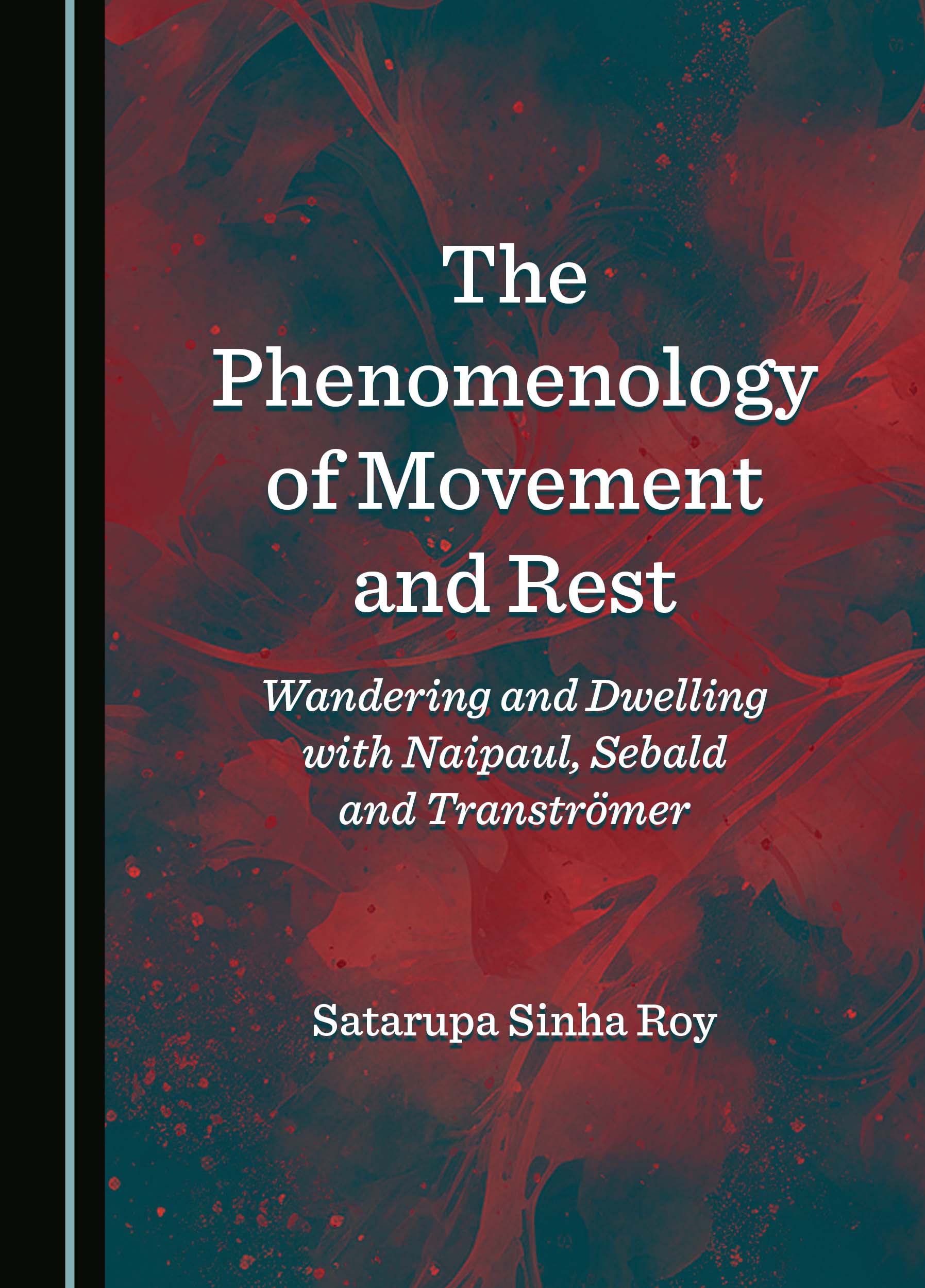
The Phenomenology of Movement and Rest
Wandering and Dwelling with Naipaul, Sebald and Tranströmer
This book is a phenomenological exploration of wandering and dwelling in the works of V. S. Naipaul, W. G. Sebald, and T. G. Tranströmer. It is the first study of their common engagement with the existential themes of movement and rest, which testify to our primal human desires.
This book is a phenomenological exploration of wandering and dwelling in the works of V. S. Naipaul, W. G. Sebald, and T. G. Tranströmer. It is the first study of their common engagement with the existential themes of movement and rest, which testify to our primal human desires.
View more
This product has multiple variants. The options may be chosen on the product page
View more
This product has multiple variants. The options may be chosen on the product page
From £30.99
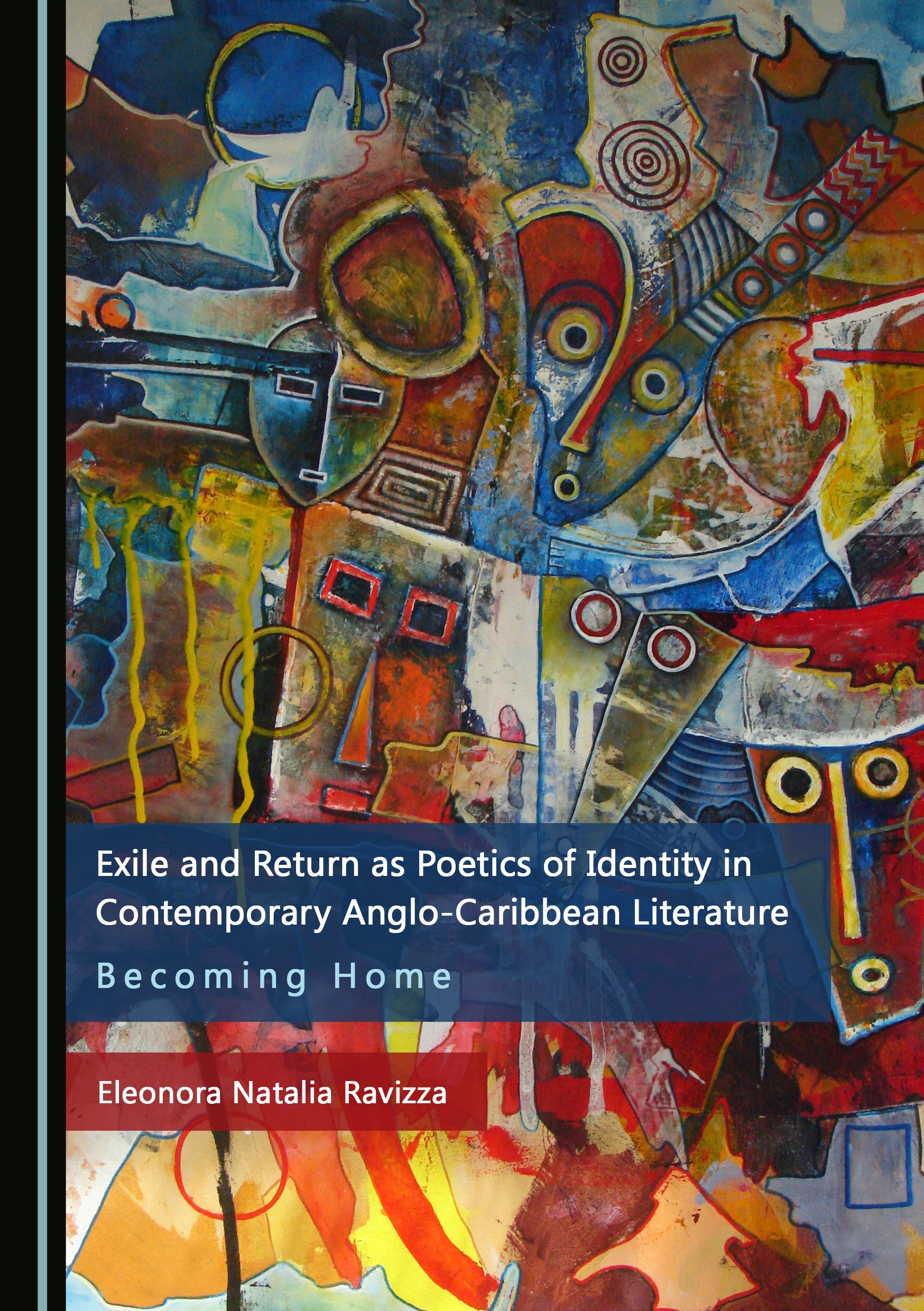
This volume explores how the interplay of “exile” and “return” in Anglo-Caribbean literature shapes identity. Against a history of colonialism, diaspora, and slavery, it raises questions about literature's function in an increasingly hybrid and transcultural world.
This volume explores how the interplay of “exile” and “return” in Anglo-Caribbean literature shapes identity. Against a history of colonialism, diaspora, and slavery, it raises questions about literature’s function in an increasingly hybrid and transcultural world.
View more
This product has multiple variants. The options may be chosen on the product page

View more
This product has multiple variants. The options may be chosen on the product page
Neoliberalism, Oligarchy and Politics of the Event
At the Edge of Chaos
This book shows that today’s oligarchic politics result from the fall of mass movements. The rule is reversed into a cybernetic market where transnational corporations control states, rendering sovereignty an illusion and threatening the very essence of society.
This book shows that today’s oligarchic politics result from the fall of mass movements. The rule is reversed into a cybernetic market where transnational corporations control states, rendering sovereignty an illusion and threatening the very essence of society.
View more
This product has multiple variants. The options may be chosen on the product page
View more
This product has multiple variants. The options may be chosen on the product page
From £30.99
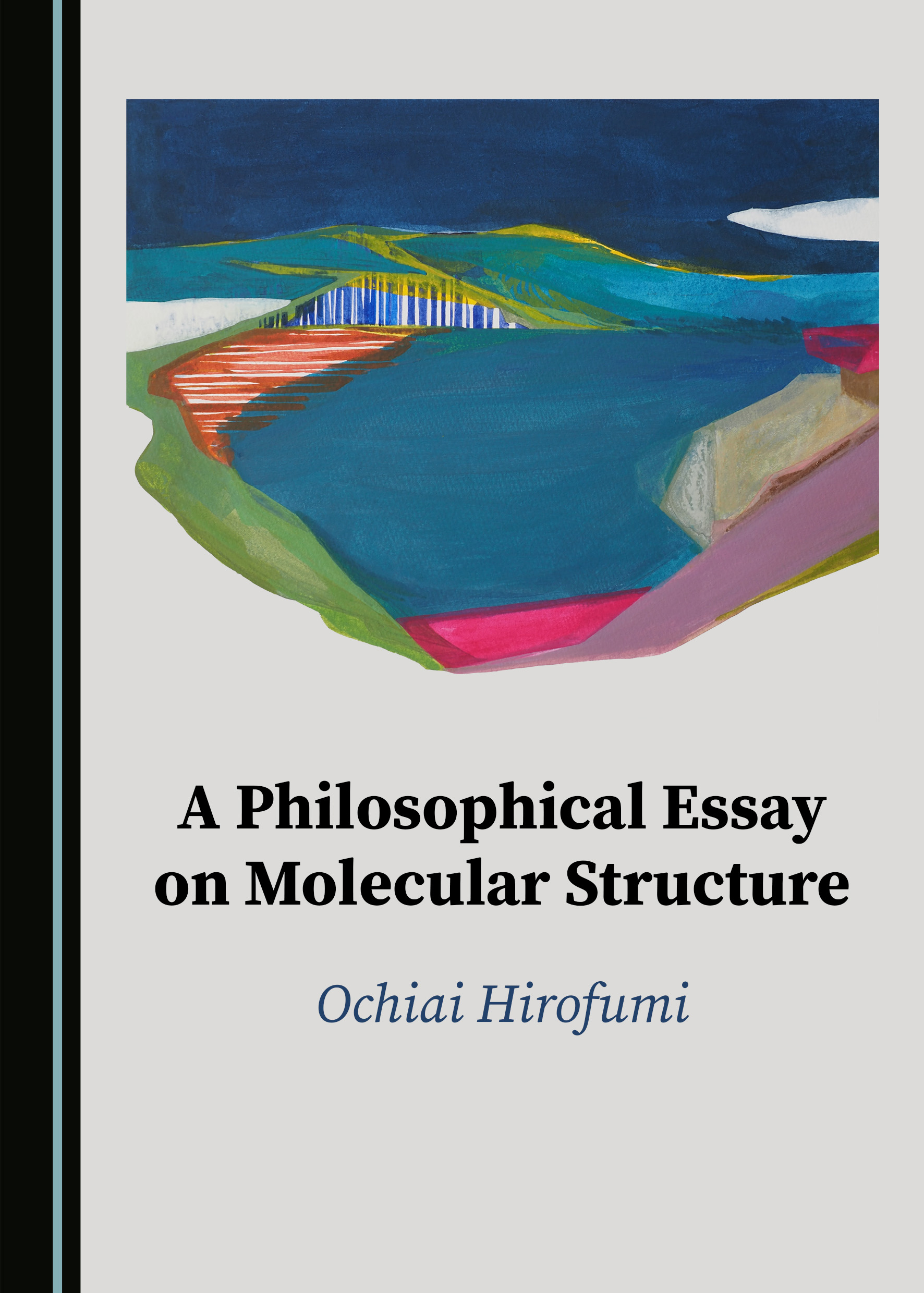
Molecular structure is fundamental to chemistry, yet no one has ever seen it, nor can it be derived from quantum mechanics. Is what chemists take to be molecular structure real? This book addresses this head-on, exploring the grounds of a core concept of chemistry.
Molecular structure is fundamental to chemistry, yet no one has ever seen it, nor can it be derived from quantum mechanics. Is what chemists take to be molecular structure real? This book addresses this head-on, exploring the grounds of a core concept of chemistry.
View more
This product has multiple variants. The options may be chosen on the product page
View more
This product has multiple variants. The options may be chosen on the product page
£61.99
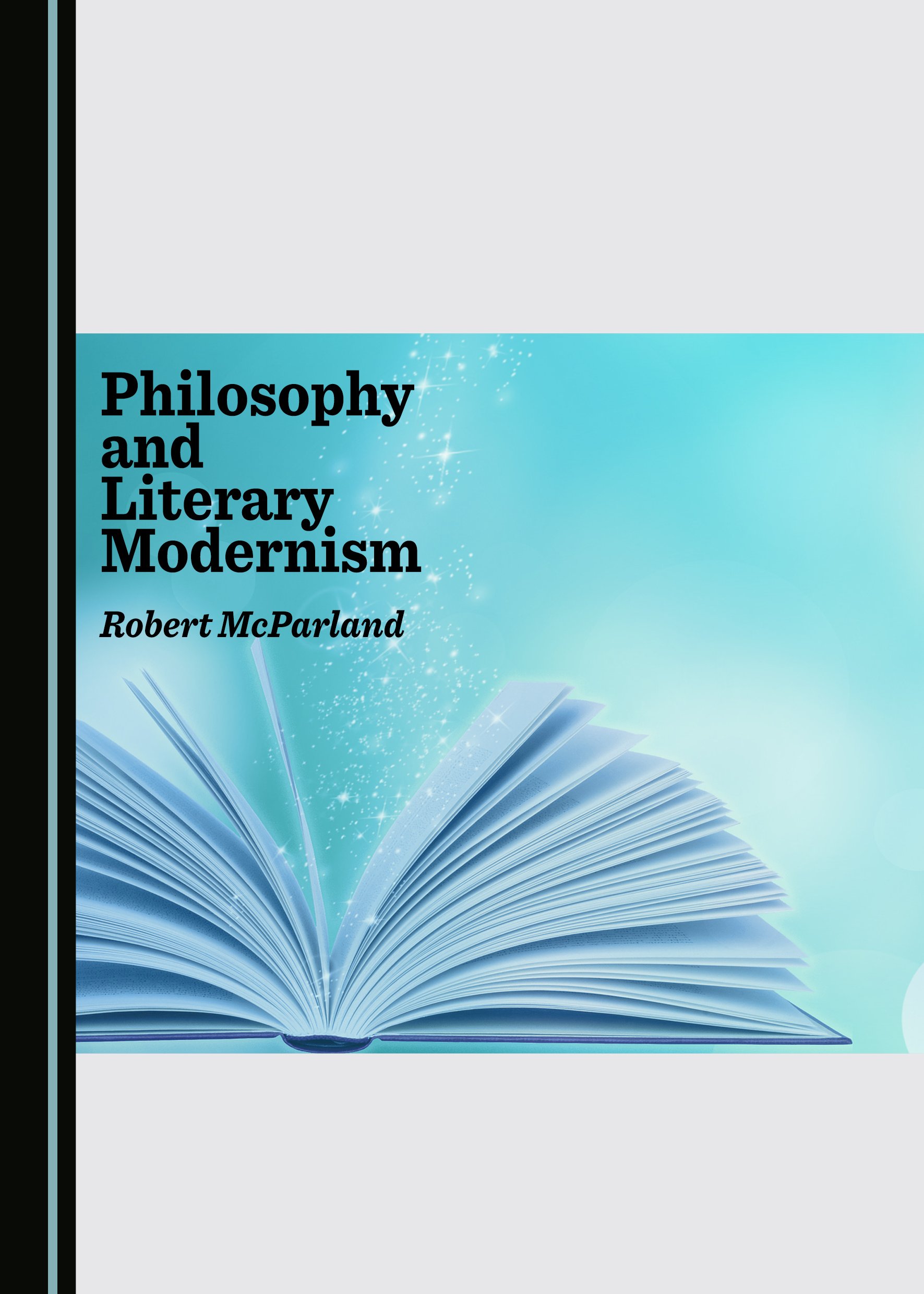
McParland probes the relationship of modernist authors with the thought of their time. He considers how such writers participated in the intellectual spirit of their time and with the thought of philosophers like Henri Bergson, Bertrand Russell, and Ludwig Wittgenstein.
McParland probes the relationship of modernist authors with the thought of their time. He considers how such writers participated in the intellectual spirit of their time and with the thought of philosophers like Henri Bergson, Bertrand Russell, and Ludwig Wittgenstein.
View more
This product has multiple variants. The options may be chosen on the product page
View more
This product has multiple variants. The options may be chosen on the product page
From £29.99
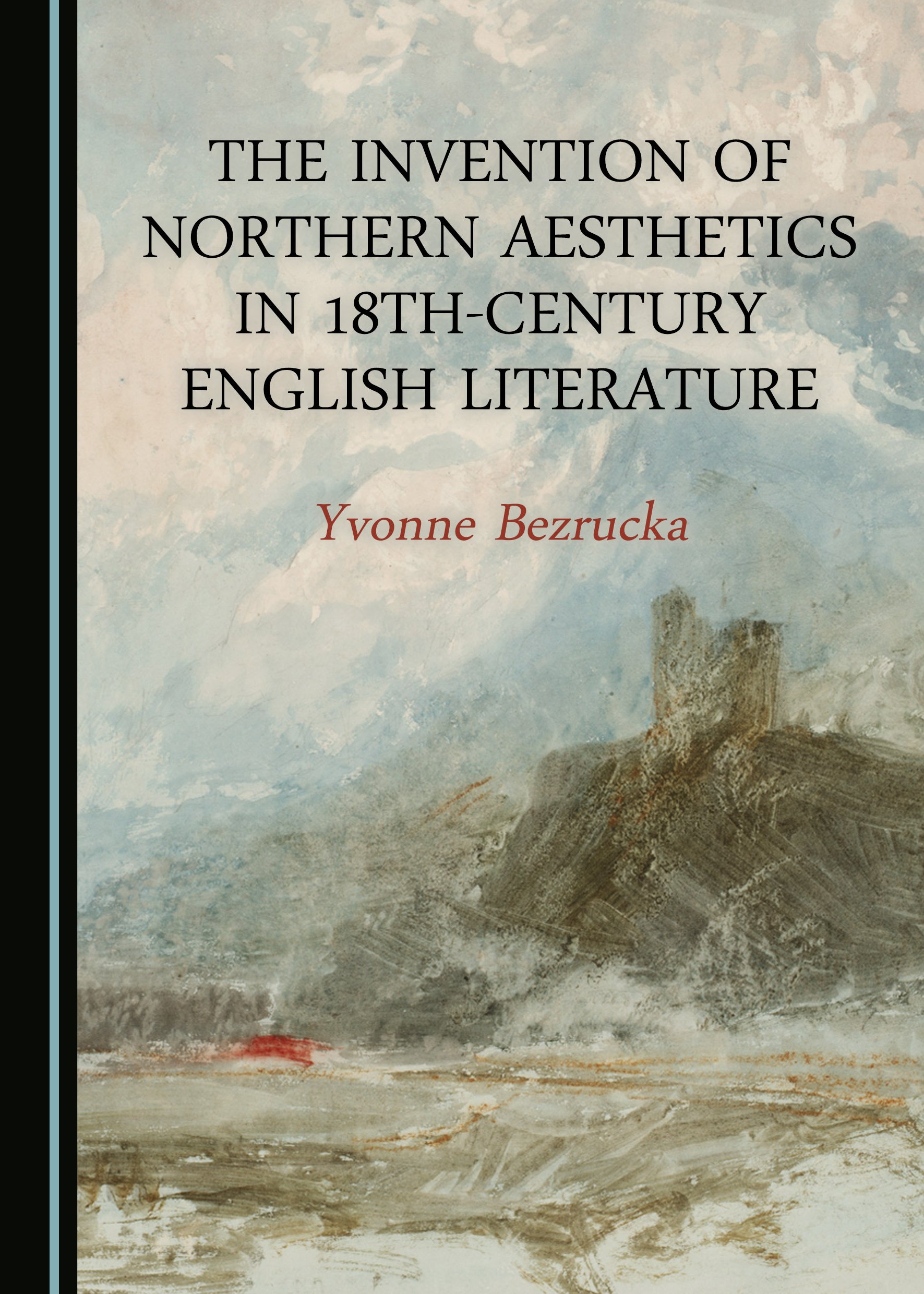
To challenge Europe's dominant aesthetics, 18th-century Britain forged a new 'Northern' identity. This book explores the roots of British Romanticism in a celebrated past of Celtic heroes, King Arthur, and the fantasy world of myth.
To challenge Europe’s dominant aesthetics, 18th-century Britain forged a new ‘Northern’ identity. This book explores the roots of British Romanticism in a celebrated past of Celtic heroes, King Arthur, and the fantasy world of myth.
View more
This product has multiple variants. The options may be chosen on the product page
View more
This product has multiple variants. The options may be chosen on the product page
Literature, Performance, and Somaesthetics
Studies in Agency and Embodiment
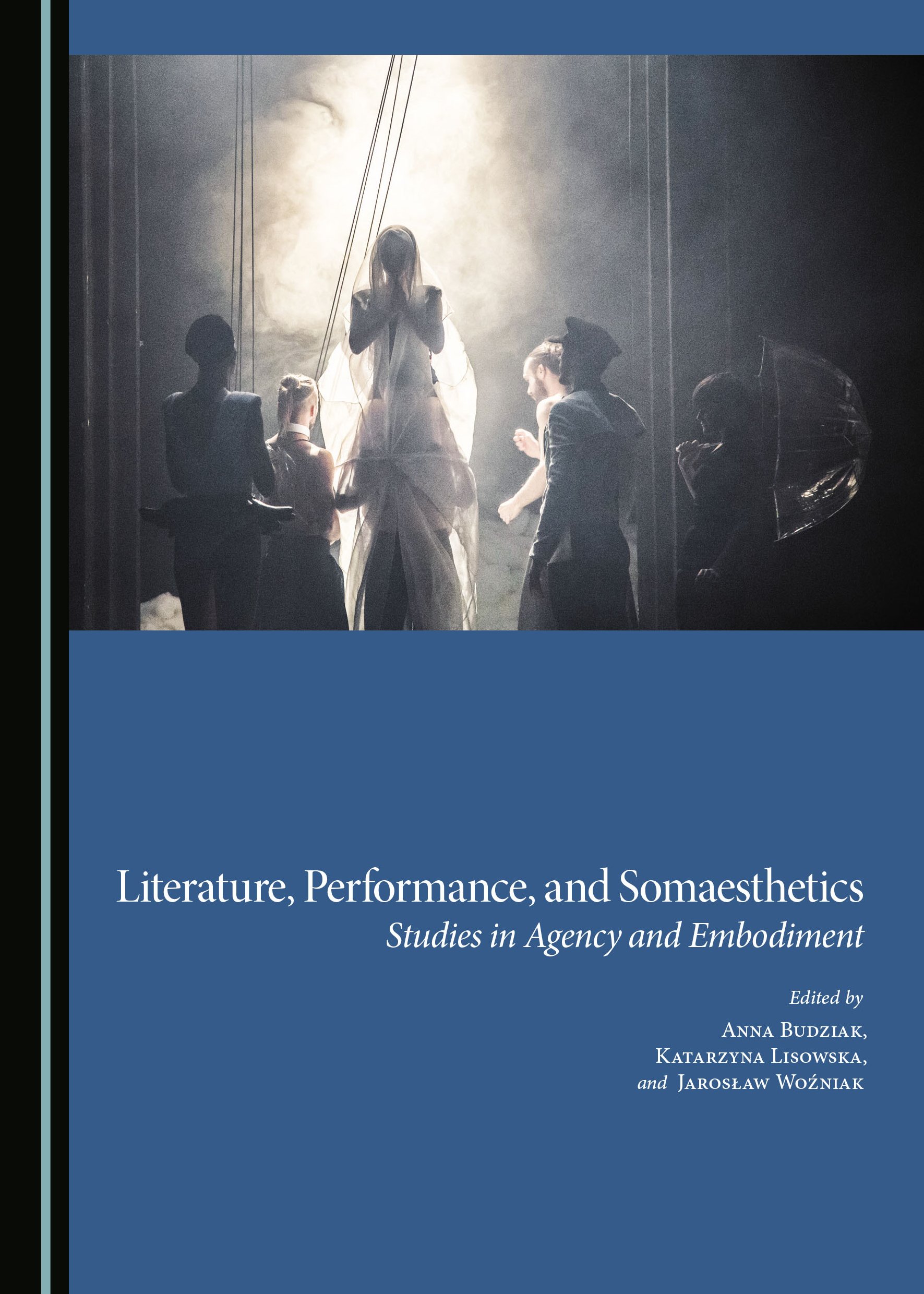
These essays view textual and extra-textual worlds as an intimate continuum. Drawing from philosophical somaesthetics and performance studies, they explore the agency of the embodied self, examining literary characters, canons, and reception on a physical, visceral level.
These essays view textual and extra-textual worlds as an intimate continuum. Drawing from philosophical somaesthetics and performance studies, they explore the agency of the embodied self, examining literary characters, canons, and reception on a physical, visceral level.
View more
This product has multiple variants. The options may be chosen on the product page
View more
This product has multiple variants. The options may be chosen on the product page
£61.99
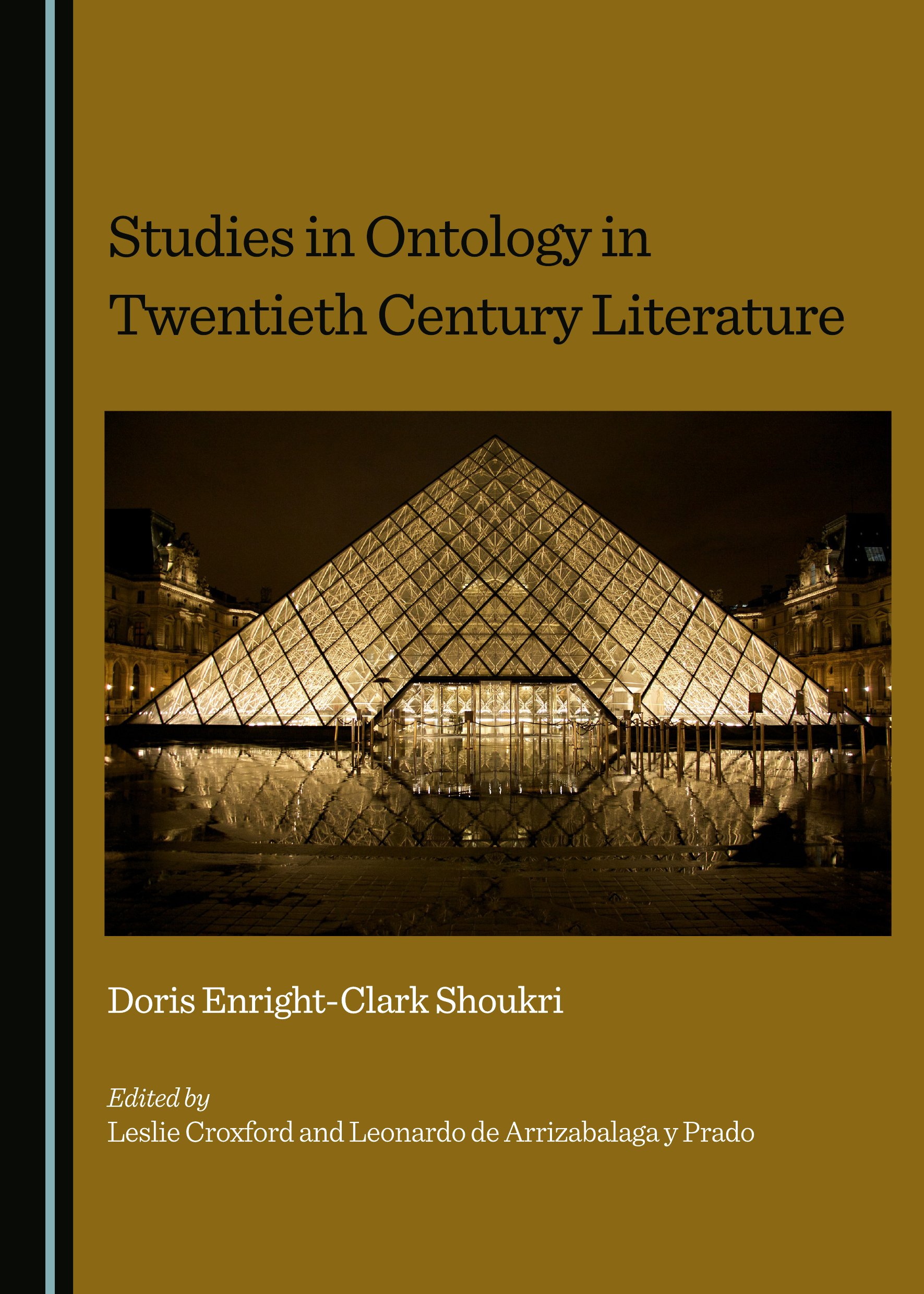
Representing a study of literary concern with ontology throughout the twentieth century, this title consists of ten essays, each of which focuses on one or various writers’ absorption with the nature of man and his ‘being in this world.’
Representing a study of literary concern with ontology throughout the twentieth century, this title consists of ten essays, each of which focuses on one or various writers’ absorption with the nature of man and his ‘being in this world.’
View more
This product has multiple variants. The options may be chosen on the product page
Processing Your Order
Please wait while we securely process your order.
Do not refresh or leave this page.
You will be redirected shortly to a confirmation page with your order number.