
View more
This product has multiple variants. The options may be chosen on the product page
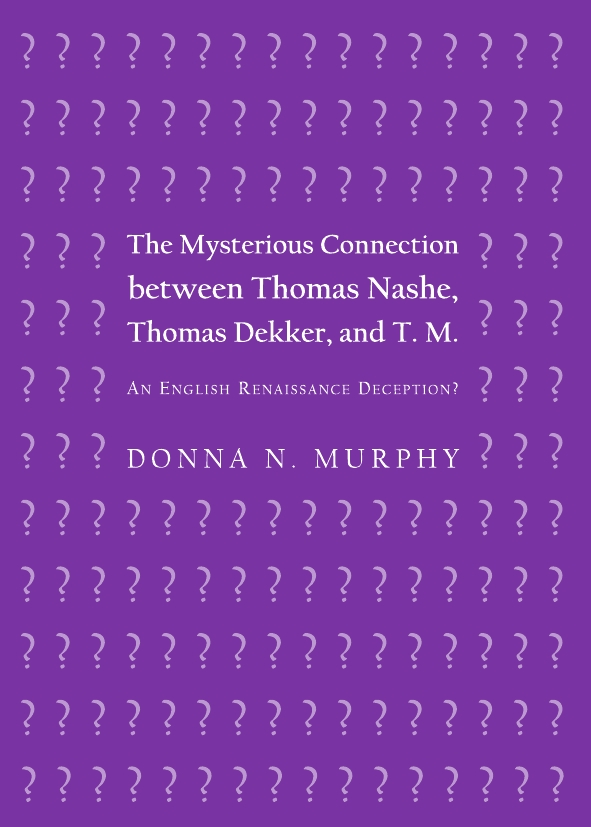
The Mysterious Connection between Thomas Nashe, Thomas Dekker, and T. M.
An English Renaissance Deception?
After writer Thomas Nashe was banished and his works banned, he vanished. Then, Thomas Dekker appeared, writing in Nashe’s exact style. Coincidence or deception? This book presents linguistic evidence that Nashe outwitted authorities by assuming a new identity.
After writer Thomas Nashe was banished and his works banned, he vanished. Then, Thomas Dekker appeared, writing in Nashe’s exact style. Coincidence or deception? This book presents linguistic evidence that Nashe outwitted authorities by assuming a new identity.
View more
This product has multiple variants. The options may be chosen on the product page
View more
This product has multiple variants. The options may be chosen on the product page
From £29.99
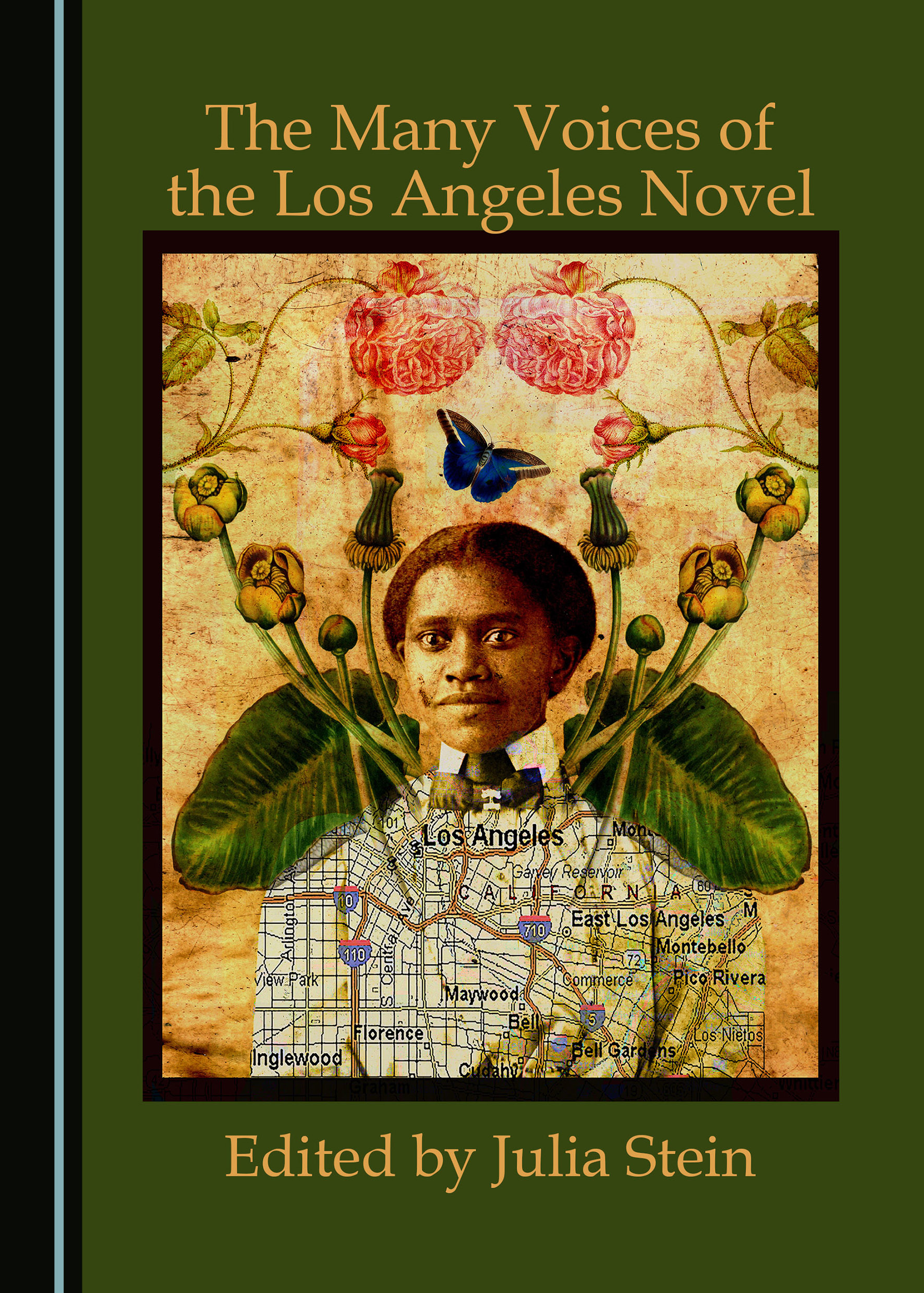
As Los Angeles became multi-national, its novels changed greatly. This volume highlights brilliant fiction from Latino/a, African-American, women, and LGBTQ writers who transformed genres, alongside rediscovered novels that explored 20th century class conflicts.
As Los Angeles became multi-national, its novels changed greatly. This volume highlights brilliant fiction from Latino/a, African-American, women, and LGBTQ writers who transformed genres, alongside rediscovered novels that explored 20th century class conflicts.
View more
This product has multiple variants. The options may be chosen on the product page
View more
This product has multiple variants. The options may be chosen on the product page
Tomorrow through the Past
Neal Stephenson and the Project of Global Modernization
This first collection of scholarly essays on Neal Stephenson examines his novels from The Big U to The Baroque Cycle and his non-fiction. The collection includes a new interview with Stephenson, making it essential for readers and scholars alike.
This first collection of scholarly essays on Neal Stephenson examines his novels from The Big U to The Baroque Cycle and his non-fiction. The collection includes a new interview with Stephenson, making it essential for readers and scholars alike.
View more
This product has multiple variants. The options may be chosen on the product page
View more
This product has multiple variants. The options may be chosen on the product page
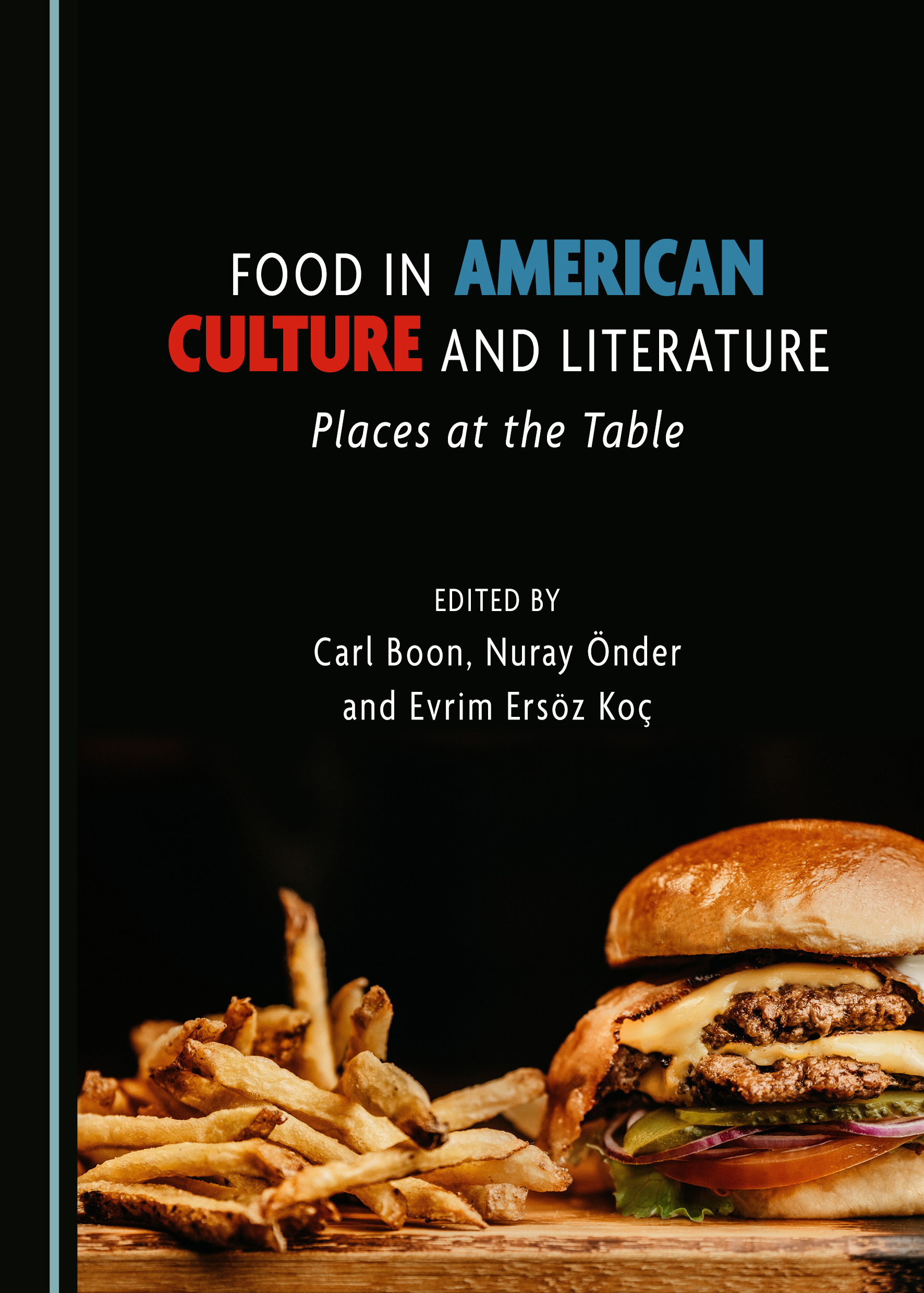
Food in American Culture and Literature
Places at the Table
Carving a unique space in food studies, these multifaceted essays blend cultural analysis with history and sociology. These cultural critiques force the reader to consider what food means, and will mean, in the United States.
Carving a unique space in food studies, these multifaceted essays blend cultural analysis with history and sociology. These cultural critiques force the reader to consider what food means, and will mean, in the United States.
View more
This product has multiple variants. The options may be chosen on the product page
View more
This product has multiple variants. The options may be chosen on the product page
From £29.99
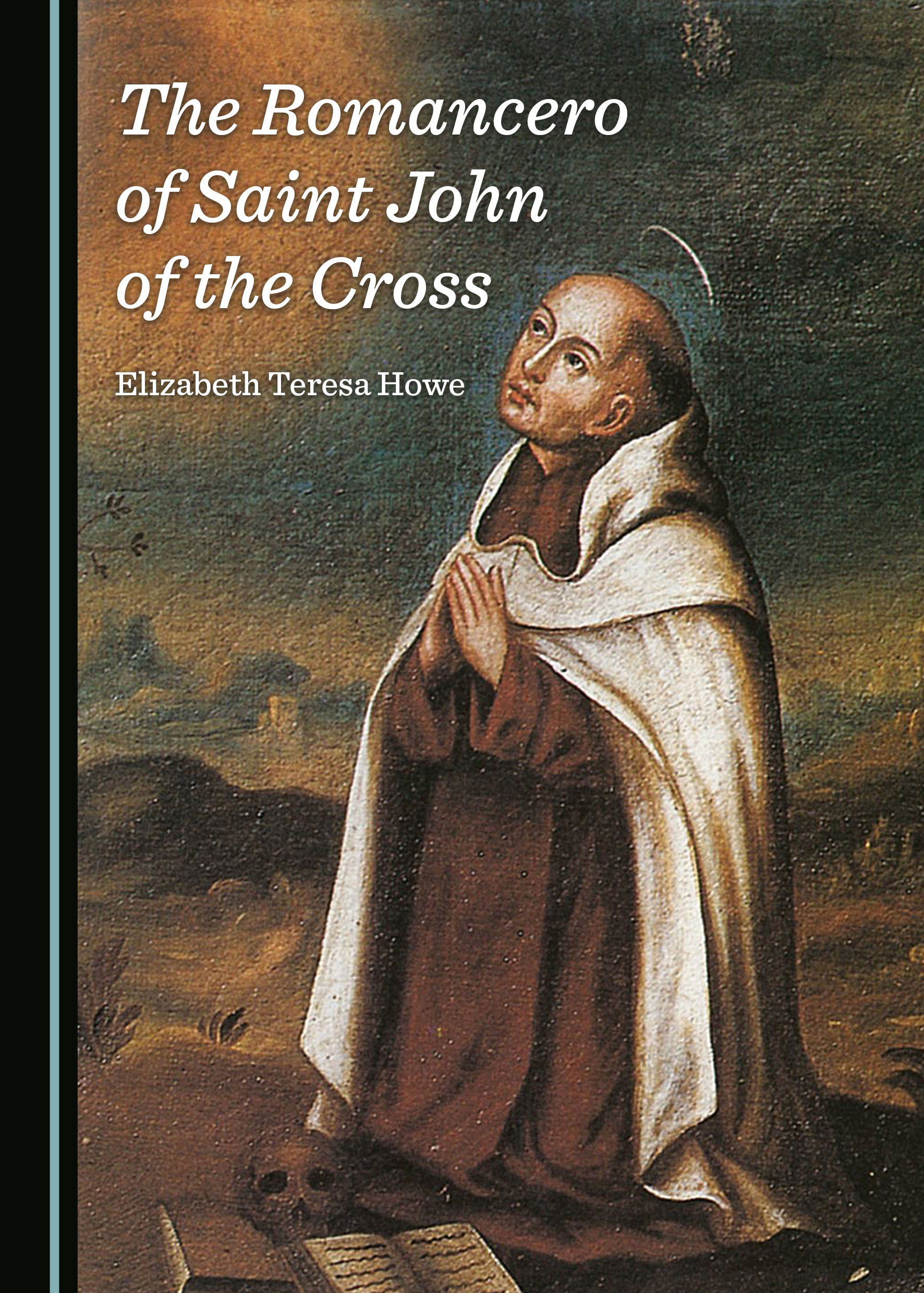
This is the first in-depth English analysis of the nine short poems, or romances, by Spanish mystic Saint John of the Cross. Focusing on the Trinity, it explores their literary, theological, and mystical elements, tying them to San Juan’s better-known works.
This is the first in-depth English analysis of the nine short poems, or romances, by Spanish mystic Saint John of the Cross. Focusing on the Trinity, it explores their literary, theological, and mystical elements, tying them to San Juan’s better-known works.
View more
This product has multiple variants. The options may be chosen on the product page
View more
This product has multiple variants. The options may be chosen on the product page
China Beyond the Binary
Race, Gender, and the Use of Story
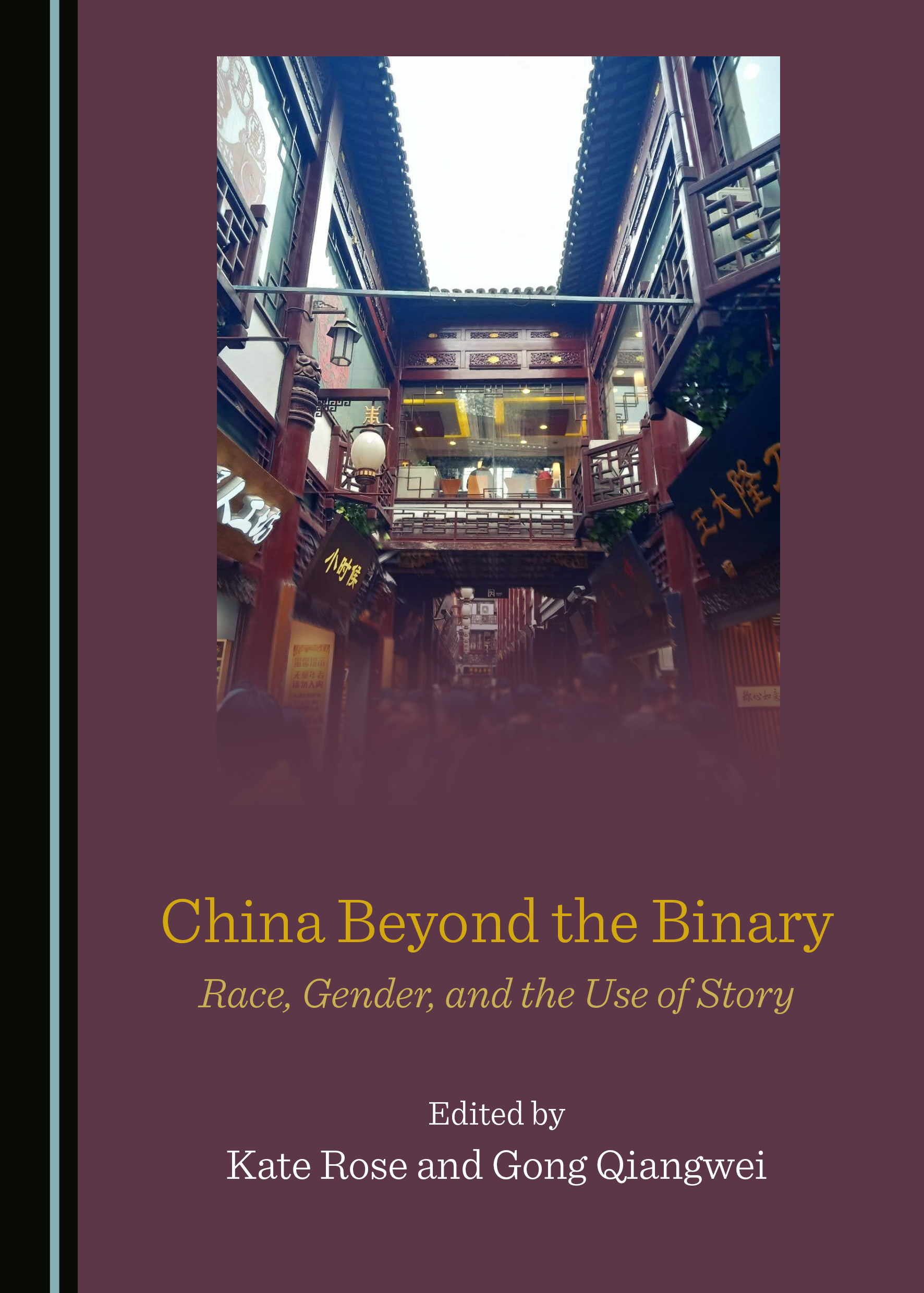
This book brings together Ancient Chinese stories, great novels, and modern online literature. It is a magic combination of stories and academic studies, with ideas from writers from different backgrounds, forming a picture of China and its relationship with other cultures.
This book brings together Ancient Chinese stories, great novels, and modern online literature. It is a magic combination of stories and academic studies, with ideas from writers from different backgrounds, forming a picture of China and its relationship with other cultures.
View more
This product has multiple variants. The options may be chosen on the product page
View more
This product has multiple variants. The options may be chosen on the product page
Revisiting “Social Factors”
Advancing Research into People and Place
This collection of cutting-edge research explores the human experience of the built environment. Touching on issues of sustainability, disaster recovery, and culture, it demonstrates a renaissance of Social Factors for scholars, students, and practitioners.
This collection of cutting-edge research explores the human experience of the built environment. Touching on issues of sustainability, disaster recovery, and culture, it demonstrates a renaissance of Social Factors for scholars, students, and practitioners.
View more
This product has multiple variants. The options may be chosen on the product page
View more
This product has multiple variants. The options may be chosen on the product page
Repeating Words, Retelling Stories
Repetition, Variation, and Serial Significance in Literature
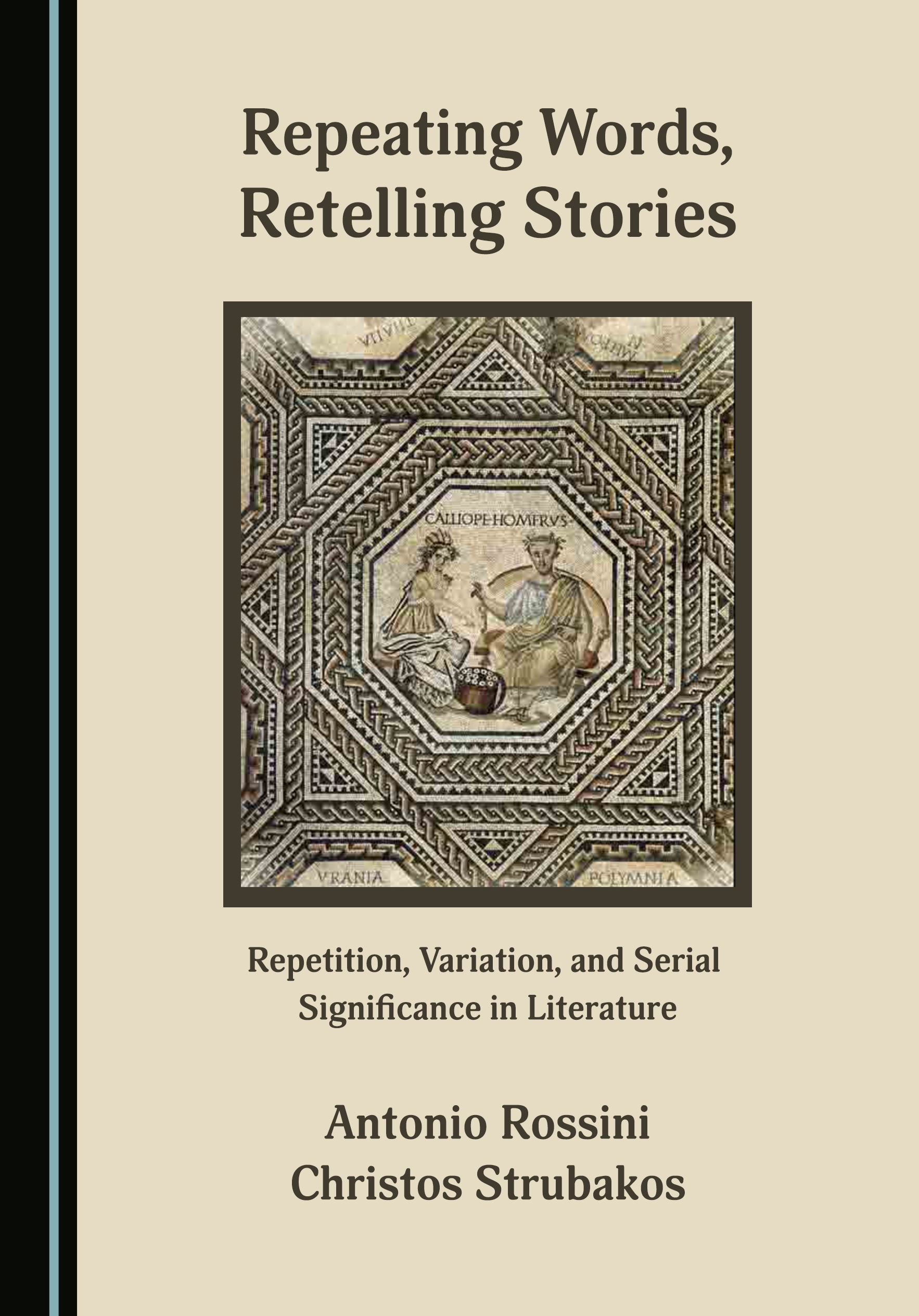
In literature, repetition does more than re-enforce a concept; it creates new meaning. This book explores examples from Homer, Virgil, and Ovid, and draws on neuro-cognitive science to show why repetition is an unavoidable staple of any text.
In literature, repetition does more than re-enforce a concept; it creates new meaning. This book explores examples from Homer, Virgil, and Ovid, and draws on neuro-cognitive science to show why repetition is an unavoidable staple of any text.
View more
This product has multiple variants. The options may be chosen on the product page
View more
This product has multiple variants. The options may be chosen on the product page
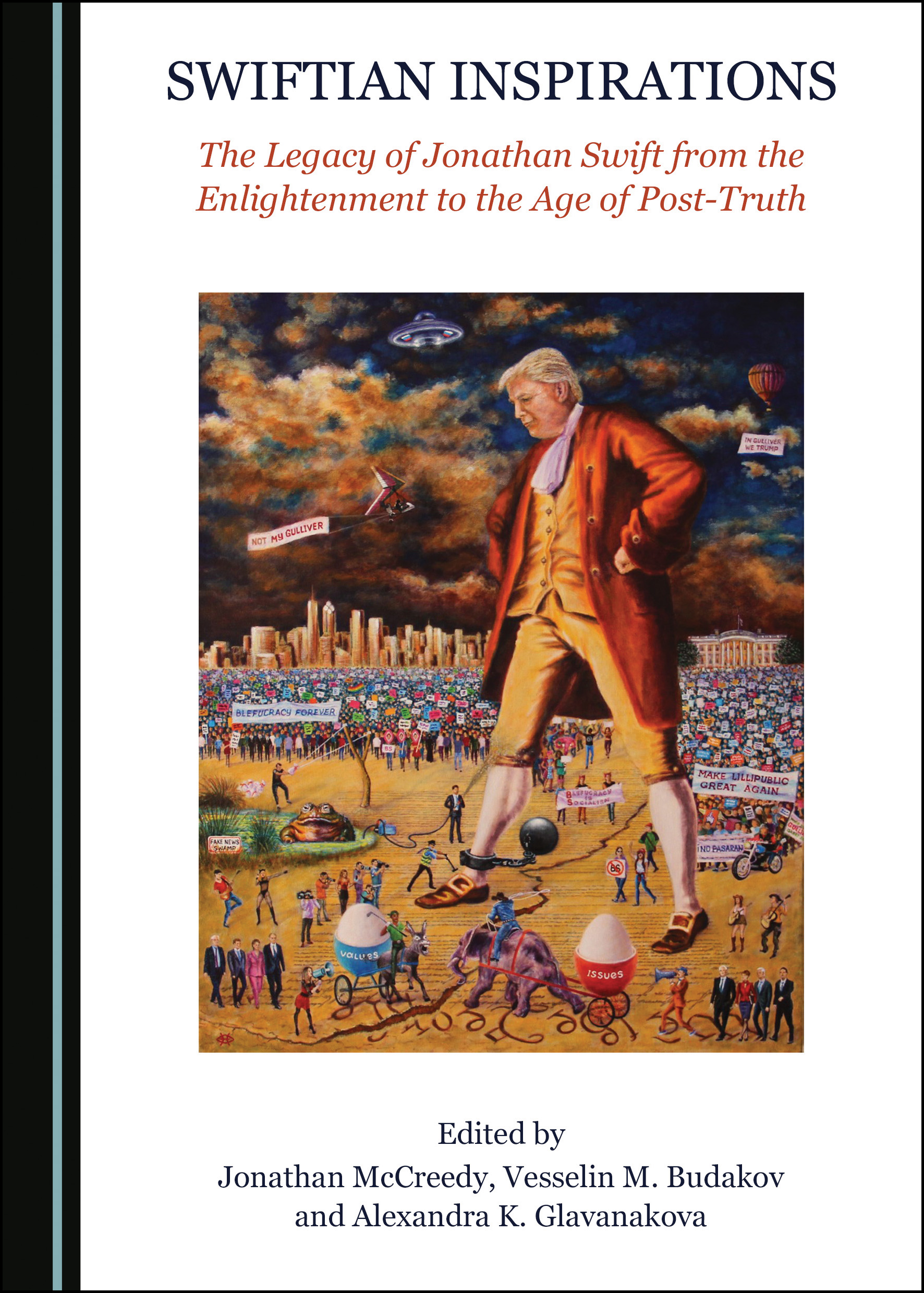
Swiftian Inspirations
The Legacy of Jonathan Swift from the Enlightenment to the Age of Post-Truth
This book analyzes the legacy of Swiftian satire from the Enlightenment to the age of post-truth and Brexit. It explores truth, madness, film adaptations of Gulliver’s Travels, and the politics of language to reveal Swift's enduring relevance for today's world.
This book analyzes the legacy of Swiftian satire from the Enlightenment to the age of post-truth and Brexit. It explores truth, madness, film adaptations of Gulliver’s Travels, and the politics of language to reveal Swift’s enduring relevance for today’s world.
View more
This product has multiple variants. The options may be chosen on the product page
View more
This product has multiple variants. The options may be chosen on the product page
From £38.99
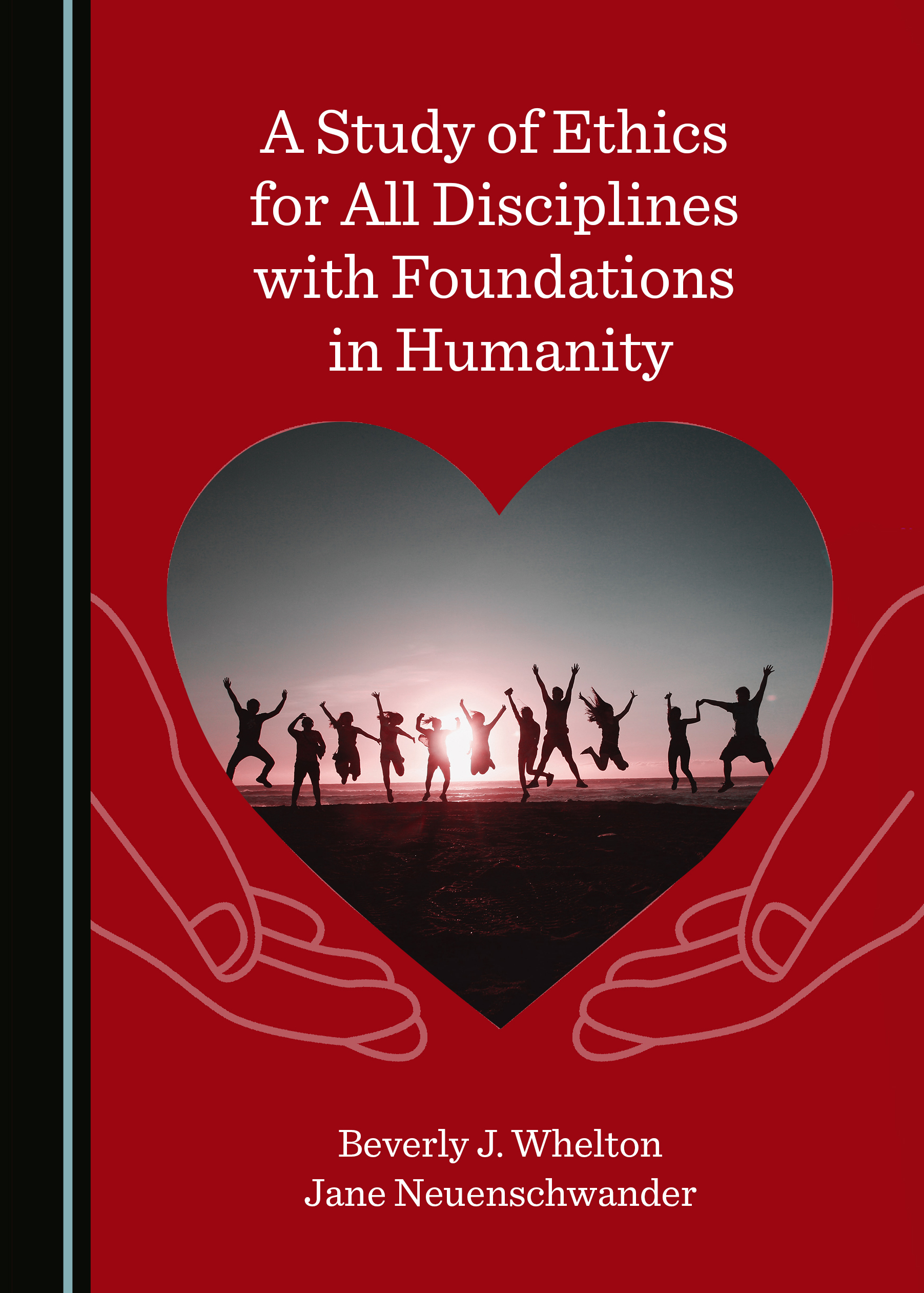
This book provides a framework for ethical reasoning, exploring how values shape our worldview and principles guide our practice. Placing humanity at its heart, it discusses applications within the beginning and end of life, science, education, and business.
This book provides a framework for ethical reasoning, exploring how values shape our worldview and principles guide our practice. Placing humanity at its heart, it discusses applications within the beginning and end of life, science, education, and business.
View more
This product has multiple variants. The options may be chosen on the product page
View more
This product has multiple variants. The options may be chosen on the product page
From £29.99
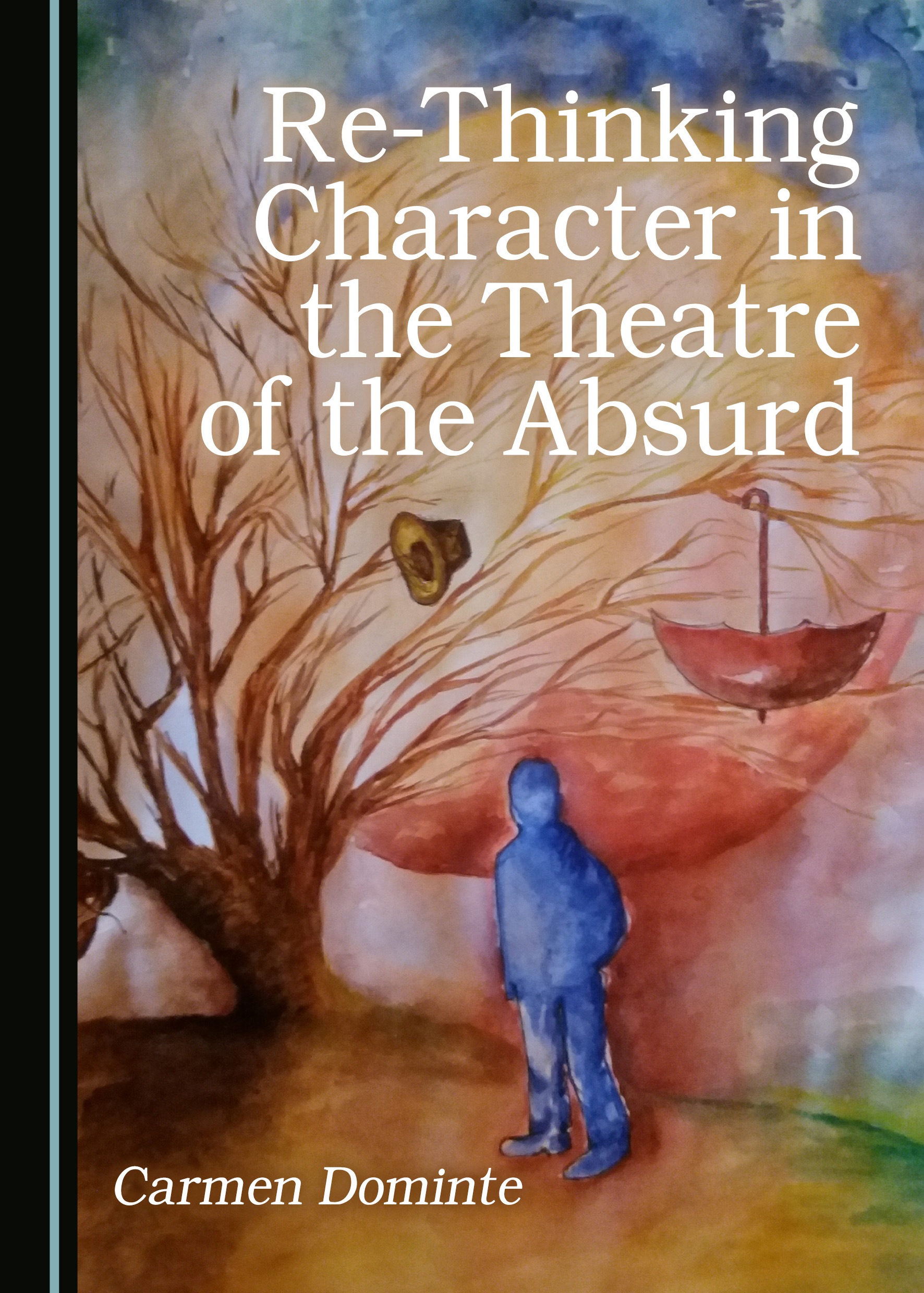
This volume provides insights into the Theatre of the Absurd by focusing on the character. Using mathematical approaches, it introduces new algebraic and geometric models to analyze dramatic relations. Useful for any reader interested in analyzing, staging, or writing a play.
This volume provides insights into the Theatre of the Absurd by focusing on the character. Using mathematical approaches, it introduces new algebraic and geometric models to analyze dramatic relations. Useful for any reader interested in analyzing, staging, or writing a play.
View more
This product has multiple variants. The options may be chosen on the product page
View more
This product has multiple variants. The options may be chosen on the product page
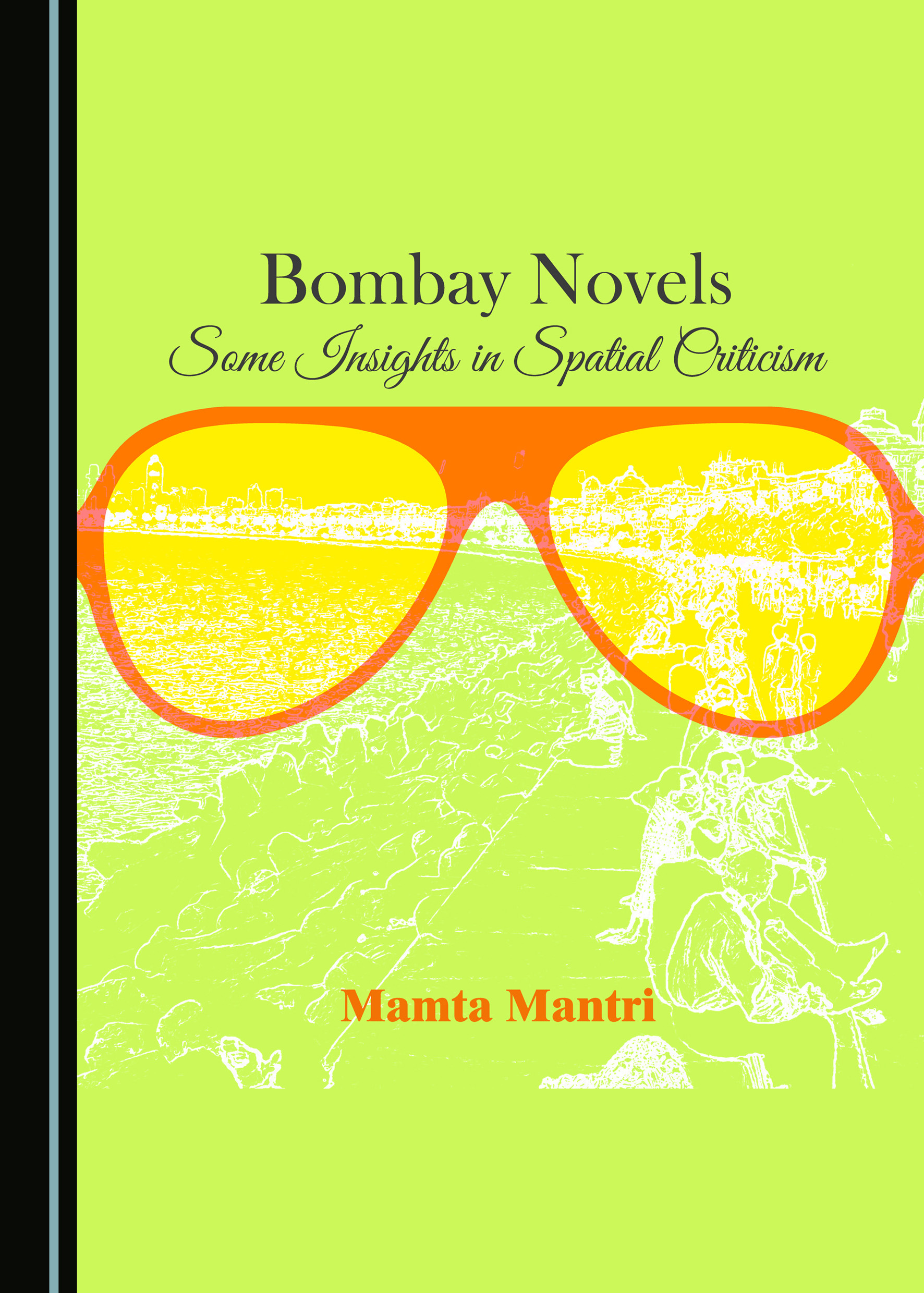
Bombay Novels
Some Insights in Spatial Criticism
Walk the streets of Mumbai through the eyes of literary wanderers. Analyzing four novels, this book reveals how the act of flânerie uncovers hidden histories and exposes power relations, offering a transgressive, alternative vision of the city and its people.
Walk the streets of Mumbai through the eyes of literary wanderers. Analyzing four novels, this book reveals how the act of flânerie uncovers hidden histories and exposes power relations, offering a transgressive, alternative vision of the city and its people.
View more
This product has multiple variants. The options may be chosen on the product page
View more
This product has multiple variants. The options may be chosen on the product page
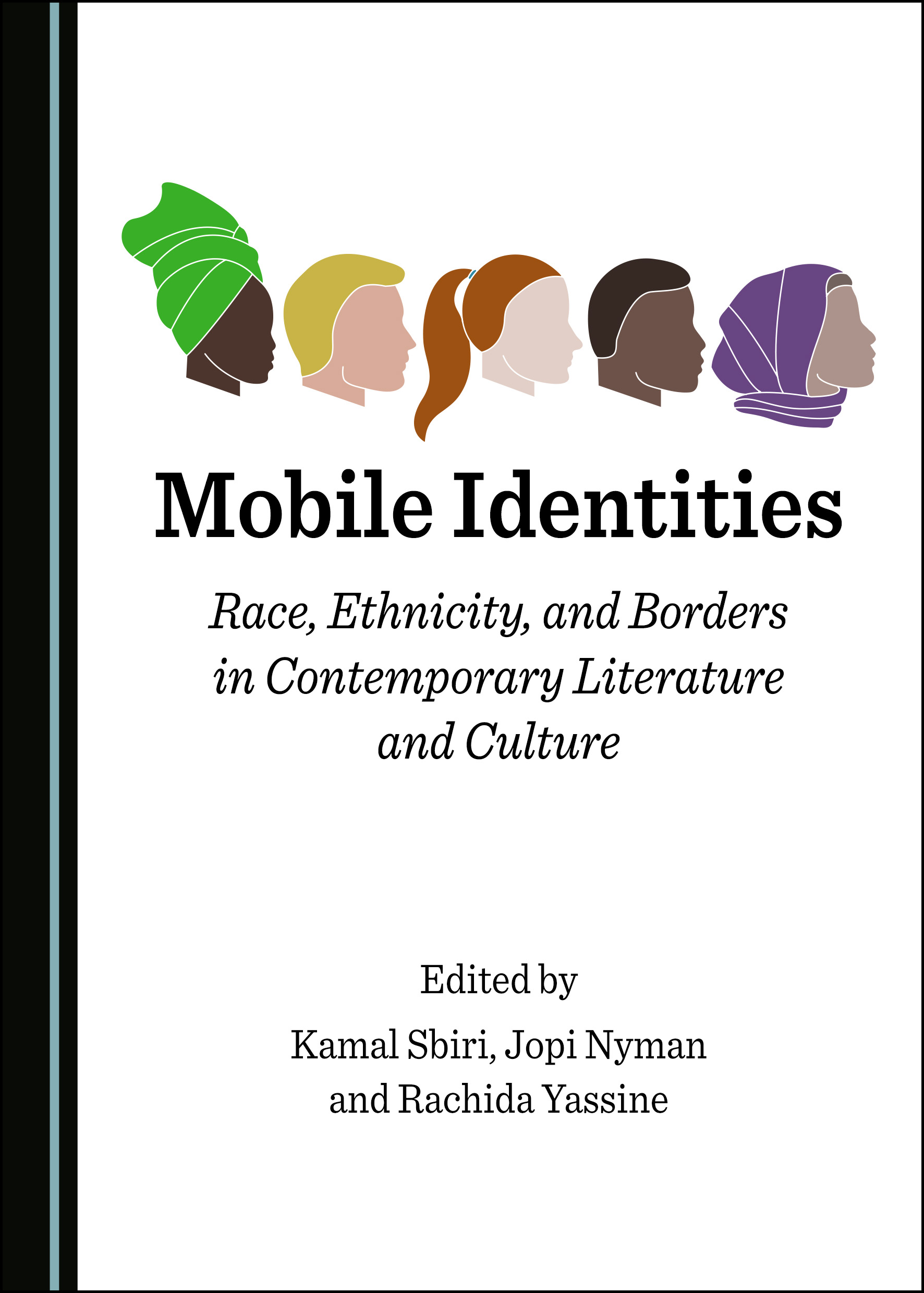
Mobile Identities
Race, Ethnicity, and Borders in Contemporary Literature and Culture
Through international case studies, this volume uses border studies, postcolonial discourse, and globalization theory to explore identity. It argues that identities are mobile and in flux, challenging stereotypes and revealing ethnicity as a complex category.
Through international case studies, this volume uses border studies, postcolonial discourse, and globalization theory to explore identity. It argues that identities are mobile and in flux, challenging stereotypes and revealing ethnicity as a complex category.
View more
This product has multiple variants. The options may be chosen on the product page
View more
This product has multiple variants. The options may be chosen on the product page
From £36.99
Ovid's Heroides gives voice to mythical heroines in letters to their absent lovers. This groundbreaking volume offers the first-ever databank of medieval readings and modern conjectures, an essential resource for understanding how the poems' texts were established.
Ovid’s Heroides gives voice to mythical heroines in letters to their absent lovers. This groundbreaking volume offers the first-ever databank of medieval readings and modern conjectures, an essential resource for understanding how the poems’ texts were established.
View more
This product has multiple variants. The options may be chosen on the product page
View more
This product has multiple variants. The options may be chosen on the product page
From £31.99
Ecofeminism explores the interconnections between feminism and ecology. This volume takes a multi-disciplinary approach to address the most pertinent issues in this emerging field, examining them from various perspectives to avoid any hegemonic categorization.
Ecofeminism explores the interconnections between feminism and ecology. This volume takes a multi-disciplinary approach to address the most pertinent issues in this emerging field, examining them from various perspectives to avoid any hegemonic categorization.
View more
This product has multiple variants. The options may be chosen on the product page
View more
This product has multiple variants. The options may be chosen on the product page
From £30.99
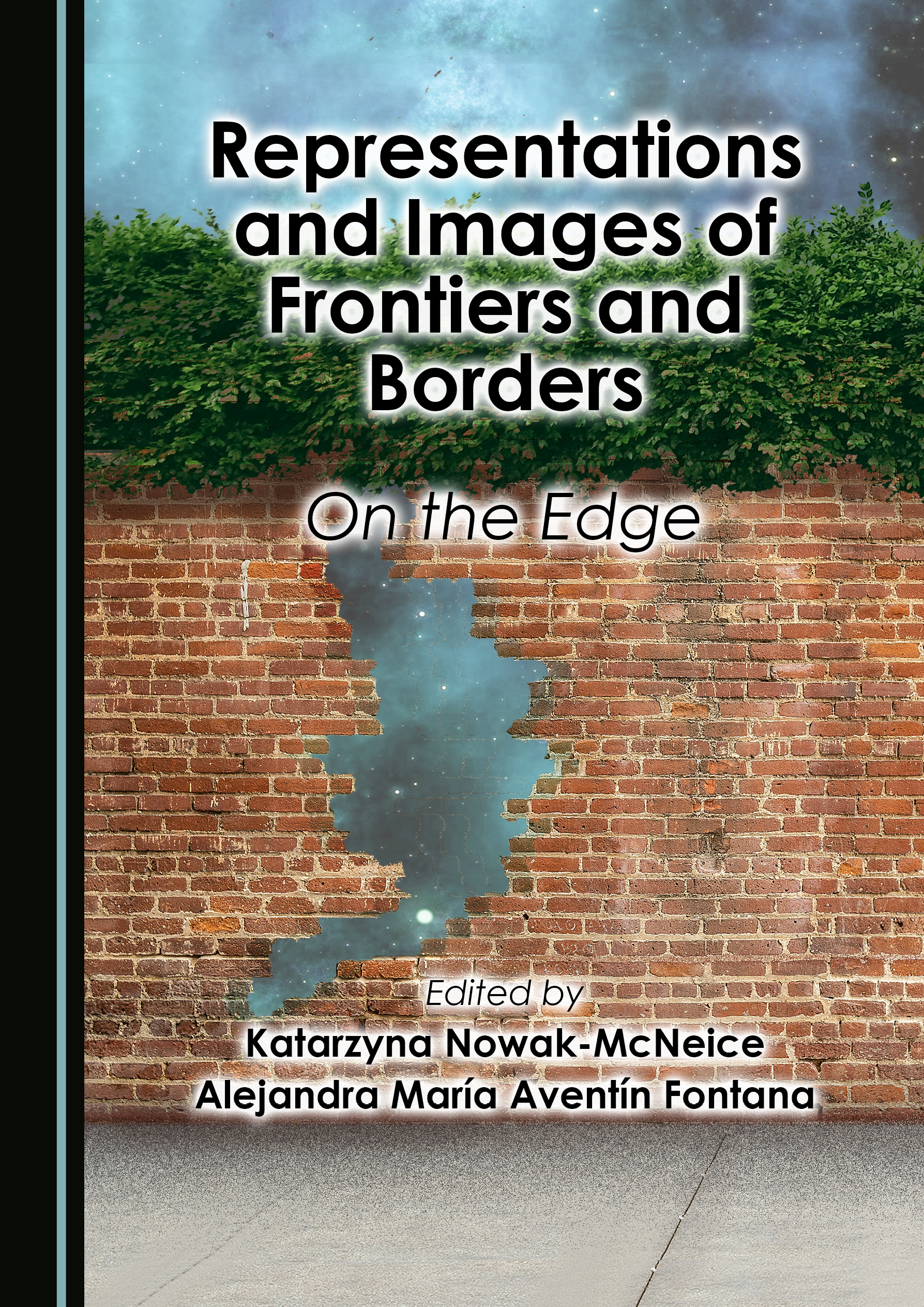
Now more than ever, we must reconsider what borders and frontiers mean. This collection analyzes their representation in literature, philosophy, and cinema, drawing on global examples to find what unites us in our shared humanity, rather than what divides us.
Now more than ever, we must reconsider what borders and frontiers mean. This collection analyzes their representation in literature, philosophy, and cinema, drawing on global examples to find what unites us in our shared humanity, rather than what divides us.
View more
This product has multiple variants. The options may be chosen on the product page
View more
This product has multiple variants. The options may be chosen on the product page
From £29.99
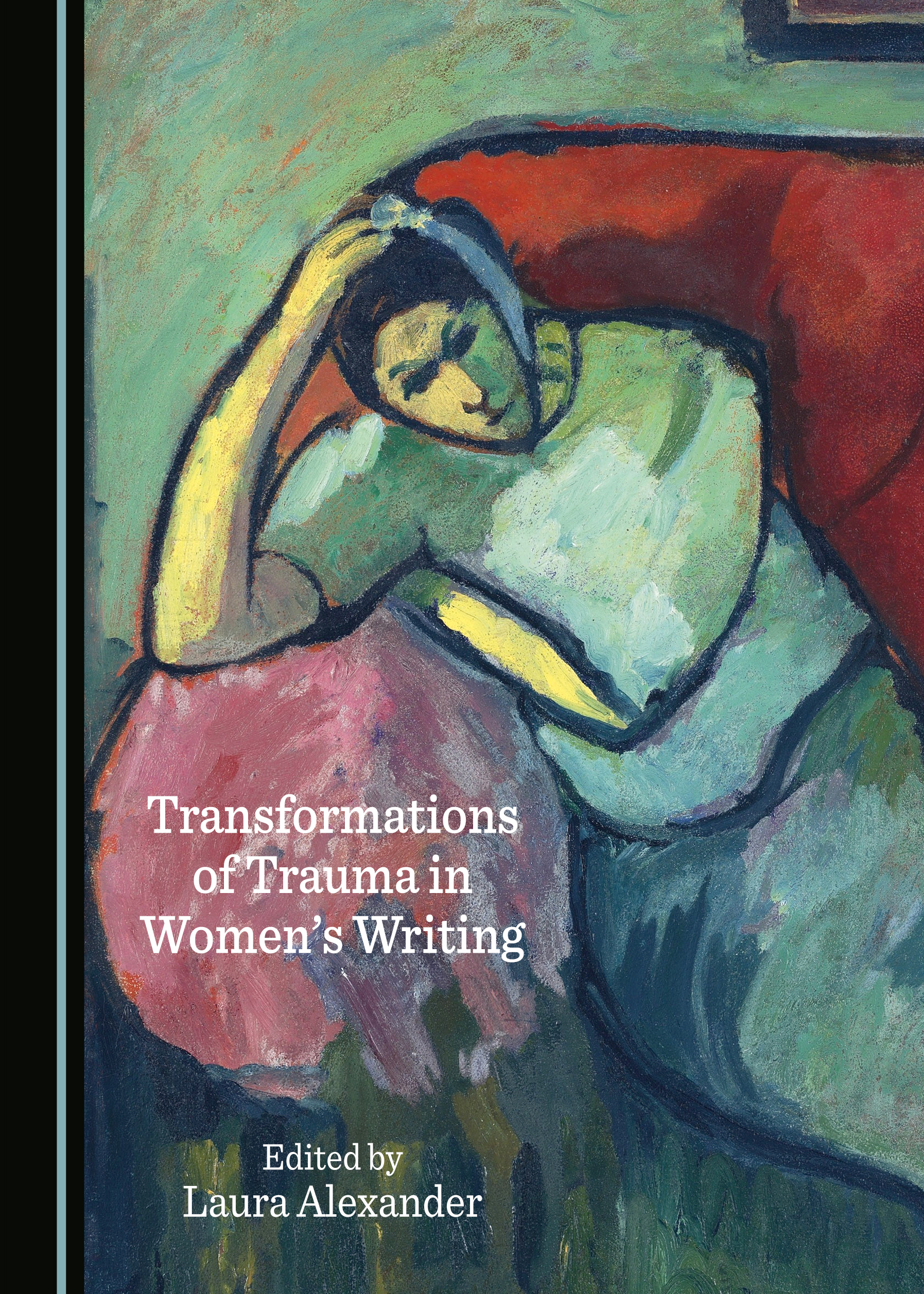
This volume examines how trauma alters women’s identities, from individual experiences to national political abuses. The book shows that language has a transformative power for healing, as women use autobiography and memoir to free themselves and reinvent the form.
This volume examines how trauma alters women’s identities, from individual experiences to national political abuses. The book shows that language has a transformative power for healing, as women use autobiography and memoir to free themselves and reinvent the form.
View more
This product has multiple variants. The options may be chosen on the product page
View more
This product has multiple variants. The options may be chosen on the product page
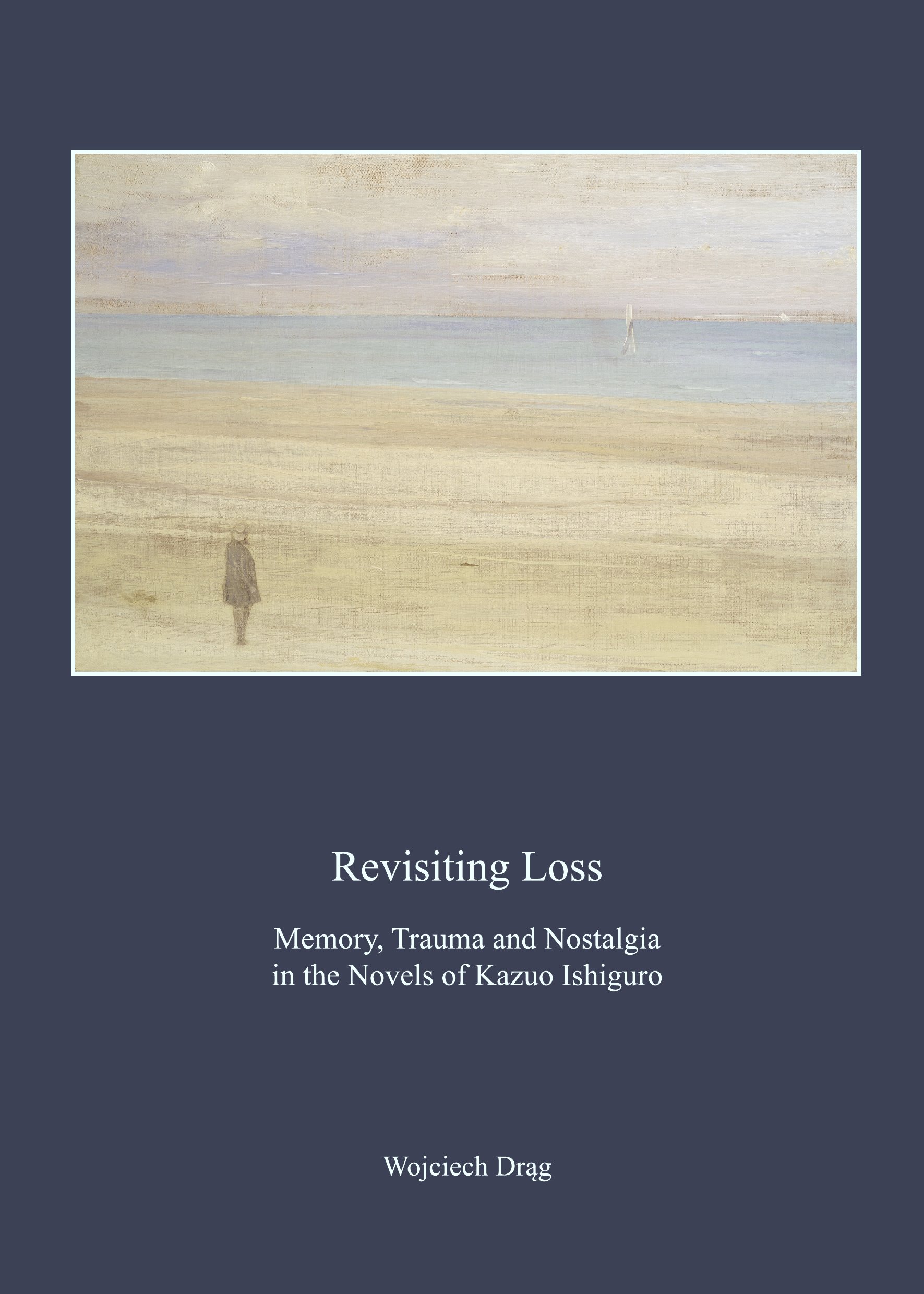
Revisiting Loss
Memory, Trauma and Nostalgia in the Novels of Kazuo Ishiguro
Loss defines Kazuo Ishiguro’s narrators, whose reconstructions of the past are exercises in misremembering and self-deception. This first book-length study of memory in his novels offers a thoroughly researched, interdisciplinary survey of his entire output.
Loss defines Kazuo Ishiguro’s narrators, whose reconstructions of the past are exercises in misremembering and self-deception. This first book-length study of memory in his novels offers a thoroughly researched, interdisciplinary survey of his entire output.
View more
This product has multiple variants. The options may be chosen on the product page

View more
This product has multiple variants. The options may be chosen on the product page
From £32.99
This book explores W. B. Yeats’s mystical experience and how it is exemplified in his poetry. It covers his engagement with the occult, Celtic mysticism, and Rosicrucianism, and discusses his automatic writing experience with his wife and his apocalyptic vision.
This book explores W. B. Yeats’s mystical experience and how it is exemplified in his poetry. It covers his engagement with the occult, Celtic mysticism, and Rosicrucianism, and discusses his automatic writing experience with his wife and his apocalyptic vision.
View more
This product has multiple variants. The options may be chosen on the product page
View more
This product has multiple variants. The options may be chosen on the product page
From £34.99
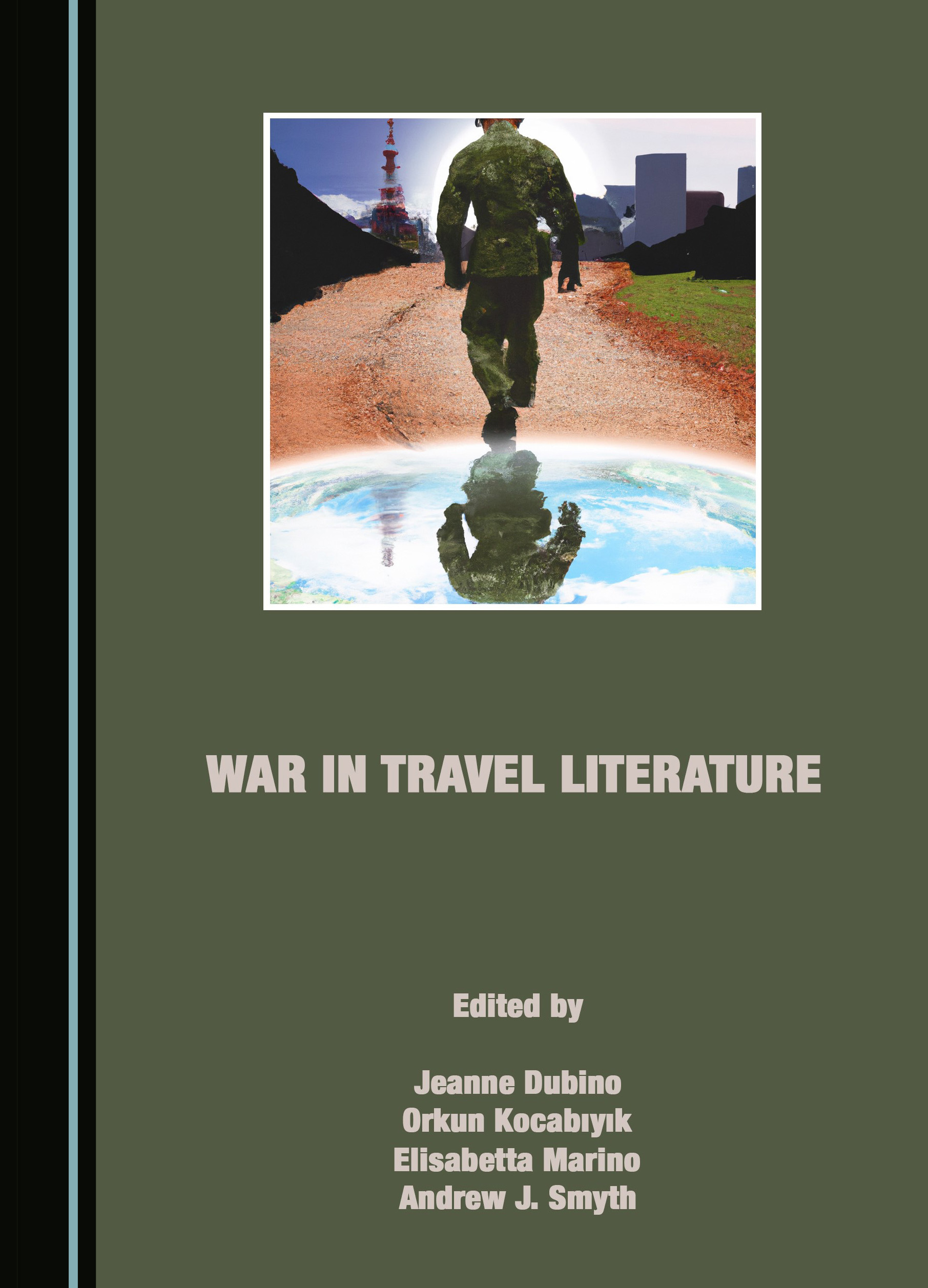
This collection shows how war functions as a subject, theme, and backdrop in travel writing, enabling readers to rethink both categories. From cookbooks to military magazines, these chapters reveal how war's reach extends far beyond the battlefield.
This collection shows how war functions as a subject, theme, and backdrop in travel writing, enabling readers to rethink both categories. From cookbooks to military magazines, these chapters reveal how war’s reach extends far beyond the battlefield.
View more
This product has multiple variants. The options may be chosen on the product page
Processing Your Order
Please wait while we securely process your order.
Do not refresh or leave this page.
You will be redirected shortly to a confirmation page with your order number.