
View more
This product has multiple variants. The options may be chosen on the product page
From £29.99
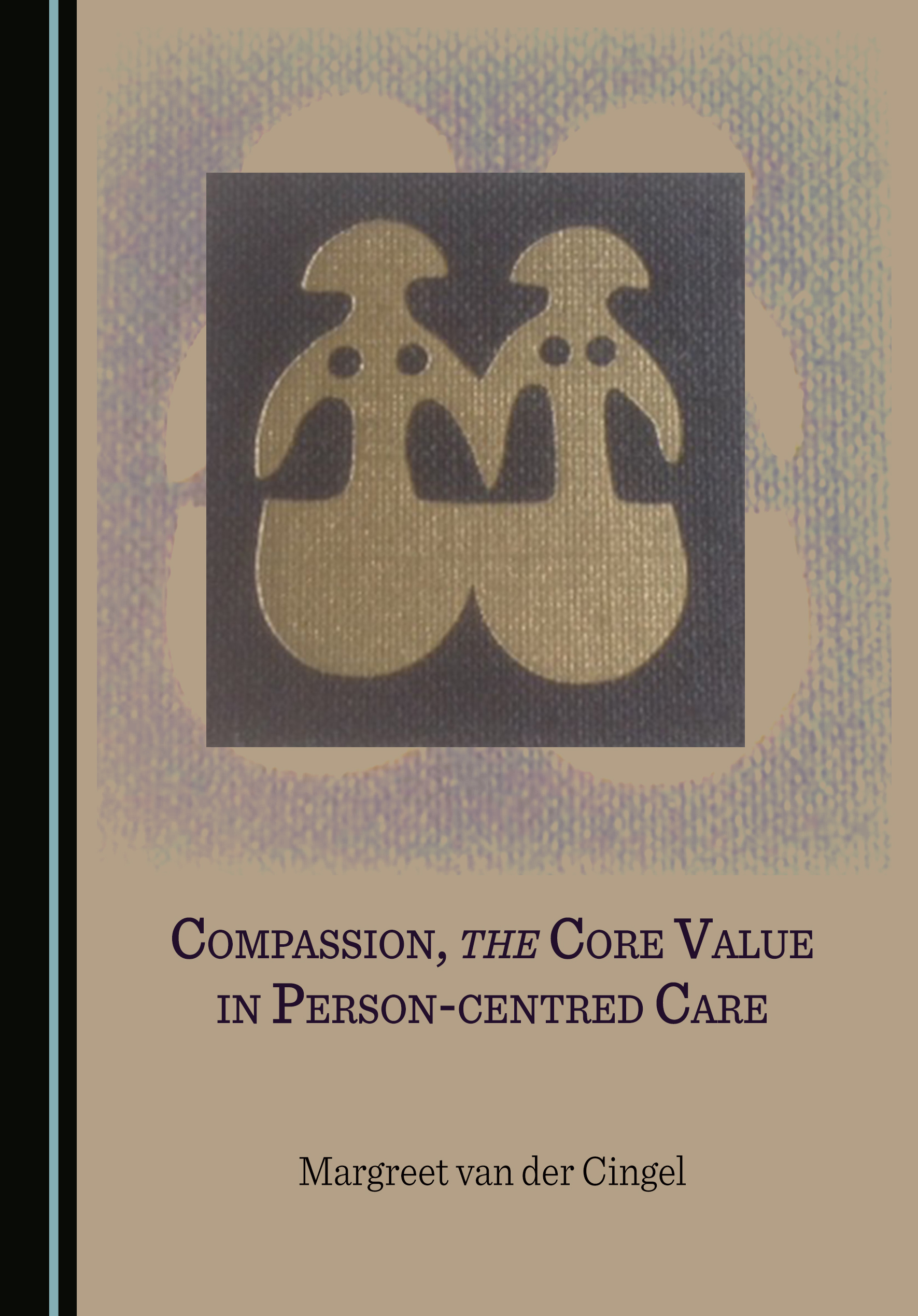
Nurses are motivated by compassion, but how does this 'soft' value fit into modern, evidence-based healthcare? This book answers that question, showing that compassion is not old-fashioned but an indispensable necessity for high-quality, evidence-based nursing care.
Nurses are motivated by compassion, but how does this ‘soft’ value fit into modern, evidence-based healthcare? This book answers that question, showing that compassion is not old-fashioned but an indispensable necessity for high-quality, evidence-based nursing care.
View more
This product has multiple variants. The options may be chosen on the product page
View more
This product has multiple variants. The options may be chosen on the product page
From £31.99
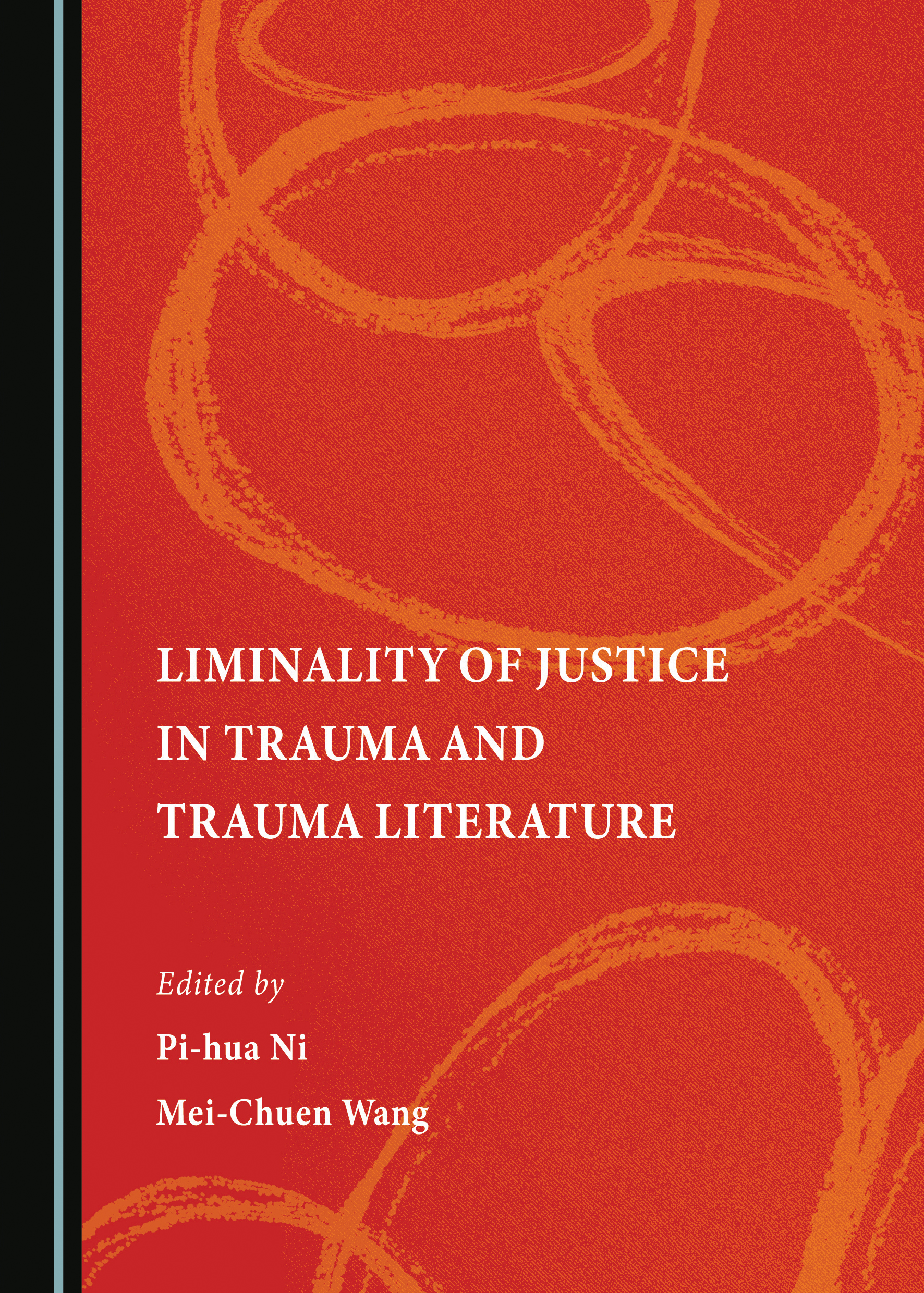
This volume probes the blurred line between victim and victimizer in trauma and how novelists represent issues of justice. Critical studies range from Cambodia’s genocide to analyses of AIDS literature, contemporary American literature, and Indigenous writing in Canada.
This volume probes the blurred line between victim and victimizer in trauma and how novelists represent issues of justice. Critical studies range from Cambodia’s genocide to analyses of AIDS literature, contemporary American literature, and Indigenous writing in Canada.
View more
This product has multiple variants. The options may be chosen on the product page
View more
This product has multiple variants. The options may be chosen on the product page
From £32.99
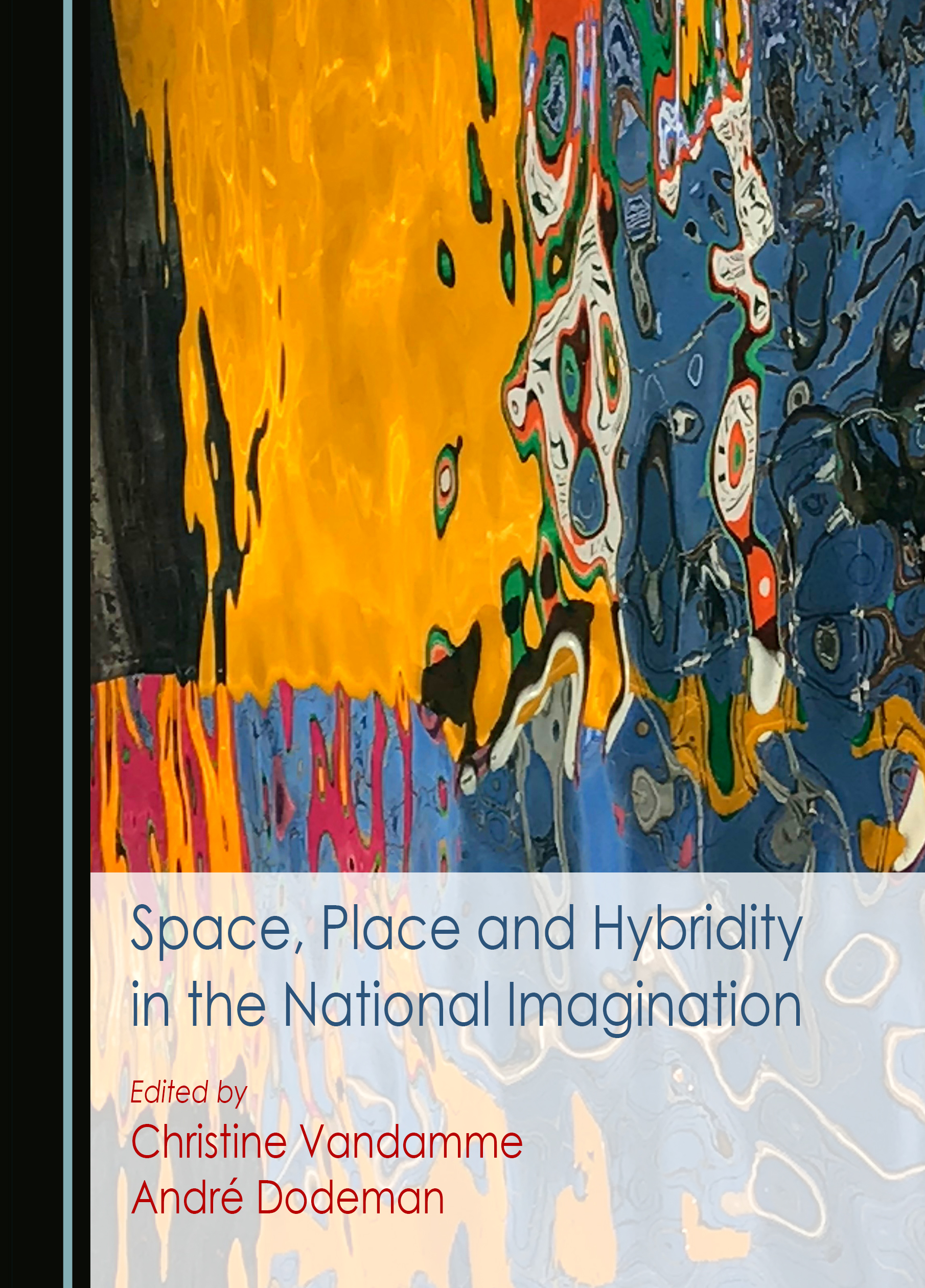
This volume explores space, place, and hybridity in today’s multicultural societies. It considers how art, film, and literature can reinvigorate representations of modern nations and celebrate their dynamic communities without relegating minorities to the margin.
This volume explores space, place, and hybridity in today’s multicultural societies. It considers how art, film, and literature can reinvigorate representations of modern nations and celebrate their dynamic communities without relegating minorities to the margin.
View more
This product has multiple variants. The options may be chosen on the product page
View more
This product has multiple variants. The options may be chosen on the product page
From £29.99
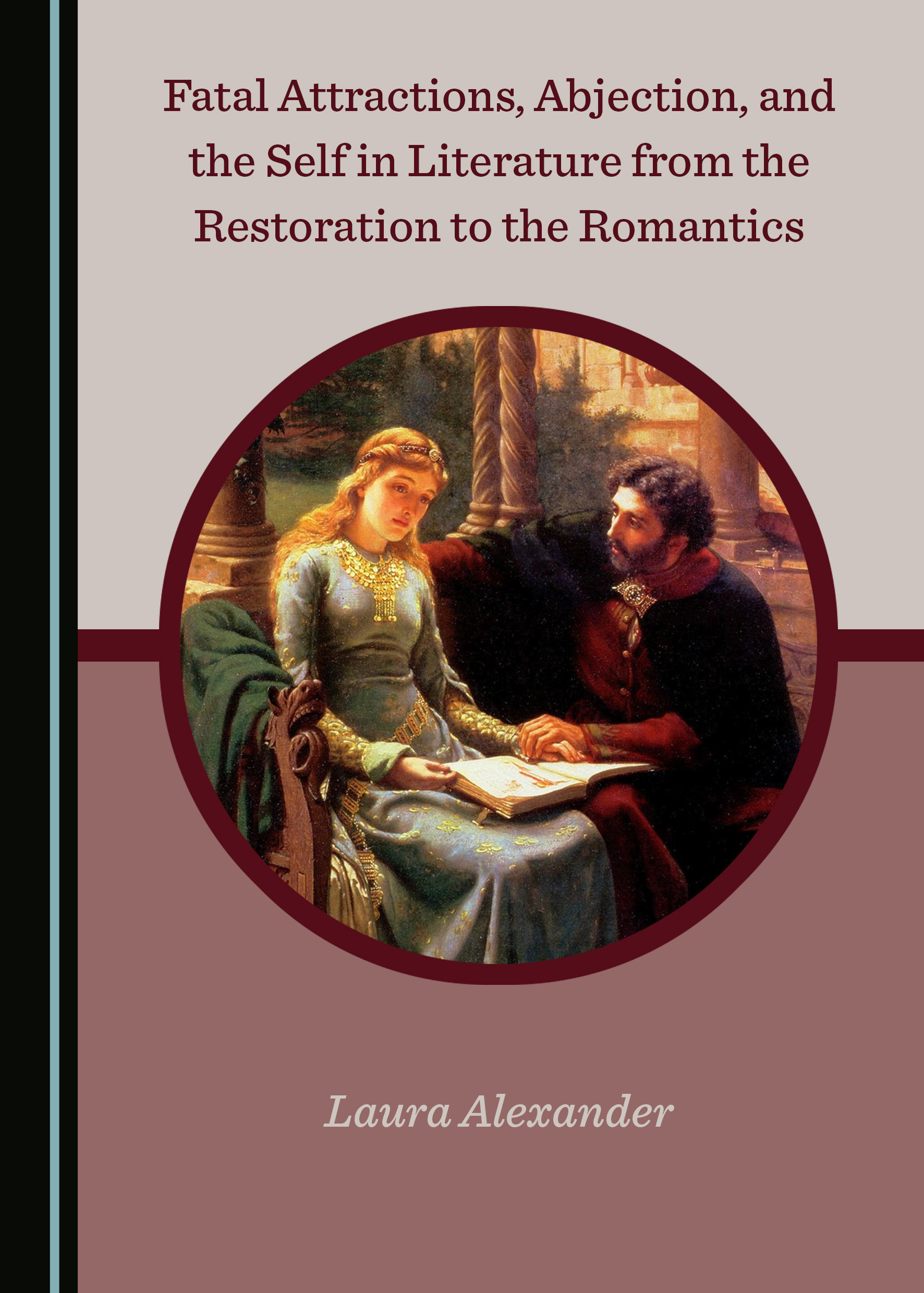
Alexander uses Julia Kristeva’s theory of abjection to examine several works by British writers from the Restoration to the Romantic era, providing a constructive perspective for thinking about literary depictions of the self-in-crisis.
Alexander uses Julia Kristeva’s theory of abjection to examine several works by British writers from the Restoration to the Romantic era, providing a constructive perspective for thinking about literary depictions of the self-in-crisis.
View more
This product has multiple variants. The options may be chosen on the product page

View more
This product has multiple variants. The options may be chosen on the product page
Back to the Future
Israeli Literature of the 1980s and 1990s
This study opens a fascinating window into Israeli writing of the 1980s and 90s. It links the era's dramatic social and political transformations to the evolution of key literary genres like Holocaust literature, the Mizrachi novel, and detective fiction.
This study opens a fascinating window into Israeli writing of the 1980s and 90s. It links the era’s dramatic social and political transformations to the evolution of key literary genres like Holocaust literature, the Mizrachi novel, and detective fiction.
View more
This product has multiple variants. The options may be chosen on the product page

View more
This product has multiple variants. The options may be chosen on the product page
Out of the Shadows
The Life and Works of Mary De Morgan
Who was Mary De Morgan? Overshadowed by her family, she was a writer, spiritualist, social reformer, and early feminist. This book reveals a complex "New Woman" and explains why George Bernard Shaw considered her a “devil incarnate.”
Who was Mary De Morgan? Overshadowed by her family, she was a writer, spiritualist, social reformer, and early feminist. This book reveals a complex “New Woman” and explains why George Bernard Shaw considered her a “devil incarnate.”
View more
This product has multiple variants. The options may be chosen on the product page
View more
This product has multiple variants. The options may be chosen on the product page
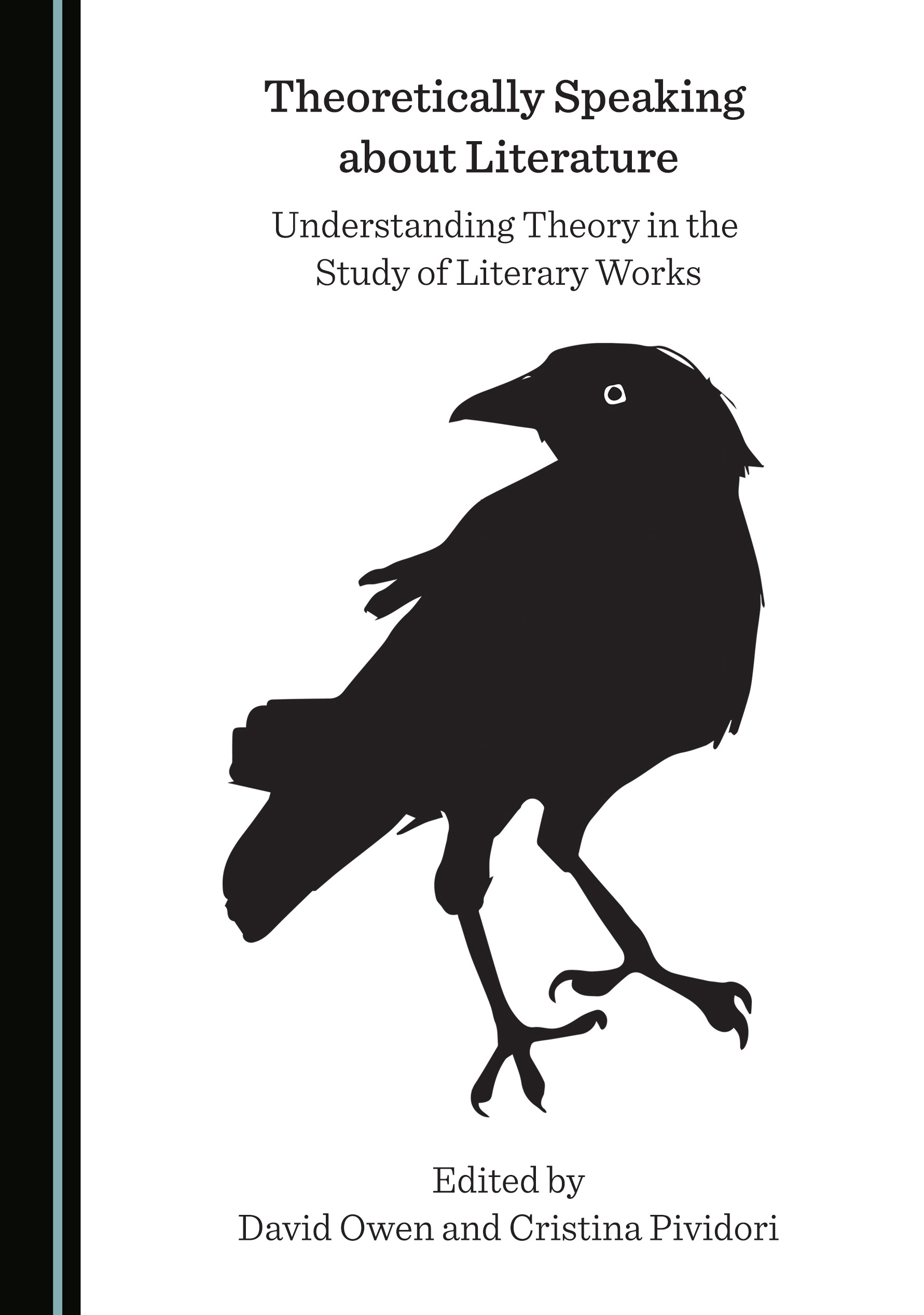
Theoretically Speaking about Literature
Understanding Theory in the Study of Literary Works
This book offers a practical insight into critical interpretation. By discussing a single text from the perspective of eighteen distinct theories, it makes complex ideas accessible and gives readers a comprehensible guide to the beliefs that underpin criticism.
This book offers a practical insight into critical interpretation. By discussing a single text from the perspective of eighteen distinct theories, it makes complex ideas accessible and gives readers a comprehensible guide to the beliefs that underpin criticism.
View more
This product has multiple variants. The options may be chosen on the product page

View more
This product has multiple variants. The options may be chosen on the product page
Between Myth and Reality
Goethe, Anna Amalia, Charlotte von Stein
Ghibellino's provocative thesis claimed Goethe’s beloved was not Charlotte von Stein but Duchess Anna Amalia. Dan Farrelly meticulously re-reads Goethe’s letters, refuting this thesis and proving that Charlotte was the true addressee.
Ghibellino’s provocative thesis claimed Goethe’s beloved was not Charlotte von Stein but Duchess Anna Amalia. Dan Farrelly meticulously re-reads Goethe’s letters, refuting this thesis and proving that Charlotte was the true addressee.
View more
This product has multiple variants. The options may be chosen on the product page
View more
This product has multiple variants. The options may be chosen on the product page
From £32.99
Drawing on contemporary developments in cultural studies, the papers in this anthology cover multiple forms and genres—including novels, films, documentaries, magazines, and commercials— in order to shed light on new sensibilities in postmillennial texts and media.
Drawing on contemporary developments in cultural studies, the papers in this anthology cover multiple forms and genres—including novels, films, documentaries, magazines, and commercials— in order to shed light on new sensibilities in postmillennial texts and media.
View more
This product has multiple variants. The options may be chosen on the product page
View more
This product has multiple variants. The options may be chosen on the product page
From £24.99
Before Shakespeare, prefigurement and echo were not unknown. But the vast echoism—continuing forward and backward references—utilized in his tragedies was rare. Through metaphoric resonance, he revealed meanings lost without it. Who, even now, does this?
Before Shakespeare, prefigurement and echo were not unknown. But the vast echoism—continuing forward and backward references—utilized in his tragedies was rare. Through metaphoric resonance, he revealed meanings lost without it. Who, even now, does this?
View more
This product has multiple variants. The options may be chosen on the product page
View more
This product has multiple variants. The options may be chosen on the product page
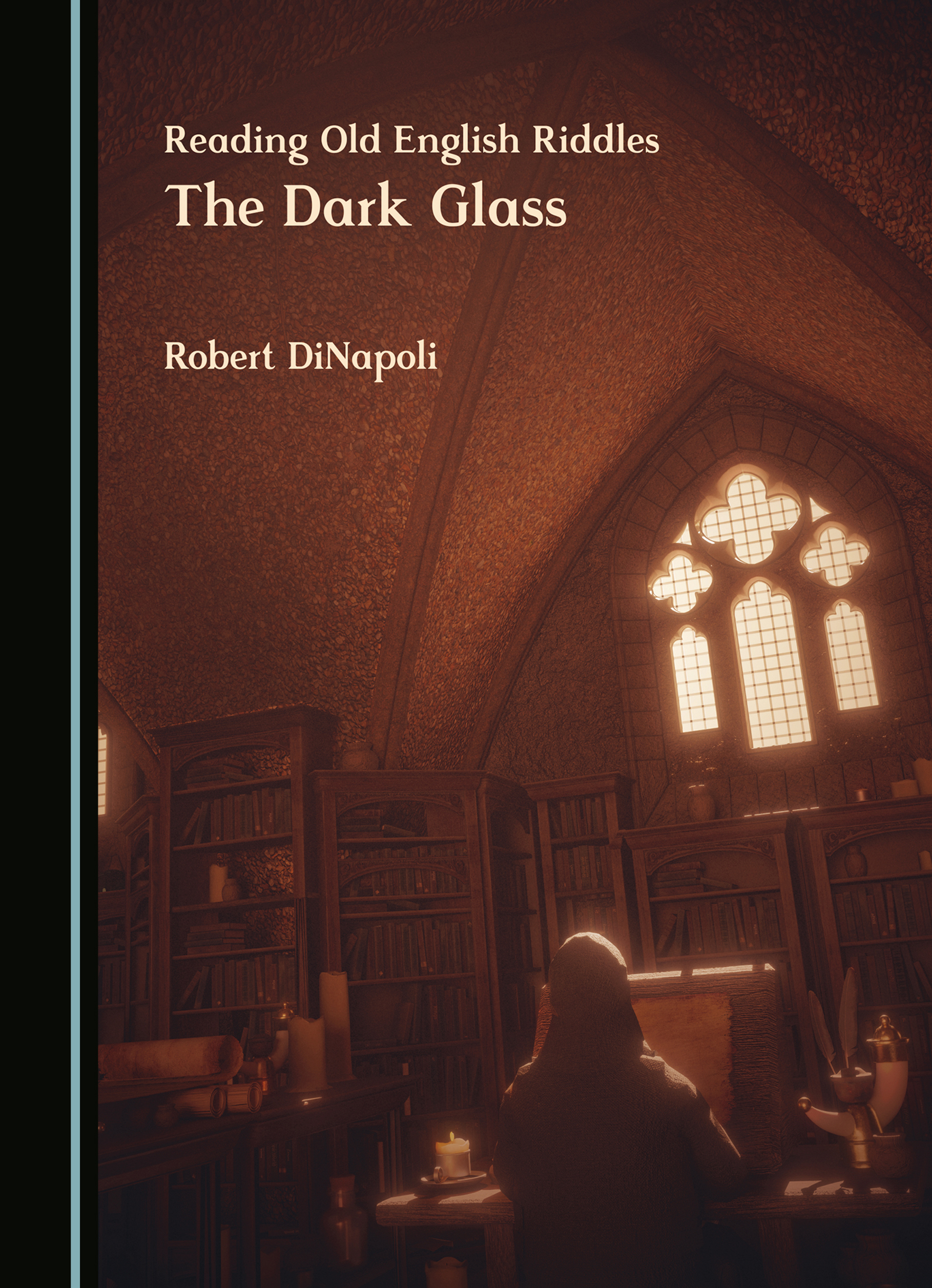
Reading Old English Riddles
The Dark Glass
The riddles of the Exeter Book are designed to intrigue, baffle, and entertain. Ranging from the learned to the vulgar, the devotional to the existential, they are a powerful part of the Old English poetic tradition. This book presents them in modern English verse translations.
The riddles of the Exeter Book are designed to intrigue, baffle, and entertain. Ranging from the learned to the vulgar, the devotional to the existential, they are a powerful part of the Old English poetic tradition. This book presents them in modern English verse translations.
View more
This product has multiple variants. The options may be chosen on the product page
View more
This product has multiple variants. The options may be chosen on the product page
From £35.99
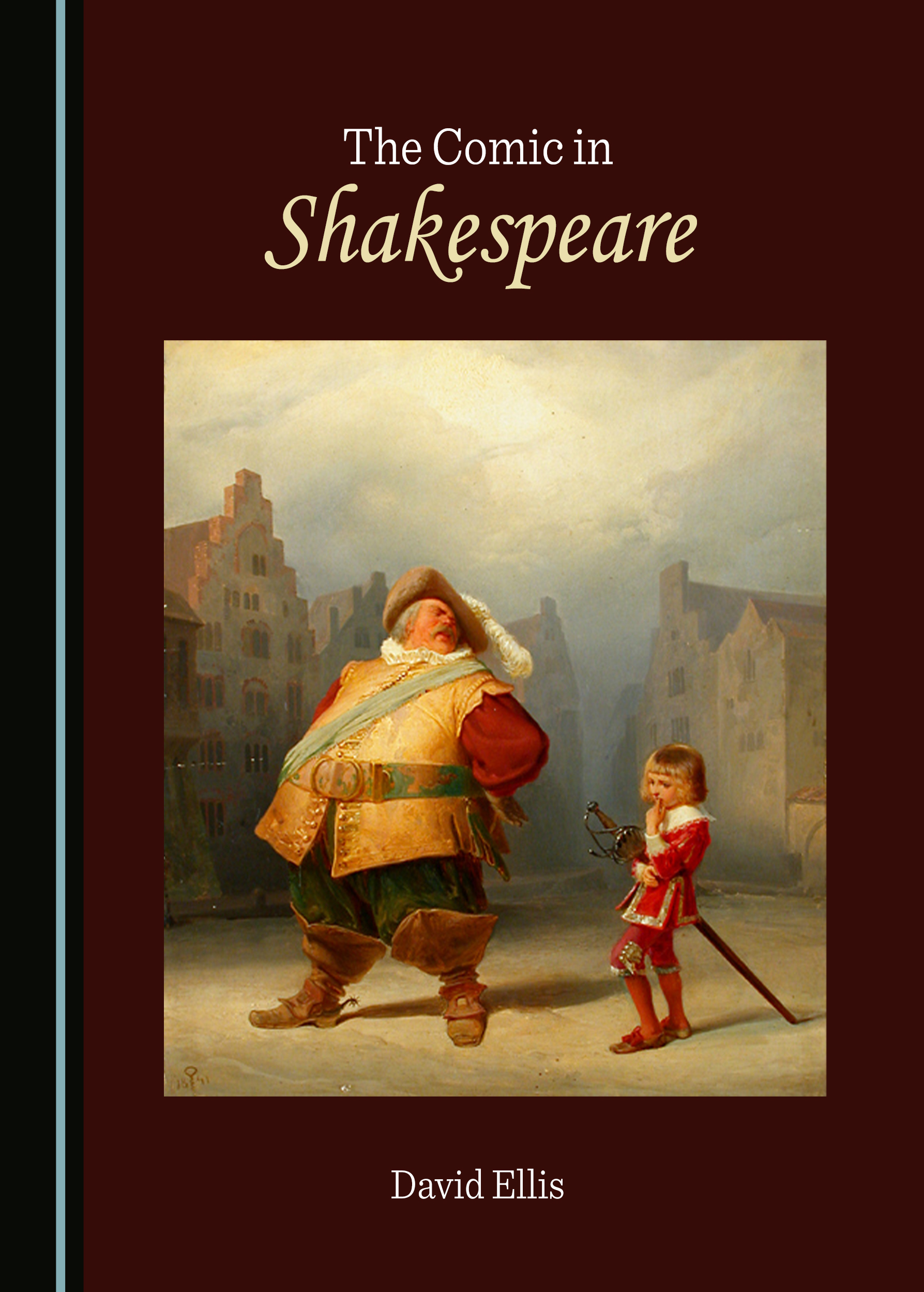
This book explains what makes Shakespeare's plays funny, concentrating on the seismic shift in his writing after clown Will Kemp was replaced by Robert Armin. Written in jargon-free prose, it challenges age-old distinctions between high and low comedy for all readers.
This book explains what makes Shakespeare’s plays funny, concentrating on the seismic shift in his writing after clown Will Kemp was replaced by Robert Armin. Written in jargon-free prose, it challenges age-old distinctions between high and low comedy for all readers.
View more
This product has multiple variants. The options may be chosen on the product page
View more
This product has multiple variants. The options may be chosen on the product page
From £44.99
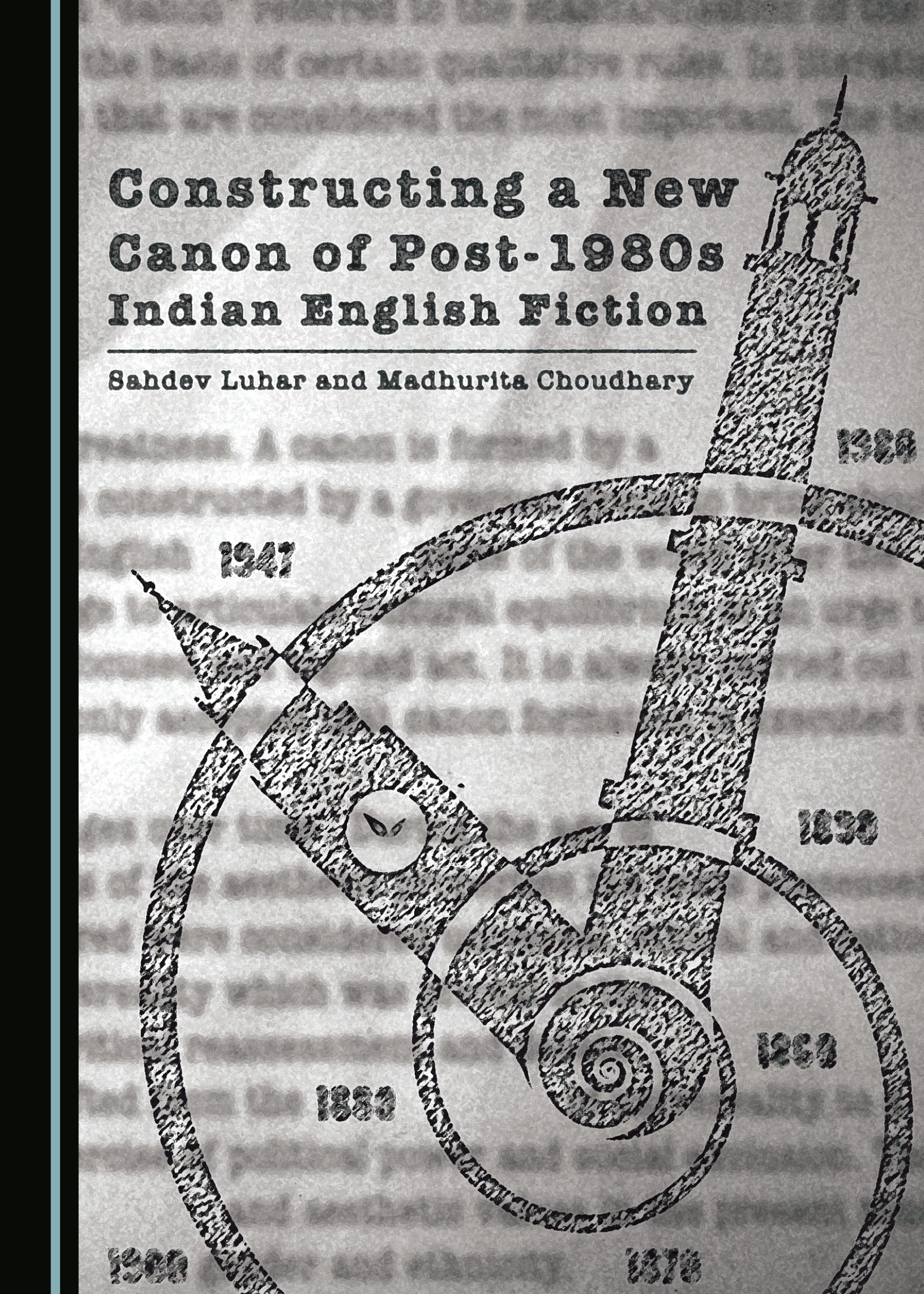
In the sphere of Indian English literature, Indian English fiction after the end of the 1980s has emerged as a new “canon”. This monograph highlights the process of literary canon formation in Indian universities, and examines such fiction as an alternative literary canon.
In the sphere of Indian English literature, Indian English fiction after the end of the 1980s has emerged as a new “canon”. This monograph highlights the process of literary canon formation in Indian universities, and examines such fiction as an alternative literary canon.
View more
This product has multiple variants. The options may be chosen on the product page
View more
This product has multiple variants. The options may be chosen on the product page
From £14.99
These essays examine the travel writer’s self, revealing the carefully crafted persona of the traveler as a fiction. Exploring genres from diaries to film, they show that the most interesting subject of any travel account is the author.
These essays examine the travel writer’s self, revealing the carefully crafted persona of the traveler as a fiction. Exploring genres from diaries to film, they show that the most interesting subject of any travel account is the author.
View more
This product has multiple variants. The options may be chosen on the product page
View more
This product has multiple variants. The options may be chosen on the product page
From £32.99
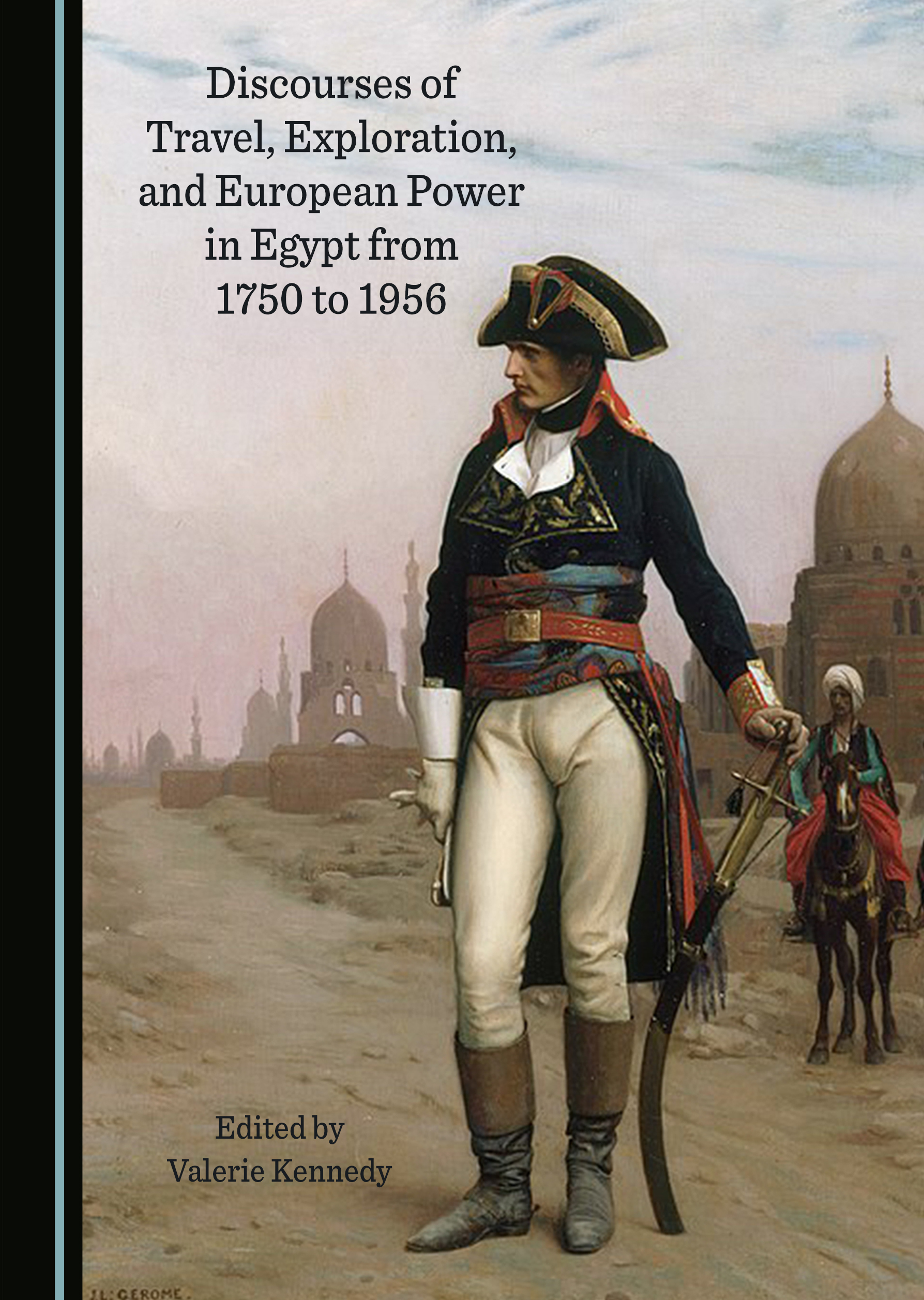
This collection explores Western representations of Egypt from 1750-1956, a fascination sparked by Napoleon’s expedition. Essays analyse works by writers like Charles Dickens and Florence Nightingale, alongside perspectives from explorers, painters, and colonial administrators.
This collection explores Western representations of Egypt from 1750-1956, a fascination sparked by Napoleon’s expedition. Essays analyse works by writers like Charles Dickens and Florence Nightingale, alongside perspectives from explorers, painters, and colonial administrators.
View more
This product has multiple variants. The options may be chosen on the product page
View more
This product has multiple variants. The options may be chosen on the product page
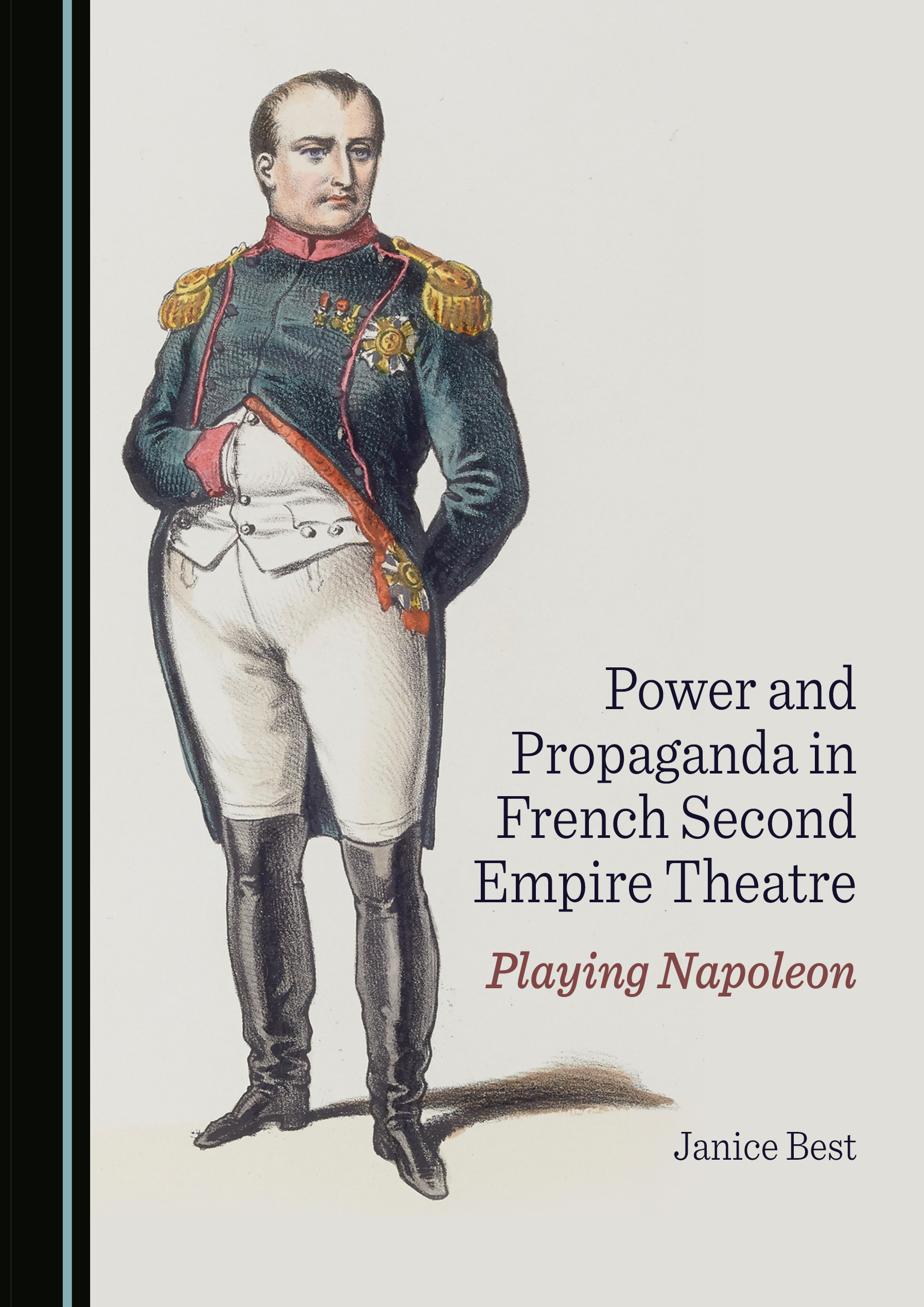
Power and Propaganda in French Second Empire Theatre
Playing Napoleon
In Second Empire France, authorities used the stage for propaganda. This book explores how Napoléon-themed dramas, intended for a working-class audience, were censored to strengthen the regime, shaping collective memory and myths of national identity.
In Second Empire France, authorities used the stage for propaganda. This book explores how Napoléon-themed dramas, intended for a working-class audience, were censored to strengthen the regime, shaping collective memory and myths of national identity.
View more
This product has multiple variants. The options may be chosen on the product page
View more
This product has multiple variants. The options may be chosen on the product page
From £36.99
This book investigates the fate of Shakespearean supernatural dimensions in the Age of Reason. Using adapted versions of Macbeth, Hamlet, and The Tempest, it explores two main strategies used to “rationalize” the supernatural: its omission or its aestheticization into spectacle.
This book investigates the fate of Shakespearean supernatural dimensions in the Age of Reason. Using adapted versions of Macbeth, Hamlet, and The Tempest, it explores two main strategies used to “rationalize” the supernatural: its omission or its aestheticization into spectacle.
View more
This product has multiple variants. The options may be chosen on the product page
View more
This product has multiple variants. The options may be chosen on the product page
New Thoughts on Old Books
Why Read Homer, Milton, or a Medieval Nun at a Time like This?
Why continue reading “classic” texts today? This book is not a defense of the literary canon. Instead, professors of English offer thoughtful, engaging, personal responses, inviting readers to revisit “old assignments” in new terms.
Why continue reading “classic” texts today? This book is not a defense of the literary canon. Instead, professors of English offer thoughtful, engaging, personal responses, inviting readers to revisit “old assignments” in new terms.
View more
This product has multiple variants. The options may be chosen on the product page
View more
This product has multiple variants. The options may be chosen on the product page
From £33.99
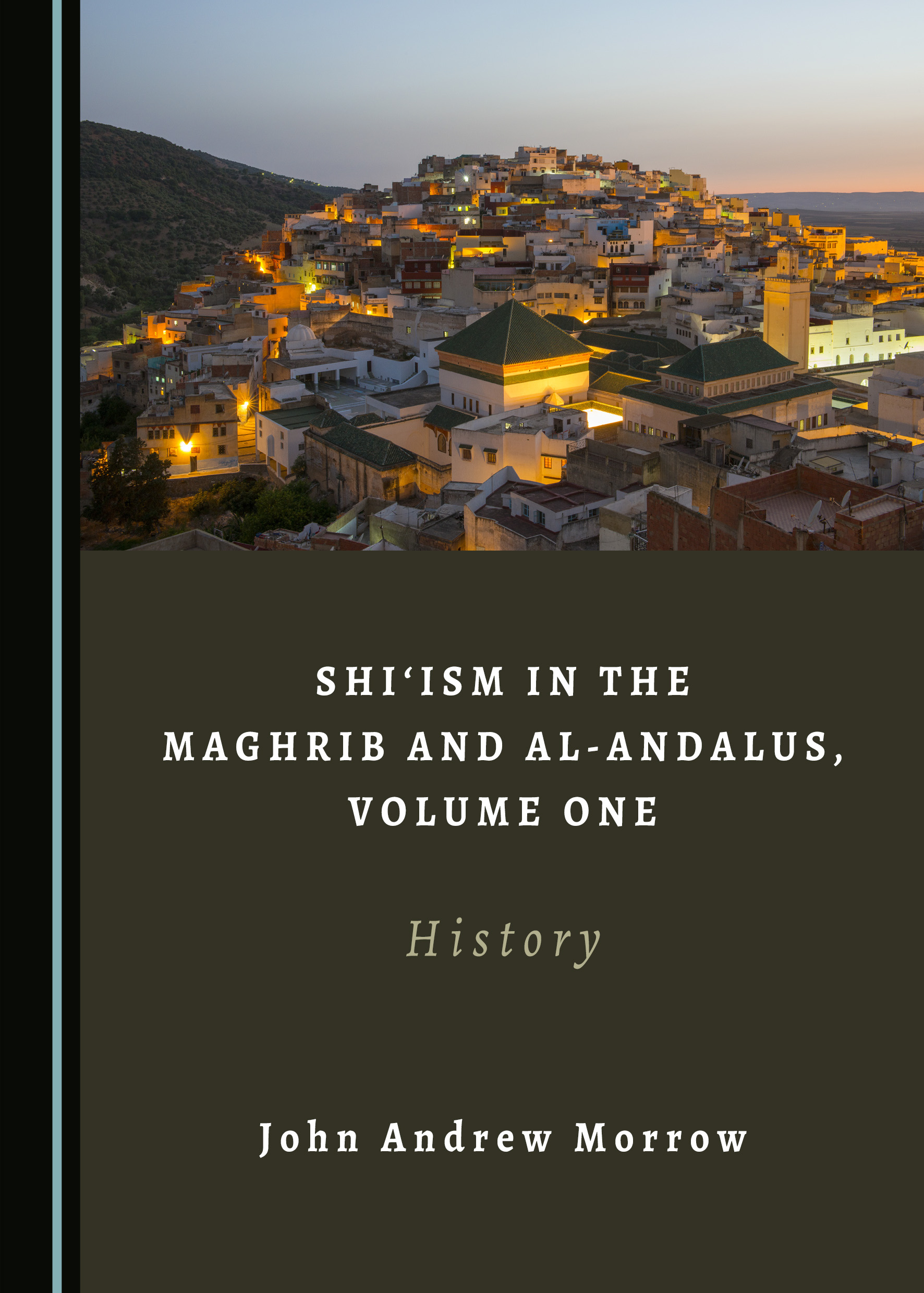
This panoramic view of the Shi‘ite presence in North Africa and the Iberian Peninsula examines the seminal role of Shi‘ite Imams, dynasties, revolts, and scholars. By re-examining the religious and political history of the region, this work makes a revolutionary contribution.
This panoramic view of the Shi‘ite presence in North Africa and the Iberian Peninsula examines the seminal role of Shi‘ite Imams, dynasties, revolts, and scholars. By re-examining the religious and political history of the region, this work makes a revolutionary contribution.
View more
This product has multiple variants. The options may be chosen on the product page
View more
This product has multiple variants. The options may be chosen on the product page
From £29.99
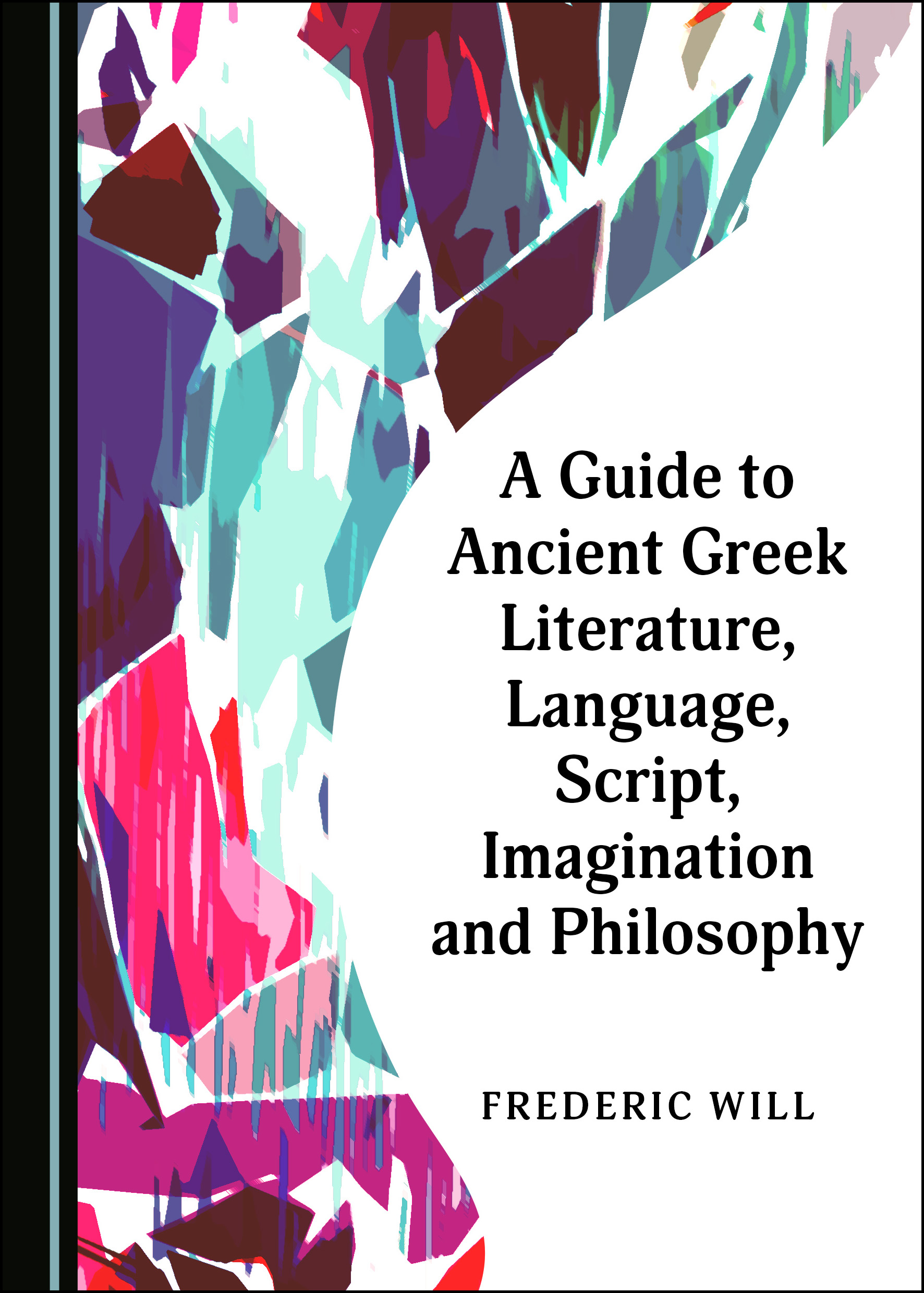
This chronological survey of Ancient Greece's major writers explores genres from epic and drama to philosophy. It also features essays on Greek culture, including mythology, theater, government, and science. The book serves as a launchpad for our enduring Hellenic heritage.
This chronological survey of Ancient Greece’s major writers explores genres from epic and drama to philosophy. It also features essays on Greek culture, including mythology, theater, government, and science. The book serves as a launchpad for our enduring Hellenic heritage.
View more
This product has multiple variants. The options may be chosen on the product page
Processing Your Order
Please wait while we securely process your order.
Do not refresh or leave this page.
You will be redirected shortly to a confirmation page with your order number.