
View more
This product has multiple variants. The options may be chosen on the product page
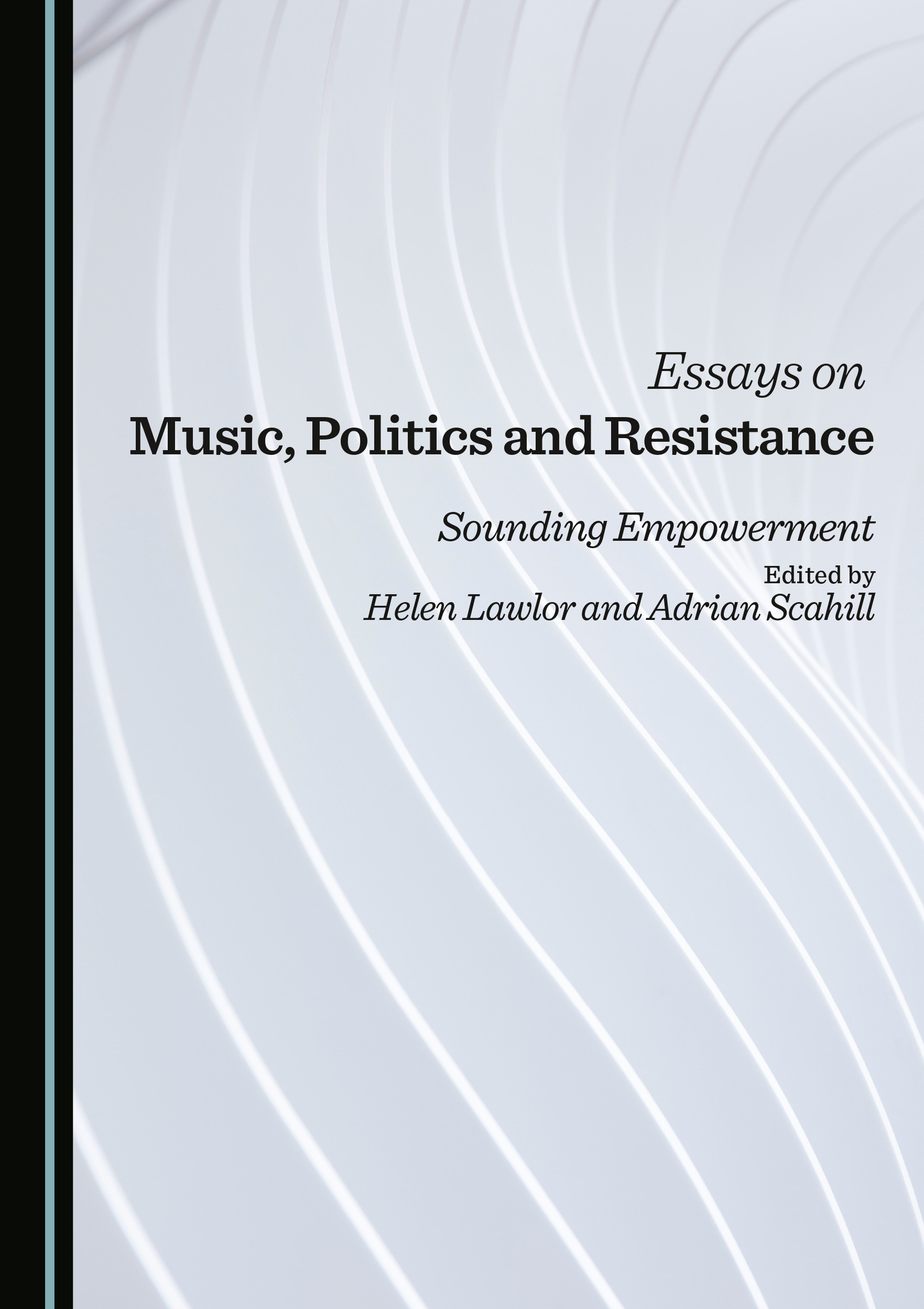
Essays on Music, Politics and Resistance
Sounding Empowerment
This volume explores the relationship between music, power, and politics. Going beyond protest, it reveals how music serves as a tool for empowerment and social justice, helping marginalized communities establish a voice, foster identity, and shape new political realities.
This volume explores the relationship between music, power, and politics. Going beyond protest, it reveals how music serves as a tool for empowerment and social justice, helping marginalized communities establish a voice, foster identity, and shape new political realities.
View more
This product has multiple variants. The options may be chosen on the product page
View more
This product has multiple variants. The options may be chosen on the product page
£72.99
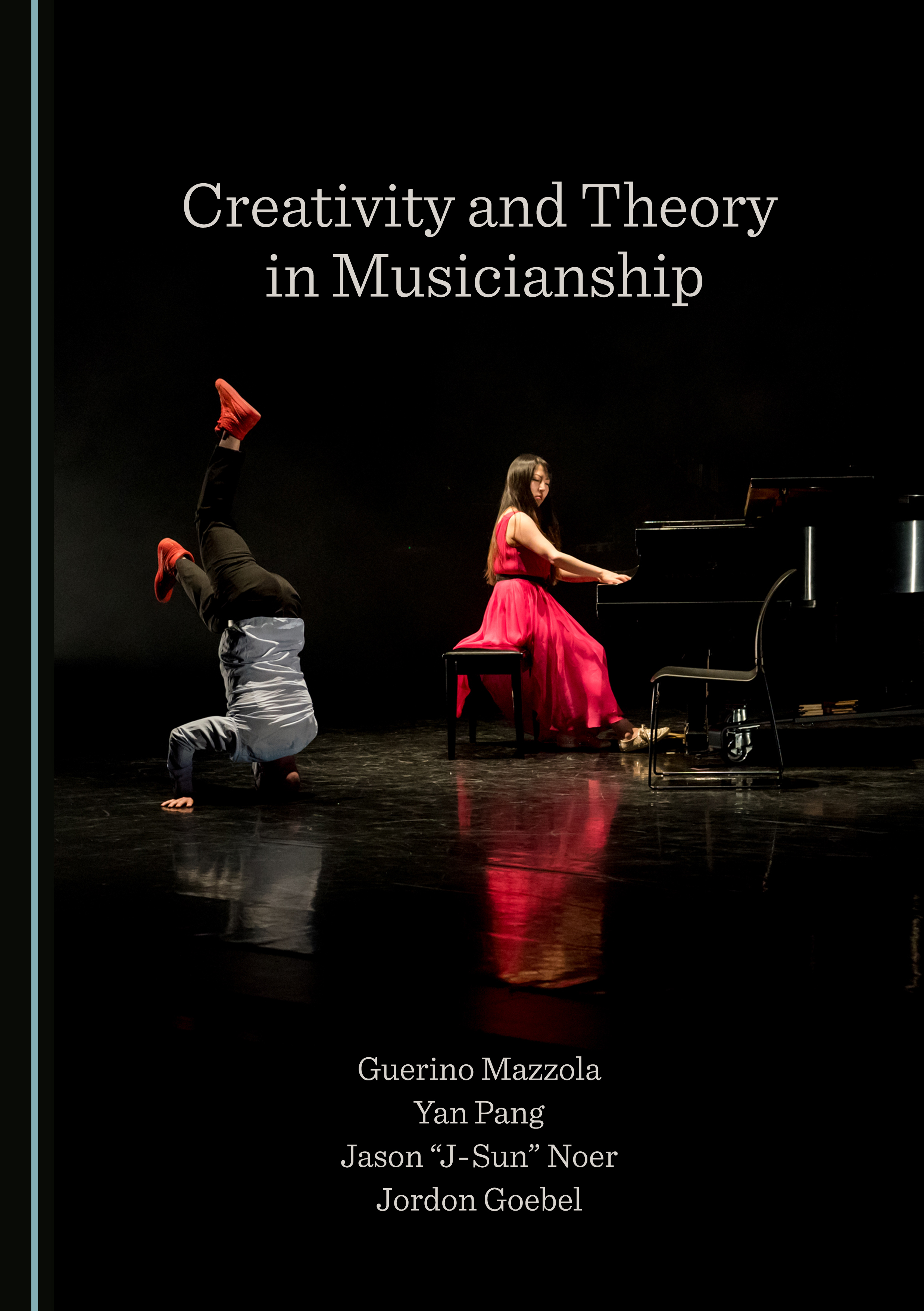
This book bridges the gap between theory and creativity in musicianship. It moves beyond the idea of theory as rigid and creativity as wild, providing a discussion of the creative drive in theory and how these ideas shape performance through illuminating examples.
This book bridges the gap between theory and creativity in musicianship. It moves beyond the idea of theory as rigid and creativity as wild, providing a discussion of the creative drive in theory and how these ideas shape performance through illuminating examples.
View more
This product has multiple variants. The options may be chosen on the product page
View more
This product has multiple variants. The options may be chosen on the product page
£78.99
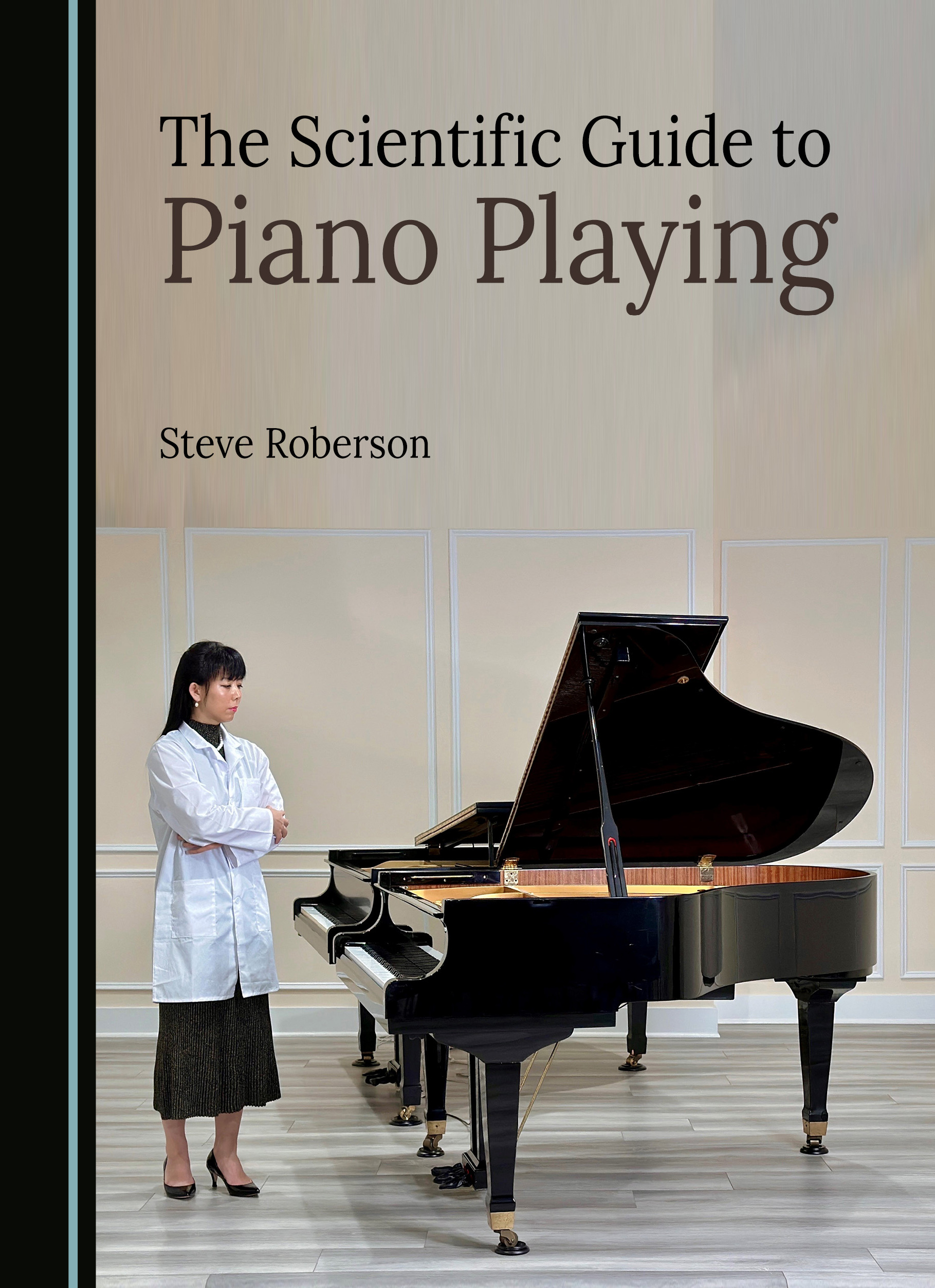
Too much of piano playing is undermined by half-truths, causing an epidemic of injuries and artistic frustration. The antidote is a focus on the science of body and mind. Written by a pianist for pianists, this book uses biomechanics and neuroscience to transform all we do.
Too much of piano playing is undermined by half-truths, causing an epidemic of injuries and artistic frustration. The antidote is a focus on the science of body and mind. Written by a pianist for pianists, this book uses biomechanics and neuroscience to transform all we do.
View more
This product has multiple variants. The options may be chosen on the product page
View more
This product has multiple variants. The options may be chosen on the product page
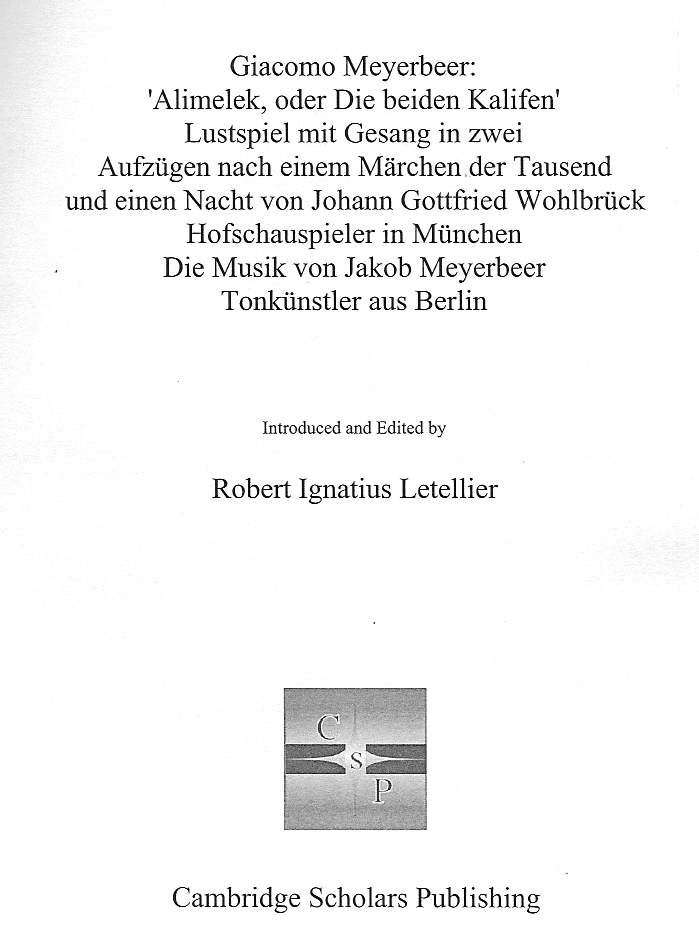
Giacomo Meyerbeer
'Alimelek, oder Die beiden Kalifen'
Meyerbeer’s opera Wirt und Gast is based on an Arabian Nights tale. Championed by Weber for its delicate instrumentation, it shows astonishing maturity for a composer of twenty-one, using recurrent themes to present the plot’s conflict before Wagner.
Meyerbeer’s opera Wirt und Gast is based on an Arabian Nights tale. Championed by Weber for its delicate instrumentation, it shows astonishing maturity for a composer of twenty-one, using recurrent themes to present the plot’s conflict before Wagner.
View more
This product has multiple variants. The options may be chosen on the product page
View more
This product has multiple variants. The options may be chosen on the product page
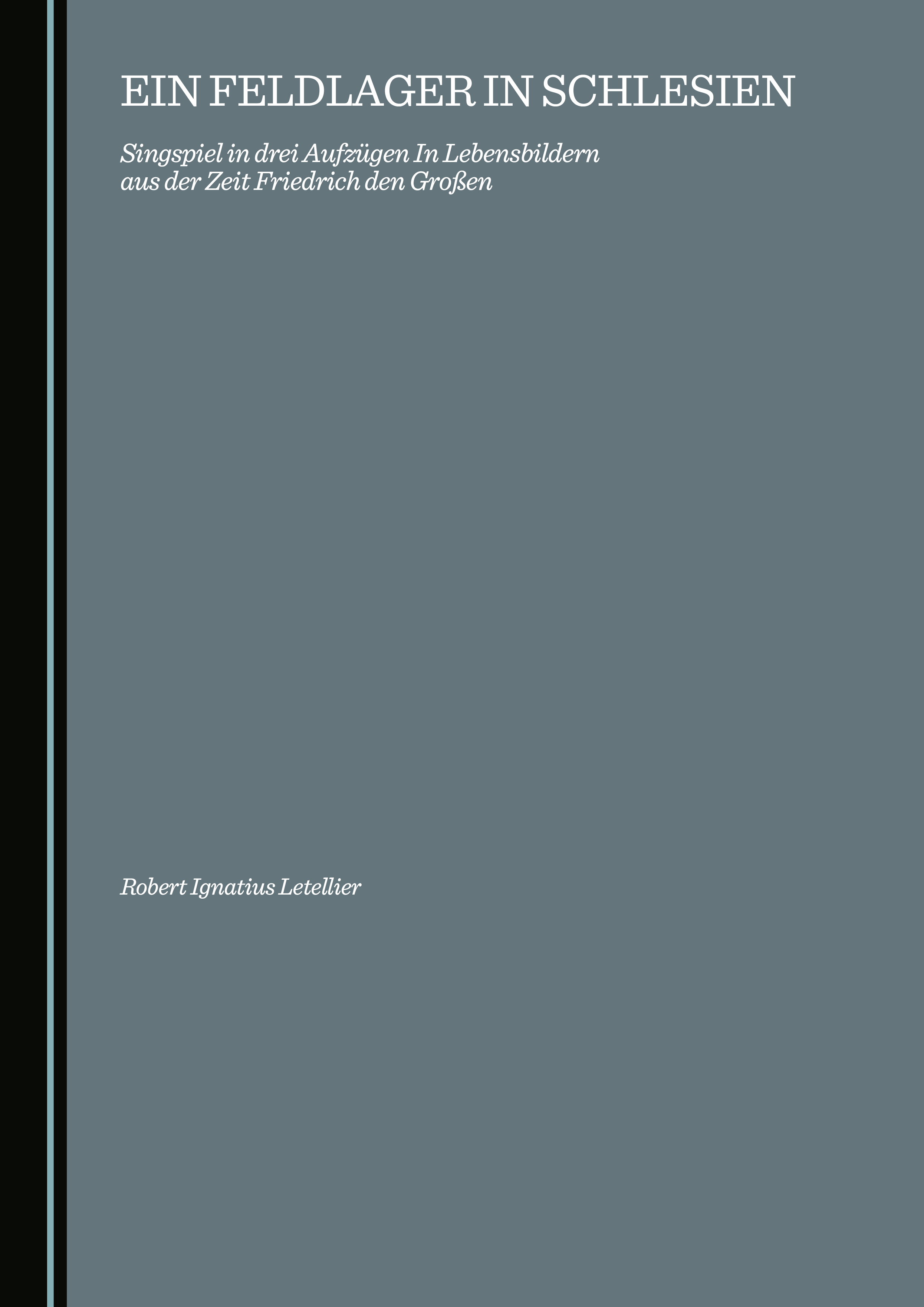
EIN FELDLAGER IN SCHLESIEN
Singspiel in drei Aufzügen In Lebensbildern aus der Zeit Friedrich den Großen
Composed in 1844 for the King of Prussia, Meyerbeer's patriotic opera *Feldlager* was a success confined to Berlin. Yet its music achieved global fame, with melodies adapted for the ballet *Les Patineurs*, known by many ignorant of their true source.
Composed in 1844 for the King of Prussia, Meyerbeer’s patriotic opera *Feldlager* was a success confined to Berlin. Yet its music achieved global fame, with melodies adapted for the ballet *Les Patineurs*, known by many ignorant of their true source.
View more
This product has multiple variants. The options may be chosen on the product page
View more
This product has multiple variants. The options may be chosen on the product page
Robert le Diable
The Facsimile
In *Robert le Diable*, Meyerbeer saw man divided between the angel and the devil. Its sensational 1831 première became the principal expression of French Romanticism. This facsimile of the long-lost manuscript reveals the creation of a work that changed opera.
In *Robert le Diable*, Meyerbeer saw man divided between the angel and the devil. Its sensational 1831 première became the principal expression of French Romanticism. This facsimile of the long-lost manuscript reveals the creation of a work that changed opera.
View more
This product has multiple variants. The options may be chosen on the product page
View more
This product has multiple variants. The options may be chosen on the product page
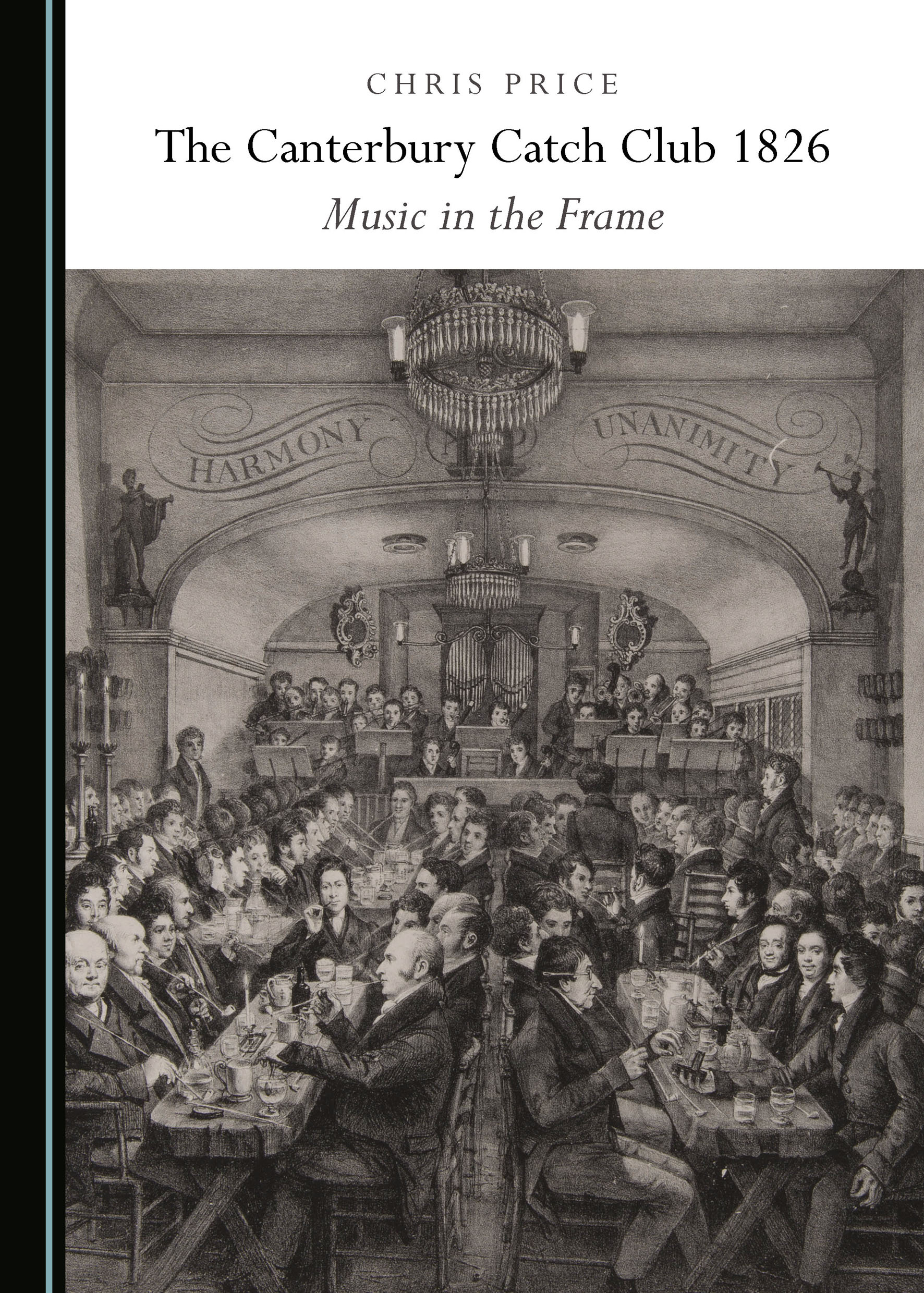
The Canterbury Catch Club 1826
Music in the Frame
In 1825, a lithograph was commissioned to celebrate a Canterbury musical society. This book analyzes that image and, using unique archives, uncovers a contradictory history where the respectable coexisted with the libertine and culture was a strategic assertion of identity.
In 1825, a lithograph was commissioned to celebrate a Canterbury musical society. This book analyzes that image and, using unique archives, uncovers a contradictory history where the respectable coexisted with the libertine and culture was a strategic assertion of identity.
View more
This product has multiple variants. The options may be chosen on the product page
View more
This product has multiple variants. The options may be chosen on the product page
£80.99
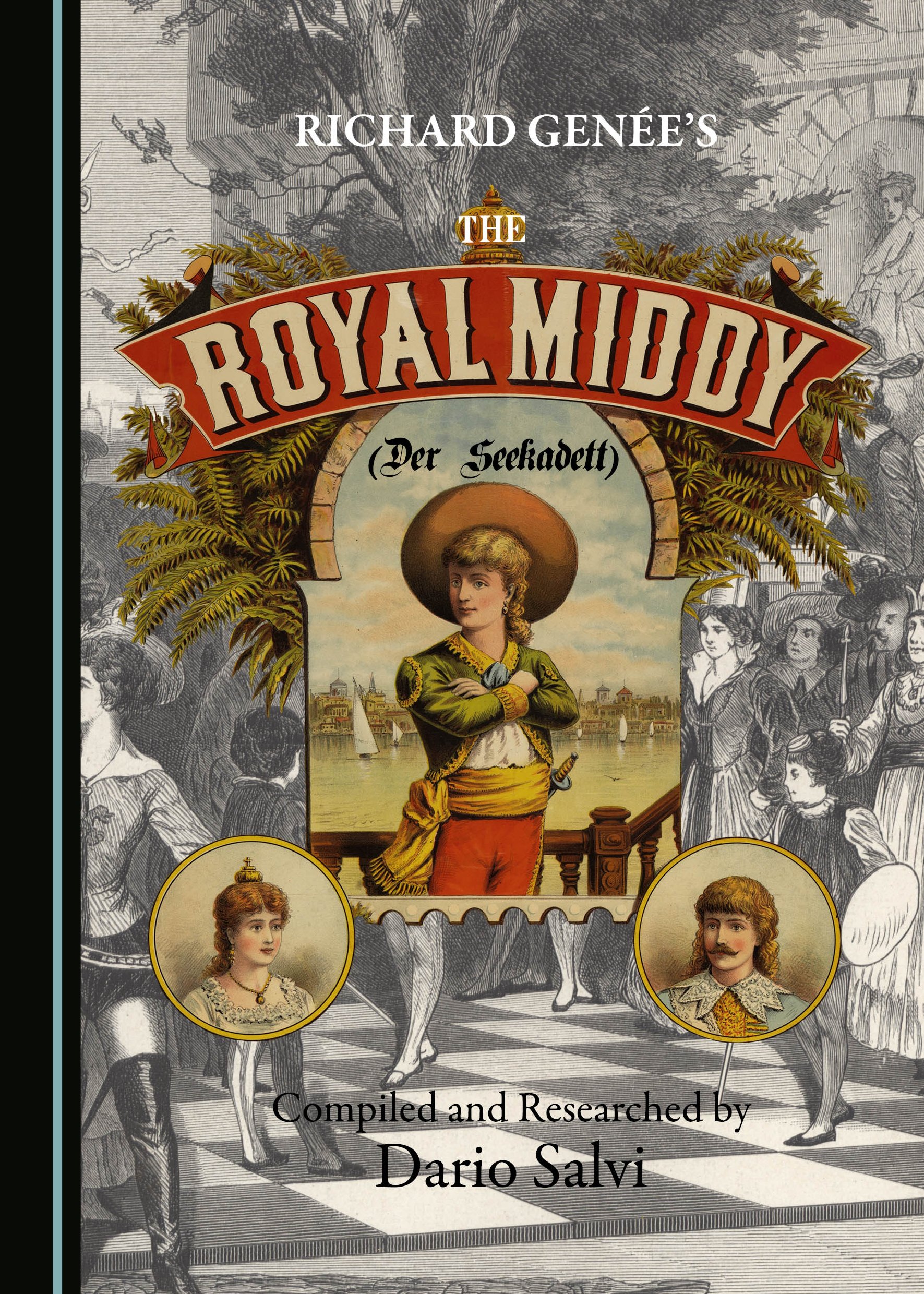
The Viennese operetta masterpiece *Der Seekadett* delighted audiences for 80 years. This book restores the lost work, presenting the complete libretto in English, German, French, and Italian. The story features humour, romance, a deadly duel, and a chess game with live figures.
The Viennese operetta masterpiece *Der Seekadett* delighted audiences for 80 years. This book restores the lost work, presenting the complete libretto in English, German, French, and Italian. The story features humour, romance, a deadly duel, and a chess game with live figures.
View more
This product has multiple variants. The options may be chosen on the product page
View more
This product has multiple variants. The options may be chosen on the product page
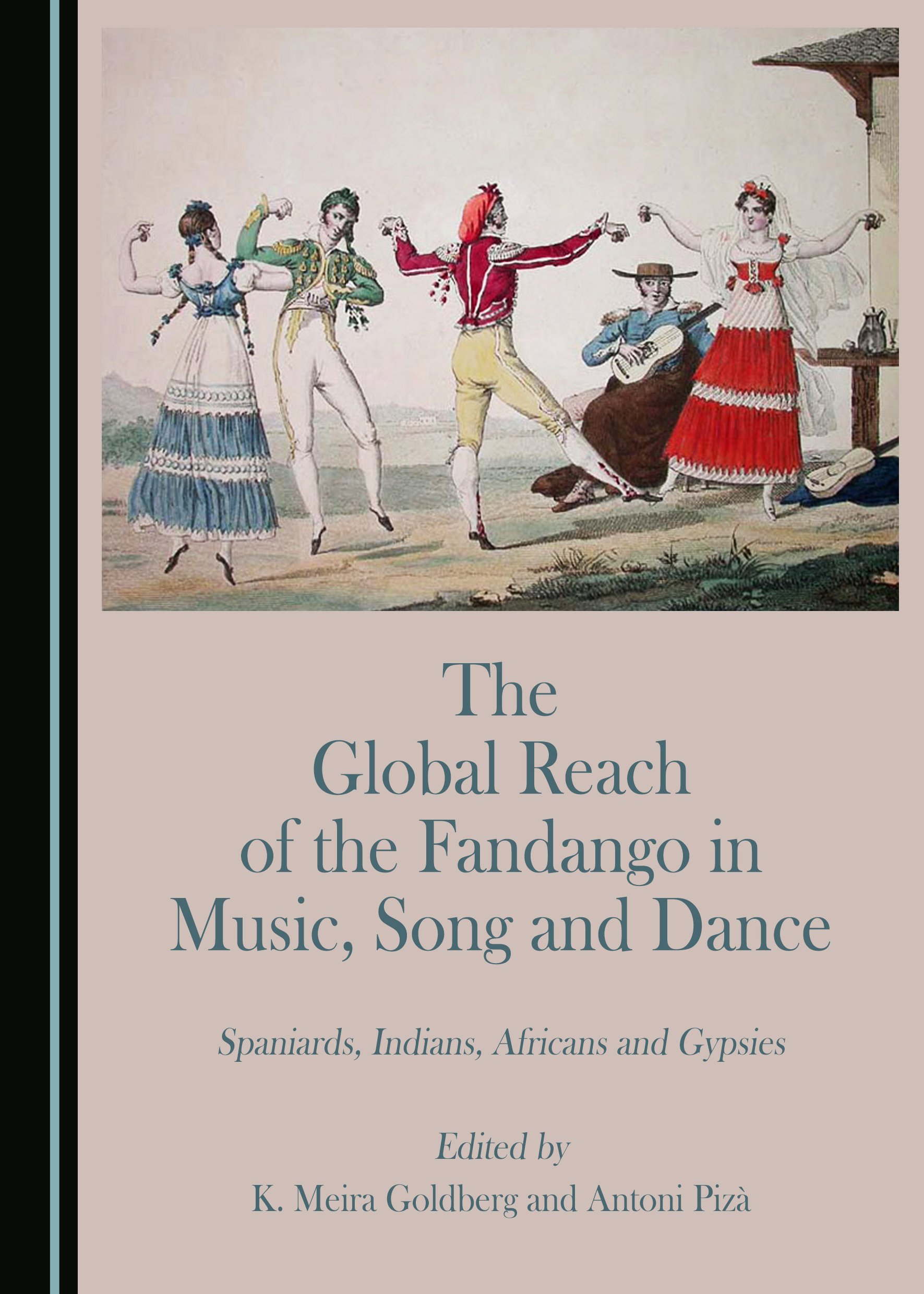
The Global Reach of the Fandango in Music, Song and Dance
Spaniards, Indians, Africans and Gypsies
This book lays the foundations for learning about the fandango, an 18th century dance and music craze across Spain and the Americas. It describes how the dance became a conduit for the syncretism of music, dance and people and how it signified freedom of movement and expression.
This book lays the foundations for learning about the fandango, an 18th century dance and music craze across Spain and the Americas. It describes how the dance became a conduit for the syncretism of music, dance and people and how it signified freedom of movement and expression.
View more
This product has multiple variants. The options may be chosen on the product page
View more
This product has multiple variants. The options may be chosen on the product page
Formal Methods in Musicology
Models and Computation
Techniques from mathematics and statistics are successfully applied to music analysis, helping us understand style and composition. Using examples from various musical styles, this book explains how to use these techniques, supported by case studies from expert researchers.
Techniques from mathematics and statistics are successfully applied to music analysis, helping us understand style and composition. Using examples from various musical styles, this book explains how to use these techniques, supported by case studies from expert researchers.
View more
This product has multiple variants. The options may be chosen on the product page

View more
This product has multiple variants. The options may be chosen on the product page
Operetta
A Sourcebook, Volume I
From Offenbach's Paris to the Vienna of Strauss and Lehár, operetta flourished. This source book presents an overview of the genre, tracing its history to modern musical comedy with composer biographies, a chronology, and selected synopses.
From Offenbach’s Paris to the Vienna of Strauss and Lehár, operetta flourished. This source book presents an overview of the genre, tracing its history to modern musical comedy with composer biographies, a chronology, and selected synopses.
View more
This product has multiple variants. The options may be chosen on the product page
View more
This product has multiple variants. The options may be chosen on the product page
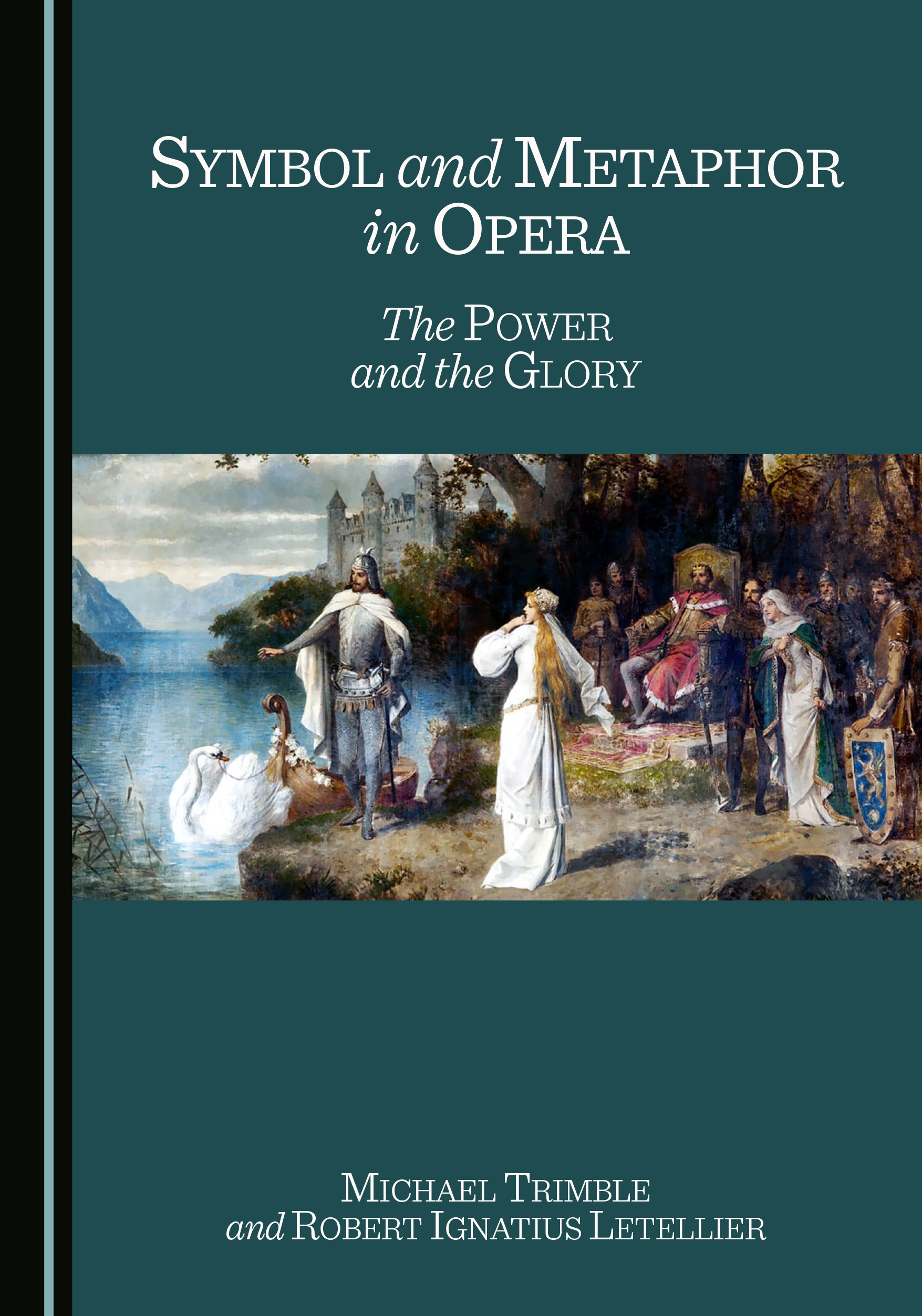
Symbol and Metaphor in Opera
The Power and the Glory
This study examines symbolism throughout the history of opera, from its mythological roots to contemporary works. It analyzes how allegory, metaphor, and imagery impart the enduring mystic and meaning of this rich genre, while reflecting on its future.
This study examines symbolism throughout the history of opera, from its mythological roots to contemporary works. It analyzes how allegory, metaphor, and imagery impart the enduring mystic and meaning of this rich genre, while reflecting on its future.
View more
This product has multiple variants. The options may be chosen on the product page

View more
This product has multiple variants. The options may be chosen on the product page
£89.99
This study examines Louis-Ferdinand Hérold, whose famous works like the opera Zampa and the ballet La Fille mal gardée shaped the Romantic opéra-comique and ballet in 1820s Paris. Hérold sought greater Romantic depth without forfeiting a Gallic lightness of manner.
This study examines Louis-Ferdinand Hérold, whose famous works like the opera Zampa and the ballet La Fille mal gardée shaped the Romantic opéra-comique and ballet in 1820s Paris. Hérold sought greater Romantic depth without forfeiting a Gallic lightness of manner.
View more
This product has multiple variants. The options may be chosen on the product page
View more
This product has multiple variants. The options may be chosen on the product page
£89.99
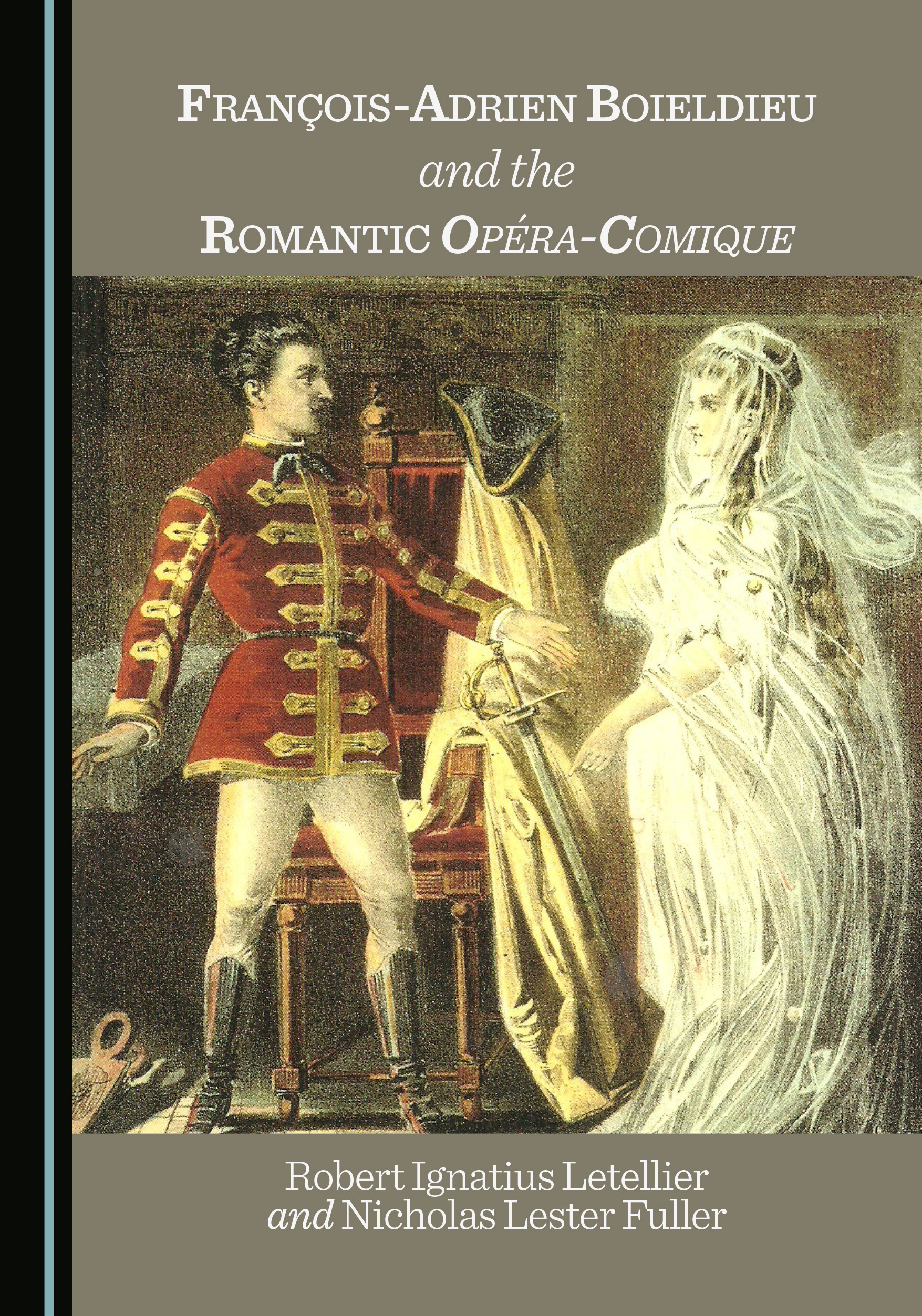
This study examines François-Adrien Boieldieu, composer of the masterpiece La Dame blanche. Collaborating with dramatist Eugène Scribe, he stimulated the flowering of the Romantic opéra-comique. Based on Sir Walter Scott, his work influenced composers across Europe, even Wagner.
This study examines François-Adrien Boieldieu, composer of the masterpiece La Dame blanche. Collaborating with dramatist Eugène Scribe, he stimulated the flowering of the Romantic opéra-comique. Based on Sir Walter Scott, his work influenced composers across Europe, even Wagner.
View more
This product has multiple variants. The options may be chosen on the product page
View more
This product has multiple variants. The options may be chosen on the product page
L’Africaine
The Facsimile
The genesis of Meyerbeer’s last opera, L’Africaine, is legendary. A glorious posthumous tribute, it was a favourite of tenors like Caruso and Domingo. This fascinating facsimile of the manuscript uniquely gives us Meyerbeer’s original intentions.
The genesis of Meyerbeer’s last opera, L’Africaine, is legendary. A glorious posthumous tribute, it was a favourite of tenors like Caruso and Domingo. This fascinating facsimile of the manuscript uniquely gives us Meyerbeer’s original intentions.
View more
This product has multiple variants. The options may be chosen on the product page
View more
This product has multiple variants. The options may be chosen on the product page
Giacomo Meyerbeer
Jephtas Gelübde (Jephtha's Vow) - Orchestral Score
Though Meyerbeer's first opera, Jephtas Gelübde (1812), failed at its premiere, this score contains the seeds of his future greatness. It reveals his famed orchestral virtuosity and psychological exploration, pointing beyond Gluck toward Weber-Wagner.
Though Meyerbeer’s first opera, Jephtas Gelübde (1812), failed at its premiere, this score contains the seeds of his future greatness. It reveals his famed orchestral virtuosity and psychological exploration, pointing beyond Gluck toward Weber-Wagner.
View more
This product has multiple variants. The options may be chosen on the product page
View more
This product has multiple variants. The options may be chosen on the product page
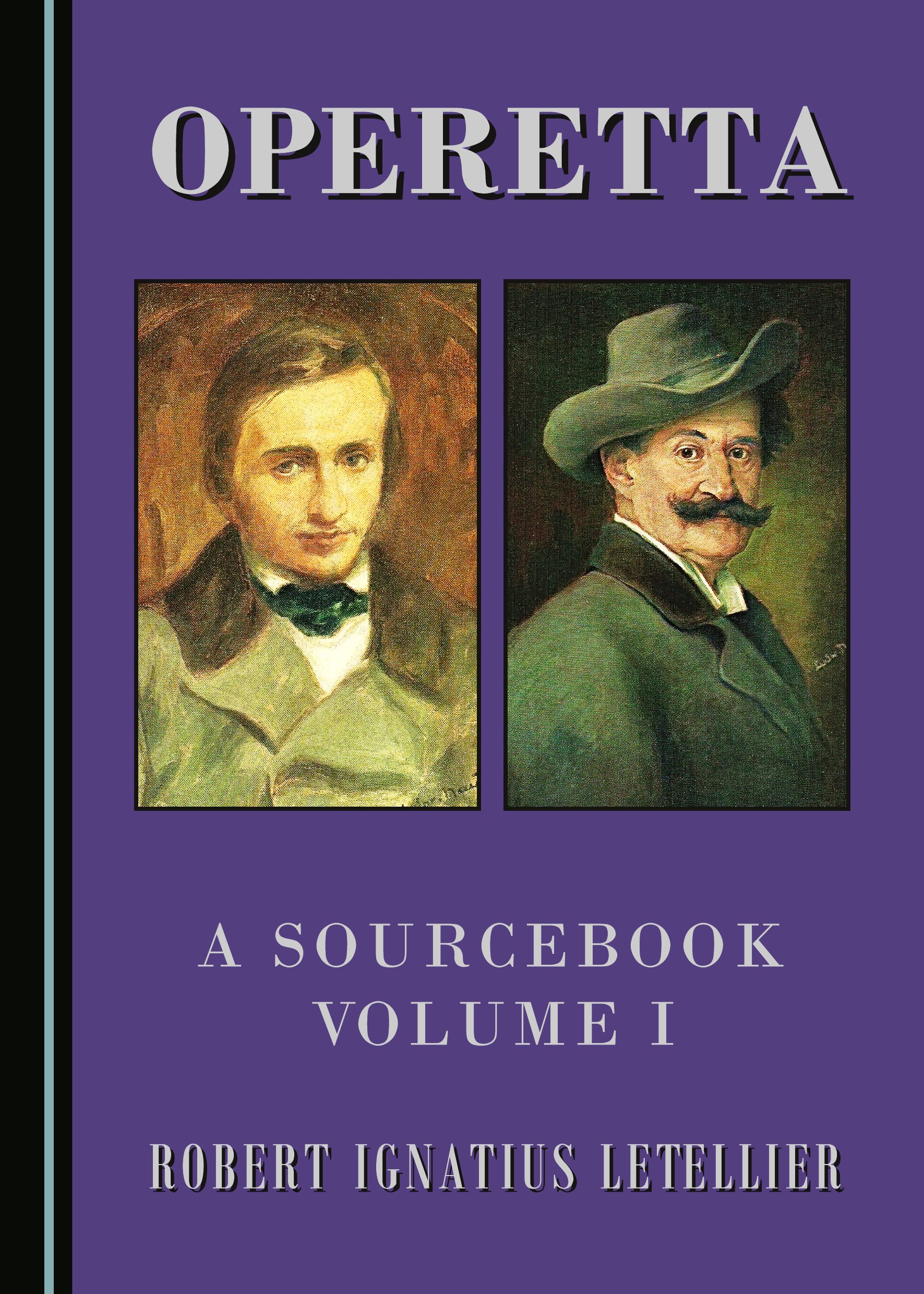
Operetta
A Sourcebook, Volumes I and II
From 19th-century Paris to Broadway, this source book surveys operetta's international schools and principal composers. It offers a chronology, biographical material, selected synopses, a discography, and a comprehensive index.
From 19th-century Paris to Broadway, this source book surveys operetta’s international schools and principal composers. It offers a chronology, biographical material, selected synopses, a discography, and a comprehensive index.
View more
This product has multiple variants. The options may be chosen on the product page
View more
This product has multiple variants. The options may be chosen on the product page
£249.99
This volume presents the libretto for Meyerbeer’s final grand opéra, L’Africaine. A fictional treatment of Vasco da Gama's voyage, it is a mixture of history and fairytale. In this edition, the original text and its English translation are on facing pages.
This volume presents the libretto for Meyerbeer’s final grand opéra, L’Africaine. A fictional treatment of Vasco da Gama’s voyage, it is a mixture of history and fairytale. In this edition, the original text and its English translation are on facing pages.
View more
This product has multiple variants. The options may be chosen on the product page
Processing Your Order
Please wait while we securely process your order.
Do not refresh or leave this page.
You will be redirected shortly to a confirmation page with your order number.