
View more
This product has multiple variants. The options may be chosen on the product page
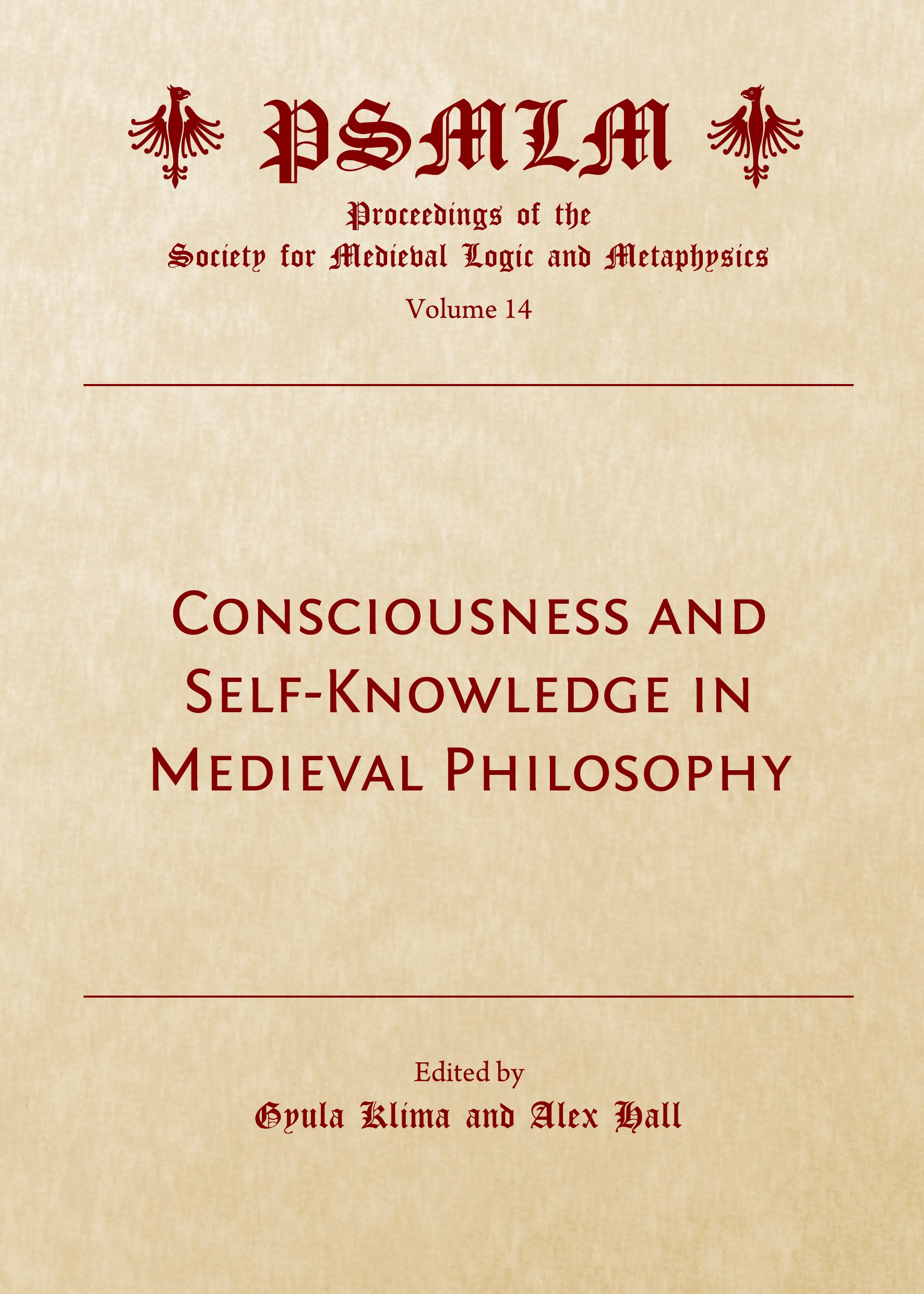
Consciousness and Self-Knowledge in Medieval Philosophy
Proceedings of the Society for Medieval Logic and Metaphysics Volume 14
While often traced to Descartes, self-knowledge is a perennial theme. This volume studies its treatment in the Medieval Latin West, focusing on Aquinas. It explores how the intellect grasps itself and how transformative self-knowledge leads to virtue, happiness, and fulfillment.
While often traced to Descartes, self-knowledge is a perennial theme. This volume studies its treatment in the Medieval Latin West, focusing on Aquinas. It explores how the intellect grasps itself and how transformative self-knowledge leads to virtue, happiness, and fulfillment.
View more
This product has multiple variants. The options may be chosen on the product page
View more
This product has multiple variants. The options may be chosen on the product page
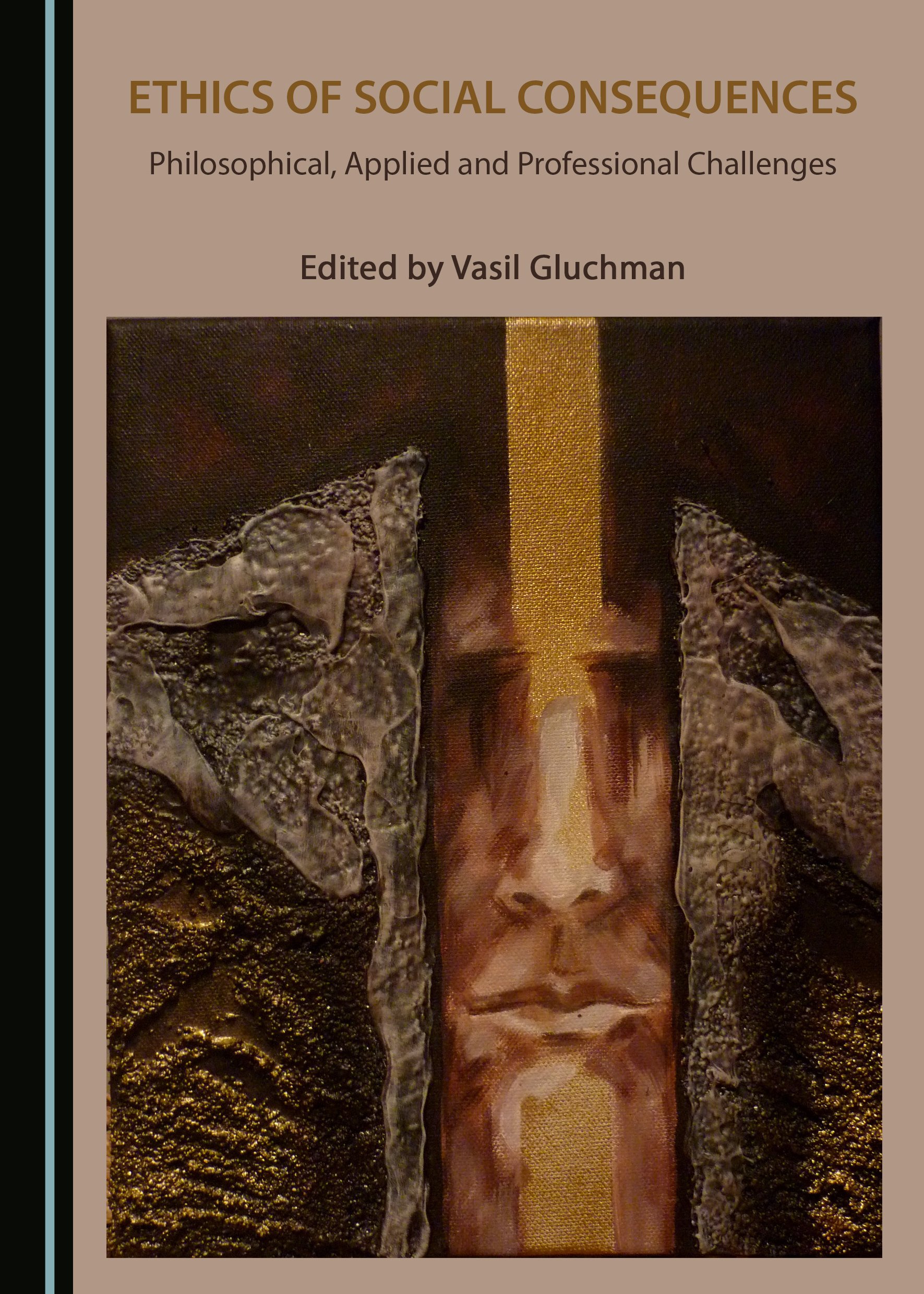
Ethics of Social Consequences
Philosophical, Applied and Professional Challenges
This anthology showcases new and unconventional views of many traditional moral values, such as humanity, human dignity, justice and responsibility. The contributions analyse these values and approaches from the point of view of non-utilitarian consequentialism.
This anthology showcases new and unconventional views of many traditional moral values, such as humanity, human dignity, justice and responsibility. The contributions analyse these values and approaches from the point of view of non-utilitarian consequentialism.
View more
This product has multiple variants. The options may be chosen on the product page
View more
This product has multiple variants. The options may be chosen on the product page
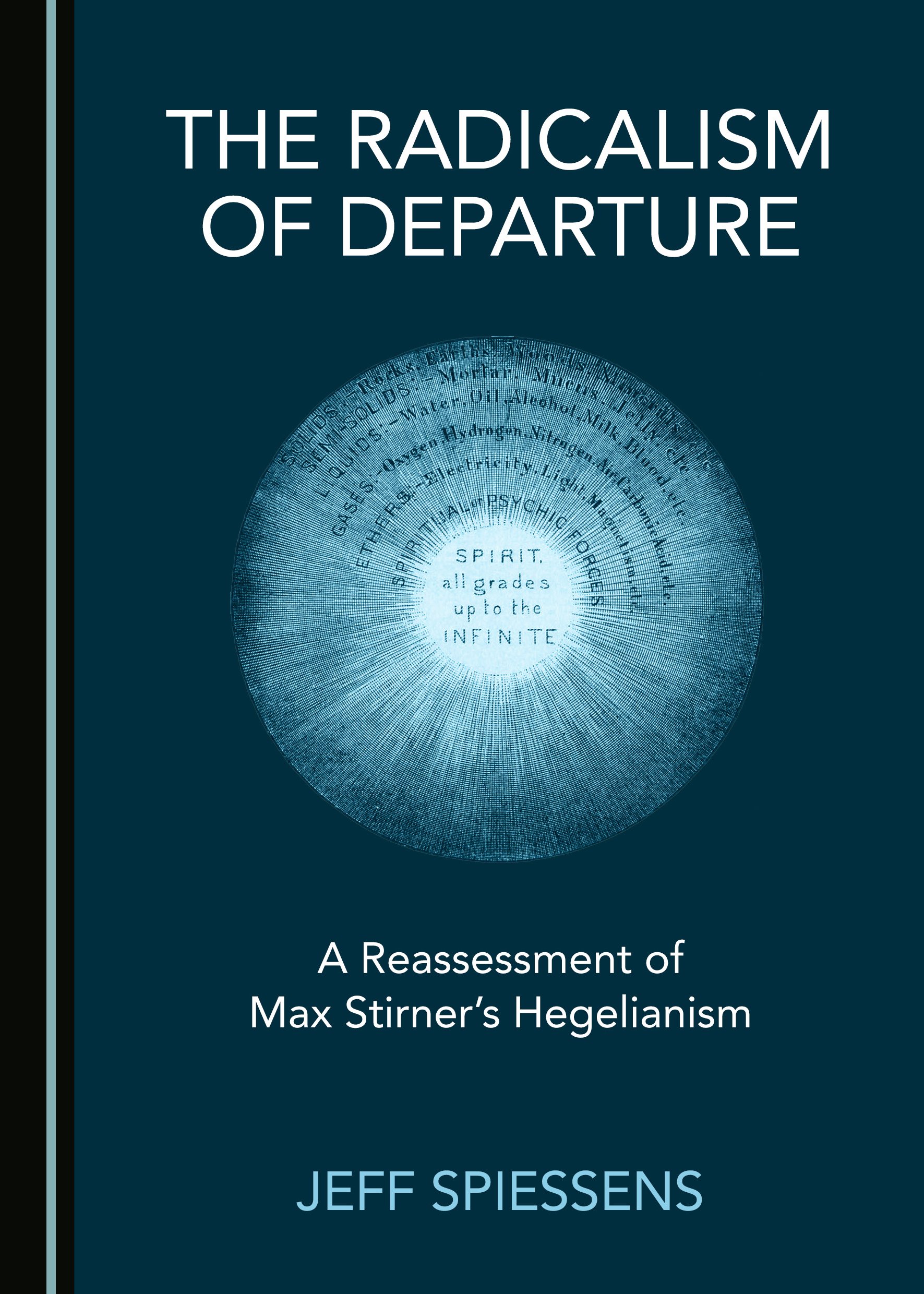
The Radicalism of Departure
A Reassessment of Max Stirner’s Hegelianism
Spiessens proposes an entirely new reading of Max Stirner’s philosophical magnum opus Der Einzige und sein Eigentum. This exciting interpretation clears the way for a philosophical rehabilitation of Stirner’s ideas.
Spiessens proposes an entirely new reading of Max Stirner’s philosophical magnum opus Der Einzige und sein Eigentum. This exciting interpretation clears the way for a philosophical rehabilitation of Stirner’s ideas.
View more
This product has multiple variants. The options may be chosen on the product page
View more
This product has multiple variants. The options may be chosen on the product page
£64.99
This book applies Hegel’s Absolute Idealism to Christian orthodox confession, showing his system is grounded in the Trinity and Incarnation. Tracing philosophy from Aristotle to Hegel, it addresses revelation, creation, sacraments, and ecumenism, revealing philosophy as worship.
This book applies Hegel’s Absolute Idealism to Christian orthodox confession, showing his system is grounded in the Trinity and Incarnation. Tracing philosophy from Aristotle to Hegel, it addresses revelation, creation, sacraments, and ecumenism, revealing philosophy as worship.
View more
This product has multiple variants. The options may be chosen on the product page
View more
This product has multiple variants. The options may be chosen on the product page
£64.99
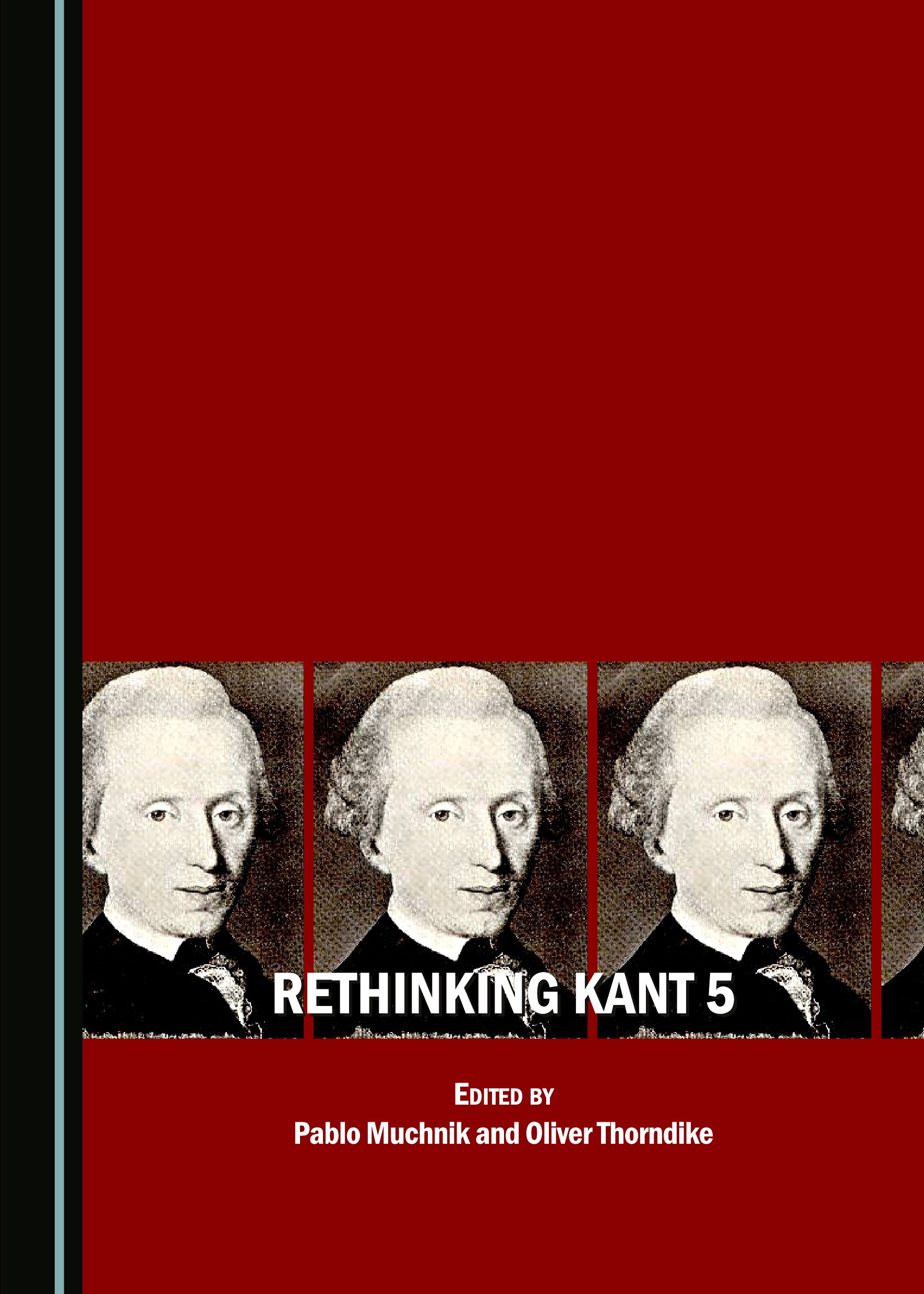
This text represents a mirror of Kantian studies in North America. It gathers papers presented at the various study groups of the North American Kant Society, along with contributions from hosts, session chairs, and keynote speakers.
This text represents a mirror of Kantian studies in North America. It gathers papers presented at the various study groups of the North American Kant Society, along with contributions from hosts, session chairs, and keynote speakers.
View more
This product has multiple variants. The options may be chosen on the product page
View more
This product has multiple variants. The options may be chosen on the product page
Reflections on Contemporary Values, Beliefs and Behaviours
The Adventures of an Enquiring Mind
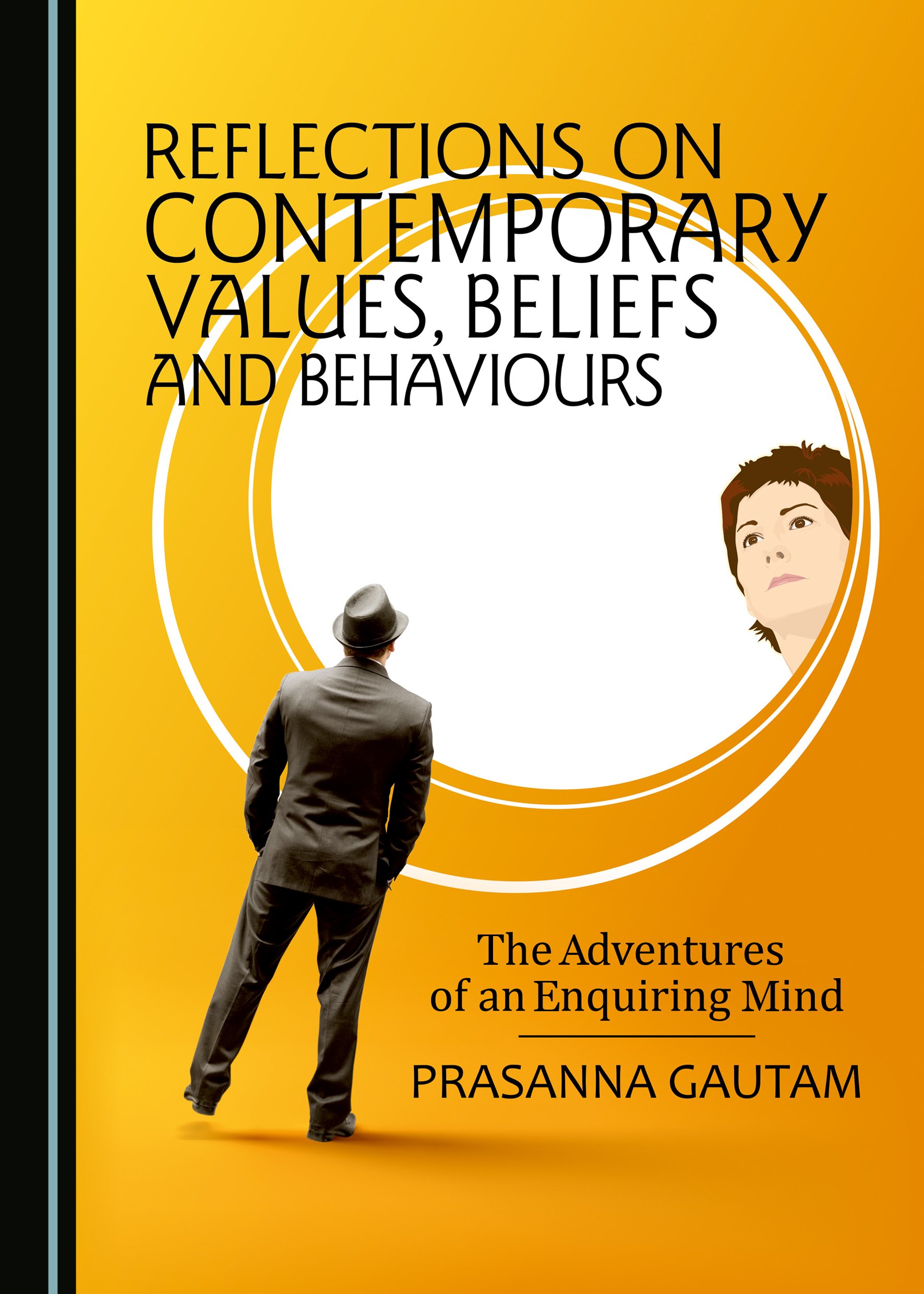
This book presents important issues that affect us all, from sex and religion to parenting and self-confidence. Illustrated with personal anecdotes and contrasting philosophy with science, it explores why our advanced world still faces unhappiness and conflict.
This book presents important issues that affect us all, from sex and religion to parenting and self-confidence. Illustrated with personal anecdotes and contrasting philosophy with science, it explores why our advanced world still faces unhappiness and conflict.
View more
This product has multiple variants. The options may be chosen on the product page
View more
This product has multiple variants. The options may be chosen on the product page
£61.99
We are caught in the mirror, under its spell. Mirrors direct us without our awareness because we do not perceive them as they are. This book explores a philosophy of mirrors through art and culture, opening up their hidden world and offering a challenge to organization theory.
We are caught in the mirror, under its spell. Mirrors direct us without our awareness because we do not perceive them as they are. This book explores a philosophy of mirrors through art and culture, opening up their hidden world and offering a challenge to organization theory.
View more
This product has multiple variants. The options may be chosen on the product page
View more
This product has multiple variants. The options may be chosen on the product page
The Value of Life
The Rise and Fall of a Scientific Research Programme
Research on the monetary value of saving life has produced nonsensical results, yet the field thrives. An almost forgotten theory of science explains why researchers persist and how scientific theories can be upheld even when the evidence against them seems massive.
Research on the monetary value of saving life has produced nonsensical results, yet the field thrives. An almost forgotten theory of science explains why researchers persist and how scientific theories can be upheld even when the evidence against them seems massive.
View more
This product has multiple variants. The options may be chosen on the product page
View more
This product has multiple variants. The options may be chosen on the product page
£58.99
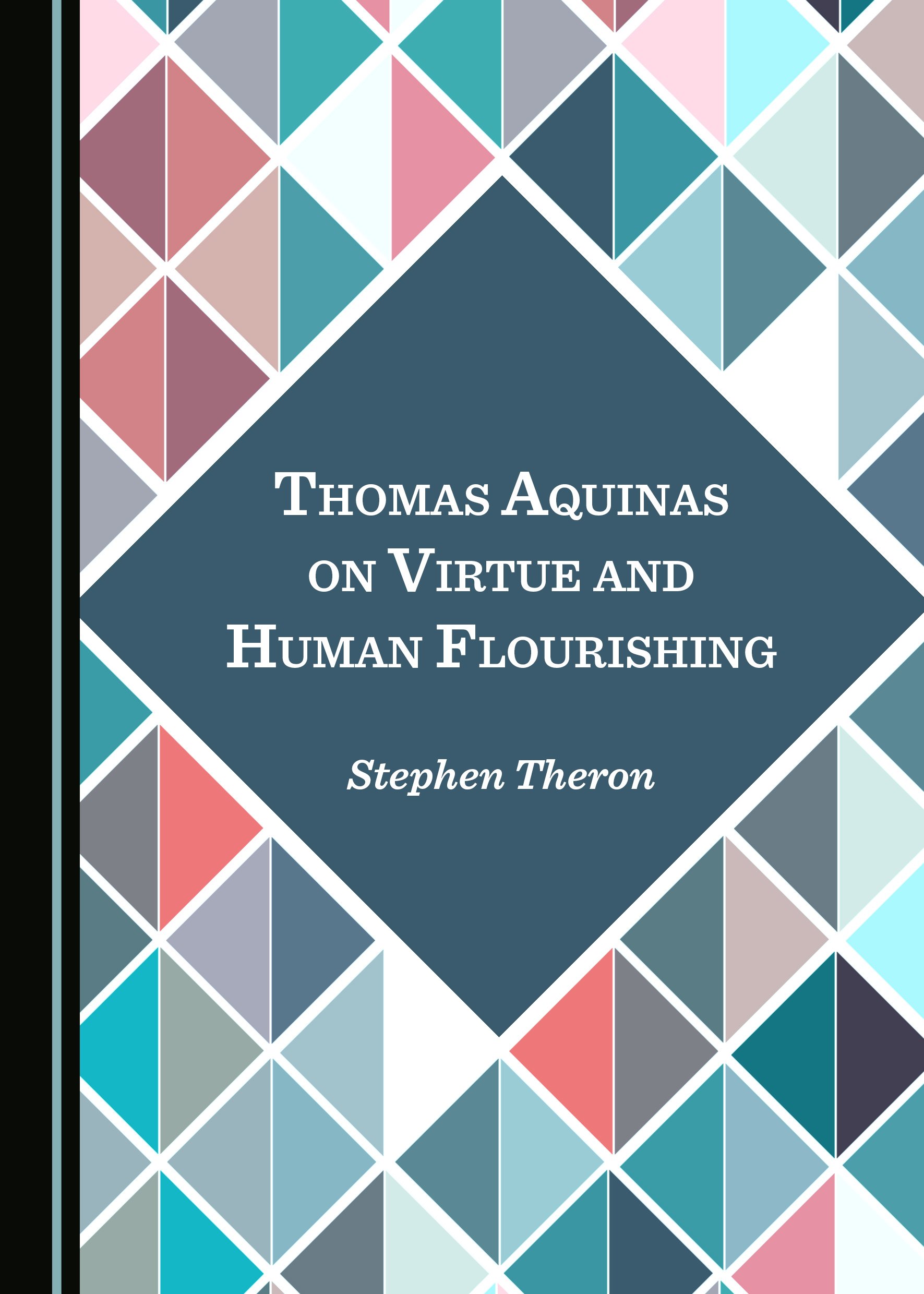
For Thomas Aquinas, ethics is not a set of moral precepts but the cultivation of virtues for human flourishing. Natural law, reflecting the eternal, is awakened within us. Crowned by faith, hope, and love, this vision is summed up in the Beatitudes.
For Thomas Aquinas, ethics is not a set of moral precepts but the cultivation of virtues for human flourishing. Natural law, reflecting the eternal, is awakened within us. Crowned by faith, hope, and love, this vision is summed up in the Beatitudes.
View more
This product has multiple variants. The options may be chosen on the product page
View more
This product has multiple variants. The options may be chosen on the product page
£61.99
This publication features presentations given at the 14th International Conference on Philosophical Practice, and will be of significance and interest not only for philosophers and philosophical practitioners, but also for psychotherapists, counsellors, and other professionals.
This publication features presentations given at the 14th International Conference on Philosophical Practice, and will be of significance and interest not only for philosophers and philosophical practitioners, but also for psychotherapists, counsellors, and other professionals.
View more
This product has multiple variants. The options may be chosen on the product page
View more
This product has multiple variants. The options may be chosen on the product page
From Monophysitism to Nestorianism
AD 431-681
This book argues that early orthodoxy was not a linear progression. Instead, the church navigated the narrow strait between Nestorianism and Monophysitism by continually changing sides in the Ecumenical Councils, ultimately outwitting both heresies to forge its own path.
This book argues that early orthodoxy was not a linear progression. Instead, the church navigated the narrow strait between Nestorianism and Monophysitism by continually changing sides in the Ecumenical Councils, ultimately outwitting both heresies to forge its own path.
View more
This product has multiple variants. The options may be chosen on the product page
View more
This product has multiple variants. The options may be chosen on the product page
£58.99
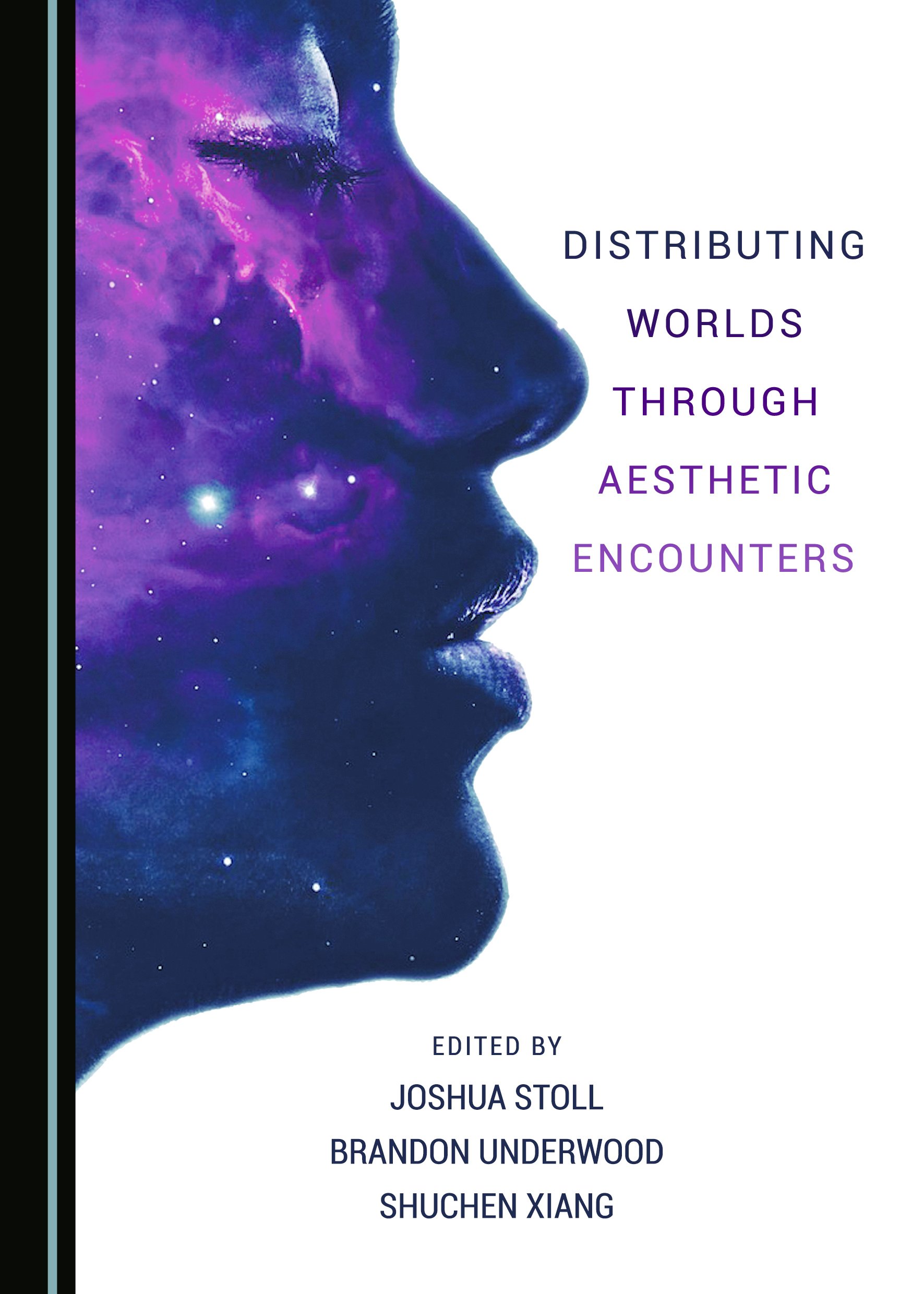
This collection of papers on comparative philosophy challenges academic philosophy’s focus on Western thought. By opening a dialogue across cultures, these chapters explore philosophy's politico-aesthetic dimension, demonstrating the equality of marginalized voices.
This collection of papers on comparative philosophy challenges academic philosophy’s focus on Western thought. By opening a dialogue across cultures, these chapters explore philosophy’s politico-aesthetic dimension, demonstrating the equality of marginalized voices.
View more
This product has multiple variants. The options may be chosen on the product page

View more
This product has multiple variants. The options may be chosen on the product page
£61.99
This book offers a precise way of “looking at things” to re-define the relationship between film and political philosophy. It provides new reflections on the domain’s themes, appealing to academics interested in political philosophy, media studies, and cultural studies.
This book offers a precise way of “looking at things” to re-define the relationship between film and political philosophy. It provides new reflections on the domain’s themes, appealing to academics interested in political philosophy, media studies, and cultural studies.
View more
This product has multiple variants. The options may be chosen on the product page
View more
This product has multiple variants. The options may be chosen on the product page
£58.99
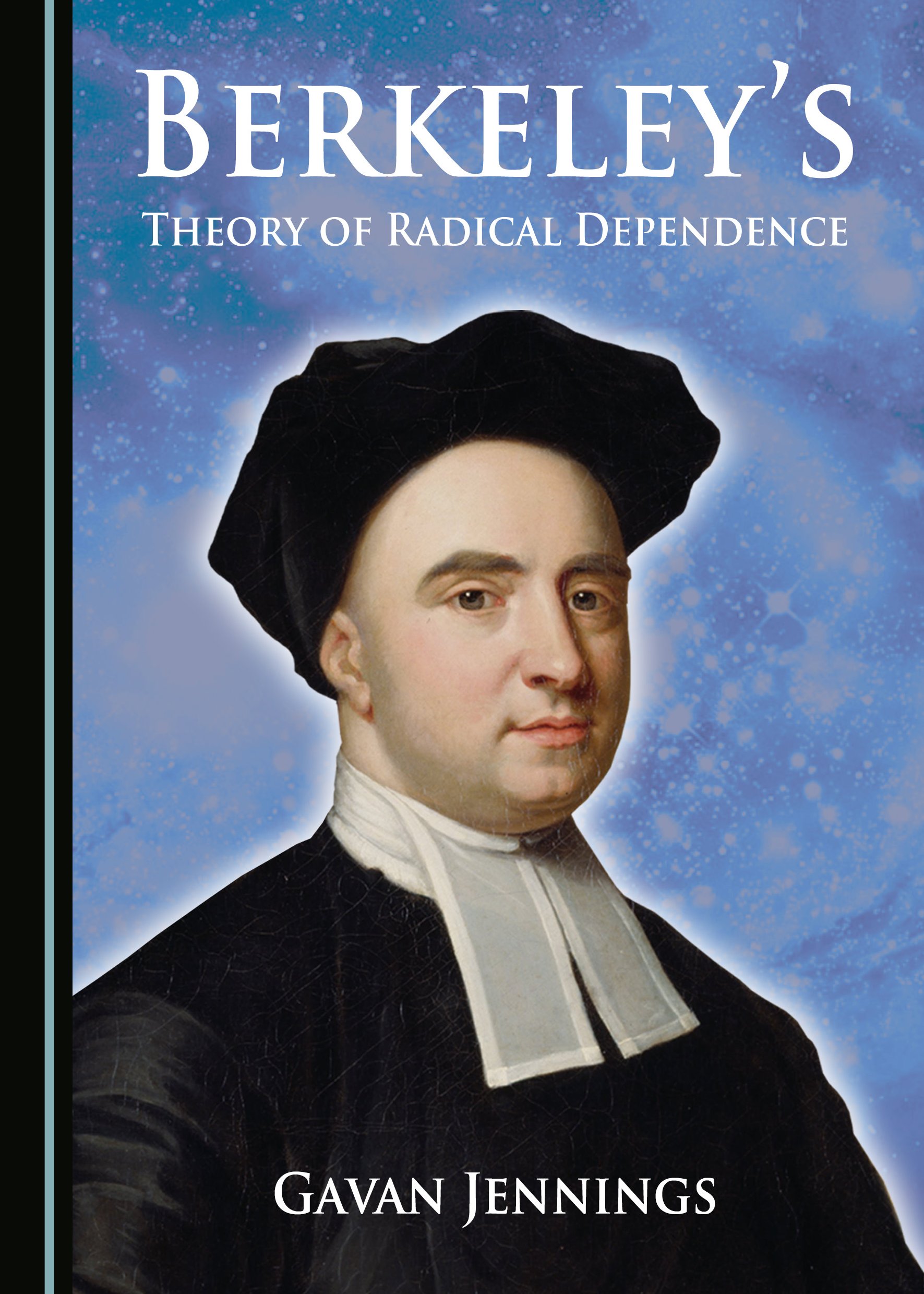
Jennings traces the theory of Radical Dependence through its various forms in Berkeley’s philosophical works, showing how this idea unifies Berkeley’s various phases of philosophical development.
Jennings traces the theory of Radical Dependence through its various forms in Berkeley’s philosophical works, showing how this idea unifies Berkeley’s various phases of philosophical development.
View more
This product has multiple variants. The options may be chosen on the product page

View more
This product has multiple variants. The options may be chosen on the product page
£61.99
Leading philosophers bring new methods and aims to the practice of philosophy, showing how they can serve their communities and civilization. This anthology is valuable for philosophers, professionals in education and helping disciplines, and the general public.
Leading philosophers bring new methods and aims to the practice of philosophy, showing how they can serve their communities and civilization. This anthology is valuable for philosophers, professionals in education and helping disciplines, and the general public.
View more
This product has multiple variants. The options may be chosen on the product page
View more
This product has multiple variants. The options may be chosen on the product page
£64.99
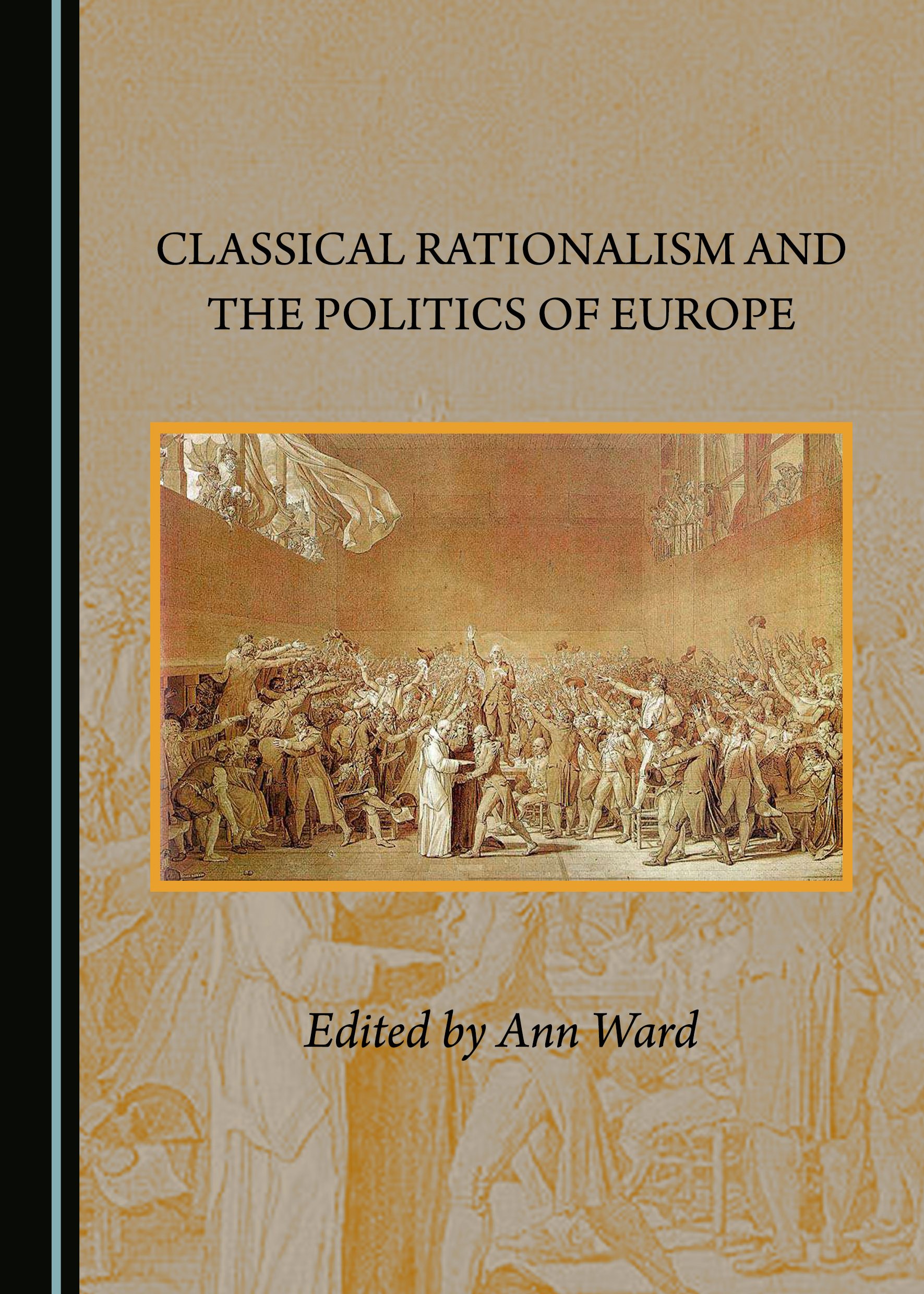
This volume explores Socratic rationalism, the major alternatives to it within political philosophy, and the potential impact of its return in contemporary times. It takes a multifaceted approach with contributions from scholars in the fields of philosophy and political science.
This volume explores Socratic rationalism, the major alternatives to it within political philosophy, and the potential impact of its return in contemporary times. It takes a multifaceted approach with contributions from scholars in the fields of philosophy and political science.
View more
This product has multiple variants. The options may be chosen on the product page
View more
This product has multiple variants. The options may be chosen on the product page
From Marx to Warner
Class and Stratification Under Scrutiny
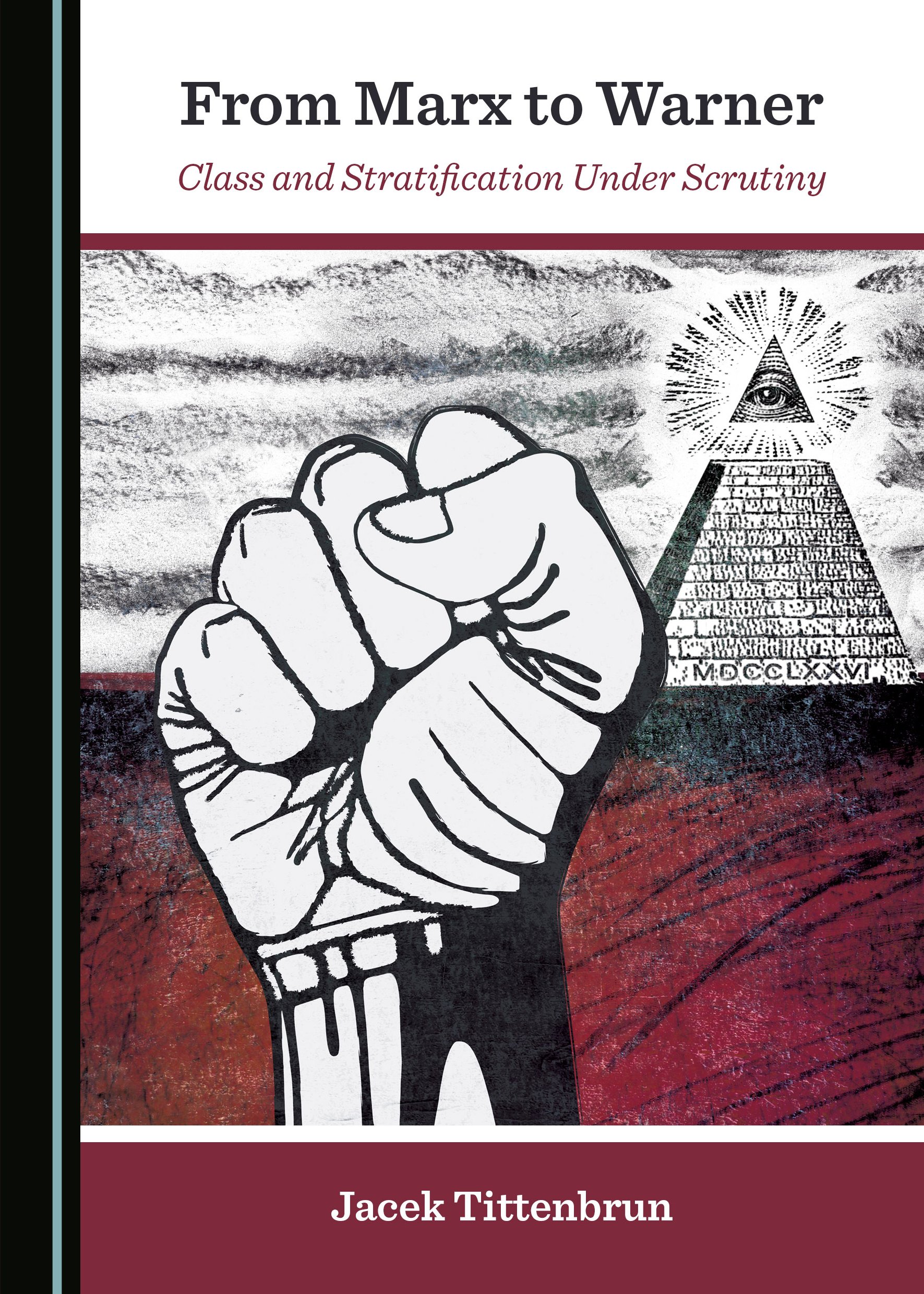
Tittenbrun gives an in-depth analysis of several important theories of social class and stratification, both past and present. The central argument in his monograph is that there are only two classical theories of social class, namely those developed by Marx and Weber.
Tittenbrun gives an in-depth analysis of several important theories of social class and stratification, both past and present. The central argument in his monograph is that there are only two classical theories of social class, namely those developed by Marx and Weber.
View more
This product has multiple variants. The options may be chosen on the product page
View more
This product has multiple variants. The options may be chosen on the product page
Axel Honneth’s Social Philosophy of Recognition
Freedom, Normativity, and Identity
This book reconstructs Axel Honneth’s recognition theory in the context of the conflict between autonomy and social cohesion. It proposes the Reconstructive Normative Simulation (RNS) to examine social pathologies by locating deficiencies in the social spheres of our lives.
This book reconstructs Axel Honneth’s recognition theory in the context of the conflict between autonomy and social cohesion. It proposes the Reconstructive Normative Simulation (RNS) to examine social pathologies by locating deficiencies in the social spheres of our lives.
View more
This product has multiple variants. The options may be chosen on the product page

View more
This product has multiple variants. The options may be chosen on the product page
The Possibility of the Sublime
Aesthetic Exchanges
After Professor Jane Forsey argued that a theory of the sublime is impossible, this volume gathers international scholars to challenge her claim. In a tightly focused debate, they defend the sublime as an aesthetic category, concluding with a final response from Forsey herself.
After Professor Jane Forsey argued that a theory of the sublime is impossible, this volume gathers international scholars to challenge her claim. In a tightly focused debate, they defend the sublime as an aesthetic category, concluding with a final response from Forsey herself.
View more
This product has multiple variants. The options may be chosen on the product page

View more
This product has multiple variants. The options may be chosen on the product page
From £46.99
Combining philosophy, science, and literature, Toliver examines lingering misconceptions of world history as a continuing source of international tension, showing beliefs incompatible with natural history continue to intensify nationalism and support terrorist movements.
Combining philosophy, science, and literature, Toliver examines lingering misconceptions of world history as a continuing source of international tension, showing beliefs incompatible with natural history continue to intensify nationalism and support terrorist movements.
View more
This product has multiple variants. The options may be chosen on the product page
Processing Your Order
Please wait while we securely process your order.
Do not refresh or leave this page.
You will be redirected shortly to a confirmation page with your order number.