
View more
This product has multiple variants. The options may be chosen on the product page
Understanding Wittgenstein’s Authorship
Language, Thought, and Reality
What was Wittgenstein trying to do in his later work? This book argues that most scholarship fails to take his philosophical struggles seriously. His key, if inchoate, insight was that by means of language we seek not primarily to describe reality, but to transform it.
What was Wittgenstein trying to do in his later work? This book argues that most scholarship fails to take his philosophical struggles seriously. His key, if inchoate, insight was that by means of language we seek not primarily to describe reality, but to transform it.
View more
This product has multiple variants. The options may be chosen on the product page
View more
This product has multiple variants. The options may be chosen on the product page
Our Human Quest for Unity and Freedom
Pathways Toward an Earth Constitution
In the face of planetary crises and possible self-extinction, these essays envision a way toward a viable human future. Drawing on philosophical literature from West and East, they focus on the urgent need to unite humanity under the principle of unity in diversity.
In the face of planetary crises and possible self-extinction, these essays envision a way toward a viable human future. Drawing on philosophical literature from West and East, they focus on the urgent need to unite humanity under the principle of unity in diversity.
View more
This product has multiple variants. The options may be chosen on the product page
View more
This product has multiple variants. The options may be chosen on the product page
£72.99
Interpretation is the medium through which the world becomes thinkable and shaped. This book journeys through domains from alchemy to dark matter and living ecologies, showing how meaning unfolds across time and scale. An invitation for readers who seek to cross boundaries.
Interpretation is the medium through which the world becomes thinkable and shaped. This book journeys through domains from alchemy to dark matter and living ecologies, showing how meaning unfolds across time and scale. An invitation for readers who seek to cross boundaries.
View more
This product has multiple variants. The options may be chosen on the product page
View more
This product has multiple variants. The options may be chosen on the product page
A Study of Daisaku Ikeda
Philosophy of Action between East and West
This book explores the philosophical and religious work of Daisaku Ikeda, framing it as a philosophy of action. With a strong spiritual and religious reference, Ikeda's work interprets the human through emancipative will, translating philosophy into practical social engagement.
This book explores the philosophical and religious work of Daisaku Ikeda, framing it as a philosophy of action. With a strong spiritual and religious reference, Ikeda’s work interprets the human through emancipative will, translating philosophy into practical social engagement.
View more
This product has multiple variants. The options may be chosen on the product page
View more
This product has multiple variants. The options may be chosen on the product page
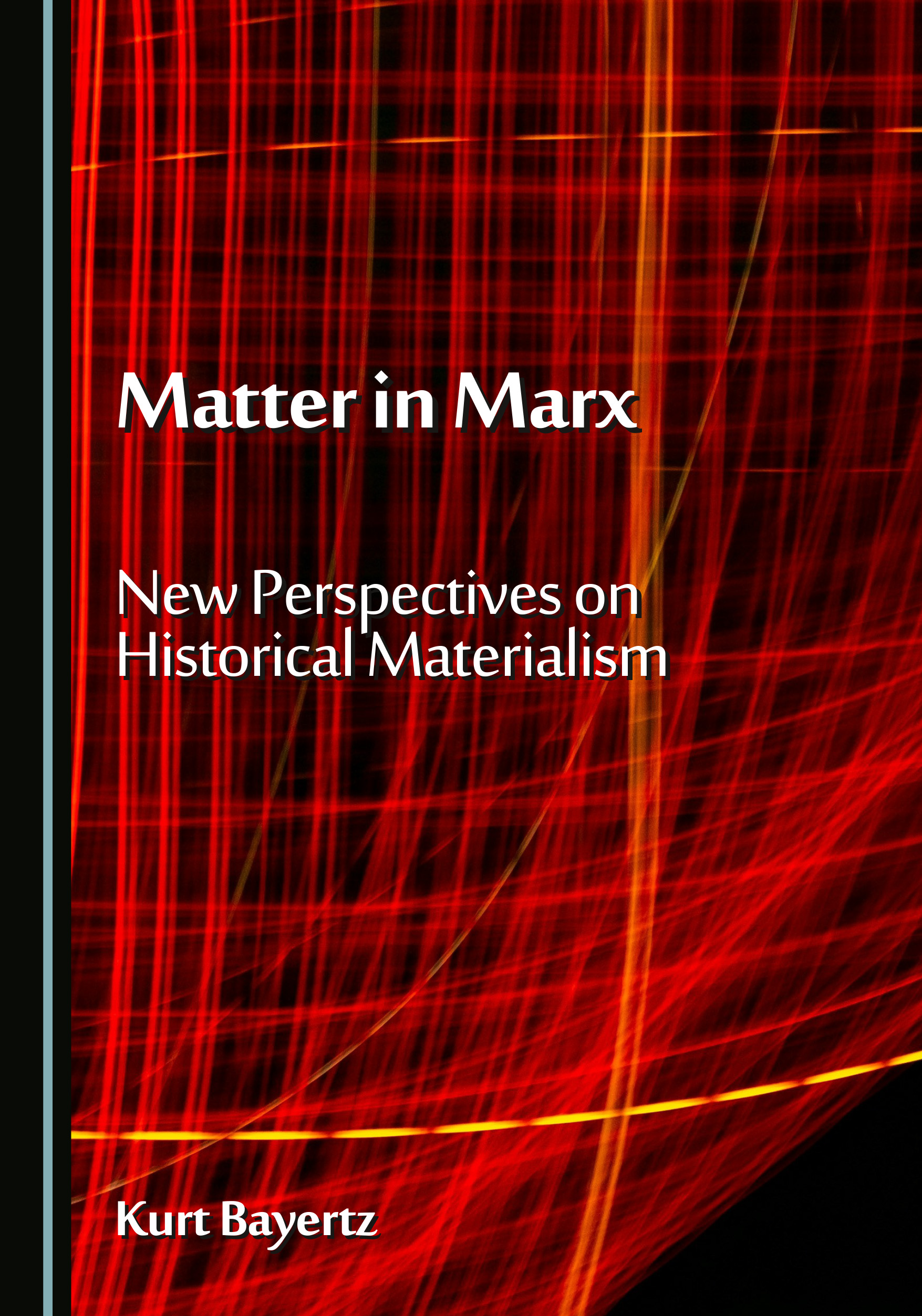
Matter in Marx
New Perspectives on Historical Materialism
Was Marx truly a “materialist”? This book argues that the more interesting question is what kind he developed. It provides a surprising answer: a materialism without matter. On this basis, new light is shed on the base-superstructure analogy, progress, and political action.
Was Marx truly a “materialist”? This book argues that the more interesting question is what kind he developed. It provides a surprising answer: a materialism without matter. On this basis, new light is shed on the base-superstructure analogy, progress, and political action.
View more
This product has multiple variants. The options may be chosen on the product page
View more
This product has multiple variants. The options may be chosen on the product page
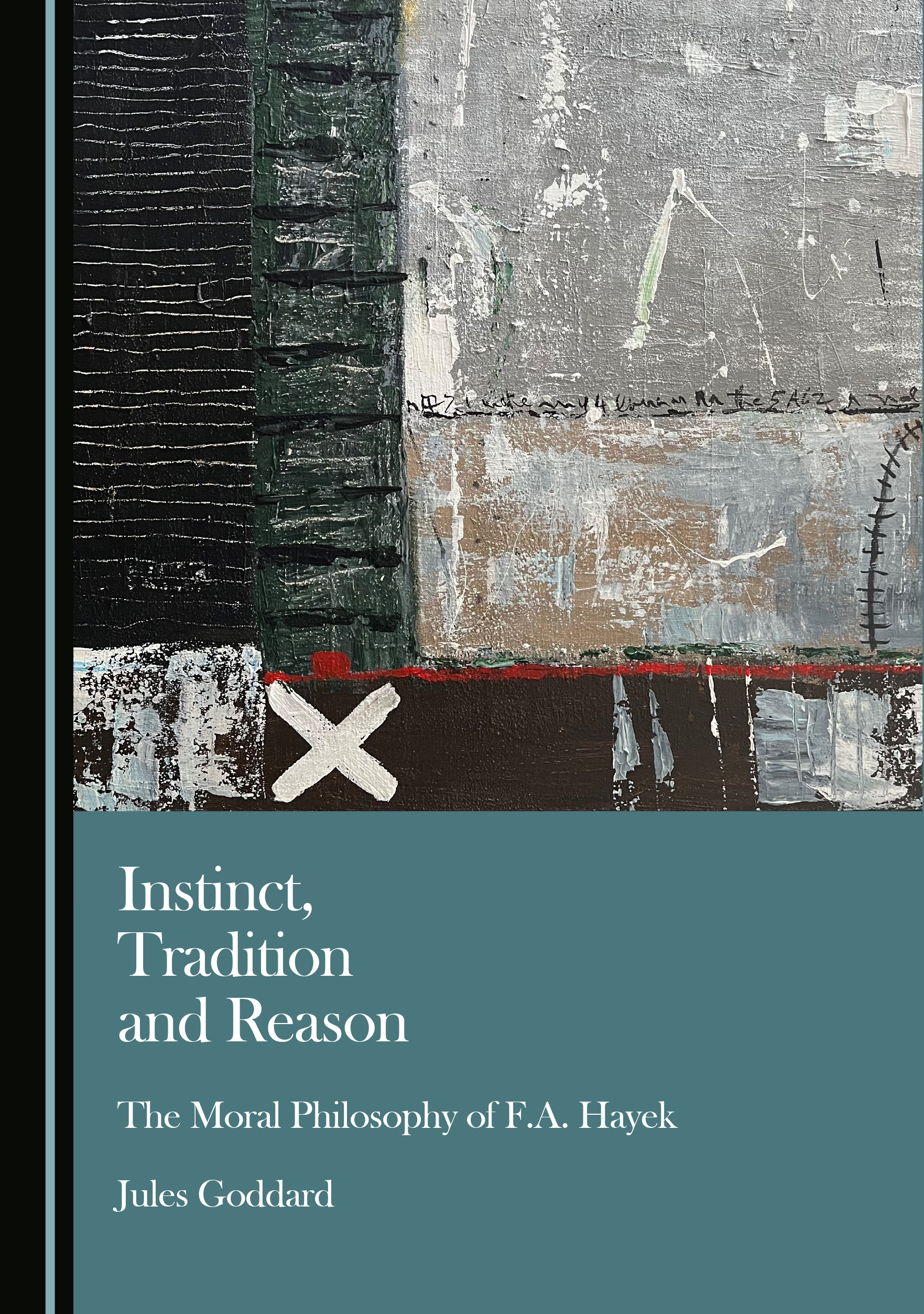
Instinct, Tradition and Reason
The Moral Philosophy of F.A. Hayek
"What has made men good is neither nature nor reason, but tradition." Building upon FA Hayek’s concepts, this timely book creates a compelling account of the moral foundations of human achievement and articulates a morality fit for the unique times in which we are living.
“What has made men good is neither nature nor reason, but tradition.”
Building upon FA Hayek’s concepts, this timely book creates a compelling account of the moral foundations of human achievement and articulates a morality fit for the unique times in which we are living.
View more
This product has multiple variants. The options may be chosen on the product page
View more
This product has multiple variants. The options may be chosen on the product page
£67.99
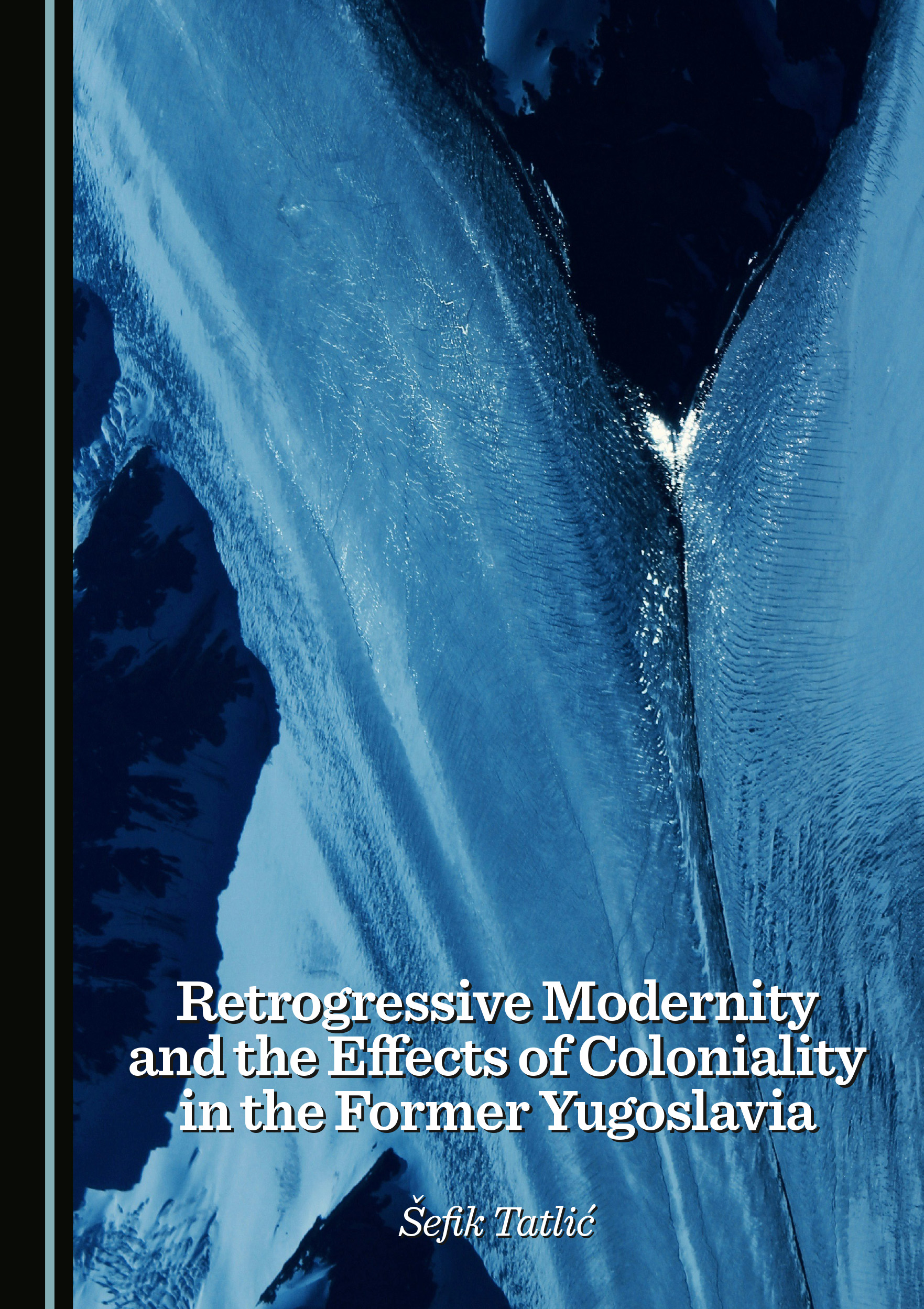
This book critiques the regressive and colonial character of global capitalism. It argues that coloniality permeates the contemporary architecture of power, and that commitment to a Eurocentric notion of “progress” leads to the next iteration of the capitalist/colonial order.
This book critiques the regressive and colonial character of global capitalism. It argues that coloniality permeates the contemporary architecture of power, and that commitment to a Eurocentric notion of “progress” leads to the next iteration of the capitalist/colonial order.
View more
This product has multiple variants. The options may be chosen on the product page
View more
This product has multiple variants. The options may be chosen on the product page
£67.99
A. N. Whitehead was one of the 20th century's most significant thinkers. His concepts are in a perpetual state of development within contemporary scholarship. This volume probes these modern assessments across education, arts, ethics, community, medicine, psychology, and AI.
A. N. Whitehead was one of the 20th century’s most significant thinkers. His concepts are in a perpetual state of development within contemporary scholarship. This volume probes these modern assessments across education, arts, ethics, community, medicine, psychology, and AI.
View more
This product has multiple variants. The options may be chosen on the product page
View more
This product has multiple variants. The options may be chosen on the product page
£67.99
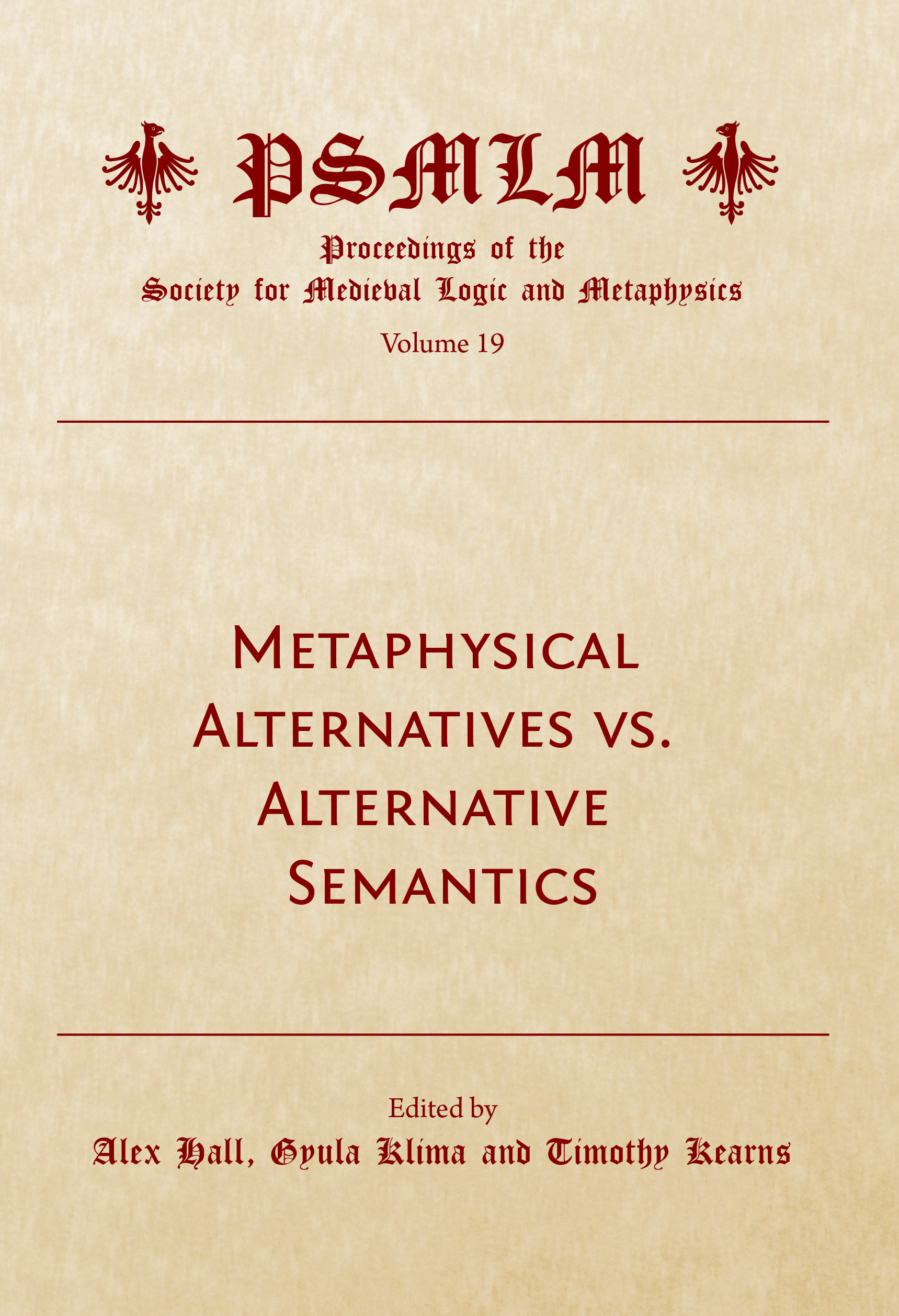
Honoring the work of Gyula Klima, this volume explores key issues in medieval logic, metaphysics, and epistemology. Contributions offer significant new insights on Ockham’s semantics, intentionality, Aquinas on genus and species, and Aristotle on demonstration.
Honoring the work of Gyula Klima, this volume explores key issues in medieval logic, metaphysics, and epistemology. Contributions offer significant new insights on Ockham’s semantics, intentionality, Aquinas on genus and species, and Aristotle on demonstration.
View more
This product has multiple variants. The options may be chosen on the product page
View more
This product has multiple variants. The options may be chosen on the product page
£62.99
How do we respond to the big questions of our time in our daily lives? By exploring power relations and the climate crisis, this book translates the abstract into the concrete and the political into the personal. It offers conceptual beginnings for showing up differently.
How do we respond to the big questions of our time in our daily lives? By exploring power relations and the climate crisis, this book translates the abstract into the concrete and the political into the personal. It offers conceptual beginnings for showing up differently.
View more
This product has multiple variants. The options may be chosen on the product page
View more
This product has multiple variants. The options may be chosen on the product page
£66.99
Human values do not fall from a metaphysical sky. They originate from the human essence—a universal life force emerging from the natural process. Values arise as an existential response to the desires and essential demands of human nature, a gift to all societies.
Human values do not fall from a metaphysical sky. They originate from the human essence—a universal life force emerging from the natural process. Values arise as an existential response to the desires and essential demands of human nature, a gift to all societies.
View more
This product has multiple variants. The options may be chosen on the product page
View more
This product has multiple variants. The options may be chosen on the product page
£62.99
This book challenges our perspective on politics, exploring the profound connection between the political realm and our intimate, emotional lives. It reveals how our choices are intertwined with self-awareness and healing, offering a path to harmonize politics with our humanity.
This book challenges our perspective on politics, exploring the profound connection between the political realm and our intimate, emotional lives. It reveals how our choices are intertwined with self-awareness and healing, offering a path to harmonize politics with our humanity.
View more
This product has multiple variants. The options may be chosen on the product page
View more
This product has multiple variants. The options may be chosen on the product page
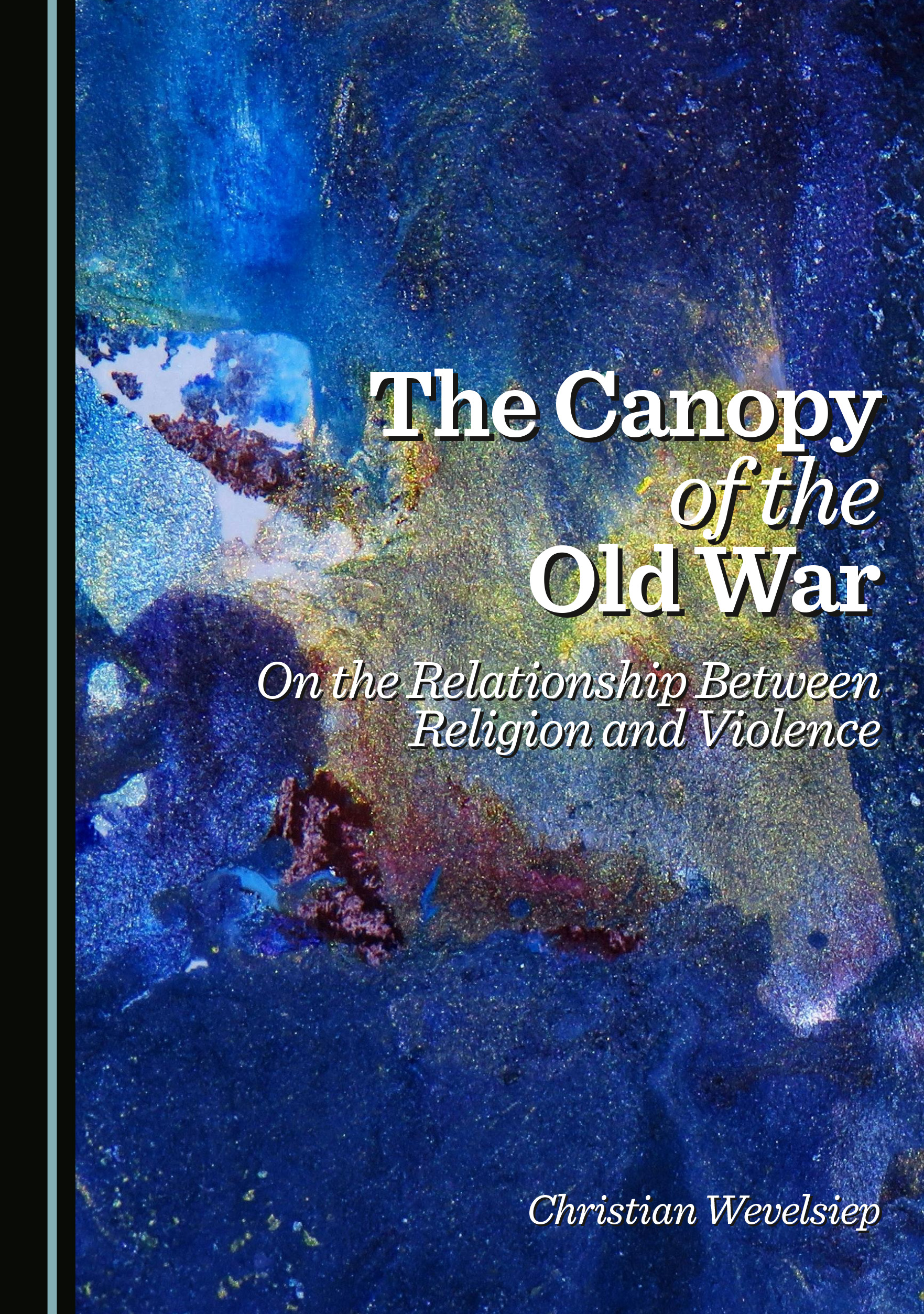
The Canopy of the Old War
On the Relationship Between Religion and Violence
Religion’s power in war is undeniable. These presentations explore the ambivalence of religion, showing how it leads to extreme enmity. But violence does not have the last word. This book demonstrates religion's function as the authentic expression of the meaning of our lives.
Religion’s power in war is undeniable. These presentations explore the ambivalence of religion, showing how it leads to extreme enmity. But violence does not have the last word. This book demonstrates religion’s function as the authentic expression of the meaning of our lives.
View more
This product has multiple variants. The options may be chosen on the product page
View more
This product has multiple variants. The options may be chosen on the product page
£72.99
This book explores Confucian philosophy’s contribution to moral education. It discusses key philosophers and the path to moral development through self-cultivation, comparing Chinese and Western thought to highlight how they can complement and enrich one another on moral ethics.
This book explores Confucian philosophy’s contribution to moral education. It discusses key philosophers and the path to moral development through self-cultivation, comparing Chinese and Western thought to highlight how they can complement and enrich one another on moral ethics.
View more
This product has multiple variants. The options may be chosen on the product page
View more
This product has multiple variants. The options may be chosen on the product page
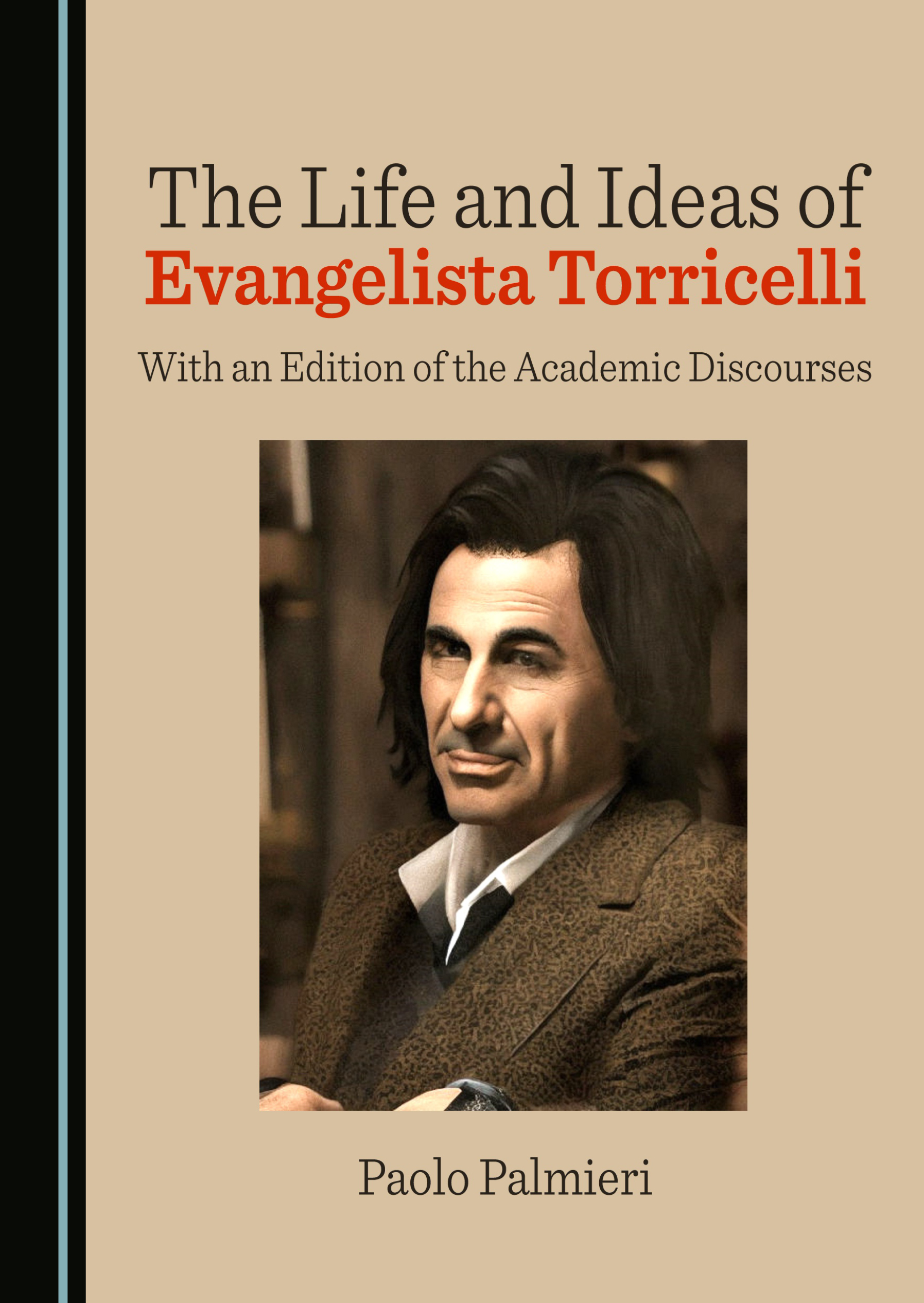
The Life and Ideas of Evangelista Torricelli
With an Edition of the Academic Discourses
Explore the life of Evangelista Torricelli, the 17th-century physicist who fused science with rhetorical elegance. This book analyzes his unique approach to science and his philosophical views, and presents the first annotated English translation of his Academic Discourses.
Explore the life of Evangelista Torricelli, the 17th-century physicist who fused science with rhetorical elegance. This book analyzes his unique approach to science and his philosophical views, and presents the first annotated English translation of his Academic Discourses.
View more
This product has multiple variants. The options may be chosen on the product page
View more
This product has multiple variants. The options may be chosen on the product page
£83.99
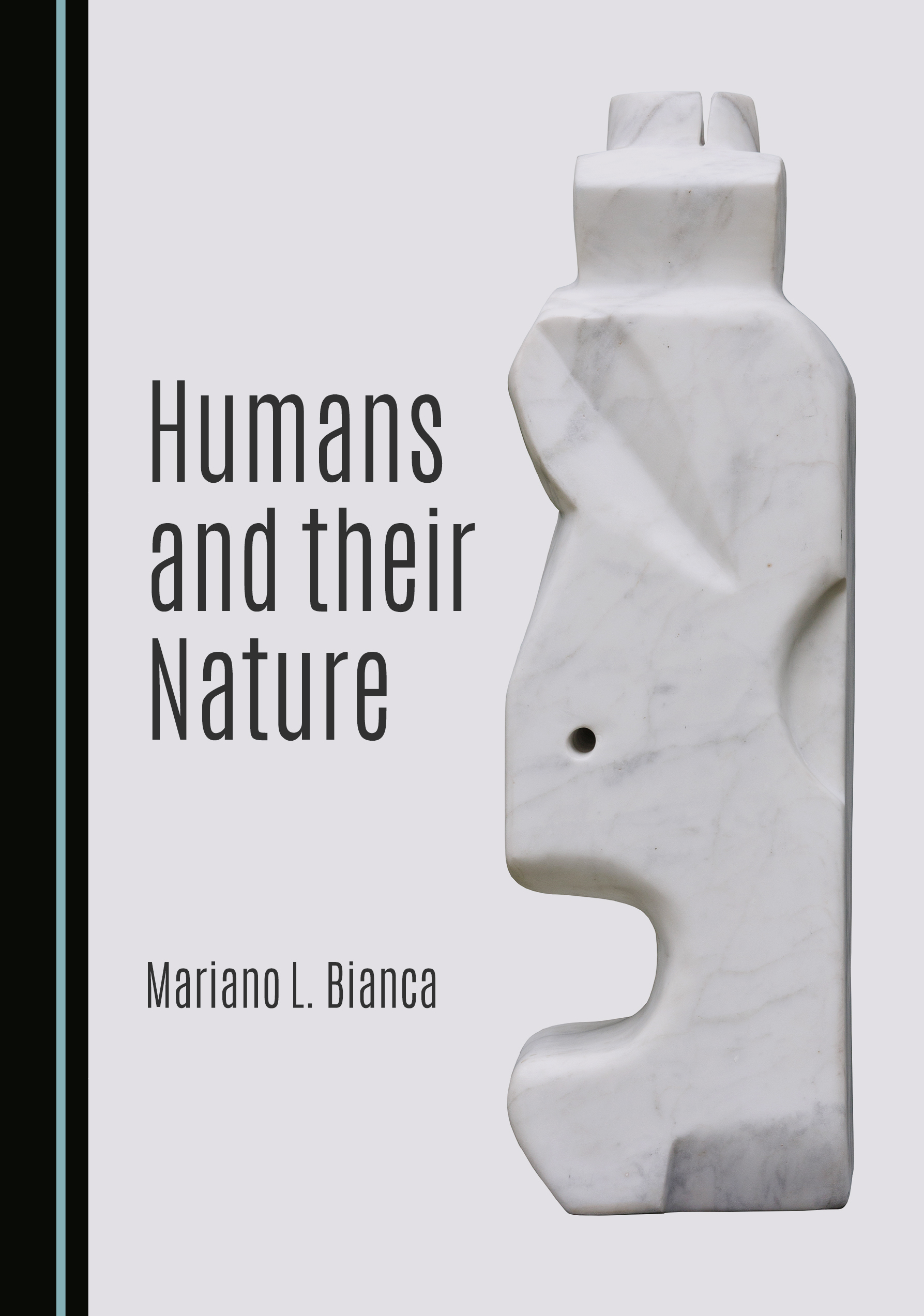
This book analyzes the rise of Homo Sapiens, from the cosmic conditions of Earth's birth to the future of our species. It considers the development of civilization, our role on the planet, and what lies ahead: space conquest, AI, and genetic enhancement.
This book analyzes the rise of Homo Sapiens, from the cosmic conditions of Earth’s birth to the future of our species. It considers the development of civilization, our role on the planet, and what lies ahead: space conquest, AI, and genetic enhancement.
View more
This product has multiple variants. The options may be chosen on the product page
View more
This product has multiple variants. The options may be chosen on the product page
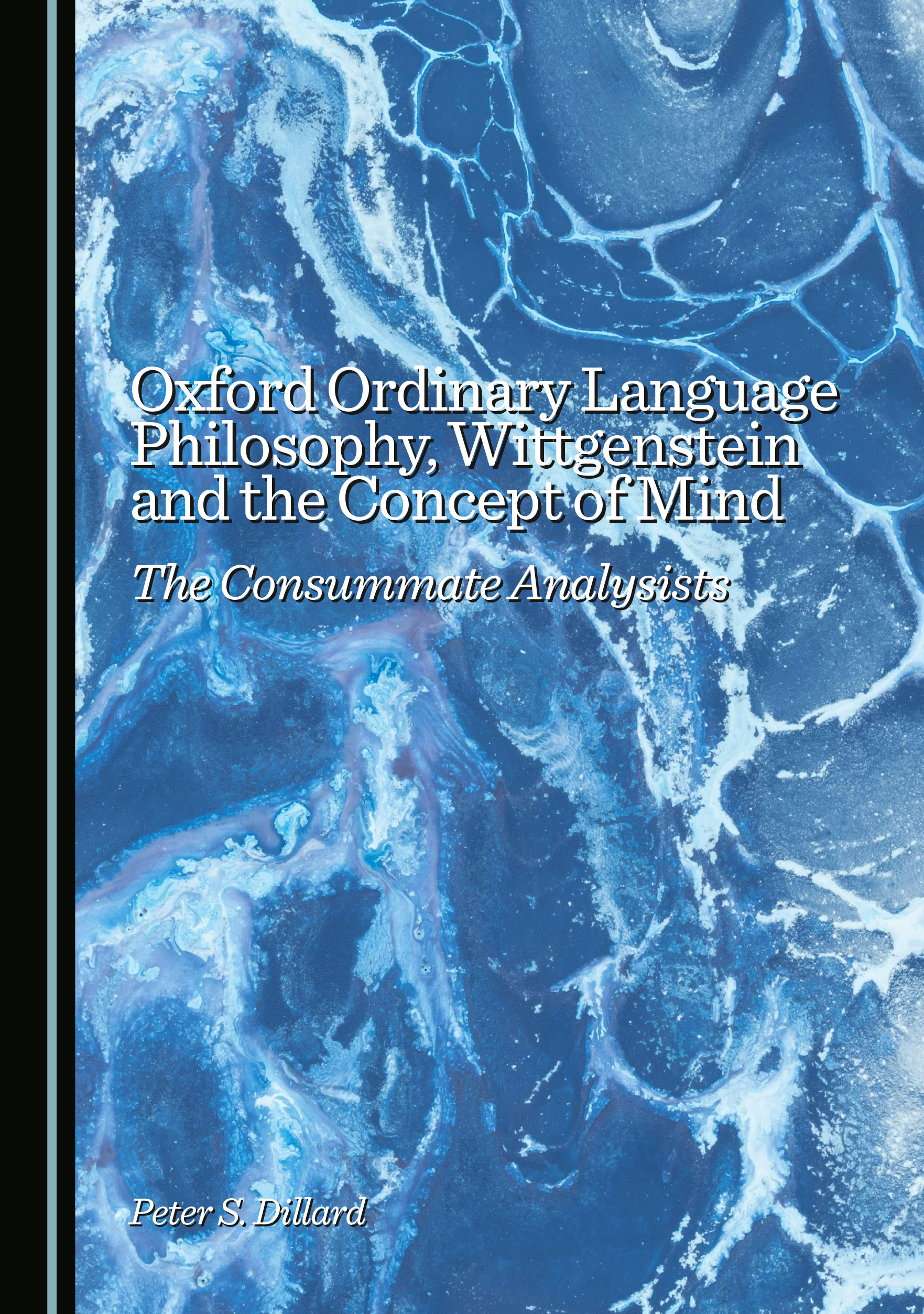
Oxford Ordinary Language Philosophy, Wittgenstein and the Concept of Mind
The Consummate Analysists
Oxford philosophers sparked a revolution by arguing that psychological expressions do not describe internal states. This study details the anti-cognitivist critique, reconstructs the cognitivist objections to it, and shows how Wittgenstein’s later writings help overcome them.
Oxford philosophers sparked a revolution by arguing that psychological expressions do not describe internal states. This study details the anti-cognitivist critique, reconstructs the cognitivist objections to it, and shows how Wittgenstein’s later writings help overcome them.
View more
This product has multiple variants. The options may be chosen on the product page
View more
This product has multiple variants. The options may be chosen on the product page
£83.99
This book is a study of political philosophy arguing that language gives origin to the state. By extending the distance of communication, humans form large communities, leading to the state's formation. Language is also the key to realizing freedom, equality, peace, and justice.
This book is a study of political philosophy arguing that language gives origin to the state. By extending the distance of communication, humans form large communities, leading to the state’s formation. Language is also the key to realizing freedom, equality, peace, and justice.
View more
This product has multiple variants. The options may be chosen on the product page
View more
This product has multiple variants. The options may be chosen on the product page
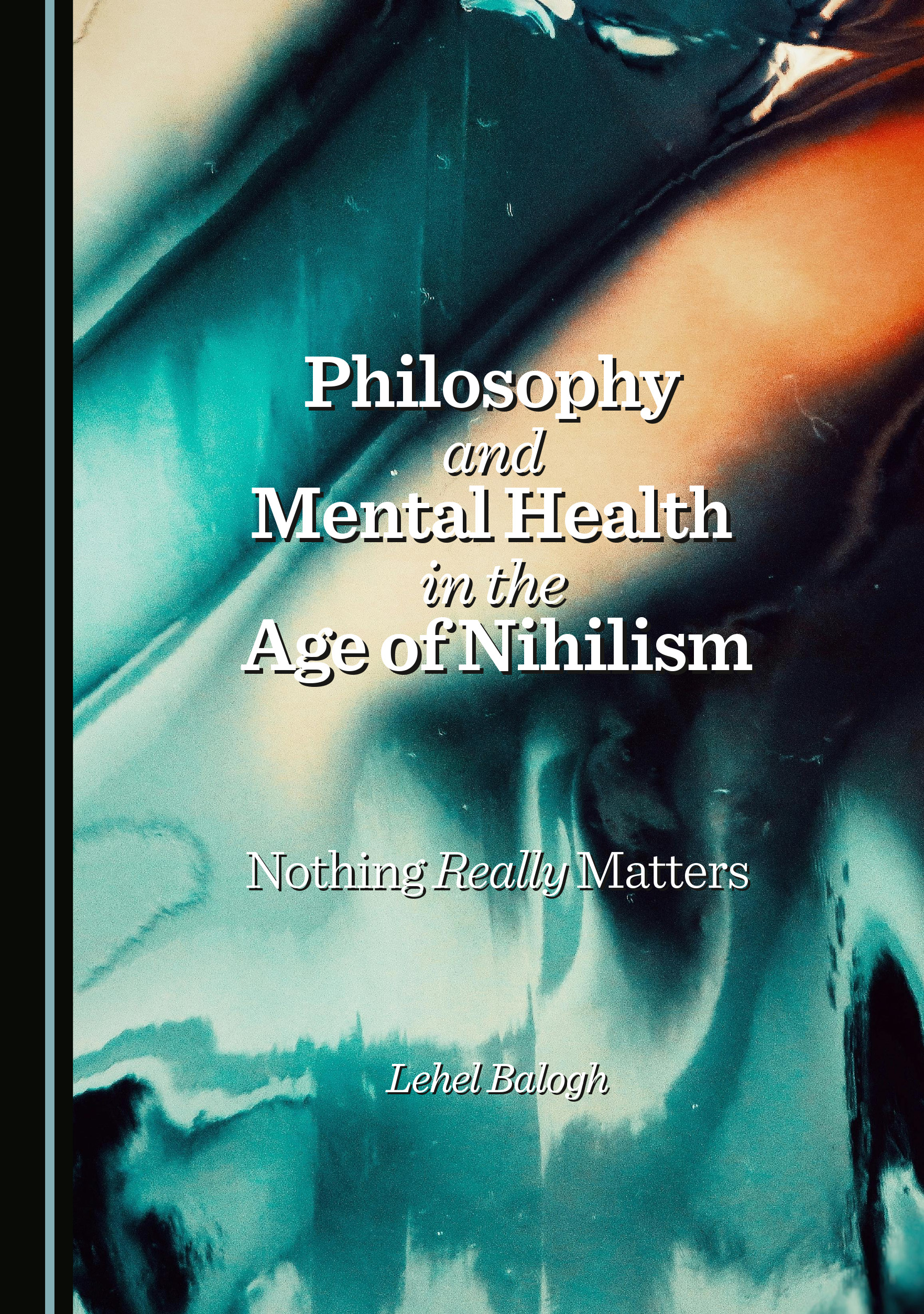
Philosophy and Mental Health in the Age of Nihilism
Nothing Really Matters
This book explores the interconnections of nihilism, anxiety, and authenticity in East Asian and Western philosophies, religions, and psychotherapies. An innovative, cross-cultural study, it re-examines Buddhist and Daoist concepts to argue for an authentic no-self.
This book explores the interconnections of nihilism, anxiety, and authenticity in East Asian and Western philosophies, religions, and psychotherapies. An innovative, cross-cultural study, it re-examines Buddhist and Daoist concepts to argue for an authentic no-self.
View more
This product has multiple variants. The options may be chosen on the product page
View more
This product has multiple variants. The options may be chosen on the product page
£64.99
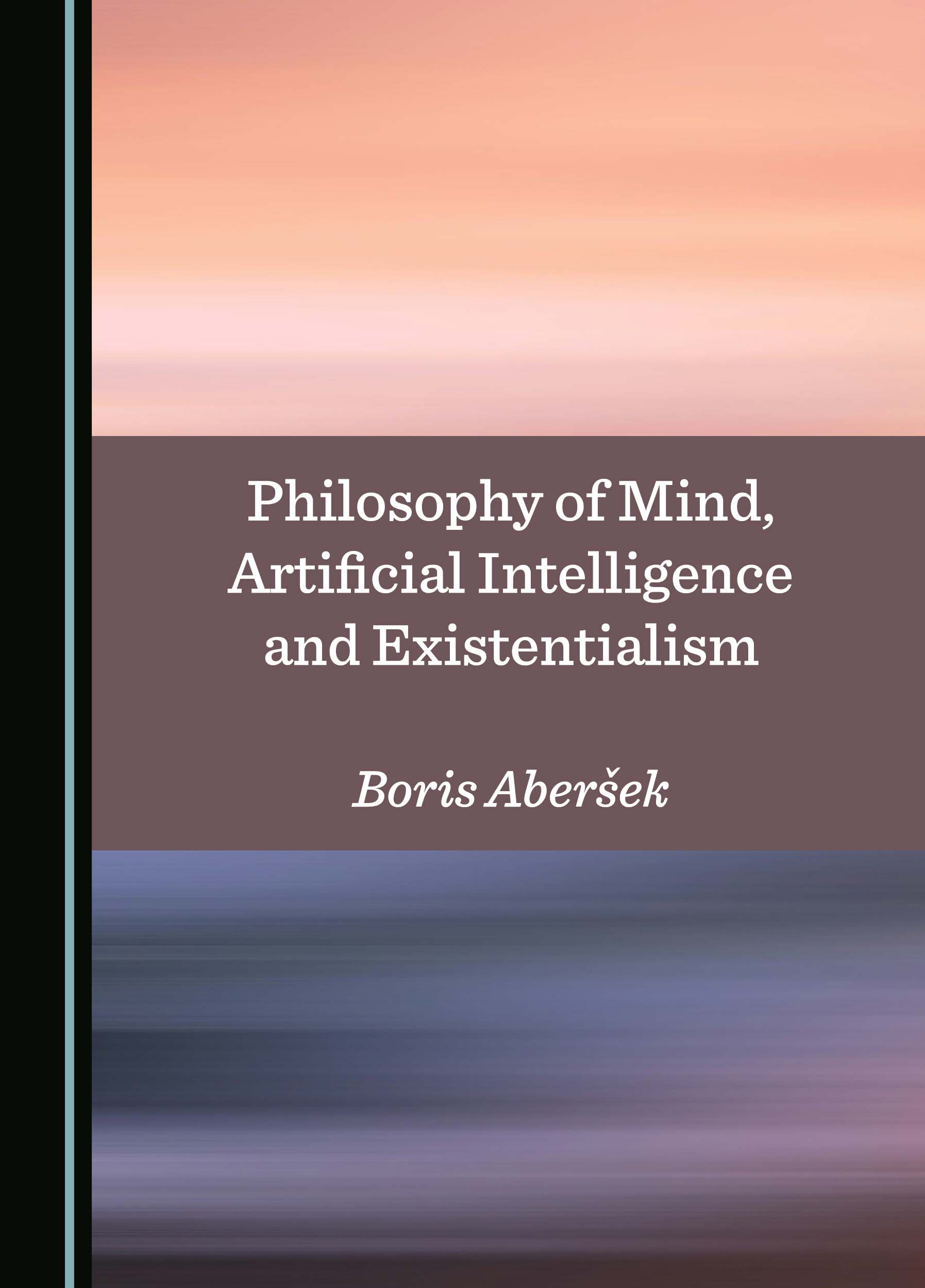
Existential questions persist, but now span two worlds: the physical and cyberspace. Amid constant tension between humans and AI-based life forms, this book develops a new philosophy: Existentialism 2.0. Humanity must find its place in the future, or risk losing its essence.
Existential questions persist, but now span two worlds: the physical and cyberspace. Amid constant tension between humans and AI-based life forms, this book develops a new philosophy: Existentialism 2.0. Humanity must find its place in the future, or risk losing its essence.
View more
This product has multiple variants. The options may be chosen on the product page
Processing Your Order
Please wait while we securely process your order.
Do not refresh or leave this page.
You will be redirected shortly to a confirmation page with your order number.