
View more
This product has multiple variants. The options may be chosen on the product page
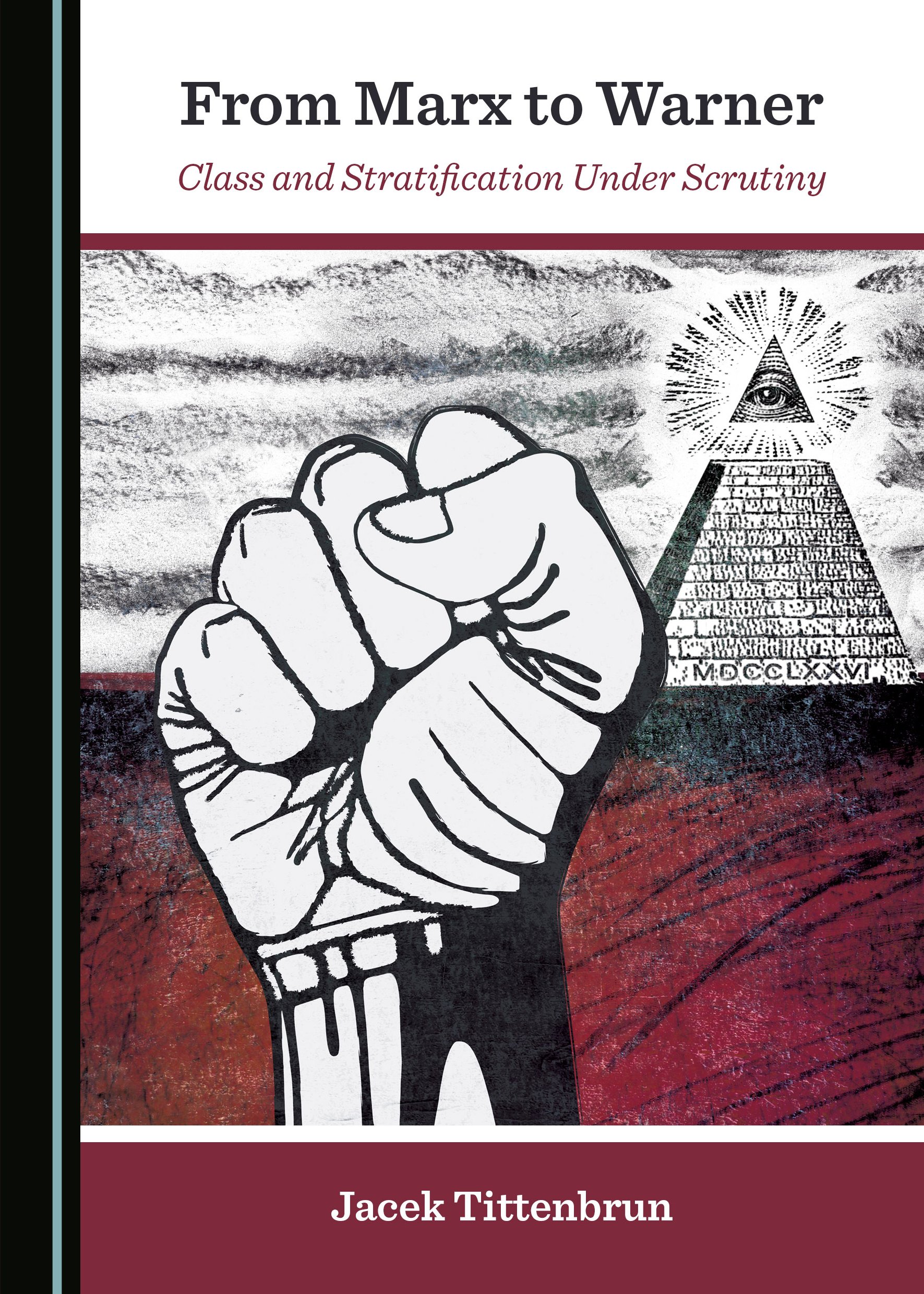
From Marx to Warner
Class and Stratification Under Scrutiny
Tittenbrun gives an in-depth analysis of several important theories of social class and stratification, both past and present. The central argument in his monograph is that there are only two classical theories of social class, namely those developed by Marx and Weber.
Tittenbrun gives an in-depth analysis of several important theories of social class and stratification, both past and present. The central argument in his monograph is that there are only two classical theories of social class, namely those developed by Marx and Weber.
View more
This product has multiple variants. The options may be chosen on the product page
View more
This product has multiple variants. The options may be chosen on the product page
The Progress of Philosophy
An Historical Introduction to Philosophy Readings with Commentary
This book offers selections from seven philosophers, with commentary connecting their ideas to their social and scientific milieu—Plato to geometry, Hobbes to the English civil war, Peirce to Darwin. See how they organized their beliefs into a coherent picture of the world.
This book offers selections from seven philosophers, with commentary connecting their ideas to their social and scientific milieu—Plato to geometry, Hobbes to the English civil war, Peirce to Darwin. See how they organized their beliefs into a coherent picture of the world.
View more
This product has multiple variants. The options may be chosen on the product page
View more
This product has multiple variants. The options may be chosen on the product page
From £43.99
This book constructs and critiques syntacticism, a school of thought in the philosophy of logic congenial to analytical philosophy. It examines technical and philosophic issues, addressing anomalies in symbolic expressivity to provide a deeper understanding of this approach.
This book constructs and critiques syntacticism, a school of thought in the philosophy of logic congenial to analytical philosophy. It examines technical and philosophic issues, addressing anomalies in symbolic expressivity to provide a deeper understanding of this approach.
View more
This product has multiple variants. The options may be chosen on the product page
View more
This product has multiple variants. The options may be chosen on the product page
From £43.99
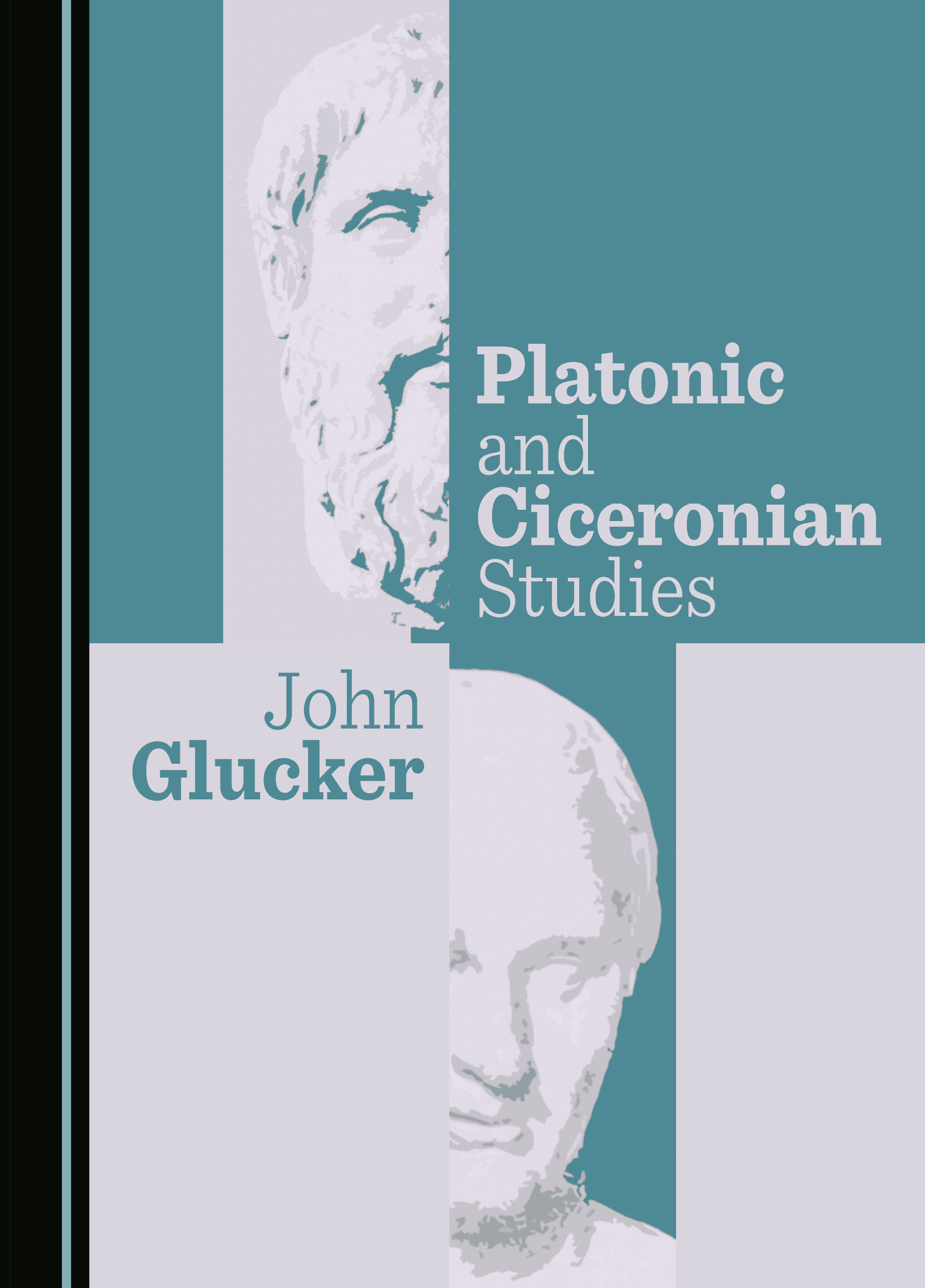
This volume assembles John Glucker's essays on Plato and Cicero for the first time. The articles deal with interpretations of their philosophical works and their influence on Western thought, and will be of interest to both scholars and laymen with a background in the classics.
This volume assembles John Glucker’s essays on Plato and Cicero for the first time. The articles deal with interpretations of their philosophical works and their influence on Western thought, and will be of interest to both scholars and laymen with a background in the classics.
View more
This product has multiple variants. The options may be chosen on the product page
View more
This product has multiple variants. The options may be chosen on the product page
£83.99
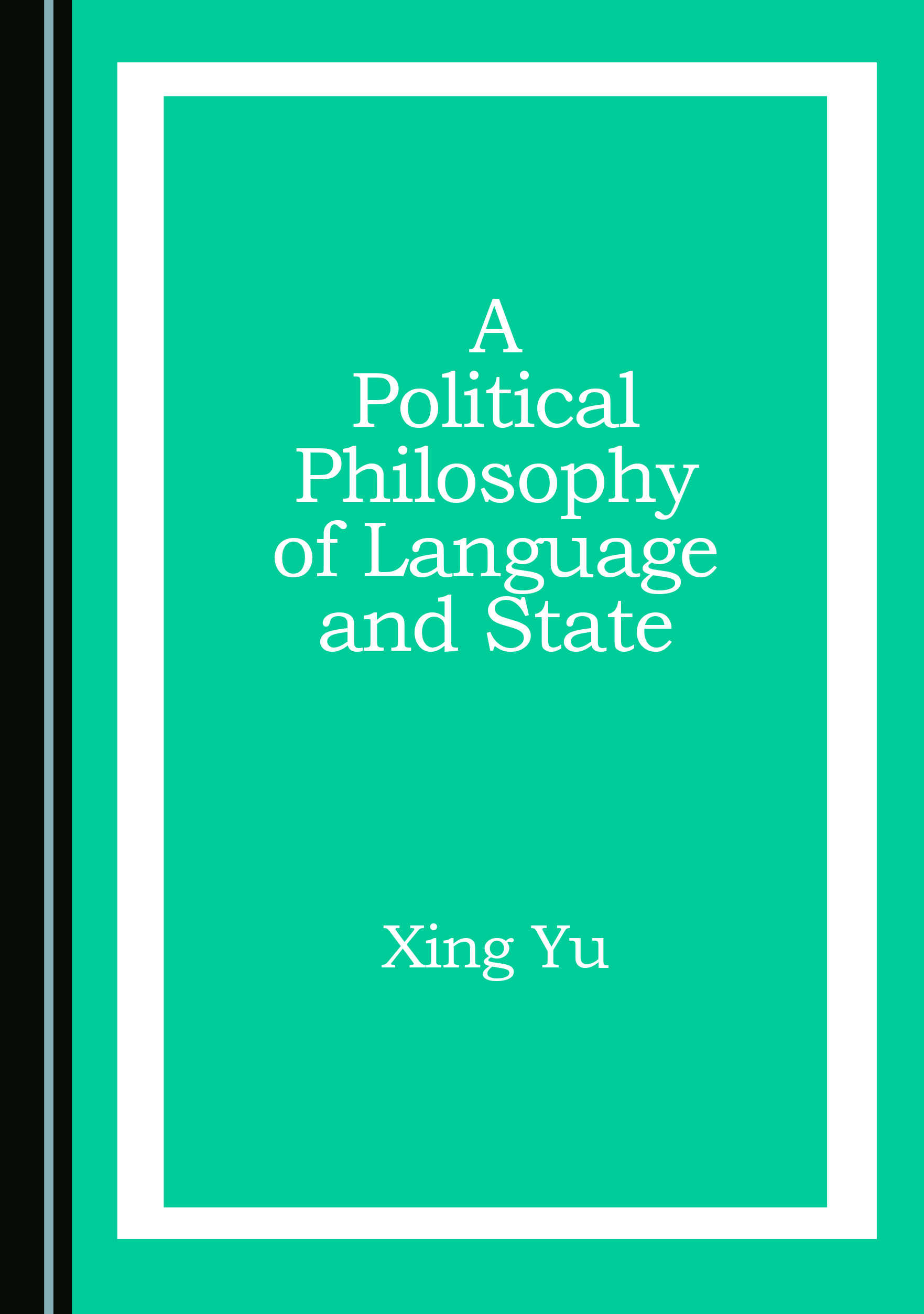
This book is a study of political philosophy arguing that language gives origin to the state. By extending the distance of communication, humans form large communities, leading to the state's formation. Language is also the key to realizing freedom, equality, peace, and justice.
This book is a study of political philosophy arguing that language gives origin to the state. By extending the distance of communication, humans form large communities, leading to the state’s formation. Language is also the key to realizing freedom, equality, peace, and justice.
View more
This product has multiple variants. The options may be chosen on the product page
View more
This product has multiple variants. The options may be chosen on the product page
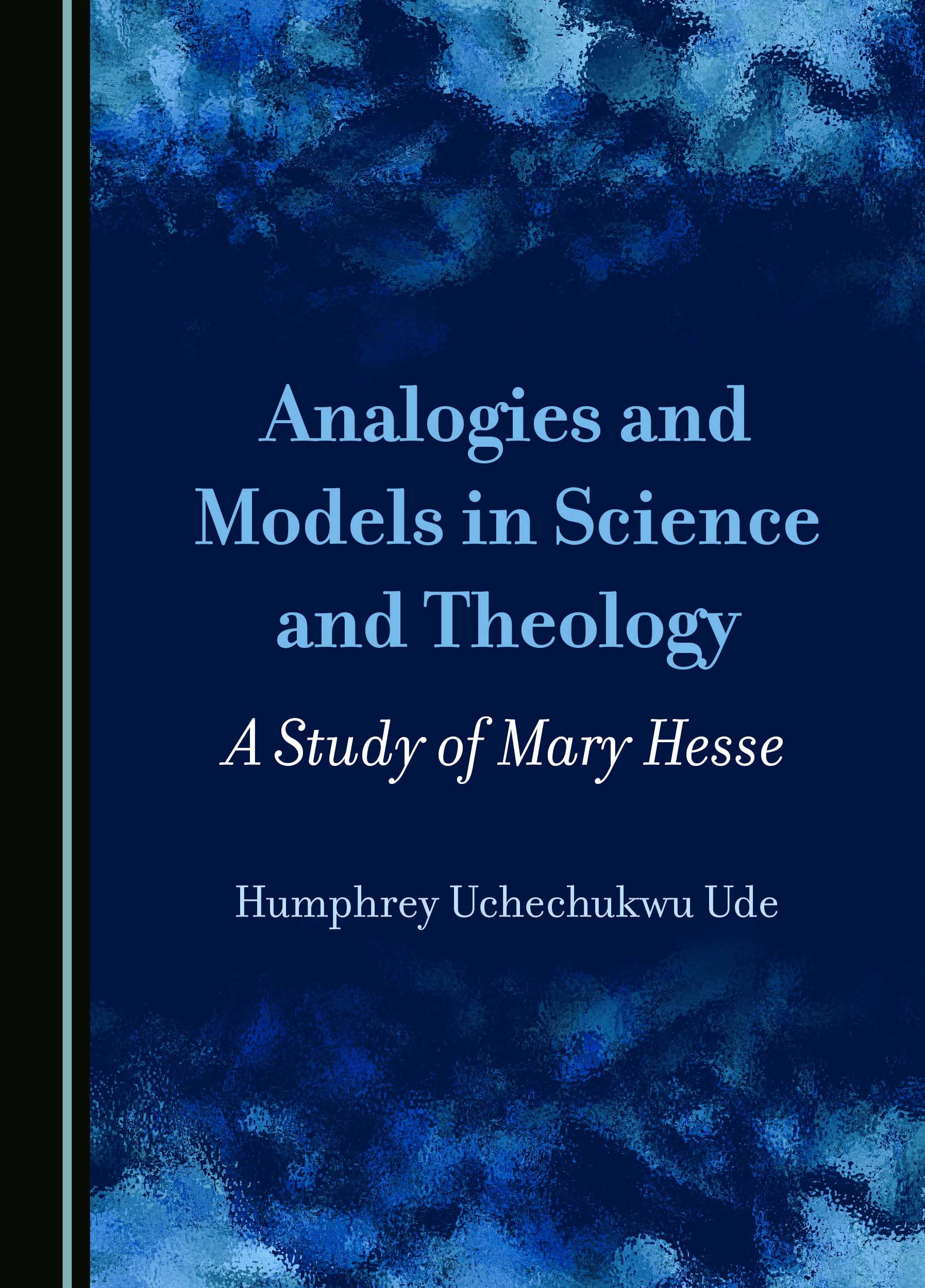
Analogies and Models in Science and Theology
A Study of Mary Hesse
This book uses Hesse’s Network Model of Theory to debunk scientism and argue for the indispensability of socio-cultural and theological values in the search for objective knowledge. It shows how both science and theology rely on interpretation, models, and metaphor.
This book uses Hesse’s Network Model of Theory to debunk scientism and argue for the indispensability of socio-cultural and theological values in the search for objective knowledge. It shows how both science and theology rely on interpretation, models, and metaphor.
View more
This product has multiple variants. The options may be chosen on the product page
View more
This product has multiple variants. The options may be chosen on the product page
£83.99
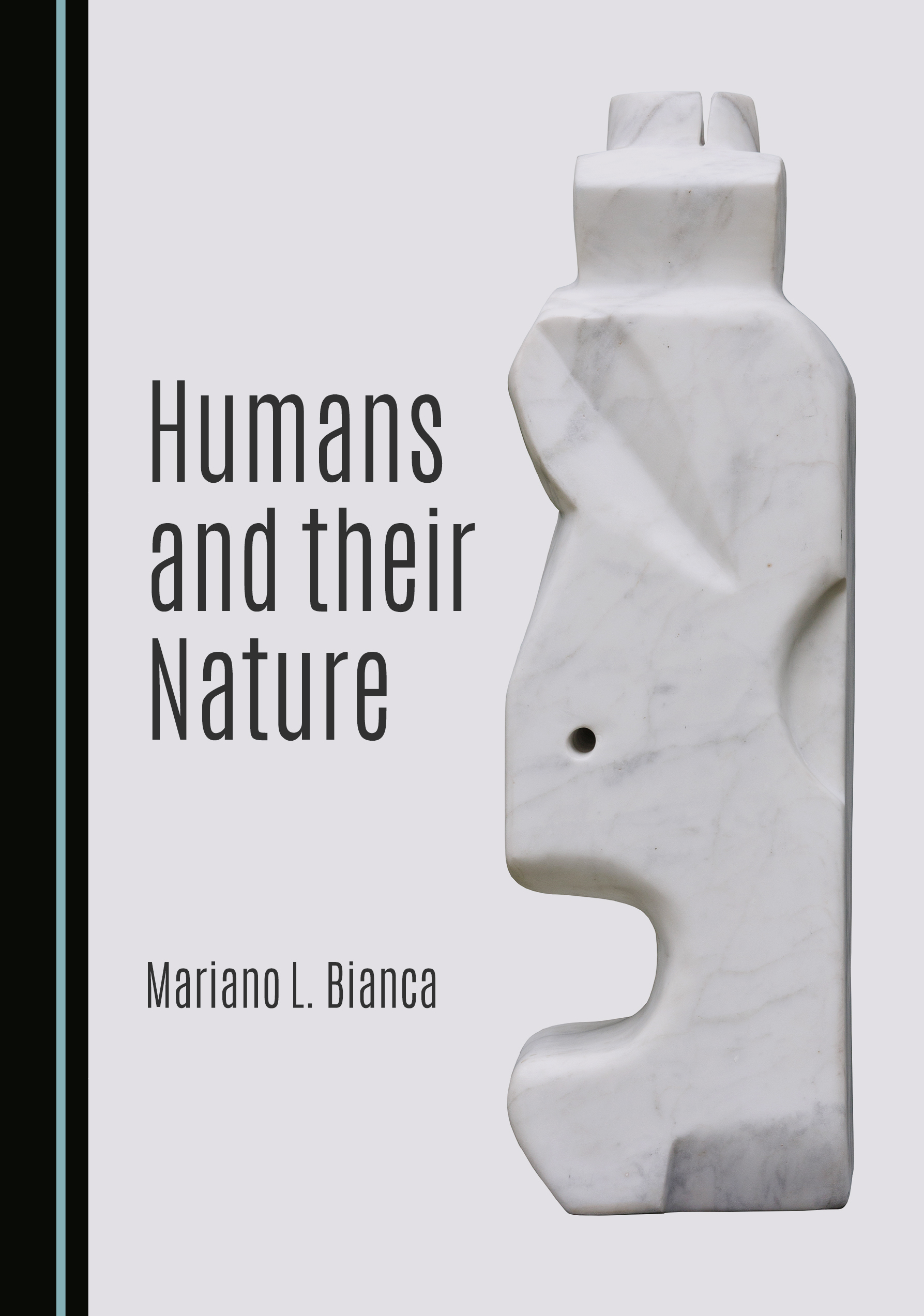
This book analyzes the rise of Homo Sapiens, from the cosmic conditions of Earth's birth to the future of our species. It considers the development of civilization, our role on the planet, and what lies ahead: space conquest, AI, and genetic enhancement.
This book analyzes the rise of Homo Sapiens, from the cosmic conditions of Earth’s birth to the future of our species. It considers the development of civilization, our role on the planet, and what lies ahead: space conquest, AI, and genetic enhancement.
View more
This product has multiple variants. The options may be chosen on the product page
View more
This product has multiple variants. The options may be chosen on the product page
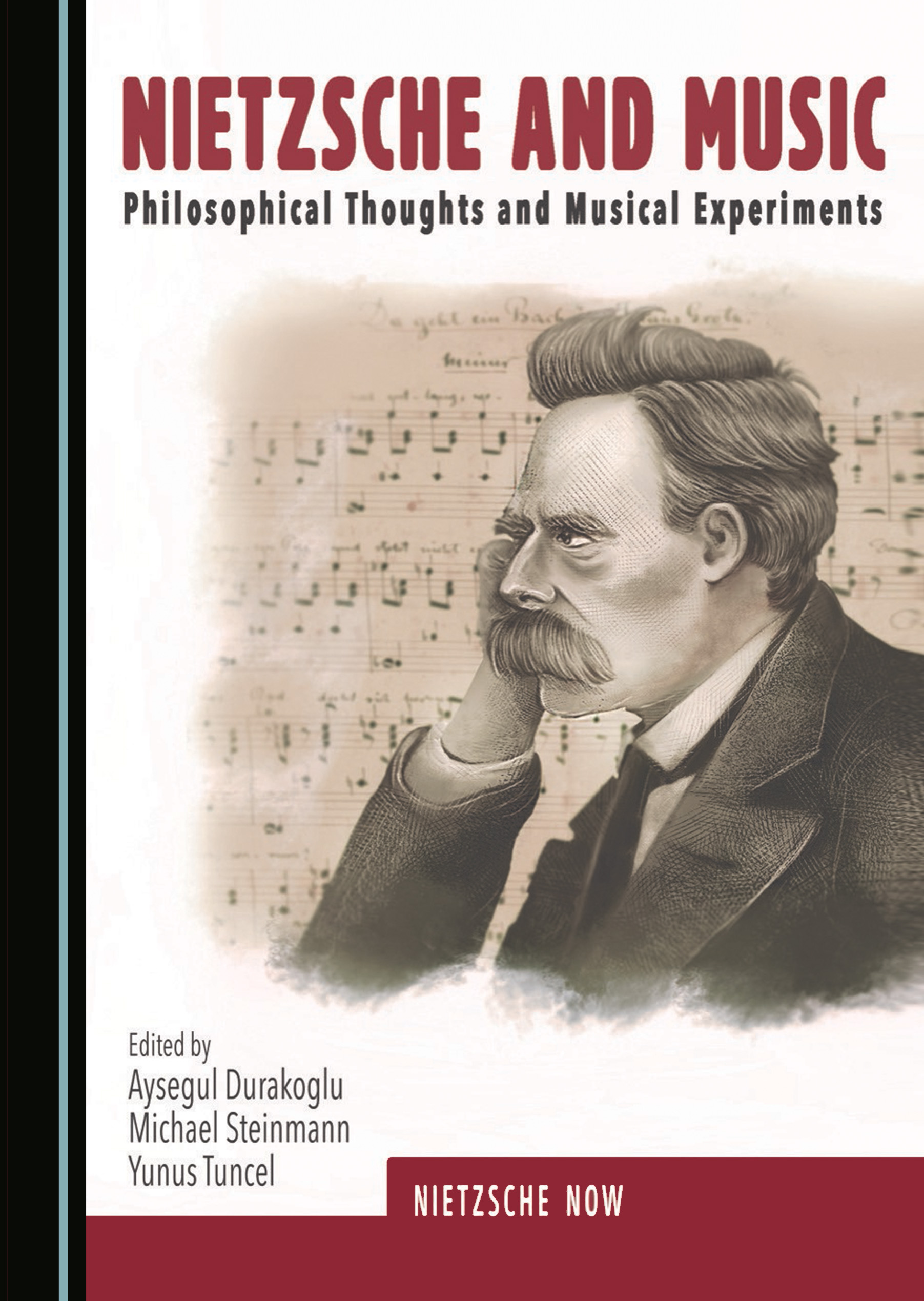
Nietzsche and Music
Philosophical Thoughts and Musical Experiments
Friedrich Nietzsche was not just a philosopher; he was a composer. This ground-breaking volume explores the connection between his thought and his music, analyzing his radical compositions and tracing his influence on genres from classical composers to heavy metal.
Friedrich Nietzsche was not just a philosopher; he was a composer. This ground-breaking volume explores the connection between his thought and his music, analyzing his radical compositions and tracing his influence on genres from classical composers to heavy metal.
View more
This product has multiple variants. The options may be chosen on the product page
View more
This product has multiple variants. The options may be chosen on the product page
From £41.99
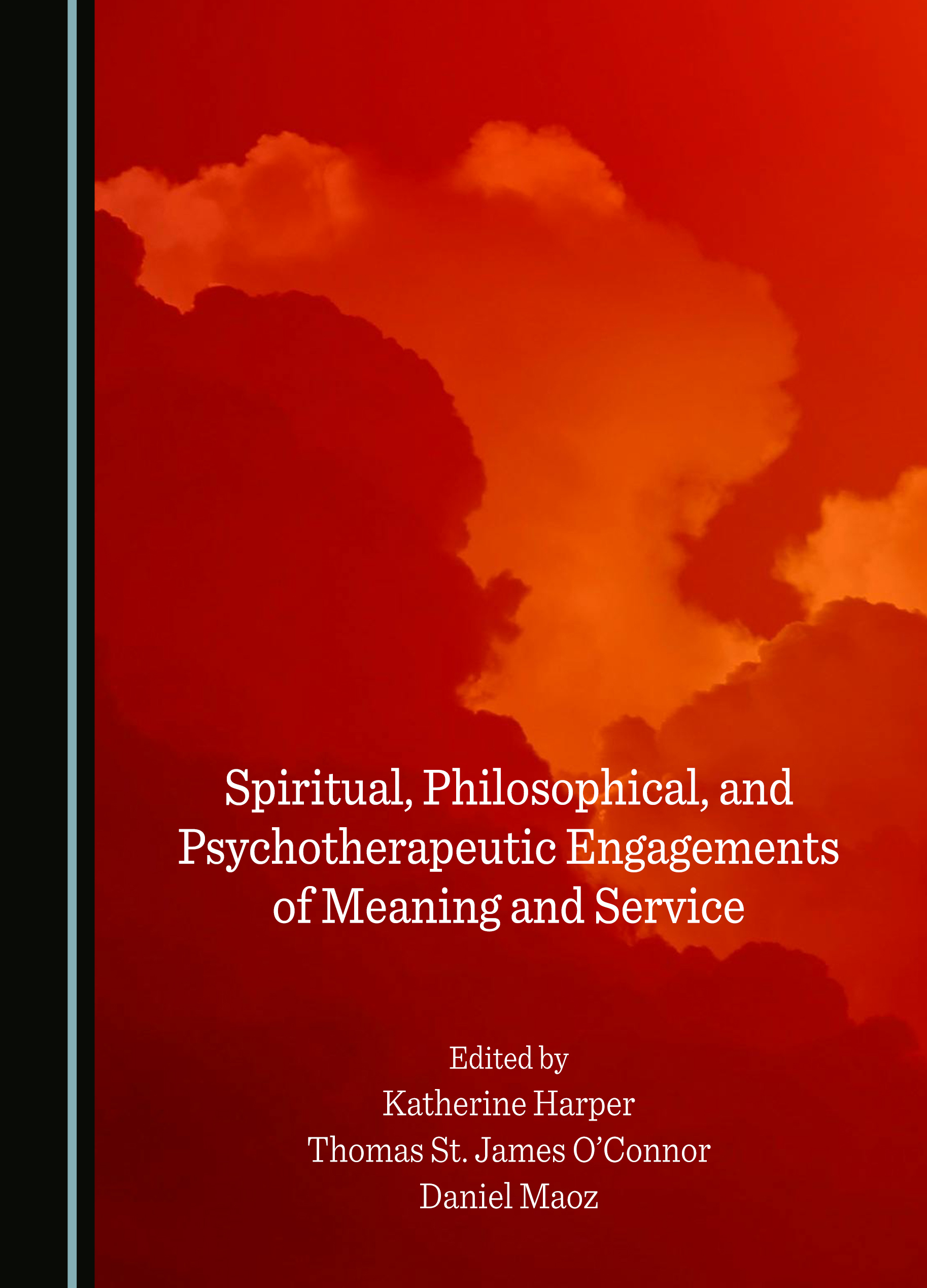
In a world of numerous challenges, the search for meaning and purpose is an important pursuit. This book offers diverse perspectives on the connections between meaning and service, helping readers integrate them into their own personal and professional life.
In a world of numerous challenges, the search for meaning and purpose is an important pursuit. This book offers diverse perspectives on the connections between meaning and service, helping readers integrate them into their own personal and professional life.
View more
This product has multiple variants. The options may be chosen on the product page
View more
This product has multiple variants. The options may be chosen on the product page
Symbolic Forms as the Metaphysical Groundwork of the Organon of the Cultural Sciences
Volumes 1 and 2
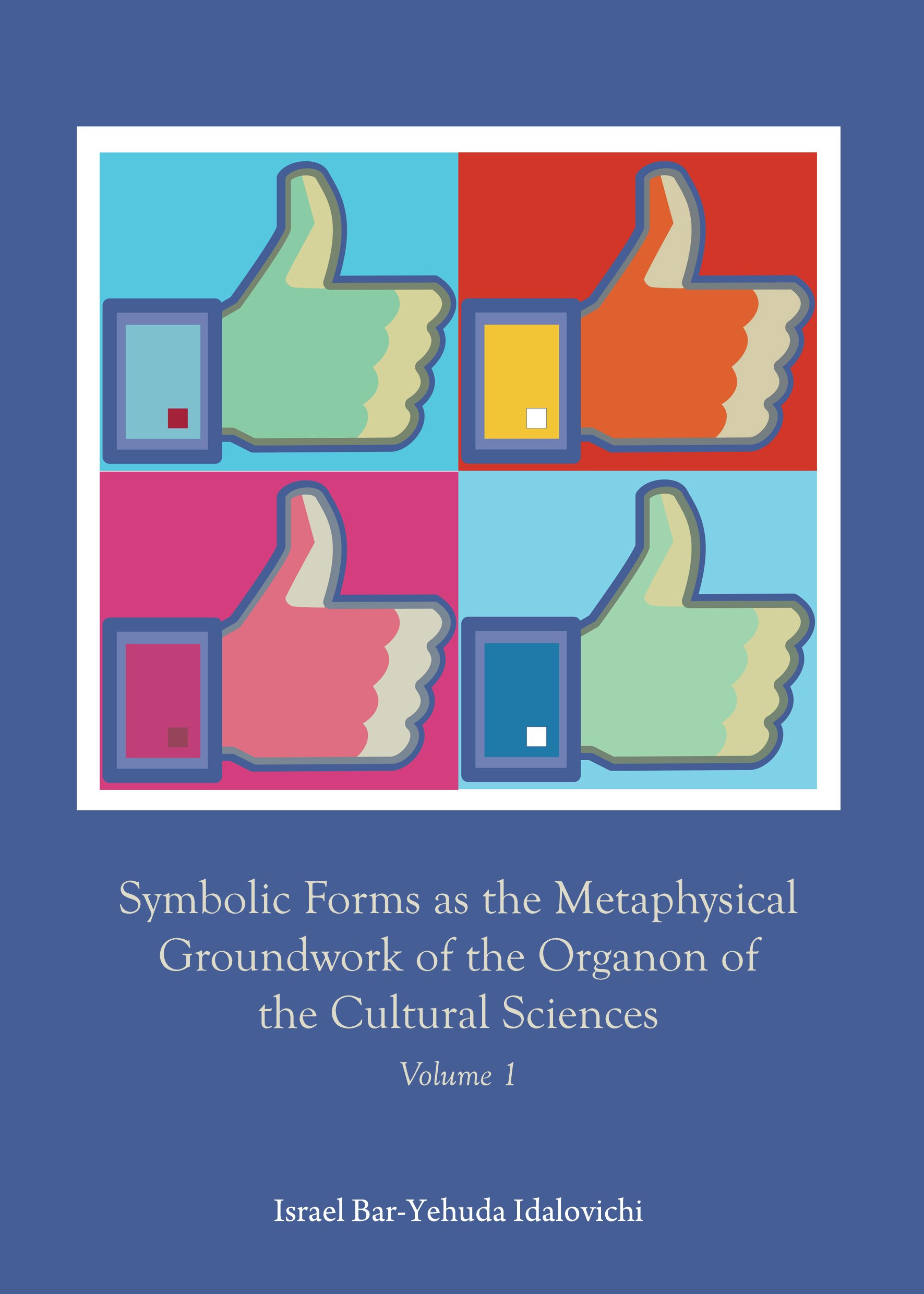
This work restructures the history of ideas and philosophy of culture through the idea of the organon. It provides a new philosophical foundation for the cultural sciences by extracting their main principles and shaping them as symbolic forms.
This work restructures the history of ideas and philosophy of culture through the idea of the organon. It provides a new philosophical foundation for the cultural sciences by extracting their main principles and shaping them as symbolic forms.
View more
This product has multiple variants. The options may be chosen on the product page
View more
This product has multiple variants. The options may be chosen on the product page
The Personalist Social Contract
Saving Multiculturalism, Artificial Intelligence, and Civilization
How can we survive with a broken humanity? Our urgent existential threats demonstrate how dangerously divided we are. This book proposes the Personalist Social Contract (PSC) as a common moral language to bring together our sciences and societies for shared survival.
How can we survive with a broken humanity? Our urgent existential threats demonstrate how dangerously divided we are. This book proposes the Personalist Social Contract (PSC) as a common moral language to bring together our sciences and societies for shared survival.
View more
This product has multiple variants. The options may be chosen on the product page
View more
This product has multiple variants. The options may be chosen on the product page
Classical Phenomenology Applied to Gender Identity
The Gendered Human
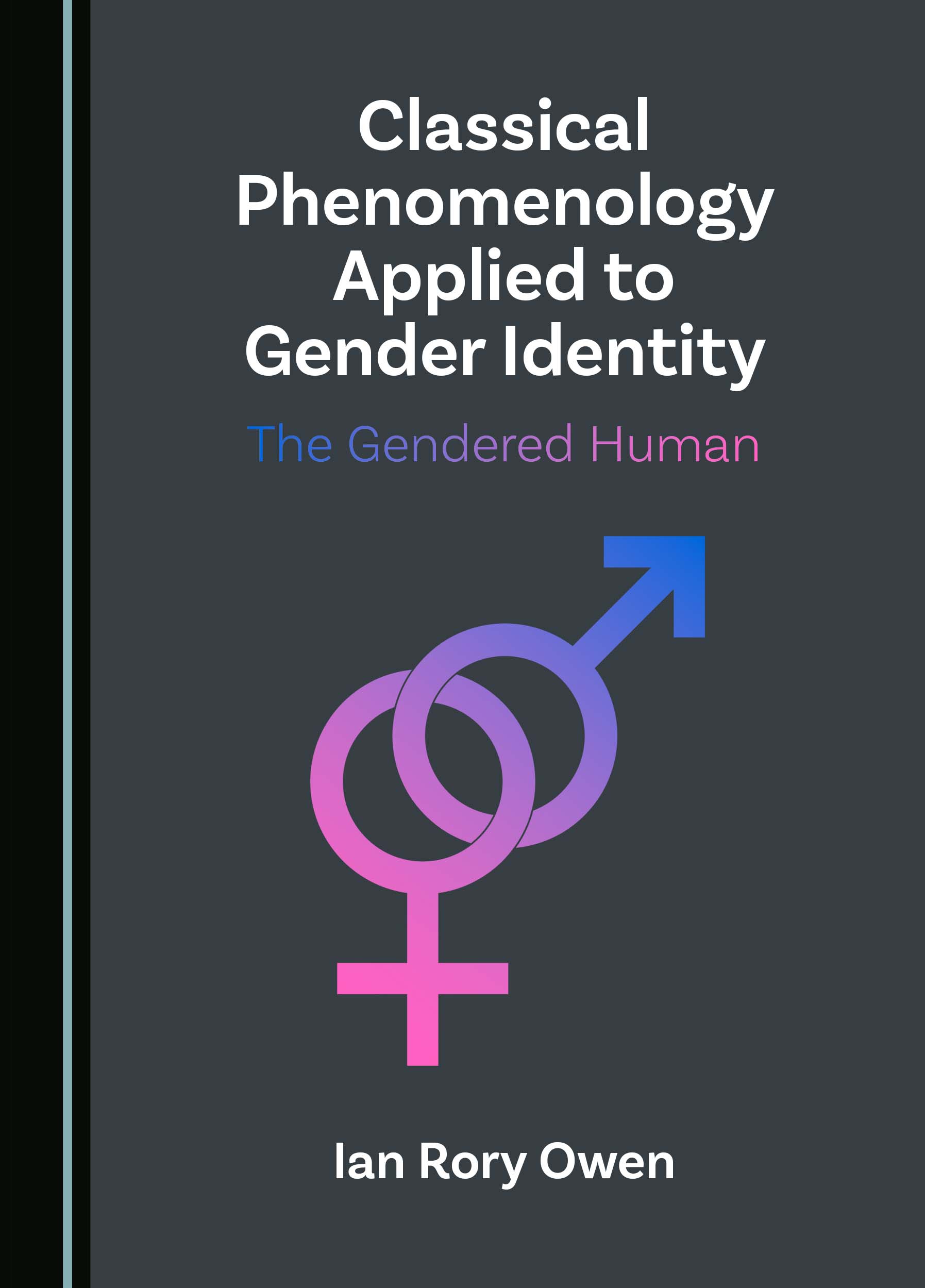
Uncover the gendered human being through Kant, Husserl, and Heidegger. This book offers intellectual tools to grasp our existential reality and details the fierce intellectual clash between former colleagues Husserl and Heidegger.
Uncover the gendered human being through Kant, Husserl, and Heidegger. This book offers intellectual tools to grasp our existential reality and details the fierce intellectual clash between former colleagues Husserl and Heidegger.
View more
This product has multiple variants. The options may be chosen on the product page
View more
This product has multiple variants. The options may be chosen on the product page
From £39.99
These philosophical essays cover a wide range of historical and contemporary topics, from the work of thinkers like Parmenides and Wittgenstein to the nature of knowledge and belief. Written over a long career, they are models of philosophical investigation and argument.
These philosophical essays cover a wide range of historical and contemporary topics, from the work of thinkers like Parmenides and Wittgenstein to the nature of knowledge and belief. Written over a long career, they are models of philosophical investigation and argument.
View more
This product has multiple variants. The options may be chosen on the product page
View more
This product has multiple variants. The options may be chosen on the product page
From £38.99
This book opposes the dominant materialist view of the universe, which cannot adequately explain conscious phenomena. Taking the primacy of consciousness as a basic postulate, it argues for a metaphysical idealism where human nature is more spiritual than material.
This book opposes the dominant materialist view of the universe, which cannot adequately explain conscious phenomena. Taking the primacy of consciousness as a basic postulate, it argues for a metaphysical idealism where human nature is more spiritual than material.
View more
This product has multiple variants. The options may be chosen on the product page
View more
This product has multiple variants. The options may be chosen on the product page
From £38.99
Digitalization and artificial intelligence are rapidly changing our world, but traditional education fails to prepare us for this new reality. A century ago, Alfred North Whitehead developed a new learning cycle approach. This book investigates his philosophy for our time.
Digitalization and artificial intelligence are rapidly changing our world, but traditional education fails to prepare us for this new reality. A century ago, Alfred North Whitehead developed a new learning cycle approach. This book investigates his philosophy for our time.
View more
This product has multiple variants. The options may be chosen on the product page
View more
This product has multiple variants. The options may be chosen on the product page
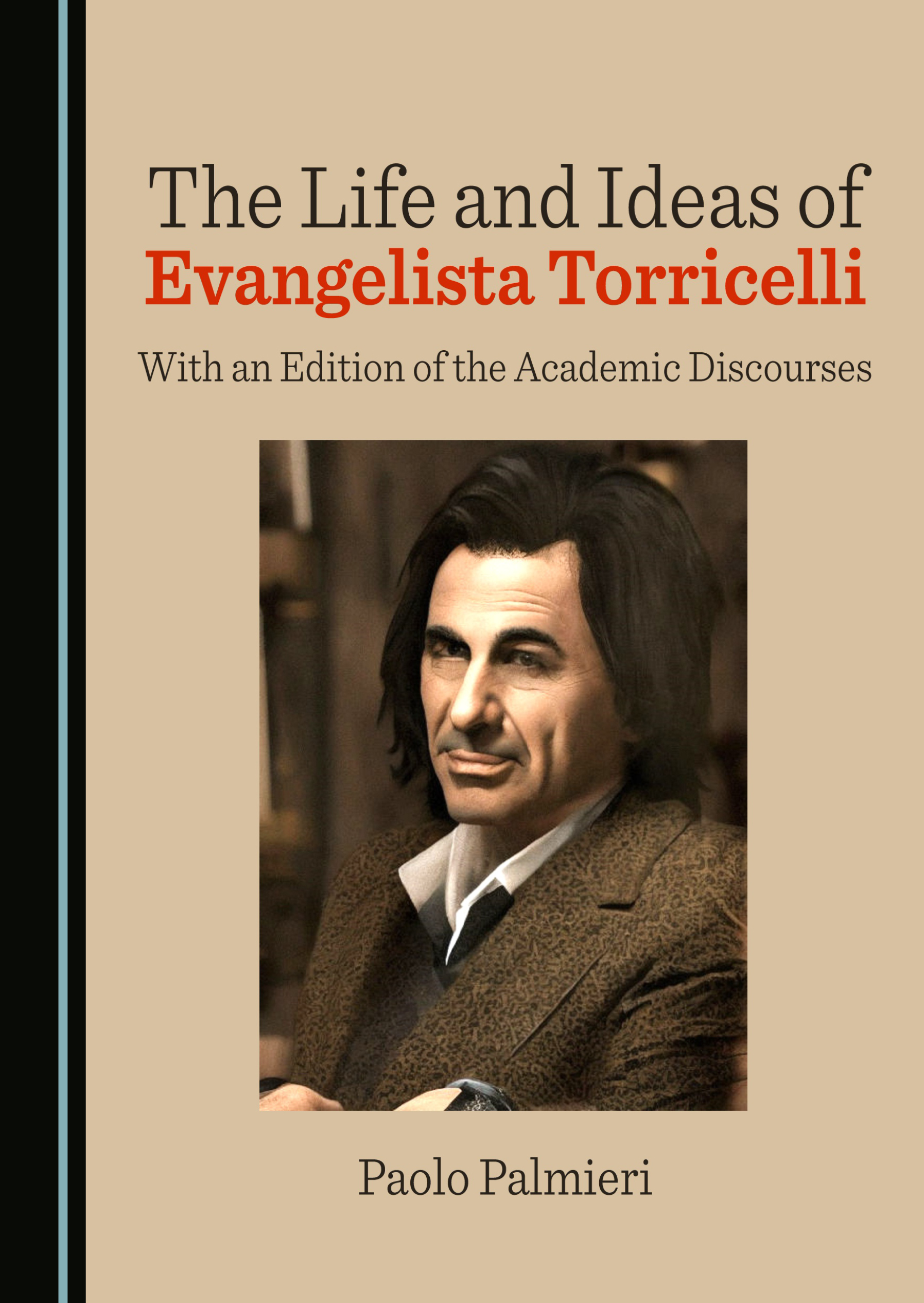
The Life and Ideas of Evangelista Torricelli
With an Edition of the Academic Discourses
Explore the life of Evangelista Torricelli, the 17th-century physicist who fused science with rhetorical elegance. This book analyzes his unique approach to science and his philosophical views, and presents the first annotated English translation of his Academic Discourses.
Explore the life of Evangelista Torricelli, the 17th-century physicist who fused science with rhetorical elegance. This book analyzes his unique approach to science and his philosophical views, and presents the first annotated English translation of his Academic Discourses.
View more
This product has multiple variants. The options may be chosen on the product page
View more
This product has multiple variants. The options may be chosen on the product page
From £37.99
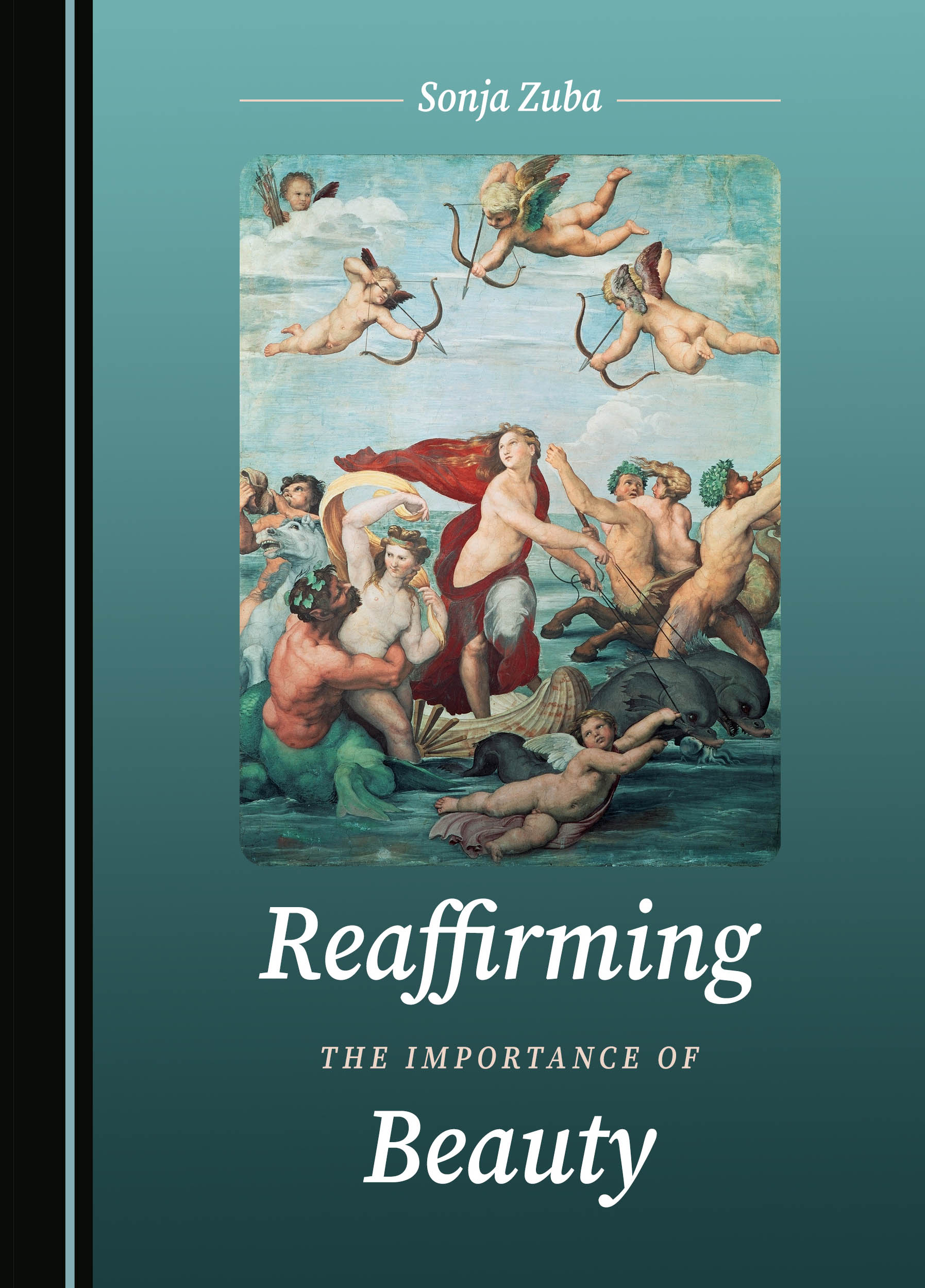
Beauty challenges us to find meaning. This book examines beauty in art and philosophy, from Plato to Van Gogh, arguing it is rationally found and irreducible to aesthetics alone. It explores beauty's deep spiritual meaning, especially within our post-religious age.
Beauty challenges us to find meaning. This book examines beauty in art and philosophy, from Plato to Van Gogh, arguing it is rationally found and irreducible to aesthetics alone. It explores beauty’s deep spiritual meaning, especially within our post-religious age.
View more
This product has multiple variants. The options may be chosen on the product page
View more
This product has multiple variants. The options may be chosen on the product page
Metaphysics in the Age of Scientific Hegemony
Essays and Models
These essays argue for the persisting relevance of metaphysical speculation. Delving into thinkers from Hegel to Wittgenstein, the focus is on the autonomous agency of the human being—a concept at odds with the mechanistic doxa under which modern science is compelled to operate.
These essays argue for the persisting relevance of metaphysical speculation. Delving into thinkers from Hegel to Wittgenstein, the focus is on the autonomous agency of the human being—a concept at odds with the mechanistic doxa under which modern science is compelled to operate.
View more
This product has multiple variants. The options may be chosen on the product page
View more
This product has multiple variants. The options may be chosen on the product page
Anthropological Realism
Ethics for a Global World
Ethics lacks a strong theoretical basis and remains parochial as technologies become global. To move beyond unproductive stalemates, this book offers a next-generation theory of hybrid moral realism, promoting a sustainable global ethics of humaneness and human flourishing.
Ethics lacks a strong theoretical basis and remains parochial as technologies become global. To move beyond unproductive stalemates, this book offers a next-generation theory of hybrid moral realism, promoting a sustainable global ethics of humaneness and human flourishing.
View more
This product has multiple variants. The options may be chosen on the product page
View more
This product has multiple variants. The options may be chosen on the product page
£72.99
Interpretation is the medium through which the world becomes thinkable and shaped. This book journeys through domains from alchemy to dark matter and living ecologies, showing how meaning unfolds across time and scale. An invitation for readers who seek to cross boundaries.
Interpretation is the medium through which the world becomes thinkable and shaped. This book journeys through domains from alchemy to dark matter and living ecologies, showing how meaning unfolds across time and scale. An invitation for readers who seek to cross boundaries.
View more
This product has multiple variants. The options may be chosen on the product page
Processing Your Order
Please wait while we securely process your order.
Do not refresh or leave this page.
You will be redirected shortly to a confirmation page with your order number.