
View more
This product has multiple variants. The options may be chosen on the product page
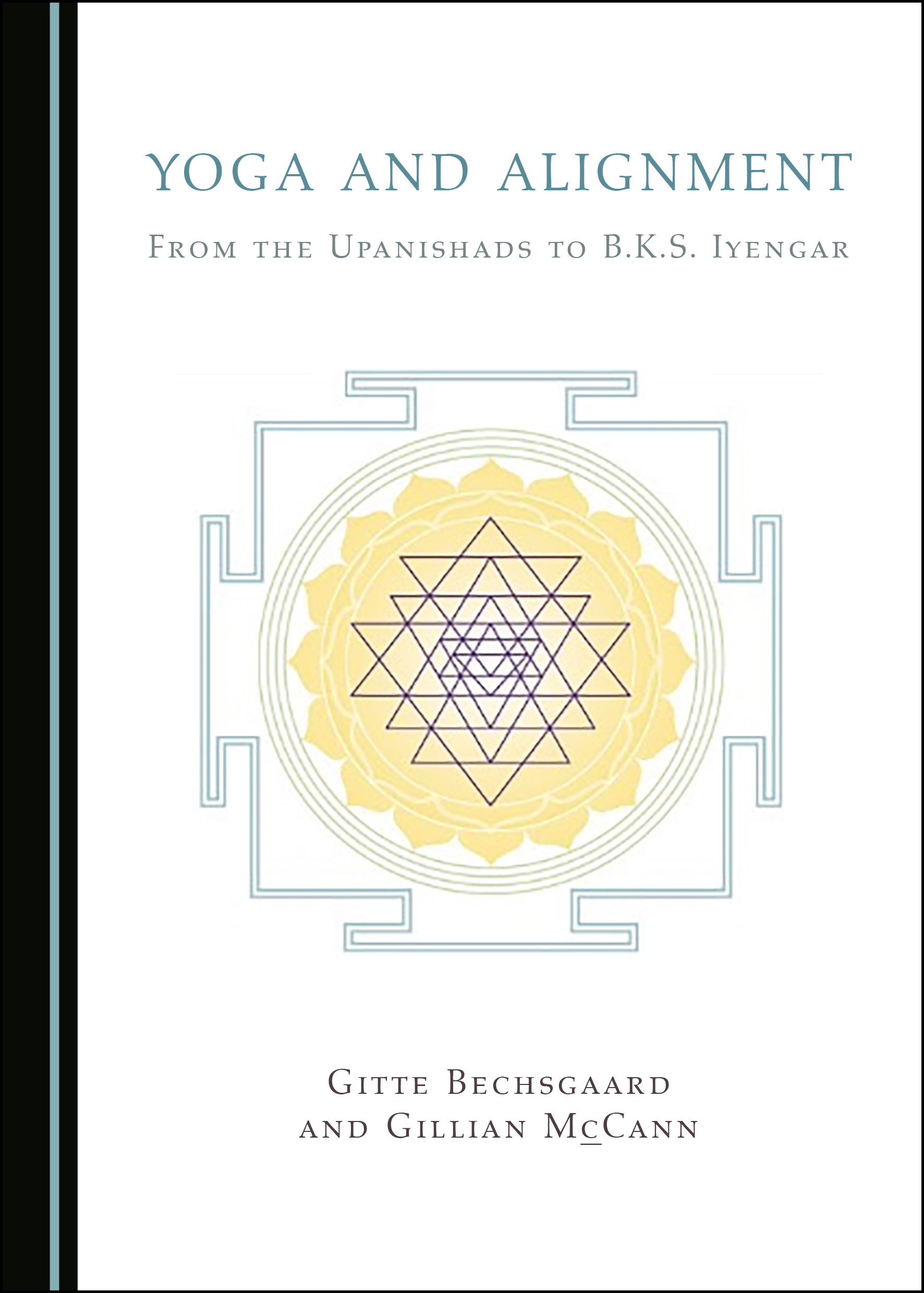
Yoga and Alignment
From the Upanishads to B.K.S. Iyengar
This accessible look at yoga philosophy and psychology follows the eight limbs of yoga from foundational ethics to the highest states of consciousness. Based on 30 years of research, it connects the insights of this ancient tradition to the challenges we face today.
This accessible look at yoga philosophy and psychology follows the eight limbs of yoga from foundational ethics to the highest states of consciousness. Based on 30 years of research, it connects the insights of this ancient tradition to the challenges we face today.
View more
This product has multiple variants. The options may be chosen on the product page
View more
This product has multiple variants. The options may be chosen on the product page
Hume’s Labyrinth
A Search for the Self
Hume’s Labyrinth explores his famous “bundle theory of the self” and his own critical reservations about it. It argues the theory was not a failed account, but a pragmatic tool intended to help further philosophical investigations into the mind.
Hume’s Labyrinth explores his famous “bundle theory of the self” and his own critical reservations about it. It argues the theory was not a failed account, but a pragmatic tool intended to help further philosophical investigations into the mind.
View more
This product has multiple variants. The options may be chosen on the product page

View more
This product has multiple variants. The options may be chosen on the product page
From £25.99
Van Tongeren offers a thorough study of Nietzsche’s thoughts on nihilism, the history of the concept, the different ways in which he tries to explain his ideas on nihilism, the way these ideas were received in the 20th century, and, ultimately, what these ideas should mean to us.
Van Tongeren offers a thorough study of Nietzsche’s thoughts on nihilism, the history of the concept, the different ways in which he tries to explain his ideas on nihilism, the way these ideas were received in the 20th century, and, ultimately, what these ideas should mean to us.
View more
This product has multiple variants. The options may be chosen on the product page
View more
This product has multiple variants. The options may be chosen on the product page
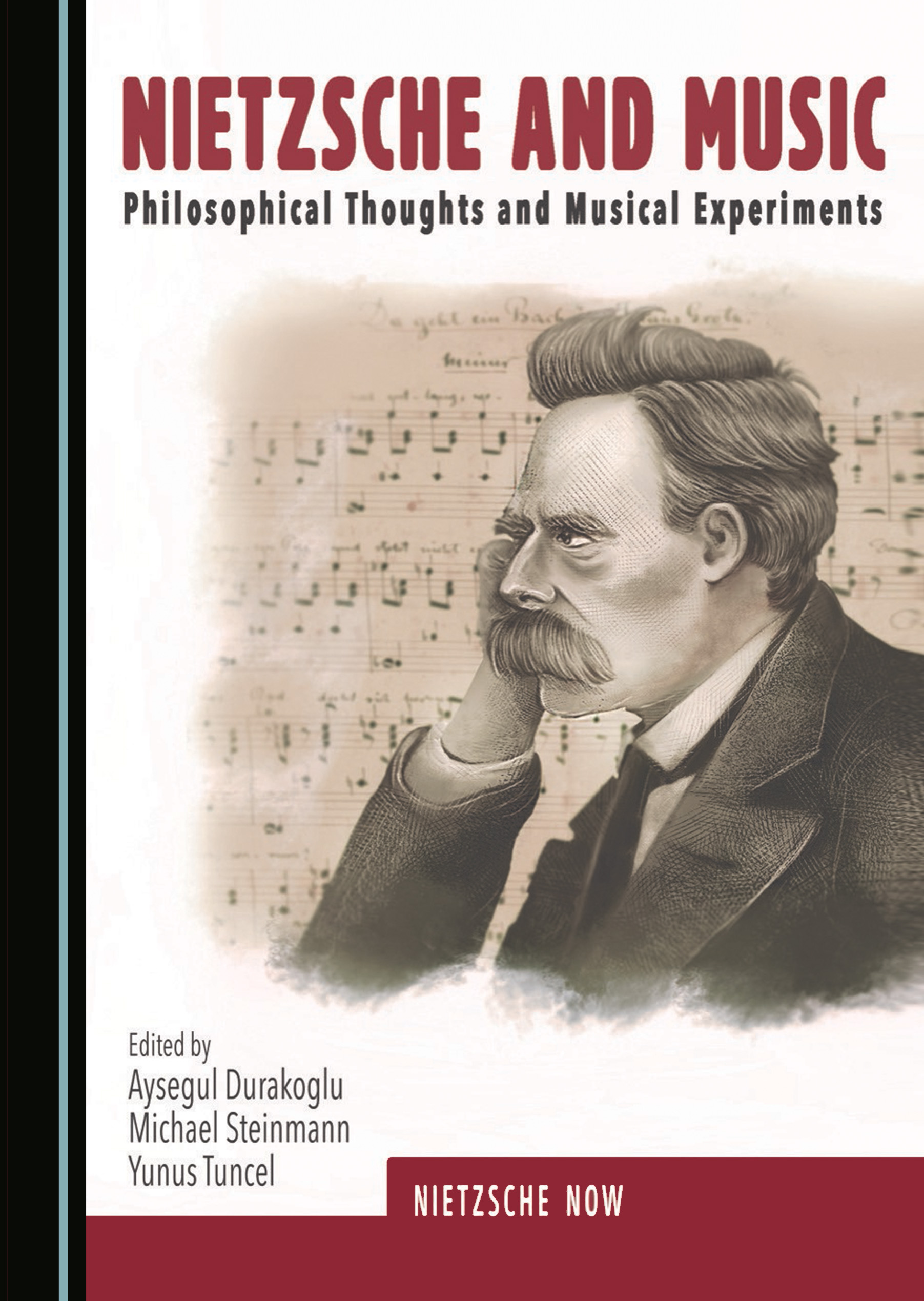
Nietzsche and Music
Philosophical Thoughts and Musical Experiments
Friedrich Nietzsche was not just a philosopher; he was a composer. This ground-breaking volume explores the connection between his thought and his music, analyzing his radical compositions and tracing his influence on genres from classical composers to heavy metal.
Friedrich Nietzsche was not just a philosopher; he was a composer. This ground-breaking volume explores the connection between his thought and his music, analyzing his radical compositions and tracing his influence on genres from classical composers to heavy metal.
View more
This product has multiple variants. The options may be chosen on the product page
View more
This product has multiple variants. The options may be chosen on the product page
From £41.99
In a world of numerous challenges, the search for meaning and purpose is an important pursuit. This book offers diverse perspectives on the connections between meaning and service, helping readers integrate them into their own personal and professional life.
In a world of numerous challenges, the search for meaning and purpose is an important pursuit. This book offers diverse perspectives on the connections between meaning and service, helping readers integrate them into their own personal and professional life.
View more
This product has multiple variants. The options may be chosen on the product page

View more
This product has multiple variants. The options may be chosen on the product page
From £14.99
W. K. Clifford's essay "The Ethics of Belief" argued it is wrong to believe anything upon insufficient evidence. This book examines the essay's context, its clash with critics like William James, its influence on thinkers like Bertrand Russell, and its relevance today.
W. K. Clifford’s essay “The Ethics of Belief” argued it is wrong to believe anything upon insufficient evidence. This book examines the essay’s context, its clash with critics like William James, its influence on thinkers like Bertrand Russell, and its relevance today.
View more
This product has multiple variants. The options may be chosen on the product page
View more
This product has multiple variants. The options may be chosen on the product page
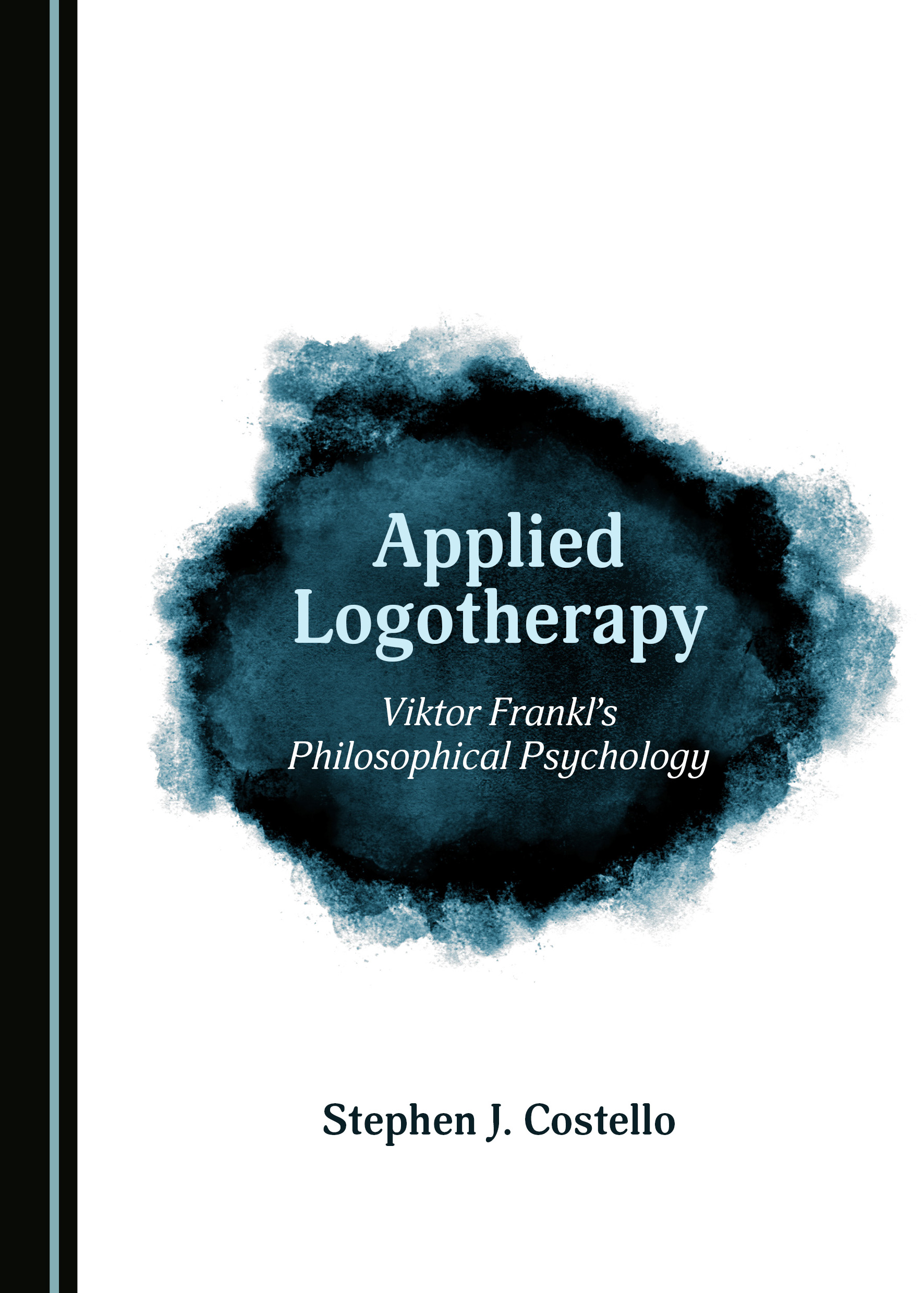
Applied Logotherapy
Viktor Frankl’s Philosophical Psychology
This monograph is a seminal contribution to applied and clinical logotherapy and existential analysis which draws on Dr Viktor Frankl’s Viennese School of philosophical psychology, from therapeutic techniques, to the mass neurotic triad of aggression, addiction, and depression.
This monograph is a seminal contribution to applied and clinical logotherapy and existential analysis which draws on Dr Viktor Frankl’s Viennese School of philosophical psychology, from therapeutic techniques, to the mass neurotic triad of aggression, addiction, and depression.
View more
This product has multiple variants. The options may be chosen on the product page
View more
This product has multiple variants. The options may be chosen on the product page
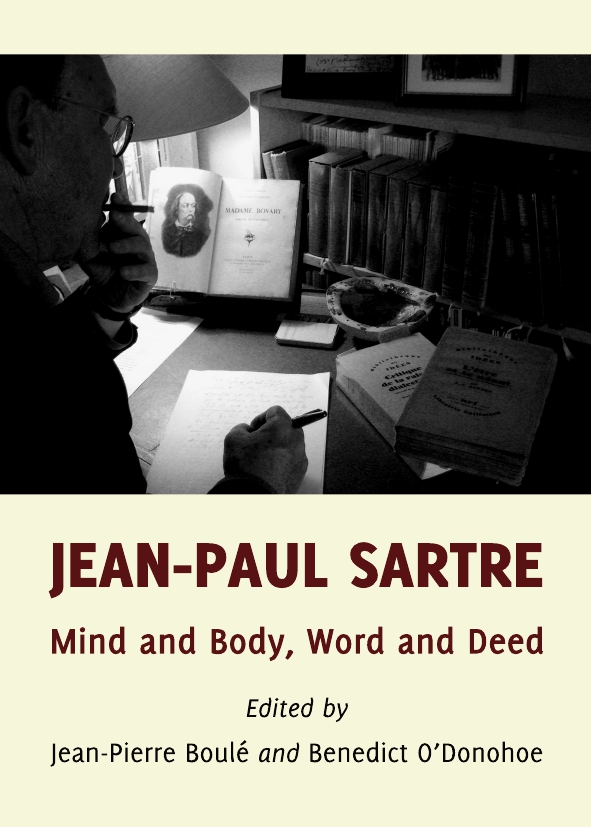
Jean-Paul Sartre
Mind and Body, Word and Deed
This book celebrates Sartre’s polyvalence with an examination of his philosophy, literature, and politics. Twelve scholars explore his thought on the body, time, and ideology, and narrate a neglected visit to Japan, making a strong case for his relevance today.
This book celebrates Sartre’s polyvalence with an examination of his philosophy, literature, and politics. Twelve scholars explore his thought on the body, time, and ideology, and narrate a neglected visit to Japan, making a strong case for his relevance today.
View more
This product has multiple variants. The options may be chosen on the product page

View more
This product has multiple variants. The options may be chosen on the product page
From £33.99
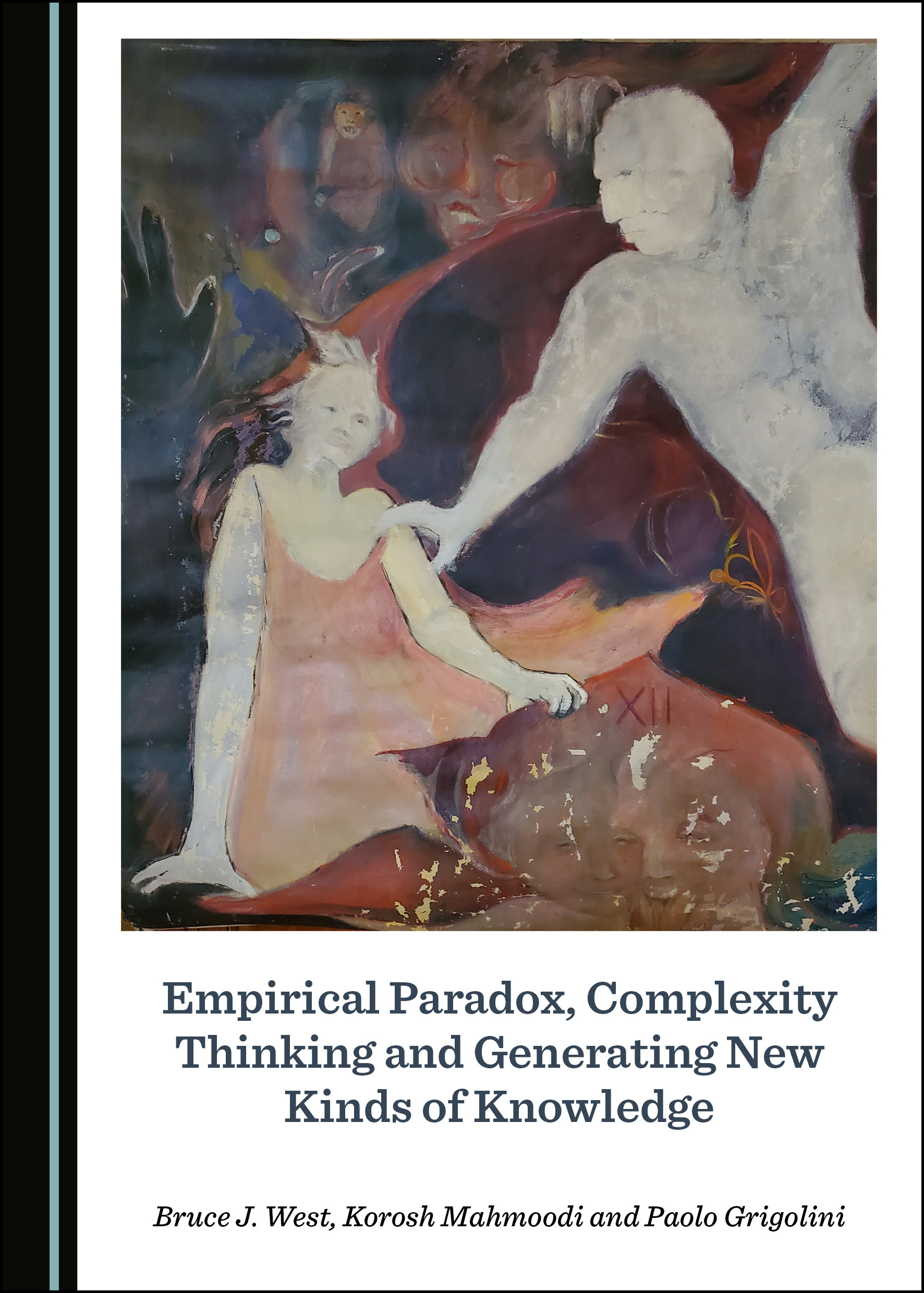
This book overcomes the traditional dichotomy between knowledge and values. Drawing on European critical rationalism from Kant to Husserl, it illustrates a new conception of knowledge, showing its value and limits for scholars and anyone interested in a new image of science.
This book overcomes the traditional dichotomy between knowledge and values. Drawing on European critical rationalism from Kant to Husserl, it illustrates a new conception of knowledge, showing its value and limits for scholars and anyone interested in a new image of science.
View more
This product has multiple variants. The options may be chosen on the product page
View more
This product has multiple variants. The options may be chosen on the product page
From £30.99
Is another world war inevitable? Yes, if we continue to think in “either/or” terms that lead to war or peace with no middle ground. This book reveals “both/and” thinking, a way to resolve paradox and find novel solutions beyond simple conflict.
Is another world war inevitable? Yes, if we continue to think in “either/or” terms that lead to war or peace with no middle ground. This book reveals “both/and” thinking, a way to resolve paradox and find novel solutions beyond simple conflict.
View more
This product has multiple variants. The options may be chosen on the product page
View more
This product has multiple variants. The options may be chosen on the product page
From £33.99
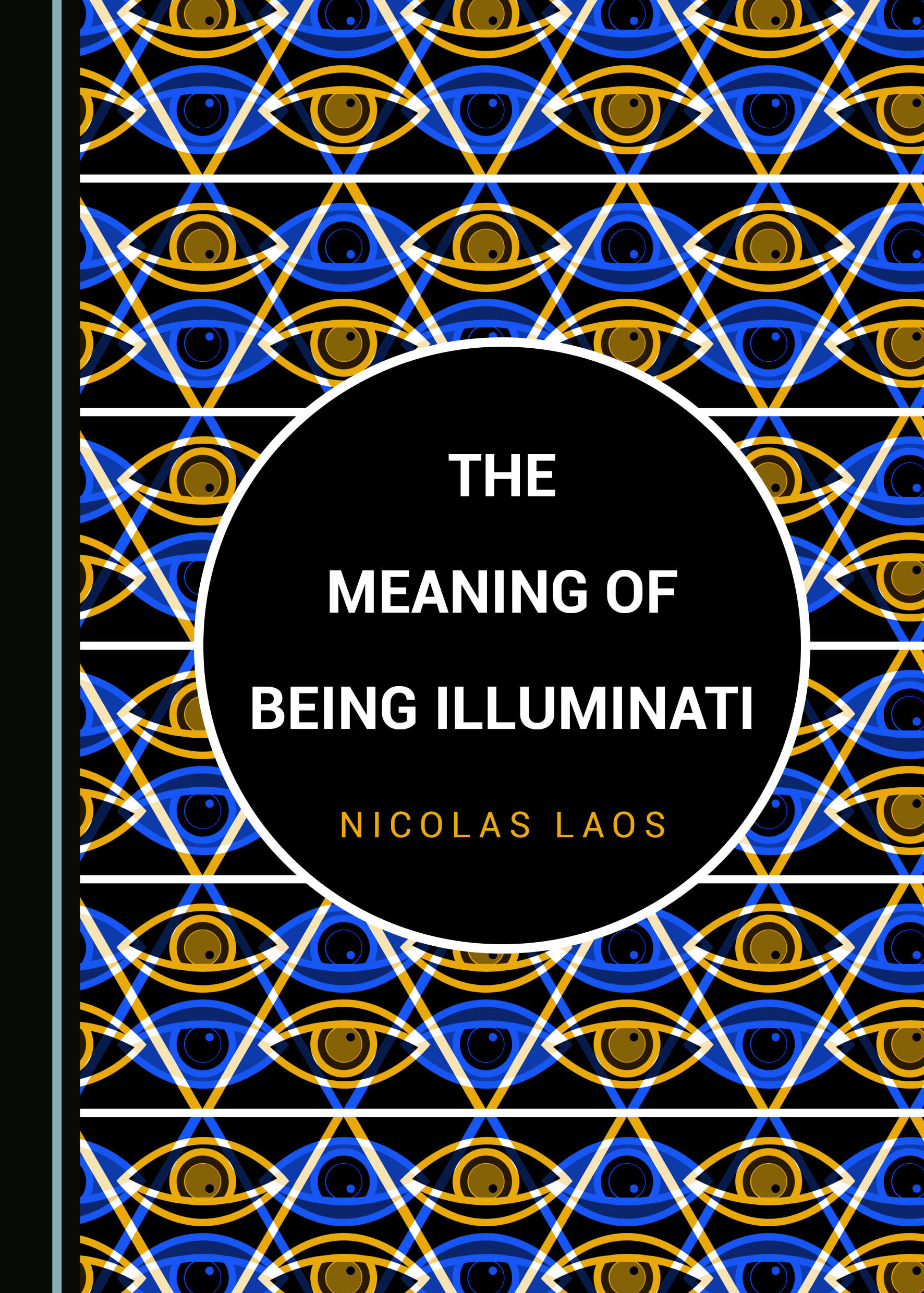
Ur-Illuminism charts humanity’s quest for its highest potential. Tracing a hidden history from Plato and the mystics to the Illuminati, it proposes a radical synthesis of esoteric metaphysics and libertarian thought as the one true bulwark against modern oppression.
Ur-Illuminism charts humanity’s quest for its highest potential. Tracing a hidden history from Plato and the mystics to the Illuminati, it proposes a radical synthesis of esoteric metaphysics and libertarian thought as the one true bulwark against modern oppression.
View more
This product has multiple variants. The options may be chosen on the product page
View more
This product has multiple variants. The options may be chosen on the product page
From £49.99
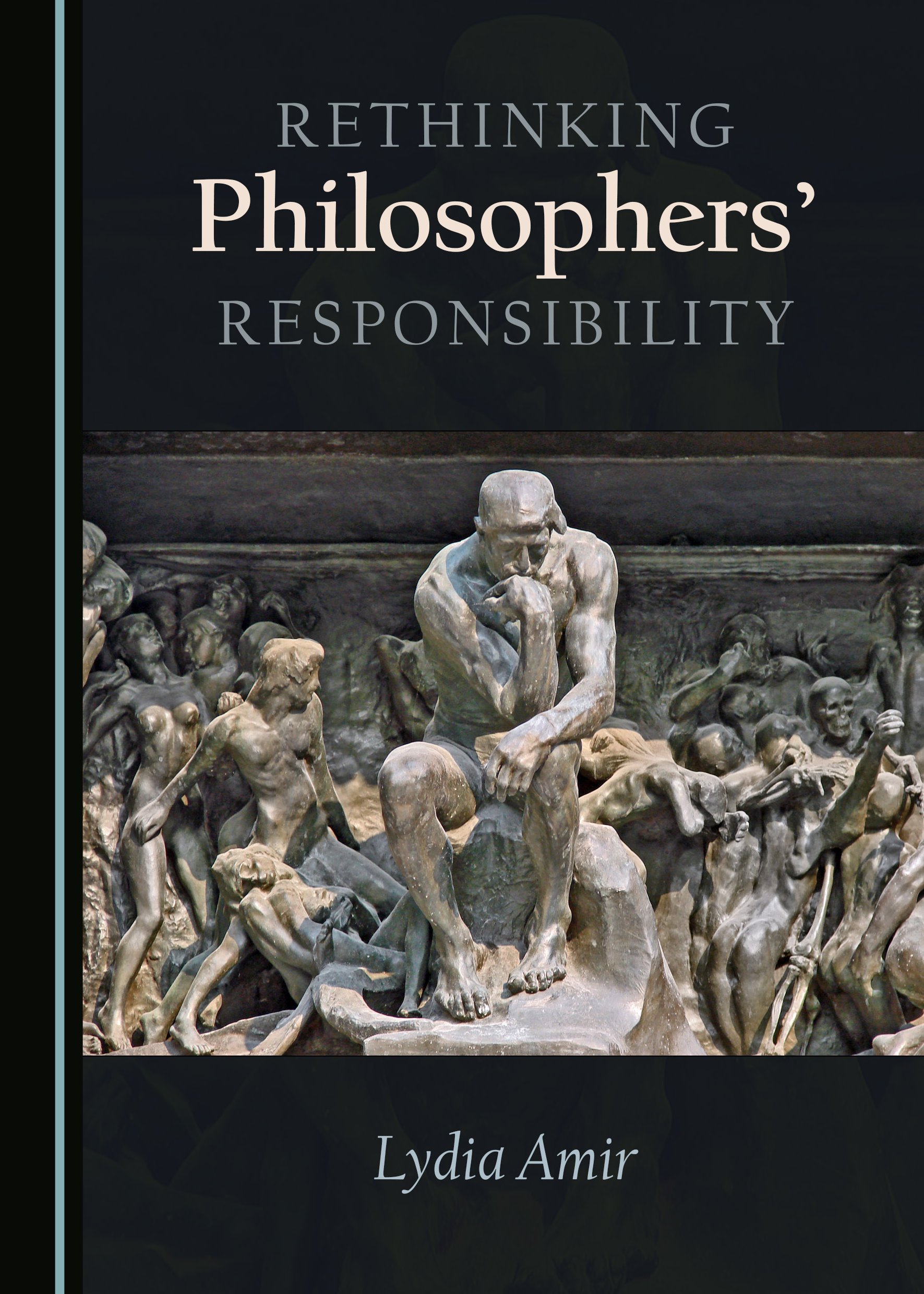
Calling on philosophers as the custodians of rationality to reconsider their responsibility toward their communities and the state of civilization at large, Amir considers philosophy to be a practical discipline.
Calling on philosophers as the custodians of rationality to reconsider their responsibility toward their communities and the state of civilization at large, Amir considers philosophy to be a practical discipline.
View more
This product has multiple variants. The options may be chosen on the product page
View more
This product has multiple variants. The options may be chosen on the product page
Nietzsche and Transhumanism
Precursor or Enemy?
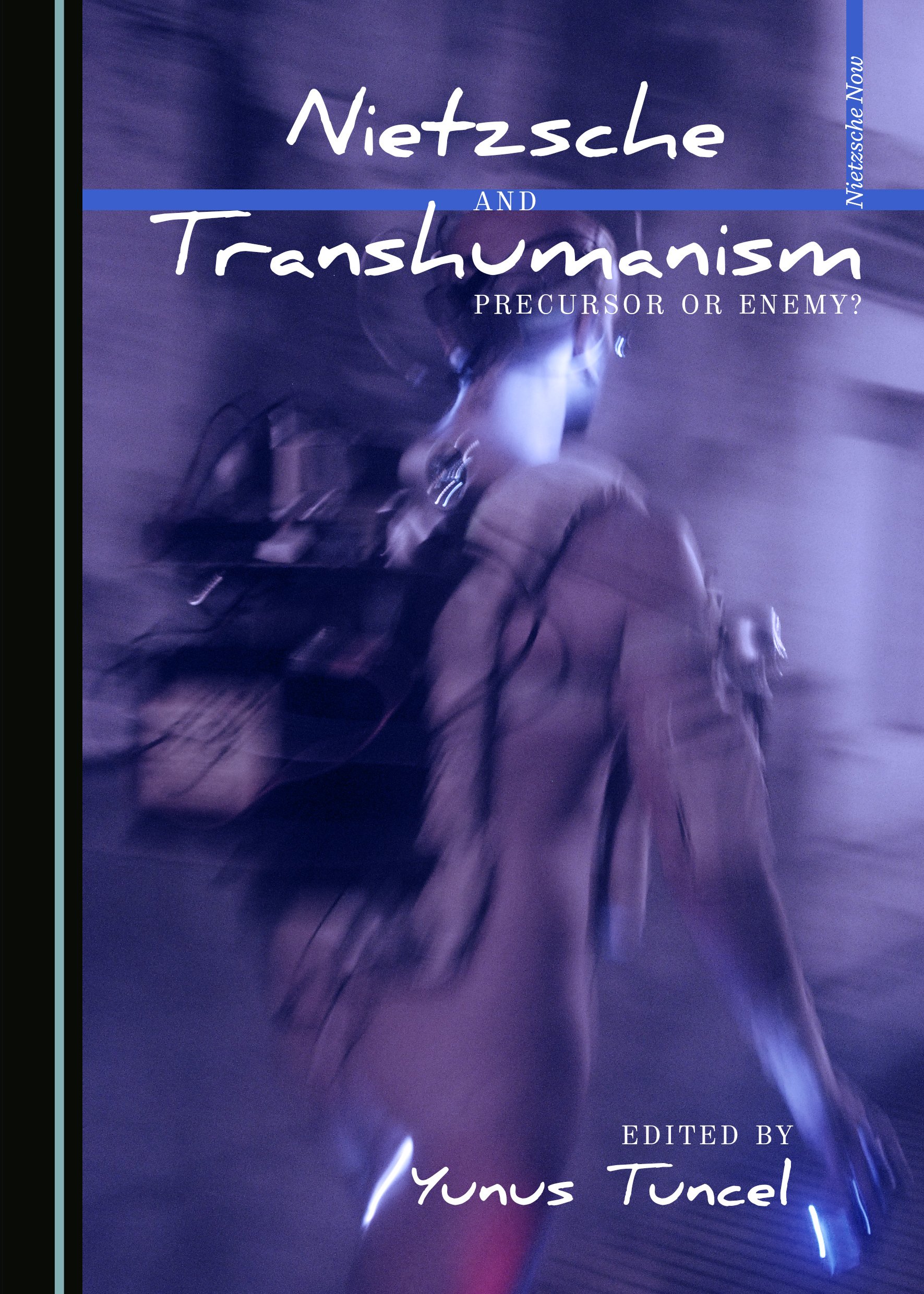
This collection deals with the question of whether or not Nietzsche can be seen as a precursor of transhumanism or not, addressing a variety of issues to show if there is a close connection between transhumanist concerns for progress and technology and Nietzsche’s ideas.
This collection deals with the question of whether or not Nietzsche can be seen as a precursor of transhumanism or not, addressing a variety of issues to show if there is a close connection between transhumanist concerns for progress and technology and Nietzsche’s ideas.
View more
This product has multiple variants. The options may be chosen on the product page

View more
This product has multiple variants. The options may be chosen on the product page
From £32.99
Human annihilation has never been so easy. AI is our most transformative revolution, yet we lack a common moral language to prevent an apocalypse. This book provides the first global bioethical analysis of AI, creating a compelling framework for our shared survival.
Human annihilation has never been so easy. AI is our most transformative revolution, yet we lack a common moral language to prevent an apocalypse. This book provides the first global bioethical analysis of AI, creating a compelling framework for our shared survival.
View more
This product has multiple variants. The options may be chosen on the product page
View more
This product has multiple variants. The options may be chosen on the product page
The Possibility of Love
An Interdisciplinary Analysis
Is love actually possible, or is it an illusion? This book explores the obstacles to love, the consequences of its absence, and our unquenchable desire for it through an interdisciplinary analysis of philosophy, psychoanalysis, and poetry.
Is love actually possible, or is it an illusion? This book explores the obstacles to love, the consequences of its absence, and our unquenchable desire for it through an interdisciplinary analysis of philosophy, psychoanalysis, and poetry.
View more
This product has multiple variants. The options may be chosen on the product page
View more
This product has multiple variants. The options may be chosen on the product page
From £16.99
This book explores the thought of pragmatist and semiotics founder Charles Sanders Peirce. Contributions by leading scholars are divided into three areas: Semiotics and the Logic of Inquiry, Abduction and Mathematics, and Peirce and the Western Tradition.
This book explores the thought of pragmatist and semiotics founder Charles Sanders Peirce. Contributions by leading scholars are divided into three areas: Semiotics and the Logic of Inquiry, Abduction and Mathematics, and Peirce and the Western Tradition.
View more
This product has multiple variants. The options may be chosen on the product page

View more
This product has multiple variants. The options may be chosen on the product page
Shadows of Being
Four Philosophical Essays
This book studies shadows as symbolic forms, connecting their meaning in philosophy and art with their role in modern science. It considers topics from Ancient Greece to contemporary virtual reality and the internet as our parallel “shadow world.”
This book studies shadows as symbolic forms, connecting their meaning in philosophy and art with their role in modern science. It considers topics from Ancient Greece to contemporary virtual reality and the internet as our parallel “shadow world.”
View more
This product has multiple variants. The options may be chosen on the product page
View more
This product has multiple variants. The options may be chosen on the product page
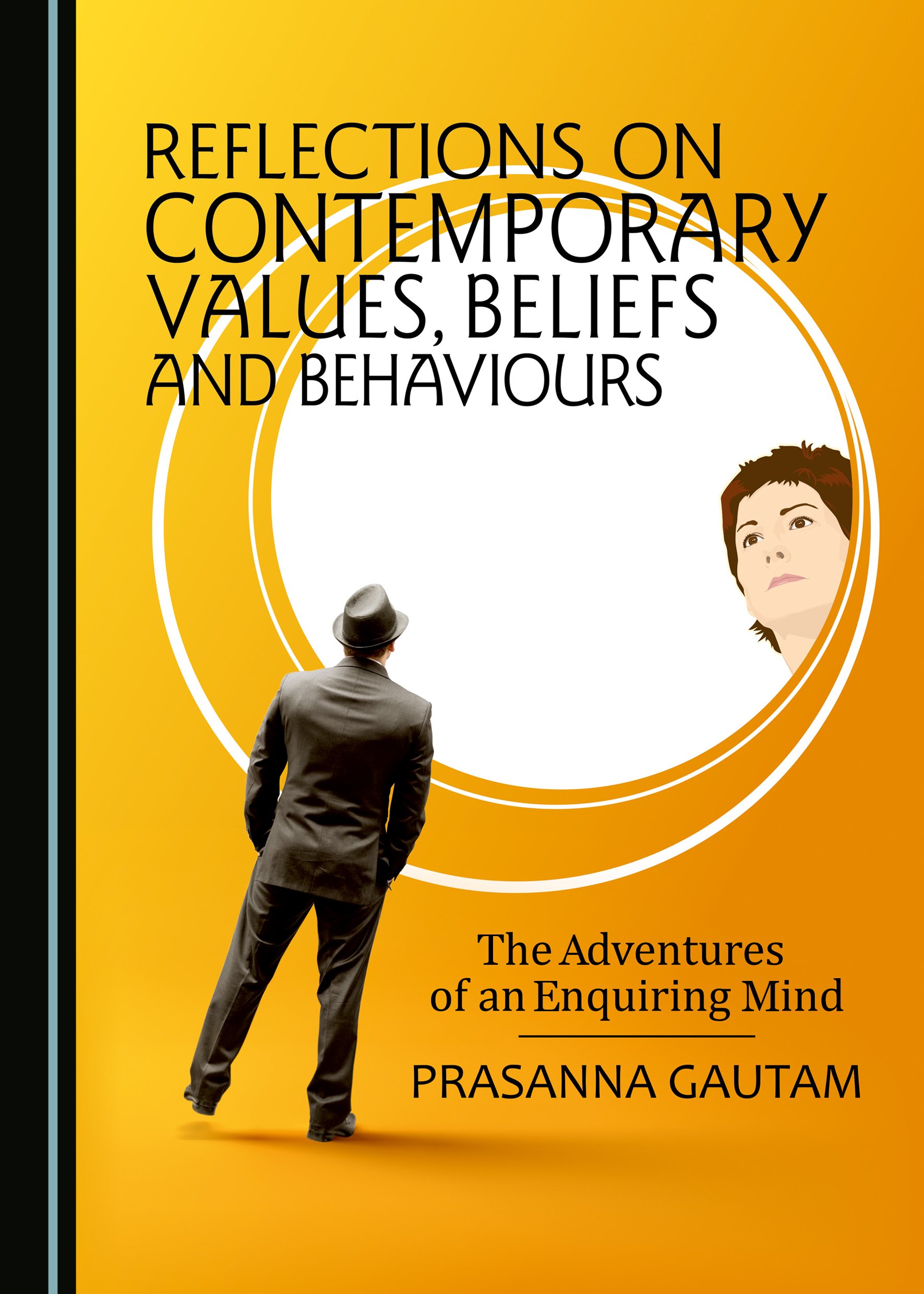
Reflections on Contemporary Values, Beliefs and Behaviours
The Adventures of an Enquiring Mind
This book presents important issues that affect us all, from sex and religion to parenting and self-confidence. Illustrated with personal anecdotes and contrasting philosophy with science, it explores why our advanced world still faces unhappiness and conflict.
This book presents important issues that affect us all, from sex and religion to parenting and self-confidence. Illustrated with personal anecdotes and contrasting philosophy with science, it explores why our advanced world still faces unhappiness and conflict.
View more
This product has multiple variants. The options may be chosen on the product page
View more
This product has multiple variants. The options may be chosen on the product page
From £29.99
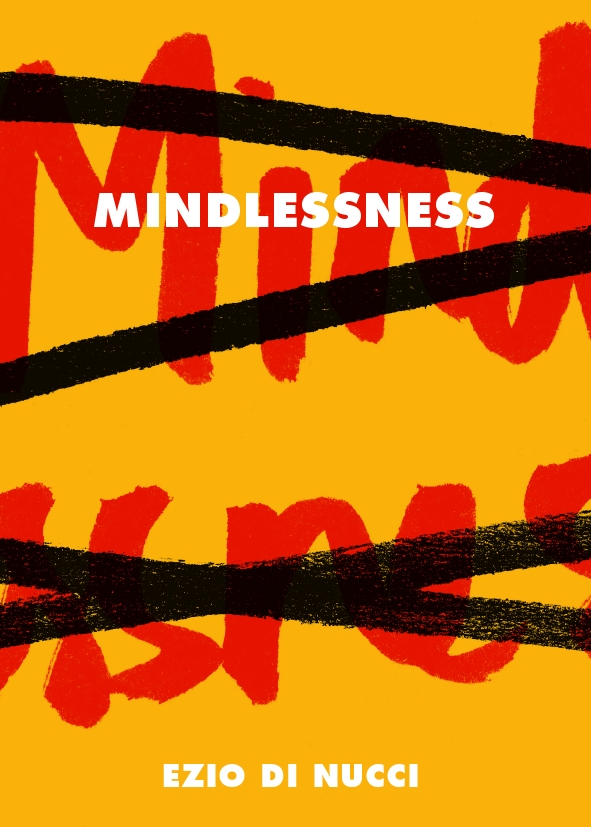
Thinking is overrated. We perform best when distracted and under pressure. This book challenges the traditional picture of human action, arguing that our habits and skills allow us to be free and fully rational even when we act mindlessly.
Thinking is overrated. We perform best when distracted and under pressure. This book challenges the traditional picture of human action, arguing that our habits and skills allow us to be free and fully rational even when we act mindlessly.
View more
This product has multiple variants. The options may be chosen on the product page
View more
This product has multiple variants. The options may be chosen on the product page
From £30.99
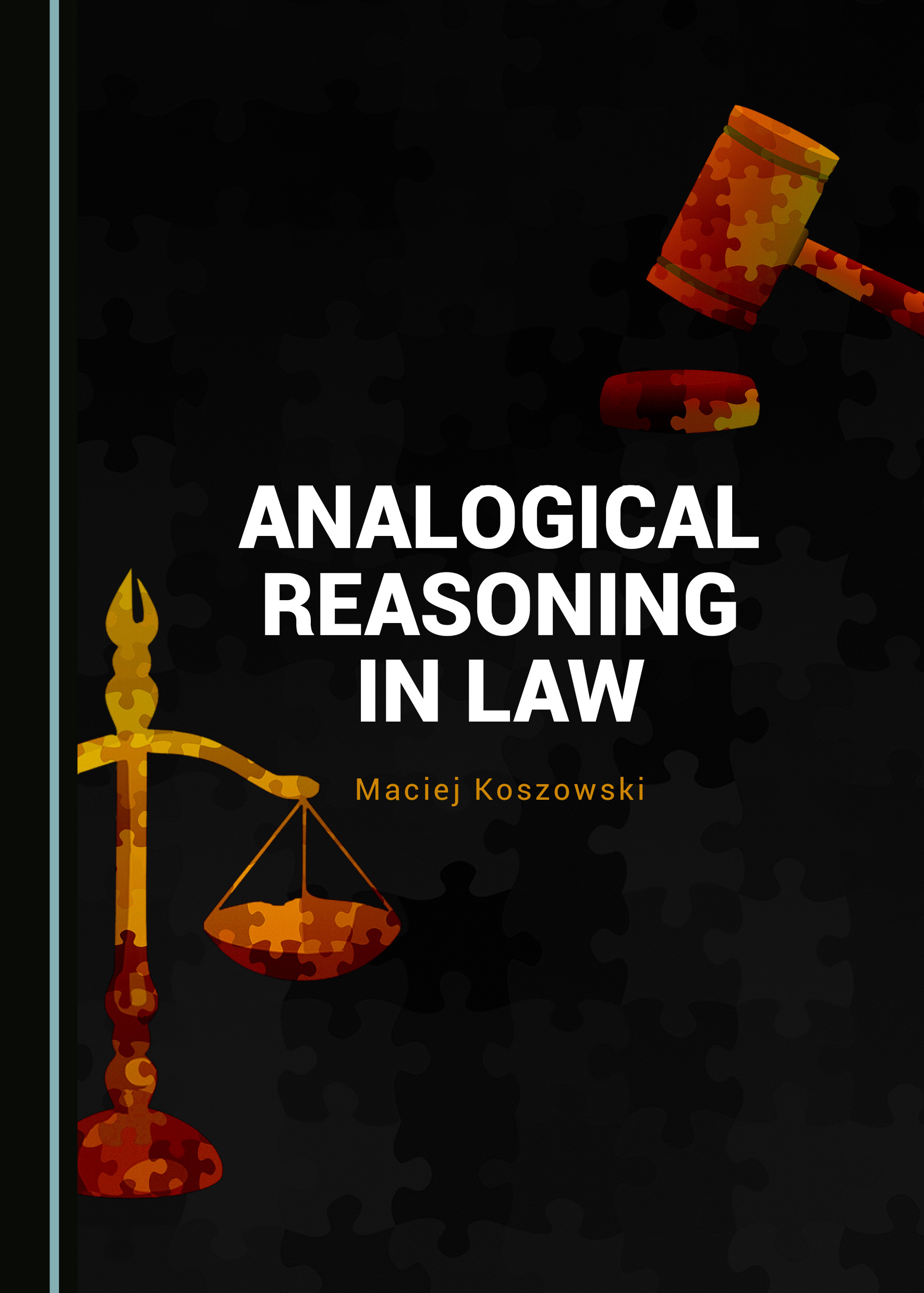
This book tackles legal analogical reasoning, critiquing traditional approaches. It advances a new account, drawing from psychology, that makes analogy's unique properties understandable and reveals the scientific basis for the almost mystical faith in its power.
This book tackles legal analogical reasoning, critiquing traditional approaches. It advances a new account, drawing from psychology, that makes analogy’s unique properties understandable and reveals the scientific basis for the almost mystical faith in its power.
View more
This product has multiple variants. The options may be chosen on the product page
Processing Your Order
Please wait while we securely process your order.
Do not refresh or leave this page.
You will be redirected shortly to a confirmation page with your order number.