
View more
This product has multiple variants. The options may be chosen on the product page
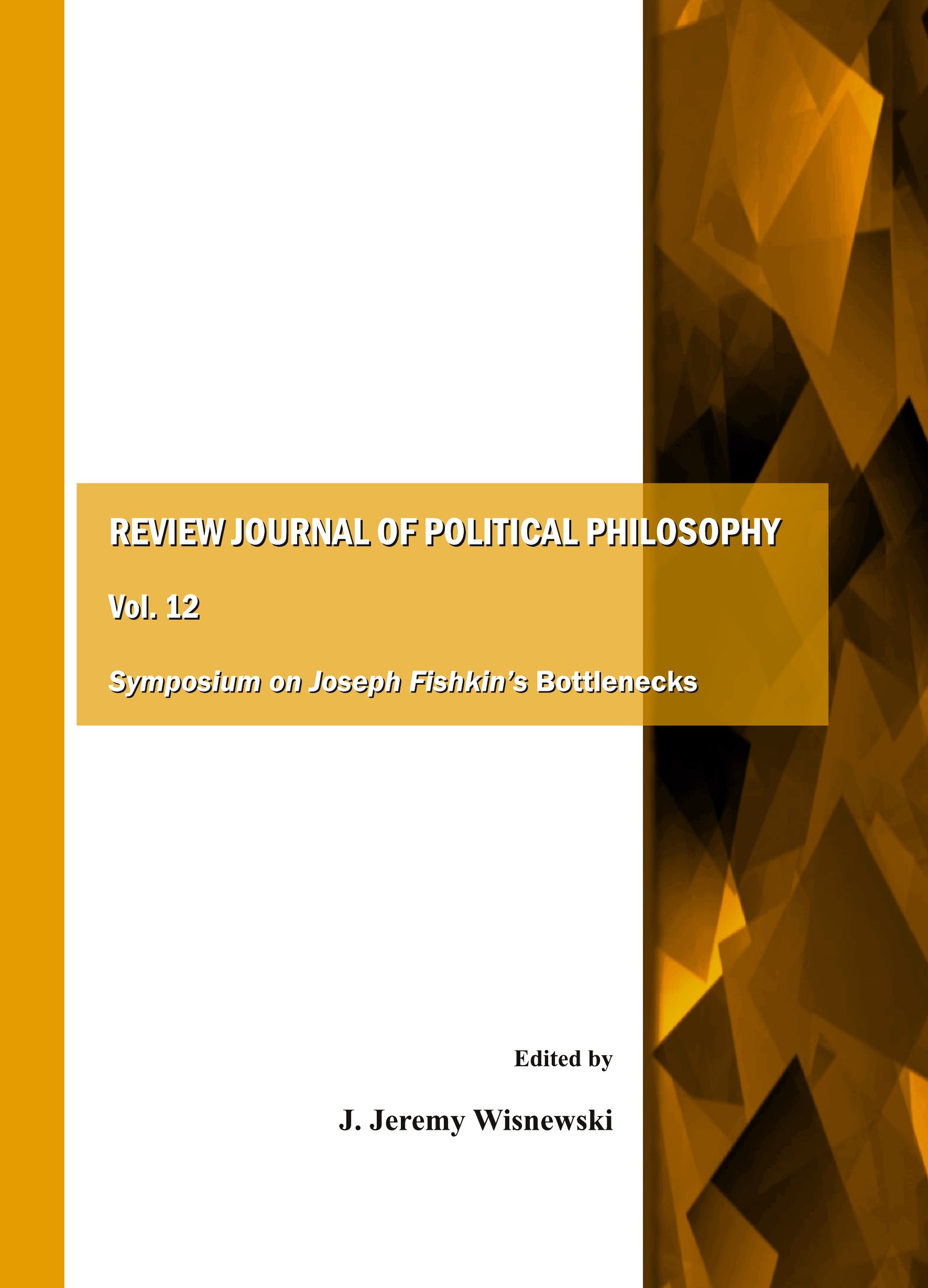
Review Journal of Political Philosophy Vol. 12
Symposium on Joseph Fishkin’s Bottlenecks
Containing articles from a Joseph Fishkin symposium on Bottlenecks, this journal brings together essays and discussions in moral and political philosophy, broadly-construed. This edition includes R.D. Emerick’s “‘Torture’ and Metaphor,” published for the first time.
Containing articles from a Joseph Fishkin symposium on Bottlenecks, this journal brings together essays and discussions in moral and political philosophy, broadly-construed. This edition includes R.D. Emerick’s “‘Torture’ and Metaphor,” published for the first time.
View more
This product has multiple variants. The options may be chosen on the product page
View more
This product has multiple variants. The options may be chosen on the product page
£19.99
This journal has been discontinued. Any issues are available to purchase separately.
View more
This product has multiple variants. The options may be chosen on the product page
View more
This product has multiple variants. The options may be chosen on the product page
£24.99
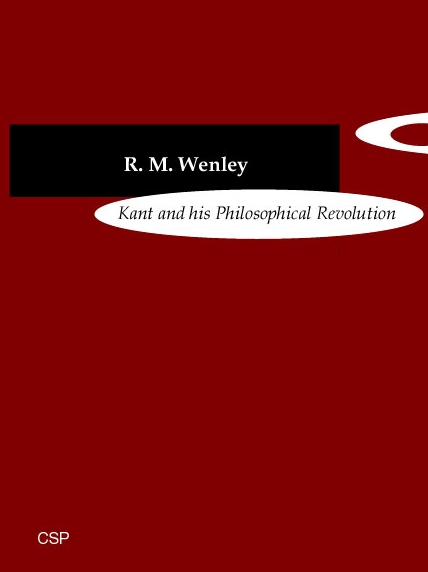
Designed for the general reader, this book explores the larger sweep of Kant’s thought. Wenley’s penetrating yet remarkably clear style makes complex ideas accessible, while its scholarly nature makes the work as useful to the Kant specialist.
Designed for the general reader, this book explores the larger sweep of Kant’s thought. Wenley’s penetrating yet remarkably clear style makes complex ideas accessible, while its scholarly nature makes the work as useful to the Kant specialist.
View more
This product has multiple variants. The options may be chosen on the product page
View more
This product has multiple variants. The options may be chosen on the product page
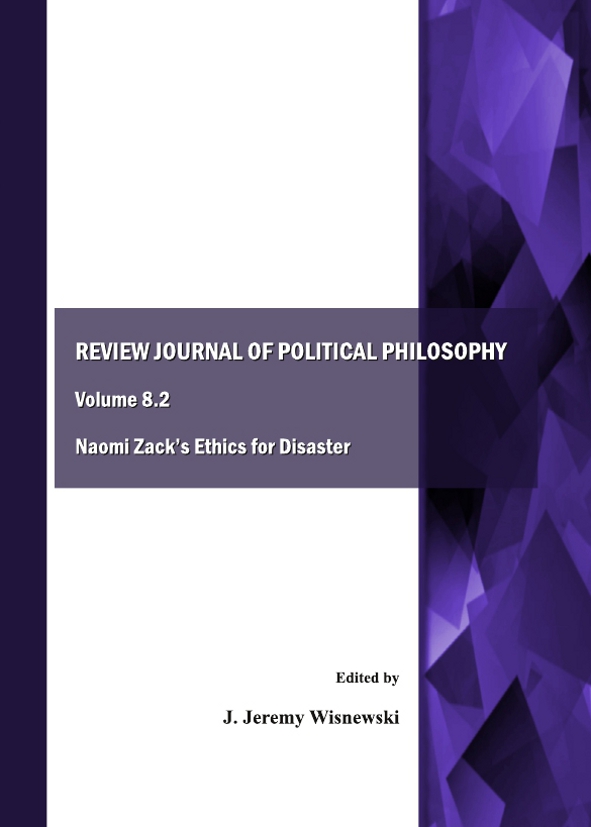
Review Journal of Political Philosophy Volume 8.2
Naomi Zack’s Ethics for Disaster
This journal has been discontinued. Any issues are available to purchase separately.
View more
This product has multiple variants. The options may be chosen on the product page

View more
This product has multiple variants. The options may be chosen on the product page
The Canopy of the Old War
On the Relationship Between Religion and Violence
Religion’s power in war is undeniable. These presentations explore the ambivalence of religion, showing how it leads to extreme enmity. But violence does not have the last word. This book demonstrates religion's function as the authentic expression of the meaning of our lives.
Religion’s power in war is undeniable. These presentations explore the ambivalence of religion, showing how it leads to extreme enmity. But violence does not have the last word. This book demonstrates religion’s function as the authentic expression of the meaning of our lives.
View more
This product has multiple variants. The options may be chosen on the product page
View more
This product has multiple variants. The options may be chosen on the product page
£19.99
This journal has been discontinued. Any issues are available to purchase separately.
View more
This product has multiple variants. The options may be chosen on the product page
View more
This product has multiple variants. The options may be chosen on the product page
£62.99
How do we respond to the big questions of our time in our daily lives? By exploring power relations and the climate crisis, this book translates the abstract into the concrete and the political into the personal. It offers conceptual beginnings for showing up differently.
How do we respond to the big questions of our time in our daily lives? By exploring power relations and the climate crisis, this book translates the abstract into the concrete and the political into the personal. It offers conceptual beginnings for showing up differently.
View more
This product has multiple variants. The options may be chosen on the product page
View more
This product has multiple variants. The options may be chosen on the product page
£19.99
Science cannot tell us life's meaning, and belief limits our freedom to learn from reality. To those who do not surrender their right to decide for themselves, life offers a unique opportunity to apply their insights and unlock the mind from its own beliefs.
Science cannot tell us life’s meaning, and belief limits our freedom to learn from reality. To those who do not surrender their right to decide for themselves, life offers a unique opportunity to apply their insights and unlock the mind from its own beliefs.
View more
This product has multiple variants. The options may be chosen on the product page
View more
This product has multiple variants. The options may be chosen on the product page
£19.99
This journal has been discontinued. Any issues are available to purchase separately.
View more
This product has multiple variants. The options may be chosen on the product page
View more
This product has multiple variants. The options may be chosen on the product page
£29.99
This journal has been discontinued. Any issues are available to purchase separately.
View more
This product has multiple variants. The options may be chosen on the product page
View more
This product has multiple variants. The options may be chosen on the product page
£19.99
This journal has been discontinued. Any issues are available to purchase separately.
View more
This product has multiple variants. The options may be chosen on the product page
View more
This product has multiple variants. The options may be chosen on the product page
Review Journal of Political Philosophy Volume 10
Georgia Warnke’s After Identity
This journal has been discontinued. Any issues are available to purchase separately.
View more
This product has multiple variants. The options may be chosen on the product page

View more
This product has multiple variants. The options may be chosen on the product page
£67.99
A. N. Whitehead was one of the 20th century's most significant thinkers. His concepts are in a perpetual state of development within contemporary scholarship. This volume probes these modern assessments across education, arts, ethics, community, medicine, psychology, and AI.
A. N. Whitehead was one of the 20th century’s most significant thinkers. His concepts are in a perpetual state of development within contemporary scholarship. This volume probes these modern assessments across education, arts, ethics, community, medicine, psychology, and AI.
View more
This product has multiple variants. The options may be chosen on the product page
View more
This product has multiple variants. The options may be chosen on the product page
£19.99
This journal has been discontinued. Any issues are available to purchase separately.
View more
This product has multiple variants. The options may be chosen on the product page
View more
This product has multiple variants. The options may be chosen on the product page
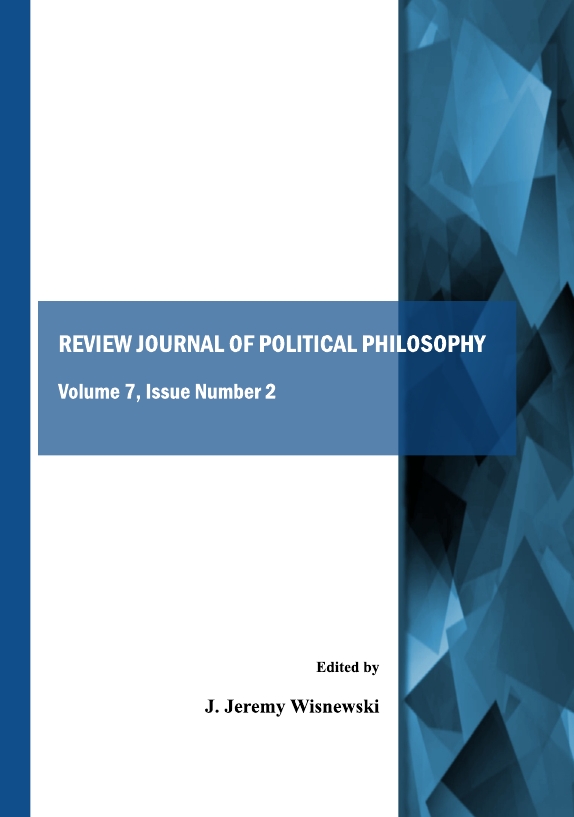
Review Journal of Political Philosophy
Volume 7, Issue Number 2
This journal has been discontinued. Any issues are available to purchase separately.
View more
This product has multiple variants. The options may be chosen on the product page
View more
This product has multiple variants. The options may be chosen on the product page
£67.99
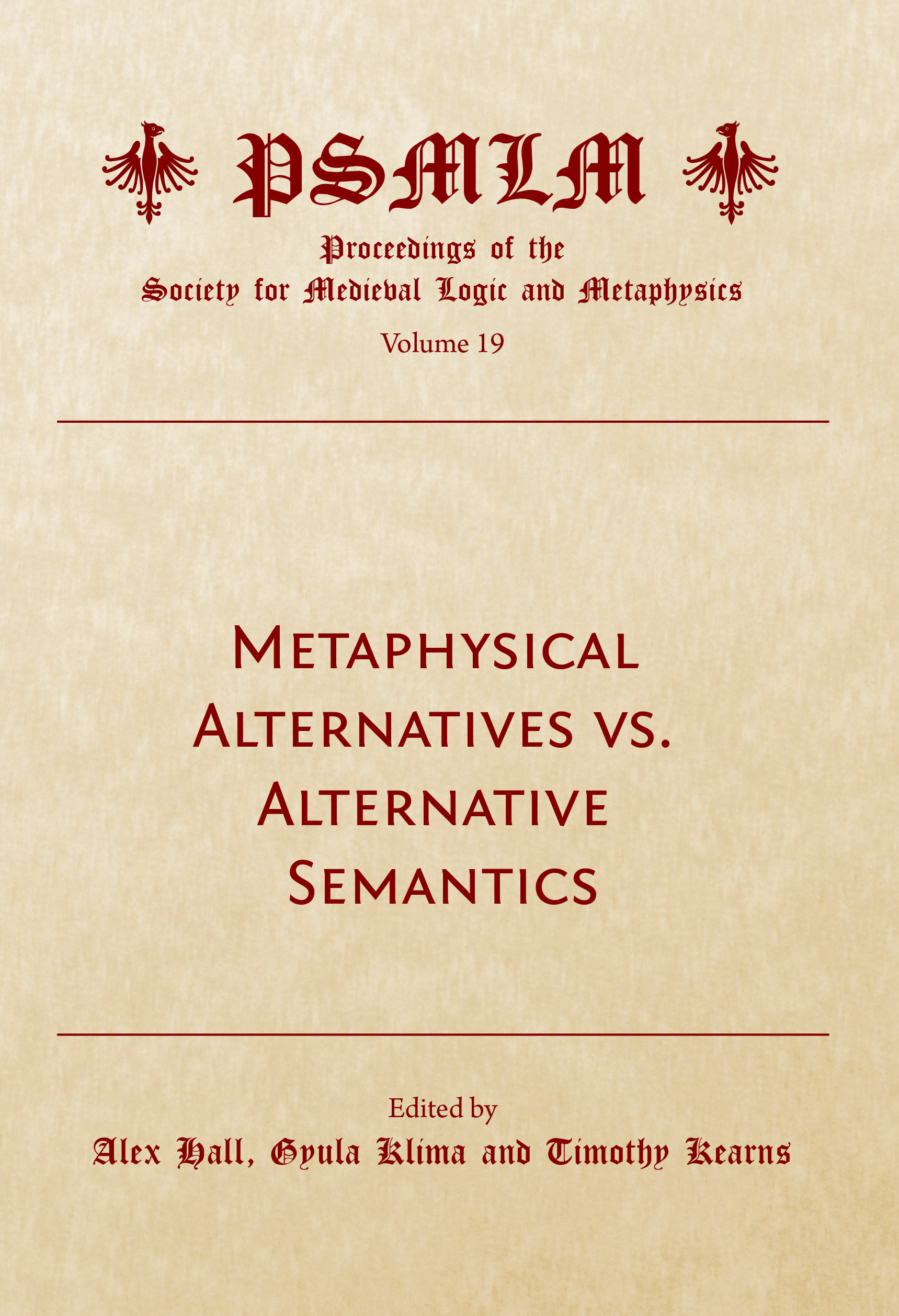
Honoring the work of Gyula Klima, this volume explores key issues in medieval logic, metaphysics, and epistemology. Contributions offer significant new insights on Ockham’s semantics, intentionality, Aquinas on genus and species, and Aristotle on demonstration.
Honoring the work of Gyula Klima, this volume explores key issues in medieval logic, metaphysics, and epistemology. Contributions offer significant new insights on Ockham’s semantics, intentionality, Aquinas on genus and species, and Aristotle on demonstration.
View more
This product has multiple variants. The options may be chosen on the product page
View more
This product has multiple variants. The options may be chosen on the product page
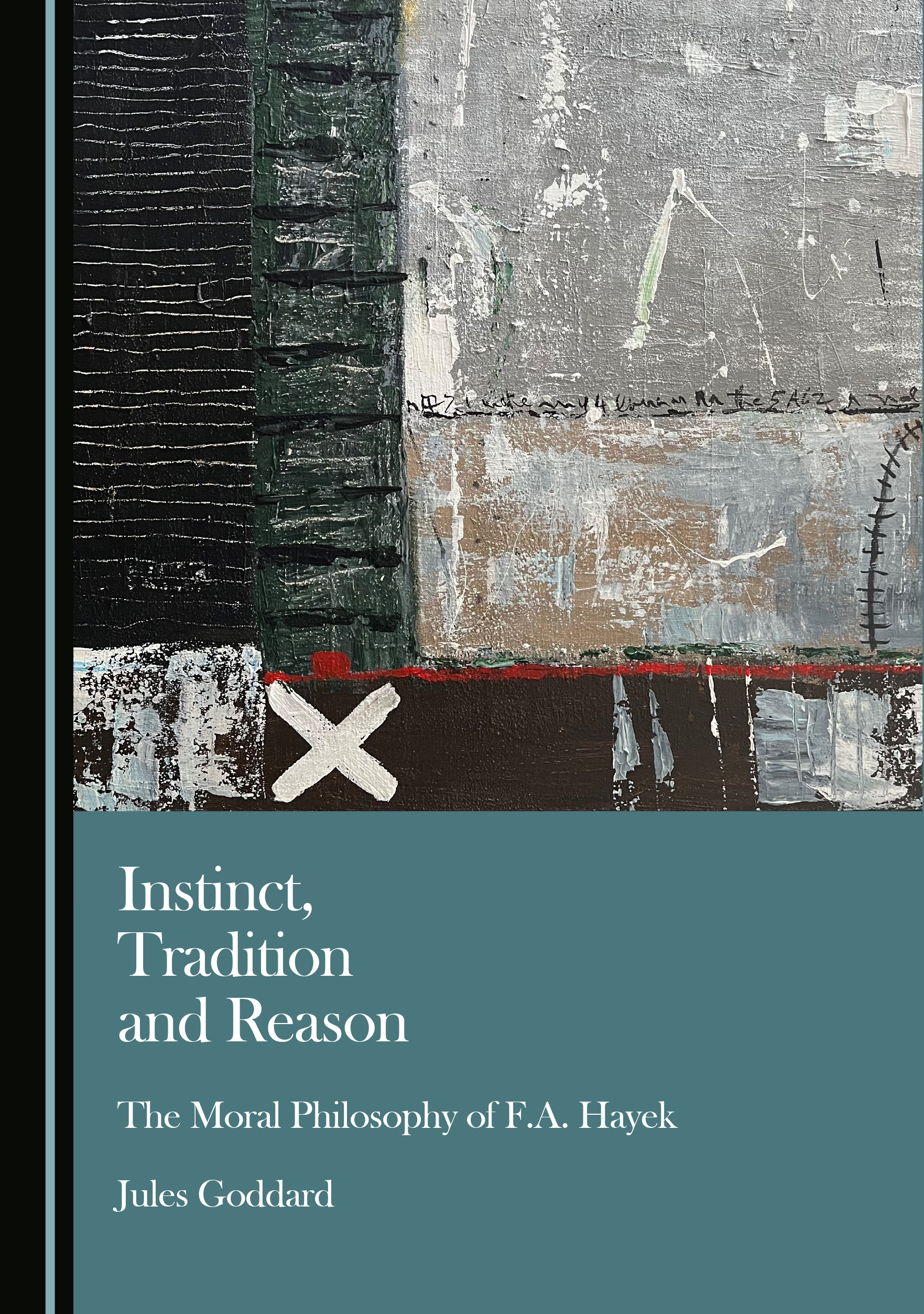
Instinct, Tradition and Reason
The Moral Philosophy of F.A. Hayek
"What has made men good is neither nature nor reason, but tradition." Building upon FA Hayek’s concepts, this timely book creates a compelling account of the moral foundations of human achievement and articulates a morality fit for the unique times in which we are living.
“What has made men good is neither nature nor reason, but tradition.”
Building upon FA Hayek’s concepts, this timely book creates a compelling account of the moral foundations of human achievement and articulates a morality fit for the unique times in which we are living.
View more
This product has multiple variants. The options may be chosen on the product page

View more
This product has multiple variants. The options may be chosen on the product page
£67.99
This book critiques the regressive and colonial character of global capitalism. It argues that coloniality permeates the contemporary architecture of power, and that commitment to a Eurocentric notion of “progress” leads to the next iteration of the capitalist/colonial order.
This book critiques the regressive and colonial character of global capitalism. It argues that coloniality permeates the contemporary architecture of power, and that commitment to a Eurocentric notion of “progress” leads to the next iteration of the capitalist/colonial order.
View more
This product has multiple variants. The options may be chosen on the product page
View more
This product has multiple variants. The options may be chosen on the product page
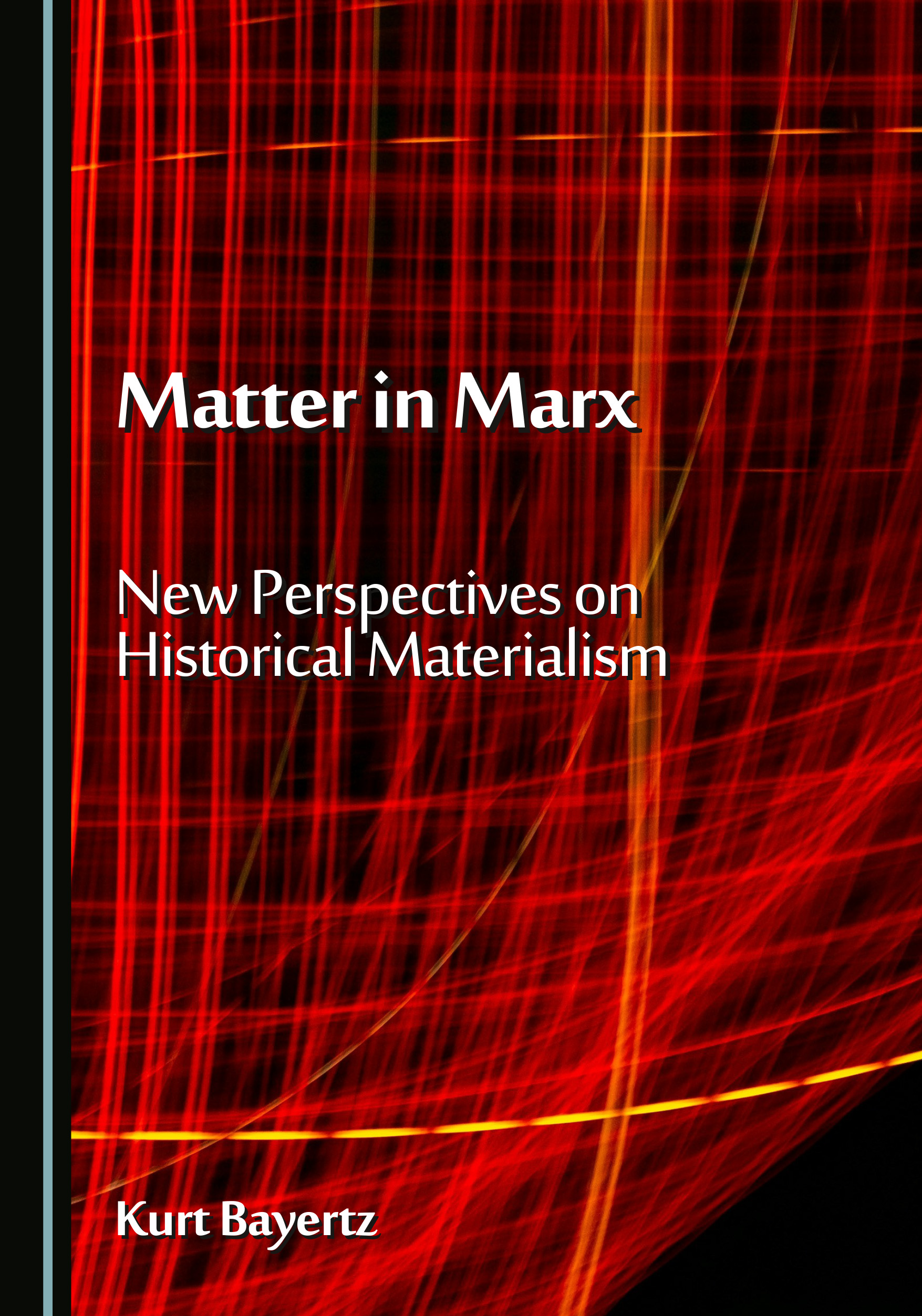
Matter in Marx
New Perspectives on Historical Materialism
Was Marx truly a “materialist”? This book argues that the more interesting question is what kind he developed. It provides a surprising answer: a materialism without matter. On this basis, new light is shed on the base-superstructure analogy, progress, and political action.
Was Marx truly a “materialist”? This book argues that the more interesting question is what kind he developed. It provides a surprising answer: a materialism without matter. On this basis, new light is shed on the base-superstructure analogy, progress, and political action.
View more
This product has multiple variants. The options may be chosen on the product page
View more
This product has multiple variants. The options may be chosen on the product page
Understanding Wittgenstein’s Authorship
Language, Thought, and Reality
What was Wittgenstein trying to do in his later work? This book argues that most scholarship fails to take his philosophical struggles seriously. His key, if inchoate, insight was that by means of language we seek not primarily to describe reality, but to transform it.
What was Wittgenstein trying to do in his later work? This book argues that most scholarship fails to take his philosophical struggles seriously. His key, if inchoate, insight was that by means of language we seek not primarily to describe reality, but to transform it.
View more
This product has multiple variants. The options may be chosen on the product page
Processing Your Order
Please wait while we securely process your order.
Do not refresh or leave this page.
You will be redirected shortly to a confirmation page with your order number.