
View more
This product has multiple variants. The options may be chosen on the product page
£49.99
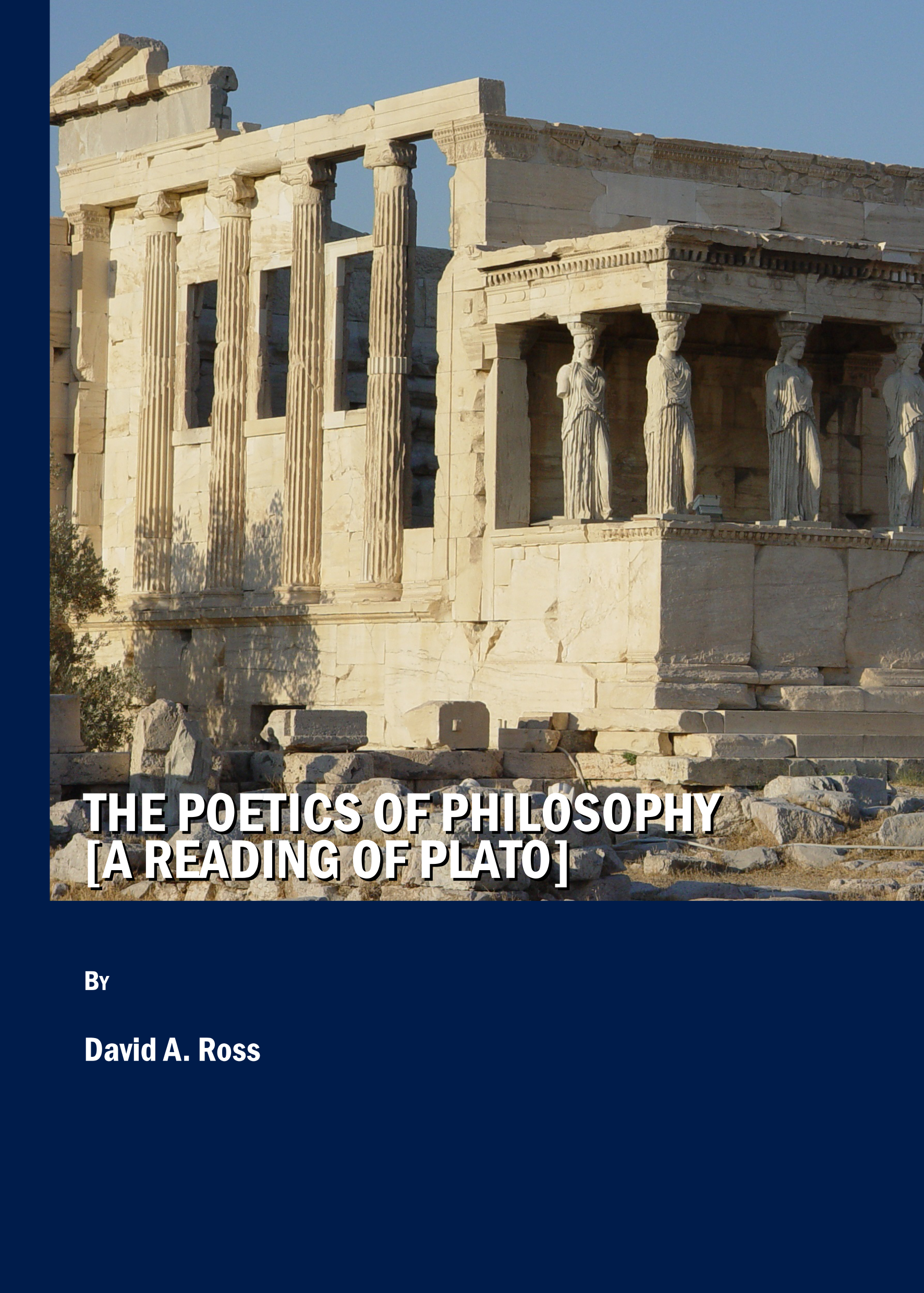
This book explores the silenced link between reason and madness. Reading Plato through Heidegger, Nietzsche, and Derrida, it forges a new logic to reclaim the human need for a meaningful life in a world that denies it.
This book explores the silenced link between reason and madness. Reading Plato through Heidegger, Nietzsche, and Derrida, it forges a new logic to reclaim the human need for a meaningful life in a world that denies it.
View more
This product has multiple variants. The options may be chosen on the product page
View more
This product has multiple variants. The options may be chosen on the product page
The Future of Post-Human Unconsciousness
A Preface to a New Theory of Anomalous Experience
Contrary to conventional wisdom, the exploration of anomalous phenomena has tremendous implications for the future of intelligent life. This book focuses on the controversial relationship between the nature of unconsciousness and anomalous experience.
Contrary to conventional wisdom, the exploration of anomalous phenomena has tremendous implications for the future of intelligent life. This book focuses on the controversial relationship between the nature of unconsciousness and anomalous experience.
View more
This product has multiple variants. The options may be chosen on the product page

View more
This product has multiple variants. The options may be chosen on the product page
From Truth and truth
Volume III—Faith is Married Reason
This book explores the complementarity between the literal and spiritual sense of what exists. Through essays on bioethics and the nature of man and woman, it reveals an incredible coherence of meaning, showing how Revelation comes to meet the trembling outreaches of reason.
This book explores the complementarity between the literal and spiritual sense of what exists. Through essays on bioethics and the nature of man and woman, it reveals an incredible coherence of meaning, showing how Revelation comes to meet the trembling outreaches of reason.
View more
This product has multiple variants. The options may be chosen on the product page
View more
This product has multiple variants. The options may be chosen on the product page
£24.99
This volume explores the emergence of physics in ancient philosophy, the concept of physical laws from the Middle Ages to the Renaissance, and the mathematization of Natural Philosophy that led to the emergence of the classical sciences.
This volume explores the emergence of physics in ancient philosophy, the concept of physical laws from the Middle Ages to the Renaissance, and the mathematization of Natural Philosophy that led to the emergence of the classical sciences.
View more
This product has multiple variants. The options may be chosen on the product page
View more
This product has multiple variants. The options may be chosen on the product page
£54.99
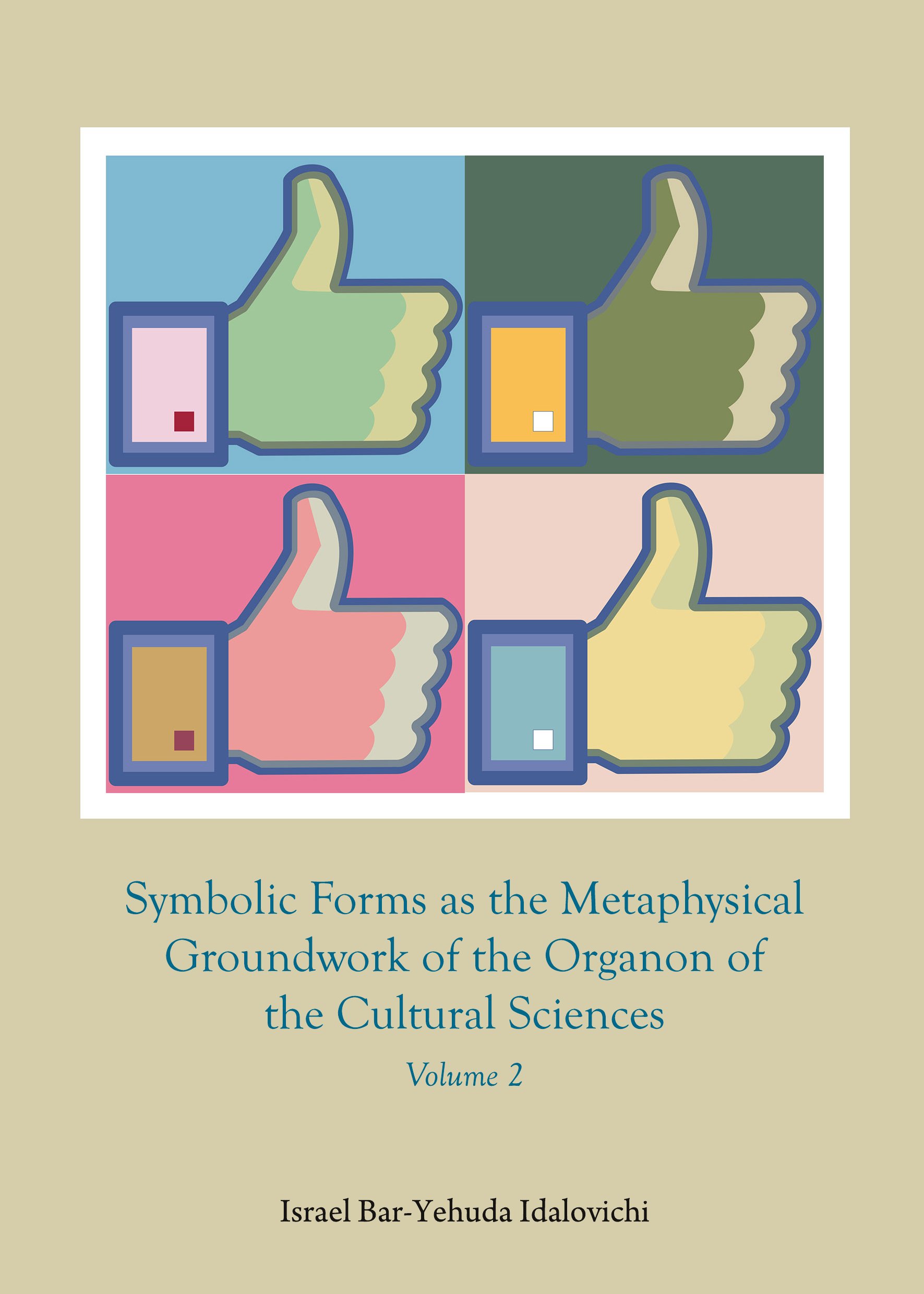
This ambitious work reclassifies the history of ideas by proposing a new organon for the cultural sciences. To comprehend our vast knowledge, the organon extracts key principles and shapes them into symbolic forms, providing a new foundation for philosophy.
This ambitious work reclassifies the history of ideas by proposing a new organon for the cultural sciences. To comprehend our vast knowledge, the organon extracts key principles and shapes them into symbolic forms, providing a new foundation for philosophy.
View more
This product has multiple variants. The options may be chosen on the product page

View more
This product has multiple variants. The options may be chosen on the product page
£24.95
This work is a brilliant analysis of German thought that played an important role in the formation of British idealism. It scrutinises the fundamental metaphysical positions of Kant, Fichte, Schelling, and Hegel, appealing even to readers of today.
This work is a brilliant analysis of German thought that played an important role in the formation of British idealism. It scrutinises the fundamental metaphysical positions of Kant, Fichte, Schelling, and Hegel, appealing even to readers of today.
View more
This product has multiple variants. The options may be chosen on the product page
View more
This product has multiple variants. The options may be chosen on the product page
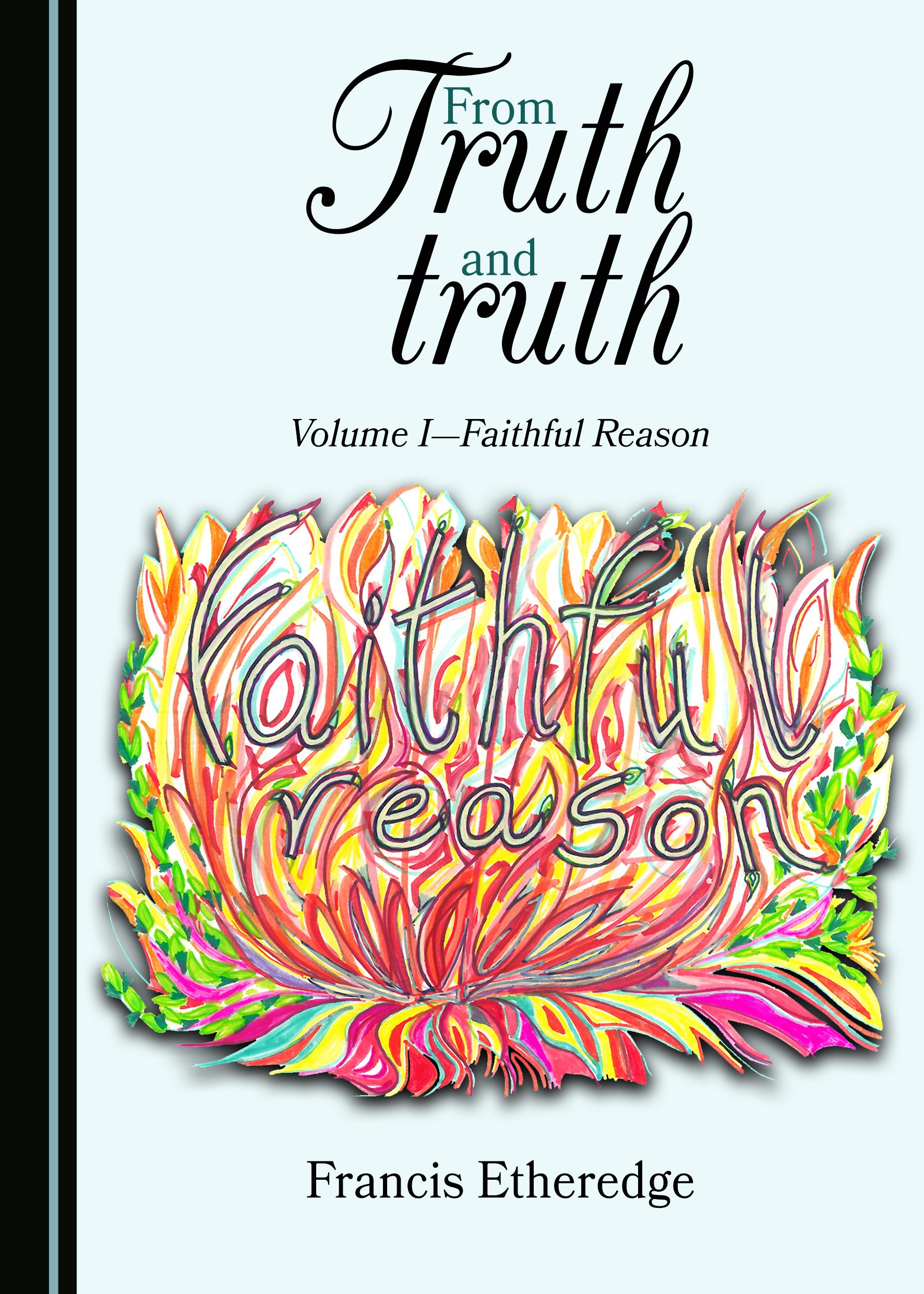
From Truth and truth
Volume I—Faithful Reason
Francis Etheredge investigates the interrelationship between reason and sense through a philosophical exploration of “being”, noting that “sense” is subtly sensitive through reason.
Francis Etheredge investigates the interrelationship between reason and sense through a philosophical exploration of “being”, noting that “sense” is subtly sensitive through reason.
View more
This product has multiple variants. The options may be chosen on the product page
View more
This product has multiple variants. The options may be chosen on the product page
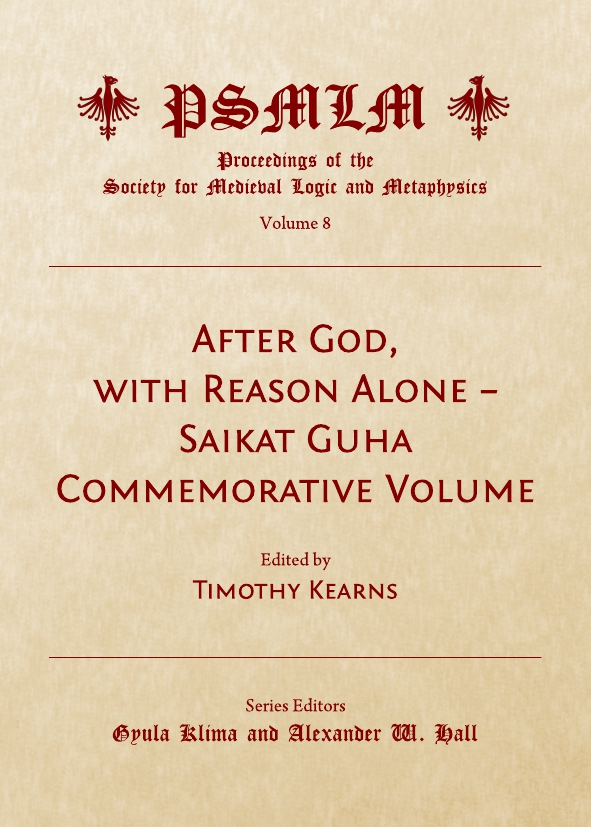
After God, with Reason Alone – Saikat Guha Commemorative Volume (Volume 8
Proceedings of the Society for Medieval Logic and Metaphysics)
Philosopher and physicist Saikat Guha was a metaphysician interested in applying rigorous logic to theology. These five papers reformulate Aquinas's arguments for God, ask if Ockham's razor requires atheism, and model the Trinity's logical consistency.
Philosopher and physicist Saikat Guha was a metaphysician interested in applying rigorous logic to theology. These five papers reformulate Aquinas’s arguments for God, ask if Ockham’s razor requires atheism, and model the Trinity’s logical consistency.
View more
This product has multiple variants. The options may be chosen on the product page
View more
This product has multiple variants. The options may be chosen on the product page
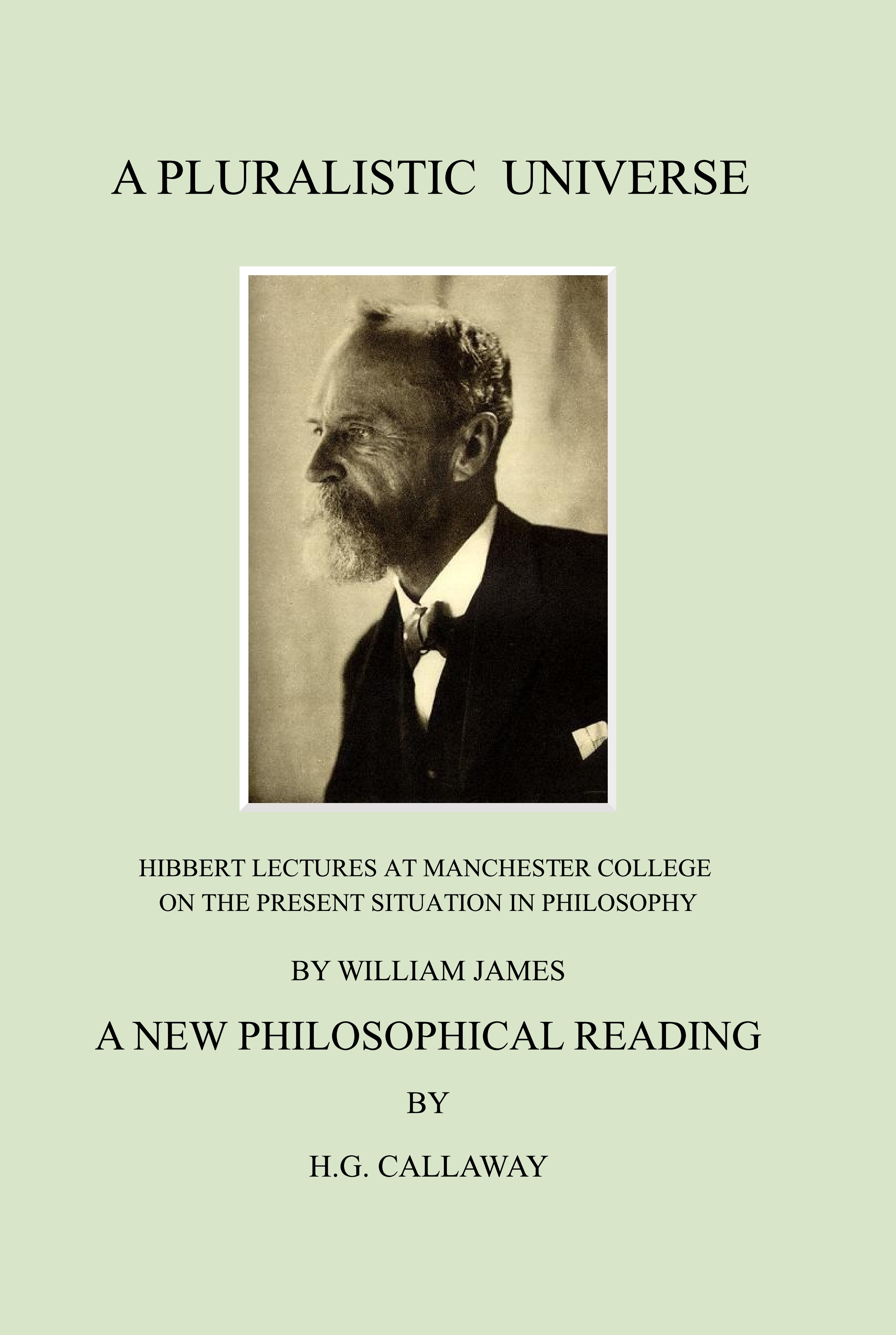
A Pluralistic Universe
Hibbert Lectures at Manchester College on the Present Situation in Philosophy, by William James; A New Philosophical Reading
This new edition of William James’s classic, A Pluralistic Universe, critiques monism and explores philosophical alternatives. Featuring a new introduction and annotations, it casts light on James's legacy and its relevance to contemporary American society.
This new edition of William James’s classic, A Pluralistic Universe, critiques monism and explores philosophical alternatives. Featuring a new introduction and annotations, it casts light on James’s legacy and its relevance to contemporary American society.
View more
This product has multiple variants. The options may be chosen on the product page

View more
This product has multiple variants. The options may be chosen on the product page
£29.99
A synthesis of symbolic logic and poetry, The Book of Change unlocks the secrets of the universe through symmetrical verse. Profound scientific and philosophical truths are simplified into images, laying out the nature of reality from physics to ethics.
A synthesis of symbolic logic and poetry, The Book of Change unlocks the secrets of the universe through symmetrical verse. Profound scientific and philosophical truths are simplified into images, laying out the nature of reality from physics to ethics.
View more
This product has multiple variants. The options may be chosen on the product page
View more
This product has multiple variants. The options may be chosen on the product page
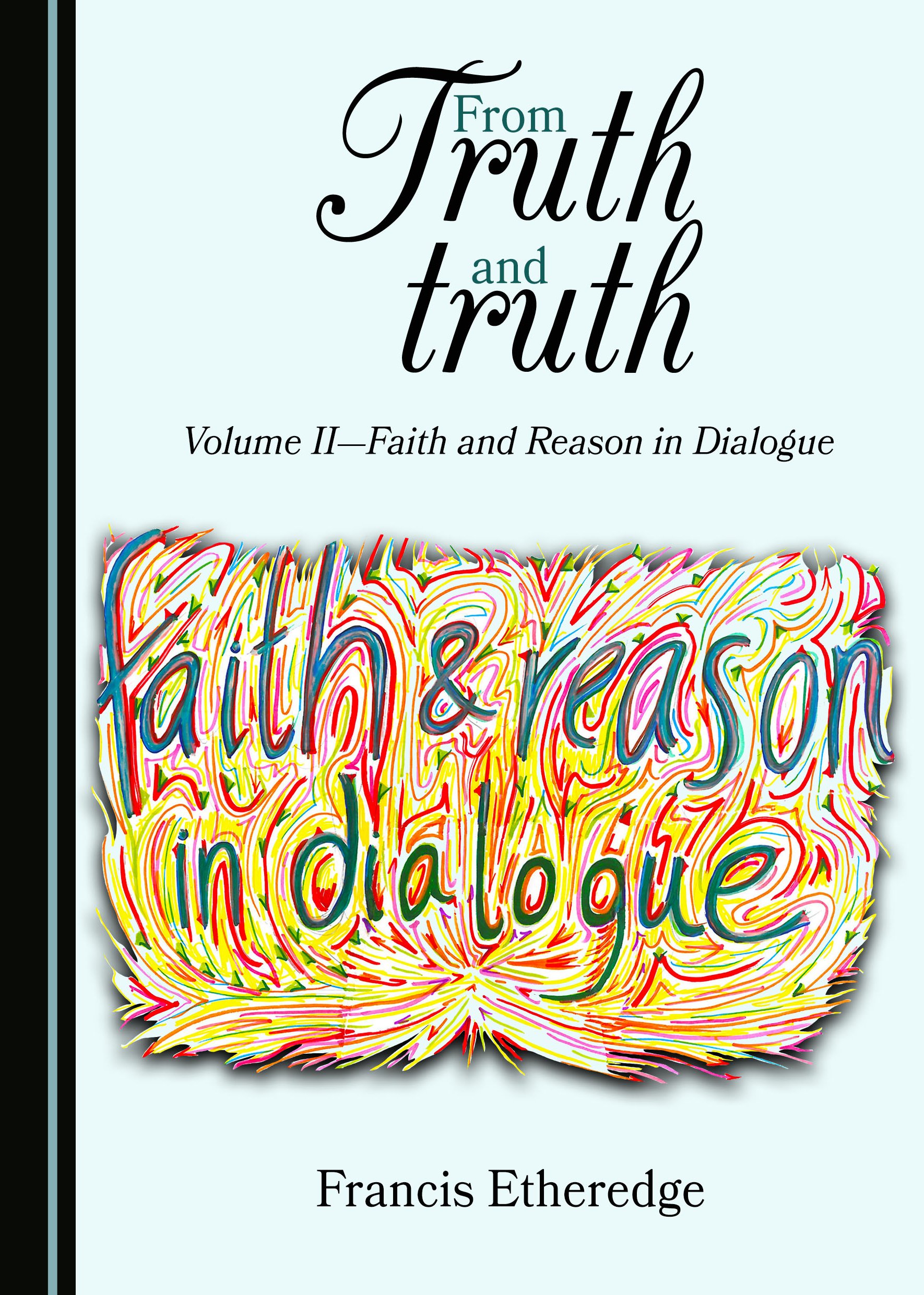
From Truth and truth
Volume II—Faith and Reason in Dialogue
Examining the answers of reason and faith to the question "What is man?", these essays explore the incomparable depth of dialogue. Given the critical situations in the world, humanity must choose the wealth of dialogue over a polarized, conflictual existence.
Examining the answers of reason and faith to the question “What is man?”, these essays explore the incomparable depth of dialogue. Given the critical situations in the world, humanity must choose the wealth of dialogue over a polarized, conflictual existence.
View more
This product has multiple variants. The options may be chosen on the product page
View more
This product has multiple variants. The options may be chosen on the product page
£24.95
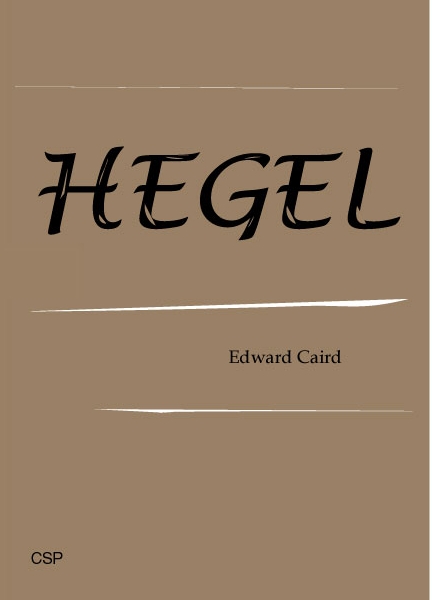
In this analysis of Hegel by fellow philosopher Edward Caird, a leading British Idealist, Caird's own imprint is clear. He lyrically takes us through Hegel's life and central philosophical concerns. An important book for scholars and enthusiasts of either thinker.
In this analysis of Hegel by fellow philosopher Edward Caird, a leading British Idealist, Caird’s own imprint is clear. He lyrically takes us through Hegel’s life and central philosophical concerns. An important book for scholars and enthusiasts of either thinker.
View more
This product has multiple variants. The options may be chosen on the product page
View more
This product has multiple variants. The options may be chosen on the product page
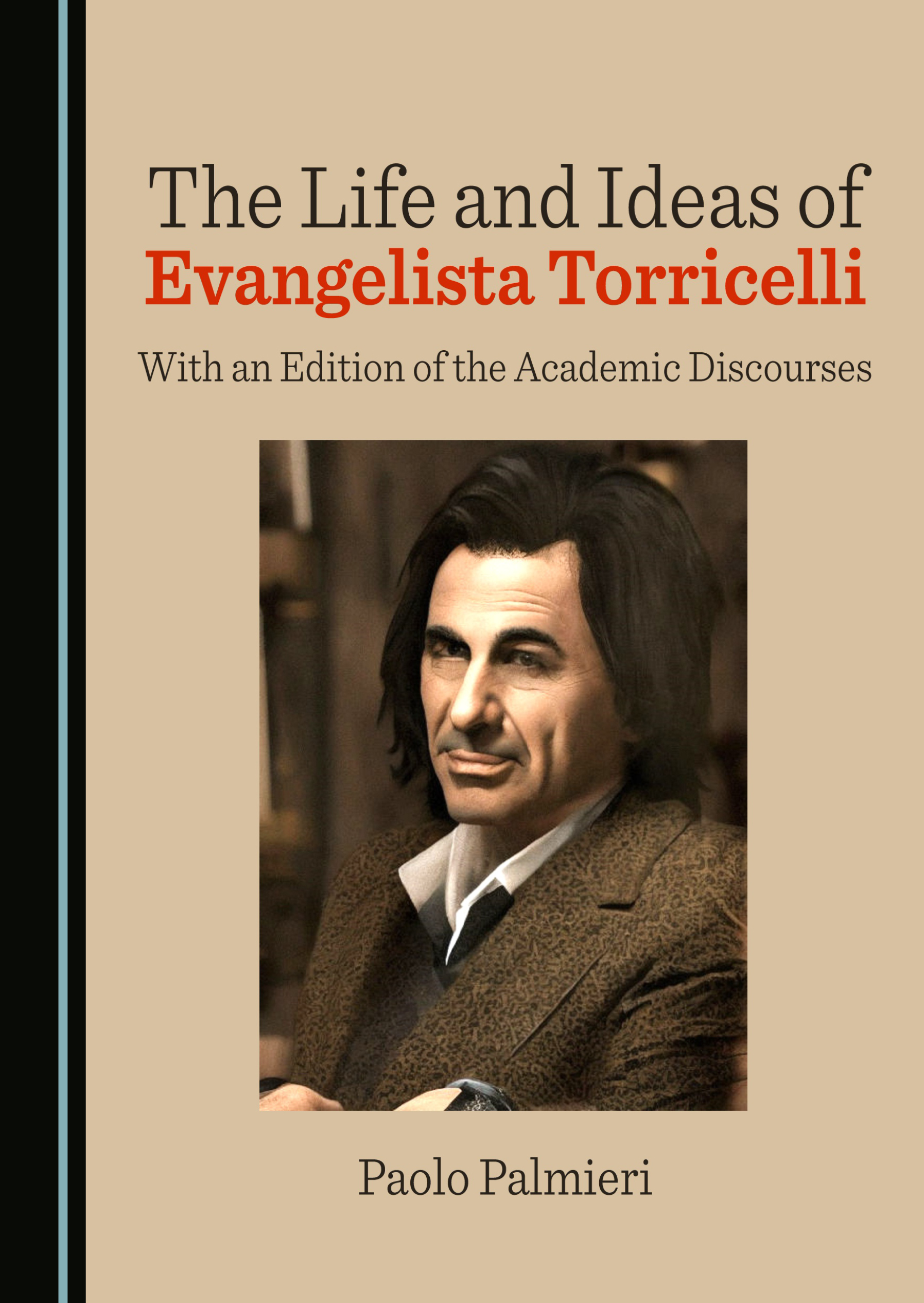
The Life and Ideas of Evangelista Torricelli
With an Edition of the Academic Discourses
Explore the life of Evangelista Torricelli, the 17th-century physicist who fused science with rhetorical elegance. This book analyzes his unique approach to science and his philosophical views, and presents the first annotated English translation of his Academic Discourses.
Explore the life of Evangelista Torricelli, the 17th-century physicist who fused science with rhetorical elegance. This book analyzes his unique approach to science and his philosophical views, and presents the first annotated English translation of his Academic Discourses.
View more
This product has multiple variants. The options may be chosen on the product page
View more
This product has multiple variants. The options may be chosen on the product page
£72.99
This book explores Confucian philosophy’s contribution to moral education. It discusses key philosophers and the path to moral development through self-cultivation, comparing Chinese and Western thought to highlight how they can complement and enrich one another on moral ethics.
This book explores Confucian philosophy’s contribution to moral education. It discusses key philosophers and the path to moral development through self-cultivation, comparing Chinese and Western thought to highlight how they can complement and enrich one another on moral ethics.
View more
This product has multiple variants. The options may be chosen on the product page
View more
This product has multiple variants. The options may be chosen on the product page
£66.99
Human values do not fall from a metaphysical sky. They originate from the human essence—a universal life force emerging from the natural process. Values arise as an existential response to the desires and essential demands of human nature, a gift to all societies.
Human values do not fall from a metaphysical sky. They originate from the human essence—a universal life force emerging from the natural process. Values arise as an existential response to the desires and essential demands of human nature, a gift to all societies.
View more
This product has multiple variants. The options may be chosen on the product page
View more
This product has multiple variants. The options may be chosen on the product page
£34.99
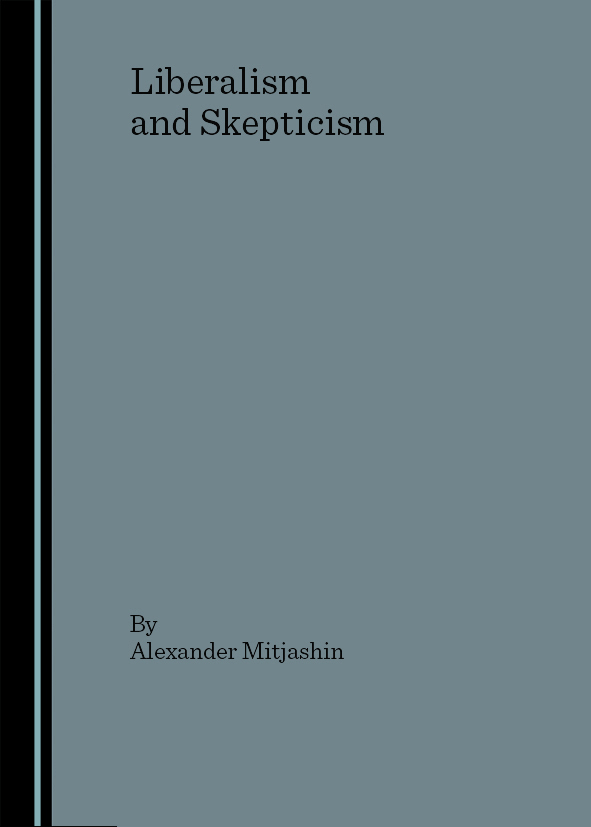
This book of political philosophy argues that libertarianism provides more efficient decision-making than any other political order. It links this idea to the theory of knowledge, revealing the connection between how we know and how we are governed.
This book of political philosophy argues that libertarianism provides more efficient decision-making than any other political order. It links this idea to the theory of knowledge, revealing the connection between how we know and how we are governed.
View more
This product has multiple variants. The options may be chosen on the product page
View more
This product has multiple variants. The options may be chosen on the product page
£39.95
As T. H. Green enjoys a revival, this book is a useful companion to his thought. It offers a simple exposition of the central themes in his work, including his metaphysics, his moral and political philosophy, and his thoughts on freedom.
As T. H. Green enjoys a revival, this book is a useful companion to his thought. It offers a simple exposition of the central themes in his work, including his metaphysics, his moral and political philosophy, and his thoughts on freedom.
View more
This product has multiple variants. The options may be chosen on the product page
View more
This product has multiple variants. The options may be chosen on the product page
£83.99
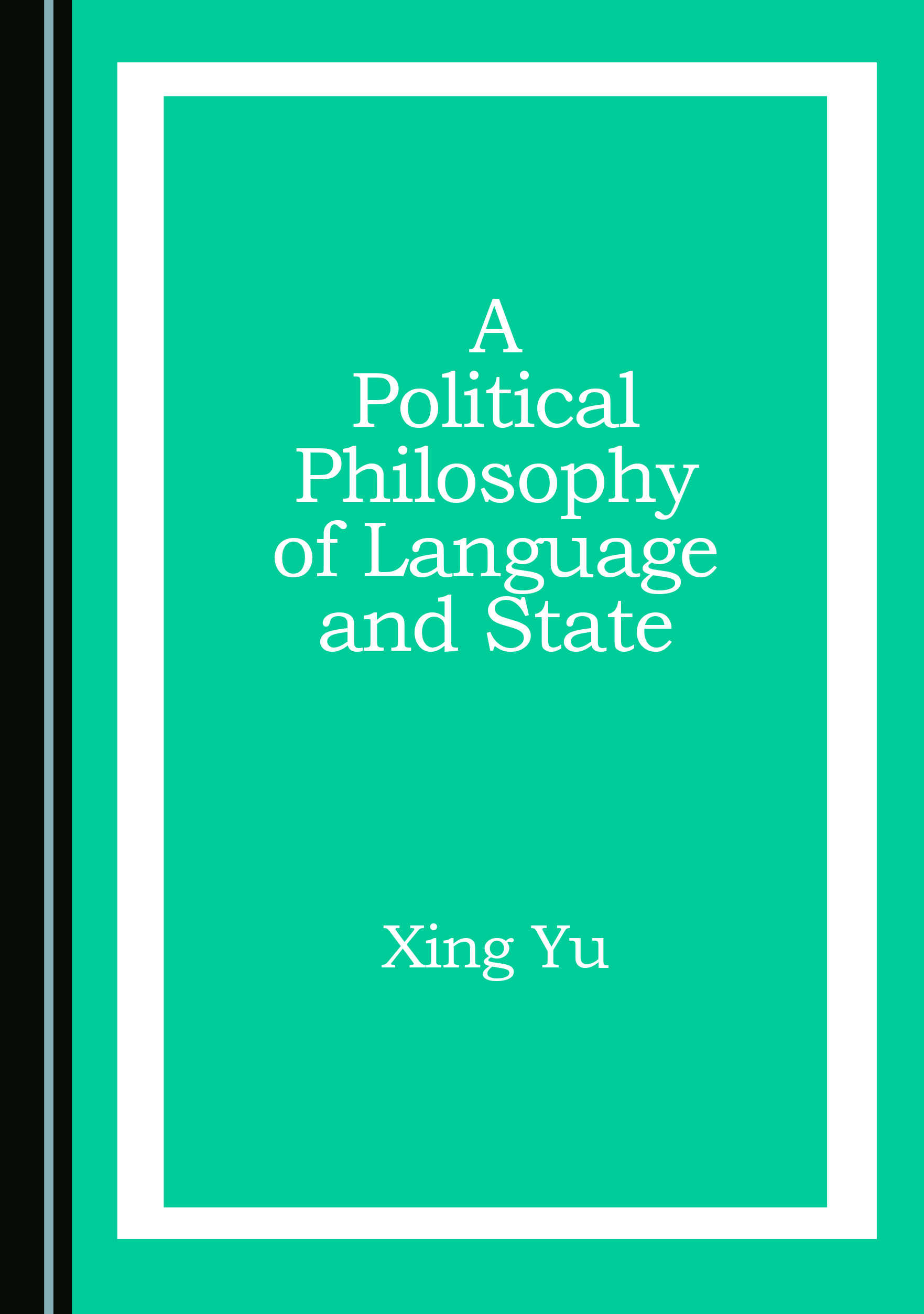
This book is a study of political philosophy arguing that language gives origin to the state. By extending the distance of communication, humans form large communities, leading to the state's formation. Language is also the key to realizing freedom, equality, peace, and justice.
This book is a study of political philosophy arguing that language gives origin to the state. By extending the distance of communication, humans form large communities, leading to the state’s formation. Language is also the key to realizing freedom, equality, peace, and justice.
View more
This product has multiple variants. The options may be chosen on the product page
View more
This product has multiple variants. The options may be chosen on the product page
£62.99
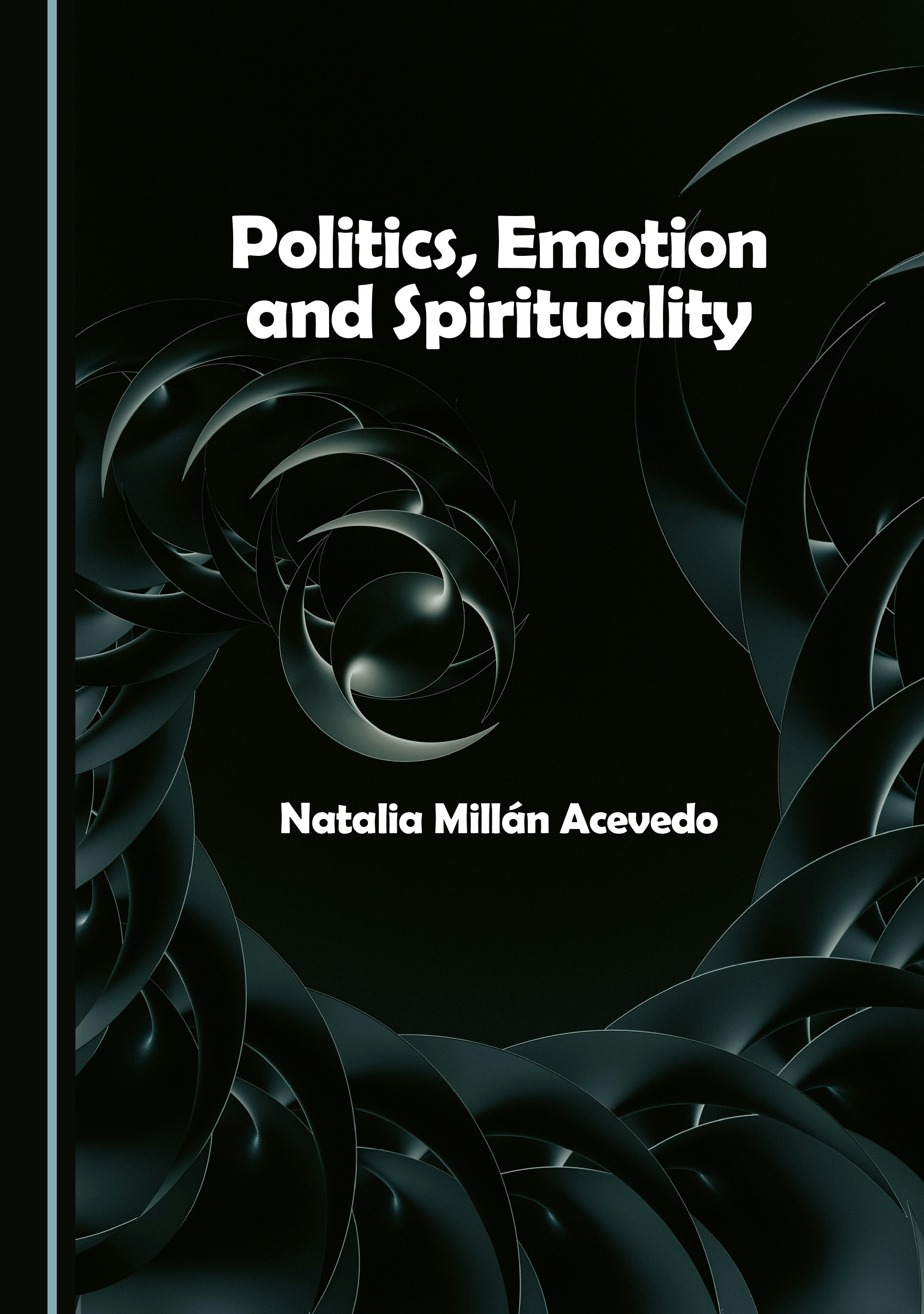
This book challenges our perspective on politics, exploring the profound connection between the political realm and our intimate, emotional lives. It reveals how our choices are intertwined with self-awareness and healing, offering a path to harmonize politics with our humanity.
This book challenges our perspective on politics, exploring the profound connection between the political realm and our intimate, emotional lives. It reveals how our choices are intertwined with self-awareness and healing, offering a path to harmonize politics with our humanity.
View more
This product has multiple variants. The options may be chosen on the product page

View more
This product has multiple variants. The options may be chosen on the product page
In Defense of Liberal-Pluralism
2nd Edition
This book challenges Kantian universalism, arguing that moral reasoning is bound by paradoxes and irreducible choices. It redefines liberal-pluralism, treating morality as guided by ‘reason without unification’ and ‘pluralism without relativism’.
This book challenges Kantian universalism, arguing that moral reasoning is bound by paradoxes and irreducible choices. It redefines liberal-pluralism, treating morality as guided by ‘reason without unification’ and ‘pluralism without relativism’.
View more
This product has multiple variants. The options may be chosen on the product page
Processing Your Order
Please wait while we securely process your order.
Do not refresh or leave this page.
You will be redirected shortly to a confirmation page with your order number.