
View more
This product has multiple variants. The options may be chosen on the product page
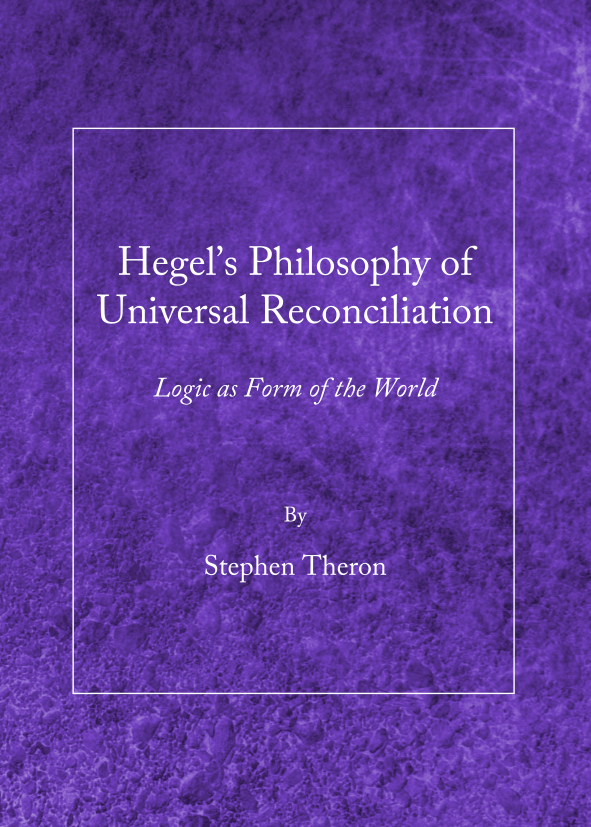
Hegel’s Philosophy of Universal Reconciliation
Logic as Form of the World
In this final volume on Hegel as theologian, we discover the reconciliation of Mind with itself as the nerve of Hegel’s thought. Subtitled “Logic as Form of the World,” this work identifies faith with rationality and man as the form of the world.
In this final volume on Hegel as theologian, we discover the reconciliation of Mind with itself as the nerve of Hegel’s thought. Subtitled “Logic as Form of the World,” this work identifies faith with rationality and man as the form of the world.
View more
This product has multiple variants. The options may be chosen on the product page
View more
This product has multiple variants. The options may be chosen on the product page
£44.99
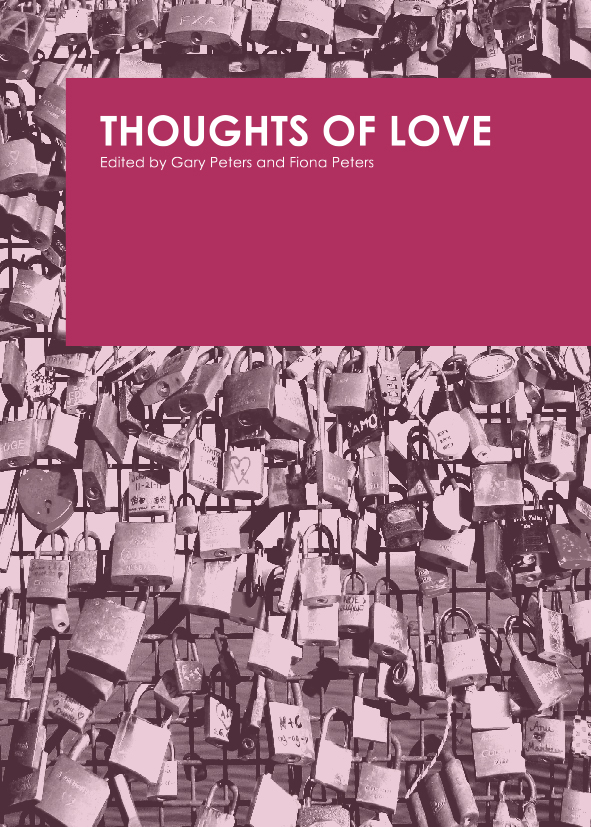
This volume addresses the serious shortage of thinking on love. Essays from international scholars explore desire, friendship, obsession, and loss, bringing a shared commitment to love in the face of its denial, for all readers who wish to think about it.
This volume addresses the serious shortage of thinking on love. Essays from international scholars explore desire, friendship, obsession, and loss, bringing a shared commitment to love in the face of its denial, for all readers who wish to think about it.
View more
This product has multiple variants. The options may be chosen on the product page

View more
This product has multiple variants. The options may be chosen on the product page
£44.99
Bernard Williams, one of the most influential philosophers of the last century, argued for refinements in our basic ideas about persons, ethics, and politics. This anthology showcases scholars continuing his reflective and skeptical tradition.
Bernard Williams, one of the most influential philosophers of the last century, argued for refinements in our basic ideas about persons, ethics, and politics. This anthology showcases scholars continuing his reflective and skeptical tradition.
View more
This product has multiple variants. The options may be chosen on the product page
View more
This product has multiple variants. The options may be chosen on the product page
£49.99
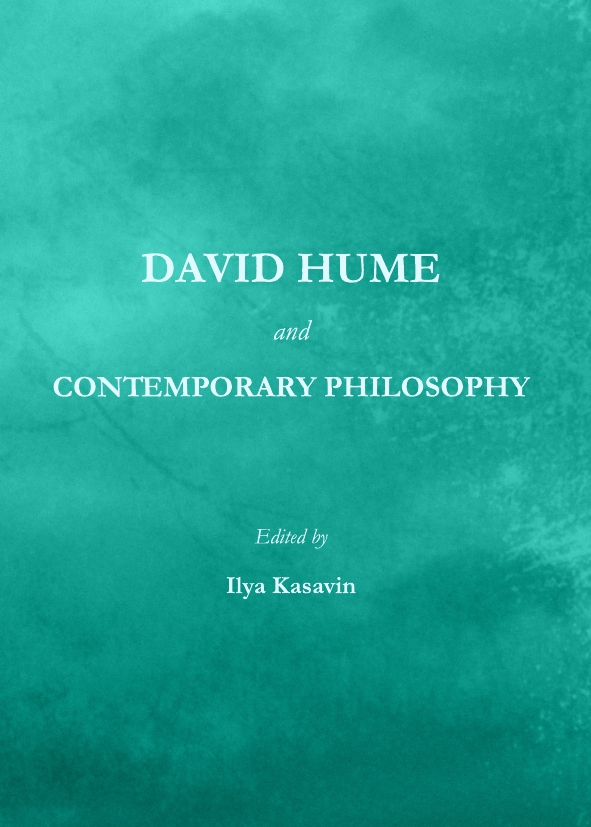
David Hume’s thought inspired major modern philosophies. This collection of essays by leading researchers demonstrates the "vivacity" of his work for contemporary debates in epistemology, philosophy of science, political theory, and ethics.
David Hume’s thought inspired major modern philosophies. This collection of essays by leading researchers demonstrates the “vivacity” of his work for contemporary debates in epistemology, philosophy of science, political theory, and ethics.
View more
This product has multiple variants. The options may be chosen on the product page
View more
This product has multiple variants. The options may be chosen on the product page
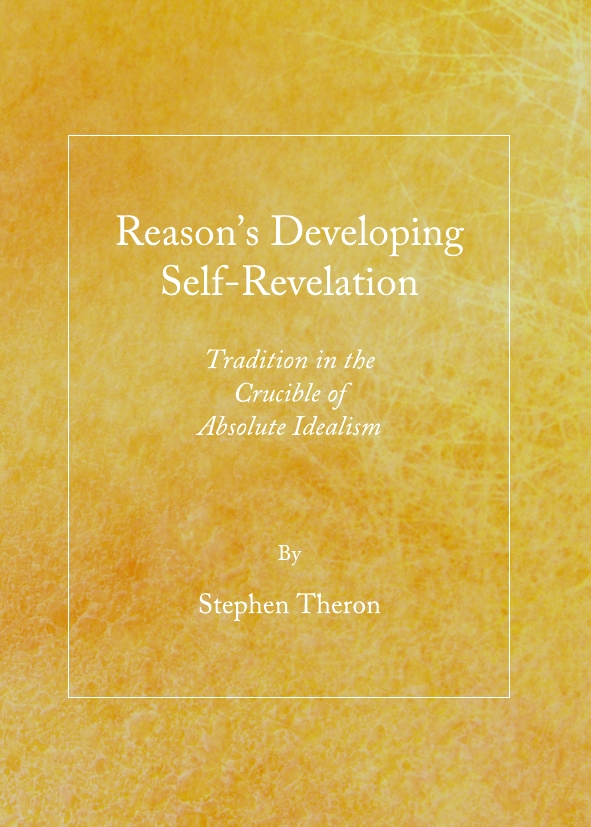
Reason’s Developing Self-Revelation
Tradition in the Crucible of Absolute Idealism
This book expounds Christianity as the unfolding of Reason’s Developing Self-Revelation. It frees orthodoxy from figurative representation, progressing through Hegelian Logic to a final question: “Christianity without (or within) God?”
This book expounds Christianity as the unfolding of Reason’s Developing Self-Revelation. It frees orthodoxy from figurative representation, progressing through Hegelian Logic to a final question: “Christianity without (or within) God?”
View more
This product has multiple variants. The options may be chosen on the product page

View more
This product has multiple variants. The options may be chosen on the product page
The Philosophy of Chemistry
Practices, Methodologies, and Concepts
This volume connects chemistry and philosophy by exploring chemical practice. Chemists and philosophers collaborate to reshape concepts, address current challenges, and foster inventiveness. Prefaced by Nobel Laureate in Chemistry, Roald Hoffmann.
This volume connects chemistry and philosophy by exploring chemical practice. Chemists and philosophers collaborate to reshape concepts, address current challenges, and foster inventiveness. Prefaced by Nobel Laureate in Chemistry, Roald Hoffmann.
View more
This product has multiple variants. The options may be chosen on the product page
View more
This product has multiple variants. The options may be chosen on the product page
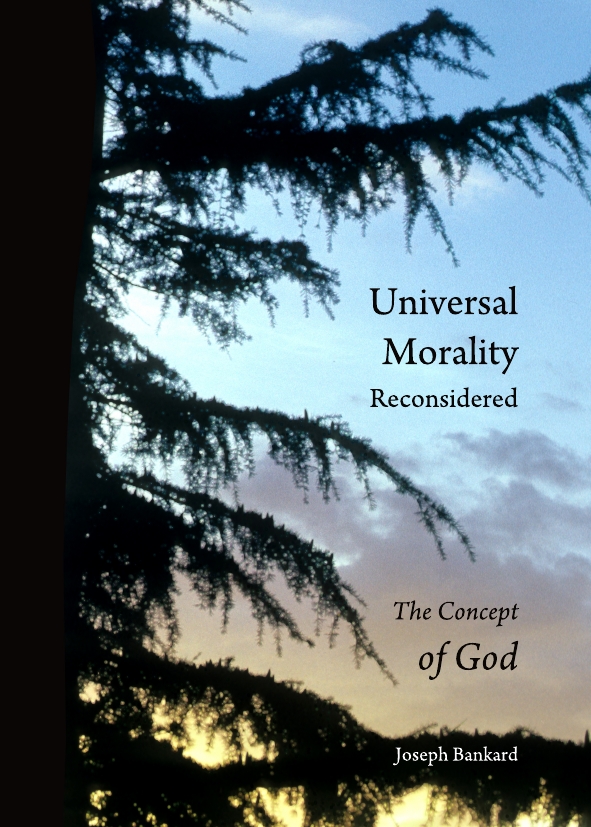
Universal Morality Reconsidered
The Concept of God
This book bridges the great divide in moral discourse. It argues that universal morality is most successful when grounded in God, and unlike other works, it successfully integrates the newest empirical research from the sciences into a theological framework.
This book bridges the great divide in moral discourse. It argues that universal morality is most successful when grounded in God, and unlike other works, it successfully integrates the newest empirical research from the sciences into a theological framework.
View more
This product has multiple variants. The options may be chosen on the product page
View more
This product has multiple variants. The options may be chosen on the product page
The Intelligible World
Metaphysical Revolution in the Genesis of Kant's Theory of Morality
Understanding Kant’s “pre-critical” philosophy is central to appreciating his three critiques. This early work is a hidden background, where his great cosmology informs the “thing-in-itself” and provides the ontological framework for his later ethics.
Understanding Kant’s “pre-critical” philosophy is central to appreciating his three critiques. This early work is a hidden background, where his great cosmology informs the “thing-in-itself” and provides the ontological framework for his later ethics.
View more
This product has multiple variants. The options may be chosen on the product page
View more
This product has multiple variants. The options may be chosen on the product page
From £29.99
Thinking is overrated. We perform best when distracted and under pressure. This book challenges the traditional picture of human action, arguing that our habits and skills allow us to be free and fully rational even when we act mindlessly.
Thinking is overrated. We perform best when distracted and under pressure. This book challenges the traditional picture of human action, arguing that our habits and skills allow us to be free and fully rational even when we act mindlessly.
View more
This product has multiple variants. The options may be chosen on the product page
View more
This product has multiple variants. The options may be chosen on the product page
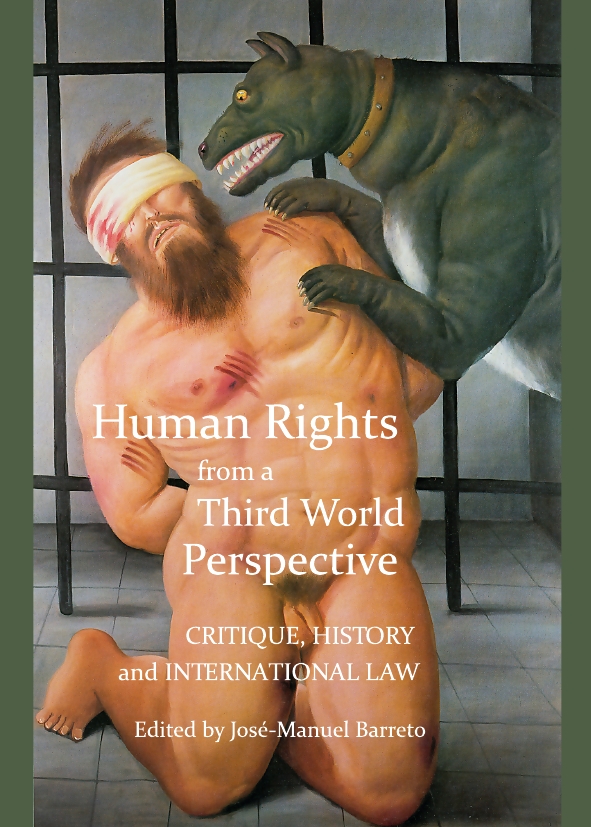
Human Rights from a Third World Perspective
Critique, History and International Law
This collection takes up the point of view of the colonized to unsettle the conventional understanding of human rights. Drawing on Decolonial Thinking and Third World approaches, it constructs a new history and theory to decolonize human rights.
This collection takes up the point of view of the colonized to unsettle the conventional understanding of human rights. Drawing on Decolonial Thinking and Third World approaches, it constructs a new history and theory to decolonize human rights.
View more
This product has multiple variants. The options may be chosen on the product page

View more
This product has multiple variants. The options may be chosen on the product page
Skepticism, Causality and Skepticism about Causality (Volume 10
Proceedings of the Society for Medieval Logic and Metaphysics)
This volume studies causality and skepticism from medieval to modern philosophy. Essays contrast Aquinas’s idea of a first mover with Hume’s account of successive events, re-evaluating the Aristotelian paradigm against modern science and Cartesian skepticism.
This volume studies causality and skepticism from medieval to modern philosophy. Essays contrast Aquinas’s idea of a first mover with Hume’s account of successive events, re-evaluating the Aristotelian paradigm against modern science and Cartesian skepticism.
View more
This product has multiple variants. The options may be chosen on the product page
View more
This product has multiple variants. The options may be chosen on the product page
Ethics and the Philosophy of Culture
Wittgensteinian Approaches
Are we to see ethics as a thread in the fabric of human culture, or does it transcend culture? Eleven Wittgenstein scholars explore how ethics is embedded in everyday speech, posing radical questions to the mainstream of philosophy.
Are we to see ethics as a thread in the fabric of human culture, or does it transcend culture? Eleven Wittgenstein scholars explore how ethics is embedded in everyday speech, posing radical questions to the mainstream of philosophy.
View more
This product has multiple variants. The options may be chosen on the product page
View more
This product has multiple variants. The options may be chosen on the product page
Applied Social Sciences
Philosophy and Theology
This volume provides original essays on philosophy and theology, exploring aesthetics, ethics, postmodernism, and the role of religion in society. Accessible to specialists and a wider public, it offers new ideas for professionals in the socio-humanistic field.
This volume provides original essays on philosophy and theology, exploring aesthetics, ethics, postmodernism, and the role of religion in society. Accessible to specialists and a wider public, it offers new ideas for professionals in the socio-humanistic field.
View more
This product has multiple variants. The options may be chosen on the product page
View more
This product has multiple variants. The options may be chosen on the product page
Revolutions
Finished and Unfinished, From Primal to Final
This work makes new contributions not only to the study of particular revolutions, but to developing a philosophy of revolution itself. Inspired by Eric Voegelin and Eugen Rosenstock-Huessy, the tension between their philosophies adds to its unique richness.
This work makes new contributions not only to the study of particular revolutions, but to developing a philosophy of revolution itself. Inspired by Eric Voegelin and Eugen Rosenstock-Huessy, the tension between their philosophies adds to its unique richness.
View more
This product has multiple variants. The options may be chosen on the product page

View more
This product has multiple variants. The options may be chosen on the product page
The Sublime Today
Contemporary Readings in the Aesthetic
How is the sublime relevant today? As new media changes aesthetic experience, this volume investigates the sublime in contemporary literature, film, and art, connecting historical theories to pressing questions of gender, politics, and terror.
How is the sublime relevant today? As new media changes aesthetic experience, this volume investigates the sublime in contemporary literature, film, and art, connecting historical theories to pressing questions of gender, politics, and terror.
View more
This product has multiple variants. The options may be chosen on the product page
View more
This product has multiple variants. The options may be chosen on the product page
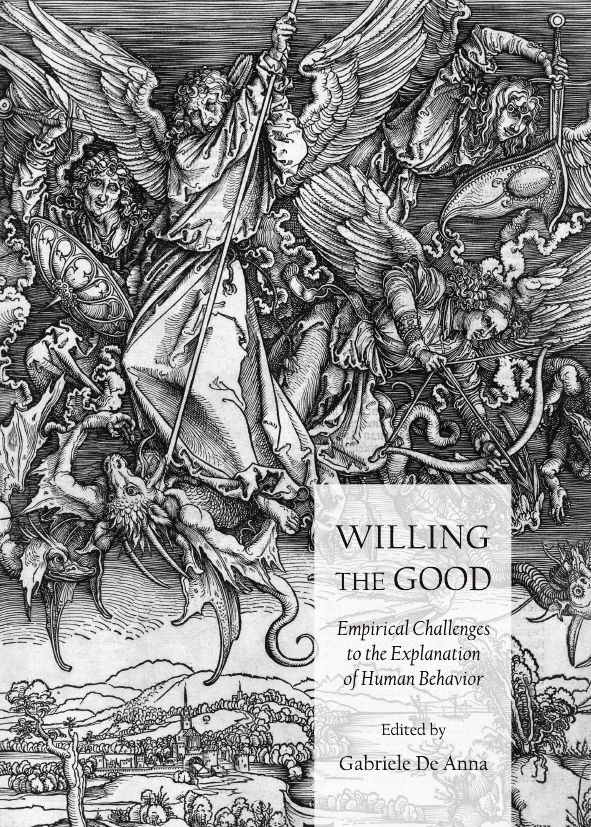
Willing the Good
Empirical Challenges to the Explanation of Human Behavior
Science brings new insights into human agency, but can it be reduced to mere scientific facts? This collection of essays explores non-empiricist views, reconciling the scientific and manifest images of the world to reach a stereoscopic vision of reality.
Science brings new insights into human agency, but can it be reduced to mere scientific facts? This collection of essays explores non-empiricist views, reconciling the scientific and manifest images of the world to reach a stereoscopic vision of reality.
View more
This product has multiple variants. The options may be chosen on the product page
View more
This product has multiple variants. The options may be chosen on the product page
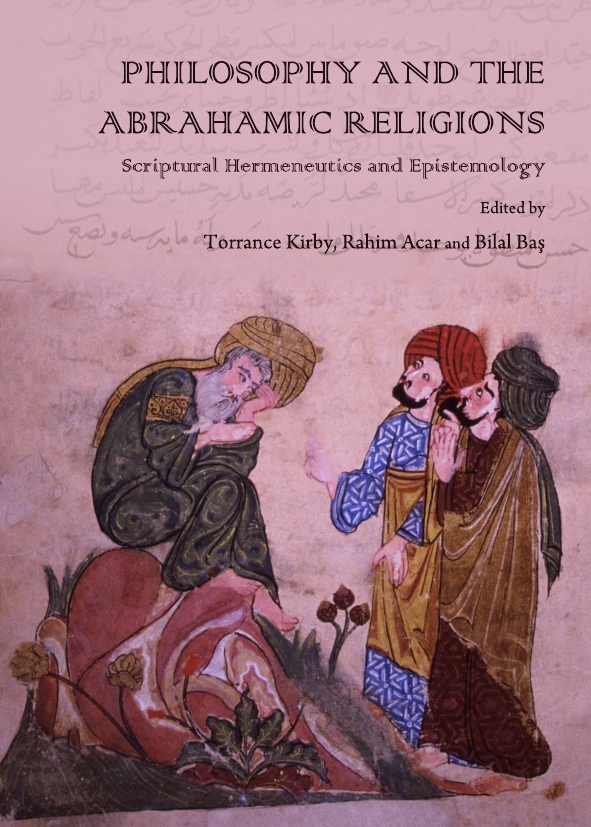
Philosophy and the Abrahamic Religions
Scriptural Hermeneutics and Epistemology
From Greco-Roman Antiquity, philosophy and religious thought were inseparably interwoven. These essays explore how the three Abrahamic religions interacted on the common ground of Greek philosophy, creating similar patterns of thought on crucial concepts.
From Greco-Roman Antiquity, philosophy and religious thought were inseparably interwoven. These essays explore how the three Abrahamic religions interacted on the common ground of Greek philosophy, creating similar patterns of thought on crucial concepts.
View more
This product has multiple variants. The options may be chosen on the product page
View more
This product has multiple variants. The options may be chosen on the product page
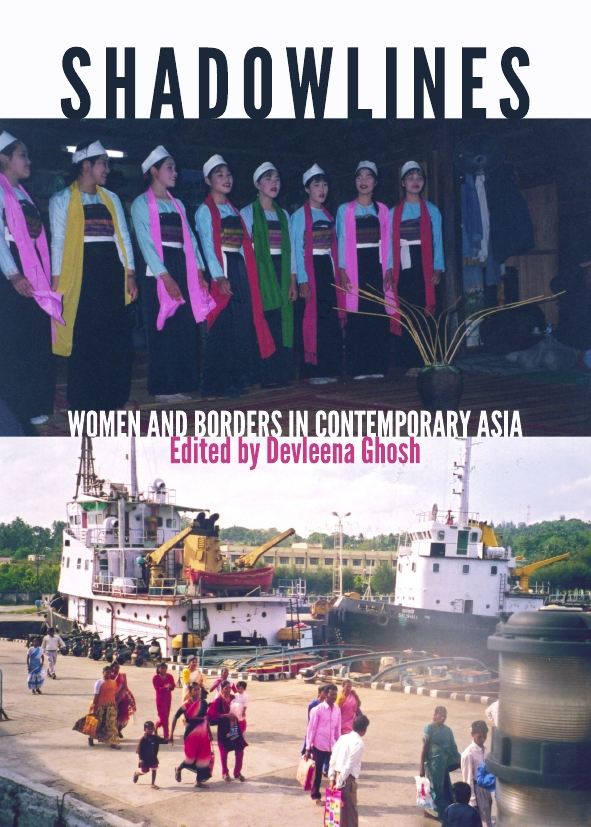
Shadowlines
Women and Borders in Contemporary Asia
Globalization is transforming life for women in Asia. New opportunities for work and migration can be empowering, but also enslaving. How do women experience these changes? This volume places their testimony at the center.
Globalization is transforming life for women in Asia. New opportunities for work and migration can be empowering, but also enslaving. How do women experience these changes? This volume places their testimony at the center.
View more
This product has multiple variants. The options may be chosen on the product page

View more
This product has multiple variants. The options may be chosen on the product page
£39.99
Kierkegaard’s focus on individuality seems irrelevant to the political sphere. This book argues the opposite, revealing how his ideas on self-choice, passion, and love are not only relevant, but highly significant for political thought and commitment.
Kierkegaard’s focus on individuality seems irrelevant to the political sphere. This book argues the opposite, revealing how his ideas on self-choice, passion, and love are not only relevant, but highly significant for political thought and commitment.
View more
This product has multiple variants. The options may be chosen on the product page
View more
This product has multiple variants. The options may be chosen on the product page
From Narrative to Necessity
Meaning and the Christian Movement according to Hegel
This book presents religion as intelligible metaphysics, reconciling faith and reason. It explores the philosophical implications of the Trinity, Creation, and Incarnation, correcting false views of divine transcendence where God is "all in all."
This book presents religion as intelligible metaphysics, reconciling faith and reason. It explores the philosophical implications of the Trinity, Creation, and Incarnation, correcting false views of divine transcendence where God is “all in all.”
View more
This product has multiple variants. The options may be chosen on the product page
Processing Your Order
Please wait while we securely process your order.
Do not refresh or leave this page.
You will be redirected shortly to a confirmation page with your order number.