
View more
This product has multiple variants. The options may be chosen on the product page
Being Amongst Others
Phenomenological Reflections on the Life-world
Philosophical reflection helps us understand our world. This volume presents a variety of phenomenological views on everyday life, granting precedent to the first-person perspective to explore consciousness, friendship, and religious or political experiences.
Philosophical reflection helps us understand our world. This volume presents a variety of phenomenological views on everyday life, granting precedent to the first-person perspective to explore consciousness, friendship, and religious or political experiences.
View more
This product has multiple variants. The options may be chosen on the product page
View more
This product has multiple variants. The options may be chosen on the product page
Religion After Kant
God and Culture in the Idealist Era
After Kant, idealist thinkers like Hegel and Schelling transformed the conceptual framework for considering religion. This volume explores their reconsideration of religion’s place within human self-fashioning, which shaped later thinkers like Kierkegaard and Nietzsche.
After Kant, idealist thinkers like Hegel and Schelling transformed the conceptual framework for considering religion. This volume explores their reconsideration of religion’s place within human self-fashioning, which shaped later thinkers like Kierkegaard and Nietzsche.
View more
This product has multiple variants. The options may be chosen on the product page
View more
This product has multiple variants. The options may be chosen on the product page
£39.99
This collection explores the relationship between computing and philosophy, from AI and ethics to how computers relate to human lives within specific cultures. It breaks new ground by highlighting the cultural dimensions of these issues, particularly in Asia.
This collection explores the relationship between computing and philosophy, from AI and ethics to how computers relate to human lives within specific cultures. It breaks new ground by highlighting the cultural dimensions of these issues, particularly in Asia.
View more
This product has multiple variants. The options may be chosen on the product page
View more
This product has multiple variants. The options may be chosen on the product page
Experience, Interpretation, and Community
Themes in John E. Smith’s Reconstruction of Philosophy
John Edwin Smith recovered the voice of philosophy, showing its relevance to contemporary life. He not only anticipated key philosophical developments but also pointed the way beyond intellectual impasses. The essays in this volume reveal his wisdom for our world.
John Edwin Smith recovered the voice of philosophy, showing its relevance to contemporary life. He not only anticipated key philosophical developments but also pointed the way beyond intellectual impasses. The essays in this volume reveal his wisdom for our world.
View more
This product has multiple variants. The options may be chosen on the product page

View more
This product has multiple variants. The options may be chosen on the product page
£39.99
In the West, philosophy is confined to the intellect and music to emotion. This book shows how African musical aesthetics makes either domain the location for the other, affirming a unified sense of being human and registering us as members of nature.
In the West, philosophy is confined to the intellect and music to emotion. This book shows how African musical aesthetics makes either domain the location for the other, affirming a unified sense of being human and registering us as members of nature.
View more
This product has multiple variants. The options may be chosen on the product page
View more
This product has multiple variants. The options may be chosen on the product page
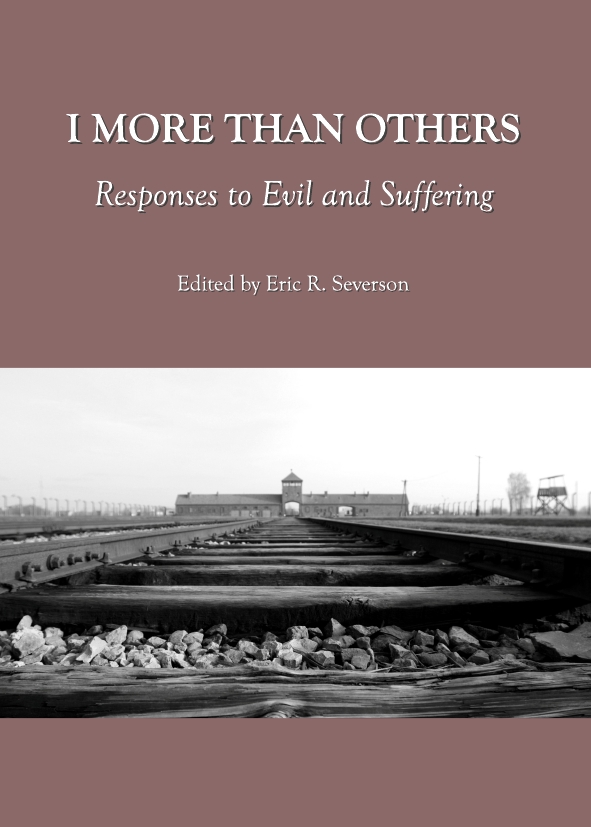
I More than Others
Responses to Evil and Suffering
How responsible are we for the world's suffering? Inspired by Dostoyevsky, philosophers and theologians confront the nature of evil, our shared guilt, and the difficult struggle for hope.
How responsible are we for the world’s suffering? Inspired by Dostoyevsky, philosophers and theologians confront the nature of evil, our shared guilt, and the difficult struggle for hope.
View more
This product has multiple variants. The options may be chosen on the product page
View more
This product has multiple variants. The options may be chosen on the product page
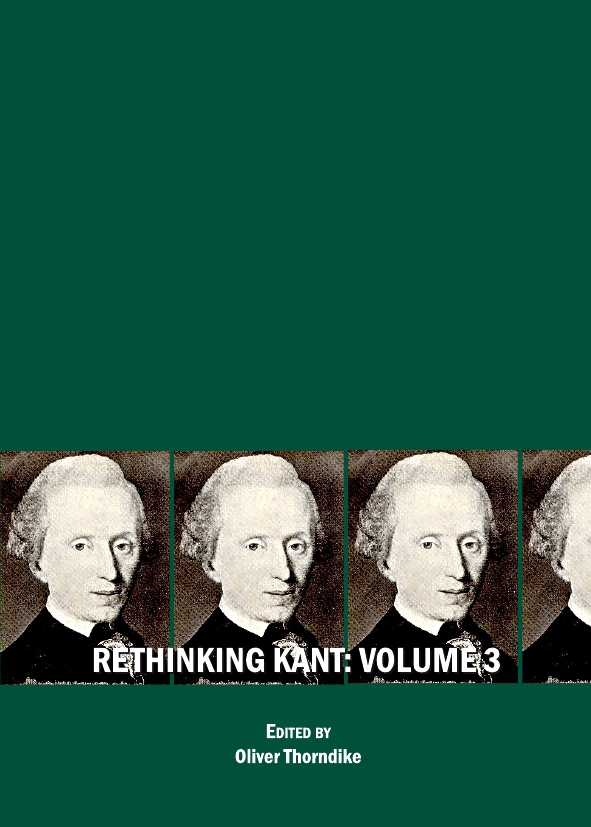
Rethinking Kant
Volume 3
The Rethinking Kant series bears witness to the richness of Kantian studies. This unique collection garners papers from a whole generation of thinkers, from new PhDs to established scholars. This third volume takes the pulse of current Kantian scholarship.
The Rethinking Kant series bears witness to the richness of Kantian studies. This unique collection garners papers from a whole generation of thinkers, from new PhDs to established scholars. This third volume takes the pulse of current Kantian scholarship.
View more
This product has multiple variants. The options may be chosen on the product page
View more
This product has multiple variants. The options may be chosen on the product page
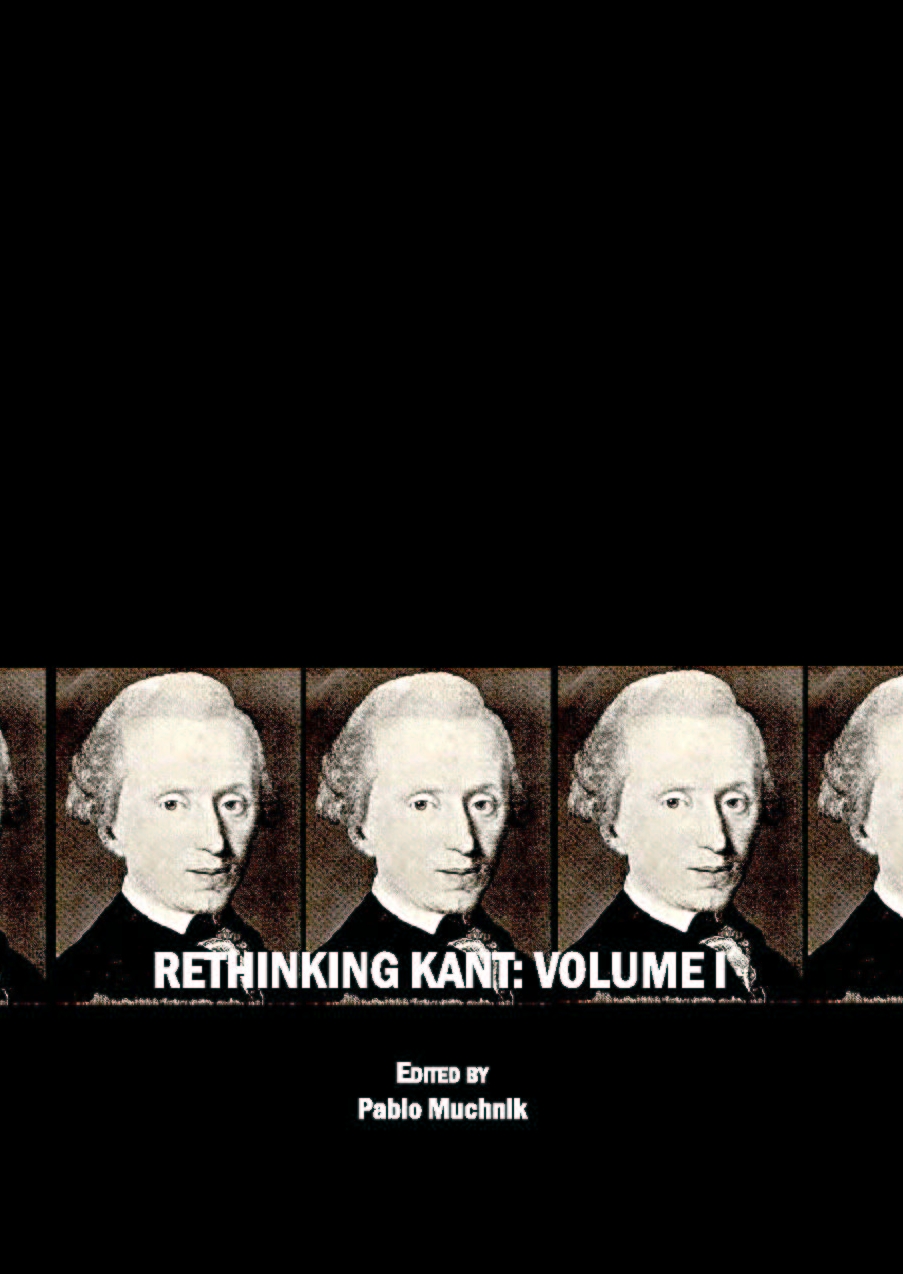
Rethinking Kant
Volume I
This collection of essays offers a sample of a whole generation of Kantian thought. Covering controversial themes like freedom, morality, and radical evil, these essays rethink Kant and indicate his importance for current philosophical debates.
This collection of essays offers a sample of a whole generation of Kantian thought. Covering controversial themes like freedom, morality, and radical evil, these essays rethink Kant and indicate his importance for current philosophical debates.
View more
This product has multiple variants. The options may be chosen on the product page
View more
This product has multiple variants. The options may be chosen on the product page
£39.99
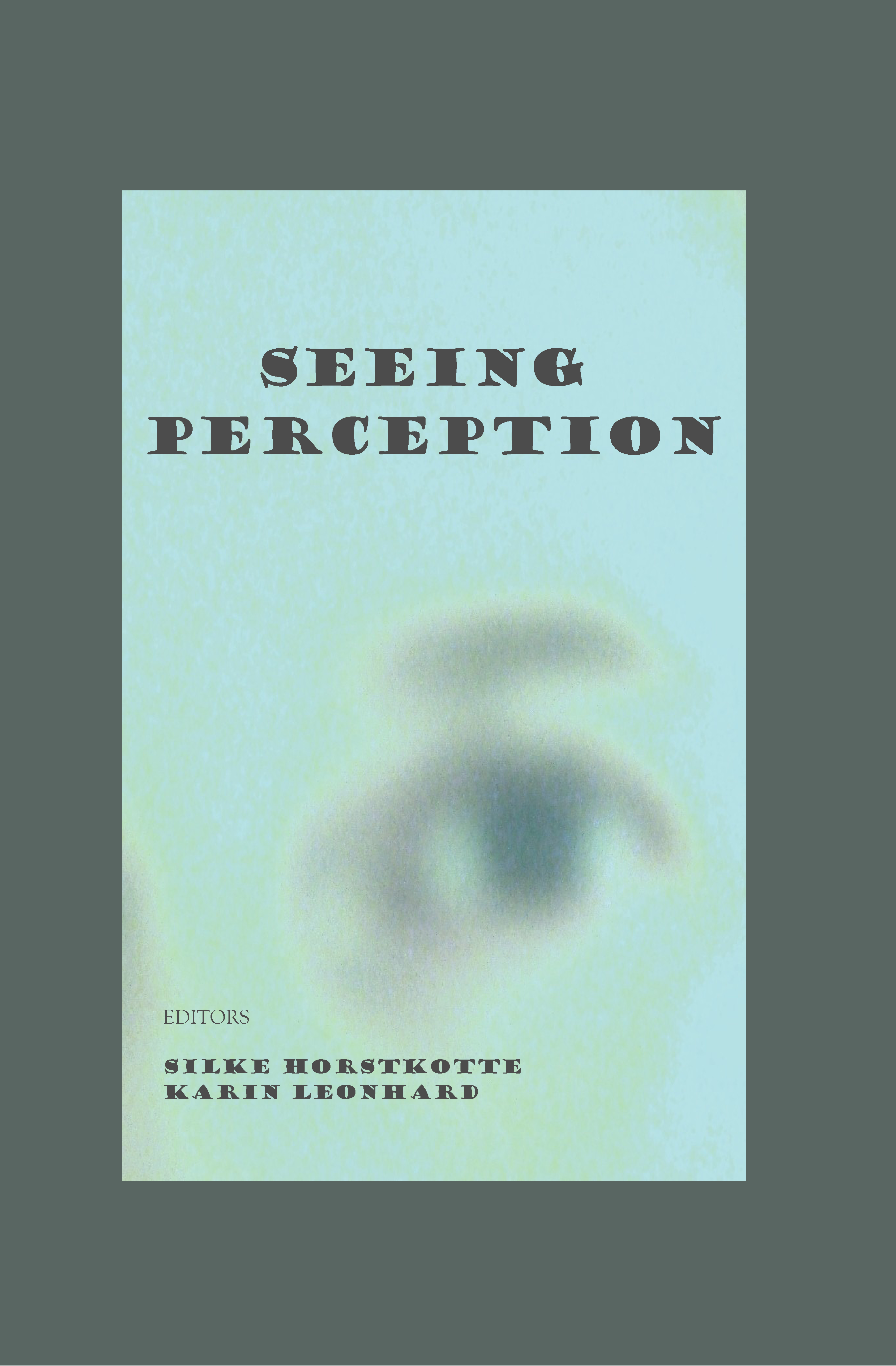
How do we see and write about perception? The act of vision is profoundly impure, entangled with other senses, memory, and dreams. This volume explores the reciprocal relationship between seer and seen and the core concepts of visual perception theory.
How do we see and write about perception? The act of vision is profoundly impure, entangled with other senses, memory, and dreams. This volume explores the reciprocal relationship between seer and seen and the core concepts of visual perception theory.
View more
This product has multiple variants. The options may be chosen on the product page
View more
This product has multiple variants. The options may be chosen on the product page
£39.99
Is democracy in decay? This book offers a pragmatist meditation on the question, combining practical politics with the history of ideas. It explores arguments from both critics and supporters, covering corruption, theory, community, and art.
Is democracy in decay? This book offers a pragmatist meditation on the question, combining practical politics with the history of ideas. It explores arguments from both critics and supporters, covering corruption, theory, community, and art.
View more
This product has multiple variants. The options may be chosen on the product page

View more
This product has multiple variants. The options may be chosen on the product page
Did Somebody Say Ideology?
On Slavoj Žižek and Consequences
This volume explores the foundations of Slavoj Žižek’s work, focusing on his theory of ideology. Essays investigate key aspects of the philosopher's thought and employ his theories in new contexts, demonstrating how his critique fosters innovative research.
This volume explores the foundations of Slavoj Žižek’s work, focusing on his theory of ideology. Essays investigate key aspects of the philosopher’s thought and employ his theories in new contexts, demonstrating how his critique fosters innovative research.
View more
This product has multiple variants. The options may be chosen on the product page
View more
This product has multiple variants. The options may be chosen on the product page
Subject to Reading
Literacy and Belief in the Work of Jacques Lacan and Paulo Freire
Recasting Lacanian psychoanalysis and Freirean literacy as an education in responsible subjecthood, this book intervenes against the global double bind of fanatical certainty and capitalist abstraction to forge a new political theology.
Recasting Lacanian psychoanalysis and Freirean literacy as an education in responsible subjecthood, this book intervenes against the global double bind of fanatical certainty and capitalist abstraction to forge a new political theology.
View more
This product has multiple variants. The options may be chosen on the product page
View more
This product has multiple variants. The options may be chosen on the product page
Shifting the Geography of Reason
Gender, Science and Religion
In a world offering few options, this courageous celebration of thinking asserts the value of intelligence and the urgent need to build new intellectual homes.
In a world offering few options, this courageous celebration of thinking asserts the value of intelligence and the urgent need to build new intellectual homes.
View more
This product has multiple variants. The options may be chosen on the product page
View more
This product has multiple variants. The options may be chosen on the product page
Confessions
Confounding Narrative and Ethics
This collection explores the central place of narrative in social inquiry and the ethical life. Through examples from art to politics, it illuminates the link between telling stories to create meaning and the ethical engagement critical for a good life.
This collection explores the central place of narrative in social inquiry and the ethical life. Through examples from art to politics, it illuminates the link between telling stories to create meaning and the ethical engagement critical for a good life.
View more
This product has multiple variants. The options may be chosen on the product page

View more
This product has multiple variants. The options may be chosen on the product page
From Question to Quest
Literary-Philosophical Enquiries into the Challenges of Life
The quest for answers to life's challenges is a human task. This book offers literary-philosophical enquiries into the search for meaning, wisdom, morality, community, suffering, and the longing for immortality.
The quest for answers to life’s challenges is a human task. This book offers literary-philosophical enquiries into the search for meaning, wisdom, morality, community, suffering, and the longing for immortality.
View more
This product has multiple variants. The options may be chosen on the product page

View more
This product has multiple variants. The options may be chosen on the product page
Greatness of Soul
In Hume, Aristotle and Hobbes, as Shadowed by Milton's Satan
From a Nietzschean Hume evoking Milton’s Satan, to Aristotle’s “claws and teeth” and a deeper challenge from Hobbes, these pages mix poets and philosophers to offer a glimpse of what a classical education might look like.
From a Nietzschean Hume evoking Milton’s Satan, to Aristotle’s “claws and teeth” and a deeper challenge from Hobbes, these pages mix poets and philosophers to offer a glimpse of what a classical education might look like.
View more
This product has multiple variants. The options may be chosen on the product page
View more
This product has multiple variants. The options may be chosen on the product page
£39.99
This analysis of values within Husserlian phenomenology describes our experience of intersubjective values and explores ethics as a practical matter, offering a third phenomenological way beyond the common positivistic and deontological dichotomy.
This analysis of values within Husserlian phenomenology describes our experience of intersubjective values and explores ethics as a practical matter, offering a third phenomenological way beyond the common positivistic and deontological dichotomy.
View more
This product has multiple variants. The options may be chosen on the product page
View more
This product has multiple variants. The options may be chosen on the product page
£39.99
This volume discusses pluralism and the interplay between religion and politics. As competing religious truths have historically produced violent conflict, and since religion is constitutive of identity, its influence on politics is extremely significant.
This volume discusses pluralism and the interplay between religion and politics. As competing religious truths have historically produced violent conflict, and since religion is constitutive of identity, its influence on politics is extremely significant.
View more
This product has multiple variants. The options may be chosen on the product page

View more
This product has multiple variants. The options may be chosen on the product page
From £25.99
This collection of essays explores the connection between Nietzsche and Phenomenology. Leading international scholars uncover surprising new connections and profound differences, offering significant insights that broaden our understanding of both.
This collection of essays explores the connection between Nietzsche and Phenomenology. Leading international scholars uncover surprising new connections and profound differences, offering significant insights that broaden our understanding of both.
View more
This product has multiple variants. The options may be chosen on the product page
View more
This product has multiple variants. The options may be chosen on the product page
£39.99
A distinguished team of philosophers addresses the internalism/externalism debate in language and mind. This volume demonstrates the debate's significance on a wide range of issues, in a manner that is sophisticated yet accessible to non-specialists.
A distinguished team of philosophers addresses the internalism/externalism debate in language and mind. This volume demonstrates the debate’s significance on a wide range of issues, in a manner that is sophisticated yet accessible to non-specialists.
View more
This product has multiple variants. The options may be chosen on the product page
Processing Your Order
Please wait while we securely process your order.
Do not refresh or leave this page.
You will be redirected shortly to a confirmation page with your order number.