
View more
This product has multiple variants. The options may be chosen on the product page
£19.99
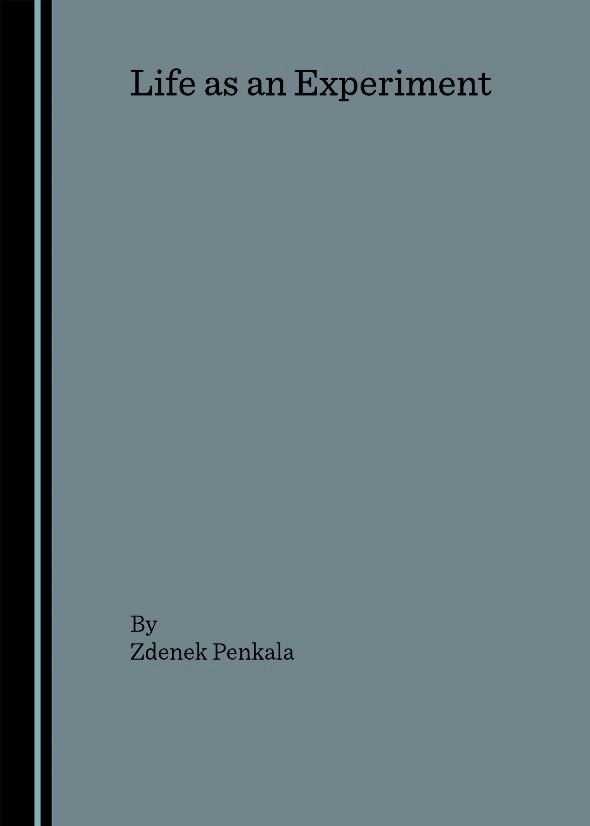
Science cannot tell us life's meaning, and belief limits our freedom to learn from reality. To those who do not surrender their right to decide for themselves, life offers a unique opportunity to apply their insights and unlock the mind from its own beliefs.
Science cannot tell us life’s meaning, and belief limits our freedom to learn from reality. To those who do not surrender their right to decide for themselves, life offers a unique opportunity to apply their insights and unlock the mind from its own beliefs.
View more
This product has multiple variants. The options may be chosen on the product page

View more
This product has multiple variants. The options may be chosen on the product page
American and European Values
Contemporary Philosophical Perspectives
International scholars consider the intersection of American and European values. They explore cultural sensibilities, key philosophical figures, and movements from pragmatism to existentialism, offering a rich conversation for our increasingly globalized world.
International scholars consider the intersection of American and European values. They explore cultural sensibilities, key philosophical figures, and movements from pragmatism to existentialism, offering a rich conversation for our increasingly globalized world.
View more
This product has multiple variants. The options may be chosen on the product page
View more
This product has multiple variants. The options may be chosen on the product page
£24.99
This volume explores the emergence of physics in ancient philosophy, the concept of physical laws from the Middle Ages to the Renaissance, and the mathematization of Natural Philosophy that led to the emergence of the classical sciences.
This volume explores the emergence of physics in ancient philosophy, the concept of physical laws from the Middle Ages to the Renaissance, and the mathematization of Natural Philosophy that led to the emergence of the classical sciences.
View more
This product has multiple variants. The options may be chosen on the product page
View more
This product has multiple variants. The options may be chosen on the product page
£29.99
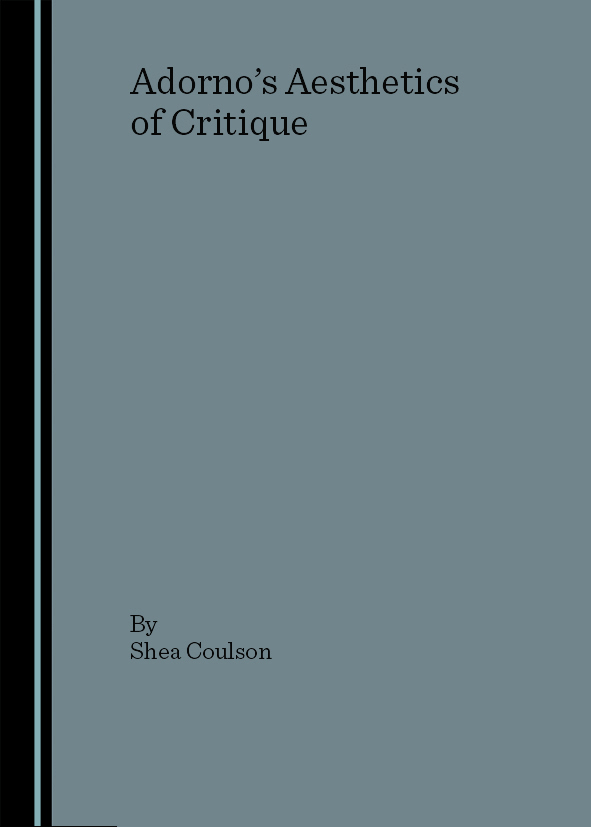
This book examines Adorno's mode of critique through his aesthetics. It explores how this focus on aesthetics shapes his readings of knowledge, history, culture, and art to reassert his relevance for constructing effective modes of critical thinking.
This book examines Adorno’s mode of critique through his aesthetics. It explores how this focus on aesthetics shapes his readings of knowledge, history, culture, and art to reassert his relevance for constructing effective modes of critical thinking.
View more
This product has multiple variants. The options may be chosen on the product page

View more
This product has multiple variants. The options may be chosen on the product page
Whiteheadian Ethics
Abstracts and Papers from the Ethics Section of the Philosophy Group at the 6th International Whitehead Conference at the University of Salzburg, July 2006
These papers explore the ethical and meta-ethical implications of Alfred North Whitehead’s process philosophy. From a major international conference, contributions cover the metaphysics of morals, evaluating moral practices, and ethics and aesthetic values.
These papers explore the ethical and meta-ethical implications of Alfred North Whitehead’s process philosophy. From a major international conference, contributions cover the metaphysics of morals, evaluating moral practices, and ethics and aesthetic values.
View more
This product has multiple variants. The options may be chosen on the product page

View more
This product has multiple variants. The options may be chosen on the product page
£29.99
A synthesis of symbolic logic and poetry, The Book of Change unlocks the secrets of the universe through symmetrical verse. Profound scientific and philosophical truths are simplified into images, laying out the nature of reality from physics to ethics.
A synthesis of symbolic logic and poetry, The Book of Change unlocks the secrets of the universe through symmetrical verse. Profound scientific and philosophical truths are simplified into images, laying out the nature of reality from physics to ethics.
View more
This product has multiple variants. The options may be chosen on the product page
View more
This product has multiple variants. The options may be chosen on the product page
£39.99
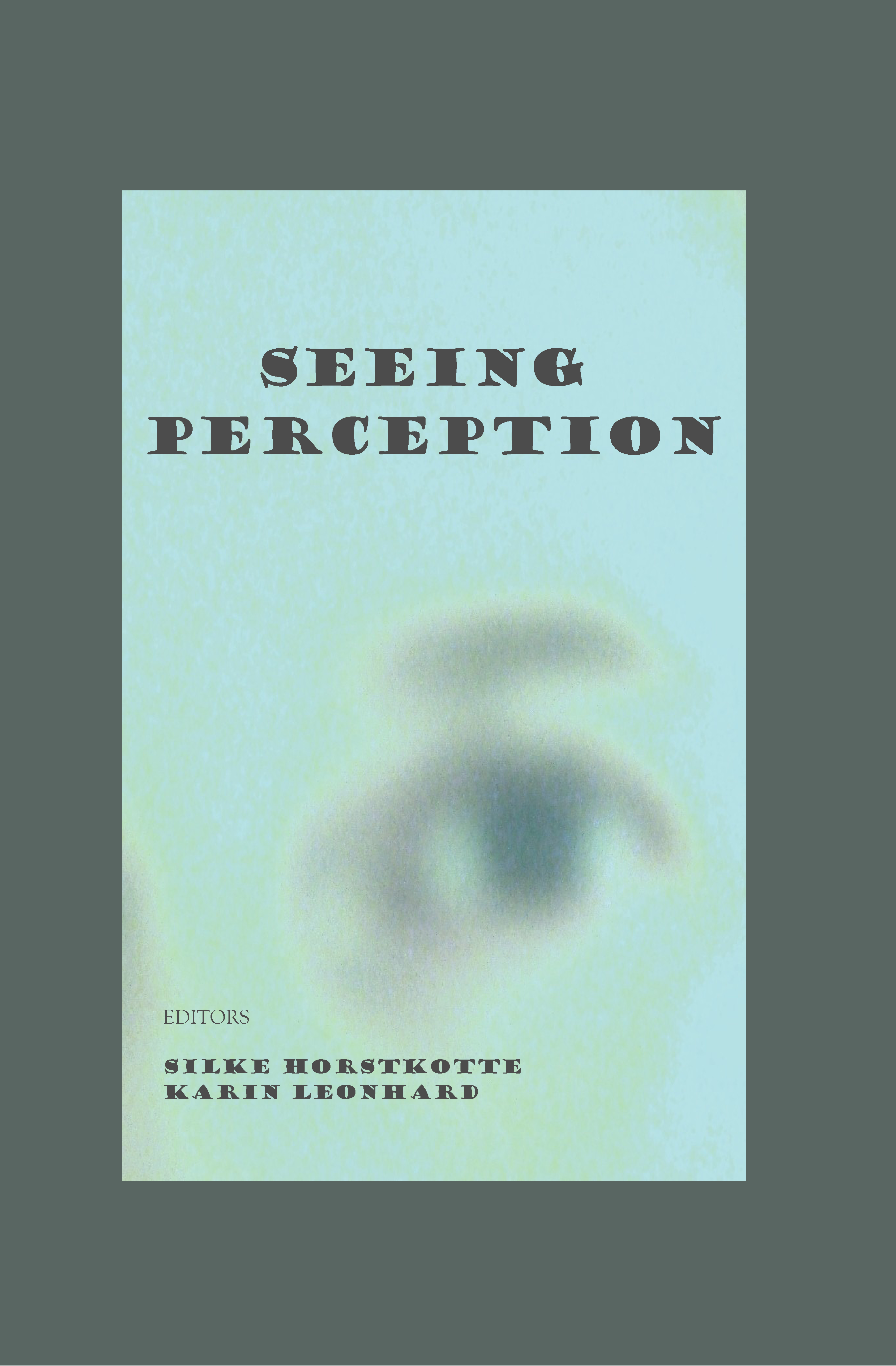
How do we see and write about perception? The act of vision is profoundly impure, entangled with other senses, memory, and dreams. This volume explores the reciprocal relationship between seer and seen and the core concepts of visual perception theory.
How do we see and write about perception? The act of vision is profoundly impure, entangled with other senses, memory, and dreams. This volume explores the reciprocal relationship between seer and seen and the core concepts of visual perception theory.
View more
This product has multiple variants. The options may be chosen on the product page
View more
This product has multiple variants. The options may be chosen on the product page
£29.99
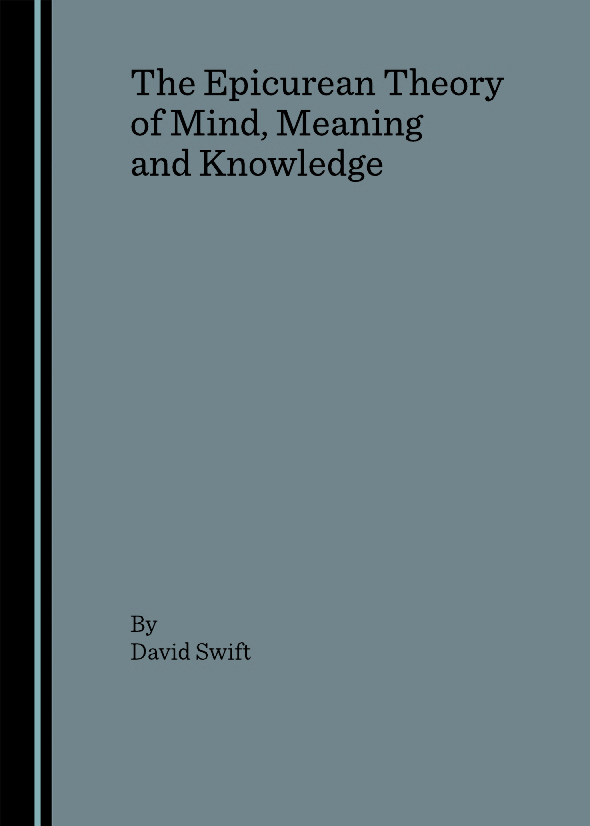
David Swift turns to the philosopher Epicurus for a scientific explanation of the mind. Reinterpreting thinkers from Descartes to Freud, he reveals the secrets of love, hate, and behavior as the results of learned experience, not genetic predisposition.
David Swift turns to the philosopher Epicurus for a scientific explanation of the mind. Reinterpreting thinkers from Descartes to Freud, he reveals the secrets of love, hate, and behavior as the results of learned experience, not genetic predisposition.
View more
This product has multiple variants. The options may be chosen on the product page
View more
This product has multiple variants. The options may be chosen on the product page
£34.99
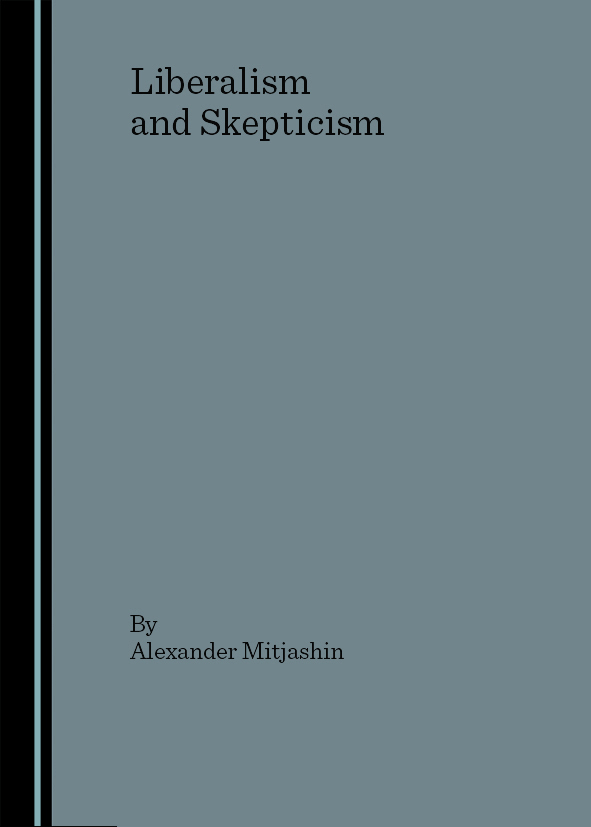
This book of political philosophy argues that libertarianism provides more efficient decision-making than any other political order. It links this idea to the theory of knowledge, revealing the connection between how we know and how we are governed.
This book of political philosophy argues that libertarianism provides more efficient decision-making than any other political order. It links this idea to the theory of knowledge, revealing the connection between how we know and how we are governed.
View more
This product has multiple variants. The options may be chosen on the product page
View more
This product has multiple variants. The options may be chosen on the product page
£44.99
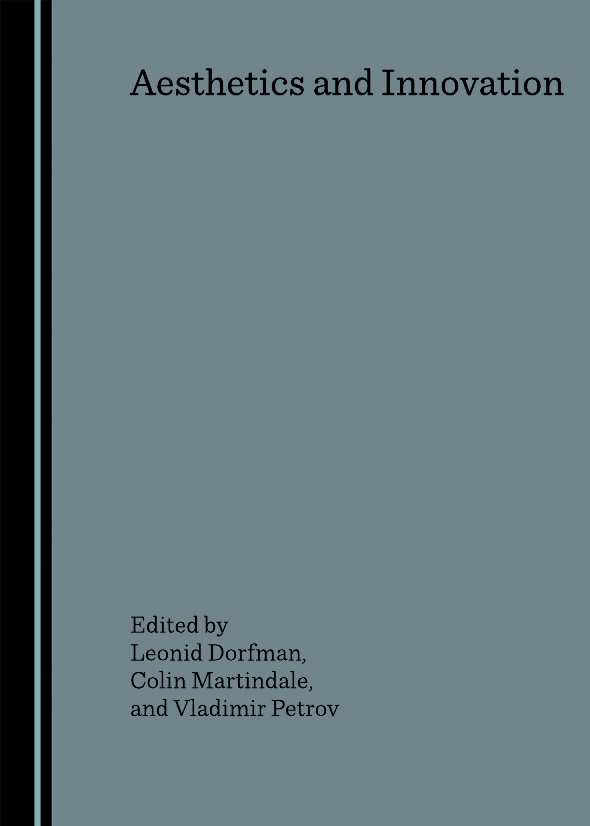
This book describes new ways of approaching aesthetics and innovation. Spanning Gestalt theory to the latest brain scan research, it unites chapters by Western aestheticians and Russian scholars, offering novel perspectives on art and science.
This book describes new ways of approaching aesthetics and innovation. Spanning Gestalt theory to the latest brain scan research, it unites chapters by Western aestheticians and Russian scholars, offering novel perspectives on art and science.
View more
This product has multiple variants. The options may be chosen on the product page

View more
This product has multiple variants. The options may be chosen on the product page
Reverence for Life Revisited
Albert Schweitzer's Relevance Today
This book's essays re-examine Albert Schweitzer's life and his "Reverence for Life" philosophy, assessing its relevance for the twenty-first century. Featuring diverse perspectives, including from Jane Goodall, they explore applications to today's global issues.
This book’s essays re-examine Albert Schweitzer’s life and his “Reverence for Life” philosophy, assessing its relevance for the twenty-first century. Featuring diverse perspectives, including from Jane Goodall, they explore applications to today’s global issues.
View more
This product has multiple variants. The options may be chosen on the product page
View more
This product has multiple variants. The options may be chosen on the product page
The Future of Aesthetic Experience
Conceiving a Better Way to Understand Beauty, Ugliness, and the Rest
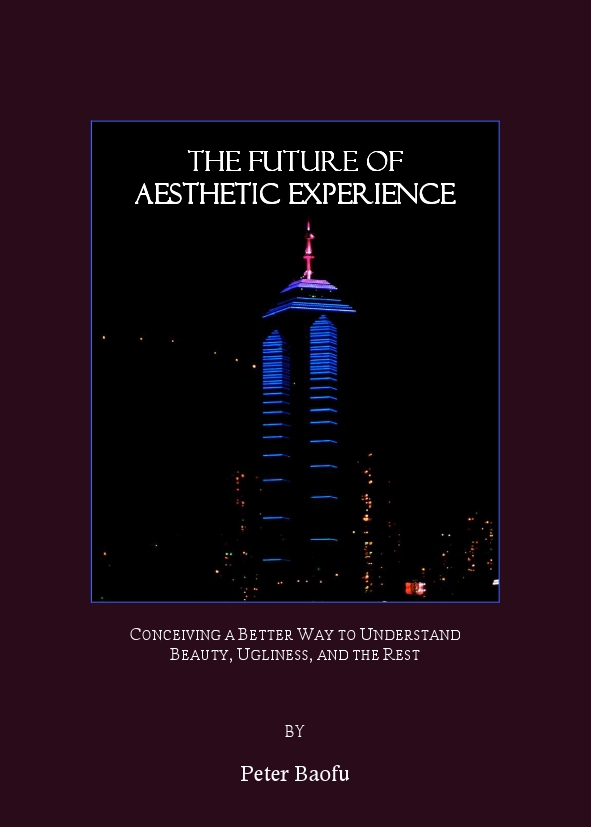
Dr. Baofu argues that postmodernism is an aesthetic fad and the current debate on beauty is obsolete. He reveals the great transformations of aesthetic experience to come, both here on Earth and later in deep space, based on his new transformative theory.
Dr. Baofu argues that postmodernism is an aesthetic fad and the current debate on beauty is obsolete. He reveals the great transformations of aesthetic experience to come, both here on Earth and later in deep space, based on his new transformative theory.
View more
This product has multiple variants. The options may be chosen on the product page

View more
This product has multiple variants. The options may be chosen on the product page
Did Somebody Say Ideology?
On Slavoj Žižek and Consequences
This volume explores the foundations of Slavoj Žižek’s work, focusing on his theory of ideology. Essays investigate key aspects of the philosopher's thought and employ his theories in new contexts, demonstrating how his critique fosters innovative research.
This volume explores the foundations of Slavoj Žižek’s work, focusing on his theory of ideology. Essays investigate key aspects of the philosopher’s thought and employ his theories in new contexts, demonstrating how his critique fosters innovative research.
View more
This product has multiple variants. The options may be chosen on the product page
View more
This product has multiple variants. The options may be chosen on the product page
£34.99
New essays by leading scholars explore how different cultures conceive of art and beauty. Discover how Buddhist, Confucian, and Upanişadic thought shape aesthetics in the East, revealing deep cultural differences and similarities with the West.
New essays by leading scholars explore how different cultures conceive of art and beauty. Discover how Buddhist, Confucian, and Upanişadic thought shape aesthetics in the East, revealing deep cultural differences and similarities with the West.
View more
This product has multiple variants. The options may be chosen on the product page
View more
This product has multiple variants. The options may be chosen on the product page
Postmodern Ethics
The Re-appropriation of Committed Writing in the Works of Antonio Tabucchi and Leonardo Sciascia 1975-2005
Postmodern Ethics offers a new reading of Leonardo Sciascia and Antonio Tabucchi. It argues that in a climate of postmodern doubt, the writers embraced the absence of fixed truths to forge a new kind of socio-political engagement through literature.
Postmodern Ethics offers a new reading of Leonardo Sciascia and Antonio Tabucchi. It argues that in a climate of postmodern doubt, the writers embraced the absence of fixed truths to forge a new kind of socio-political engagement through literature.
View more
This product has multiple variants. The options may be chosen on the product page
View more
This product has multiple variants. The options may be chosen on the product page
Socrates
Reason or Unreason as the Foundation of European Identity
Socrates made human questions central to rational inquiry, a foundation for European identity. But this view has been challenged by history, faith, and art. Can Socratic philosophy survive these critiques and still sustain political life?
Socrates made human questions central to rational inquiry, a foundation for European identity. But this view has been challenged by history, faith, and art. Can Socratic philosophy survive these critiques and still sustain political life?
View more
This product has multiple variants. The options may be chosen on the product page

View more
This product has multiple variants. The options may be chosen on the product page
£34.99
This book explores philosopher George Santayana’s provocative views on America—a topic no one has yet considered in a serious way. It argues that the impartiality of Santayana's philosophy, its transcendence of cultural limits, makes it a living philosophy.
This book explores philosopher George Santayana’s provocative views on America—a topic no one has yet considered in a serious way. It argues that the impartiality of Santayana’s philosophy, its transcendence of cultural limits, makes it a living philosophy.
View more
This product has multiple variants. The options may be chosen on the product page

View more
This product has multiple variants. The options may be chosen on the product page
Morality of the Past from the Present Perspective
Picture of Morality in Slovakia in the First Half of the Twentieth Century
This monograph explores morality in Slovakia during the first half of the 20th century. Set in its unique socio-political context, it examines the era's key philosophical, ethical, and professional aspects, and the reflection of morality in Slovak literature.
This monograph explores morality in Slovakia during the first half of the 20th century. Set in its unique socio-political context, it examines the era’s key philosophical, ethical, and professional aspects, and the reflection of morality in Slovak literature.
View more
This product has multiple variants. The options may be chosen on the product page
View more
This product has multiple variants. The options may be chosen on the product page
“Revelations of Character”
Ethos, Rhetoric and Moral Philosophy in Montaigne
In the Essais, Montaigne weighs ancient rhetorical and ethical theories as he develops his own paradoxical and dynamic notion of ethos. This collection of essays explores the ramifications of his quest for more human and humane modes of expression.
In the Essais, Montaigne weighs ancient rhetorical and ethical theories as he develops his own paradoxical and dynamic notion of ethos. This collection of essays explores the ramifications of his quest for more human and humane modes of expression.
View more
This product has multiple variants. The options may be chosen on the product page
View more
This product has multiple variants. The options may be chosen on the product page
£39.99
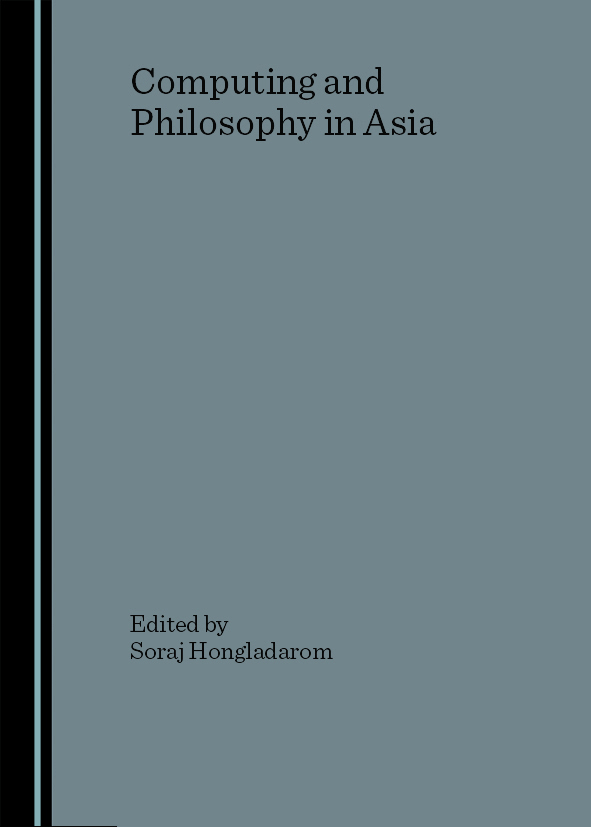
This collection explores the relationship between computing and philosophy, from AI and ethics to how computers relate to human lives within specific cultures. It breaks new ground by highlighting the cultural dimensions of these issues, particularly in Asia.
This collection explores the relationship between computing and philosophy, from AI and ethics to how computers relate to human lives within specific cultures. It breaks new ground by highlighting the cultural dimensions of these issues, particularly in Asia.
View more
This product has multiple variants. The options may be chosen on the product page
Processing Your Order
Please wait while we securely process your order.
Do not refresh or leave this page.
You will be redirected shortly to a confirmation page with your order number.