
View more
This product has multiple variants. The options may be chosen on the product page
£34.99
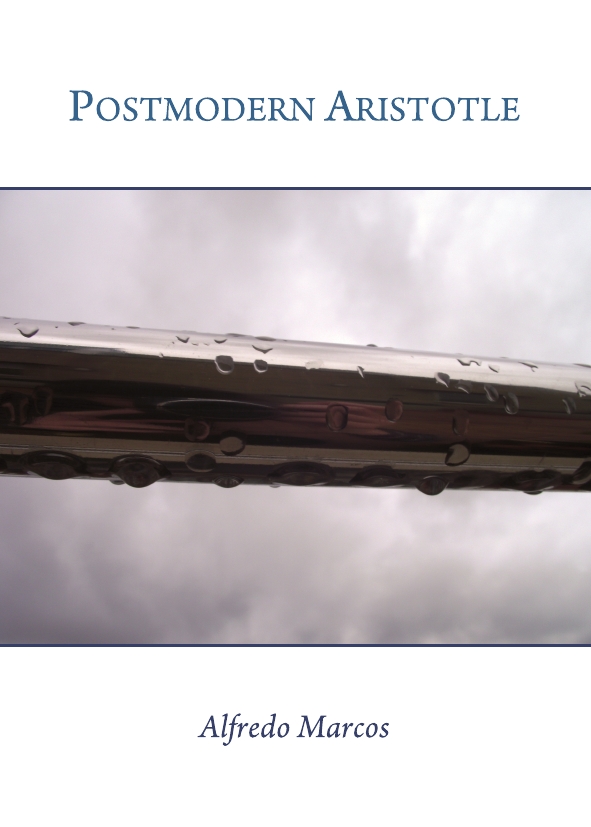
The modern world was born reacting against a partial image of Aristotle. Today, we are in a unique position to apply his philosophy to contemporary problems. This book uses Aristotelian concepts to solve the dualisms of modern times.
The modern world was born reacting against a partial image of Aristotle. Today, we are in a unique position to apply his philosophy to contemporary problems. This book uses Aristotelian concepts to solve the dualisms of modern times.
View more
This product has multiple variants. The options may be chosen on the product page

View more
This product has multiple variants. The options may be chosen on the product page
Medieval Skepticism, and the Claim to Metaphysical Knowledge (Volume 6
Proceedings of the Society for Medieval Logic and Metaphysics)
This collection of essays explores medieval skepticism and metaphysical knowledge. It features scholarly exchanges on Siger of Brabant’s strategy against the skeptic, Walter Chatton’s critique of Ockhamism, and key issues in the metaphysics of Thomas Aquinas.
This collection of essays explores medieval skepticism and metaphysical knowledge. It features scholarly exchanges on Siger of Brabant’s strategy against the skeptic, Walter Chatton’s critique of Ockhamism, and key issues in the metaphysics of Thomas Aquinas.
View more
This product has multiple variants. The options may be chosen on the product page

View more
This product has multiple variants. The options may be chosen on the product page
£34.99
This collection reevaluates Descartes’ reputation as the “father of modern philosophy.” Essays attend to the impact of “Cartesianism” from the 17th century to today, addressing the character of his originality and the lasting challenges of his thought.
This collection reevaluates Descartes’ reputation as the “father of modern philosophy.” Essays attend to the impact of “Cartesianism” from the 17th century to today, addressing the character of his originality and the lasting challenges of his thought.
View more
This product has multiple variants. The options may be chosen on the product page

View more
This product has multiple variants. The options may be chosen on the product page
Arthur Danto
Philosopher of Pop
This original monograph presents Arthur Danto’s aesthetic theory as part of his larger philosophical system. For the first time, his themes are viewed as a whole, placed in the context of his broader commitments to action, knowledge, and metaphysics.
This original monograph presents Arthur Danto’s aesthetic theory as part of his larger philosophical system. For the first time, his themes are viewed as a whole, placed in the context of his broader commitments to action, knowledge, and metaphysics.
View more
This product has multiple variants. The options may be chosen on the product page

View more
This product has multiple variants. The options may be chosen on the product page
Berkeley
A Portrait
This book reconstructs Berkeley’s philosophy, arguing his opposition to materialism was not subjective idealism but a common-sense response to the emergence of modern science, offering a fuller, realist portrait of his philosophy of immaterialism.
This book reconstructs Berkeley’s philosophy, arguing his opposition to materialism was not subjective idealism but a common-sense response to the emergence of modern science, offering a fuller, realist portrait of his philosophy of immaterialism.
View more
This product has multiple variants. The options may be chosen on the product page

View more
This product has multiple variants. The options may be chosen on the product page
From £24.99
This book assesses preaching in a postmodern culture that rejects absolute truth and authority. For disillusioned practitioners, it offers guidelines, distinguishing authoritative from authoritarian preaching to show the homiletic task is still feasible.
This book assesses preaching in a postmodern culture that rejects absolute truth and authority. For disillusioned practitioners, it offers guidelines, distinguishing authoritative from authoritarian preaching to show the homiletic task is still feasible.
View more
This product has multiple variants. The options may be chosen on the product page

View more
This product has multiple variants. The options may be chosen on the product page
Hegel
Hovering Over the Corpse of Faith and Reason
This revisionist reading of Hegel’s essay, Faith and Knowledge, argues his critique of predecessors was no misreading. As a philosophical latecomer, Hegel appropriated the thought of his precursors with an eye toward overcoming them.
This revisionist reading of Hegel’s essay, Faith and Knowledge, argues his critique of predecessors was no misreading. As a philosophical latecomer, Hegel appropriated the thought of his precursors with an eye toward overcoming them.
View more
This product has multiple variants. The options may be chosen on the product page

View more
This product has multiple variants. The options may be chosen on the product page
£34.99
This book explores philosopher George Santayana’s provocative views on America—a topic no one has yet considered in a serious way. It argues that the impartiality of Santayana's philosophy, its transcendence of cultural limits, makes it a living philosophy.
This book explores philosopher George Santayana’s provocative views on America—a topic no one has yet considered in a serious way. It argues that the impartiality of Santayana’s philosophy, its transcendence of cultural limits, makes it a living philosophy.
View more
This product has multiple variants. The options may be chosen on the product page

View more
This product has multiple variants. The options may be chosen on the product page
Morality of the Past from the Present Perspective
Picture of Morality in Slovakia in the First Half of the Twentieth Century
This monograph explores morality in Slovakia during the first half of the 20th century. Set in its unique socio-political context, it examines the era's key philosophical, ethical, and professional aspects, and the reflection of morality in Slovak literature.
This monograph explores morality in Slovakia during the first half of the 20th century. Set in its unique socio-political context, it examines the era’s key philosophical, ethical, and professional aspects, and the reflection of morality in Slovak literature.
View more
This product has multiple variants. The options may be chosen on the product page
View more
This product has multiple variants. The options may be chosen on the product page
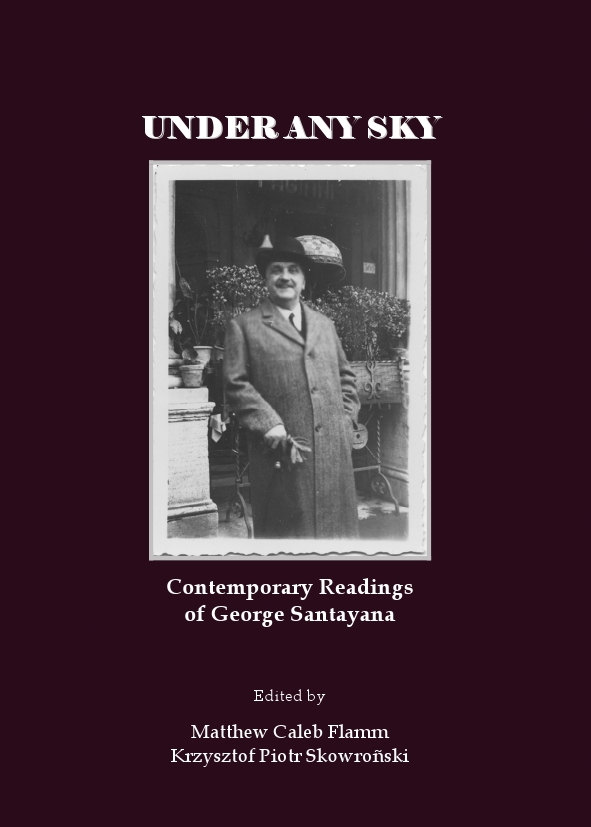
Under Any Sky
Contemporary Readings of George Santayana
Under Any Sky showcases the cross-cultural relevance of George Santayana, a leading 20th-century intellectual. International scholars explore the major themes of his thinking, from ontology and skepticism to aesthetics, culture, and social philosophy.
Under Any Sky showcases the cross-cultural relevance of George Santayana, a leading 20th-century intellectual. International scholars explore the major themes of his thinking, from ontology and skepticism to aesthetics, culture, and social philosophy.
View more
This product has multiple variants. The options may be chosen on the product page

View more
This product has multiple variants. The options may be chosen on the product page
£34.99
Prominent thinkers from various disciplines engage with Martin Heidegger to critically evaluate his controversial legacy. This volume goes beyond polarized perceptions to present a neo-humanist and post-political reading of what is still "livable" in his work.
Prominent thinkers from various disciplines engage with Martin Heidegger to critically evaluate his controversial legacy. This volume goes beyond polarized perceptions to present a neo-humanist and post-political reading of what is still “livable” in his work.
View more
This product has multiple variants. The options may be chosen on the product page

View more
This product has multiple variants. The options may be chosen on the product page
Beyond Nature And Nurture
Conceiving a Better Way to Understand Genes and Memes
Why are some individuals and countries more successful than others? The nature-nurture debate is misleading. Dr. Baofu shows how the two are intertwined and reveals a tremendous future: a "post-human" world where human genes will no longer exist.
Why are some individuals and countries more successful than others? The nature-nurture debate is misleading. Dr. Baofu shows how the two are intertwined and reveals a tremendous future: a “post-human” world where human genes will no longer exist.
View more
This product has multiple variants. The options may be chosen on the product page

View more
This product has multiple variants. The options may be chosen on the product page
Knowledge, Mental Language, and Free Will (Volume 3
Proceedings of the Society for Medieval Logic and Metaphysics)
Knowledge, Mental Language, and Free Will traverses medieval metaphysics and logic, exploring Aquinas on scientific knowledge, Ockham on mental language, and the antinomy between free will and determination in an attempt to reconcile human freedom with God's omniscience.
Knowledge, Mental Language, and Free Will traverses medieval metaphysics and logic, exploring Aquinas on scientific knowledge, Ockham on mental language, and the antinomy between free will and determination in an attempt to reconcile human freedom with God’s omniscience.
View more
This product has multiple variants. The options may be chosen on the product page

View more
This product has multiple variants. The options may be chosen on the product page
£29.99
A synthesis of symbolic logic and poetry, The Book of Change unlocks the secrets of the universe through symmetrical verse. Profound scientific and philosophical truths are simplified into images, laying out the nature of reality from physics to ethics.
A synthesis of symbolic logic and poetry, The Book of Change unlocks the secrets of the universe through symmetrical verse. Profound scientific and philosophical truths are simplified into images, laying out the nature of reality from physics to ethics.
View more
This product has multiple variants. The options may be chosen on the product page

View more
This product has multiple variants. The options may be chosen on the product page
In Defense of Liberal-Pluralism
2nd Edition
This book challenges Kantian universalism, arguing that moral reasoning is bound by paradoxes and irreducible choices. It redefines liberal-pluralism, treating morality as guided by ‘reason without unification’ and ‘pluralism without relativism’.
This book challenges Kantian universalism, arguing that moral reasoning is bound by paradoxes and irreducible choices. It redefines liberal-pluralism, treating morality as guided by ‘reason without unification’ and ‘pluralism without relativism’.
View more
This product has multiple variants. The options may be chosen on the product page

View more
This product has multiple variants. The options may be chosen on the product page
From £14.99
W. K. Clifford's essay "The Ethics of Belief" argued it is wrong to believe anything upon insufficient evidence. This book examines the essay's context, its clash with critics like William James, its influence on thinkers like Bertrand Russell, and its relevance today.
W. K. Clifford’s essay “The Ethics of Belief” argued it is wrong to believe anything upon insufficient evidence. This book examines the essay’s context, its clash with critics like William James, its influence on thinkers like Bertrand Russell, and its relevance today.
View more
This product has multiple variants. The options may be chosen on the product page

View more
This product has multiple variants. The options may be chosen on the product page
£29.99
David Swift turns to the philosopher Epicurus for a scientific explanation of the mind. Reinterpreting thinkers from Descartes to Freud, he reveals the secrets of love, hate, and behavior as the results of learned experience, not genetic predisposition.
David Swift turns to the philosopher Epicurus for a scientific explanation of the mind. Reinterpreting thinkers from Descartes to Freud, he reveals the secrets of love, hate, and behavior as the results of learned experience, not genetic predisposition.
View more
This product has multiple variants. The options may be chosen on the product page

View more
This product has multiple variants. The options may be chosen on the product page
£29.99
This journal has been discontinued. Any issues are available to purchase separately.
View more
This product has multiple variants. The options may be chosen on the product page

View more
This product has multiple variants. The options may be chosen on the product page
£29.99
These twelve essays provide a basis for reassessing European traditions of beauty in the arts, literature, and film, as a constructive means of realising the potential of the arts for the 21st century.
These twelve essays provide a basis for reassessing European traditions of beauty in the arts, literature, and film, as a constructive means of realising the potential of the arts for the 21st century.
View more
This product has multiple variants. The options may be chosen on the product page
View more
This product has multiple variants. The options may be chosen on the product page
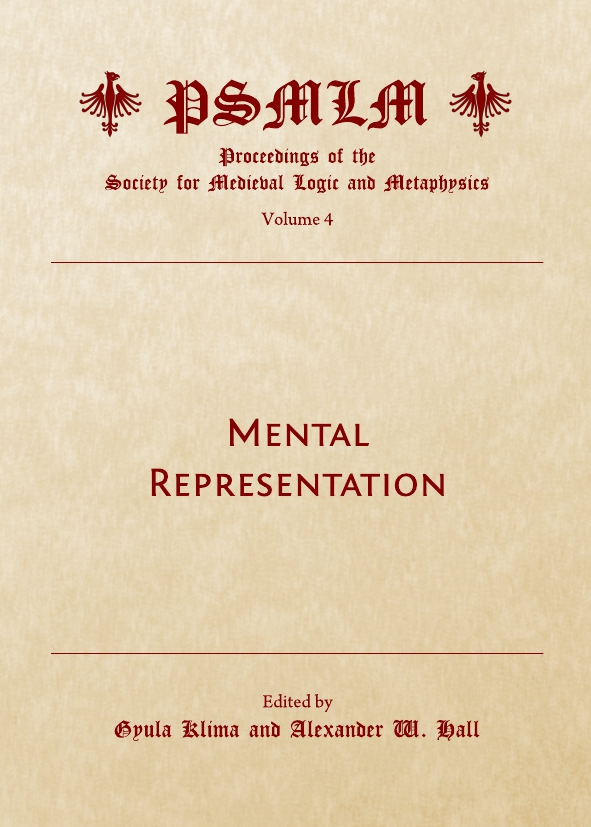
Mental Representation (Volume 4
Proceedings of the Society for Medieval Logic and Metaphysics)
Contrary to common belief, medieval philosophers saw intentionality in physical phenomena like reflections and sounds. Mental Representation explores their intricate views on cognition and representation, shedding new light on historical and contemporary philosophy of mind.
Contrary to common belief, medieval philosophers saw intentionality in physical phenomena like reflections and sounds. Mental Representation explores their intricate views on cognition and representation, shedding new light on historical and contemporary philosophy of mind.
View more
This product has multiple variants. The options may be chosen on the product page
Processing Your Order
Please wait while we securely process your order.
Do not refresh or leave this page.
You will be redirected shortly to a confirmation page with your order number.