

View more
This product has multiple variants. The options may be chosen on the product page
Empowerment and Fragility
Biopolitics and Ethics in International Relations and Strategic Studies
The book discusses how biopolitics and ethics influence the fields of international relations and strategic studies, critically questioning how international policies in areas like terrorism, health, and are being built through global policy regimes and global discursive regimes.
The book discusses how biopolitics and ethics influence the fields of international relations and strategic studies, critically questioning how international policies in areas like terrorism, health, and are being built through global policy regimes and global discursive regimes.
View more
This product has multiple variants. The options may be chosen on the product page
View more
This product has multiple variants. The options may be chosen on the product page
From £53.99
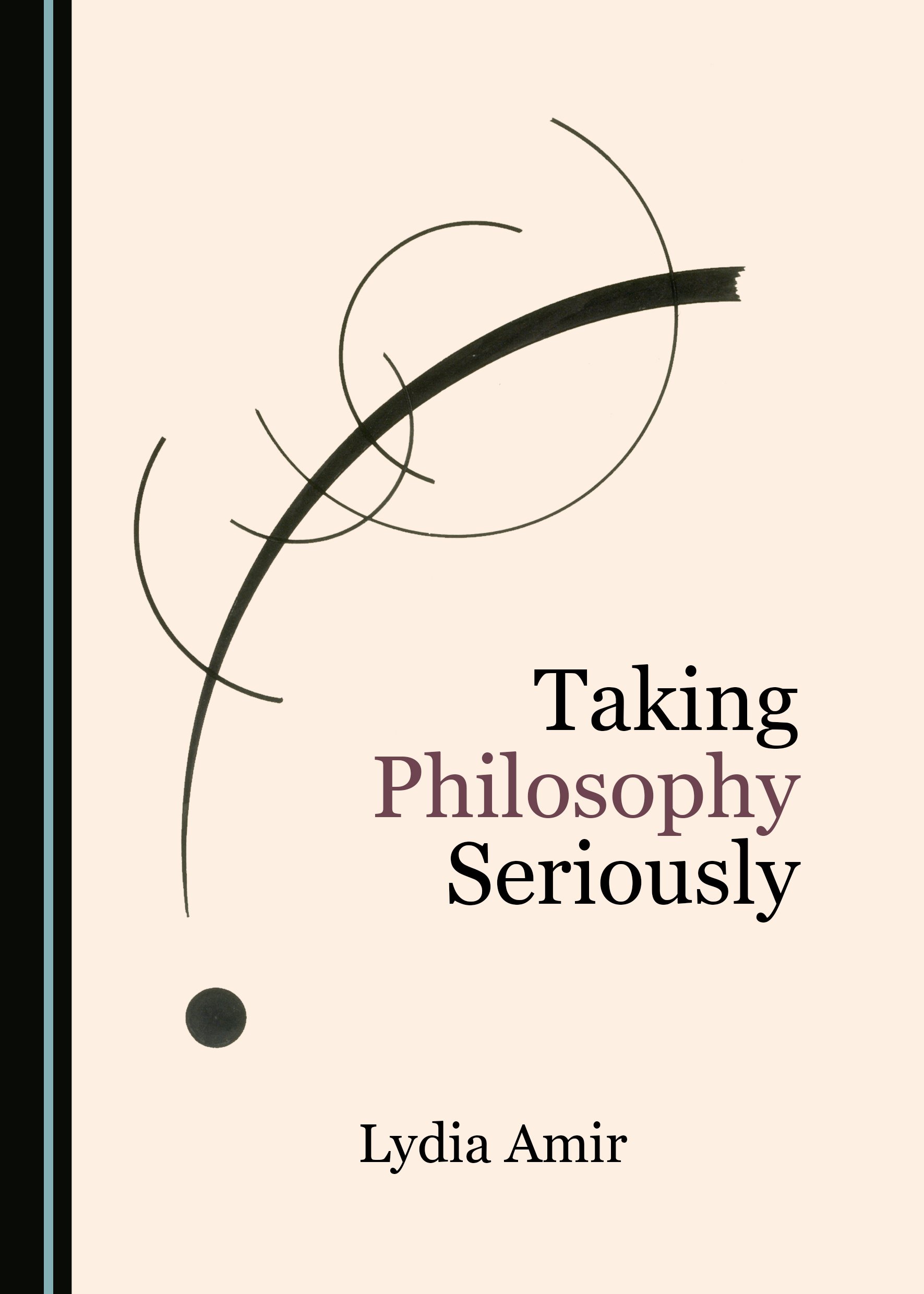
This book challenges the division between academic and practical philosophy. It offers a melioristic view that rethinks philosophy's methods, reinvigorates its teaching, and secures its relevance outside the academe by offering original solutions to its contemporary crisis.
This book challenges the division between academic and practical philosophy. It offers a melioristic view that rethinks philosophy’s methods, reinvigorates its teaching, and secures its relevance outside the academe by offering original solutions to its contemporary crisis.
View more
This product has multiple variants. The options may be chosen on the product page
View more
This product has multiple variants. The options may be chosen on the product page
From £33.99
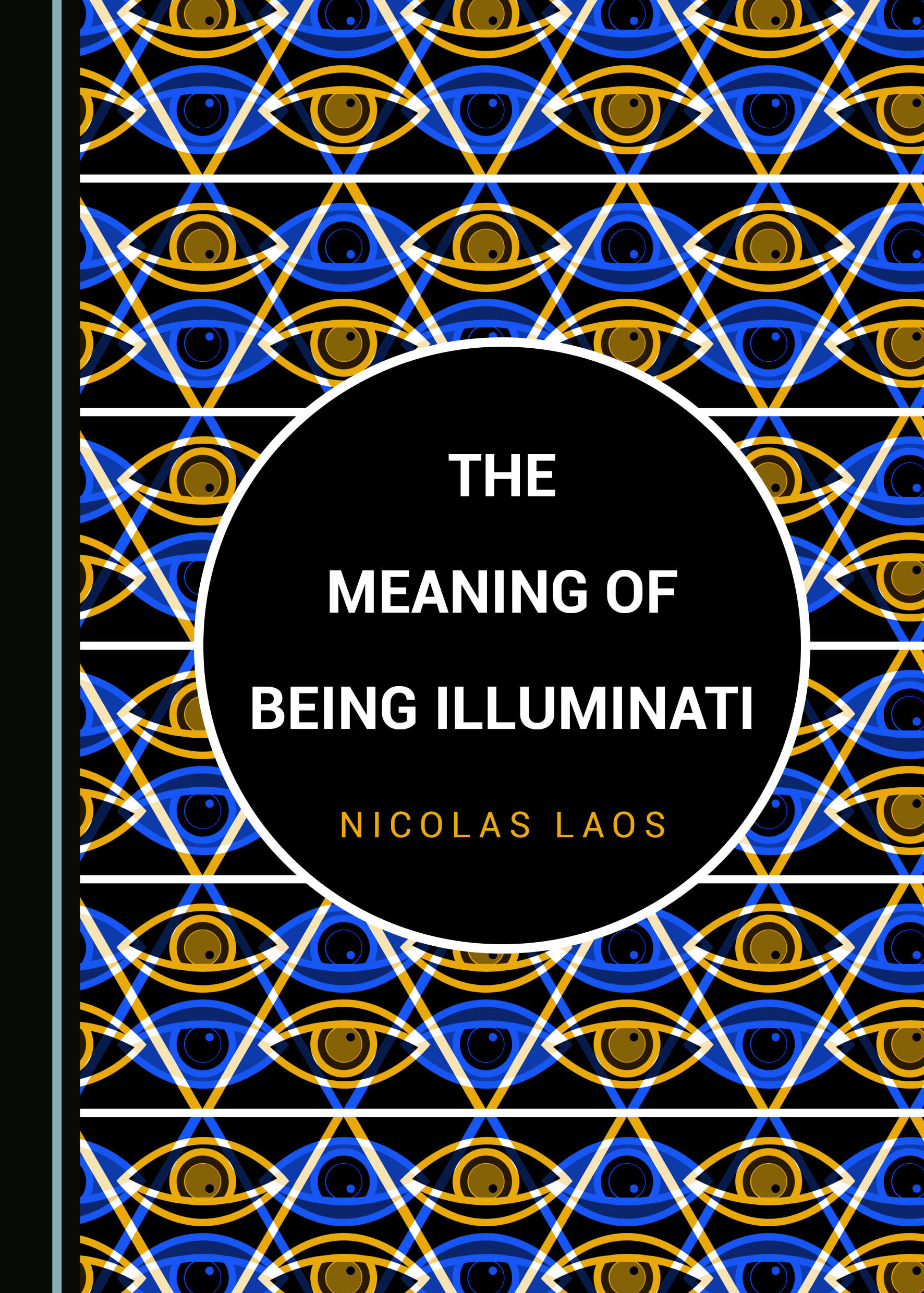
Ur-Illuminism charts humanity’s quest for its highest potential. Tracing a hidden history from Plato and the mystics to the Illuminati, it proposes a radical synthesis of esoteric metaphysics and libertarian thought as the one true bulwark against modern oppression.
Ur-Illuminism charts humanity’s quest for its highest potential. Tracing a hidden history from Plato and the mystics to the Illuminati, it proposes a radical synthesis of esoteric metaphysics and libertarian thought as the one true bulwark against modern oppression.
View more
This product has multiple variants. The options may be chosen on the product page

View more
This product has multiple variants. The options may be chosen on the product page
Thought Experiments between Nature and Society
A Festschrift for Nenad Miščević
What is a thought experiment, and is it useful for philosophy? This collection tackles this hot topic, analyzing classics from The Ring of Gyges to Brain-in-a-Vat. Colleagues of Nenad Miščević share their thoughts, followed by his own comments on their work.
What is a thought experiment, and is it useful for philosophy? This collection tackles this hot topic, analyzing classics from The Ring of Gyges to Brain-in-a-Vat. Colleagues of Nenad Miščević share their thoughts, followed by his own comments on their work.
View more
This product has multiple variants. The options may be chosen on the product page
View more
This product has multiple variants. The options may be chosen on the product page
The Ethics of Care in Times of Social and Moral Upheaval
Utopia or Reality?
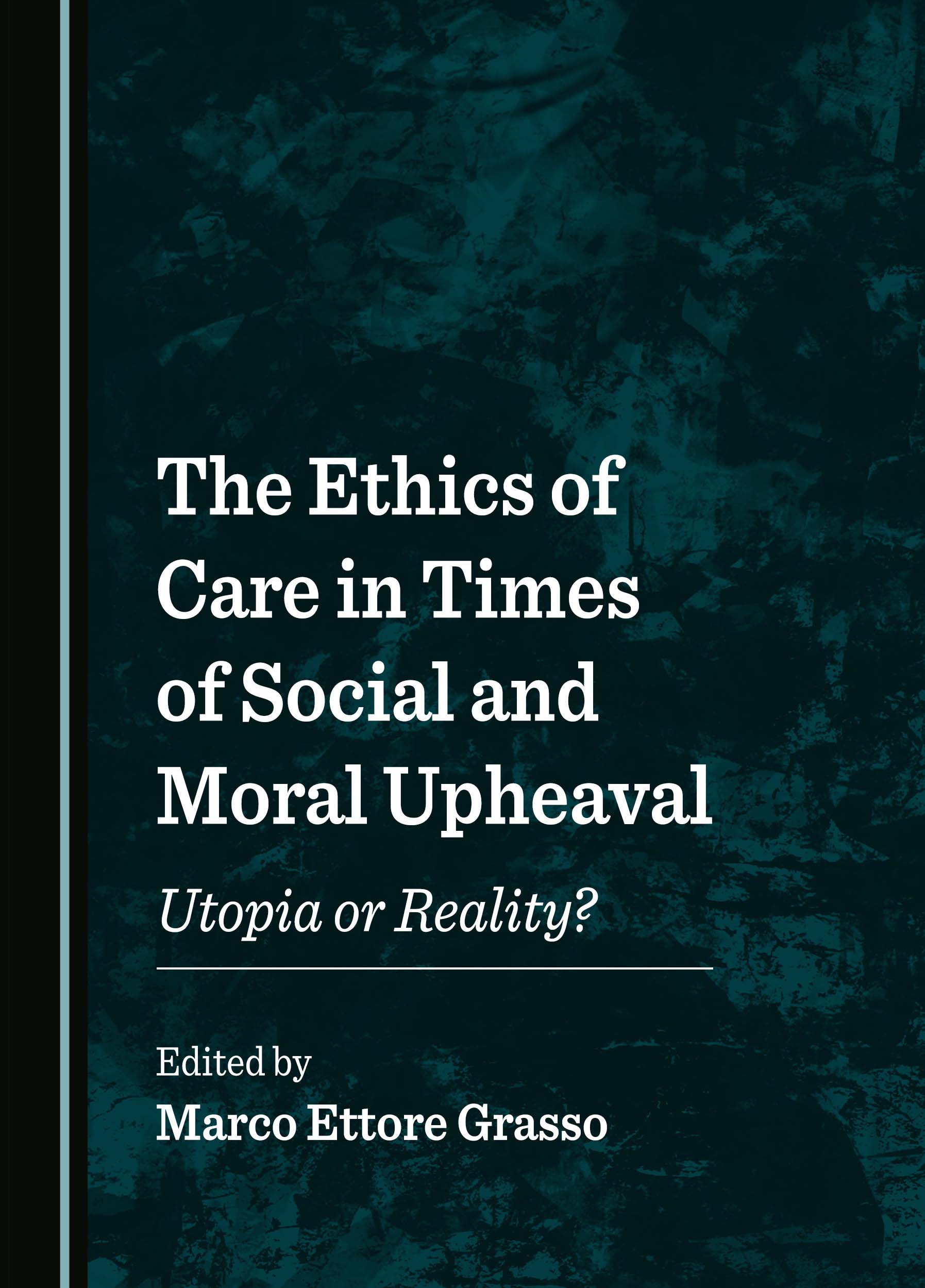
Taking care means tending to our loved ones, ourselves, and the world. But in times of crisis, emergency scenarios and frenetic social changes strain our motivation to care. Do these challenges have the power to undo our sensitivities to caring for someone or something else?
Taking care means tending to our loved ones, ourselves, and the world. But in times of crisis, emergency scenarios and frenetic social changes strain our motivation to care. Do these challenges have the power to undo our sensitivities to caring for someone or something else?
View more
This product has multiple variants. The options may be chosen on the product page
View more
This product has multiple variants. The options may be chosen on the product page
Aquinas and Us (Volume 18
Proceedings of the Society for Medieval Logic and Metaphysics)
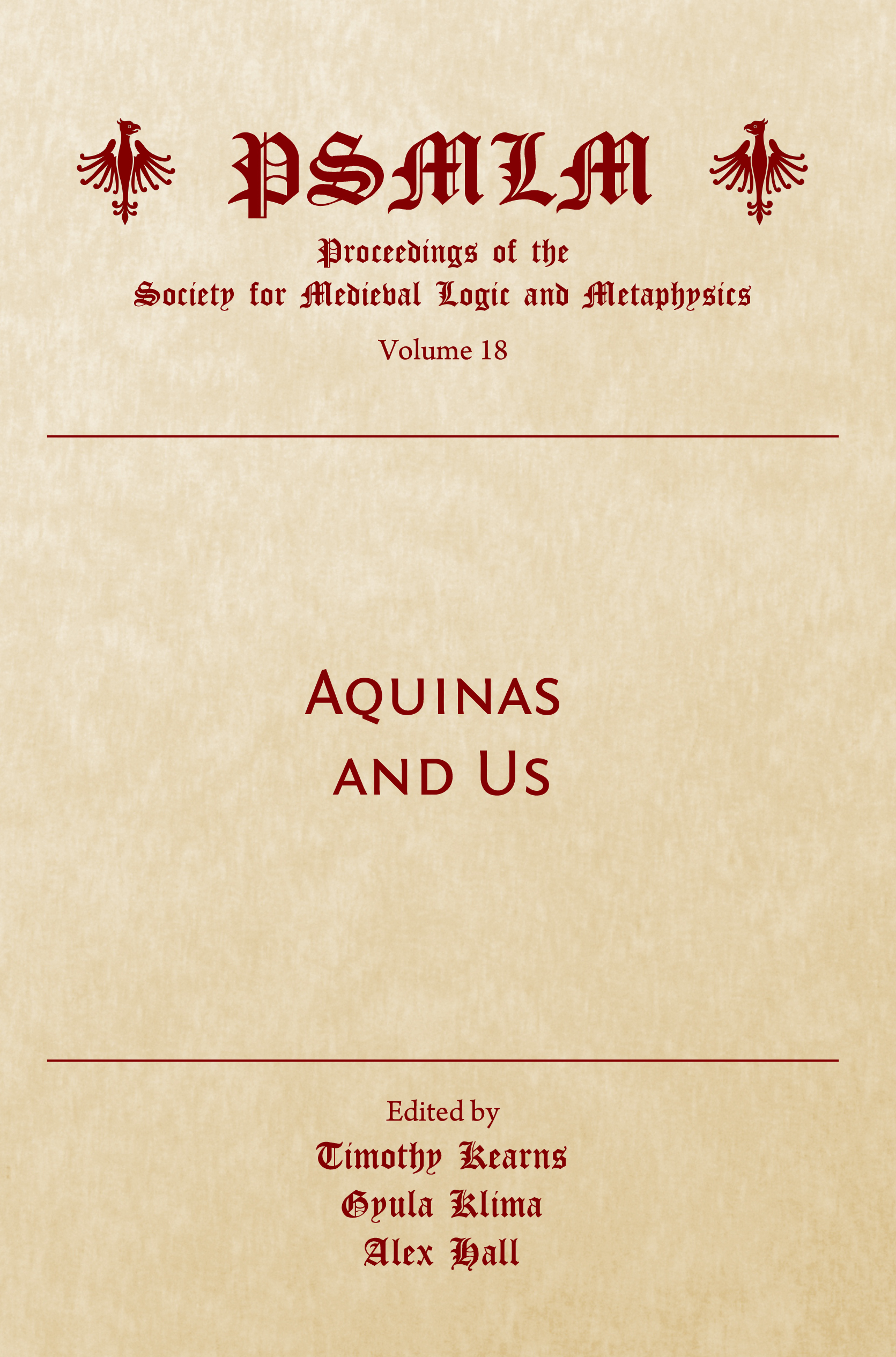
This volume considers the contemporary relevance of Aquinas’ thought in metaphysics, natural theology, physics, and philosophy of mind. Chapters intersect with key modern debates, interpreting his physics in light of contemporary findings and his account of human self-awareness.
This volume considers the contemporary relevance of Aquinas’ thought in metaphysics, natural theology, physics, and philosophy of mind. Chapters intersect with key modern debates, interpreting his physics in light of contemporary findings and his account of human self-awareness.
View more
This product has multiple variants. The options may be chosen on the product page
View more
This product has multiple variants. The options may be chosen on the product page
From £33.99
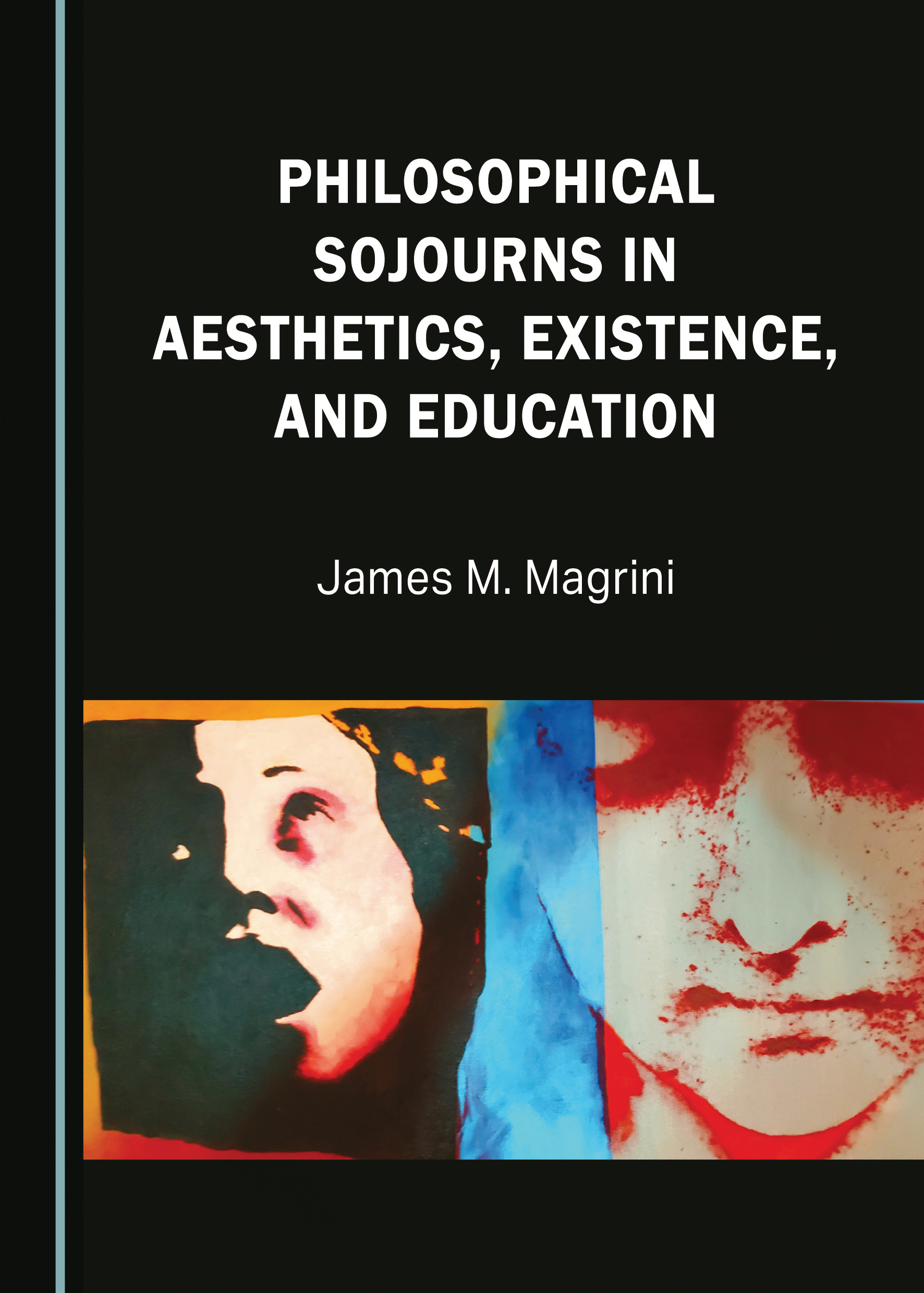
How can we live philosophically? Drawing on Nietzsche, Heidegger, and Plato, these essays probe life’s great questions through aesthetics, poetry, and existentialism. This challenging, interdisciplinary guide explores ethics, meaning, and philosophy as a way of life.
How can we live philosophically? Drawing on Nietzsche, Heidegger, and Plato, these essays probe life’s great questions through aesthetics, poetry, and existentialism. This challenging, interdisciplinary guide explores ethics, meaning, and philosophy as a way of life.
View more
This product has multiple variants. The options may be chosen on the product page

View more
This product has multiple variants. The options may be chosen on the product page
From £33.99
Amidst a global collapse of confidence in inefficient democracies, this book explores new political possibilities. Cyber-societies use big data and algorithms to challenge expired systems, offering the first e-political models for resolving our global chaos.
Amidst a global collapse of confidence in inefficient democracies, this book explores new political possibilities. Cyber-societies use big data and algorithms to challenge expired systems, offering the first e-political models for resolving our global chaos.
View more
This product has multiple variants. The options may be chosen on the product page
View more
This product has multiple variants. The options may be chosen on the product page
A Logician’s Perspective on the Relation Between the Mind and Body
Mentality and Modality
A recognized authority on modal logic examines the supervenience of the mental on the physical—the thesis that any mental difference requires a physical one. From a logician’s point of view, he questions not so much the truth as the significance of the supervenience thesis.
A recognized authority on modal logic examines the supervenience of the mental on the physical—the thesis that any mental difference requires a physical one. From a logician’s point of view, he questions not so much the truth as the significance of the supervenience thesis.
View more
This product has multiple variants. The options may be chosen on the product page

View more
This product has multiple variants. The options may be chosen on the product page
From £33.99
To venture into the uncharted world of aesthetics is to explore the cosmos and blaze a trail to the self. This book provides insights into how works about aesthetics are also works reflective of the self, with endless possibilities of being.
To venture into the uncharted world of aesthetics is to explore the cosmos and blaze a trail to the self. This book provides insights into how works about aesthetics are also works reflective of the self, with endless possibilities of being.
View more
This product has multiple variants. The options may be chosen on the product page
View more
This product has multiple variants. The options may be chosen on the product page
From £33.99
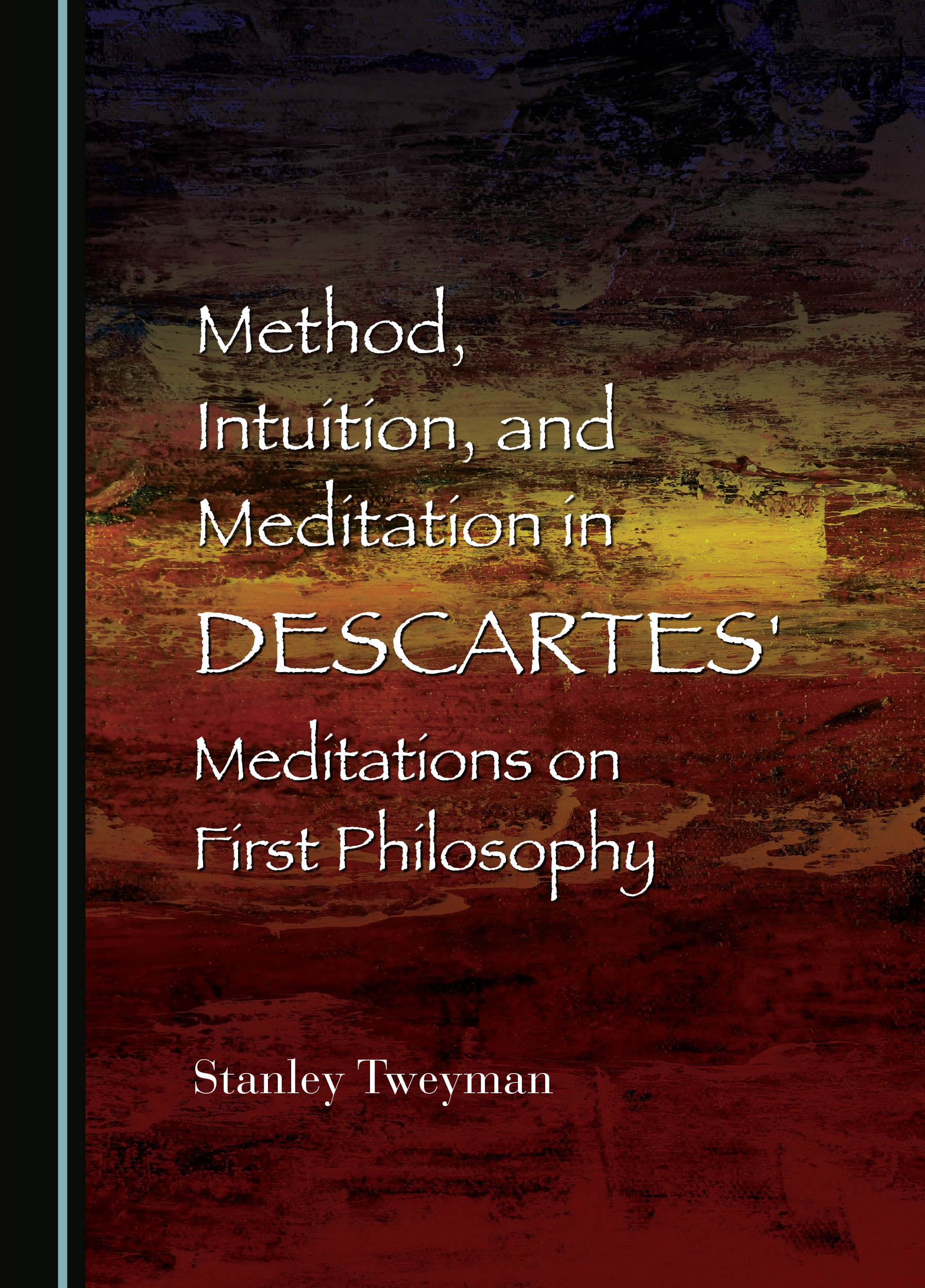
In his Meditations, Descartes sought the first principles of human knowledge, rejecting the senses for intuition and meditation. This book explains his reasoning and provides textual support, while a final critical chapter shows the failures of his approach.
In his Meditations, Descartes sought the first principles of human knowledge, rejecting the senses for intuition and meditation. This book explains his reasoning and provides textual support, while a final critical chapter shows the failures of his approach.
View more
This product has multiple variants. The options may be chosen on the product page
View more
This product has multiple variants. The options may be chosen on the product page
£66.99
Human values do not fall from a metaphysical sky. They originate from the human essence—a universal life force emerging from the natural process. Values arise as an existential response to the desires and essential demands of human nature, a gift to all societies.
Human values do not fall from a metaphysical sky. They originate from the human essence—a universal life force emerging from the natural process. Values arise as an existential response to the desires and essential demands of human nature, a gift to all societies.
View more
This product has multiple variants. The options may be chosen on the product page

View more
This product has multiple variants. The options may be chosen on the product page
Understanding Wittgenstein’s Authorship
Language, Thought, and Reality
What was Wittgenstein trying to do in his later work? This book argues that most scholarship fails to take his philosophical struggles seriously. His key, if inchoate, insight was that by means of language we seek not primarily to describe reality, but to transform it.
What was Wittgenstein trying to do in his later work? This book argues that most scholarship fails to take his philosophical struggles seriously. His key, if inchoate, insight was that by means of language we seek not primarily to describe reality, but to transform it.
View more
This product has multiple variants. The options may be chosen on the product page
View more
This product has multiple variants. The options may be chosen on the product page
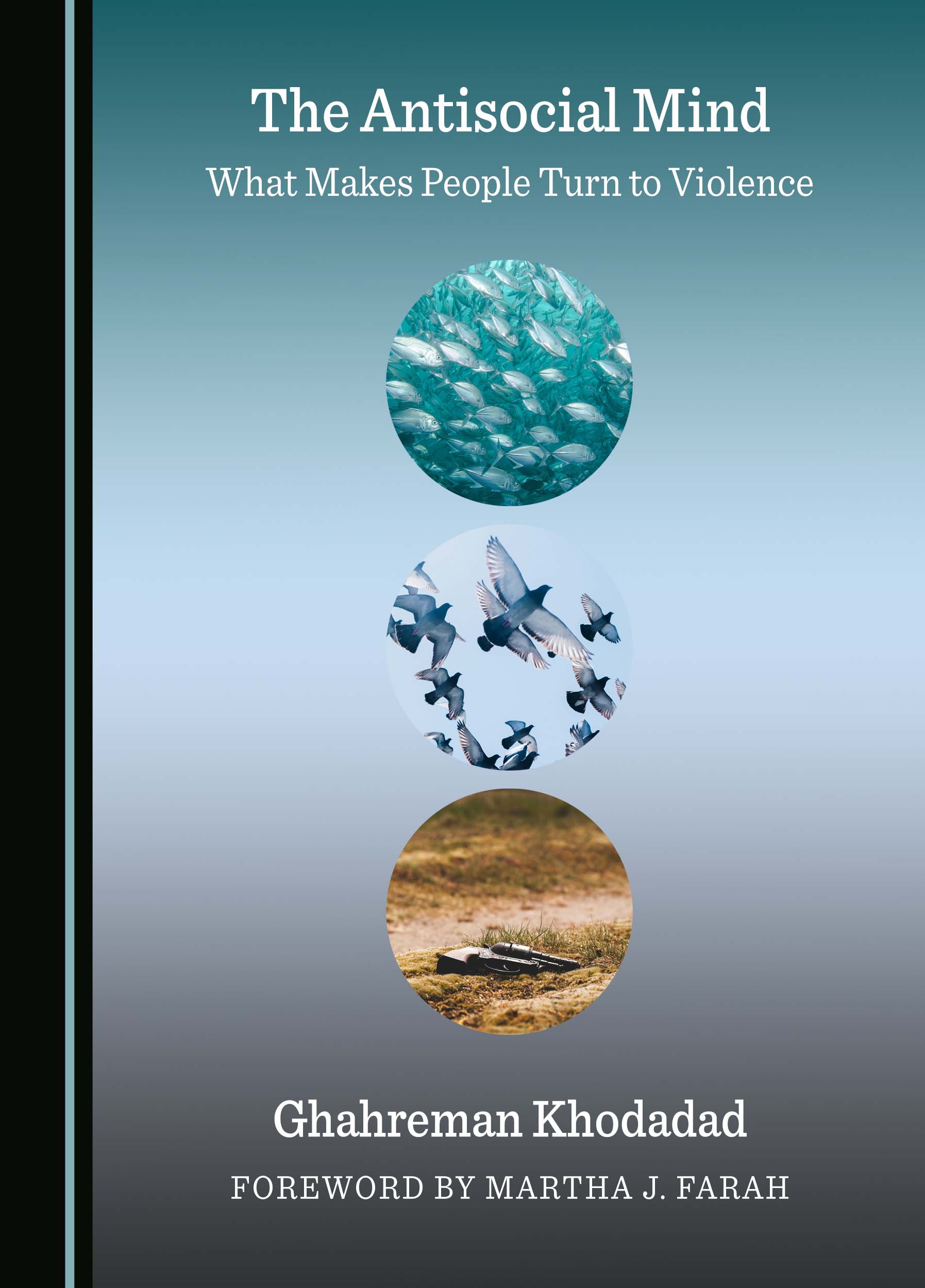
The Antisocial Mind
What Makes People Turn to Violence
Antisocial behavior is a result of biology, not a choice. This book argues that since the brain produces behavior unconsciously, antisocial individuals are not accountable. They should be treated, not punished, and prisons converted into rehabilitation centers.
Antisocial behavior is a result of biology, not a choice. This book argues that since the brain produces behavior unconsciously, antisocial individuals are not accountable. They should be treated, not punished, and prisons converted into rehabilitation centers.
View more
This product has multiple variants. The options may be chosen on the product page

View more
This product has multiple variants. The options may be chosen on the product page
Art and the Technosphere
The Platforms of Strings
This book investigates contemporary art's new status. From caves to digital simulations, art no longer just represents ideas—it constructs worlds. The question is no longer “what” art is, but how we determine the difference between the aesthetic object and artificial life.
This book investigates contemporary art’s new status. From caves to digital simulations, art no longer just represents ideas—it constructs worlds. The question is no longer “what” art is, but how we determine the difference between the aesthetic object and artificial life.
View more
This product has multiple variants. The options may be chosen on the product page

View more
This product has multiple variants. The options may be chosen on the product page
From £32.99
Countering claims of decadence, this book argues that turn-of-the-century art was energized by a search for meaningful form grounded in psychology. It connects key thinkers to modernists like T. S. Eliot and James Joyce, redefining literary genre through this new lens.
Countering claims of decadence, this book argues that turn-of-the-century art was energized by a search for meaningful form grounded in psychology. It connects key thinkers to modernists like T. S. Eliot and James Joyce, redefining literary genre through this new lens.
View more
This product has multiple variants. The options may be chosen on the product page
View more
This product has multiple variants. The options may be chosen on the product page
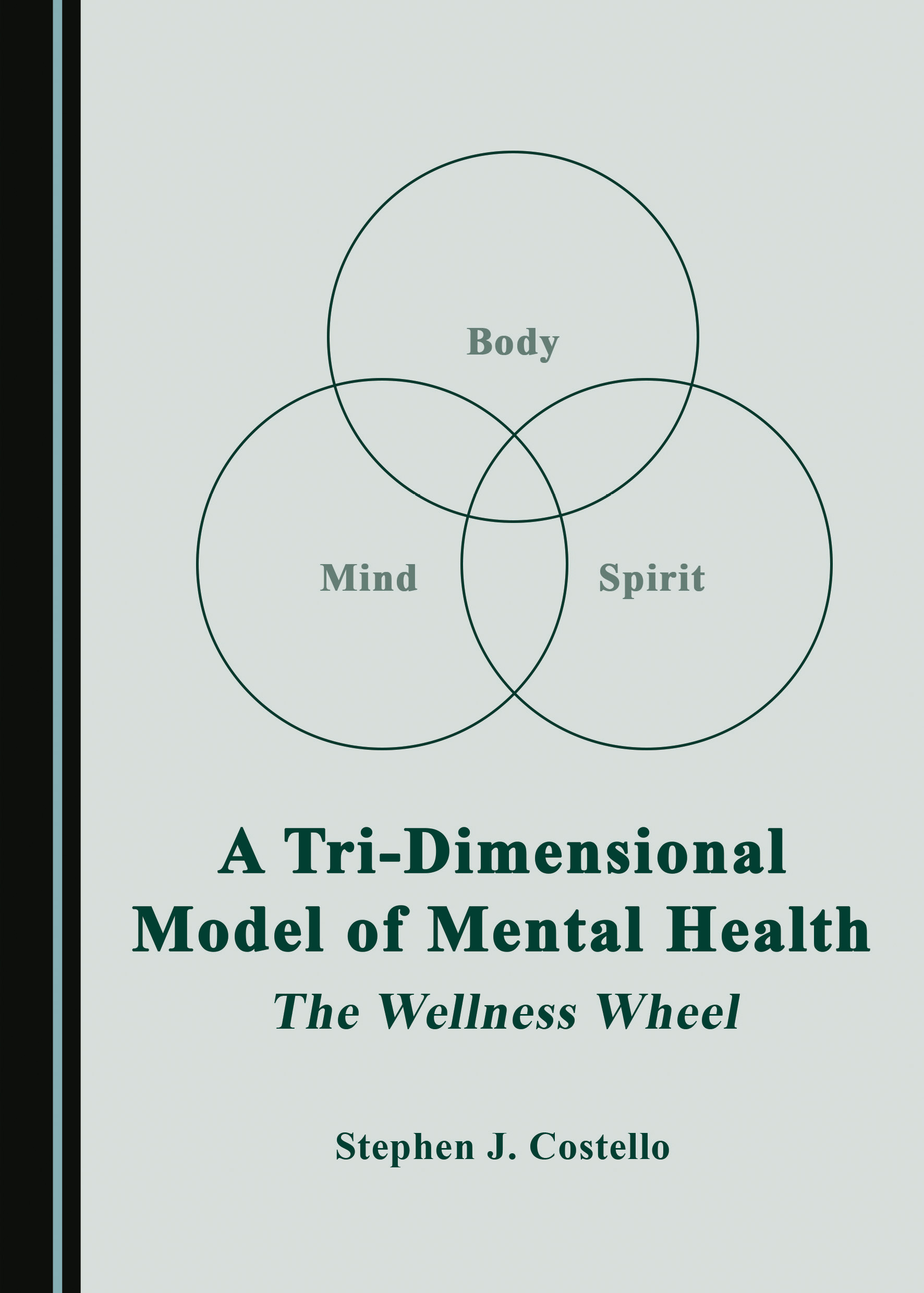
A Tri-Dimensional Model of Mental Health
The Wellness Wheel
This study explores what constitutes mental health, proposing that holistic health depends on integral wholeness: the synthesis of body, mind, and heart. It argues one is always whole in one’s true Self (essence), which must be distinguished from the ego (personality).
This study explores what constitutes mental health, proposing that holistic health depends on integral wholeness: the synthesis of body, mind, and heart. It argues one is always whole in one’s true Self (essence), which must be distinguished from the ego (personality).
View more
This product has multiple variants. The options may be chosen on the product page
View more
This product has multiple variants. The options may be chosen on the product page
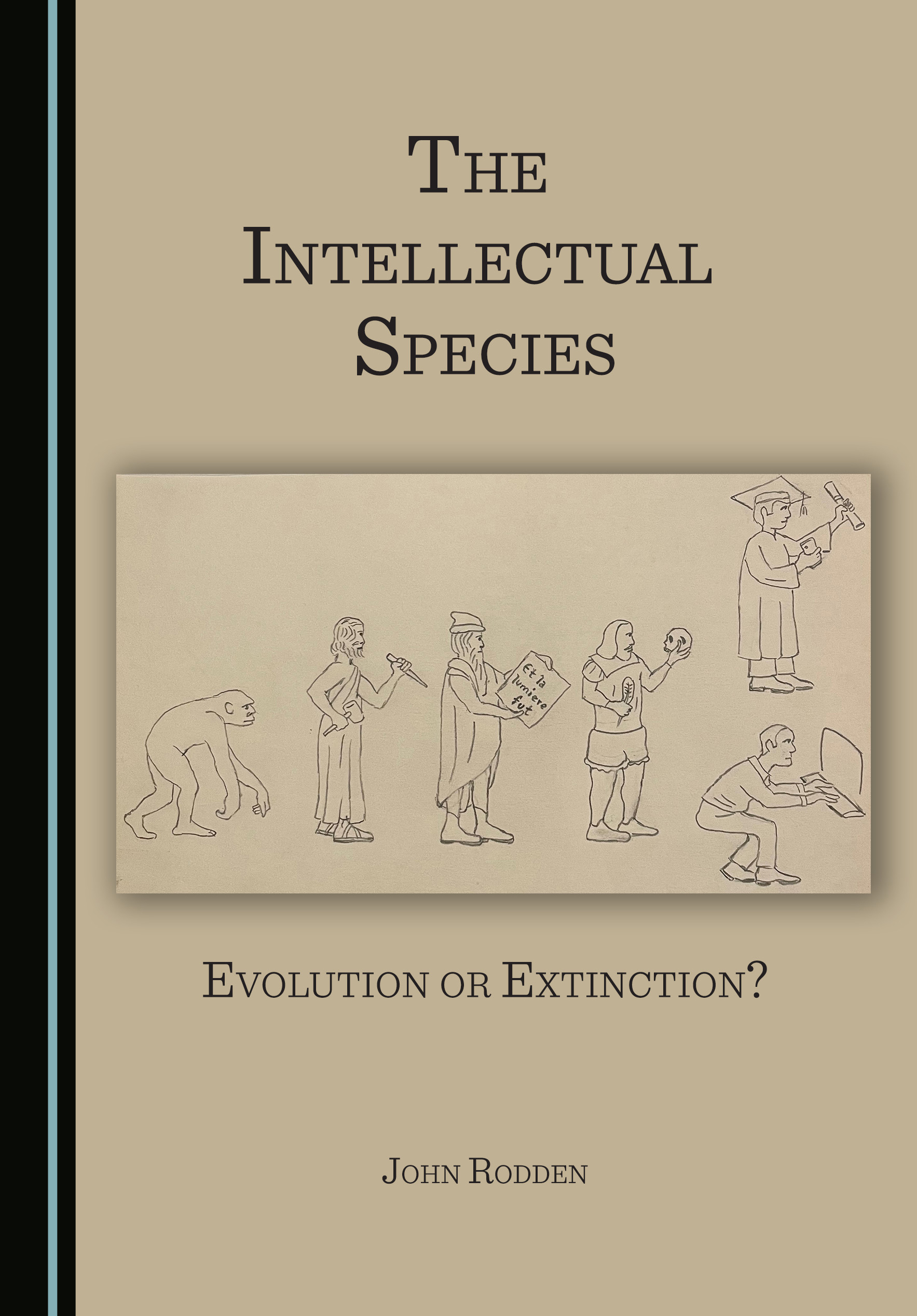
The Intellectual Species
Evolution or Extinction?
This book explores the survival of “the intellectual” in the digital era of soundbites and fake news. Through the lives of contrarian post-WWII thinkers like George Orwell, Albert Camus, and Camille Paglia, it yields insight into the transformation of our cultural life.
This book explores the survival of “the intellectual” in the digital era of soundbites and fake news. Through the lives of contrarian post-WWII thinkers like George Orwell, Albert Camus, and Camille Paglia, it yields insight into the transformation of our cultural life.
View more
This product has multiple variants. The options may be chosen on the product page
View more
This product has multiple variants. The options may be chosen on the product page
From £32.99
Belief in moral responsibility is a profound commitment, but the common philosophical arguments cannot account for its power. This book is a quest to uncover the deeper sources, showing that our belief is rooted in powerful psychological factors that rarely rise to consciousness.
Belief in moral responsibility is a profound commitment, but the common philosophical arguments cannot account for its power. This book is a quest to uncover the deeper sources, showing that our belief is rooted in powerful psychological factors that rarely rise to consciousness.
View more
This product has multiple variants. The options may be chosen on the product page
View more
This product has multiple variants. The options may be chosen on the product page
From £32.99
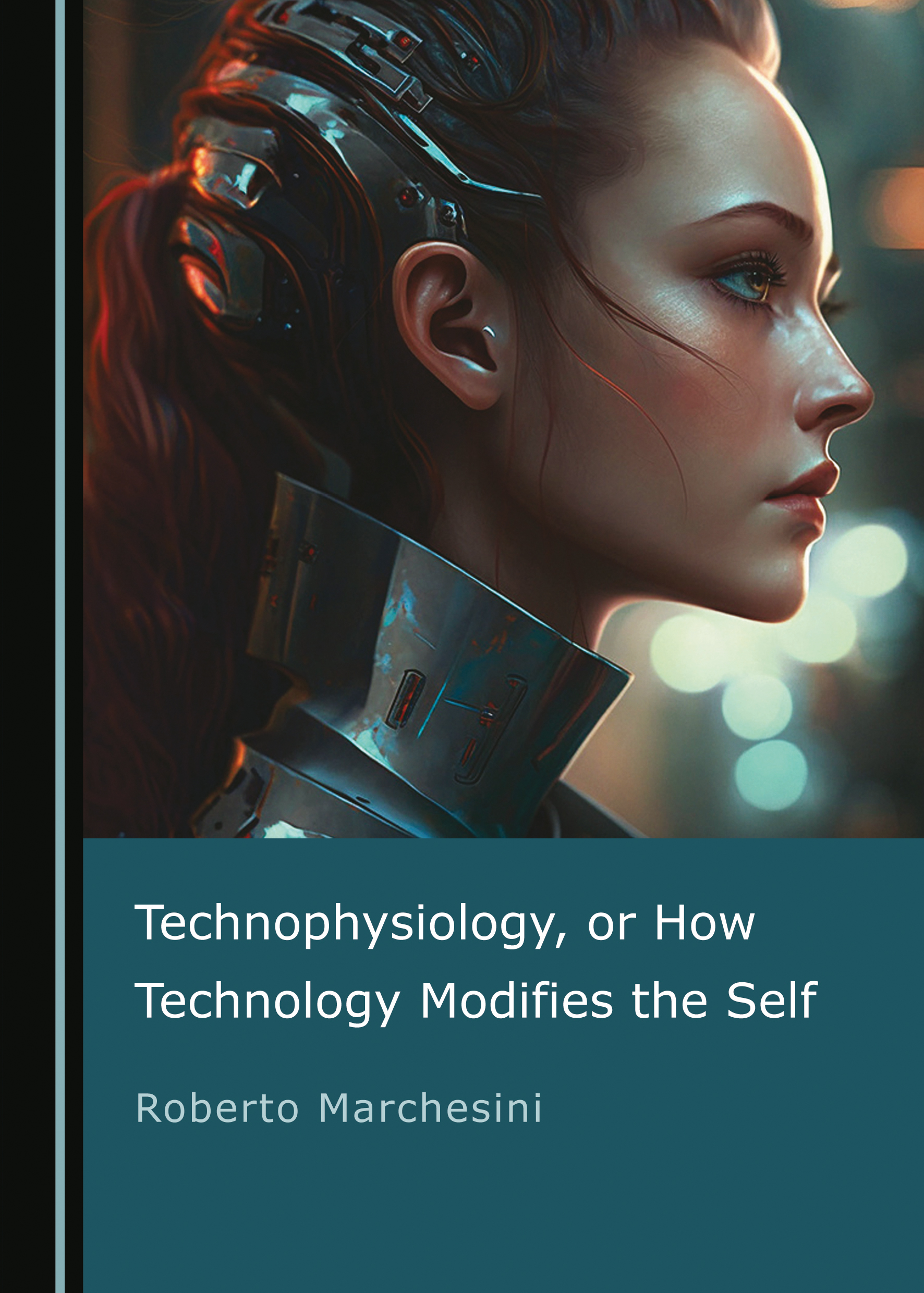
In a technology-driven world, our devices are profoundly transforming us. This book explores how technology shapes our bodies—from hormones and brain organization to immune function—unveiling the resulting addictions, disorders, and major societal shifts.
In a technology-driven world, our devices are profoundly transforming us. This book explores how technology shapes our bodies—from hormones and brain organization to immune function—unveiling the resulting addictions, disorders, and major societal shifts.
View more
This product has multiple variants. The options may be chosen on the product page
Processing Your Order
Please wait while we securely process your order.
Do not refresh or leave this page.
You will be redirected shortly to a confirmation page with your order number.