
View more
This product has multiple variants. The options may be chosen on the product page
£19.99
This journal has been discontinued. Any issues are available to purchase separately.
View more
This product has multiple variants. The options may be chosen on the product page
View more
This product has multiple variants. The options may be chosen on the product page
Review Journal of Political Philosophy Volume 8.2
Naomi Zack’s Ethics for Disaster
This journal has been discontinued. Any issues are available to purchase separately.
View more
This product has multiple variants. The options may be chosen on the product page
View more
This product has multiple variants. The options may be chosen on the product page
£49.99
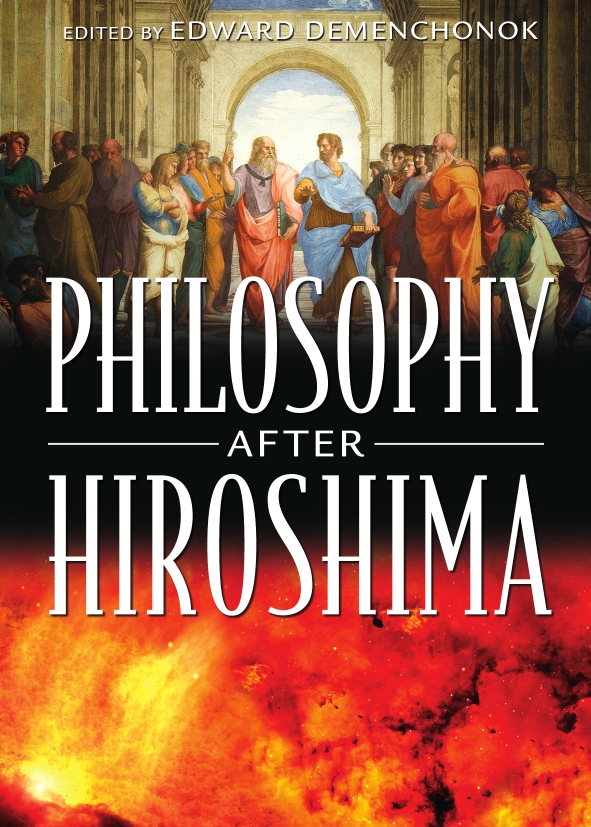
Recalling Hiroshima, this book offers a philosophical analysis of war and peace in the nuclear age. It addresses contemporary threats to humanity and shows the urgent relevance of nonviolence, arguing for a new, peace-promoting global dialogue.
Recalling Hiroshima, this book offers a philosophical analysis of war and peace in the nuclear age. It addresses contemporary threats to humanity and shows the urgent relevance of nonviolence, arguing for a new, peace-promoting global dialogue.
View more
This product has multiple variants. The options may be chosen on the product page
View more
This product has multiple variants. The options may be chosen on the product page
£34.99
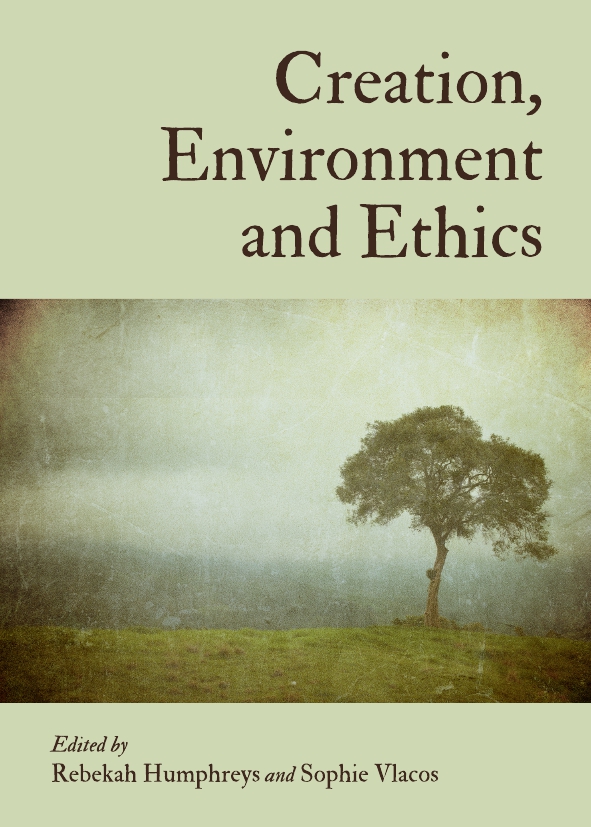
This book responds to pressing environmental issues by exploring ethics, evolution, and creation. Prominent philosophers critique the work of Professor Robin Attfield, who in turn provides a clear and thorough response to each challenge.
This book responds to pressing environmental issues by exploring ethics, evolution, and creation. Prominent philosophers critique the work of Professor Robin Attfield, who in turn provides a clear and thorough response to each challenge.
View more
This product has multiple variants. The options may be chosen on the product page
View more
This product has multiple variants. The options may be chosen on the product page
£39.99
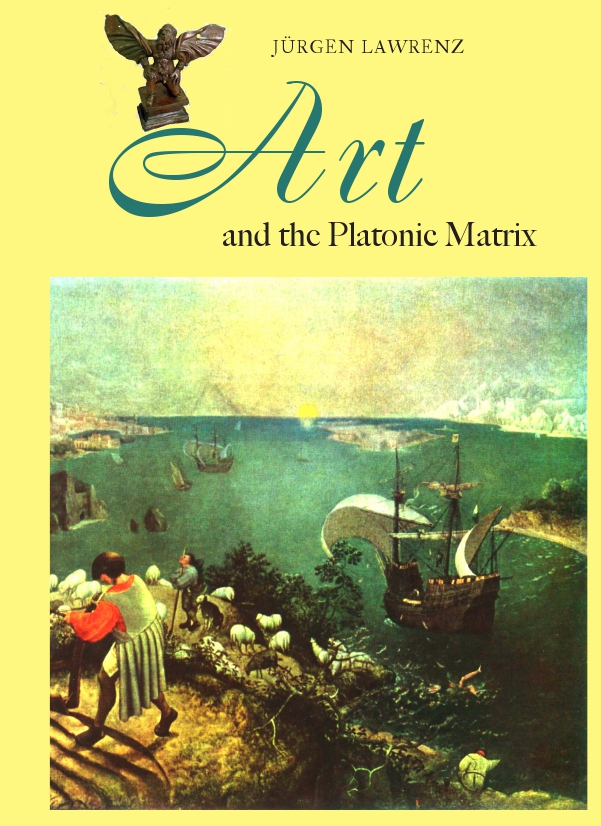
For millennia, philosophy has failed to define art. This searching critique reveals why and proposes a new philosophy, demonstrating that art is quintessentially involved in the meaning of life, our impulse for self-knowledge, and understanding the human condition.
For millennia, philosophy has failed to define art. This searching critique reveals why and proposes a new philosophy, demonstrating that art is quintessentially involved in the meaning of life, our impulse for self-knowledge, and understanding the human condition.
View more
This product has multiple variants. The options may be chosen on the product page

View more
This product has multiple variants. The options may be chosen on the product page
£39.99
In the West, philosophy is confined to the intellect and music to emotion. This book shows how African musical aesthetics makes either domain the location for the other, affirming a unified sense of being human and registering us as members of nature.
In the West, philosophy is confined to the intellect and music to emotion. This book shows how African musical aesthetics makes either domain the location for the other, affirming a unified sense of being human and registering us as members of nature.
View more
This product has multiple variants. The options may be chosen on the product page
View more
This product has multiple variants. The options may be chosen on the product page
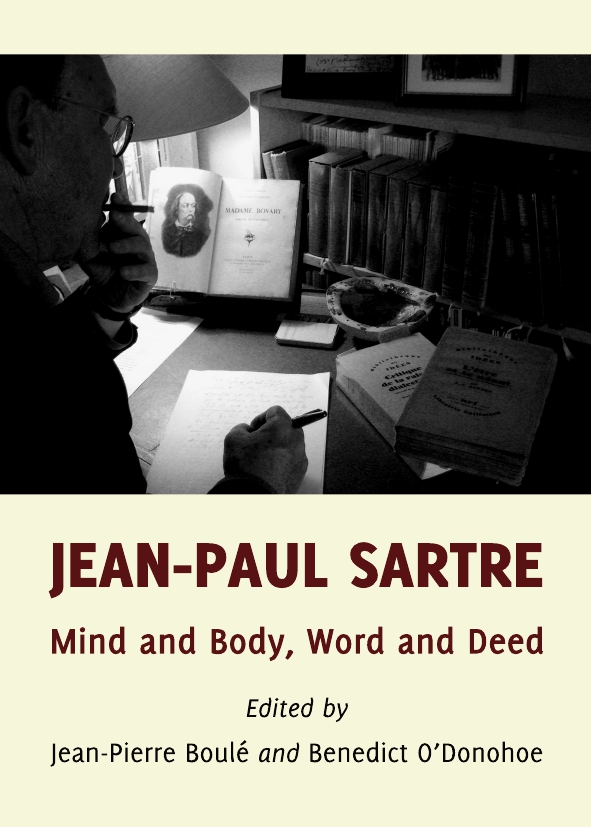
Jean-Paul Sartre
Mind and Body, Word and Deed
This book celebrates Sartre’s polyvalence with an examination of his philosophy, literature, and politics. Twelve scholars explore his thought on the body, time, and ideology, and narrate a neglected visit to Japan, making a strong case for his relevance today.
This book celebrates Sartre’s polyvalence with an examination of his philosophy, literature, and politics. Twelve scholars explore his thought on the body, time, and ideology, and narrate a neglected visit to Japan, making a strong case for his relevance today.
View more
This product has multiple variants. The options may be chosen on the product page
View more
This product has multiple variants. The options may be chosen on the product page
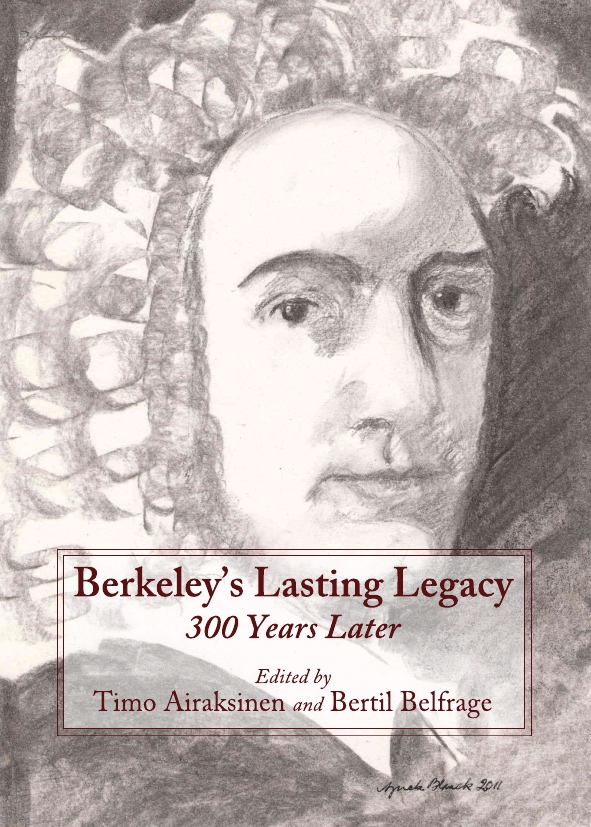
Berkeley’s Lasting Legacy
300 Years Later
Known for his denial of matter, George Berkeley was a far more wide-ranging thinker. This collection by international experts reveals his contributions to metaphysics, science, and economics, showing him as he was: a courageous philosophical innovator.
Known for his denial of matter, George Berkeley was a far more wide-ranging thinker. This collection by international experts reveals his contributions to metaphysics, science, and economics, showing him as he was: a courageous philosophical innovator.
View more
This product has multiple variants. The options may be chosen on the product page
View more
This product has multiple variants. The options may be chosen on the product page
£49.99
The relation between logic and knowledge is an underdeveloped theme. This book's ambition is to stimulate renewed reflection upon it by collecting essays from leading figures, each followed by a discussant's comments to create an ongoing dialogue.
The relation between logic and knowledge is an underdeveloped theme. This book’s ambition is to stimulate renewed reflection upon it by collecting essays from leading figures, each followed by a discussant’s comments to create an ongoing dialogue.
View more
This product has multiple variants. The options may be chosen on the product page

View more
This product has multiple variants. The options may be chosen on the product page
Arthur Danto
Philosopher of Pop
This original monograph presents Arthur Danto’s aesthetic theory as part of his larger philosophical system. For the first time, his themes are viewed as a whole, placed in the context of his broader commitments to action, knowledge, and metaphysics.
This original monograph presents Arthur Danto’s aesthetic theory as part of his larger philosophical system. For the first time, his themes are viewed as a whole, placed in the context of his broader commitments to action, knowledge, and metaphysics.
View more
This product has multiple variants. The options may be chosen on the product page
View more
This product has multiple variants. The options may be chosen on the product page
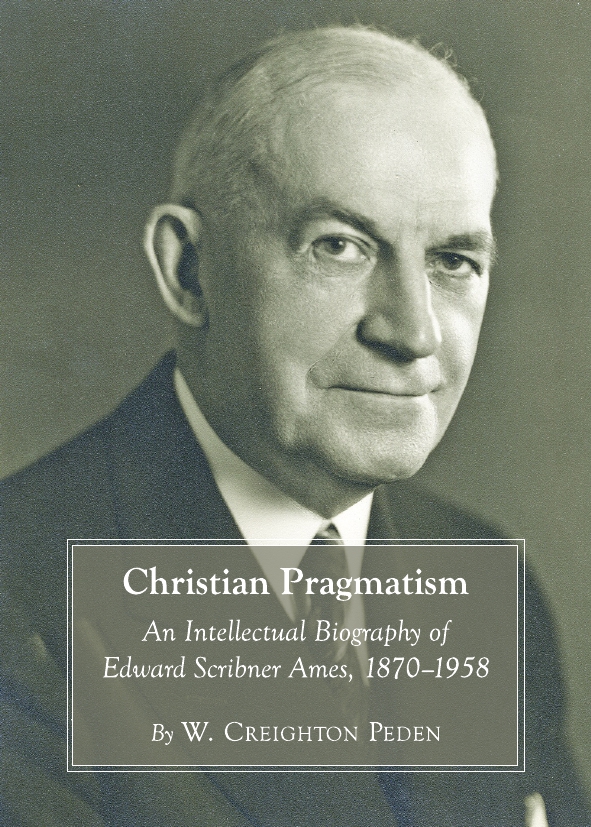
Christian Pragmatism
An Intellectual Biography of Edward Scribner Ames, 1870-1958
Edward Ames called theology a search for a black cat in a dark room that is not there. A student of John Dewey, he forged a pragmatic view of religion, seeing God as a natural process. This volume presents his thought historically through his major writings.
Edward Ames called theology a search for a black cat in a dark room that is not there. A student of John Dewey, he forged a pragmatic view of religion, seeing God as a natural process. This volume presents his thought historically through his major writings.
View more
This product has multiple variants. The options may be chosen on the product page
View more
This product has multiple variants. The options may be chosen on the product page
£34.99
While quantum mechanics is probabilistic, classical physics makes definite predictions. This book argues these predictions can be explained by the mathematics of special relativity, and explores the profound philosophical consequences. No advanced math or physics is required.
While quantum mechanics is probabilistic, classical physics makes definite predictions. This book argues these predictions can be explained by the mathematics of special relativity, and explores the profound philosophical consequences. No advanced math or physics is required.
View more
This product has multiple variants. The options may be chosen on the product page
View more
This product has multiple variants. The options may be chosen on the product page
£34.99
This book explores the thought of Dionysius the Areopagite, a controversial figure who masterfully integrated pagan Neoplatonic philosophy with Christian theology. It examines his sources and offers insights into the original points of his philosophy.
This book explores the thought of Dionysius the Areopagite, a controversial figure who masterfully integrated pagan Neoplatonic philosophy with Christian theology. It examines his sources and offers insights into the original points of his philosophy.
View more
This product has multiple variants. The options may be chosen on the product page
View more
This product has multiple variants. The options may be chosen on the product page
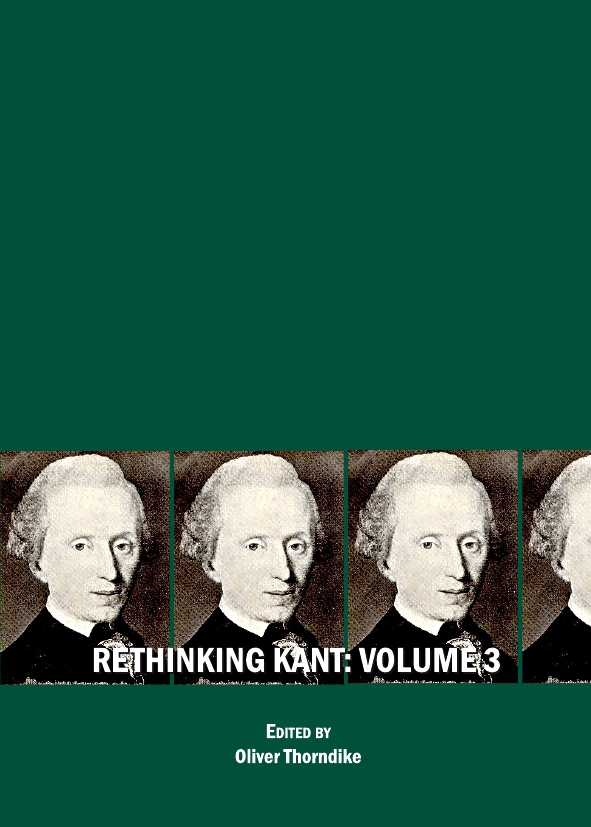
Rethinking Kant
Volume 3
The Rethinking Kant series bears witness to the richness of Kantian studies. This unique collection garners papers from a whole generation of thinkers, from new PhDs to established scholars. This third volume takes the pulse of current Kantian scholarship.
The Rethinking Kant series bears witness to the richness of Kantian studies. This unique collection garners papers from a whole generation of thinkers, from new PhDs to established scholars. This third volume takes the pulse of current Kantian scholarship.
View more
This product has multiple variants. The options may be chosen on the product page

View more
This product has multiple variants. The options may be chosen on the product page
£34.99
This book explores human relationships from the perspective of phenomenology. More than an abstract academic work, it is essential for those interested in ethics and political philosophy, offering new ways to articulate humanism and justice for scholars and policymakers.
This book explores human relationships from the perspective of phenomenology. More than an abstract academic work, it is essential for those interested in ethics and political philosophy, offering new ways to articulate humanism and justice for scholars and policymakers.
View more
This product has multiple variants. The options may be chosen on the product page
View more
This product has multiple variants. The options may be chosen on the product page
From £25.99
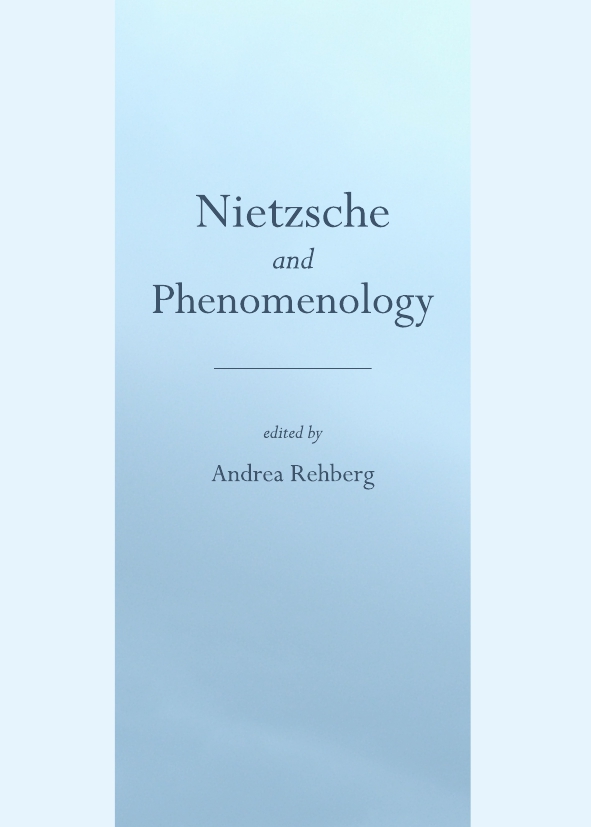
This collection of essays explores the connection between Nietzsche and Phenomenology. Leading international scholars uncover surprising new connections and profound differences, offering significant insights that broaden our understanding of both.
This collection of essays explores the connection between Nietzsche and Phenomenology. Leading international scholars uncover surprising new connections and profound differences, offering significant insights that broaden our understanding of both.
View more
This product has multiple variants. The options may be chosen on the product page
View more
This product has multiple variants. The options may be chosen on the product page
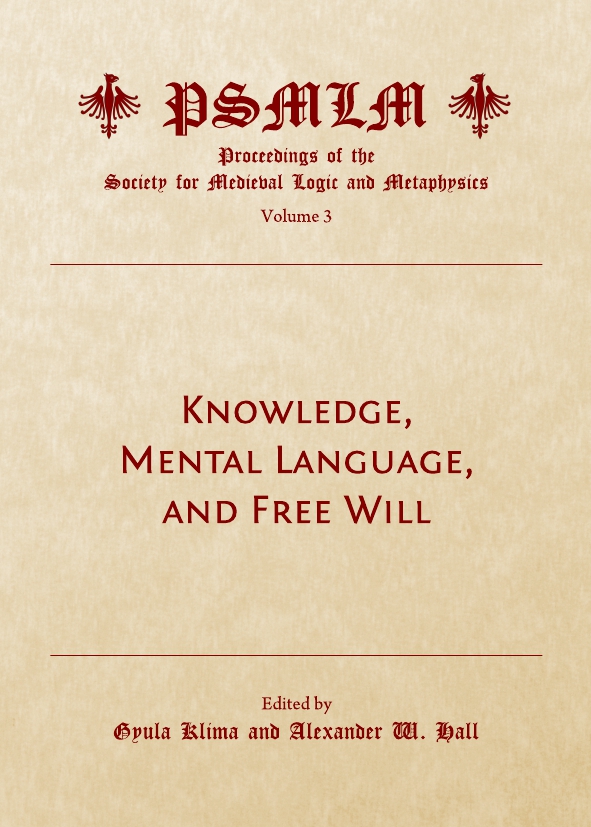
Knowledge, Mental Language, and Free Will (Volume 3
Proceedings of the Society for Medieval Logic and Metaphysics)
Knowledge, Mental Language, and Free Will traverses medieval metaphysics and logic, exploring Aquinas on scientific knowledge, Ockham on mental language, and the antinomy between free will and determination in an attempt to reconcile human freedom with God's omniscience.
Knowledge, Mental Language, and Free Will traverses medieval metaphysics and logic, exploring Aquinas on scientific knowledge, Ockham on mental language, and the antinomy between free will and determination in an attempt to reconcile human freedom with God’s omniscience.
View more
This product has multiple variants. The options may be chosen on the product page
View more
This product has multiple variants. The options may be chosen on the product page
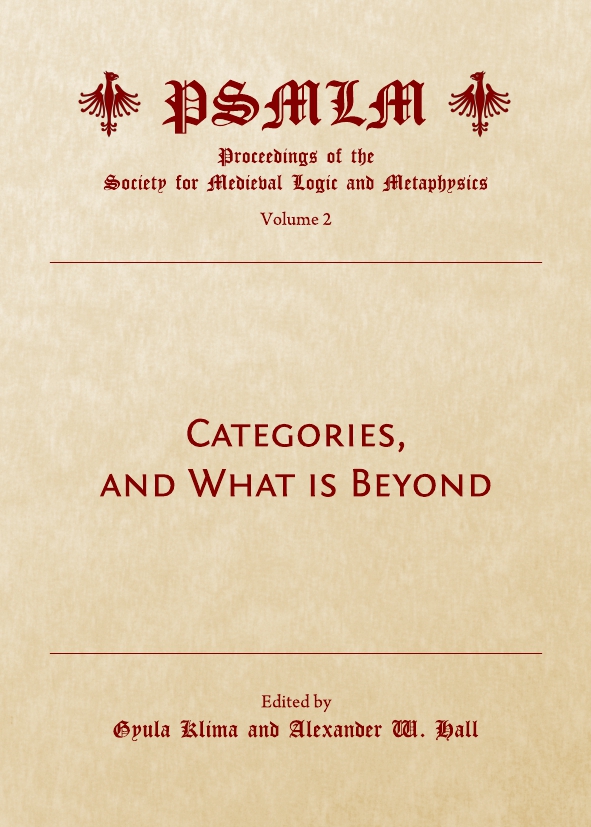
Categories, and What Is Beyond (Volume 2
Proceedings of the Society for Medieval Logic and Metaphysics)
Drawing on late antiquity and the middle ages, these essays study what types of things exist, the accuracy of our knowledge, the semantics of analogy, and how these considerations bear on our ability to learn and speak of God.
Drawing on late antiquity and the middle ages, these essays study what types of things exist, the accuracy of our knowledge, the semantics of analogy, and how these considerations bear on our ability to learn and speak of God.
View more
This product has multiple variants. The options may be chosen on the product page
View more
This product has multiple variants. The options may be chosen on the product page
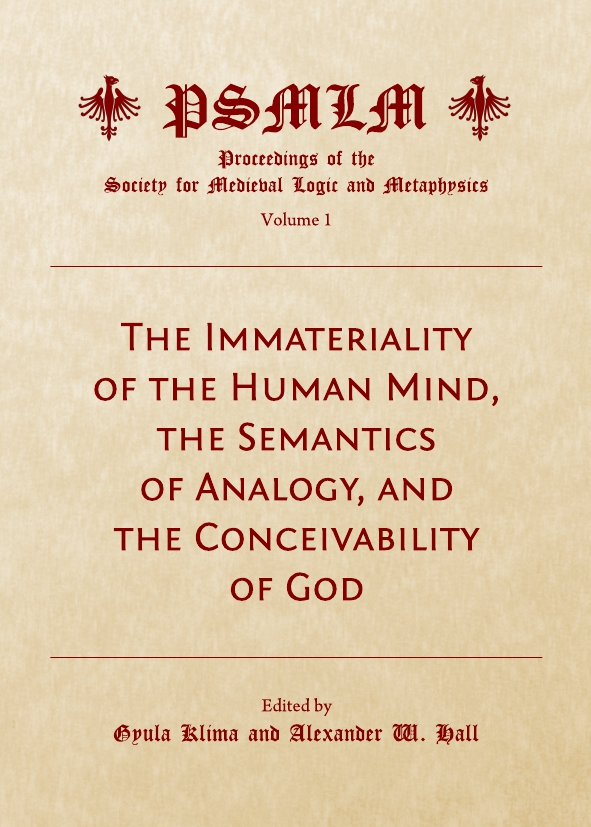
The Immateriality of the Human Mind, the Semantics of Analogy, and the Conceivability of God (Volume 1
Proceedings of the Society for Medieval Logic and Metaphysics)
Experts in medieval philosophy consider the nature of God and the soul. They explore Anselm’s proof for God’s existence, Aquinas and Buridan on the immateriality of the mind, and Cajetan on how we can speak of the divine essence.
Experts in medieval philosophy consider the nature of God and the soul. They explore Anselm’s proof for God’s existence, Aquinas and Buridan on the immateriality of the mind, and Cajetan on how we can speak of the divine essence.
View more
This product has multiple variants. The options may be chosen on the product page
View more
This product has multiple variants. The options may be chosen on the product page
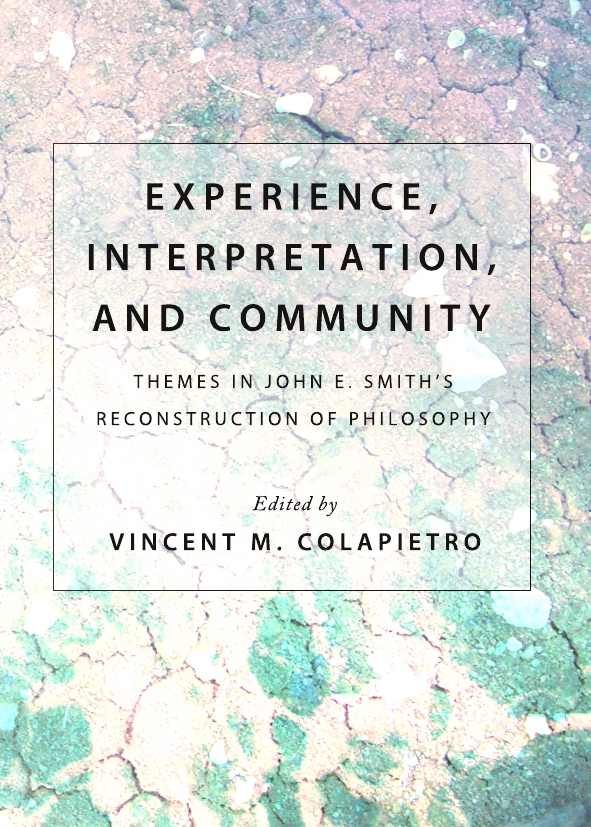
Experience, Interpretation, and Community
Themes in John E. Smith’s Reconstruction of Philosophy
John Edwin Smith recovered the voice of philosophy, showing its relevance to contemporary life. He not only anticipated key philosophical developments but also pointed the way beyond intellectual impasses. The essays in this volume reveal his wisdom for our world.
John Edwin Smith recovered the voice of philosophy, showing its relevance to contemporary life. He not only anticipated key philosophical developments but also pointed the way beyond intellectual impasses. The essays in this volume reveal his wisdom for our world.
View more
This product has multiple variants. The options may be chosen on the product page
Processing Your Order
Please wait while we securely process your order.
Do not refresh or leave this page.
You will be redirected shortly to a confirmation page with your order number.