
View more
This product has multiple variants. The options may be chosen on the product page
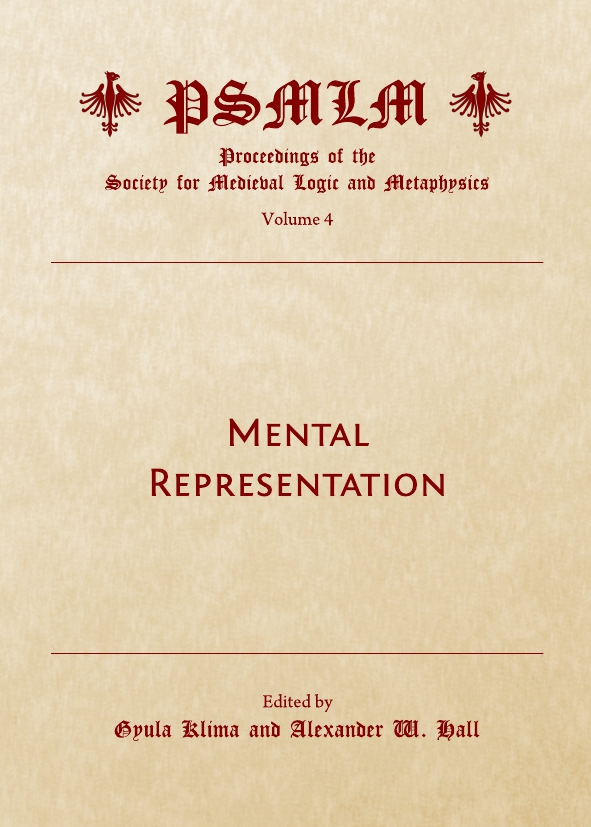
Mental Representation (Volume 4
Proceedings of the Society for Medieval Logic and Metaphysics)
Contrary to common belief, medieval philosophers saw intentionality in physical phenomena like reflections and sounds. Mental Representation explores their intricate views on cognition and representation, shedding new light on historical and contemporary philosophy of mind.
Contrary to common belief, medieval philosophers saw intentionality in physical phenomena like reflections and sounds. Mental Representation explores their intricate views on cognition and representation, shedding new light on historical and contemporary philosophy of mind.
View more
This product has multiple variants. The options may be chosen on the product page
View more
This product has multiple variants. The options may be chosen on the product page
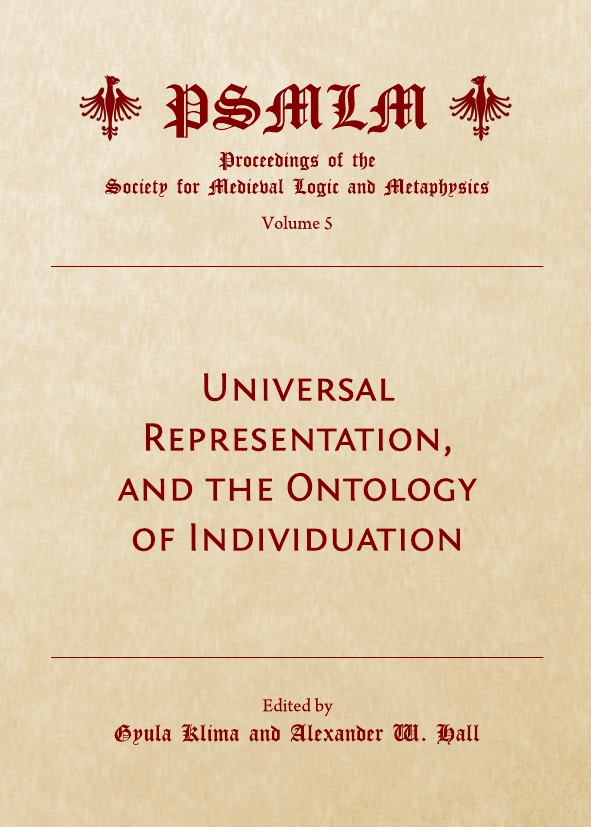
Universal Representation, and the Ontology of Individuation (Volume 5
Proceedings of the Society for Medieval Logic and Metaphysics)
These essays explore ceaseless medieval debates on how we conceive things and the nature of individuation. They consider the metaphysics of universal representation in thinkers from Avicenna and Aquinas to Duns Scotus and Ockham.
These essays explore ceaseless medieval debates on how we conceive things and the nature of individuation. They consider the metaphysics of universal representation in thinkers from Avicenna and Aquinas to Duns Scotus and Ockham.
View more
This product has multiple variants. The options may be chosen on the product page
View more
This product has multiple variants. The options may be chosen on the product page
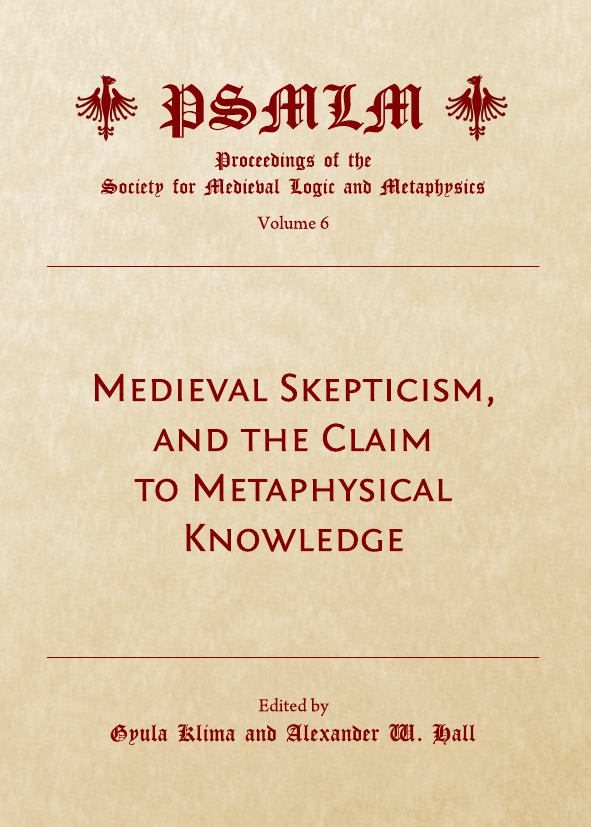
Medieval Skepticism, and the Claim to Metaphysical Knowledge (Volume 6
Proceedings of the Society for Medieval Logic and Metaphysics)
This collection of essays explores medieval skepticism and metaphysical knowledge. It features scholarly exchanges on Siger of Brabant’s strategy against the skeptic, Walter Chatton’s critique of Ockhamism, and key issues in the metaphysics of Thomas Aquinas.
This collection of essays explores medieval skepticism and metaphysical knowledge. It features scholarly exchanges on Siger of Brabant’s strategy against the skeptic, Walter Chatton’s critique of Ockhamism, and key issues in the metaphysics of Thomas Aquinas.
View more
This product has multiple variants. The options may be chosen on the product page
View more
This product has multiple variants. The options may be chosen on the product page
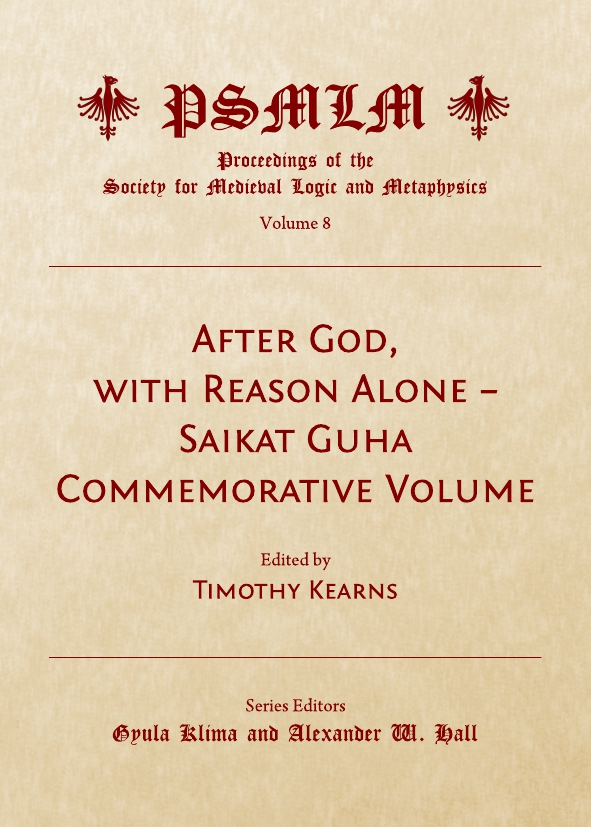
After God, with Reason Alone – Saikat Guha Commemorative Volume (Volume 8
Proceedings of the Society for Medieval Logic and Metaphysics)
Philosopher and physicist Saikat Guha was a metaphysician interested in applying rigorous logic to theology. These five papers reformulate Aquinas's arguments for God, ask if Ockham's razor requires atheism, and model the Trinity's logical consistency.
Philosopher and physicist Saikat Guha was a metaphysician interested in applying rigorous logic to theology. These five papers reformulate Aquinas’s arguments for God, ask if Ockham’s razor requires atheism, and model the Trinity’s logical consistency.
View more
This product has multiple variants. The options may be chosen on the product page
View more
This product has multiple variants. The options may be chosen on the product page
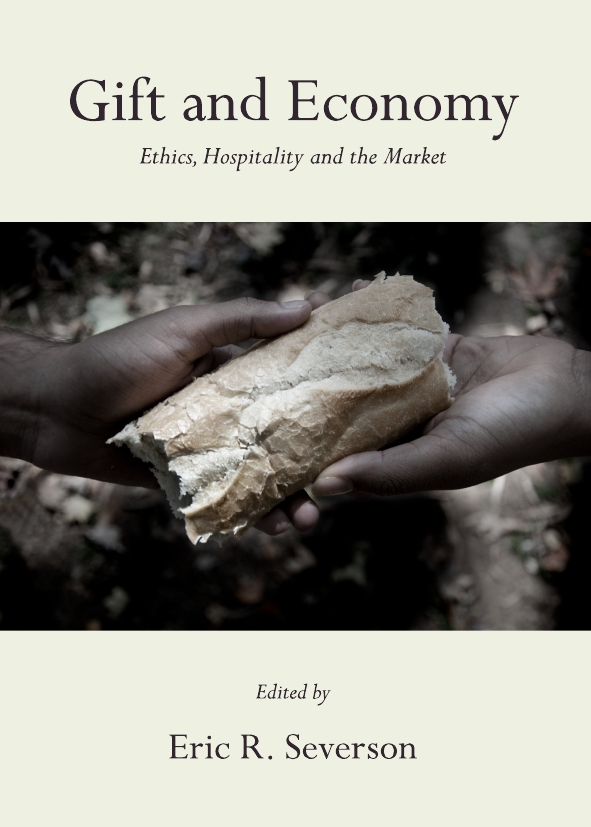
Gift and Economy
Ethics, Hospitality and the Market
Is a pure gift truly possible? The powerful forces of economy can corrupt every effort to give. This volume takes up Jacques Derrida’s challenge to investigate the gift, exploring an excess that cannot be explained by the calculus of exchange and power.
Is a pure gift truly possible? The powerful forces of economy can corrupt every effort to give. This volume takes up Jacques Derrida’s challenge to investigate the gift, exploring an excess that cannot be explained by the calculus of exchange and power.
View more
This product has multiple variants. The options may be chosen on the product page
View more
This product has multiple variants. The options may be chosen on the product page
Medieval Metaphysics, or is it “Just Semantics”? (Volume 7
Proceedings of the Society for Medieval Logic and Metaphysics)
Medieval thinkers, driven by metaphysical and epistemological commitments, sought to discern how concepts latch onto reality. This book follows these attempts concerning the signification of theological discourse, Trinitarian semantics, and essential definition.
Medieval thinkers, driven by metaphysical and epistemological commitments, sought to discern how concepts latch onto reality. This book follows these attempts concerning the signification of theological discourse, Trinitarian semantics, and essential definition.
View more
This product has multiple variants. The options may be chosen on the product page
View more
This product has multiple variants. The options may be chosen on the product page
The Demonic Temptations of Medieval Nominalism (Volume 9
Proceedings of the Society for Medieval Logic and Metaphysics)
These essays explore medieval debates on singular cognition and nominalist epistemology. From Aquinas and Scotus to Ockham and John Buridan, this volume traces how nominalism leads to "Demon Skepticism" and the "weird" implications of Buridan's metaphysics.
These essays explore medieval debates on singular cognition and nominalist epistemology. From Aquinas and Scotus to Ockham and John Buridan, this volume traces how nominalism leads to “Demon Skepticism” and the “weird” implications of Buridan’s metaphysics.
View more
This product has multiple variants. The options may be chosen on the product page
View more
This product has multiple variants. The options may be chosen on the product page
A Poetics of Homecoming
Heidegger, Homelessness and the Homecoming Venture
This study confronts humanity’s state of homelessness by rigorously exploring Heidegger’s thought. Weighing his ideas against scathing critiques from Adorno and Lévinas, it reveals how his discourse on homecoming offers insights for humanity at large.
This study confronts humanity’s state of homelessness by rigorously exploring Heidegger’s thought. Weighing his ideas against scathing critiques from Adorno and Lévinas, it reveals how his discourse on homecoming offers insights for humanity at large.
View more
This product has multiple variants. The options may be chosen on the product page
View more
This product has multiple variants. The options may be chosen on the product page
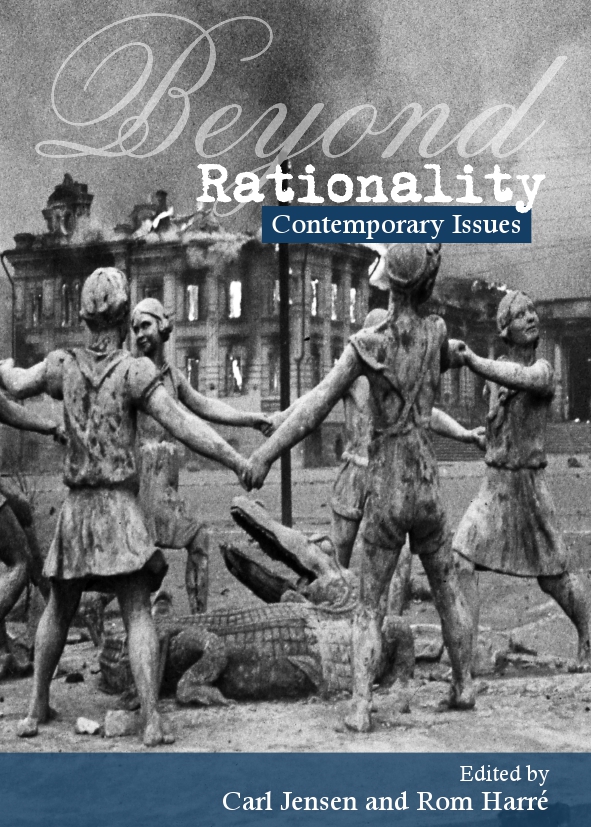
Beyond Rationality
Contemporary Issues
Scholars explore irrationality in our complex world, examining such puzzles as why citizens support dictatorships, how terrorists “reason,” and why rational people make irrational choices.
Scholars explore irrationality in our complex world, examining such puzzles as why citizens support dictatorships, how terrorists “reason,” and why rational people make irrational choices.
View more
This product has multiple variants. The options may be chosen on the product page

View more
This product has multiple variants. The options may be chosen on the product page
Religion After Kant
God and Culture in the Idealist Era
After Kant, idealist thinkers like Hegel and Schelling transformed the conceptual framework for considering religion. This volume explores their reconsideration of religion’s place within human self-fashioning, which shaped later thinkers like Kierkegaard and Nietzsche.
After Kant, idealist thinkers like Hegel and Schelling transformed the conceptual framework for considering religion. This volume explores their reconsideration of religion’s place within human self-fashioning, which shaped later thinkers like Kierkegaard and Nietzsche.
View more
This product has multiple variants. The options may be chosen on the product page
View more
This product has multiple variants. The options may be chosen on the product page
Hegel
Hovering Over the Corpse of Faith and Reason
This revisionist reading of Hegel’s essay, Faith and Knowledge, argues his critique of predecessors was no misreading. As a philosophical latecomer, Hegel appropriated the thought of his precursors with an eye toward overcoming them.
This revisionist reading of Hegel’s essay, Faith and Knowledge, argues his critique of predecessors was no misreading. As a philosophical latecomer, Hegel appropriated the thought of his precursors with an eye toward overcoming them.
View more
This product has multiple variants. The options may be chosen on the product page
View more
This product has multiple variants. The options may be chosen on the product page
New Hegelian Essays
Seid Umschlungen Millionen
These essays show how Hegel’s philosophy overcomes religious dualisms, inserting Christian doctrine into the metaphysical tradition. To read Hegel is to participate in a divine “service,” a spiritual participation to which this text invites the reader.
These essays show how Hegel’s philosophy overcomes religious dualisms, inserting Christian doctrine into the metaphysical tradition. To read Hegel is to participate in a divine “service,” a spiritual participation to which this text invites the reader.
View more
This product has multiple variants. The options may be chosen on the product page
View more
This product has multiple variants. The options may be chosen on the product page
Hume’s Labyrinth
A Search for the Self
Hume’s Labyrinth explores his famous “bundle theory of the self” and his own critical reservations about it. It argues the theory was not a failed account, but a pragmatic tool intended to help further philosophical investigations into the mind.
Hume’s Labyrinth explores his famous “bundle theory of the self” and his own critical reservations about it. It argues the theory was not a failed account, but a pragmatic tool intended to help further philosophical investigations into the mind.
View more
This product has multiple variants. The options may be chosen on the product page

View more
This product has multiple variants. The options may be chosen on the product page
Inside Arguments
Logic and the Study of Argumentation
This collection of essays by the finest specialists provides a decisive input to the study of logic and argumentation theory. The authors clarify the relationship between these concepts, taking stock of the most recent developments. An essential tool.
This collection of essays by the finest specialists provides a decisive input to the study of logic and argumentation theory. The authors clarify the relationship between these concepts, taking stock of the most recent developments. An essential tool.
View more
This product has multiple variants. The options may be chosen on the product page
View more
This product has multiple variants. The options may be chosen on the product page
£34.99
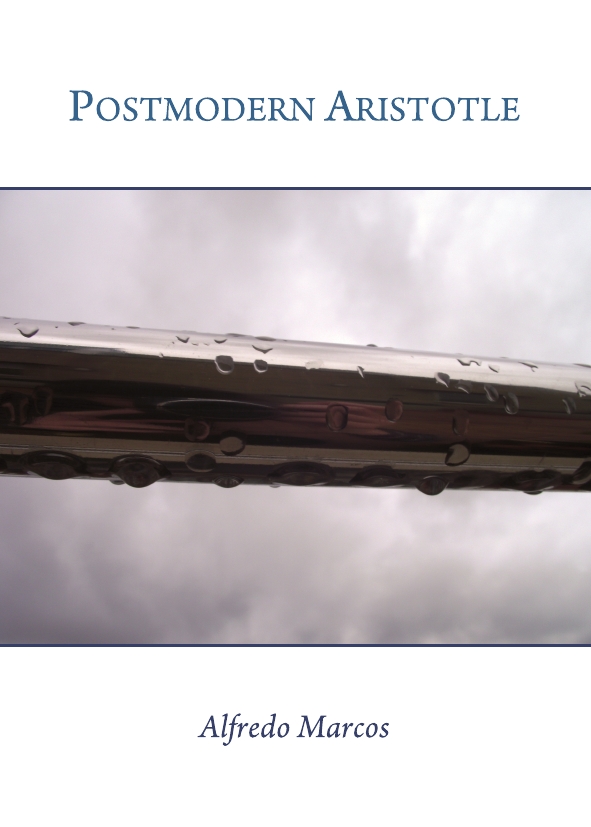
The modern world was born reacting against a partial image of Aristotle. Today, we are in a unique position to apply his philosophy to contemporary problems. This book uses Aristotelian concepts to solve the dualisms of modern times.
The modern world was born reacting against a partial image of Aristotle. Today, we are in a unique position to apply his philosophy to contemporary problems. This book uses Aristotelian concepts to solve the dualisms of modern times.
View more
This product has multiple variants. The options may be chosen on the product page
View more
This product has multiple variants. The options may be chosen on the product page
£34.99
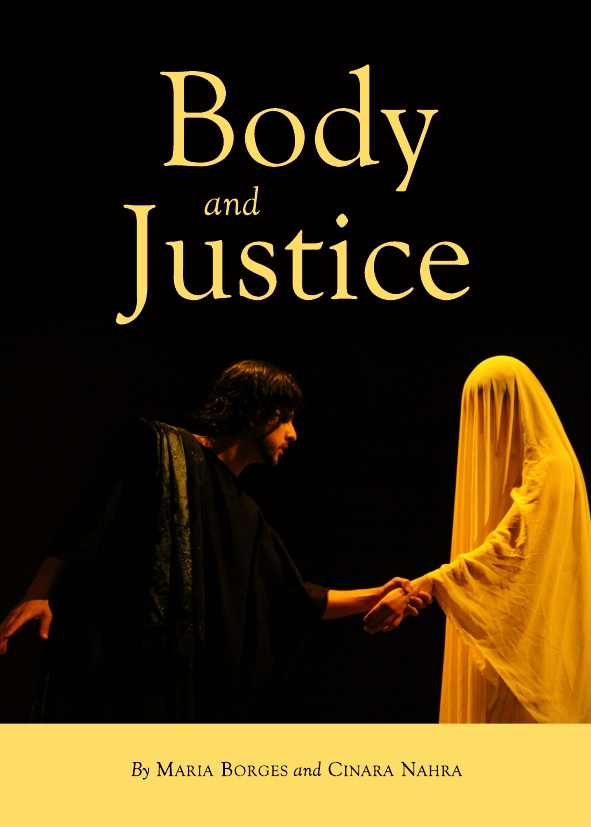
Body and Justice insightfully examines the western woman: her body, sexuality, and the justice she is afforded. How fair is a world where women are forced to conform to beauty standards? It calls for a morality that frees our bodies from oppression.
Body and Justice insightfully examines the western woman: her body, sexuality, and the justice she is afforded. How fair is a world where women are forced to conform to beauty standards? It calls for a morality that frees our bodies from oppression.
View more
This product has multiple variants. The options may be chosen on the product page
View more
This product has multiple variants. The options may be chosen on the product page
Sources of Desire
Essays on Aristotle’s Theoretical Works
Though Aristotle’s theoretical works are often thought to be of interest only to historians, the contributions in this book show they are still profound resources for philosophical inquiry, expressing insights that challenge our understanding.
Though Aristotle’s theoretical works are often thought to be of interest only to historians, the contributions in this book show they are still profound resources for philosophical inquiry, expressing insights that challenge our understanding.
View more
This product has multiple variants. The options may be chosen on the product page
View more
This product has multiple variants. The options may be chosen on the product page
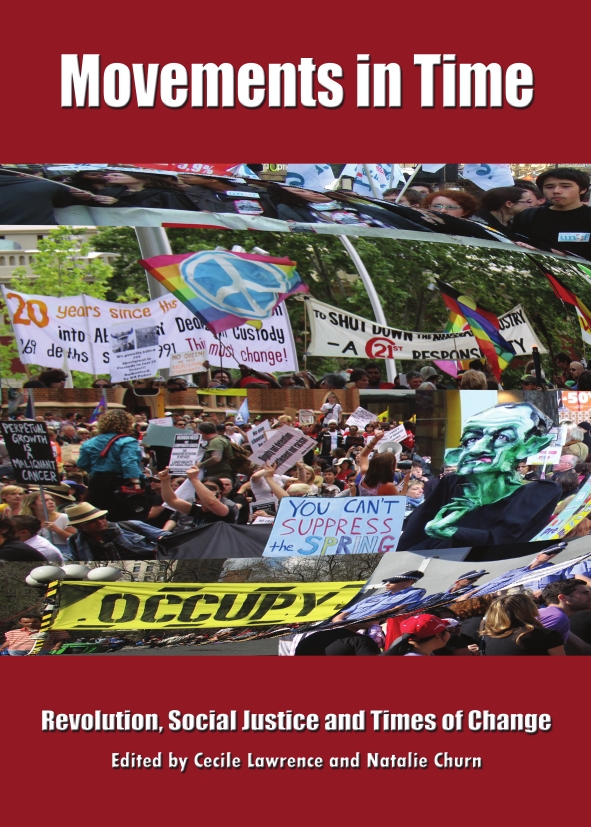
Movements in Time
Revolution, Social Justice and Times of Change
In a time of global protest, this book brings together essays to reinterpret time and bring about social change. Breaking from traditional linear notions, it suggests new conceptions of time can have a major influence on creating a more just, tolerant world.
In a time of global protest, this book brings together essays to reinterpret time and bring about social change. Breaking from traditional linear notions, it suggests new conceptions of time can have a major influence on creating a more just, tolerant world.
View more
This product has multiple variants. The options may be chosen on the product page
View more
This product has multiple variants. The options may be chosen on the product page
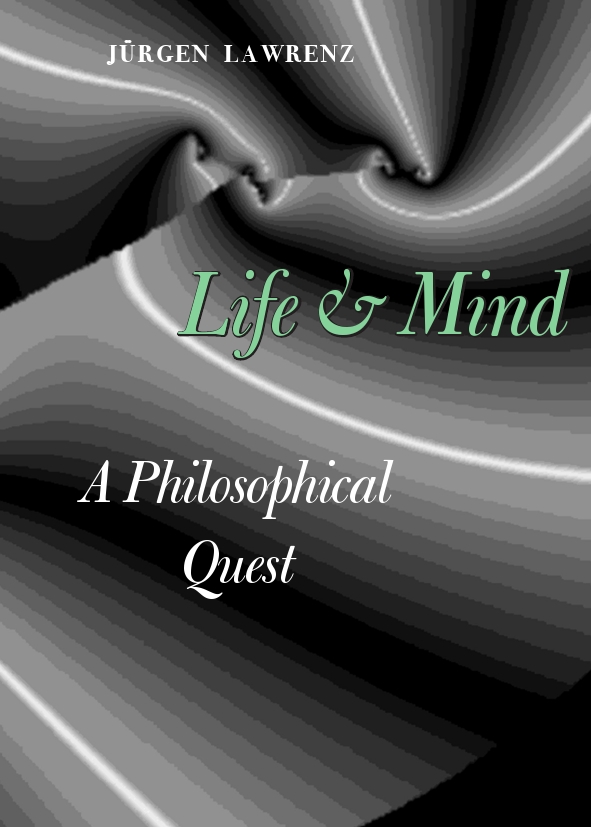
Life and Mind
A Philosophical Quest
This provocative book argues that life and mind elude purely materialistic explanations. It posits intelligence as a precondition for organic existence, a serious challenge to modern science, and culminates in a philosophical proof of the mind system.
This provocative book argues that life and mind elude purely materialistic explanations. It posits intelligence as a precondition for organic existence, a serious challenge to modern science, and culminates in a philosophical proof of the mind system.
View more
This product has multiple variants. The options may be chosen on the product page
View more
This product has multiple variants. The options may be chosen on the product page
£39.99
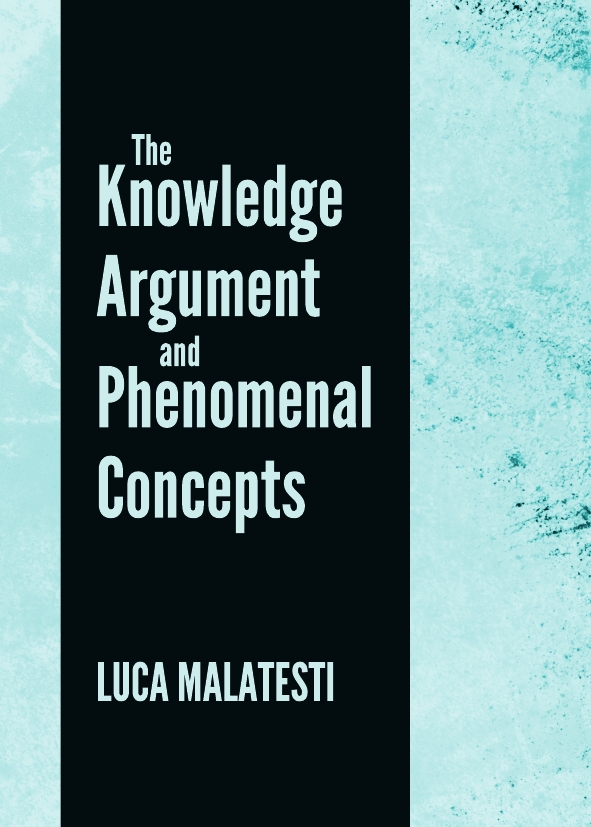
This book confronts Frank Jackson’s influential knowledge argument against physicalism. It defends physicalism using the phenomenal concept strategy, arguing that we don't know non-physical facts, but have unique ways of thinking about conscious experience.
This book confronts Frank Jackson’s influential knowledge argument against physicalism. It defends physicalism using the phenomenal concept strategy, arguing that we don’t know non-physical facts, but have unique ways of thinking about conscious experience.
View more
This product has multiple variants. The options may be chosen on the product page
Processing Your Order
Please wait while we securely process your order.
Do not refresh or leave this page.
You will be redirected shortly to a confirmation page with your order number.