
View more
This product has multiple variants. The options may be chosen on the product page
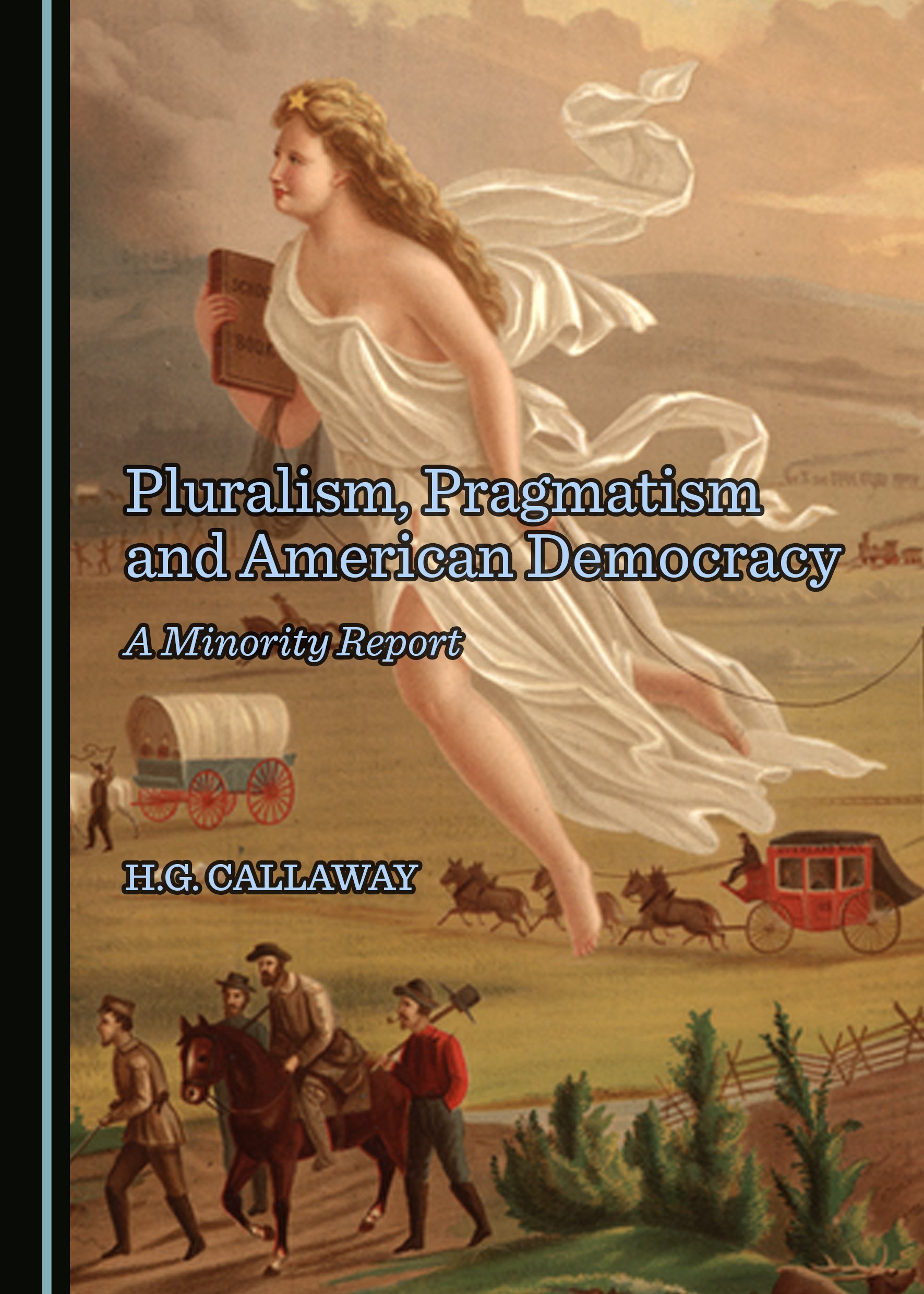
Pluralism, Pragmatism and American Democracy
A Minority Report
Callaway defends democratic individualism against more collectivist and corporatist tendencies in contemporary neo-pragmatism, and draws upon up-to-date political analysis in order to justify America’s long republican tradition.
Callaway defends democratic individualism against more collectivist and corporatist tendencies in contemporary neo-pragmatism, and draws upon up-to-date political analysis in order to justify America’s long republican tradition.
View more
This product has multiple variants. The options may be chosen on the product page
View more
This product has multiple variants. The options may be chosen on the product page
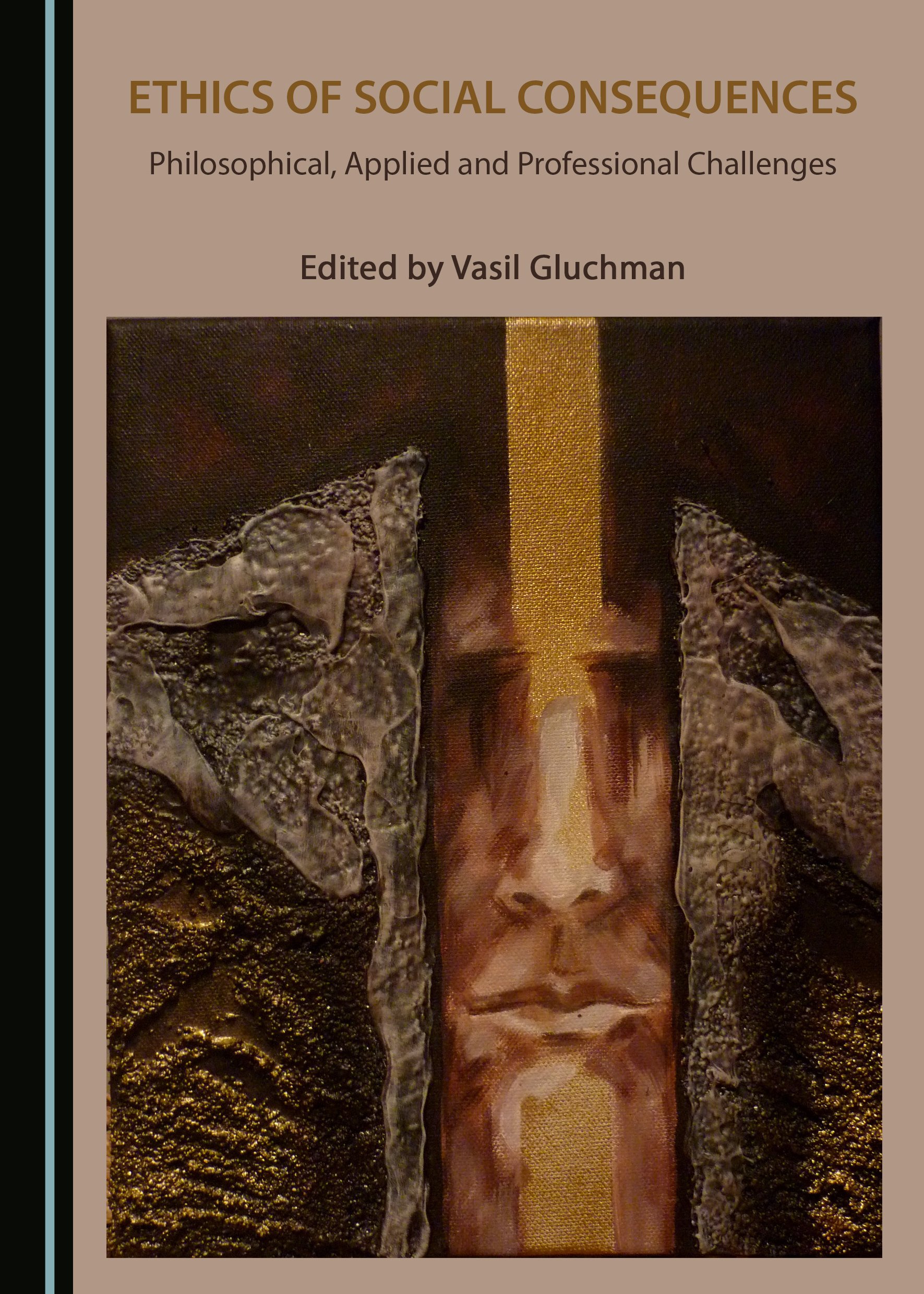
Ethics of Social Consequences
Philosophical, Applied and Professional Challenges
This anthology showcases new and unconventional views of many traditional moral values, such as humanity, human dignity, justice and responsibility. The contributions analyse these values and approaches from the point of view of non-utilitarian consequentialism.
This anthology showcases new and unconventional views of many traditional moral values, such as humanity, human dignity, justice and responsibility. The contributions analyse these values and approaches from the point of view of non-utilitarian consequentialism.
View more
This product has multiple variants. The options may be chosen on the product page
View more
This product has multiple variants. The options may be chosen on the product page
£64.99
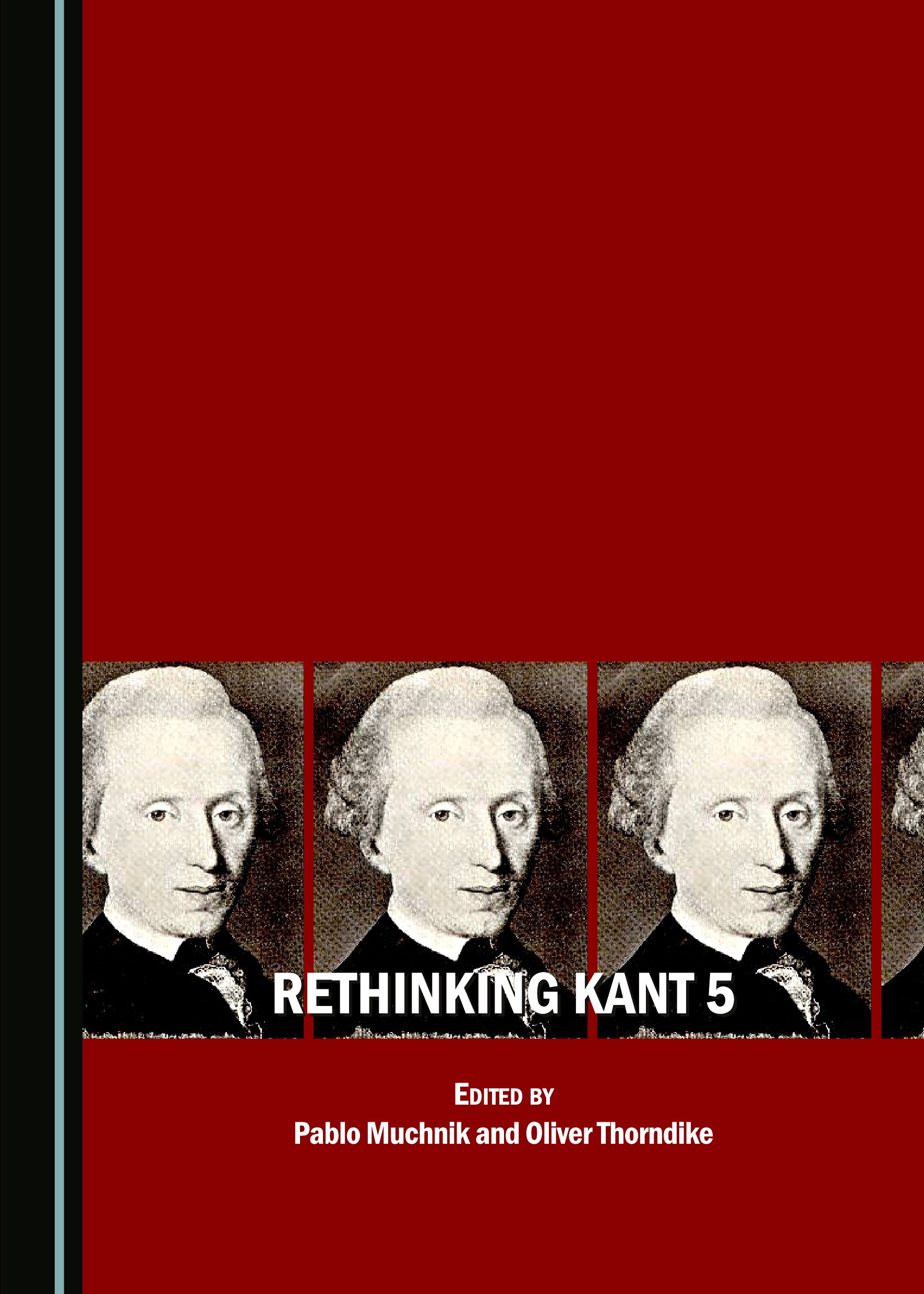
This text represents a mirror of Kantian studies in North America. It gathers papers presented at the various study groups of the North American Kant Society, along with contributions from hosts, session chairs, and keynote speakers.
This text represents a mirror of Kantian studies in North America. It gathers papers presented at the various study groups of the North American Kant Society, along with contributions from hosts, session chairs, and keynote speakers.
View more
This product has multiple variants. The options may be chosen on the product page
View more
This product has multiple variants. The options may be chosen on the product page
The Metamorphoses of Philosophy I
An Account of Cognitive Emergence in Philosophy and Science
Charting 3000 years of Western thought, this book explores how philosophical ideas emerge from the interplay of culture, cognition, and values. This first volume traces philosophy’s origins to its peak in ancient Greece, with a compelling contrast to classical Chinese thought.
Charting 3000 years of Western thought, this book explores how philosophical ideas emerge from the interplay of culture, cognition, and values. This first volume traces philosophy’s origins to its peak in ancient Greece, with a compelling contrast to classical Chinese thought.
View more
This product has multiple variants. The options may be chosen on the product page
View more
This product has multiple variants. The options may be chosen on the product page
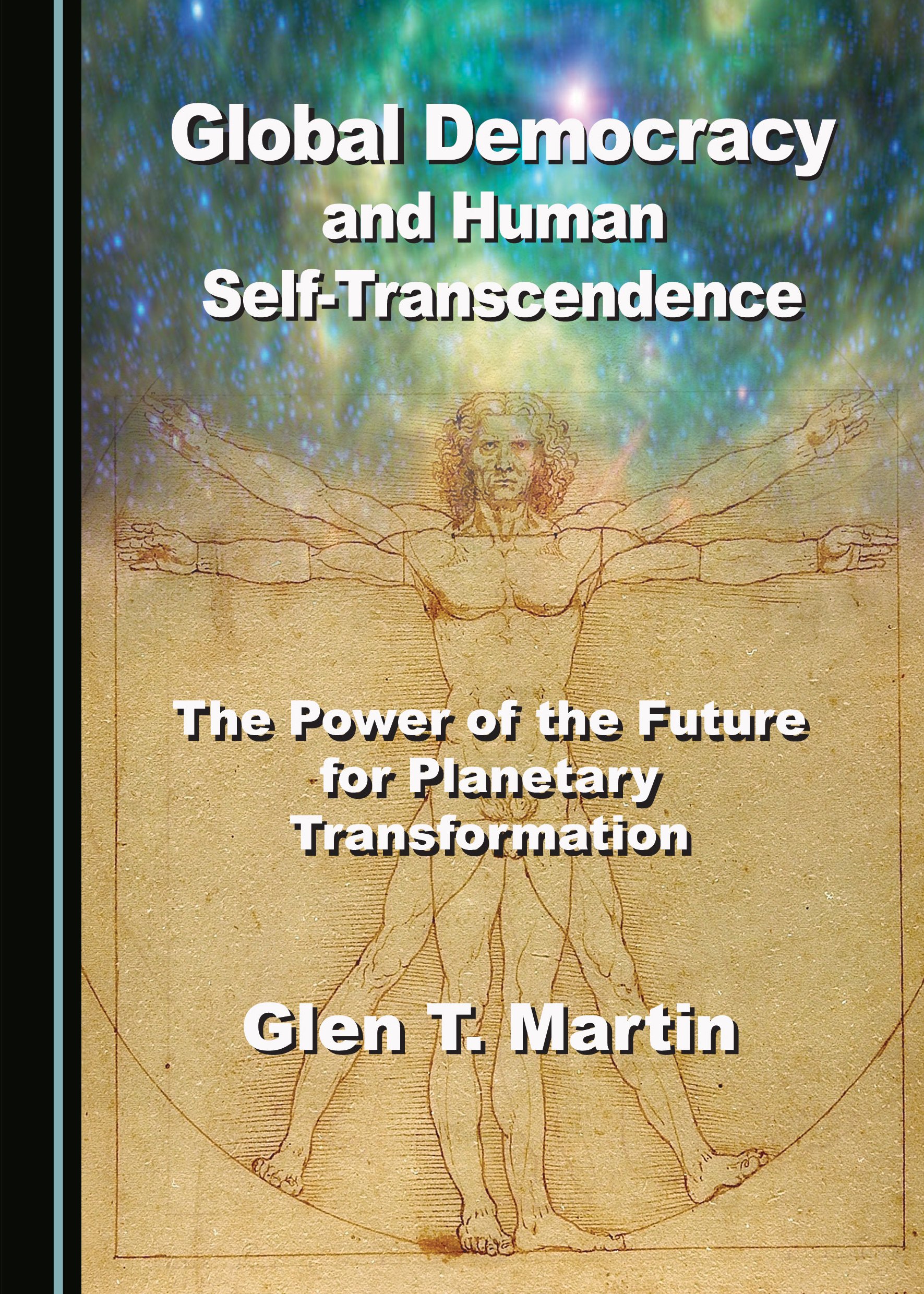
Global Democracy and Human Self-Transcendence
The Power of the Future for Planetary Transformation
By examining the dynamics of self-transcendence for both individuals and humanity as a whole, this study illuminates the definitive relationship between self-transcendence and global democracy, describing our transition from personal consciousness to global consciousness.
By examining the dynamics of self-transcendence for both individuals and humanity as a whole, this study illuminates the definitive relationship between self-transcendence and global democracy, describing our transition from personal consciousness to global consciousness.
View more
This product has multiple variants. The options may be chosen on the product page
View more
This product has multiple variants. The options may be chosen on the product page
Metamorphosis through Conscious Living
A Transpersonal Psychology Perspective
This collection proposes that engagement with the sacred is what makes research and practice transpersonal, the sacred ‘other’ that lives both within and beyond us as individuals and unique cultures.
This collection proposes that engagement with the sacred is what makes research and practice transpersonal, the sacred ‘other’ that lives both within and beyond us as individuals and unique cultures.
View more
This product has multiple variants. The options may be chosen on the product page
View more
This product has multiple variants. The options may be chosen on the product page
Kant’s Shorter Writings
Critical Paths Outside the Critiques
Spanning the entire intellectual career of Kant, this work highlights the importance of the thinker’s shorter writings. It contrasts with other such studies of his work, which typically focus on a specific part of his career, and on either his theoretical or practical philosophy.
Spanning the entire intellectual career of Kant, this work highlights the importance of the thinker’s shorter writings. It contrasts with other such studies of his work, which typically focus on a specific part of his career, and on either his theoretical or practical philosophy.
View more
This product has multiple variants. The options may be chosen on the product page
View more
This product has multiple variants. The options may be chosen on the product page
From £31.99
This book breaks frontiers. It deals with human beings and their intrinsic relationship with time in the space of a week. In a search for the days’ identities, the book identifies the particular characteristics of each day, revealing that we are literally the days of the week.
This book breaks frontiers. It deals with human beings and their intrinsic relationship with time in the space of a week. In a search for the days’ identities, the book identifies the particular characteristics of each day, revealing that we are literally the days of the week.
View more
This product has multiple variants. The options may be chosen on the product page
View more
This product has multiple variants. The options may be chosen on the product page
£63.99
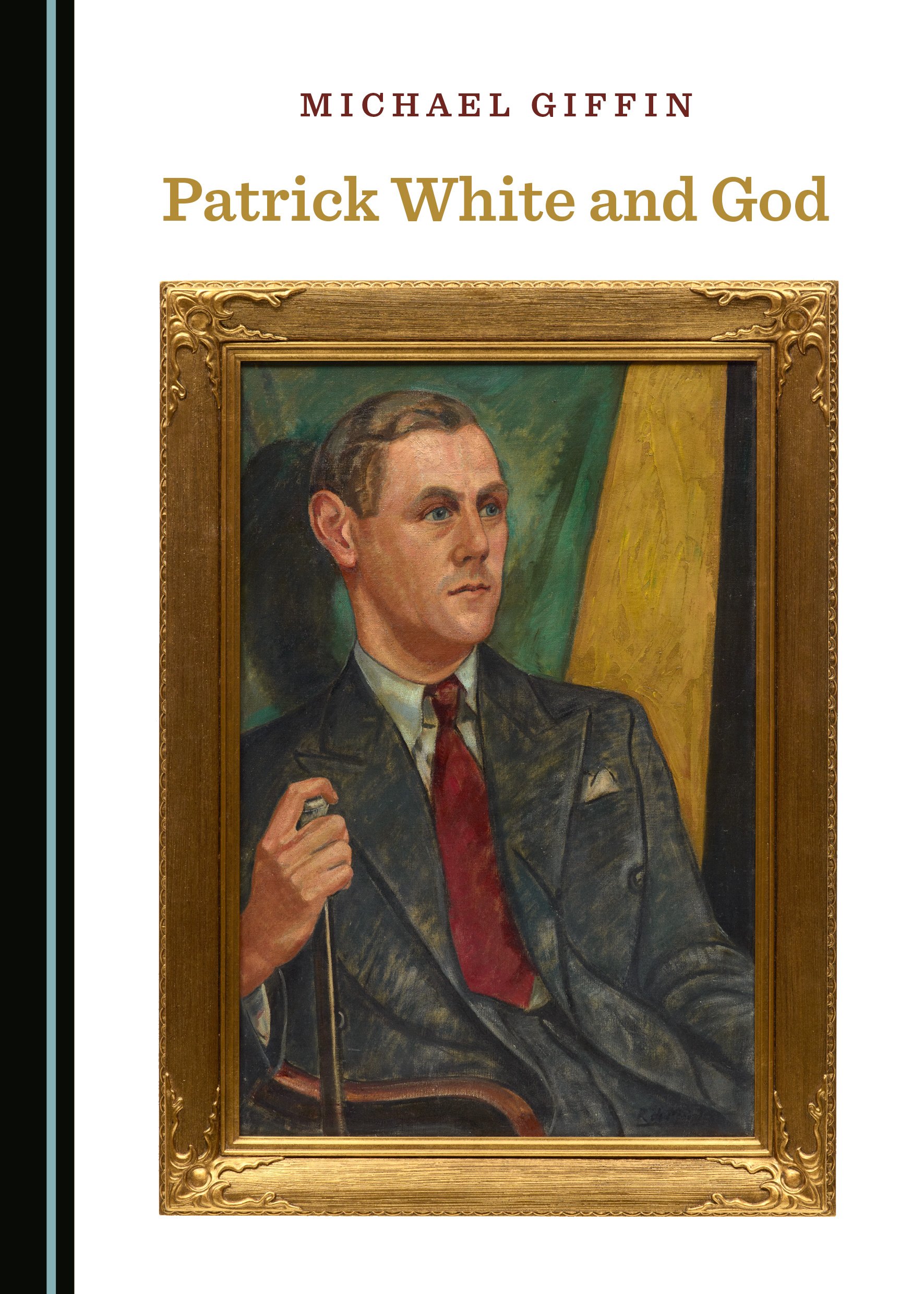
Giffin explores how Patrick White and his post-war contemporaries all commented on the consequences of God’s death. He shows how they worked with a shared pattern of tropes to search for the light and dark aspects of western consciousness and the civilization it has produced.
Giffin explores how Patrick White and his post-war contemporaries all commented on the consequences of God’s death. He shows how they worked with a shared pattern of tropes to search for the light and dark aspects of western consciousness and the civilization it has produced.
View more
This product has multiple variants. The options may be chosen on the product page
View more
This product has multiple variants. The options may be chosen on the product page
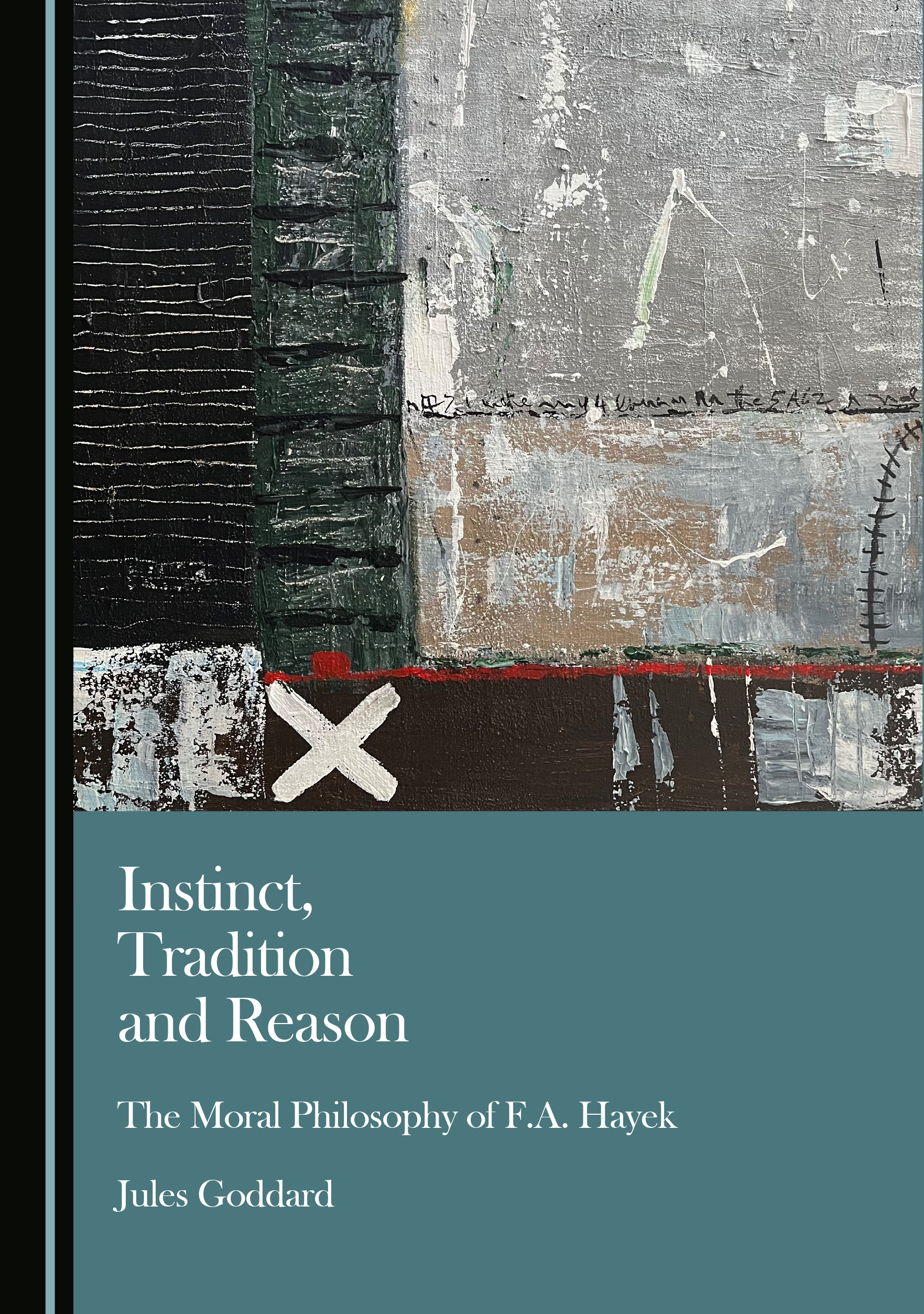
Instinct, Tradition and Reason
The Moral Philosophy of F.A. Hayek
"What has made men good is neither nature nor reason, but tradition." Building upon FA Hayek’s concepts, this timely book creates a compelling account of the moral foundations of human achievement and articulates a morality fit for the unique times in which we are living.
“What has made men good is neither nature nor reason, but tradition.”
Building upon FA Hayek’s concepts, this timely book creates a compelling account of the moral foundations of human achievement and articulates a morality fit for the unique times in which we are living.
View more
This product has multiple variants. The options may be chosen on the product page
View more
This product has multiple variants. The options may be chosen on the product page
From £31.99
Though trapped by the anthropocentrism of the Western tradition, Giorgio Agamben’s work provides conceptual tools to move beyond the limits he himself cannot cross. This book analyzes these limits in his philosophy while exploring the powerful potential that lies within them.
Though trapped by the anthropocentrism of the Western tradition, Giorgio Agamben’s work provides conceptual tools to move beyond the limits he himself cannot cross. This book analyzes these limits in his philosophy while exploring the powerful potential that lies within them.
View more
This product has multiple variants. The options may be chosen on the product page

View more
This product has multiple variants. The options may be chosen on the product page
£62.99
This book challenges our perspective on politics, exploring the profound connection between the political realm and our intimate, emotional lives. It reveals how our choices are intertwined with self-awareness and healing, offering a path to harmonize politics with our humanity.
This book challenges our perspective on politics, exploring the profound connection between the political realm and our intimate, emotional lives. It reveals how our choices are intertwined with self-awareness and healing, offering a path to harmonize politics with our humanity.
View more
This product has multiple variants. The options may be chosen on the product page
View more
This product has multiple variants. The options may be chosen on the product page
£62.99
How do we respond to the big questions of our time in our daily lives? By exploring power relations and the climate crisis, this book translates the abstract into the concrete and the political into the personal. It offers conceptual beginnings for showing up differently.
How do we respond to the big questions of our time in our daily lives? By exploring power relations and the climate crisis, this book translates the abstract into the concrete and the political into the personal. It offers conceptual beginnings for showing up differently.
View more
This product has multiple variants. The options may be chosen on the product page
View more
This product has multiple variants. The options may be chosen on the product page
From £31.99
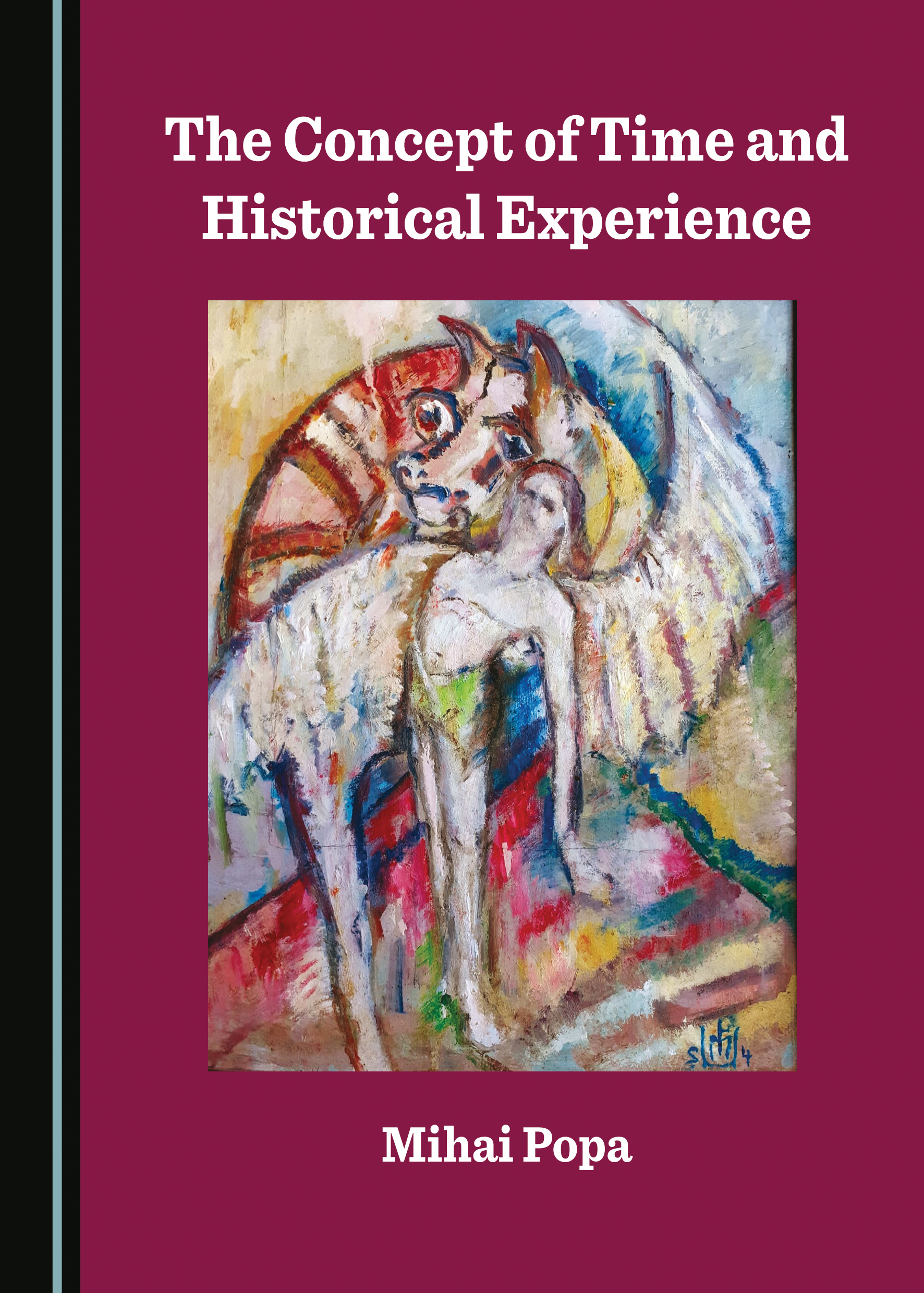
When does an event become historical experience: at the moment it occurs, or later as it is remembered? This work argues that history is a relationship between the present of the historian and the past, a dynamic where history moves with us. It is for historians and researchers.
When does an event become historical experience: at the moment it occurs, or later as it is remembered? This work argues that history is a relationship between the present of the historian and the past, a dynamic where history moves with us. It is for historians and researchers.
View more
This product has multiple variants. The options may be chosen on the product page
View more
This product has multiple variants. The options may be chosen on the product page
Gratitude and Palliative Care
A Dialogue between Philosophers and Clinicians
Surprisingly, gratitude persists even at the end of life. This book explores profound gratitude in palliative care. Blending clinical experience and philosophy, it examines the transformative power of gratitude for patients, families, and professionals amidst serious illness.
Surprisingly, gratitude persists even at the end of life. This book explores profound gratitude in palliative care. Blending clinical experience and philosophy, it examines the transformative power of gratitude for patients, families, and professionals amidst serious illness.
View more
This product has multiple variants. The options may be chosen on the product page
View more
This product has multiple variants. The options may be chosen on the product page
The Canopy of the Old War
On the Relationship Between Religion and Violence
Religion’s power in war is undeniable. These presentations explore the ambivalence of religion, showing how it leads to extreme enmity. But violence does not have the last word. This book demonstrates religion's function as the authentic expression of the meaning of our lives.
Religion’s power in war is undeniable. These presentations explore the ambivalence of religion, showing how it leads to extreme enmity. But violence does not have the last word. This book demonstrates religion’s function as the authentic expression of the meaning of our lives.
View more
This product has multiple variants. The options may be chosen on the product page

View more
This product has multiple variants. The options may be chosen on the product page
From £31.99
This book studies modern civil law through philosophical categories. It analyzes the dynamics between the internal and external, vertical and horizontal, and symmetry and asymmetry to reveal how legal subjects interact in a state of equilibrium.
This book studies modern civil law through philosophical categories. It analyzes the dynamics between the internal and external, vertical and horizontal, and symmetry and asymmetry to reveal how legal subjects interact in a state of equilibrium.
View more
This product has multiple variants. The options may be chosen on the product page
View more
This product has multiple variants. The options may be chosen on the product page
£62.99
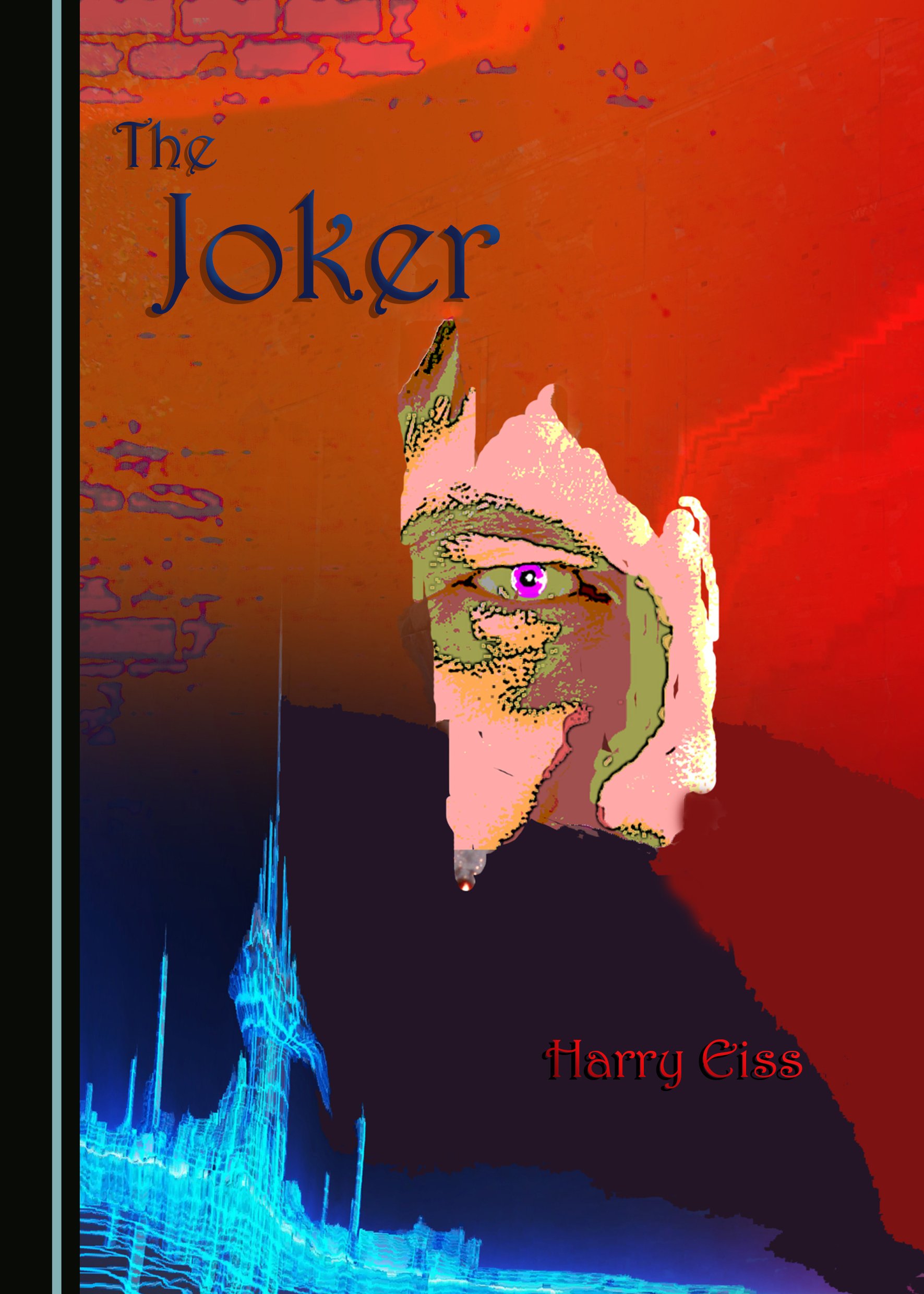
Why does a psychopath like the Joker seem to have a sense of higher truths? This is the role of the Fool. This book explores how, as culture fragments, artists reveal darkness and show how expressions of meaninglessness are rites-of-passage, not a final destination.
Why does a psychopath like the Joker seem to have a sense of higher truths? This is the role of the Fool. This book explores how, as culture fragments, artists reveal darkness and show how expressions of meaninglessness are rites-of-passage, not a final destination.
View more
This product has multiple variants. The options may be chosen on the product page
View more
This product has multiple variants. The options may be chosen on the product page
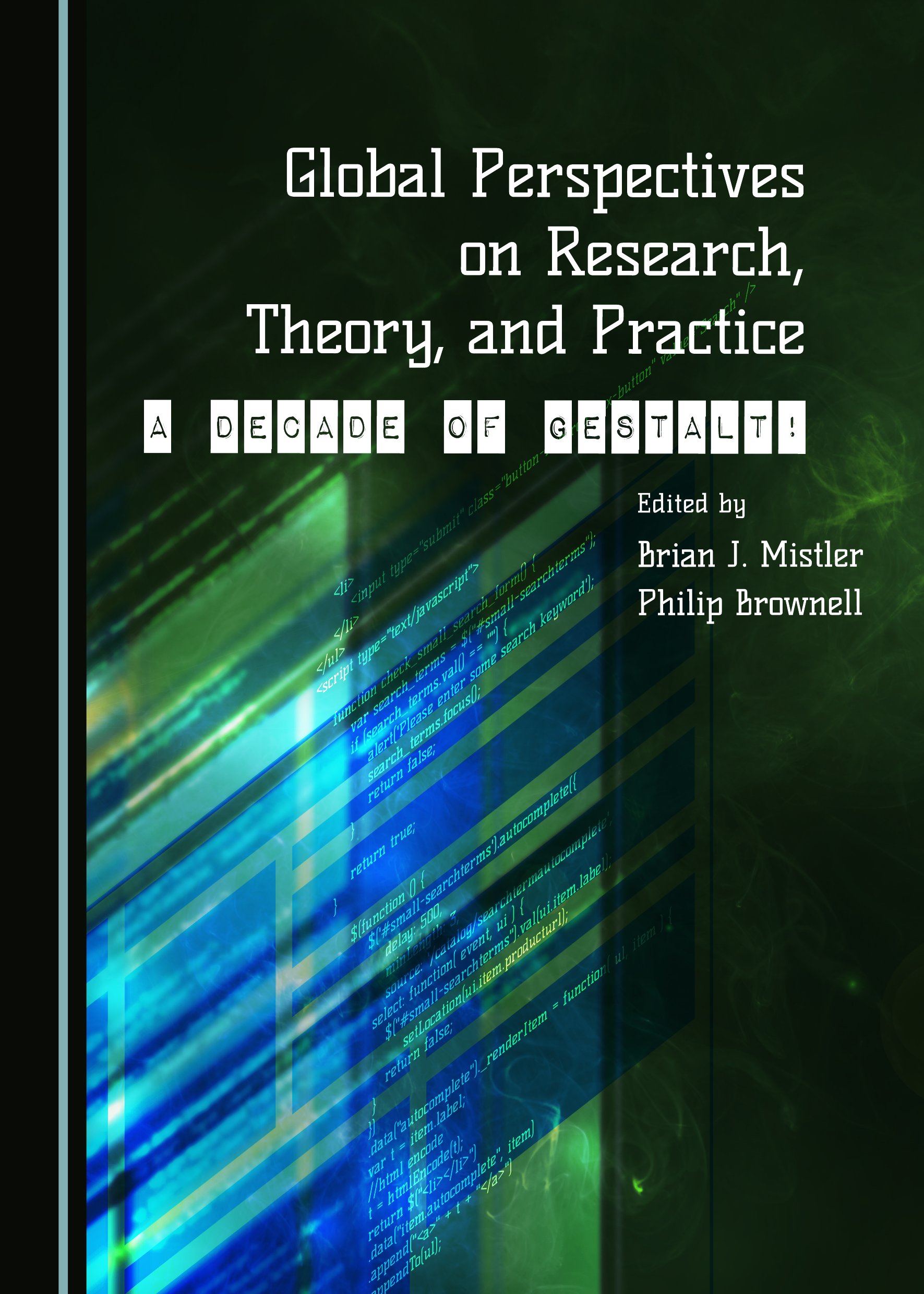
Global Perspectives on Research, Theory, and Practice
A Decade of Gestalt!
This volume brings together rich thinking on gestalt therapy from Gestalt!, the pioneering electronic journal of the 1990s. Although the journal no longer exists, this book reclaims its great historical value and still-significant ideas.
This volume brings together rich thinking on gestalt therapy from Gestalt!, the pioneering electronic journal of the 1990s. Although the journal no longer exists, this book reclaims its great historical value and still-significant ideas.
View more
This product has multiple variants. The options may be chosen on the product page
View more
This product has multiple variants. The options may be chosen on the product page
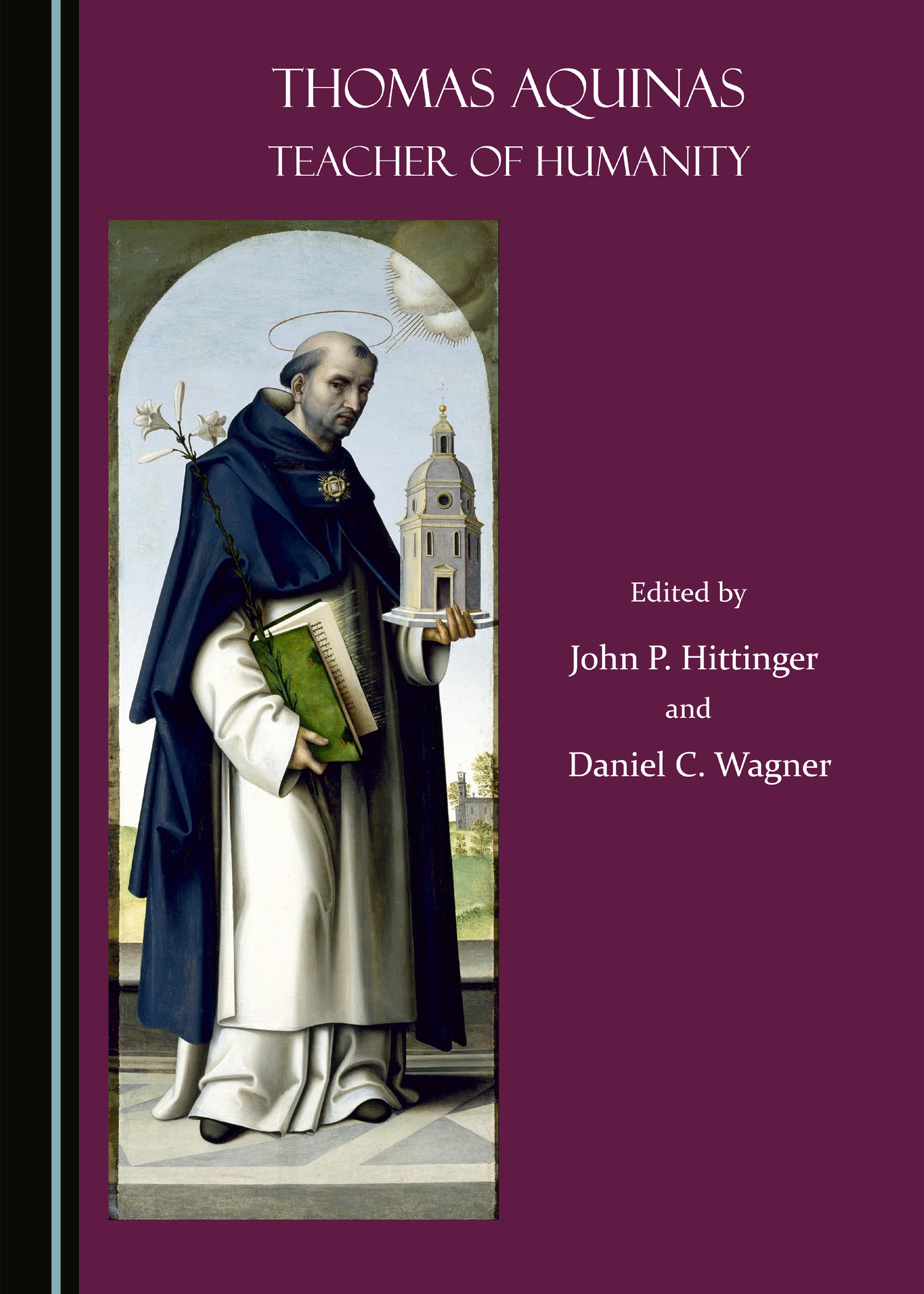
Thomas Aquinas
Teacher of Humanity
John Paul II called Thomas Aquinas a “Doctor of Humanity” for affirming human dignity. This collection of papers explores the philosophical and theological thought of both men, applying their wisdom to challenges from political praxis to transhumanism.
John Paul II called Thomas Aquinas a “Doctor of Humanity” for affirming human dignity. This collection of papers explores the philosophical and theological thought of both men, applying their wisdom to challenges from political praxis to transhumanism.
View more
This product has multiple variants. The options may be chosen on the product page
Processing Your Order
Please wait while we securely process your order.
Do not refresh or leave this page.
You will be redirected shortly to a confirmation page with your order number.