

View more
This product has multiple variants. The options may be chosen on the product page
Edmund Burke, the Imperatives of Empire and the American Revolution
An Interpretation
Edmund Burke advocated for America’s rights yet fiercely criticized the French Revolution. This volume presents his writings on the American Crisis, exploring the core paradox: Was this defender of colonial liberty a friend or a foe of revolution?
Edmund Burke advocated for America’s rights yet fiercely criticized the French Revolution. This volume presents his writings on the American Crisis, exploring the core paradox: Was this defender of colonial liberty a friend or a foe of revolution?
View more
This product has multiple variants. The options may be chosen on the product page
View more
This product has multiple variants. The options may be chosen on the product page
£52.99
Lovasz deals primarily with absentology, an ontological and social-scientific epistemological mode, dedicated to the analysis of absence. His monograph is drawn by manifestations of absence and deals with three terms, ‘the shadow economy’, ‘corruption’ and ‘pollution’.
Lovasz deals primarily with absentology, an ontological and social-scientific epistemological mode, dedicated to the analysis of absence. His monograph is drawn by manifestations of absence and deals with three terms, ‘the shadow economy’, ‘corruption’ and ‘pollution’.
View more
This product has multiple variants. The options may be chosen on the product page
View more
This product has multiple variants. The options may be chosen on the product page
£52.99
Many philosophers reduce ordinary knowledge to sensory or, more generally, to perceptual knowledge, which refers to entities belonging to the phenomenic world. The papers collected here analyse different aspects of ordinary knowledge and of its epistemology.
Many philosophers reduce ordinary knowledge to sensory or, more generally, to perceptual knowledge, which refers to entities belonging to the phenomenic world. The papers collected here analyse different aspects of ordinary knowledge and of its epistemology.
View more
This product has multiple variants. The options may be chosen on the product page

View more
This product has multiple variants. The options may be chosen on the product page
Imagining the Self, Constructing the Past
Selected Proceedings from the 36th Annual Medieval and Renaissance Forum
This volume celebrates the ways the Middle Ages and Renaissance are represented in our own age. The contributions bear witness to the importance of representation to our understanding of ourselves, each other, and our shared past.
This volume celebrates the ways the Middle Ages and Renaissance are represented in our own age. The contributions bear witness to the importance of representation to our understanding of ourselves, each other, and our shared past.
View more
This product has multiple variants. The options may be chosen on the product page
View more
This product has multiple variants. The options may be chosen on the product page
Slivers of Life
Musings on Human Values
No matter if you are broken-hearted or happy in life and no matter where you are, the lessons taught in this book offer a unique taste of contentment, solace and joy. Slivers of Life pieces together the puzzle of felicity, in a simple yet magnetic manner.
View more
This product has multiple variants. The options may be chosen on the product page
View more
This product has multiple variants. The options may be chosen on the product page
Recent Advances in the Creation of a Process-Based Worldview
Human Life in Process
This collection investigates the cutting edge in the creation of a process worldview, an important component of contemporary philosophy. It explores how process thinking can inspire us to rethink our lives, representing a bold move from academic philosophy to actual human lives.
This collection investigates the cutting edge in the creation of a process worldview, an important component of contemporary philosophy. It explores how process thinking can inspire us to rethink our lives, representing a bold move from academic philosophy to actual human lives.
View more
This product has multiple variants. The options may be chosen on the product page
View more
This product has multiple variants. The options may be chosen on the product page
From £53.99
This book challenges the division between academic and practical philosophy. It offers a melioristic view that rethinks philosophy's methods, reinvigorates its teaching, and secures its relevance outside the academe by offering original solutions to its contemporary crisis.
This book challenges the division between academic and practical philosophy. It offers a melioristic view that rethinks philosophy’s methods, reinvigorates its teaching, and secures its relevance outside the academe by offering original solutions to its contemporary crisis.
View more
This product has multiple variants. The options may be chosen on the product page
View more
This product has multiple variants. The options may be chosen on the product page
The Intelligible World
Metaphysical Revolution in the Genesis of Kant's Theory of Morality
Understanding Kant’s “pre-critical” philosophy is central to appreciating his three critiques. This early work is a hidden background, where his great cosmology informs the “thing-in-itself” and provides the ontological framework for his later ethics.
Understanding Kant’s “pre-critical” philosophy is central to appreciating his three critiques. This early work is a hidden background, where his great cosmology informs the “thing-in-itself” and provides the ontological framework for his later ethics.
View more
This product has multiple variants. The options may be chosen on the product page

View more
This product has multiple variants. The options may be chosen on the product page
£54.99
From the Global Ecological Integrity Group, this collection examines governance from the standpoint of integrity: from democracy and Native governance to globalization and human rights to food, water and climate.
From the Global Ecological Integrity Group, this collection examines governance from the standpoint of integrity: from democracy and Native governance to globalization and human rights to food, water and climate.
View more
This product has multiple variants. The options may be chosen on the product page
View more
This product has multiple variants. The options may be chosen on the product page
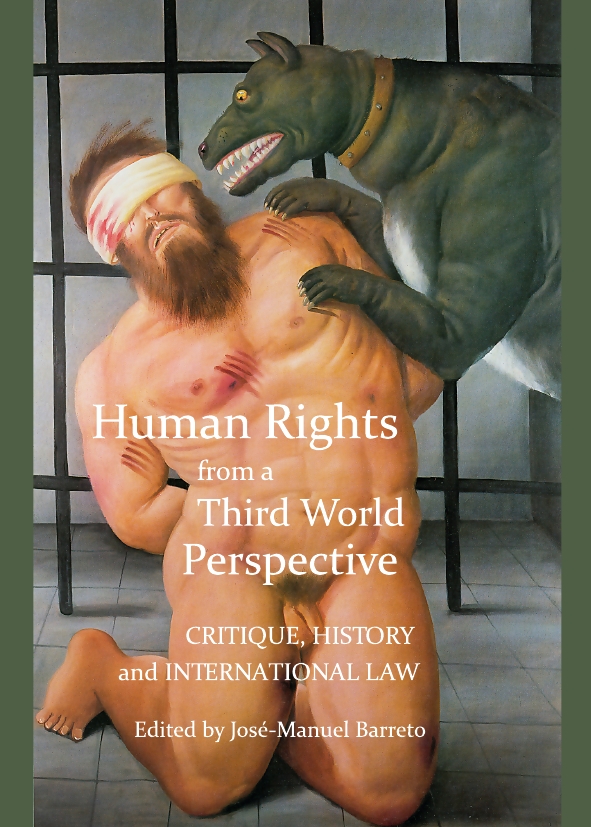
Human Rights from a Third World Perspective
Critique, History and International Law
This collection takes up the point of view of the colonized to unsettle the conventional understanding of human rights. Drawing on Decolonial Thinking and Third World approaches, it constructs a new history and theory to decolonize human rights.
This collection takes up the point of view of the colonized to unsettle the conventional understanding of human rights. Drawing on Decolonial Thinking and Third World approaches, it constructs a new history and theory to decolonize human rights.
View more
This product has multiple variants. The options may be chosen on the product page
View more
This product has multiple variants. The options may be chosen on the product page
Revolutions
Finished and Unfinished, From Primal to Final
This work makes new contributions not only to the study of particular revolutions, but to developing a philosophy of revolution itself. Inspired by Eric Voegelin and Eugen Rosenstock-Huessy, the tension between their philosophies adds to its unique richness.
This work makes new contributions not only to the study of particular revolutions, but to developing a philosophy of revolution itself. Inspired by Eric Voegelin and Eugen Rosenstock-Huessy, the tension between their philosophies adds to its unique richness.
View more
This product has multiple variants. The options may be chosen on the product page
View more
This product has multiple variants. The options may be chosen on the product page
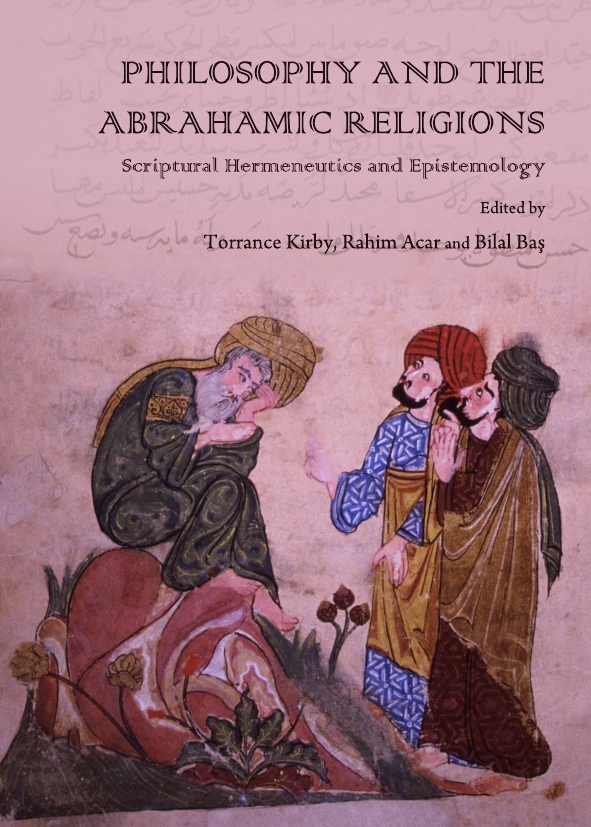
Philosophy and the Abrahamic Religions
Scriptural Hermeneutics and Epistemology
From Greco-Roman Antiquity, philosophy and religious thought were inseparably interwoven. These essays explore how the three Abrahamic religions interacted on the common ground of Greek philosophy, creating similar patterns of thought on crucial concepts.
From Greco-Roman Antiquity, philosophy and religious thought were inseparably interwoven. These essays explore how the three Abrahamic religions interacted on the common ground of Greek philosophy, creating similar patterns of thought on crucial concepts.
View more
This product has multiple variants. The options may be chosen on the product page
View more
This product has multiple variants. The options may be chosen on the product page
Hegel’s Philosophy of Universal Reconciliation
Logic as Form of the World
In this final volume on Hegel as theologian, we discover the reconciliation of Mind with itself as the nerve of Hegel’s thought. Subtitled “Logic as Form of the World,” this work identifies faith with rationality and man as the form of the world.
In this final volume on Hegel as theologian, we discover the reconciliation of Mind with itself as the nerve of Hegel’s thought. Subtitled “Logic as Form of the World,” this work identifies faith with rationality and man as the form of the world.
View more
This product has multiple variants. The options may be chosen on the product page
View more
This product has multiple variants. The options may be chosen on the product page
£54.99
In this book, central issues in the history of philosophical investigations about the concept of language are introduced. Topics are structured with reference to the world’s foremost philosophers of language, raising an awareness of language as a distinctive human capacity.
In this book, central issues in the history of philosophical investigations about the concept of language are introduced. Topics are structured with reference to the world’s foremost philosophers of language, raising an awareness of language as a distinctive human capacity.
View more
This product has multiple variants. The options may be chosen on the product page
View more
This product has multiple variants. The options may be chosen on the product page
Life and Mind
A Philosophical Quest
This provocative book argues that life and mind elude purely materialistic explanations. It posits intelligence as a precondition for organic existence, a serious challenge to modern science, and culminates in a philosophical proof of the mind system.
This provocative book argues that life and mind elude purely materialistic explanations. It posits intelligence as a precondition for organic existence, a serious challenge to modern science, and culminates in a philosophical proof of the mind system.
View more
This product has multiple variants. The options may be chosen on the product page
View more
This product has multiple variants. The options may be chosen on the product page
£54.99
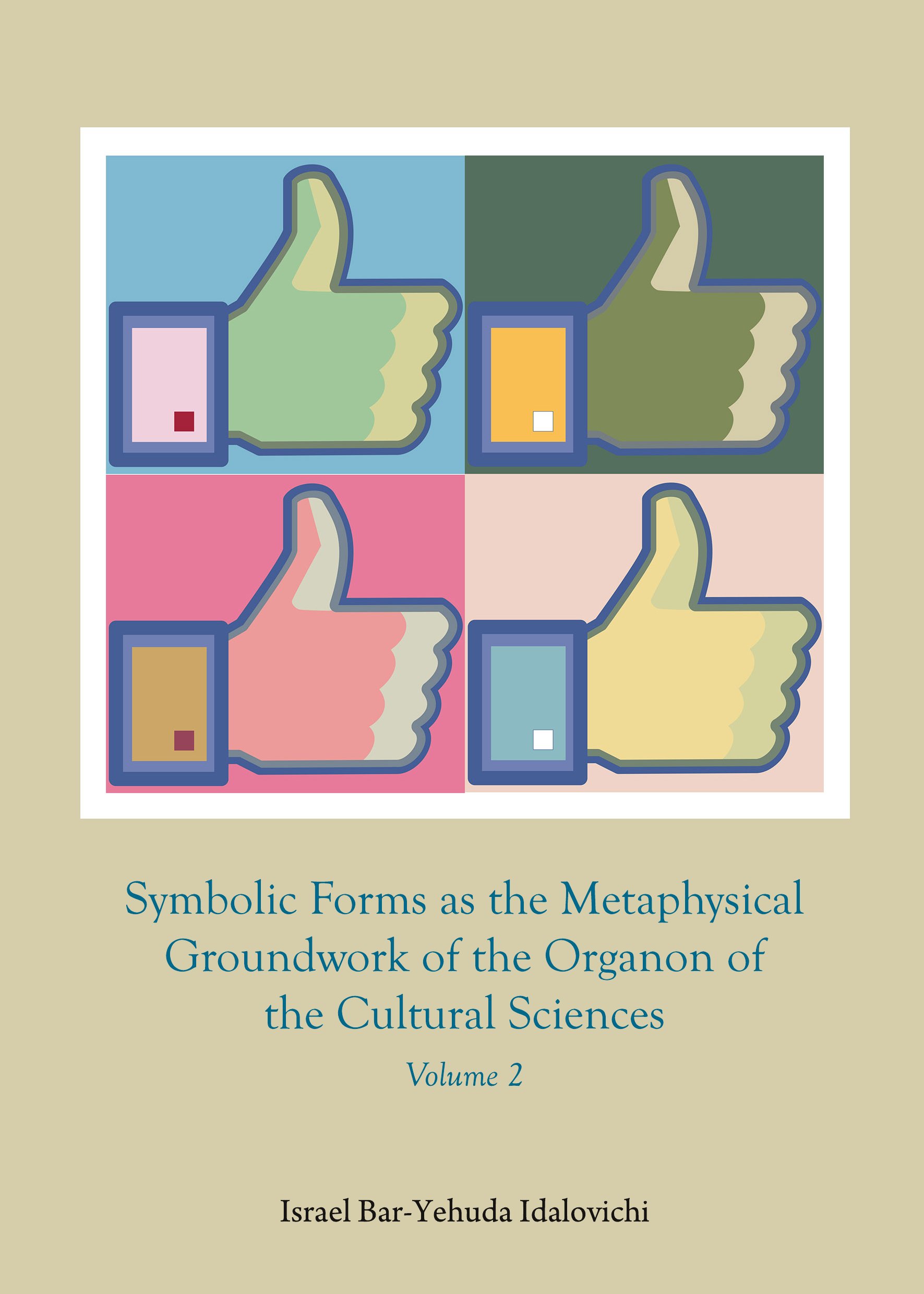
This ambitious work reclassifies the history of ideas by proposing a new organon for the cultural sciences. To comprehend our vast knowledge, the organon extracts key principles and shapes them into symbolic forms, providing a new foundation for philosophy.
This ambitious work reclassifies the history of ideas by proposing a new organon for the cultural sciences. To comprehend our vast knowledge, the organon extracts key principles and shapes them into symbolic forms, providing a new foundation for philosophy.
View more
This product has multiple variants. The options may be chosen on the product page
View more
This product has multiple variants. The options may be chosen on the product page
£57.99
Gathering the theoretical grounds for research in Gestalt therapy, this work introduces useful research methods and presents relevant research projects. It fills a void in an area that requires more information by sharing some of the Gestalt research that is emerging.
Gathering the theoretical grounds for research in Gestalt therapy, this work introduces useful research methods and presents relevant research projects. It fills a void in an area that requires more information by sharing some of the Gestalt research that is emerging.
View more
This product has multiple variants. The options may be chosen on the product page
View more
This product has multiple variants. The options may be chosen on the product page
£57.99
Theron presents what Hegel calls “the vital spirit of the actual world”, the truth, namely, of logic’s form and content as one concrete whole. He operates from the view that thinking is necessarily free and unbounded, if we escape a performative contradiction in evaluating it.
Theron presents what Hegel calls “the vital spirit of the actual world”, the truth, namely, of logic’s form and content as one concrete whole. He operates from the view that thinking is necessarily free and unbounded, if we escape a performative contradiction in evaluating it.
View more
This product has multiple variants. The options may be chosen on the product page
View more
This product has multiple variants. The options may be chosen on the product page
The a priori in the Thought of Descartes
Cognition, Method and Science
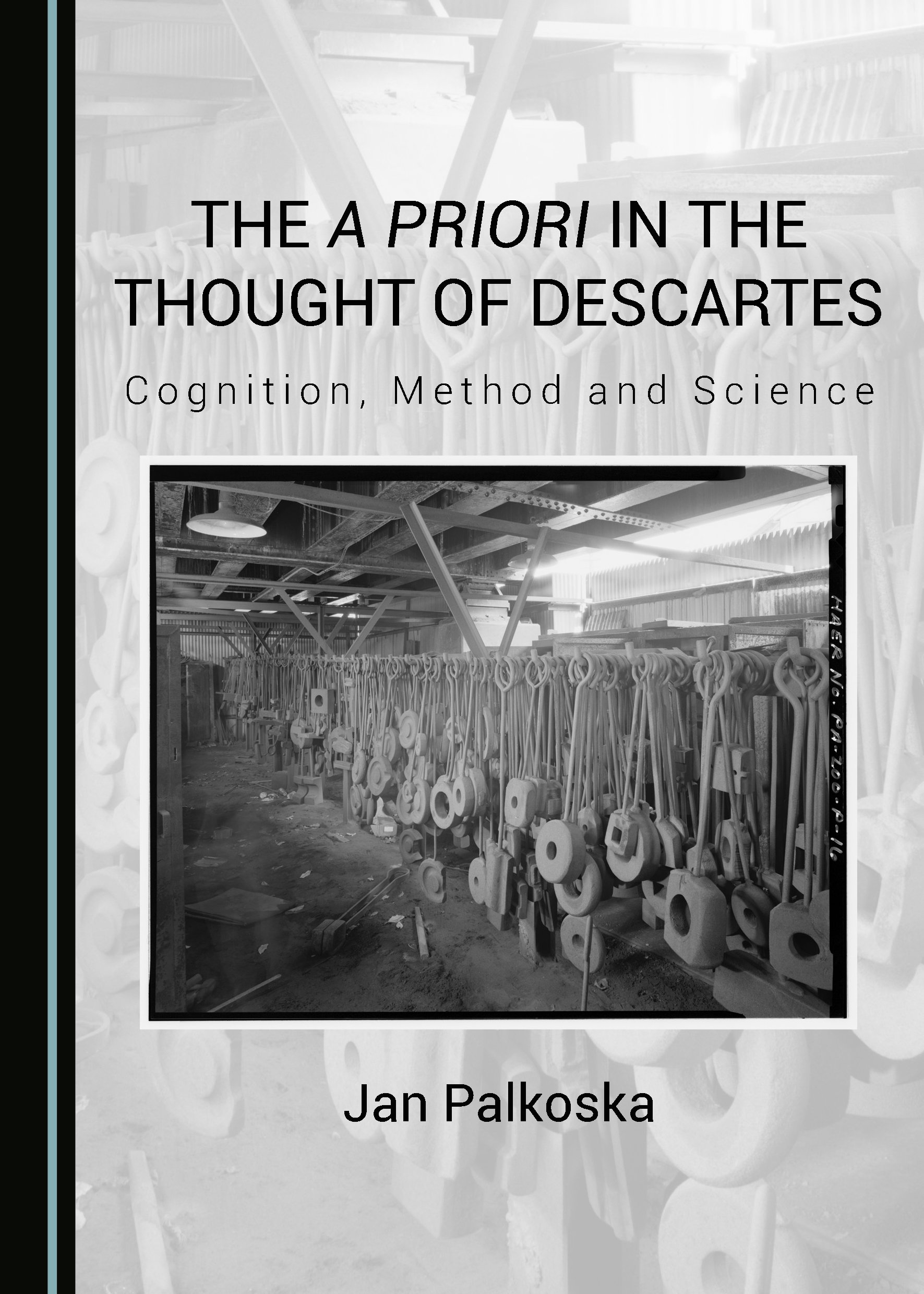
This book offers a clear and historically adequate account of the disputed issue of the exact meaning Descartes associates with the term ‘a priori’, so different from the Aristotelian usage. It will add to a better understanding of fundamental issues in the philosopher’s thought.
This book offers a clear and historically adequate account of the disputed issue of the exact meaning Descartes associates with the term ‘a priori’, so different from the Aristotelian usage. It will add to a better understanding of fundamental issues in the philosopher’s thought.
View more
This product has multiple variants. The options may be chosen on the product page
View more
This product has multiple variants. The options may be chosen on the product page
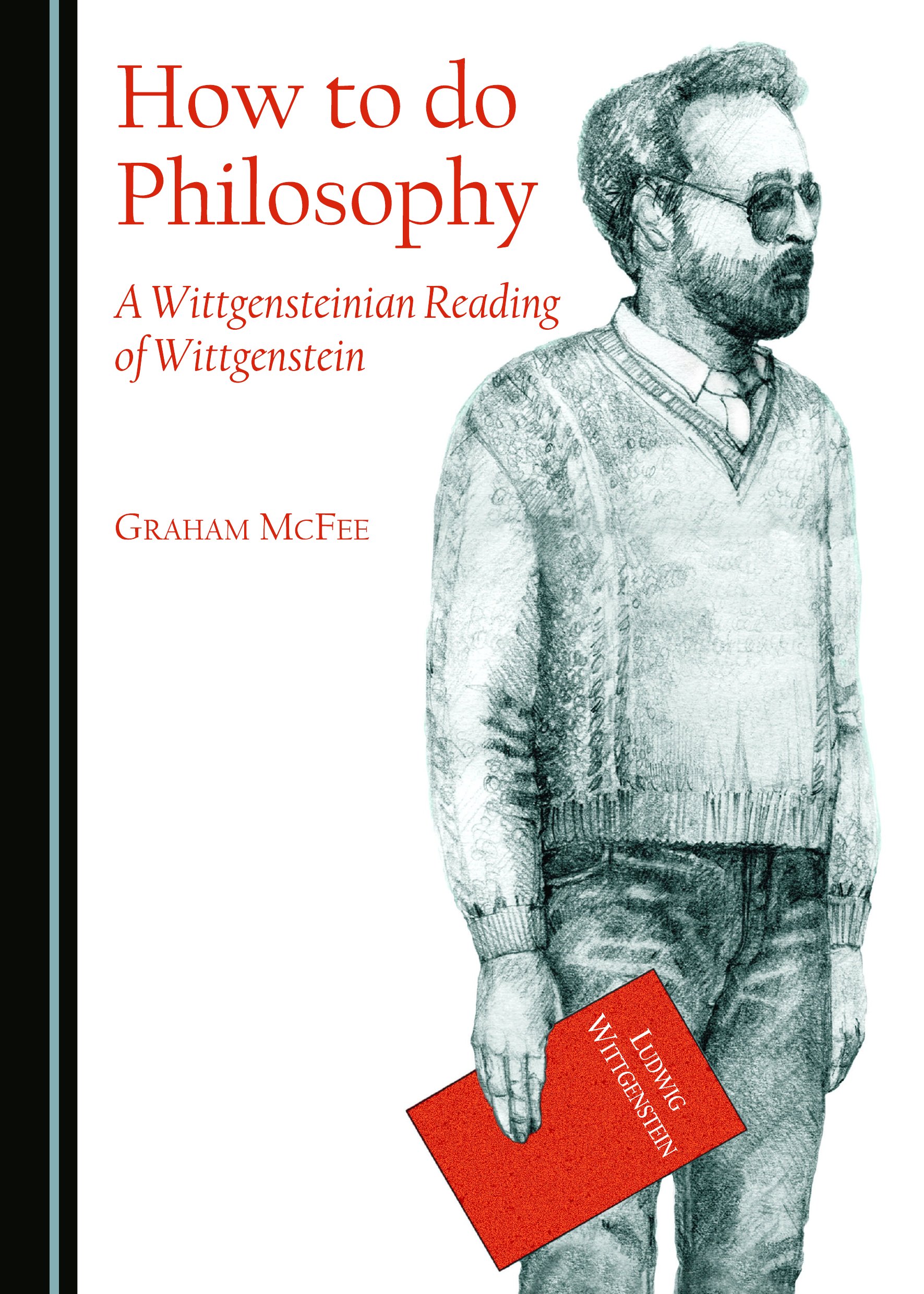
How to do Philosophy
A Wittgensteinian Reading of Wittgenstein
Why take Wittgenstein seriously today? This text explores the therapeutic conception of philosophy in his later work. Drawing on his writings, including posthumous publications, it clarifies his problem-specific and person-specific philosophical project.
Why take Wittgenstein seriously today? This text explores the therapeutic conception of philosophy in his later work. Drawing on his writings, including posthumous publications, it clarifies his problem-specific and person-specific philosophical project.
View more
This product has multiple variants. The options may be chosen on the product page
Processing Your Order
Please wait while we securely process your order.
Do not refresh or leave this page.
You will be redirected shortly to a confirmation page with your order number.