
View more
This product has multiple variants. The options may be chosen on the product page
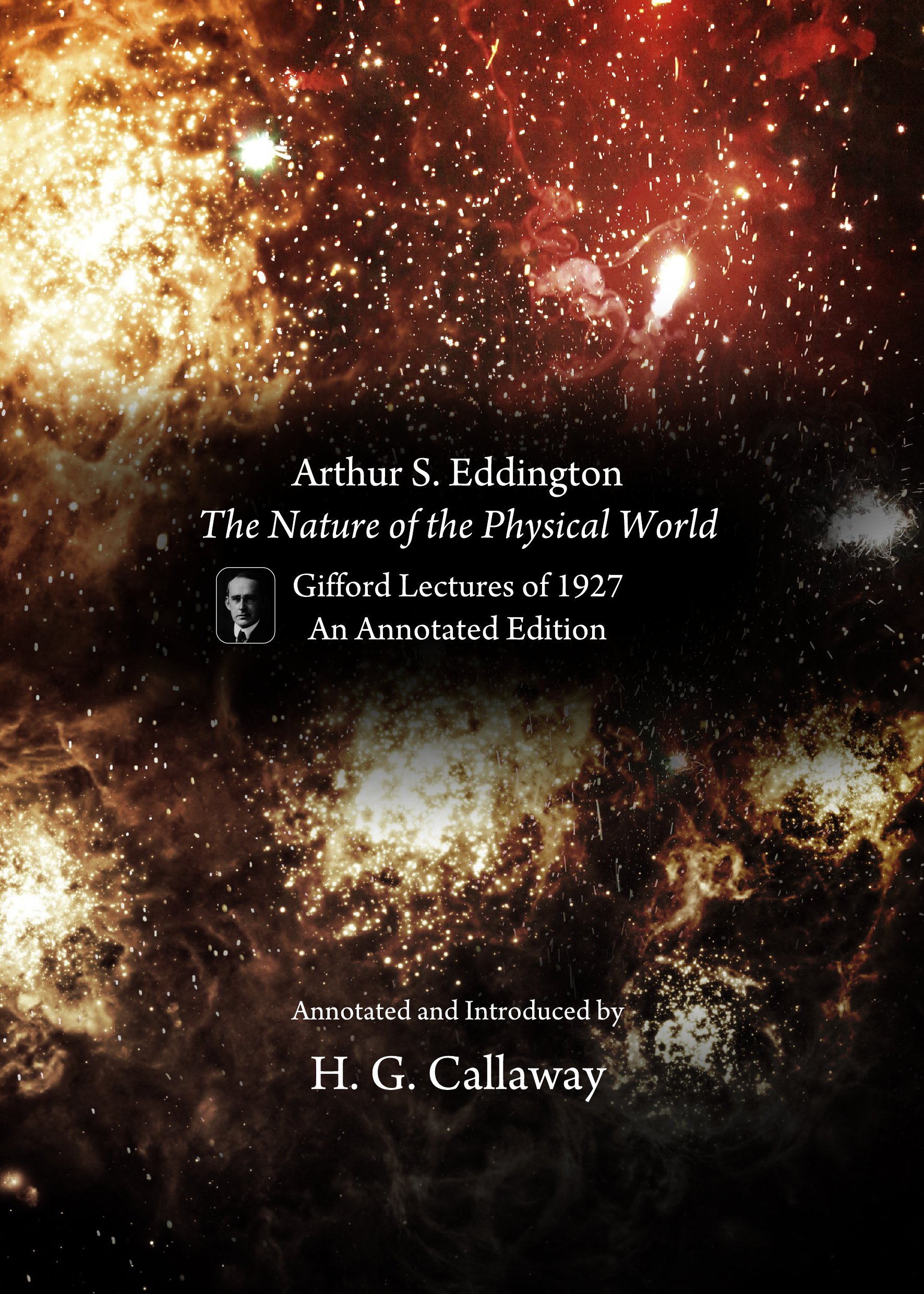
Arthur S. Eddington, The Nature of the Physical World
Gifford Lectures of 1927, An Annotated Edition
Arthur S. Eddington was a prominent scientist famed for confirming Einstein’s theory of relativity and interpreting modern physics for the public. His classic book, The Nature of the Physical World, had a significant influence on the understanding of 20th-century physics.
Arthur S. Eddington was a prominent scientist famed for confirming Einstein’s theory of relativity and interpreting modern physics for the public. His classic book, The Nature of the Physical World, had a significant influence on the understanding of 20th-century physics.
View more
This product has multiple variants. The options may be chosen on the product page
View more
This product has multiple variants. The options may be chosen on the product page
Dynamic Being
Essays in Process-Relational Ontology
What is dynamic ontology? Dynamic Being examines this and other questions, investigating the theory and application of process-relational being. Specialists in philosophy, biology, computer science, and more suggest fruitful, interdisciplinary approaches.
What is dynamic ontology? Dynamic Being examines this and other questions, investigating the theory and application of process-relational being. Specialists in philosophy, biology, computer science, and more suggest fruitful, interdisciplinary approaches.
View more
This product has multiple variants. The options may be chosen on the product page
View more
This product has multiple variants. The options may be chosen on the product page
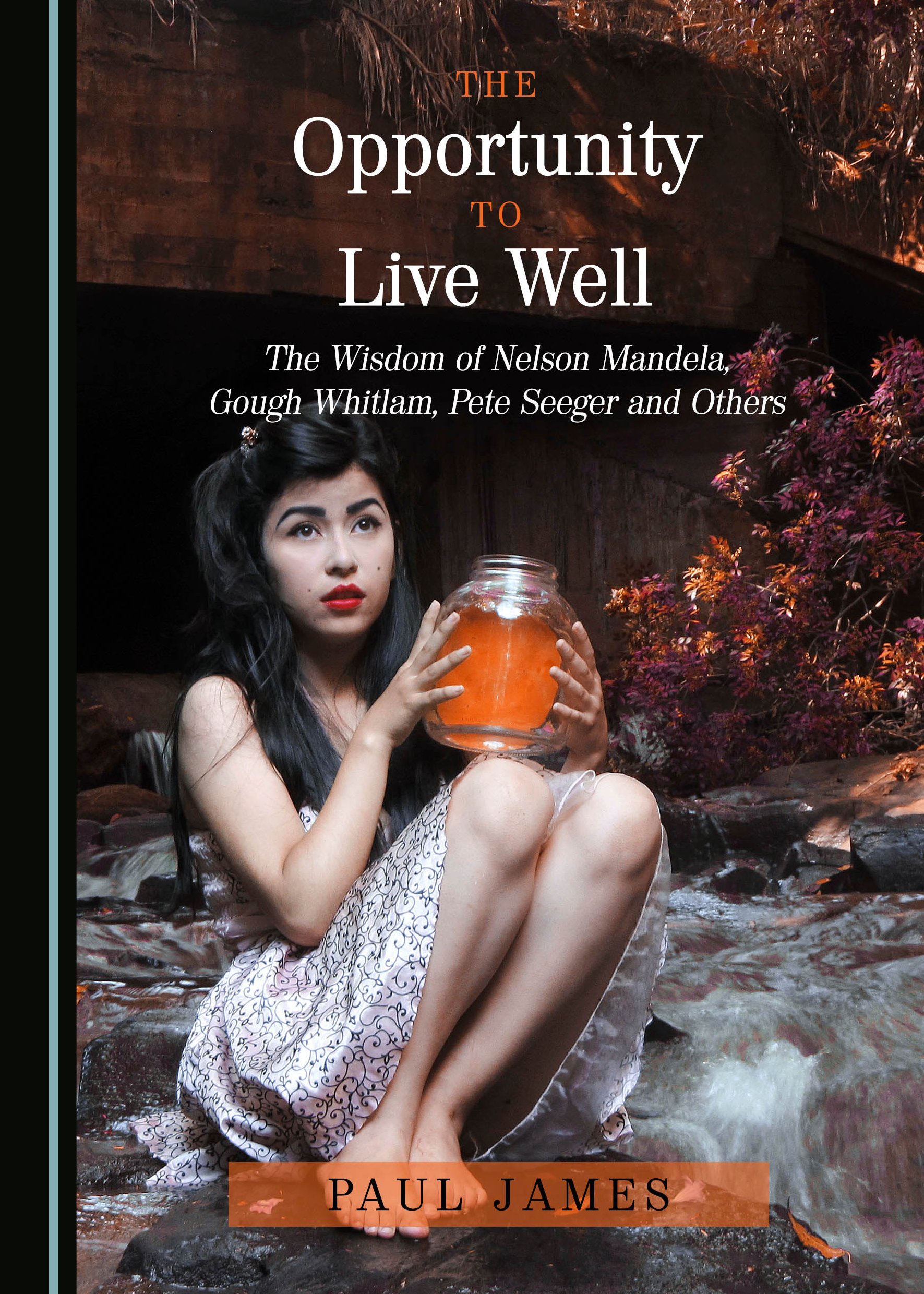
The Opportunity to Live Well
The Wisdom of Nelson Mandela, Gough Whitlam, Pete Seeger and Others
Traditional success—money, fame, career—won't provide a good life. So, how can we truly live well? Learn from the lives of Nelson Mandela and others who show that the joyous rewards of living well come from cultivating awareness, passion, empathy, and resilience.
Traditional success—money, fame, career—won’t provide a good life. So, how can we truly live well? Learn from the lives of Nelson Mandela and others who show that the joyous rewards of living well come from cultivating awareness, passion, empathy, and resilience.
View more
This product has multiple variants. The options may be chosen on the product page
View more
This product has multiple variants. The options may be chosen on the product page
Hylomorphism and Mereology
Proceedings of the Society for Medieval Logic and Metaphysics Volume 15
Mereology is the theory of parts and wholes, while hylomorphism is the doctrine according to which all natural substances consist of matter and form as their essential parts. This volume presents medieval theories of these concepts, articulating their conceptual development.
Mereology is the theory of parts and wholes, while hylomorphism is the doctrine according to which all natural substances consist of matter and form as their essential parts. This volume presents medieval theories of these concepts, articulating their conceptual development.
View more
This product has multiple variants. The options may be chosen on the product page
View more
This product has multiple variants. The options may be chosen on the product page
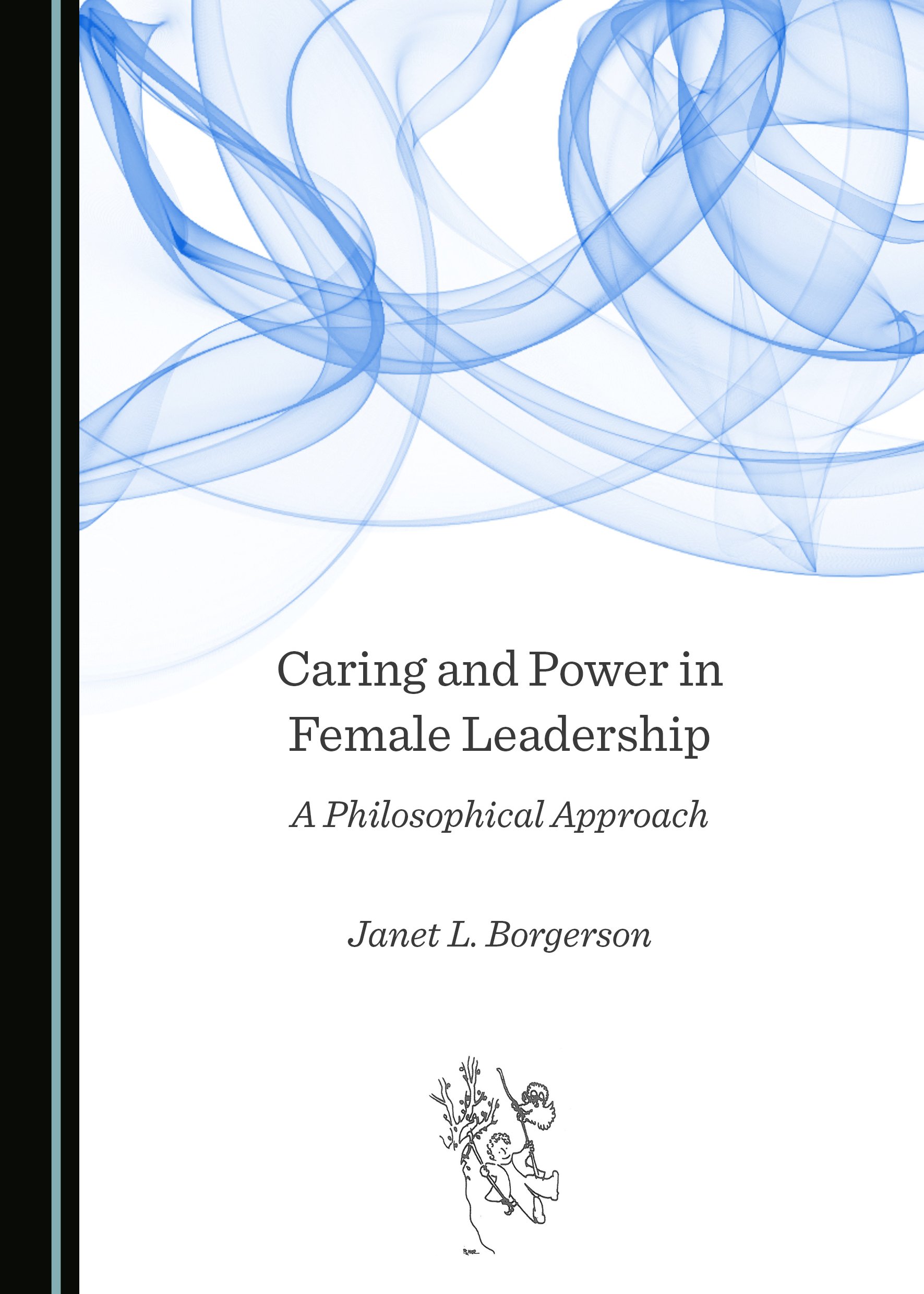
Caring and Power in Female Leadership
A Philosophical Approach
Can philosophical understandings of power and care illuminate roadblocks that disrupt the potential of women in leadership? Borgerson considers leadership challenges by drawing upon debates that pulse through the history of philosophy and into present-day social concerns.
Can philosophical understandings of power and care illuminate roadblocks that disrupt the potential of women in leadership? Borgerson considers leadership challenges by drawing upon debates that pulse through the history of philosophy and into present-day social concerns.
View more
This product has multiple variants. The options may be chosen on the product page

View more
This product has multiple variants. The options may be chosen on the product page
Essays on Power
Empire, the Sin upon My Head
This book explores European empires between the 15th and 20th centuries. Power changed everything, forcing these empires to choose who they were. This offers a groundbreaking look into the psychology of imperial power: a philosophical work that matters.
This book explores European empires between the 15th and 20th centuries. Power changed everything, forcing these empires to choose who they were. This offers a groundbreaking look into the psychology of imperial power: a philosophical work that matters.
View more
This product has multiple variants. The options may be chosen on the product page
View more
This product has multiple variants. The options may be chosen on the product page
£58.99
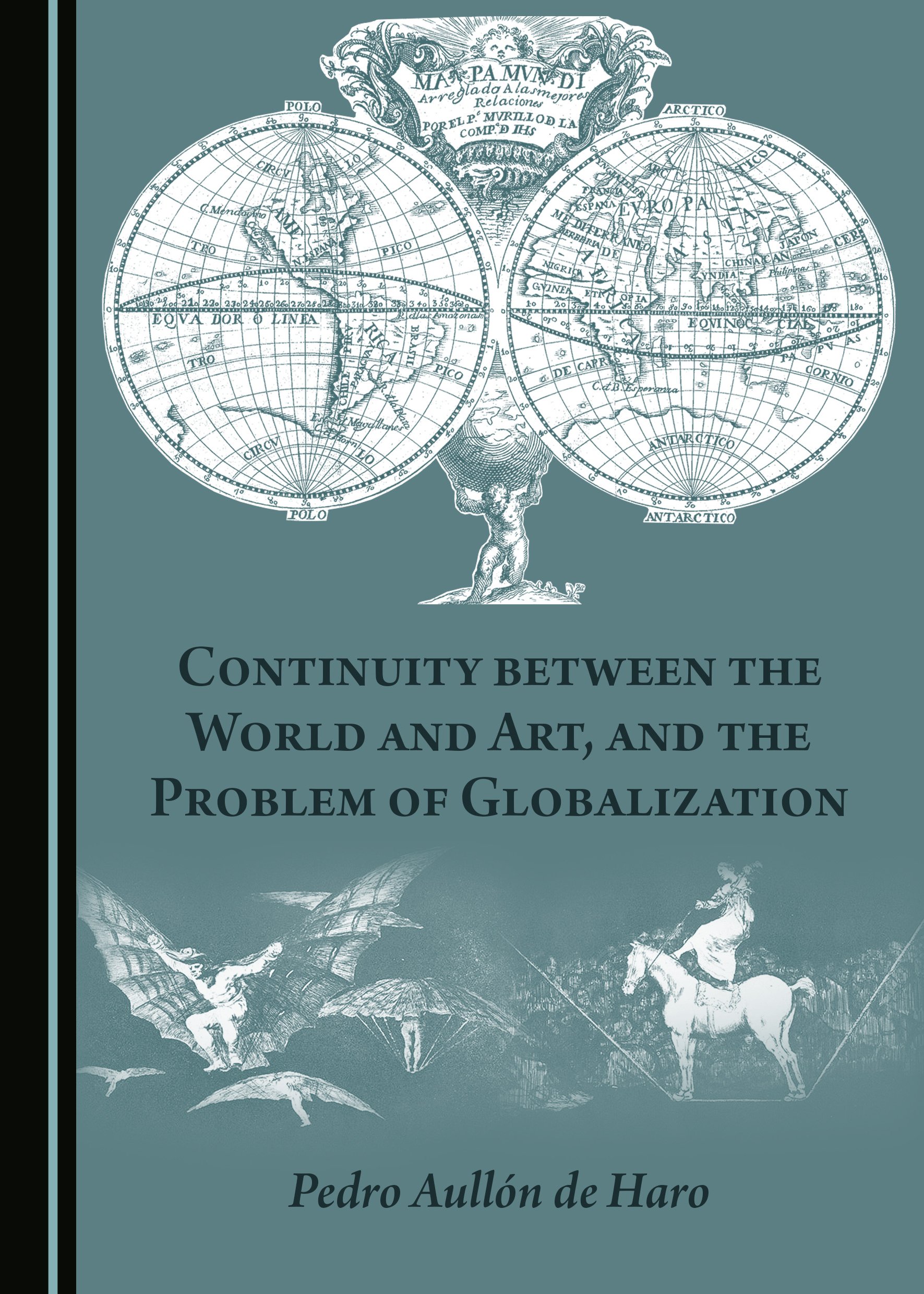
This title endeavours to create a general aesthetics to face the problem of mimesis and subordination of art, using the ancient concept of continuity. As such, it is of special interest to readers of aesthetic and critical thinking, and literary and sociocultural scholars.
This title endeavours to create a general aesthetics to face the problem of mimesis and subordination of art, using the ancient concept of continuity. As such, it is of special interest to readers of aesthetic and critical thinking, and literary and sociocultural scholars.
View more
This product has multiple variants. The options may be chosen on the product page
View more
This product has multiple variants. The options may be chosen on the product page
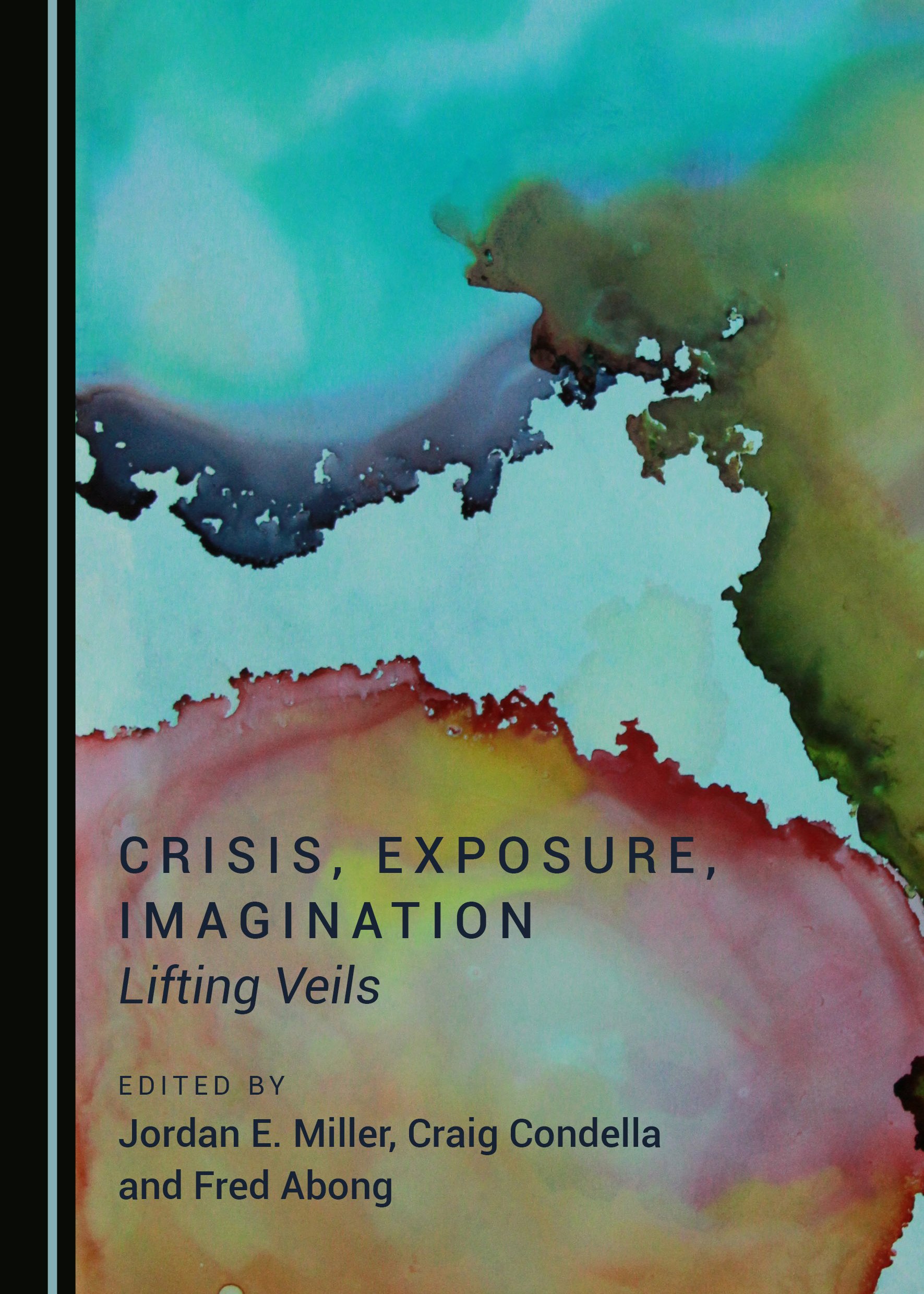
Crisis, Exposure, Imagination
Lifting Veils
Unprecedented crises expose new ways of understanding. This interdisciplinary volume examines the role of imagination in our response. Lifting the veil between crisis and creativity radically undoes the past, opens us to the future, and provides vision and hope.
Unprecedented crises expose new ways of understanding. This interdisciplinary volume examines the role of imagination in our response. Lifting the veil between crisis and creativity radically undoes the past, opens us to the future, and provides vision and hope.
View more
This product has multiple variants. The options may be chosen on the product page
View more
This product has multiple variants. The options may be chosen on the product page
Humanistic Philosophizing
Sensibility and Speculation in Philosophical Inquiry
Philosophy is the project of seeking for answers to “the big questions” regarding the condition of man, the nature of Reality, and man’s place within its scheme of things. Against this background, Rescher considers some major areas of philosophical concern.
Philosophy is the project of seeking for answers to “the big questions” regarding the condition of man, the nature of Reality, and man’s place within its scheme of things. Against this background, Rescher considers some major areas of philosophical concern.
View more
This product has multiple variants. The options may be chosen on the product page
View more
This product has multiple variants. The options may be chosen on the product page
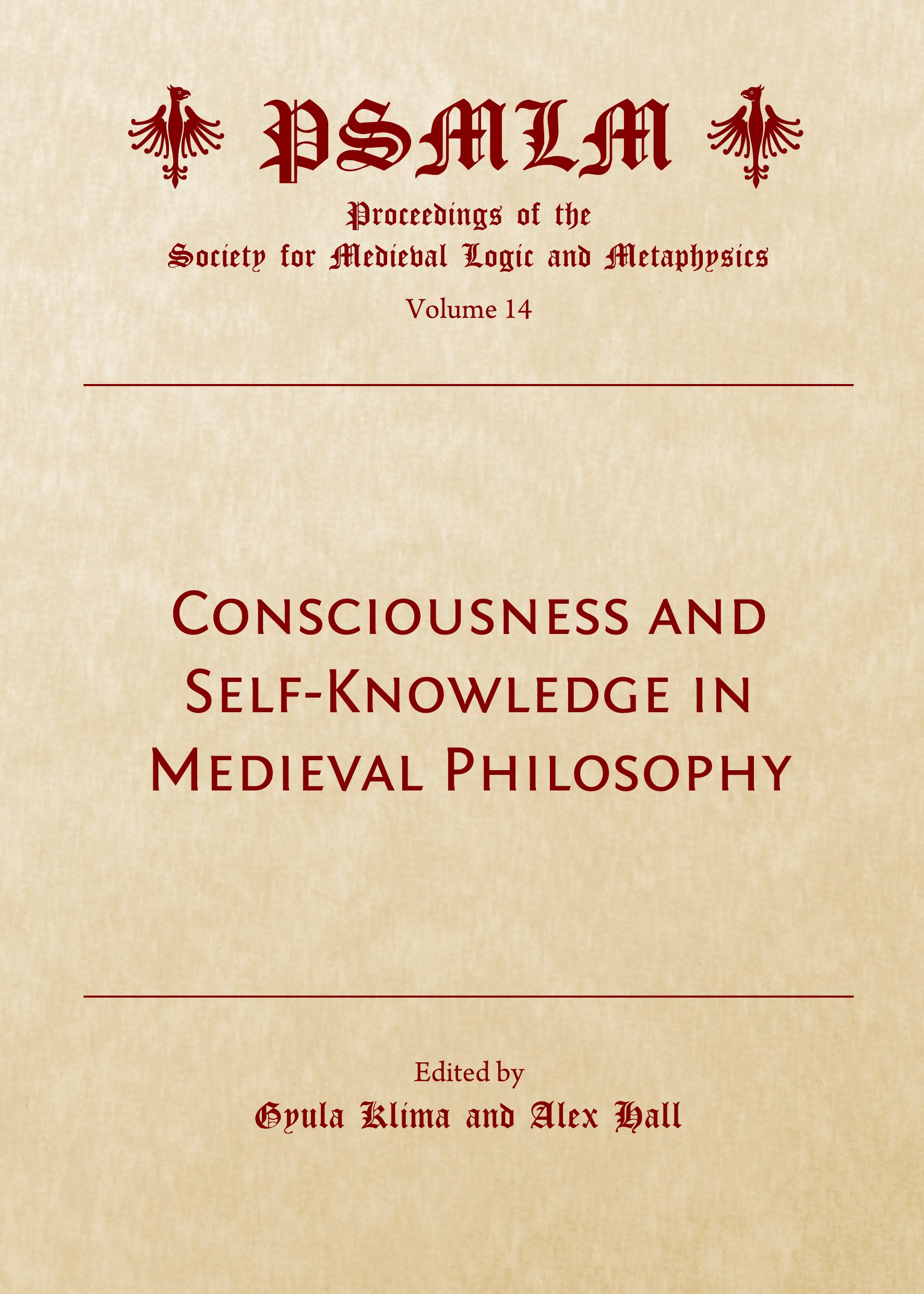
Consciousness and Self-Knowledge in Medieval Philosophy
Proceedings of the Society for Medieval Logic and Metaphysics Volume 14
While often traced to Descartes, self-knowledge is a perennial theme. This volume studies its treatment in the Medieval Latin West, focusing on Aquinas. It explores how the intellect grasps itself and how transformative self-knowledge leads to virtue, happiness, and fulfillment.
While often traced to Descartes, self-knowledge is a perennial theme. This volume studies its treatment in the Medieval Latin West, focusing on Aquinas. It explores how the intellect grasps itself and how transformative self-knowledge leads to virtue, happiness, and fulfillment.
View more
This product has multiple variants. The options may be chosen on the product page
View more
This product has multiple variants. The options may be chosen on the product page
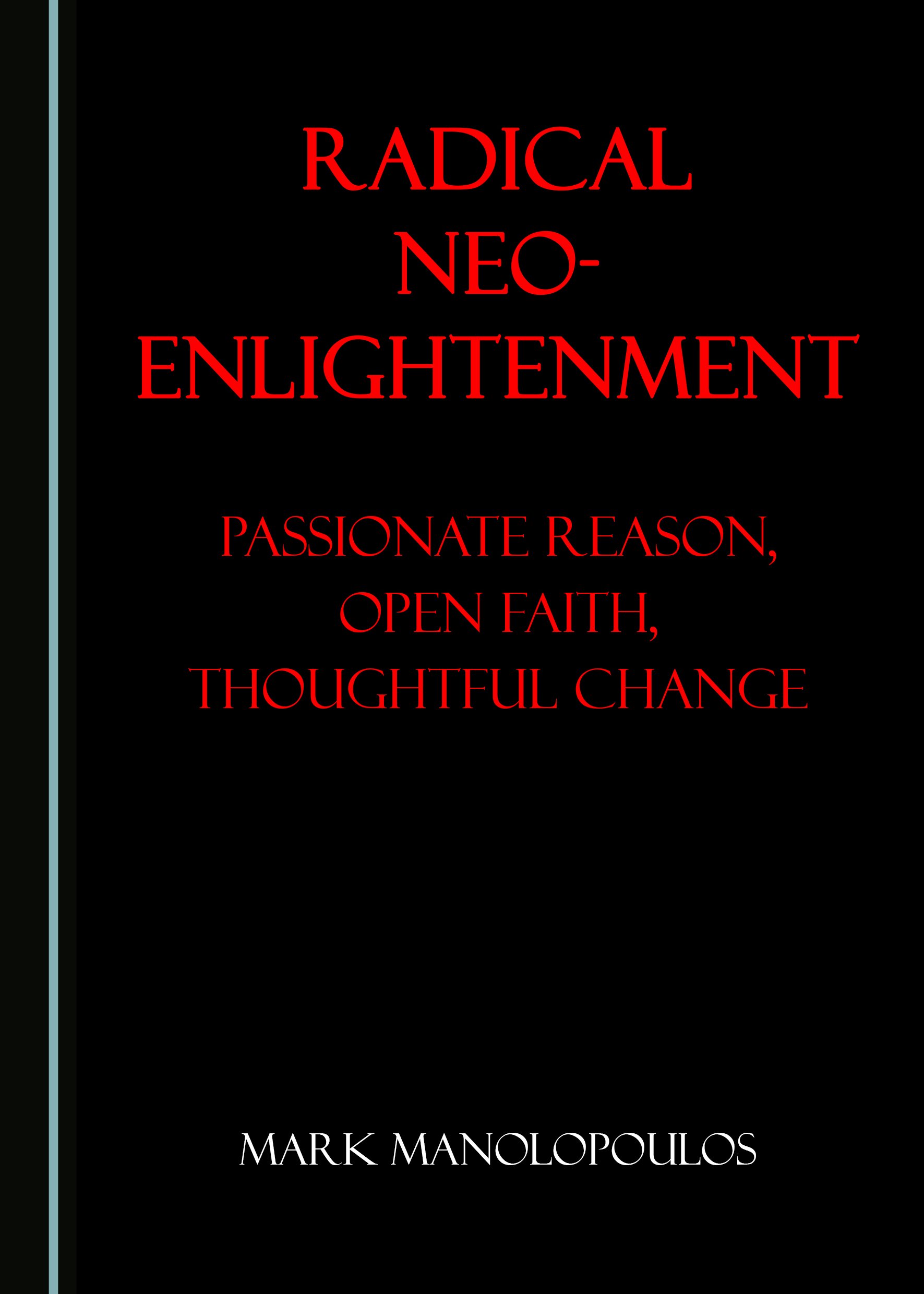
Radical Neo-Enlightenment
Passionate Reason, Open Faith, Thoughtful Change
This monograph represents a spirited response to the multiple and accelerating crises we face today. contending that we require a “radical neo-Enlightenment” to counter these systemic problems.
This monograph represents a spirited response to the multiple and accelerating crises we face today. contending that we require a “radical neo-Enlightenment” to counter these systemic problems.
View more
This product has multiple variants. The options may be chosen on the product page

View more
This product has multiple variants. The options may be chosen on the product page
£58.99
Making a case for existentialist design ethics, this book reveals an unsettling reality: there is no exit for designers but to accept their freedom and responsibility. It lays the ground for a radical transformation of how we conceive design, ethics, and the role of designers.
Making a case for existentialist design ethics, this book reveals an unsettling reality: there is no exit for designers but to accept their freedom and responsibility. It lays the ground for a radical transformation of how we conceive design, ethics, and the role of designers.
View more
This product has multiple variants. The options may be chosen on the product page
View more
This product has multiple variants. The options may be chosen on the product page
£58.99
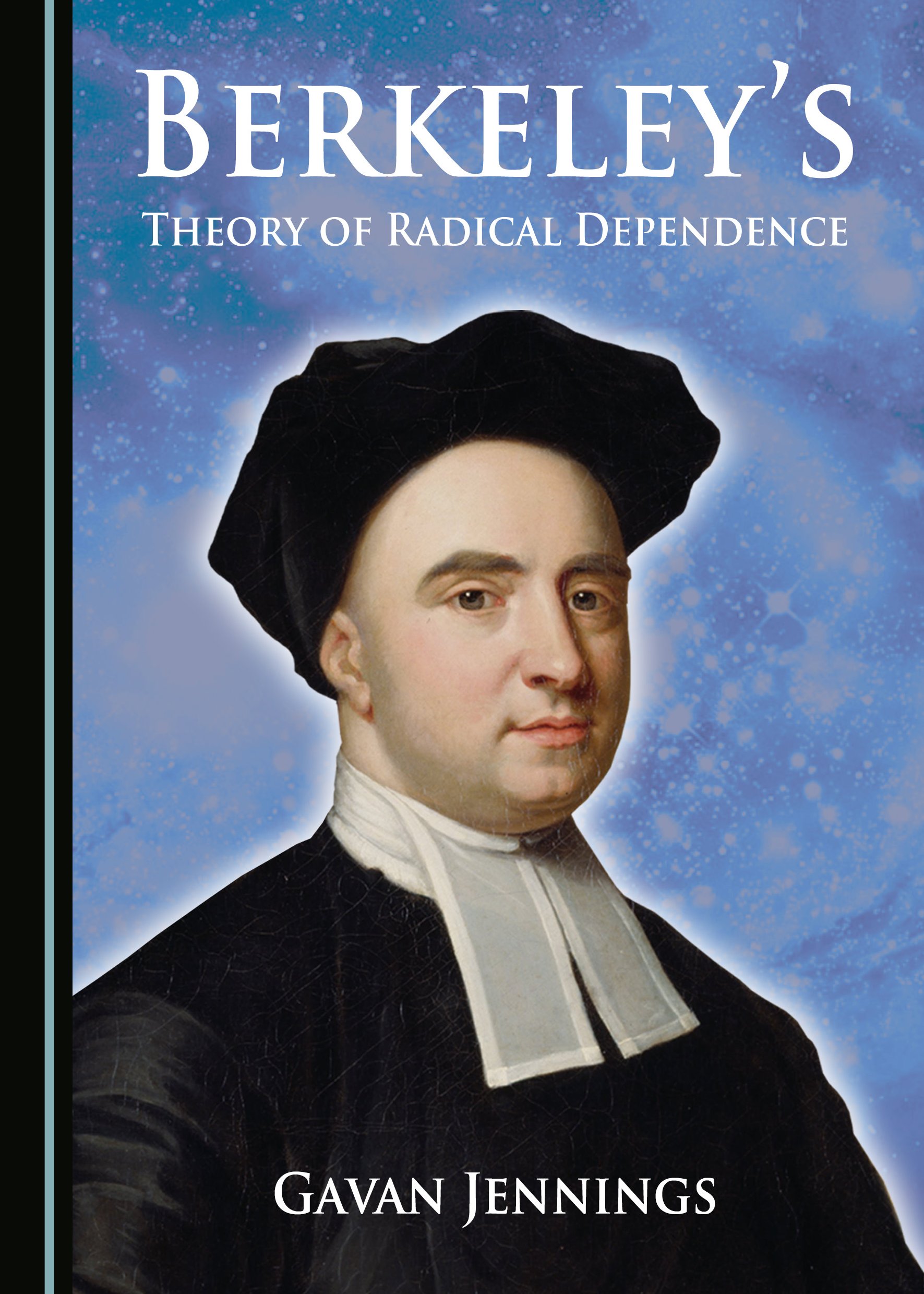
Jennings traces the theory of Radical Dependence through its various forms in Berkeley’s philosophical works, showing how this idea unifies Berkeley’s various phases of philosophical development.
Jennings traces the theory of Radical Dependence through its various forms in Berkeley’s philosophical works, showing how this idea unifies Berkeley’s various phases of philosophical development.
View more
This product has multiple variants. The options may be chosen on the product page
View more
This product has multiple variants. The options may be chosen on the product page
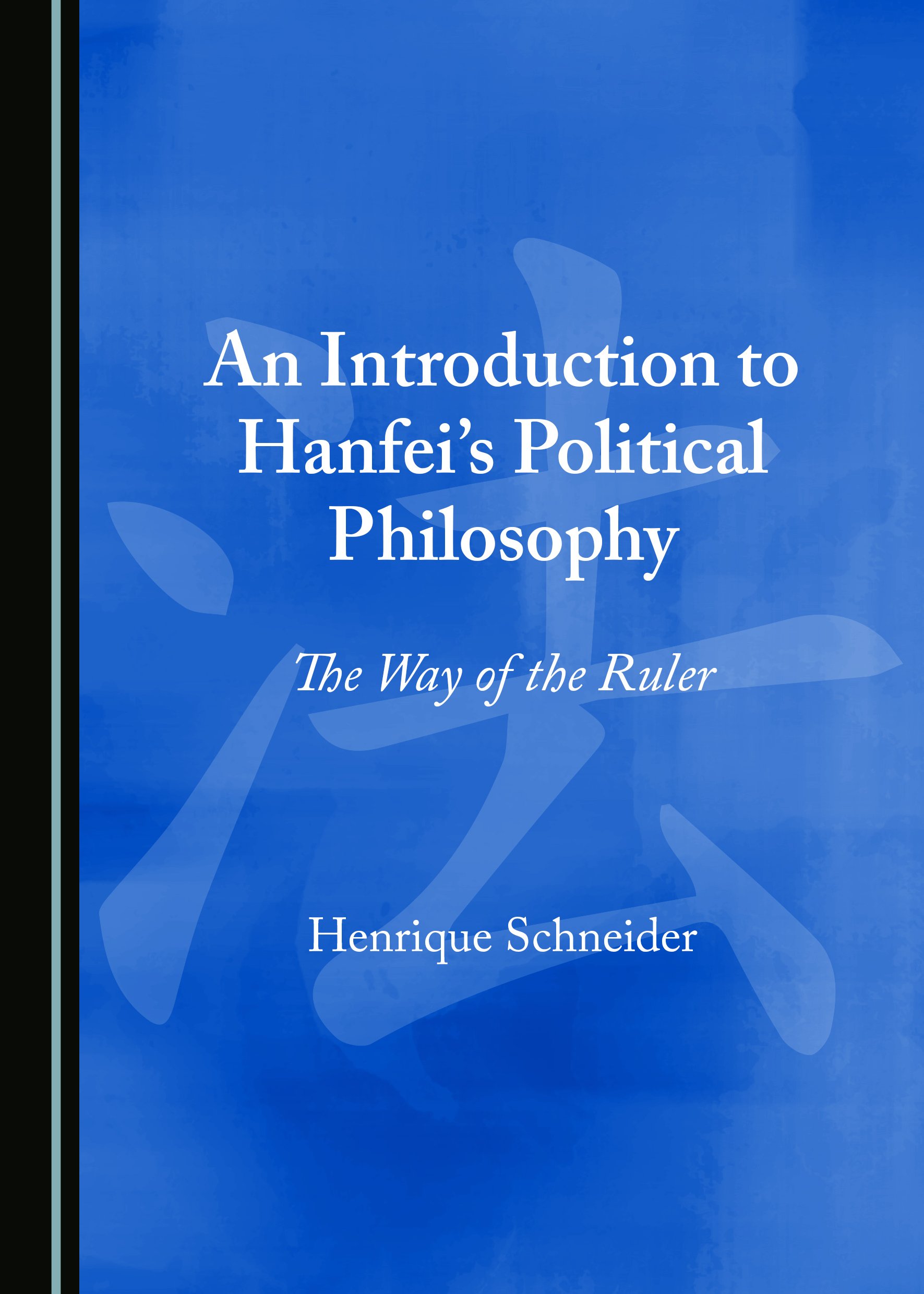
An Introduction to Hanfei’s Political Philosophy
The Way of the Ruler
In this first book to make the philosophy of Hanfei available at an introductory level, Schneider introduces key concepts and arguments in his legalist philosophy and contextualizes his thinking within Chinese history and in a comparative approach.
In this first book to make the philosophy of Hanfei available at an introductory level, Schneider introduces key concepts and arguments in his legalist philosophy and contextualizes his thinking within Chinese history and in a comparative approach.
View more
This product has multiple variants. The options may be chosen on the product page
View more
This product has multiple variants. The options may be chosen on the product page
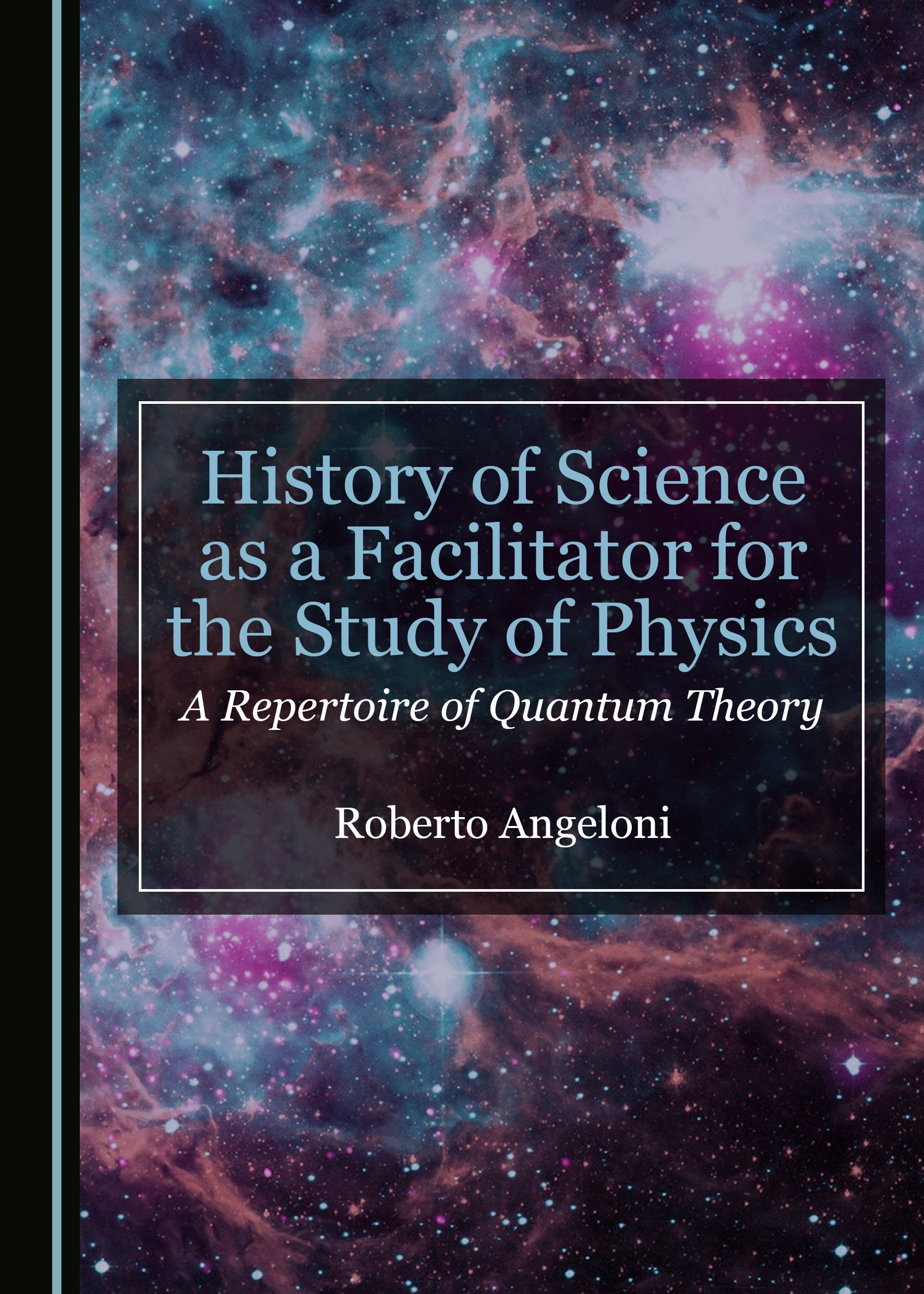
History of Science as a Facilitator for the Study of Physics
A Repertoire of Quantum Theory
Angeloni’s text serves to enhance scientific and technological literacy, by promoting STEM (Science, Technology, Engineering, and Mathematics) education with particular reference to contemporary physics.
Angeloni’s text serves to enhance scientific and technological literacy, by promoting STEM (Science, Technology, Engineering, and Mathematics) education with particular reference to contemporary physics.
View more
This product has multiple variants. The options may be chosen on the product page
View more
This product has multiple variants. The options may be chosen on the product page
£58.99
For Thomas Aquinas, ethics is not a set of moral precepts but the cultivation of virtues for human flourishing. Natural law, reflecting the eternal, is awakened within us. Crowned by faith, hope, and love, this vision is summed up in the Beatitudes.
For Thomas Aquinas, ethics is not a set of moral precepts but the cultivation of virtues for human flourishing. Natural law, reflecting the eternal, is awakened within us. Crowned by faith, hope, and love, this vision is summed up in the Beatitudes.
View more
This product has multiple variants. The options may be chosen on the product page
View more
This product has multiple variants. The options may be chosen on the product page
£58.99
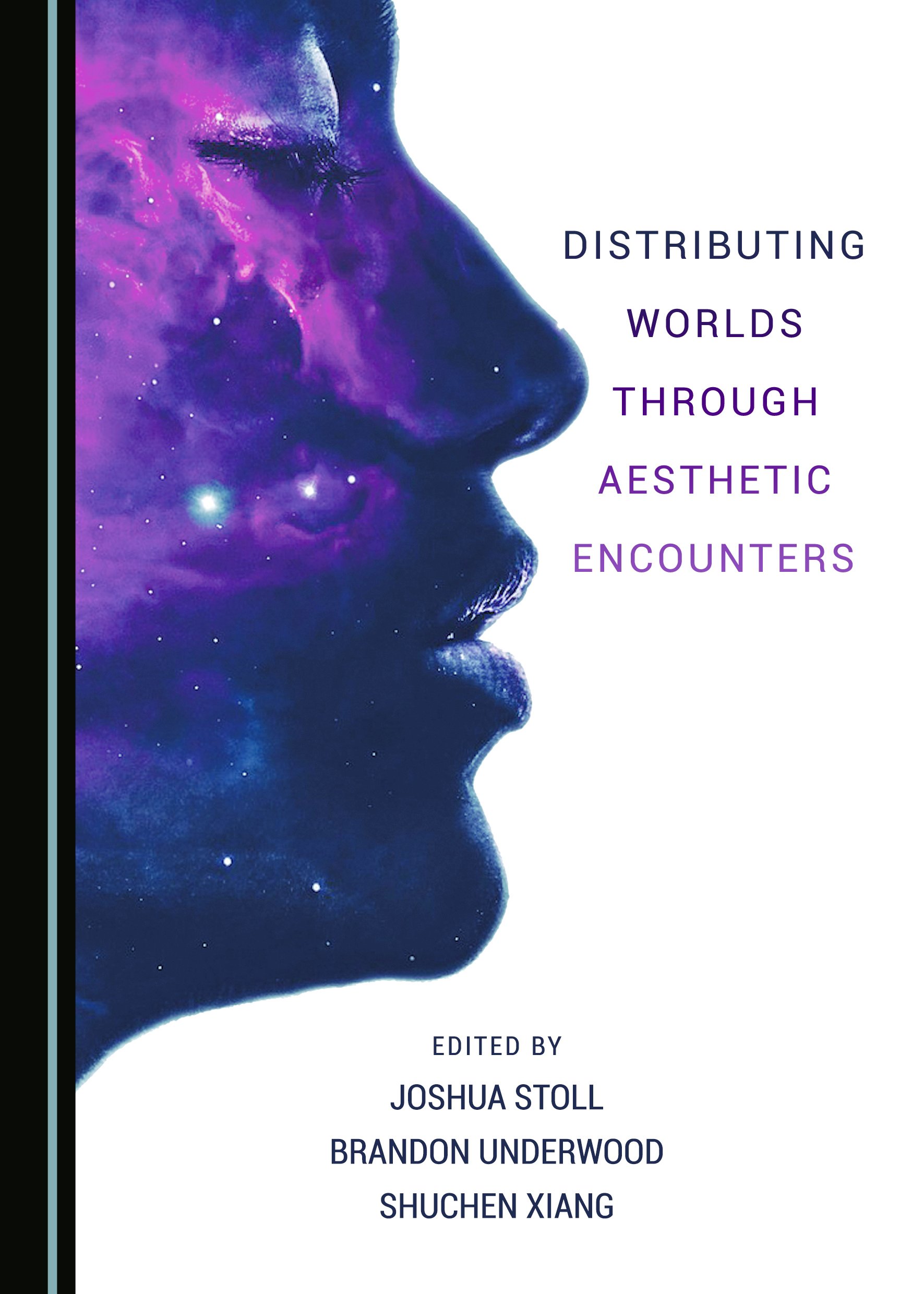
This collection of papers on comparative philosophy challenges academic philosophy’s focus on Western thought. By opening a dialogue across cultures, these chapters explore philosophy's politico-aesthetic dimension, demonstrating the equality of marginalized voices.
This collection of papers on comparative philosophy challenges academic philosophy’s focus on Western thought. By opening a dialogue across cultures, these chapters explore philosophy’s politico-aesthetic dimension, demonstrating the equality of marginalized voices.
View more
This product has multiple variants. The options may be chosen on the product page
View more
This product has multiple variants. The options may be chosen on the product page
From Monophysitism to Nestorianism
AD 431-681
This book argues that early orthodoxy was not a linear progression. Instead, the church navigated the narrow strait between Nestorianism and Monophysitism by continually changing sides in the Ecumenical Councils, ultimately outwitting both heresies to forge its own path.
This book argues that early orthodoxy was not a linear progression. Instead, the church navigated the narrow strait between Nestorianism and Monophysitism by continually changing sides in the Ecumenical Councils, ultimately outwitting both heresies to forge its own path.
View more
This product has multiple variants. The options may be chosen on the product page
View more
This product has multiple variants. The options may be chosen on the product page
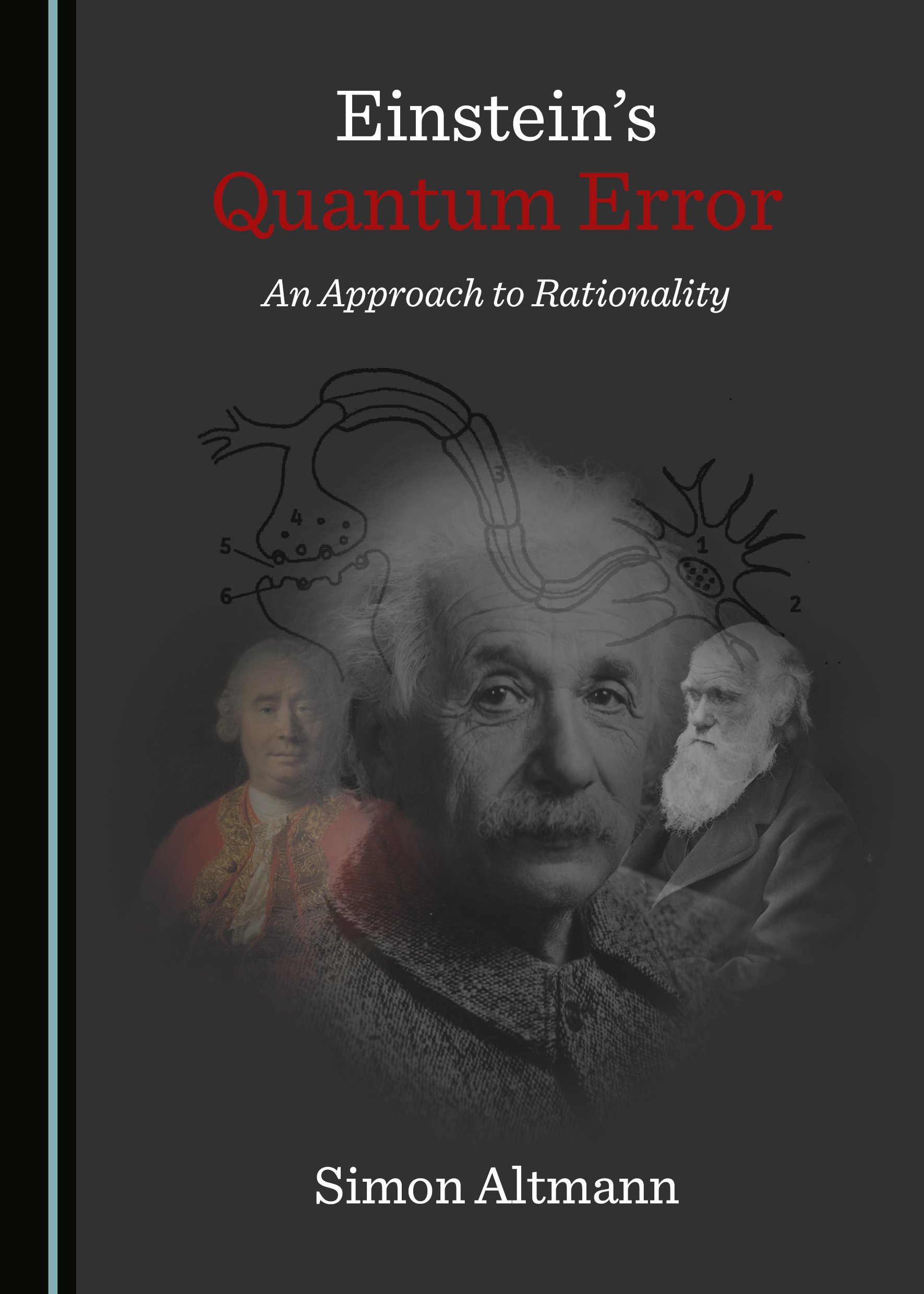
Einstein’s Quantum Error
An Approach to Rationality
What is it to be rational? This book argues that rational principles are not absolutes, but are empirically justified. It shows how principles like causality reflect our brain’s evolved structure, which parallels the physical world, and confronts modern attacks on science.
What is it to be rational? This book argues that rational principles are not absolutes, but are empirically justified. It shows how principles like causality reflect our brain’s evolved structure, which parallels the physical world, and confronts modern attacks on science.
View more
This product has multiple variants. The options may be chosen on the product page
View more
This product has multiple variants. The options may be chosen on the product page
Philosophy and Human Revolution
Essays in Celebration of Daisaku Ikeda’s 90th Birthday
This book offers a philosophical study of Daisaku Ikeda. Not a religious analysis, it examines his intercultural work, which interfaces Japanese tradition with Western rationality. The author adopts an agnostic suspension to leave a place for philosophy and its arguments.
This book offers a philosophical study of Daisaku Ikeda. Not a religious analysis, it examines his intercultural work, which interfaces Japanese tradition with Western rationality. The author adopts an agnostic suspension to leave a place for philosophy and its arguments.
View more
This product has multiple variants. The options may be chosen on the product page
Processing Your Order
Please wait while we securely process your order.
Do not refresh or leave this page.
You will be redirected shortly to a confirmation page with your order number.