
View more
This product has multiple variants. The options may be chosen on the product page
£52.99
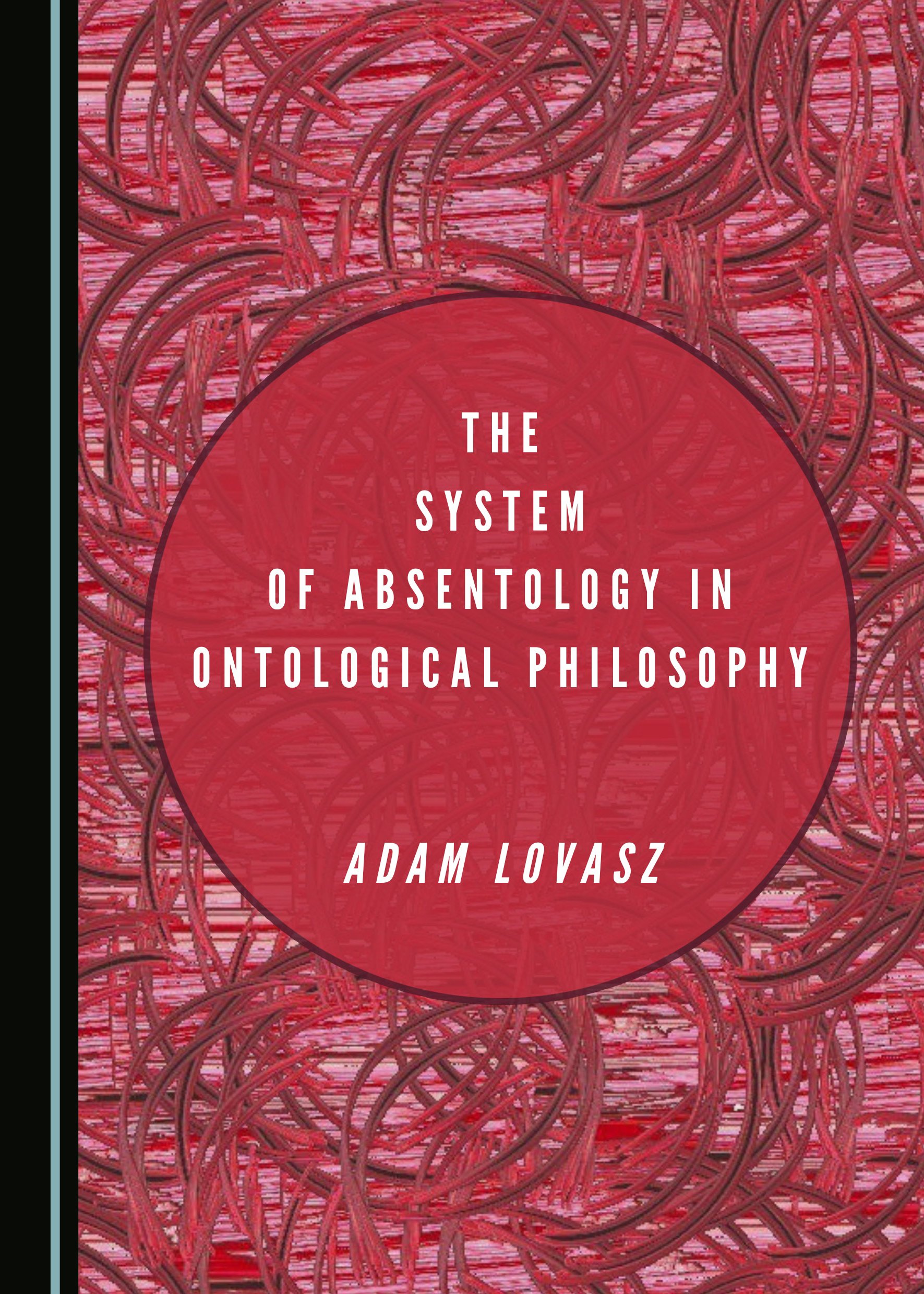
Lovasz deals primarily with absentology, an ontological and social-scientific epistemological mode, dedicated to the analysis of absence. His monograph is drawn by manifestations of absence and deals with three terms, ‘the shadow economy’, ‘corruption’ and ‘pollution’.
Lovasz deals primarily with absentology, an ontological and social-scientific epistemological mode, dedicated to the analysis of absence. His monograph is drawn by manifestations of absence and deals with three terms, ‘the shadow economy’, ‘corruption’ and ‘pollution’.
View more
This product has multiple variants. The options may be chosen on the product page
View more
This product has multiple variants. The options may be chosen on the product page
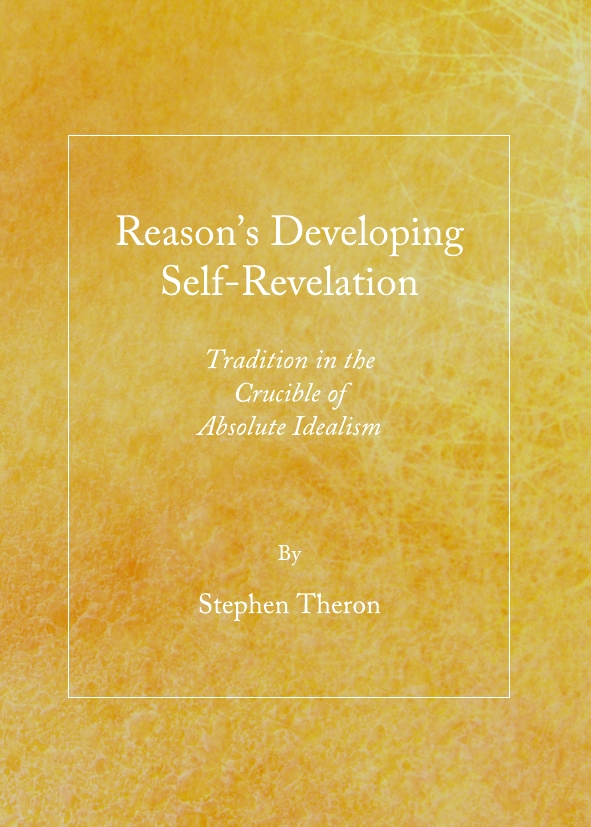
Reason’s Developing Self-Revelation
Tradition in the Crucible of Absolute Idealism
This book expounds Christianity as the unfolding of Reason’s Developing Self-Revelation. It frees orthodoxy from figurative representation, progressing through Hegelian Logic to a final question: “Christianity without (or within) God?”
This book expounds Christianity as the unfolding of Reason’s Developing Self-Revelation. It frees orthodoxy from figurative representation, progressing through Hegelian Logic to a final question: “Christianity without (or within) God?”
View more
This product has multiple variants. The options may be chosen on the product page
View more
This product has multiple variants. The options may be chosen on the product page
£39.99
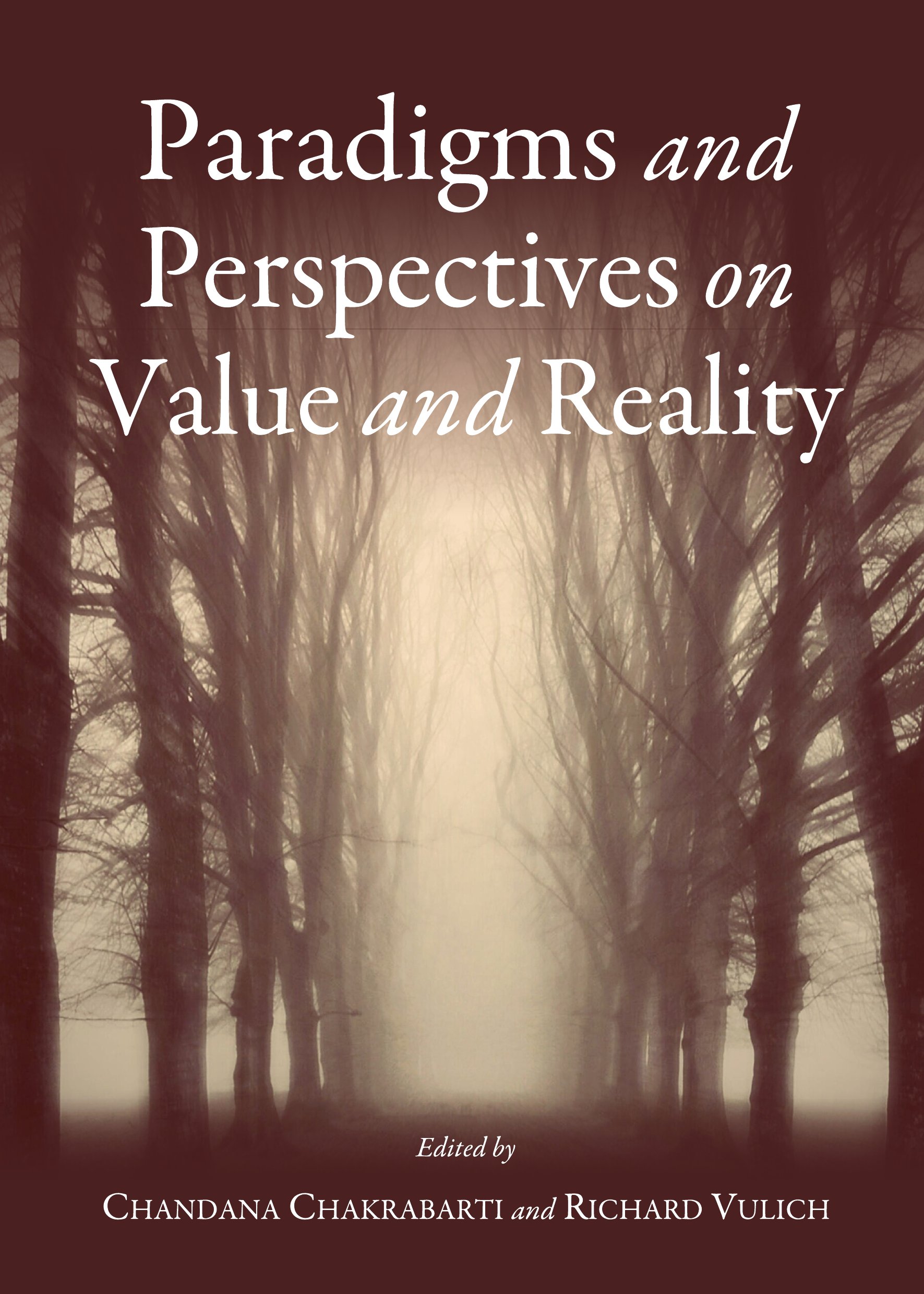
This book offers a cross-cultural and interdisciplinary approach to timeless questions. It explores the nature of reality, how we can know it, and our moral obligations using insights from philosophy, religion, science, and psychology from East and West.
This book offers a cross-cultural and interdisciplinary approach to timeless questions. It explores the nature of reality, how we can know it, and our moral obligations using insights from philosophy, religion, science, and psychology from East and West.
View more
This product has multiple variants. The options may be chosen on the product page
View more
This product has multiple variants. The options may be chosen on the product page
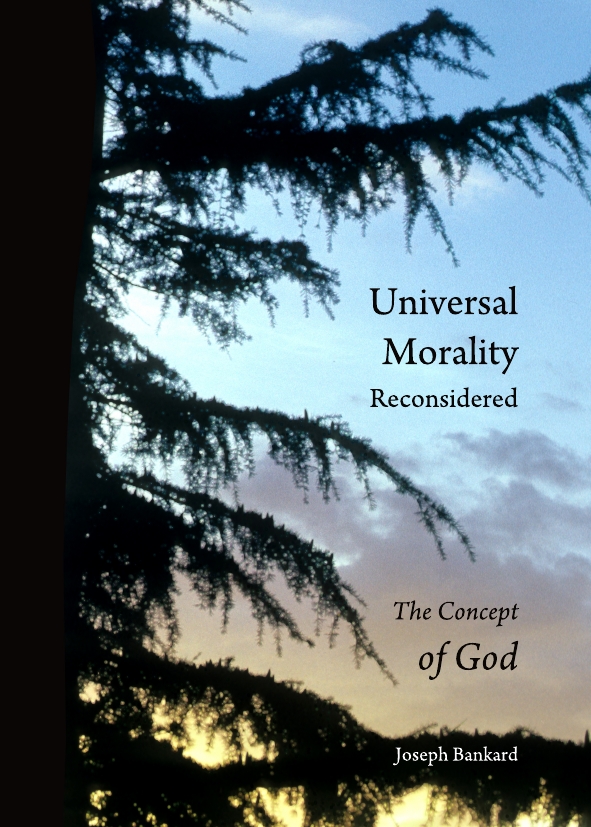
Universal Morality Reconsidered
The Concept of God
This book bridges the great divide in moral discourse. It argues that universal morality is most successful when grounded in God, and unlike other works, it successfully integrates the newest empirical research from the sciences into a theological framework.
This book bridges the great divide in moral discourse. It argues that universal morality is most successful when grounded in God, and unlike other works, it successfully integrates the newest empirical research from the sciences into a theological framework.
View more
This product has multiple variants. The options may be chosen on the product page
View more
This product has multiple variants. The options may be chosen on the product page
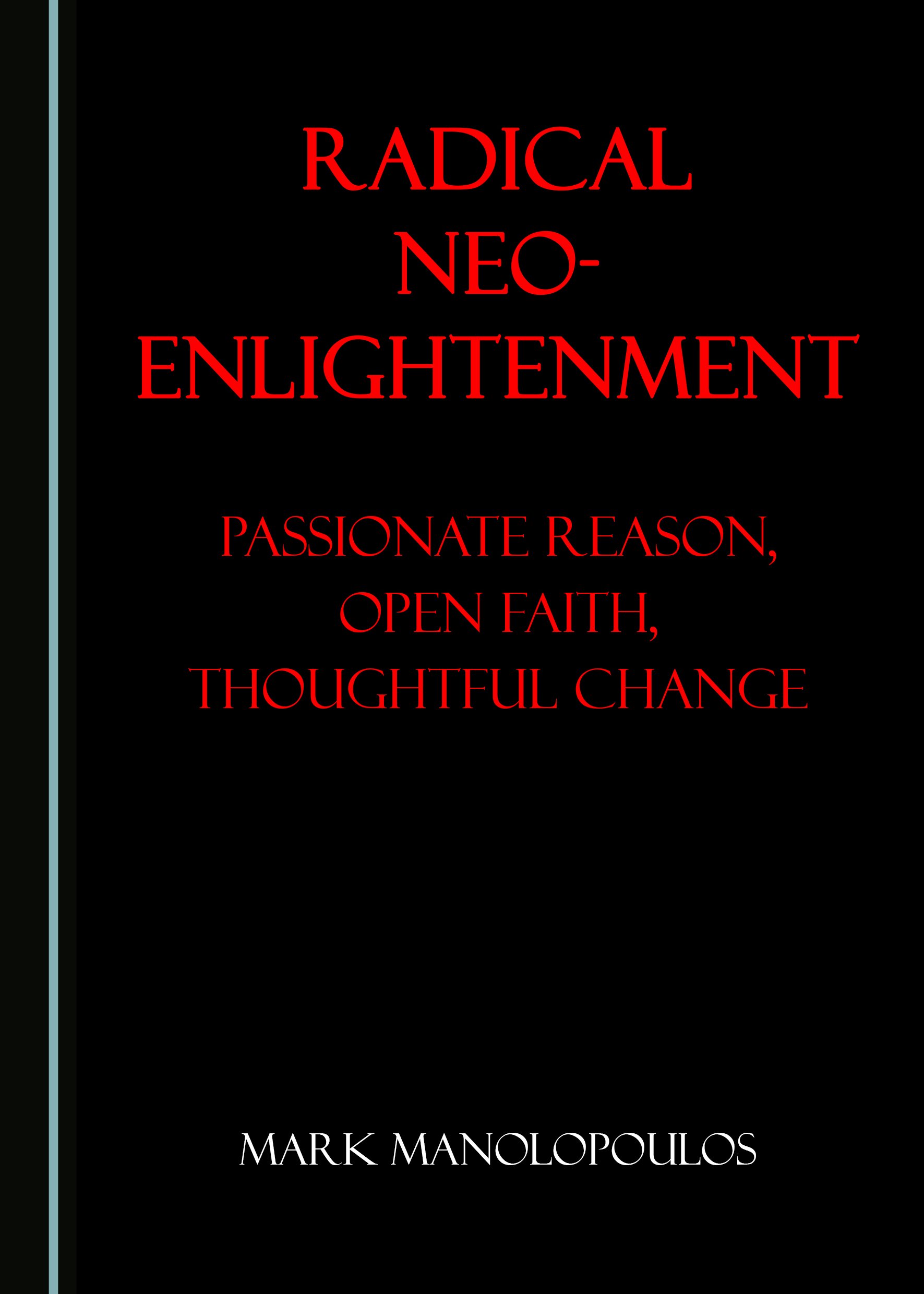
Radical Neo-Enlightenment
Passionate Reason, Open Faith, Thoughtful Change
This monograph represents a spirited response to the multiple and accelerating crises we face today. contending that we require a “radical neo-Enlightenment” to counter these systemic problems.
This monograph represents a spirited response to the multiple and accelerating crises we face today. contending that we require a “radical neo-Enlightenment” to counter these systemic problems.
View more
This product has multiple variants. The options may be chosen on the product page
View more
This product has multiple variants. The options may be chosen on the product page
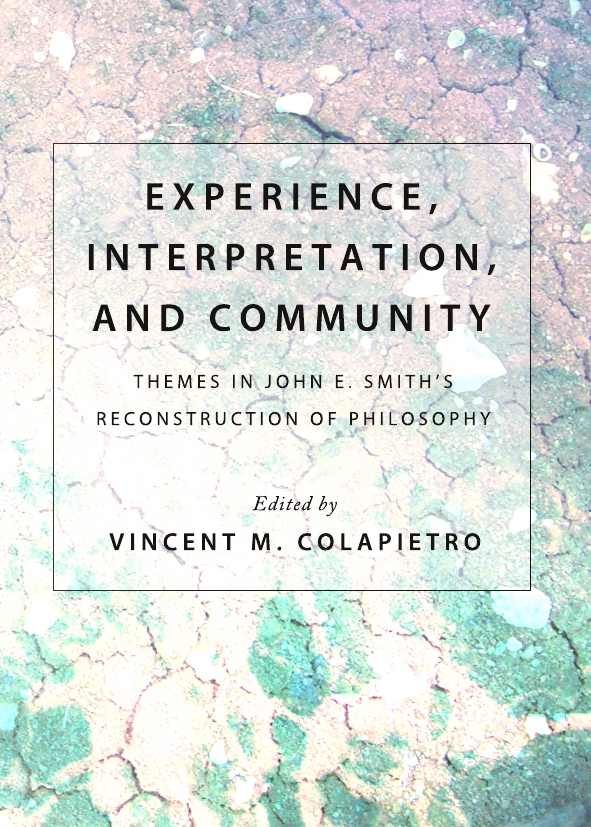
Experience, Interpretation, and Community
Themes in John E. Smith’s Reconstruction of Philosophy
John Edwin Smith recovered the voice of philosophy, showing its relevance to contemporary life. He not only anticipated key philosophical developments but also pointed the way beyond intellectual impasses. The essays in this volume reveal his wisdom for our world.
John Edwin Smith recovered the voice of philosophy, showing its relevance to contemporary life. He not only anticipated key philosophical developments but also pointed the way beyond intellectual impasses. The essays in this volume reveal his wisdom for our world.
View more
This product has multiple variants. The options may be chosen on the product page
View more
This product has multiple variants. The options may be chosen on the product page
Essays on Gianni Vattimo
Religion, Ethics and the History of Ideas
This monograph, focused on the interrelated themes of religion, ethics and the history of ideas, offers a critically constructive approach to defending Gianni Vattimo against some of his more strident critics, but nevertheless poses some questions of its own.
This monograph, focused on the interrelated themes of religion, ethics and the history of ideas, offers a critically constructive approach to defending Gianni Vattimo against some of his more strident critics, but nevertheless poses some questions of its own.
View more
This product has multiple variants. The options may be chosen on the product page
View more
This product has multiple variants. The options may be chosen on the product page
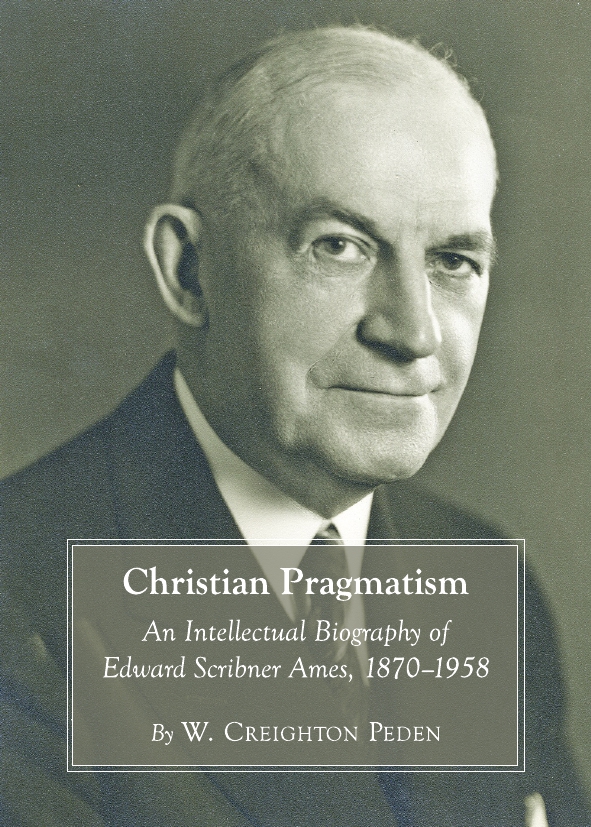
Christian Pragmatism
An Intellectual Biography of Edward Scribner Ames, 1870-1958
Edward Ames called theology a search for a black cat in a dark room that is not there. A student of John Dewey, he forged a pragmatic view of religion, seeing God as a natural process. This volume presents his thought historically through his major writings.
Edward Ames called theology a search for a black cat in a dark room that is not there. A student of John Dewey, he forged a pragmatic view of religion, seeing God as a natural process. This volume presents his thought historically through his major writings.
View more
This product has multiple variants. The options may be chosen on the product page
View more
This product has multiple variants. The options may be chosen on the product page
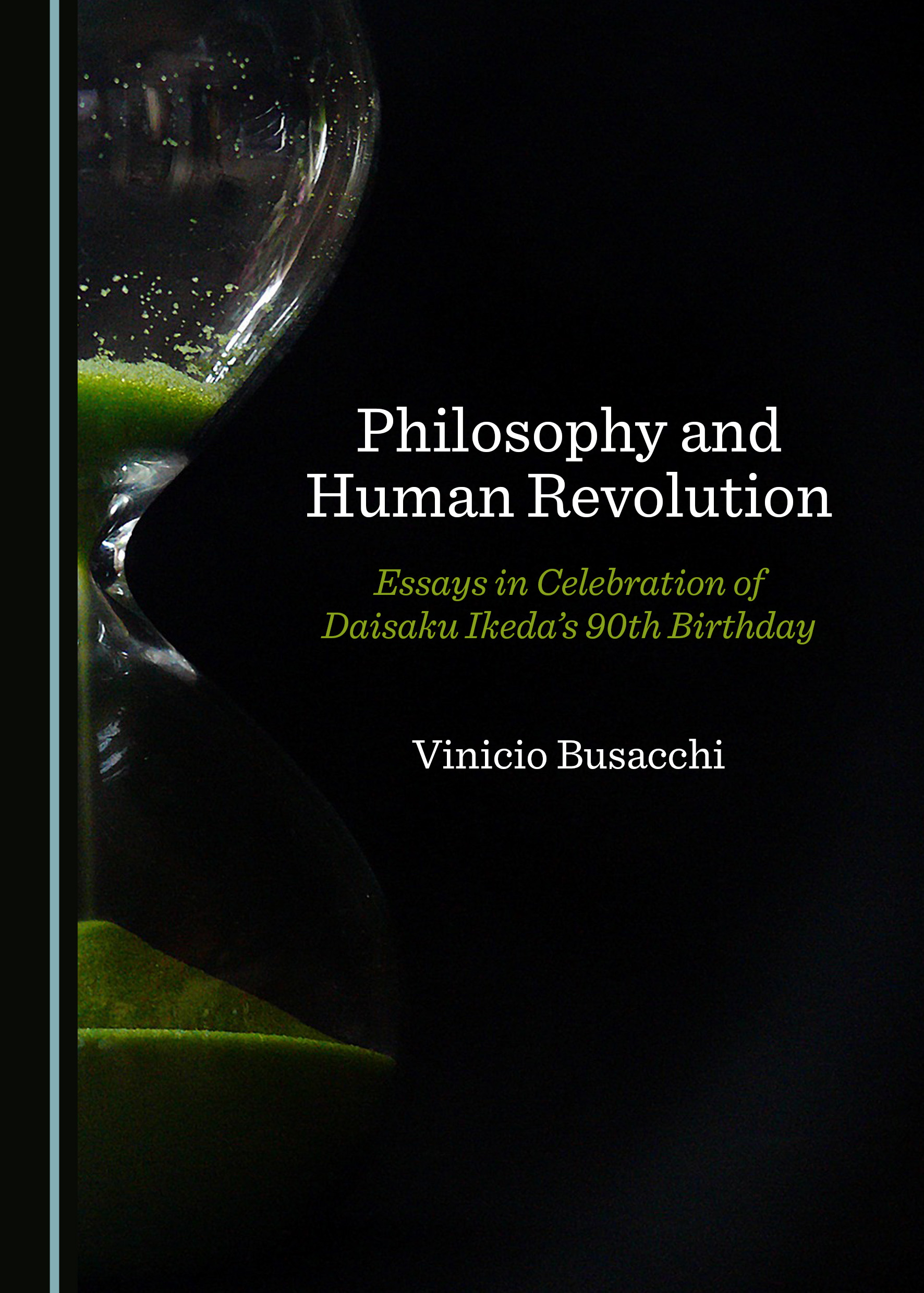
Philosophy and Human Revolution
Essays in Celebration of Daisaku Ikeda’s 90th Birthday
This book offers a philosophical study of Daisaku Ikeda. Not a religious analysis, it examines his intercultural work, which interfaces Japanese tradition with Western rationality. The author adopts an agnostic suspension to leave a place for philosophy and its arguments.
This book offers a philosophical study of Daisaku Ikeda. Not a religious analysis, it examines his intercultural work, which interfaces Japanese tradition with Western rationality. The author adopts an agnostic suspension to leave a place for philosophy and its arguments.
View more
This product has multiple variants. The options may be chosen on the product page
View more
This product has multiple variants. The options may be chosen on the product page
£34.99
This book identifies a third problem of evil: epistemic evil. It arises when our judgments, through no corrigible defect, lead to undeserved human suffering. Tierno forcefully defends this problem, a groundbreaking challenge to theodicy.
This book identifies a third problem of evil: epistemic evil. It arises when our judgments, through no corrigible defect, lead to undeserved human suffering. Tierno forcefully defends this problem, a groundbreaking challenge to theodicy.
View more
This product has multiple variants. The options may be chosen on the product page
View more
This product has multiple variants. The options may be chosen on the product page
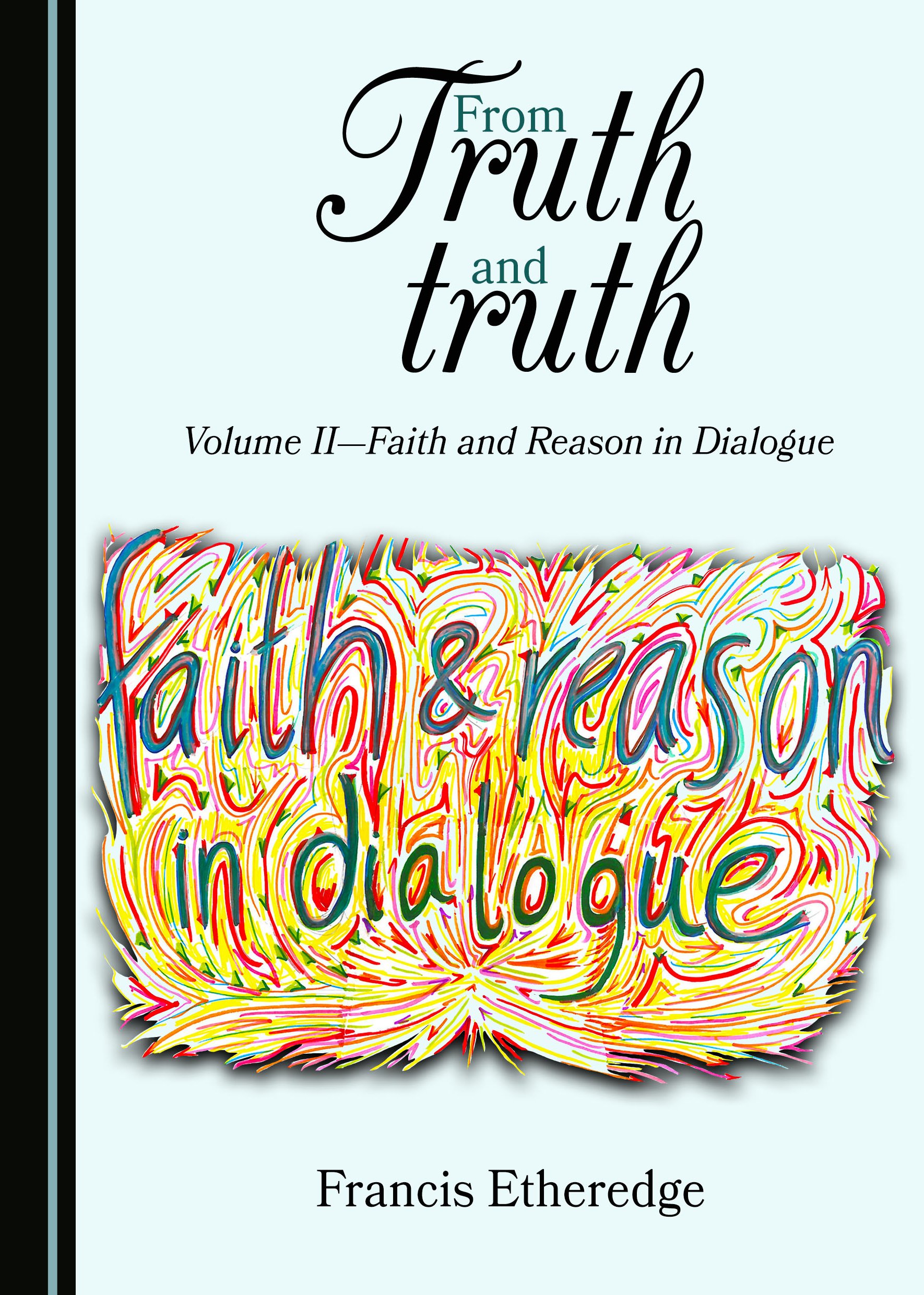
From Truth and truth
Volume II—Faith and Reason in Dialogue
Examining the answers of reason and faith to the question "What is man?", these essays explore the incomparable depth of dialogue. Given the critical situations in the world, humanity must choose the wealth of dialogue over a polarized, conflictual existence.
Examining the answers of reason and faith to the question “What is man?”, these essays explore the incomparable depth of dialogue. Given the critical situations in the world, humanity must choose the wealth of dialogue over a polarized, conflictual existence.
View more
This product has multiple variants. The options may be chosen on the product page
View more
This product has multiple variants. The options may be chosen on the product page
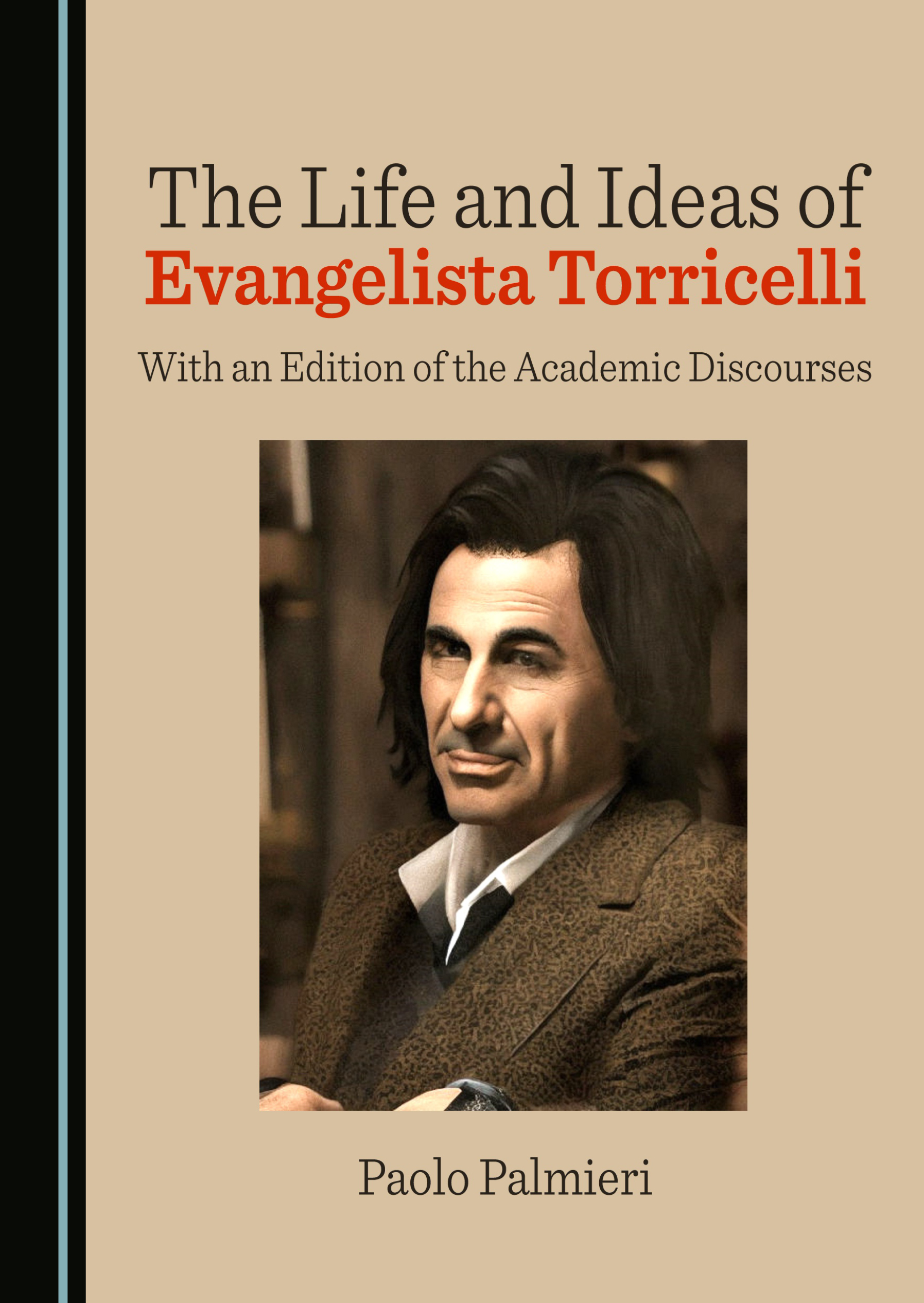
The Life and Ideas of Evangelista Torricelli
With an Edition of the Academic Discourses
Explore the life of Evangelista Torricelli, the 17th-century physicist who fused science with rhetorical elegance. This book analyzes his unique approach to science and his philosophical views, and presents the first annotated English translation of his Academic Discourses.
Explore the life of Evangelista Torricelli, the 17th-century physicist who fused science with rhetorical elegance. This book analyzes his unique approach to science and his philosophical views, and presents the first annotated English translation of his Academic Discourses.
View more
This product has multiple variants. The options may be chosen on the product page
View more
This product has multiple variants. The options may be chosen on the product page
£66.99
Human values do not fall from a metaphysical sky. They originate from the human essence—a universal life force emerging from the natural process. Values arise as an existential response to the desires and essential demands of human nature, a gift to all societies.
Human values do not fall from a metaphysical sky. They originate from the human essence—a universal life force emerging from the natural process. Values arise as an existential response to the desires and essential demands of human nature, a gift to all societies.
View more
This product has multiple variants. The options may be chosen on the product page
View more
This product has multiple variants. The options may be chosen on the product page
The Canopy of the Old War
On the Relationship Between Religion and Violence
Religion’s power in war is undeniable. These presentations explore the ambivalence of religion, showing how it leads to extreme enmity. But violence does not have the last word. This book demonstrates religion's function as the authentic expression of the meaning of our lives.
Religion’s power in war is undeniable. These presentations explore the ambivalence of religion, showing how it leads to extreme enmity. But violence does not have the last word. This book demonstrates religion’s function as the authentic expression of the meaning of our lives.
View more
This product has multiple variants. The options may be chosen on the product page
Processing Your Order
Please wait while we securely process your order.
Do not refresh or leave this page.
You will be redirected shortly to a confirmation page with your order number.