
View more
This product has multiple variants. The options may be chosen on the product page
From £33.99
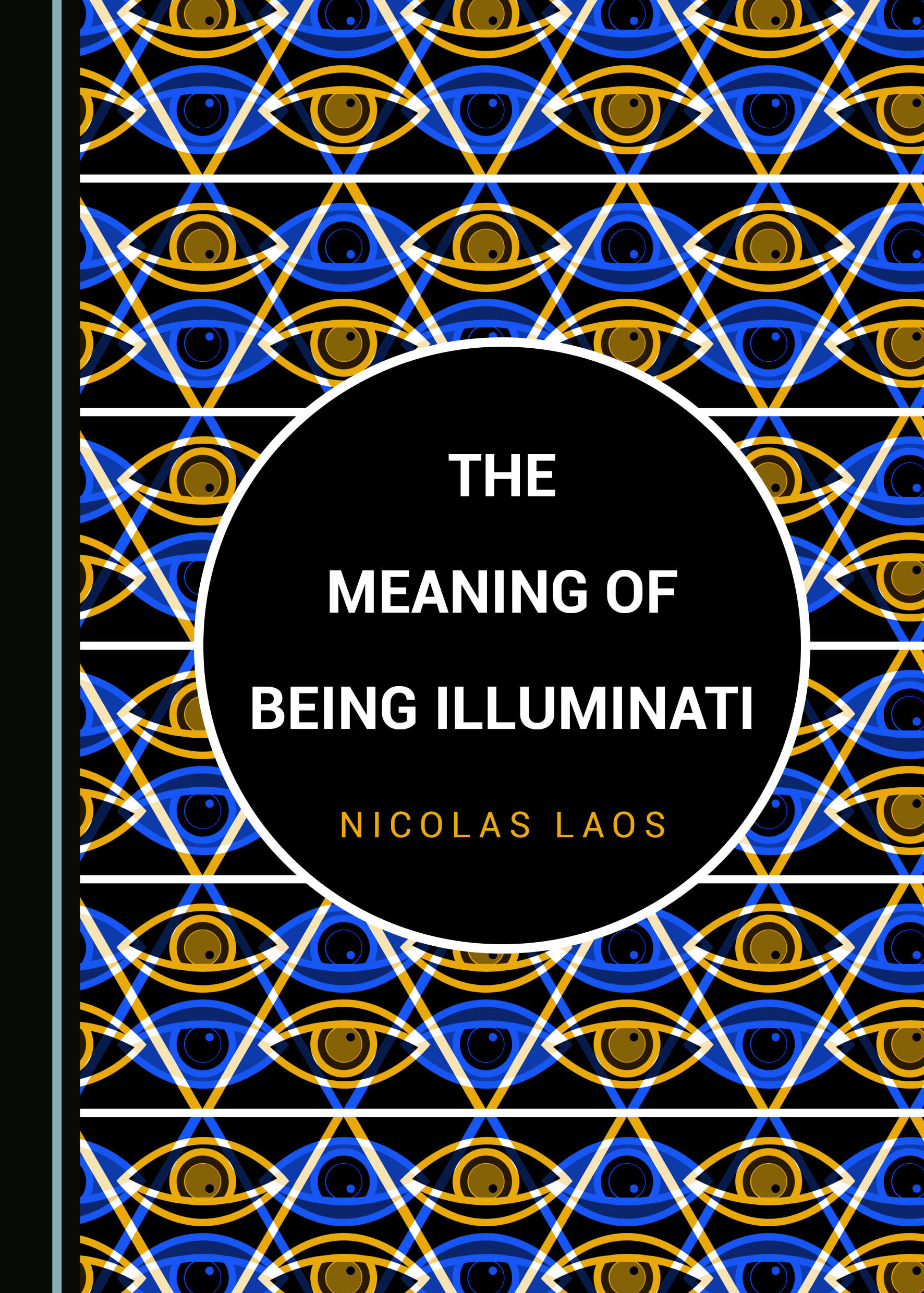
Ur-Illuminism charts humanity’s quest for its highest potential. Tracing a hidden history from Plato and the mystics to the Illuminati, it proposes a radical synthesis of esoteric metaphysics and libertarian thought as the one true bulwark against modern oppression.
Ur-Illuminism charts humanity’s quest for its highest potential. Tracing a hidden history from Plato and the mystics to the Illuminati, it proposes a radical synthesis of esoteric metaphysics and libertarian thought as the one true bulwark against modern oppression.
View more
This product has multiple variants. The options may be chosen on the product page
View more
This product has multiple variants. The options may be chosen on the product page
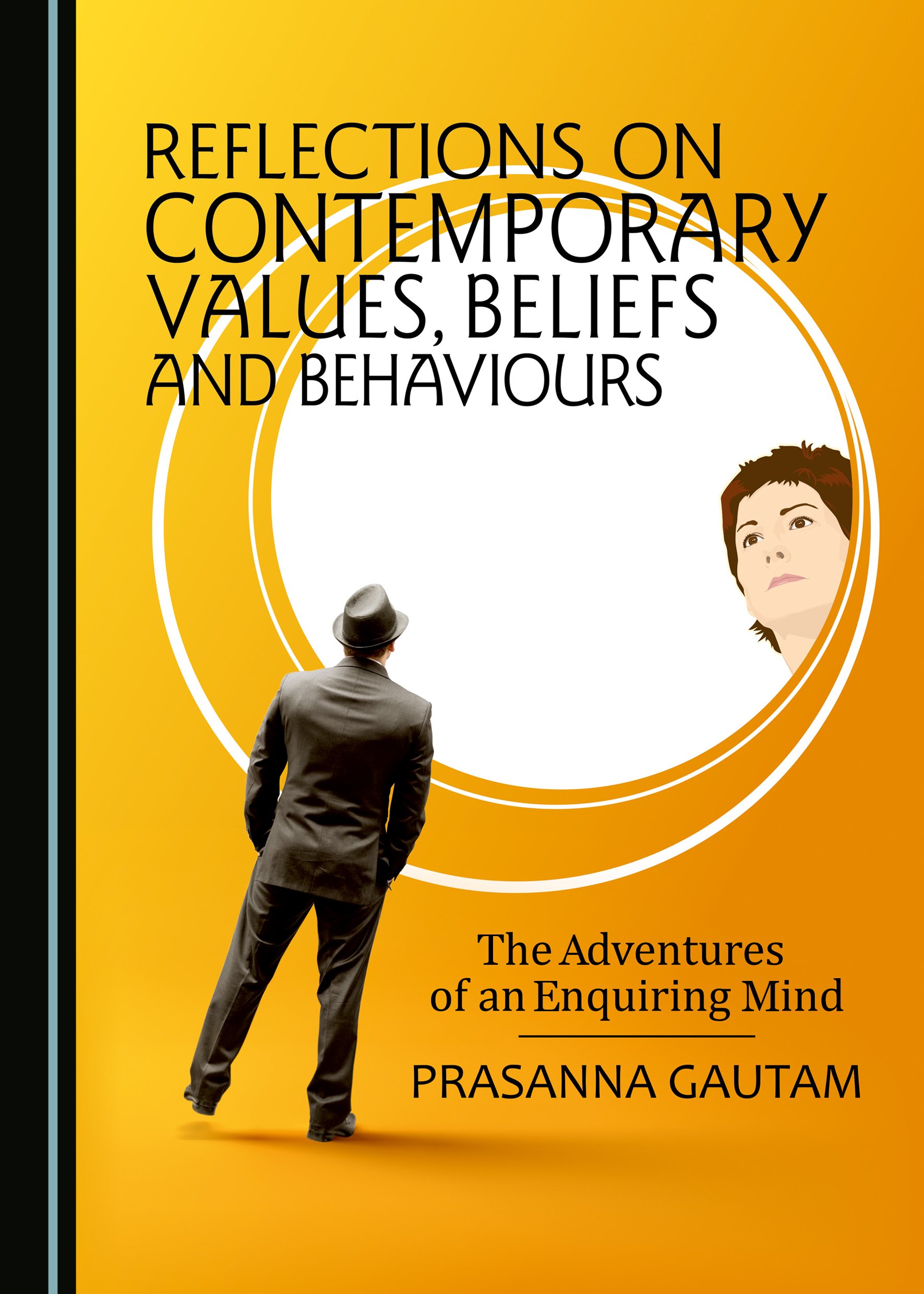
Reflections on Contemporary Values, Beliefs and Behaviours
The Adventures of an Enquiring Mind
This book presents important issues that affect us all, from sex and religion to parenting and self-confidence. Illustrated with personal anecdotes and contrasting philosophy with science, it explores why our advanced world still faces unhappiness and conflict.
This book presents important issues that affect us all, from sex and religion to parenting and self-confidence. Illustrated with personal anecdotes and contrasting philosophy with science, it explores why our advanced world still faces unhappiness and conflict.
View more
This product has multiple variants. The options may be chosen on the product page
View more
This product has multiple variants. The options may be chosen on the product page
From £30.99
Death is the limit of life. This book argues that only by living within this limit can we be truly free, loving, and compassionate. It explores death as life's paradox to test what it means to exist, overcoming the divide between philosophy and theology.
Death is the limit of life. This book argues that only by living within this limit can we be truly free, loving, and compassionate. It explores death as life’s paradox to test what it means to exist, overcoming the divide between philosophy and theology.
View more
This product has multiple variants. The options may be chosen on the product page
View more
This product has multiple variants. The options may be chosen on the product page
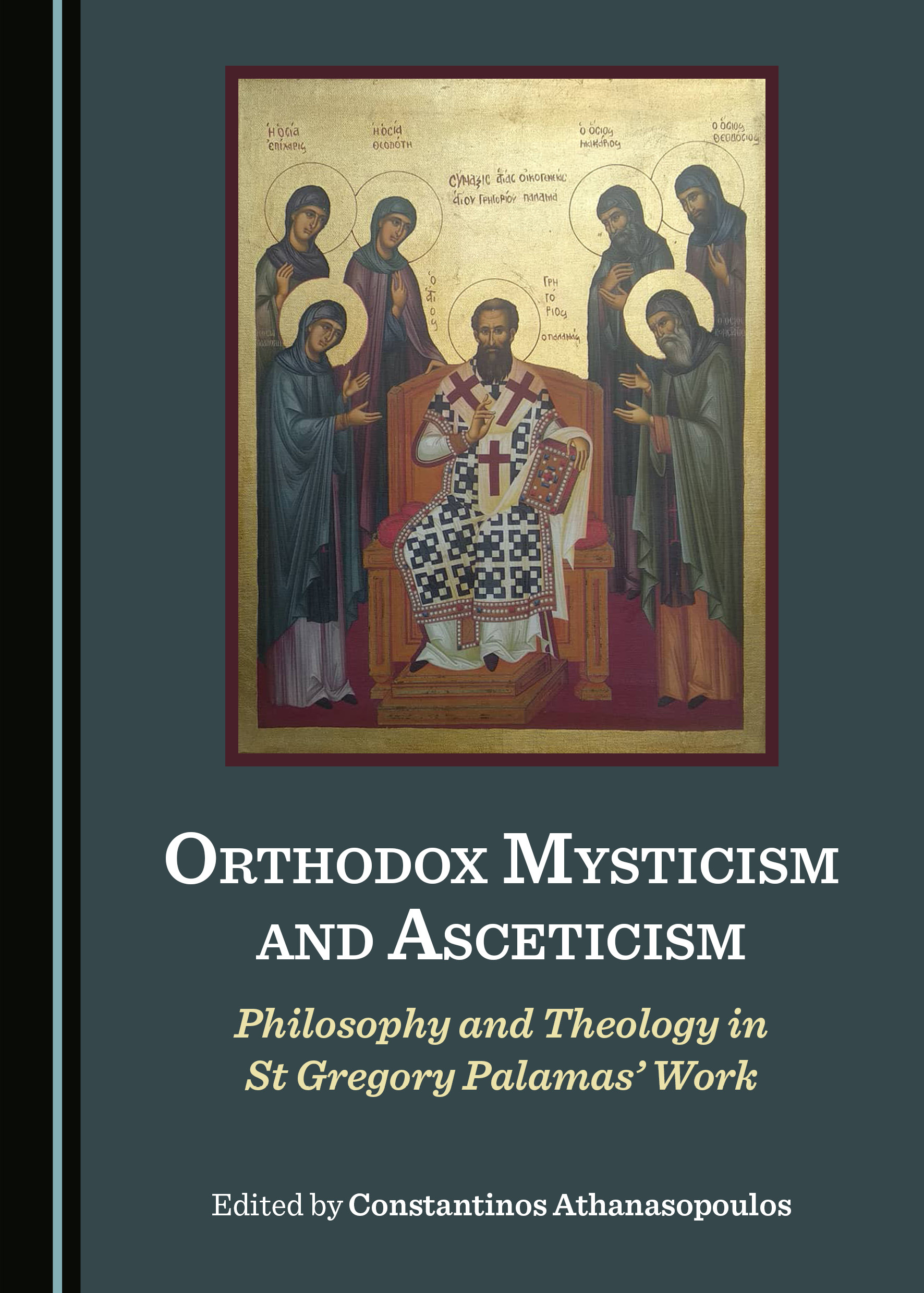
Orthodox Mysticism and Asceticism
Philosophy and Theology in St Gregory Palamas’ Work
This volume explores the cultural, social and ethical dimensions of St Gregory Palamas’ works, relating his mystical theology to contemporary debates in philosophy, politics, and art. Topics include church-state relations and hesychast influences on Byzantine iconography.
This volume explores the cultural, social and ethical dimensions of St Gregory Palamas’ works, relating his mystical theology to contemporary debates in philosophy, politics, and art. Topics include church-state relations and hesychast influences on Byzantine iconography.
View more
This product has multiple variants. The options may be chosen on the product page
View more
This product has multiple variants. The options may be chosen on the product page
From £24.99
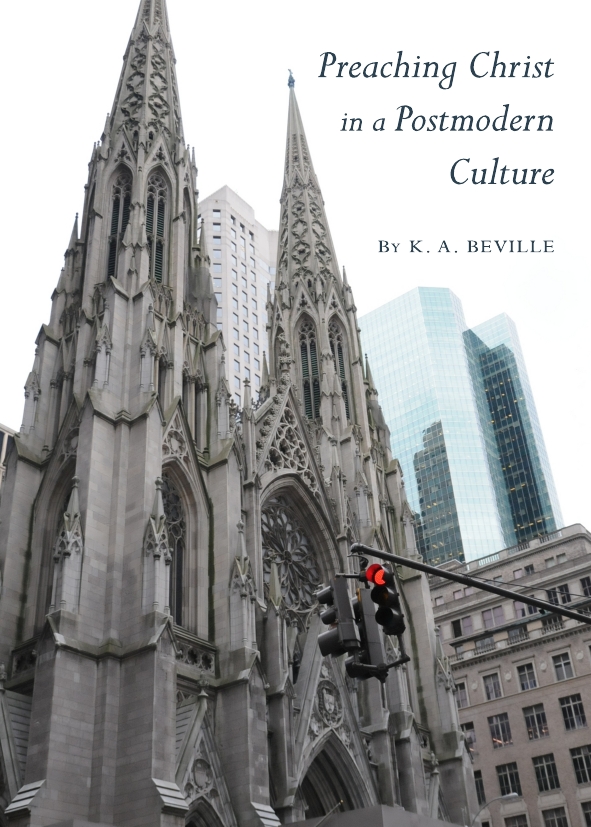
This book assesses preaching in a postmodern culture that rejects absolute truth and authority. For disillusioned practitioners, it offers guidelines, distinguishing authoritative from authoritarian preaching to show the homiletic task is still feasible.
This book assesses preaching in a postmodern culture that rejects absolute truth and authority. For disillusioned practitioners, it offers guidelines, distinguishing authoritative from authoritarian preaching to show the homiletic task is still feasible.
View more
This product has multiple variants. The options may be chosen on the product page
View more
This product has multiple variants. The options may be chosen on the product page
From £32.99
Using ordinary language and facts of experience, Bishop Butler's philosophy is a guidebook to happiness. This book presents his work as a bridge joining ancient wisdom with modern experience, offering ways to live without the error and distraction that lead to misery.
Using ordinary language and facts of experience, Bishop Butler’s philosophy is a guidebook to happiness. This book presents his work as a bridge joining ancient wisdom with modern experience, offering ways to live without the error and distraction that lead to misery.
View more
This product has multiple variants. The options may be chosen on the product page
View more
This product has multiple variants. The options may be chosen on the product page
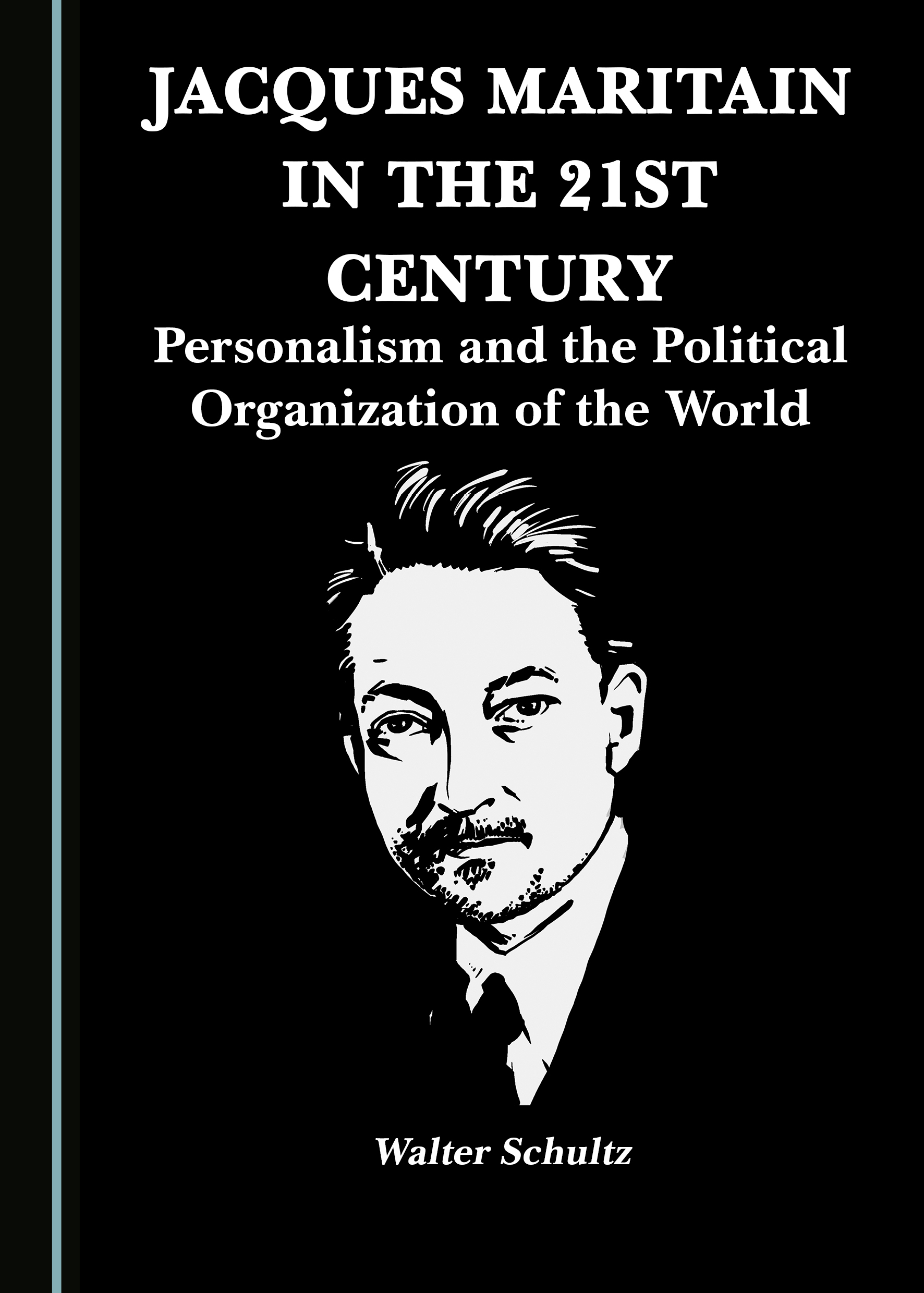
Jacques Maritain in the 21st Century
Personalism and the Political Organization of the World
Rejecting egocentric isolation and totalitarianism, Christian philosopher Jacques Maritain promoted the human person in authentic community. His quest for liberation contributes to our understanding of 21st-century movements for sustainability, human rights, and democracy.
Rejecting egocentric isolation and totalitarianism, Christian philosopher Jacques Maritain promoted the human person in authentic community. His quest for liberation contributes to our understanding of 21st-century movements for sustainability, human rights, and democracy.
View more
This product has multiple variants. The options may be chosen on the product page
View more
This product has multiple variants. The options may be chosen on the product page
Destroying Idols
Revisioning the Meaning of ‘God’
Confusion over the meaning of ‘God’ in biblical texts is at the heart of the divorce between Judaism and Christianity. This book offers a new understanding by re-examining the “two powers in heaven” doctrine, allowing for a renewed messianic interpretation of both faiths.
Confusion over the meaning of ‘God’ in biblical texts is at the heart of the divorce between Judaism and Christianity. This book offers a new understanding by re-examining the “two powers in heaven” doctrine, allowing for a renewed messianic interpretation of both faiths.
View more
This product has multiple variants. The options may be chosen on the product page
View more
This product has multiple variants. The options may be chosen on the product page
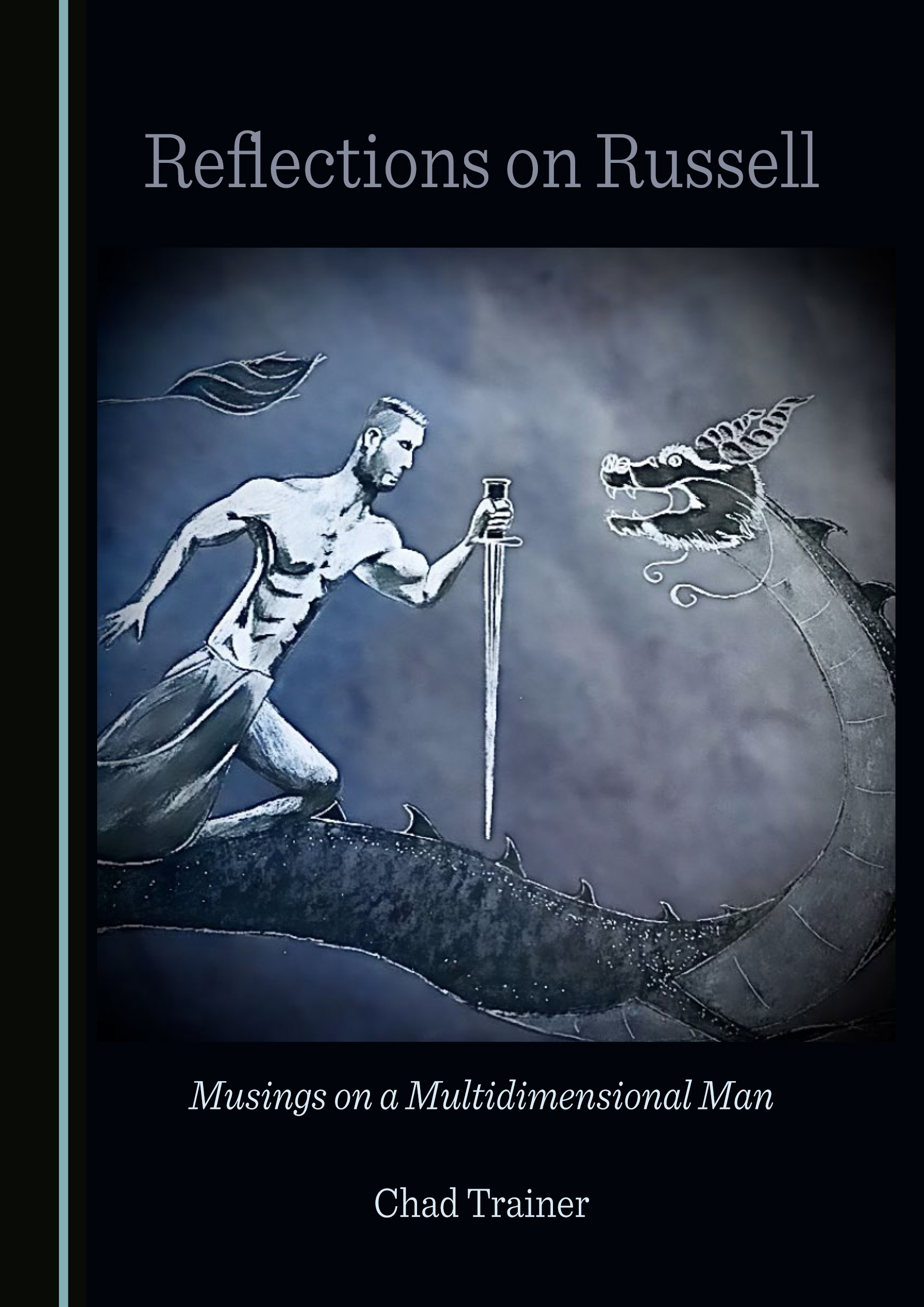
Reflections on Russell
Musings on a Multidimensional Man
This book offers original interpretations of Bertrand Russell's thought, moving beyond mathematical logic to his philosophy of science and religion. Countering competing views, it shows Russell developed a philosophy incorporating both atheism and spirituality.
This book offers original interpretations of Bertrand Russell’s thought, moving beyond mathematical logic to his philosophy of science and religion. Countering competing views, it shows Russell developed a philosophy incorporating both atheism and spirituality.
View more
This product has multiple variants. The options may be chosen on the product page
View more
This product has multiple variants. The options may be chosen on the product page
From £30.99
This book compares Hegel’s and Aquinas’s Trinitarian studies, renouncing the separation of philosophy and theology. Beneath their very different idioms, a near-perfect harmony is found, offering enriched participation in thought’s self-understanding.
This book compares Hegel’s and Aquinas’s Trinitarian studies, renouncing the separation of philosophy and theology. Beneath their very different idioms, a near-perfect harmony is found, offering enriched participation in thought’s self-understanding.
View more
This product has multiple variants. The options may be chosen on the product page
View more
This product has multiple variants. The options may be chosen on the product page
From £33.99
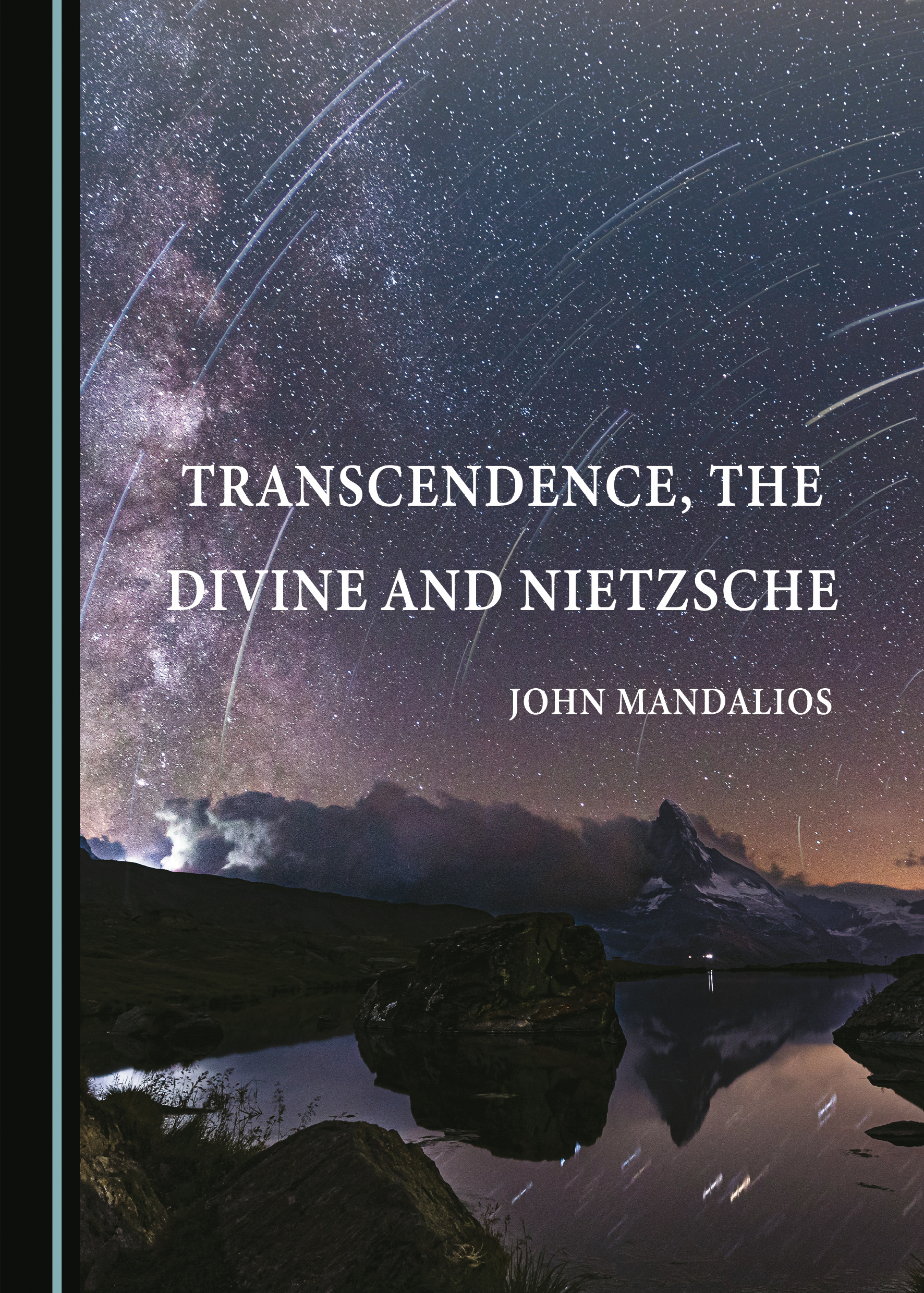
For Friedrich Nietzsche, scepticism is not mere nihilism. His philosophy takes us beyond the ‘death of God’ to a new spiritualization of life, holding out an affirmative spirit of joy in the renewal of our ‘god-creating’ power and will to honour the higher Whole.
For Friedrich Nietzsche, scepticism is not mere nihilism. His philosophy takes us beyond the ‘death of God’ to a new spiritualization of life, holding out an affirmative spirit of joy in the renewal of our ‘god-creating’ power and will to honour the higher Whole.
View more
This product has multiple variants. The options may be chosen on the product page
View more
This product has multiple variants. The options may be chosen on the product page
Buddhist Hermeneutics and East Asian Buddhist Interpreters
Delivering Dharma of No Dharma
This book explores the hermeneutic dilemma of how non-conceptual religious reality is conceptually interpreted in Buddhism. Examining approaches from Indian, Chinese, Korean, and Japanese traditions, it illuminates the fundamental challenge: how to deliver dharma of no dharma.
This book explores the hermeneutic dilemma of how non-conceptual religious reality is conceptually interpreted in Buddhism. Examining approaches from Indian, Chinese, Korean, and Japanese traditions, it illuminates the fundamental challenge: how to deliver dharma of no dharma.
View more
This product has multiple variants. The options may be chosen on the product page

View more
This product has multiple variants. The options may be chosen on the product page
The Idea and Values of Europe
From Antigone to the Charter of Fundamental Rights
From Sophocles’ Antigone to the EU’s Charter of Fundamental Rights, this book charts the 2500-year evolution of human rights. It explores the origins of European shared values and assesses their compatibility with a non-European culture and religion such as Islam.
From Sophocles’ Antigone to the EU’s Charter of Fundamental Rights, this book charts the 2500-year evolution of human rights. It explores the origins of European shared values and assesses their compatibility with a non-European culture and religion such as Islam.
View more
This product has multiple variants. The options may be chosen on the product page
View more
This product has multiple variants. The options may be chosen on the product page
From £30.99
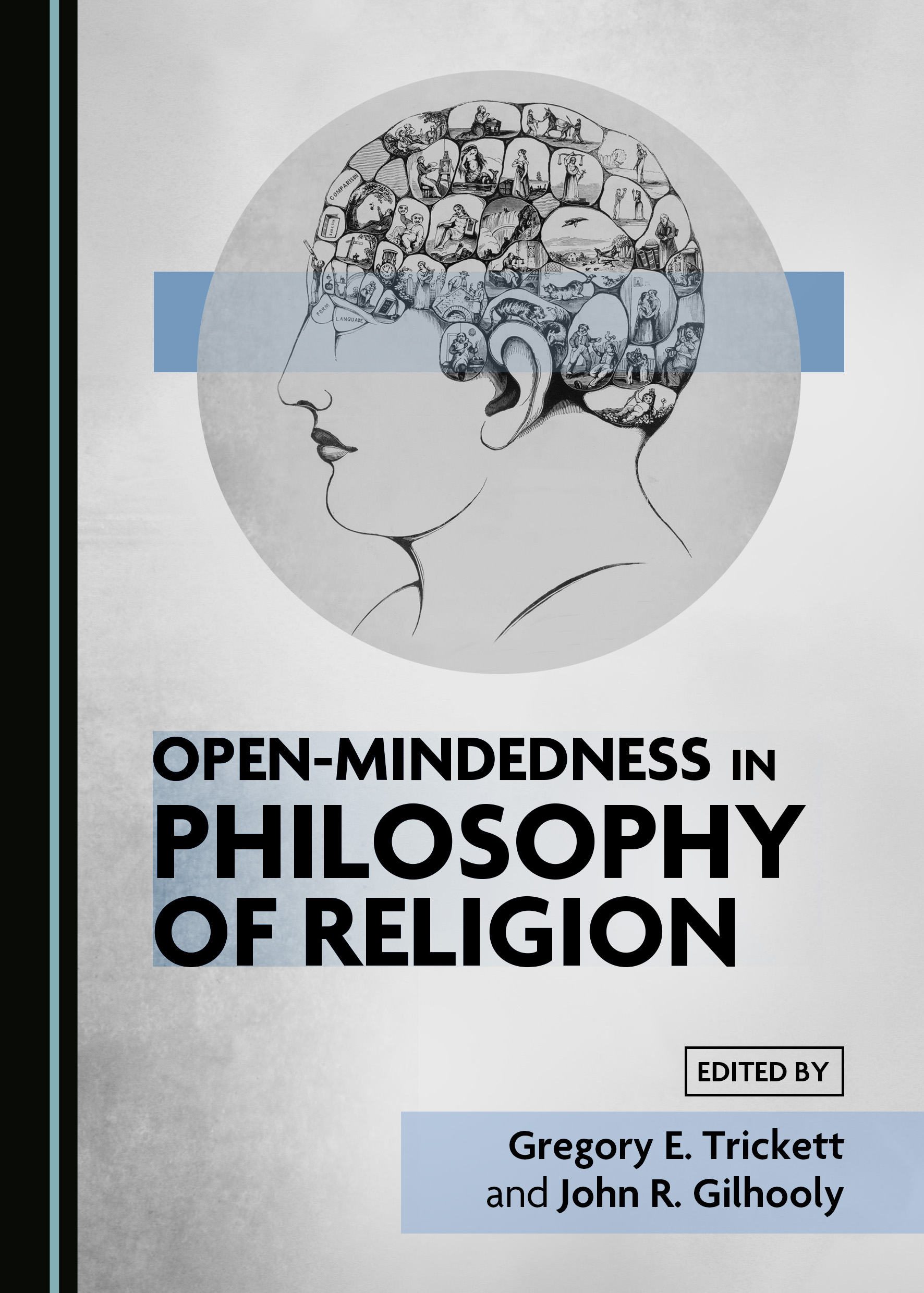
What is open-mindedness and how does it square with personal commitments? This issue is particularly acute when it comes to religious belief, where it can sound like doubt. This collection of essays explores this virtue and its role in the philosophy of religion.
What is open-mindedness and how does it square with personal commitments? This issue is particularly acute when it comes to religious belief, where it can sound like doubt. This collection of essays explores this virtue and its role in the philosophy of religion.
View more
This product has multiple variants. The options may be chosen on the product page
View more
This product has multiple variants. The options may be chosen on the product page
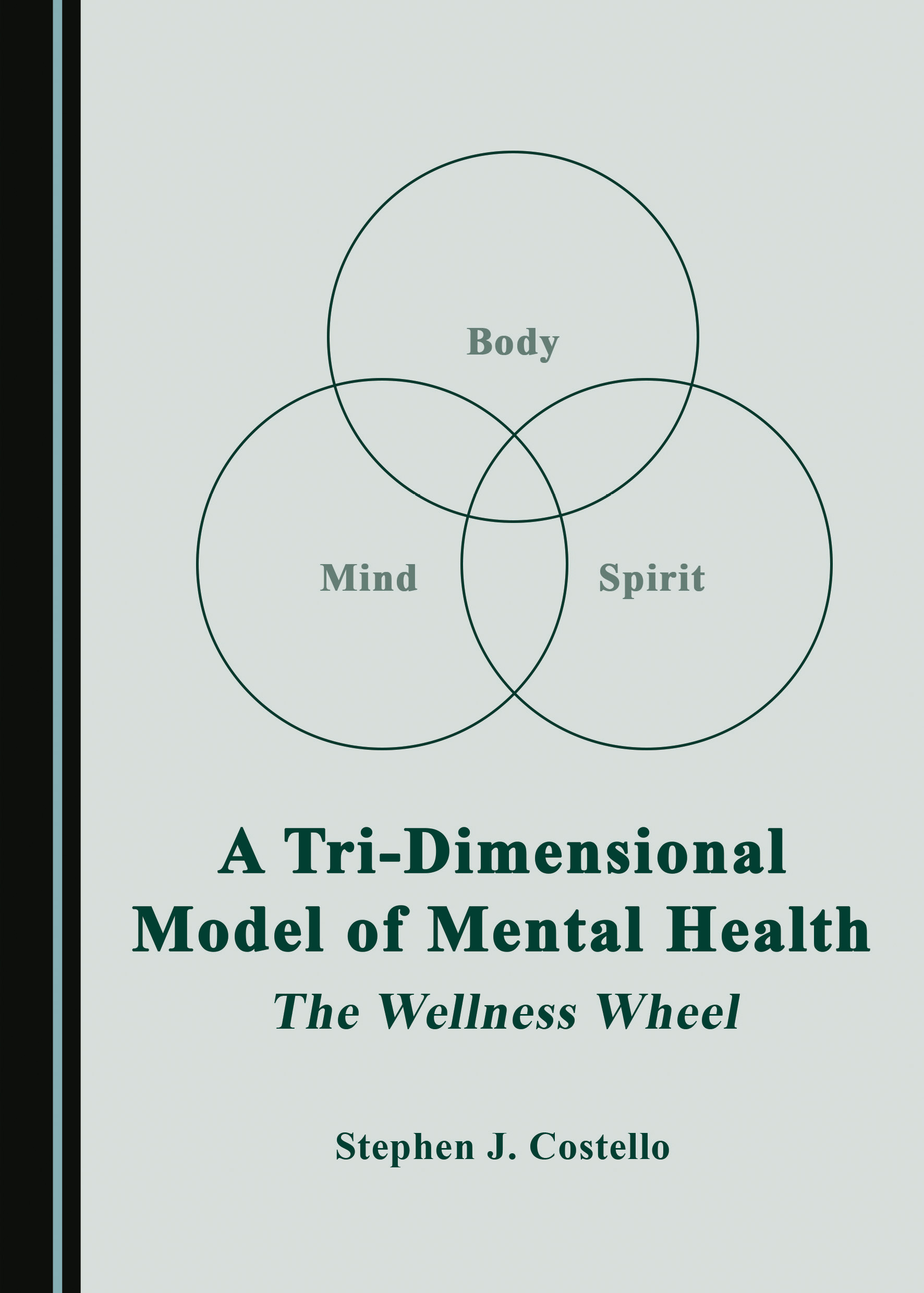
A Tri-Dimensional Model of Mental Health
The Wellness Wheel
This study explores what constitutes mental health, proposing that holistic health depends on integral wholeness: the synthesis of body, mind, and heart. It argues one is always whole in one’s true Self (essence), which must be distinguished from the ego (personality).
This study explores what constitutes mental health, proposing that holistic health depends on integral wholeness: the synthesis of body, mind, and heart. It argues one is always whole in one’s true Self (essence), which must be distinguished from the ego (personality).
View more
This product has multiple variants. The options may be chosen on the product page
View more
This product has multiple variants. The options may be chosen on the product page
The Taylor Effect
Responding to a Secular Age
The Taylor Effect presents a diverse collection of essays addressing Charles Taylor’s A Secular Age. With contributions from philosophy, theology, literature, and political science, this is a central reference point for any future discussion of Taylor’s work.
The Taylor Effect presents a diverse collection of essays addressing Charles Taylor’s A Secular Age. With contributions from philosophy, theology, literature, and political science, this is a central reference point for any future discussion of Taylor’s work.
View more
This product has multiple variants. The options may be chosen on the product page
View more
This product has multiple variants. The options may be chosen on the product page
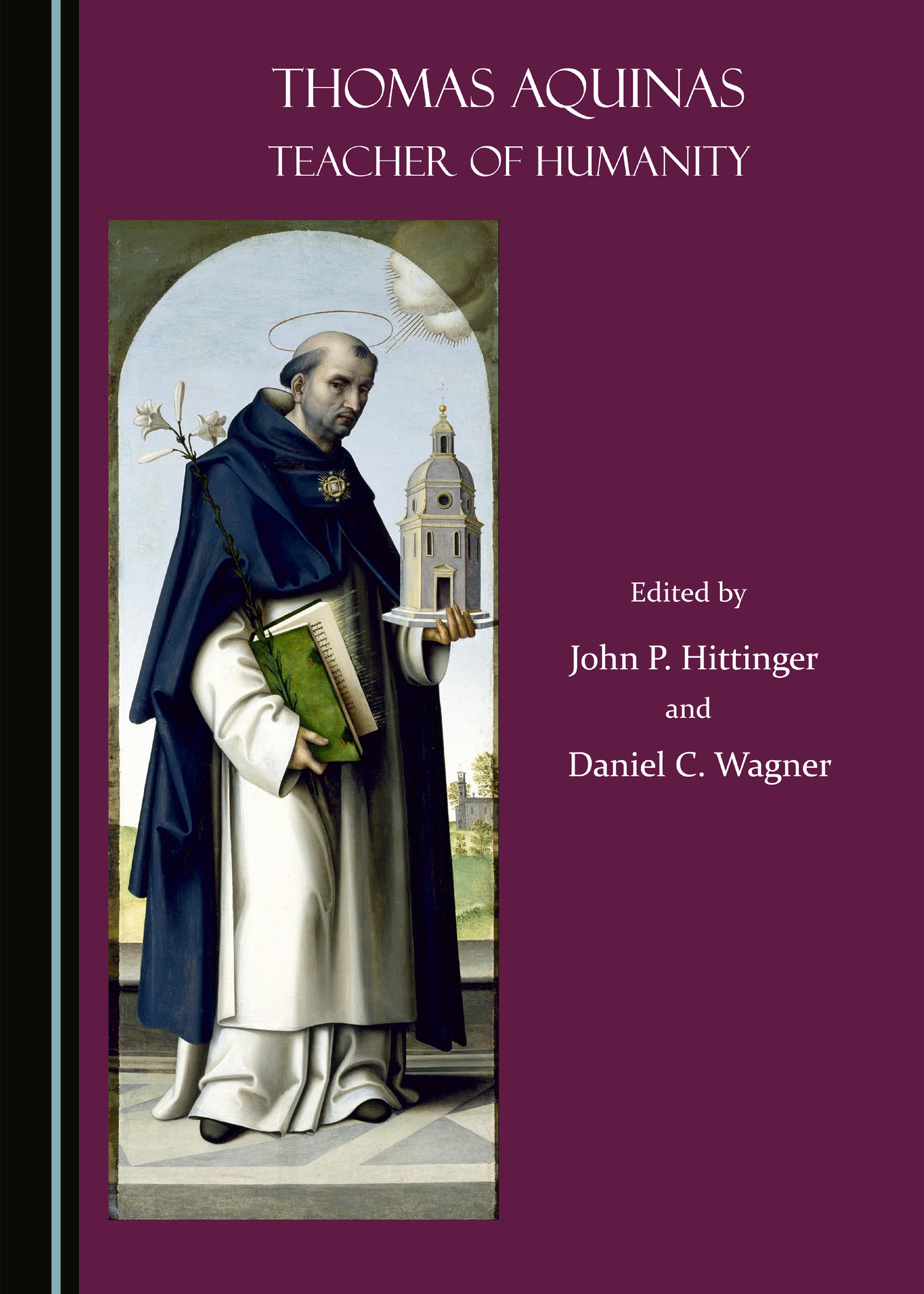
Thomas Aquinas
Teacher of Humanity
John Paul II called Thomas Aquinas a “Doctor of Humanity” for affirming human dignity. This collection of papers explores the philosophical and theological thought of both men, applying their wisdom to challenges from political praxis to transhumanism.
John Paul II called Thomas Aquinas a “Doctor of Humanity” for affirming human dignity. This collection of papers explores the philosophical and theological thought of both men, applying their wisdom to challenges from political praxis to transhumanism.
View more
This product has multiple variants. The options may be chosen on the product page
View more
This product has multiple variants. The options may be chosen on the product page
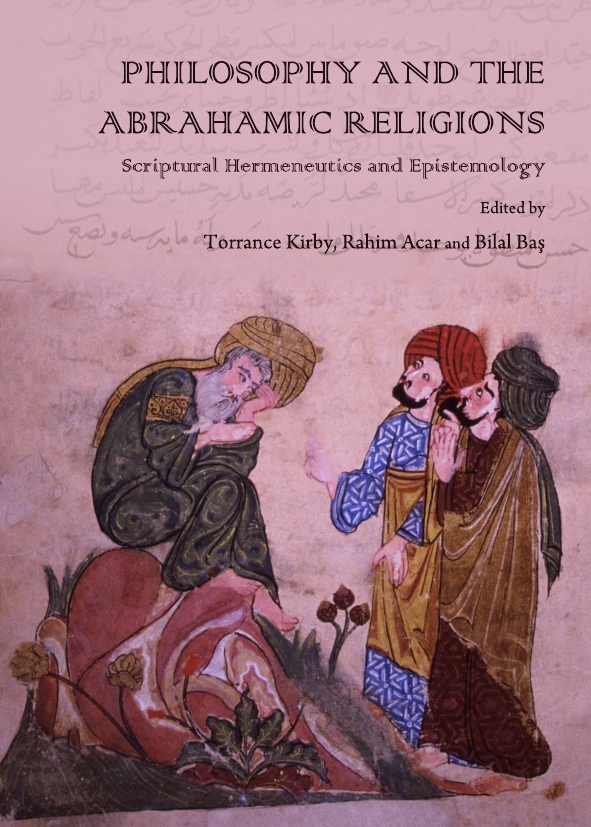
Philosophy and the Abrahamic Religions
Scriptural Hermeneutics and Epistemology
From Greco-Roman Antiquity, philosophy and religious thought were inseparably interwoven. These essays explore how the three Abrahamic religions interacted on the common ground of Greek philosophy, creating similar patterns of thought on crucial concepts.
From Greco-Roman Antiquity, philosophy and religious thought were inseparably interwoven. These essays explore how the three Abrahamic religions interacted on the common ground of Greek philosophy, creating similar patterns of thought on crucial concepts.
View more
This product has multiple variants. The options may be chosen on the product page
View more
This product has multiple variants. The options may be chosen on the product page
From £32.99
This book bridges Christian sacramental praxis with philosophy of mind. Through a new philosophy of incarnation, it argues self-consciousness must develop towards the Absolute Idea, where religion becomes intellectual virtue. A new theology is here. It is time to put it to work.
This book bridges Christian sacramental praxis with philosophy of mind. Through a new philosophy of incarnation, it argues self-consciousness must develop towards the Absolute Idea, where religion becomes intellectual virtue. A new theology is here. It is time to put it to work.
View more
This product has multiple variants. The options may be chosen on the product page
View more
This product has multiple variants. The options may be chosen on the product page
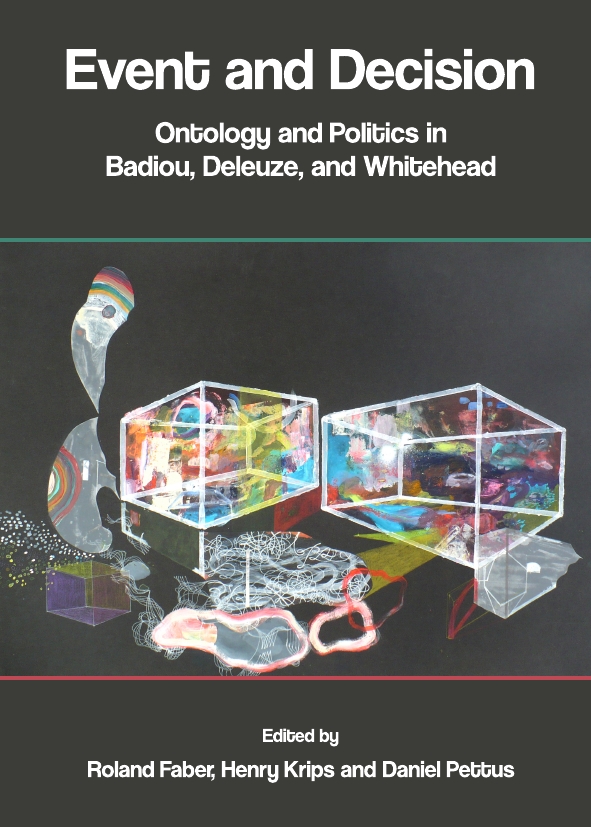
Event and Decision
Ontology and Politics in Badiou, Deleuze, and Whitehead
This book unites the philosophies of Badiou, Deleuze, and Whitehead on the concept of the event. For all three thinkers, the event necessitates a radical politics, revealing humanity as constituted by a multiplicious cycle of infinite creation.
This book unites the philosophies of Badiou, Deleuze, and Whitehead on the concept of the event. For all three thinkers, the event necessitates a radical politics, revealing humanity as constituted by a multiplicious cycle of infinite creation.
View more
This product has multiple variants. The options may be chosen on the product page
Processing Your Order
Please wait while we securely process your order.
Do not refresh or leave this page.
You will be redirected shortly to a confirmation page with your order number.