
View more
This product has multiple variants. The options may be chosen on the product page
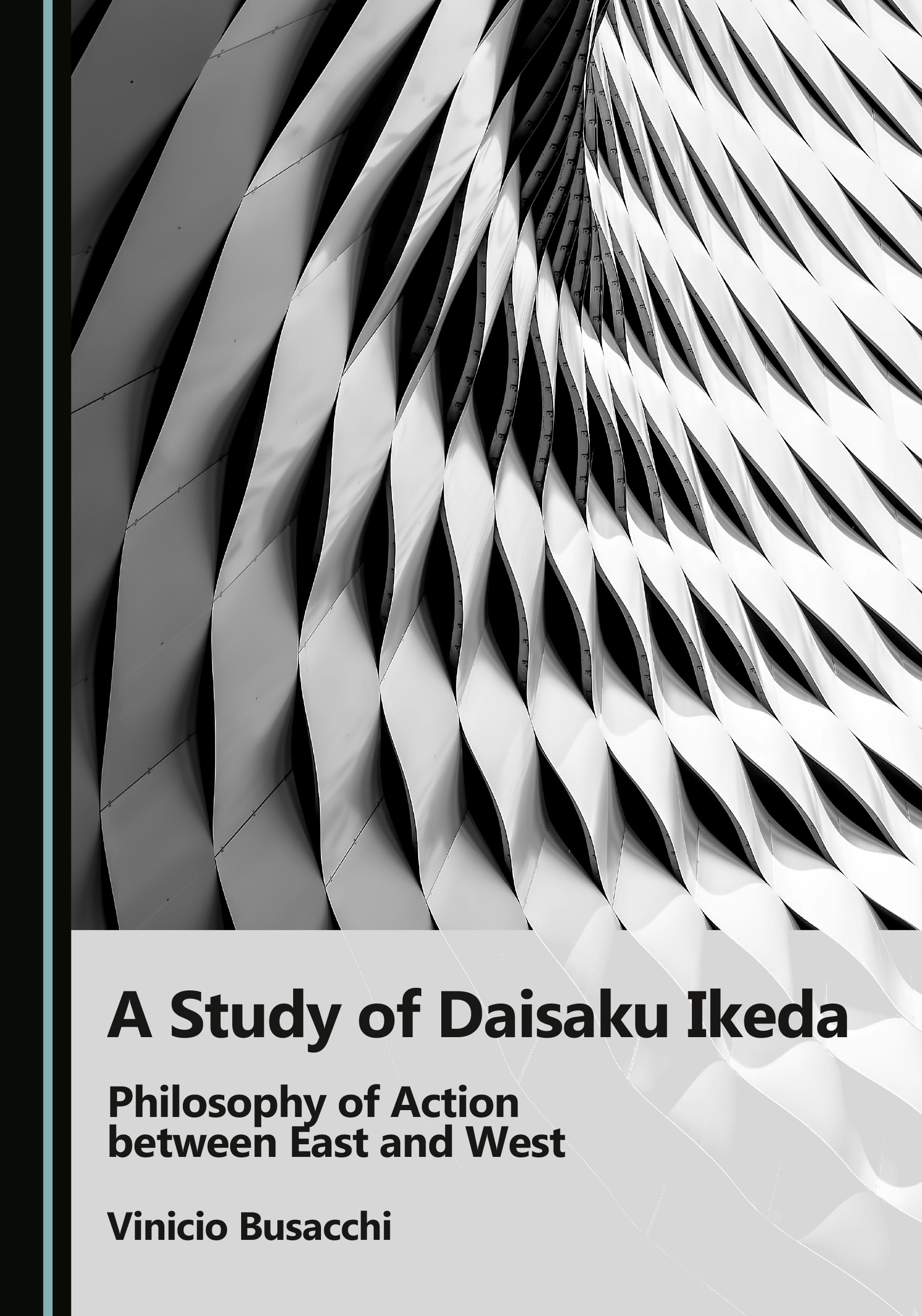
A Study of Daisaku Ikeda
Philosophy of Action between East and West
This book explores the philosophical and religious work of Daisaku Ikeda, framing it as a philosophy of action. With a strong spiritual and religious reference, Ikeda's work interprets the human through emancipative will, translating philosophy into practical social engagement.
This book explores the philosophical and religious work of Daisaku Ikeda, framing it as a philosophy of action. With a strong spiritual and religious reference, Ikeda’s work interprets the human through emancipative will, translating philosophy into practical social engagement.
View more
This product has multiple variants. The options may be chosen on the product page
View more
This product has multiple variants. The options may be chosen on the product page
£66.99
Human values do not fall from a metaphysical sky. They originate from the human essence—a universal life force emerging from the natural process. Values arise as an existential response to the desires and essential demands of human nature, a gift to all societies.
Human values do not fall from a metaphysical sky. They originate from the human essence—a universal life force emerging from the natural process. Values arise as an existential response to the desires and essential demands of human nature, a gift to all societies.
View more
This product has multiple variants. The options may be chosen on the product page

View more
This product has multiple variants. The options may be chosen on the product page
The Canopy of the Old War
On the Relationship Between Religion and Violence
Religion’s power in war is undeniable. These presentations explore the ambivalence of religion, showing how it leads to extreme enmity. But violence does not have the last word. This book demonstrates religion's function as the authentic expression of the meaning of our lives.
Religion’s power in war is undeniable. These presentations explore the ambivalence of religion, showing how it leads to extreme enmity. But violence does not have the last word. This book demonstrates religion’s function as the authentic expression of the meaning of our lives.
View more
This product has multiple variants. The options may be chosen on the product page
View more
This product has multiple variants. The options may be chosen on the product page
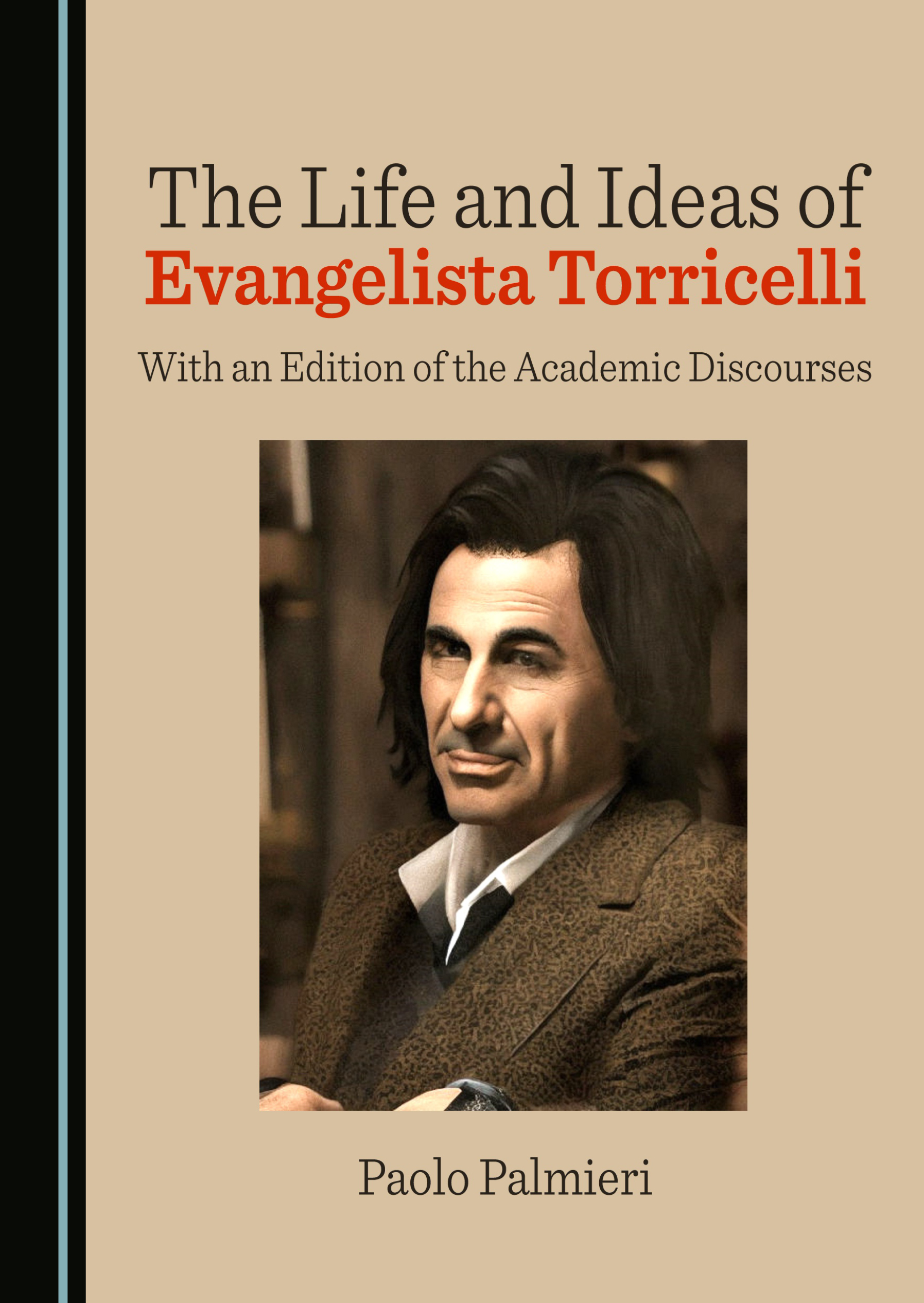
The Life and Ideas of Evangelista Torricelli
With an Edition of the Academic Discourses
Explore the life of Evangelista Torricelli, the 17th-century physicist who fused science with rhetorical elegance. This book analyzes his unique approach to science and his philosophical views, and presents the first annotated English translation of his Academic Discourses.
Explore the life of Evangelista Torricelli, the 17th-century physicist who fused science with rhetorical elegance. This book analyzes his unique approach to science and his philosophical views, and presents the first annotated English translation of his Academic Discourses.
View more
This product has multiple variants. The options may be chosen on the product page
View more
This product has multiple variants. The options may be chosen on the product page
Analogies and Models in Science and Theology
A Study of Mary Hesse
This book uses Hesse’s Network Model of Theory to debunk scientism and argue for the indispensability of socio-cultural and theological values in the search for objective knowledge. It shows how both science and theology rely on interpretation, models, and metaphor.
This book uses Hesse’s Network Model of Theory to debunk scientism and argue for the indispensability of socio-cultural and theological values in the search for objective knowledge. It shows how both science and theology rely on interpretation, models, and metaphor.
View more
This product has multiple variants. The options may be chosen on the product page
View more
This product has multiple variants. The options may be chosen on the product page
From £35.99
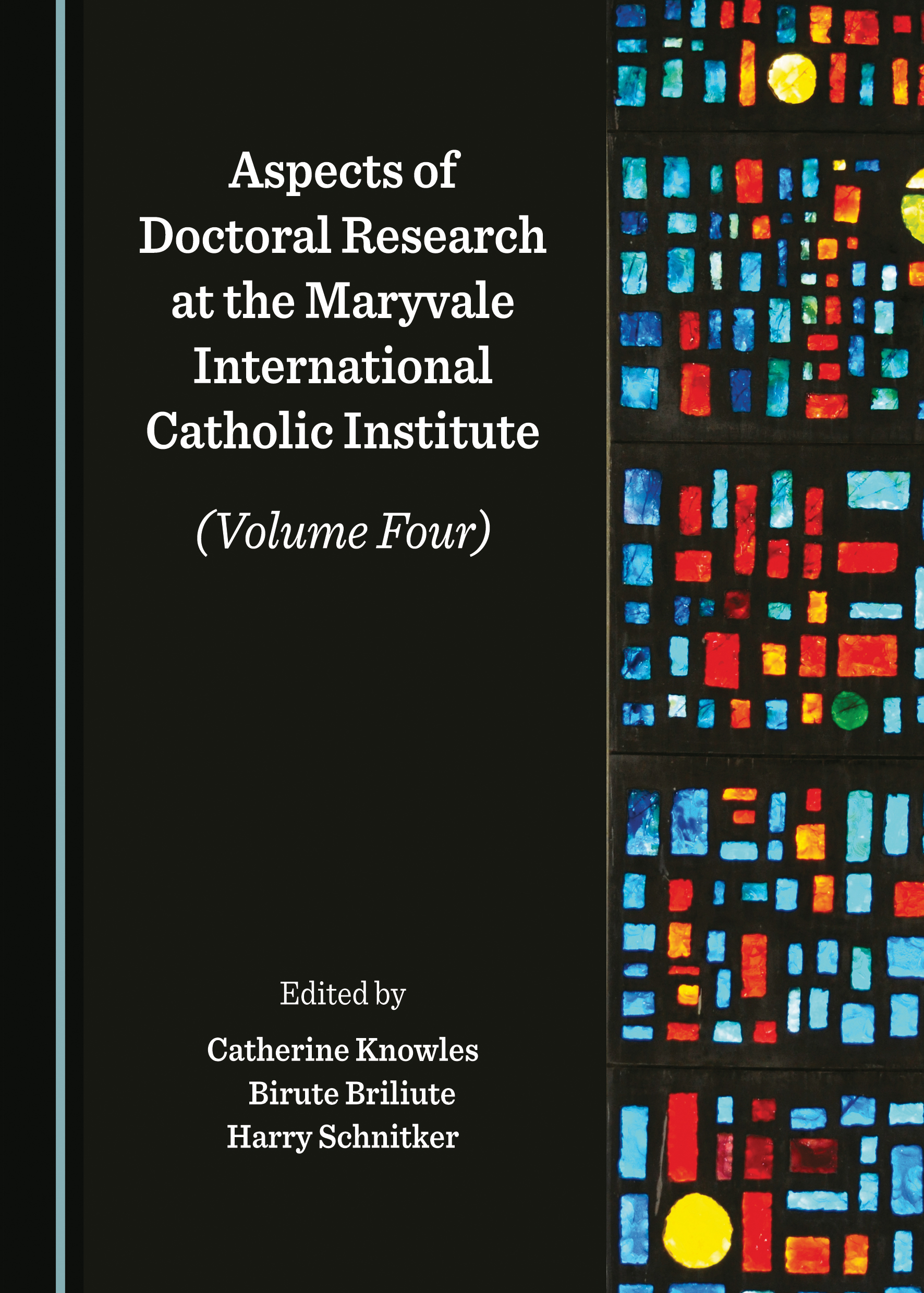
This collection of doctoral essays in Catholic Studies shines new light on age-old issues and offers opportunities for dialogue with the contemporary world. Inspired by St. John Henry Newman’s vision of faith and reason, these works cover theology, ethics, history, and more.
This collection of doctoral essays in Catholic Studies shines new light on age-old issues and offers opportunities for dialogue with the contemporary world. Inspired by St. John Henry Newman’s vision of faith and reason, these works cover theology, ethics, history, and more.
View more
This product has multiple variants. The options may be chosen on the product page
View more
This product has multiple variants. The options may be chosen on the product page
From £33.99
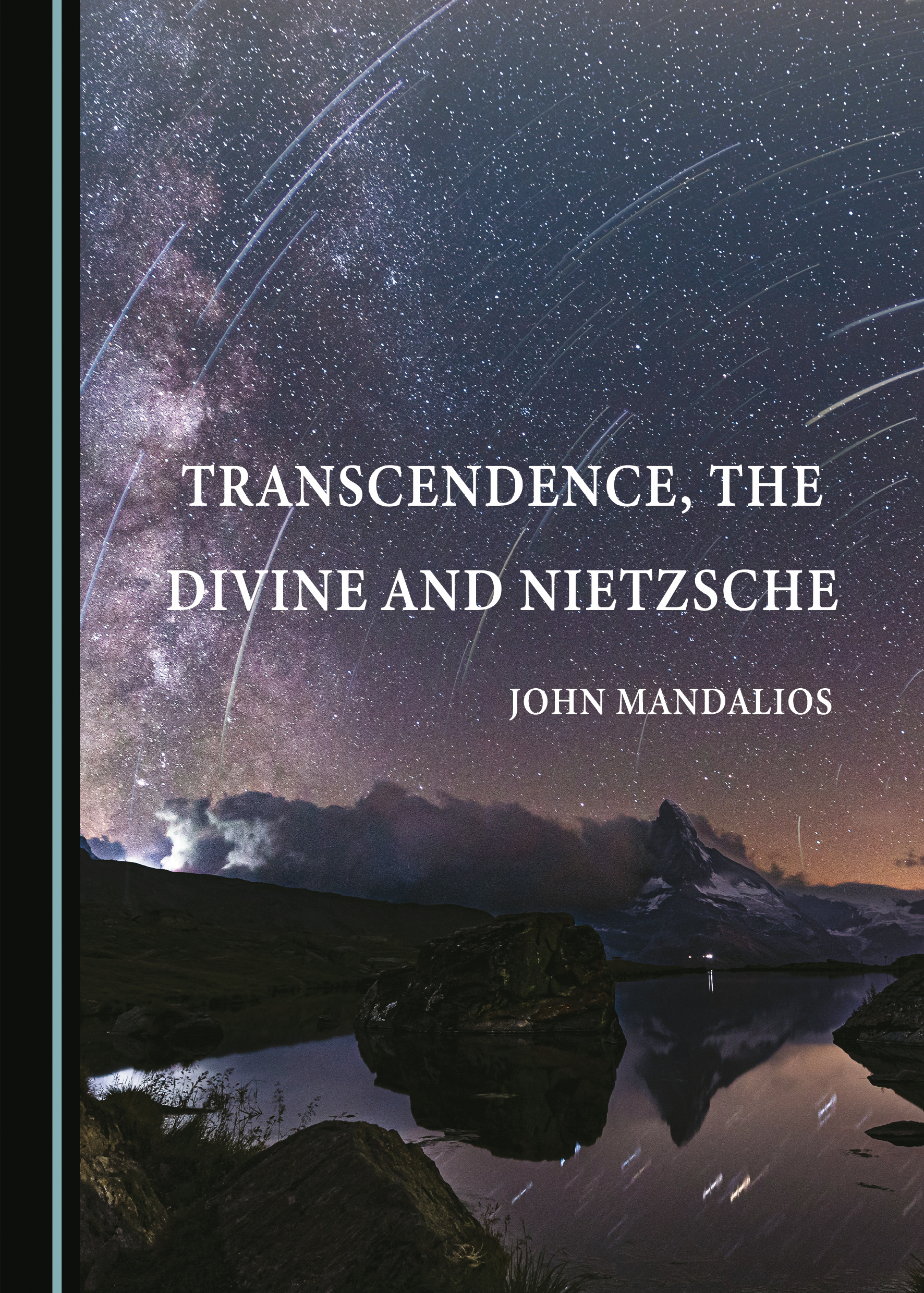
For Friedrich Nietzsche, scepticism is not mere nihilism. His philosophy takes us beyond the ‘death of God’ to a new spiritualization of life, holding out an affirmative spirit of joy in the renewal of our ‘god-creating’ power and will to honour the higher Whole.
For Friedrich Nietzsche, scepticism is not mere nihilism. His philosophy takes us beyond the ‘death of God’ to a new spiritualization of life, holding out an affirmative spirit of joy in the renewal of our ‘god-creating’ power and will to honour the higher Whole.
View more
This product has multiple variants. The options may be chosen on the product page
View more
This product has multiple variants. The options may be chosen on the product page
Buddhist Hermeneutics and East Asian Buddhist Interpreters
Delivering Dharma of No Dharma
This book explores the hermeneutic dilemma of how non-conceptual religious reality is conceptually interpreted in Buddhism. Examining approaches from Indian, Chinese, Korean, and Japanese traditions, it illuminates the fundamental challenge: how to deliver dharma of no dharma.
This book explores the hermeneutic dilemma of how non-conceptual religious reality is conceptually interpreted in Buddhism. Examining approaches from Indian, Chinese, Korean, and Japanese traditions, it illuminates the fundamental challenge: how to deliver dharma of no dharma.
View more
This product has multiple variants. The options may be chosen on the product page
View more
This product has multiple variants. The options may be chosen on the product page
The World as Analogy of Absolute Mind
An Hegelian, Thomist and Aristotelico-Platonist Account
Can evolved thought grasp evolution itself? This book explores the Augustinian-Thomist heritage through Hegel, considering sacramental theology, original sin, grace, and linguistic representation, culminating in an examination of real presence in unreal nature.
Can evolved thought grasp evolution itself? This book explores the Augustinian-Thomist heritage through Hegel, considering sacramental theology, original sin, grace, and linguistic representation, culminating in an examination of real presence in unreal nature.
View more
This product has multiple variants. The options may be chosen on the product page
View more
This product has multiple variants. The options may be chosen on the product page
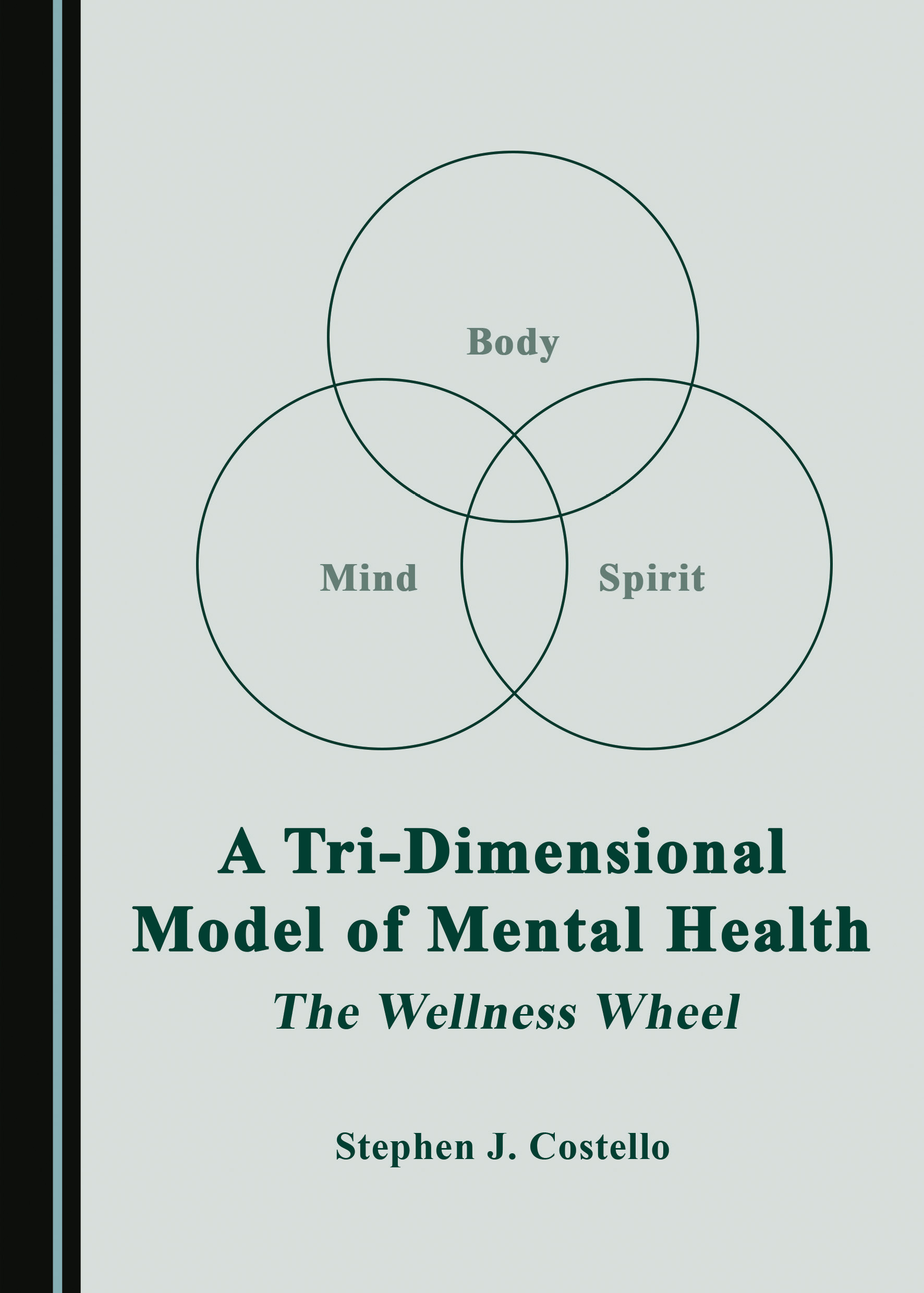
A Tri-Dimensional Model of Mental Health
The Wellness Wheel
This study explores what constitutes mental health, proposing that holistic health depends on integral wholeness: the synthesis of body, mind, and heart. It argues one is always whole in one’s true Self (essence), which must be distinguished from the ego (personality).
This study explores what constitutes mental health, proposing that holistic health depends on integral wholeness: the synthesis of body, mind, and heart. It argues one is always whole in one’s true Self (essence), which must be distinguished from the ego (personality).
View more
This product has multiple variants. The options may be chosen on the product page
View more
This product has multiple variants. The options may be chosen on the product page
Jacques Maritain in the 21st Century
Personalism and the Political Organization of the World
Rejecting egocentric isolation and totalitarianism, Christian philosopher Jacques Maritain promoted the human person in authentic community. His quest for liberation contributes to our understanding of 21st-century movements for sustainability, human rights, and democracy.
Rejecting egocentric isolation and totalitarianism, Christian philosopher Jacques Maritain promoted the human person in authentic community. His quest for liberation contributes to our understanding of 21st-century movements for sustainability, human rights, and democracy.
View more
This product has multiple variants. The options may be chosen on the product page
View more
This product has multiple variants. The options may be chosen on the product page
Reflections on Russell
Musings on a Multidimensional Man
This book offers original interpretations of Bertrand Russell's thought, moving beyond mathematical logic to his philosophy of science and religion. Countering competing views, it shows Russell developed a philosophy incorporating both atheism and spirituality.
This book offers original interpretations of Bertrand Russell’s thought, moving beyond mathematical logic to his philosophy of science and religion. Countering competing views, it shows Russell developed a philosophy incorporating both atheism and spirituality.
View more
This product has multiple variants. The options may be chosen on the product page
View more
This product has multiple variants. The options may be chosen on the product page
From £32.99
Using ordinary language and facts of experience, Bishop Butler's philosophy is a guidebook to happiness. This book presents his work as a bridge joining ancient wisdom with modern experience, offering ways to live without the error and distraction that lead to misery.
Using ordinary language and facts of experience, Bishop Butler’s philosophy is a guidebook to happiness. This book presents his work as a bridge joining ancient wisdom with modern experience, offering ways to live without the error and distraction that lead to misery.
View more
This product has multiple variants. The options may be chosen on the product page
View more
This product has multiple variants. The options may be chosen on the product page
From £32.99
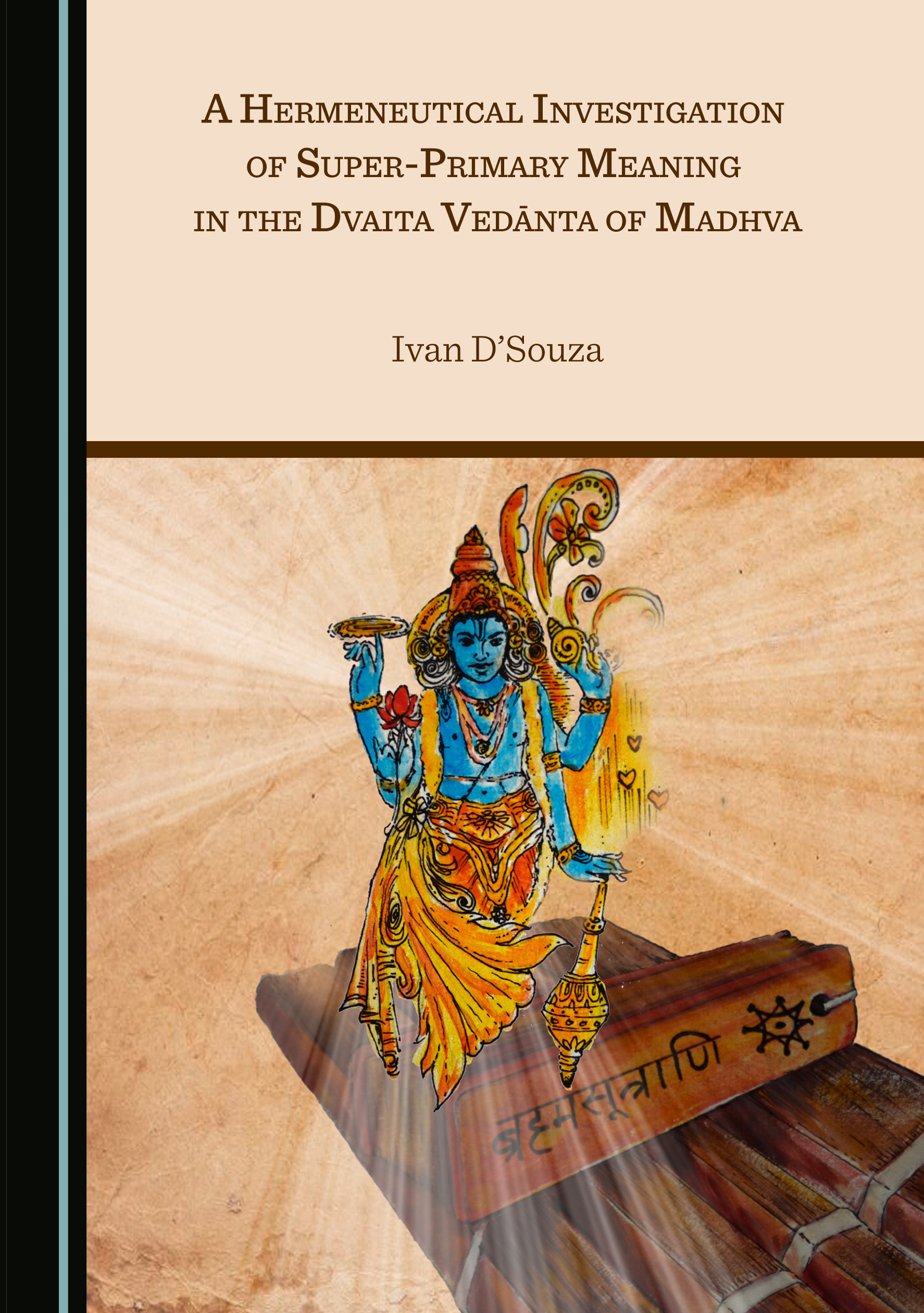
This study unearths the singular concept of “parama-mukhya-vṛtti” from the Dvaita Vedānta philosophy of Madhva. Discover the 12th-century thinker's unique hermeneutical technique used to establish Viṣṇu as the focus of Vedic writings and its relevance for any sacred text.
This study unearths the singular concept of “parama-mukhya-vṛtti” from the Dvaita Vedānta philosophy of Madhva. Discover the 12th-century thinker’s unique hermeneutical technique used to establish Viṣṇu as the focus of Vedic writings and its relevance for any sacred text.
View more
This product has multiple variants. The options may be chosen on the product page
View more
This product has multiple variants. The options may be chosen on the product page
From £32.99
This book bridges Christian sacramental praxis with philosophy of mind. Through a new philosophy of incarnation, it argues self-consciousness must develop towards the Absolute Idea, where religion becomes intellectual virtue. A new theology is here. It is time to put it to work.
This book bridges Christian sacramental praxis with philosophy of mind. Through a new philosophy of incarnation, it argues self-consciousness must develop towards the Absolute Idea, where religion becomes intellectual virtue. A new theology is here. It is time to put it to work.
View more
This product has multiple variants. The options may be chosen on the product page
View more
This product has multiple variants. The options may be chosen on the product page
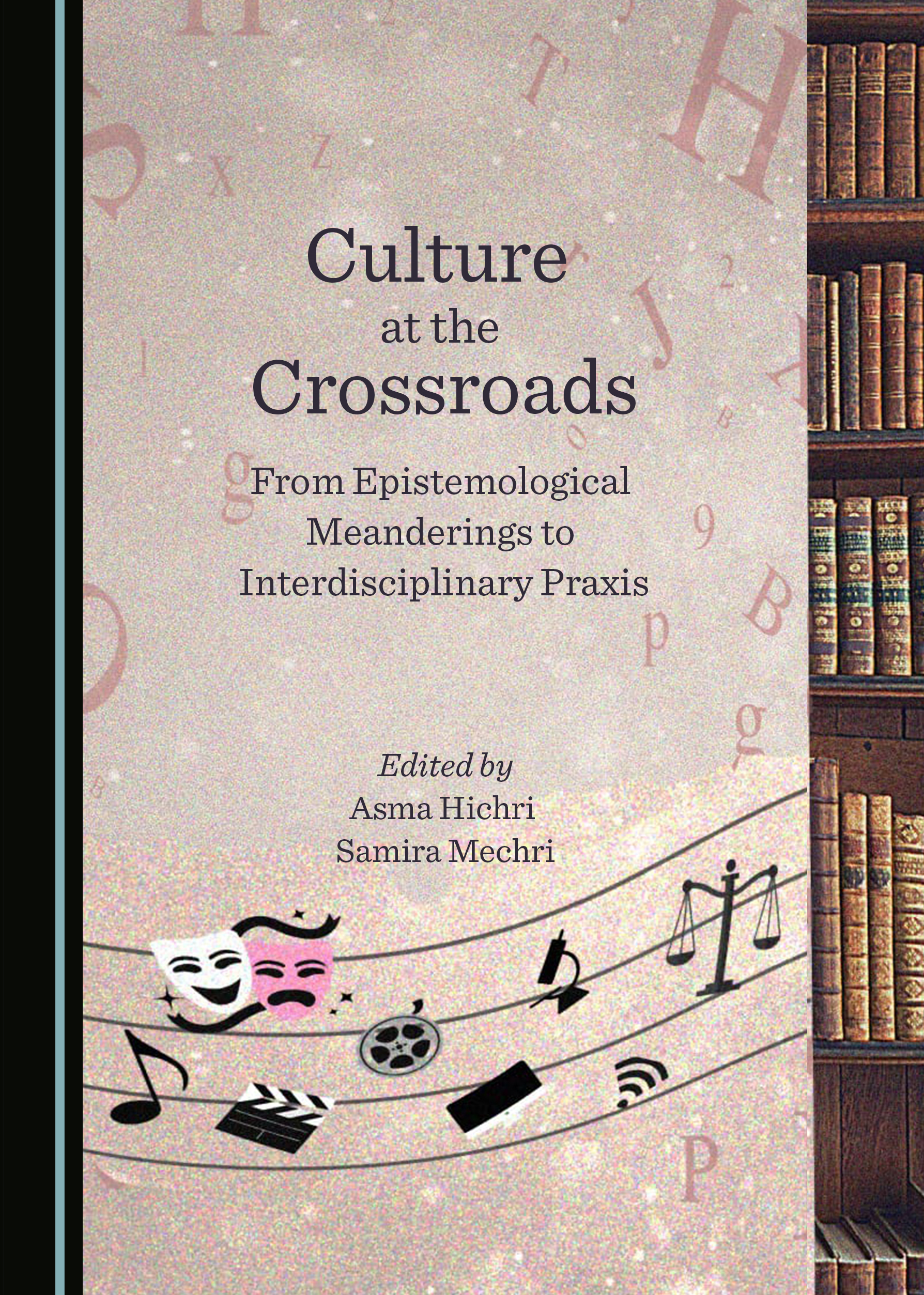
Culture at the Crossroads
From Epistemological Meanderings to Interdisciplinary Praxis
This collection explores the interfaces of culture, gender, and power. It moves beyond conventional conceptions to suggest a holistic view of culture that enacts the dynamics of power, nationality, class, gender, and ethnicity in an ever-shifting transnational context.
This collection explores the interfaces of culture, gender, and power. It moves beyond conventional conceptions to suggest a holistic view of culture that enacts the dynamics of power, nationality, class, gender, and ethnicity in an ever-shifting transnational context.
View more
This product has multiple variants. The options may be chosen on the product page

View more
This product has multiple variants. The options may be chosen on the product page
Beyond Hope
Philosophical Reflections
This book argues for hope as a path beyond facile optimism and weary pessimism. Drawing on Western philosophy and Advaita Vedanta, it suggests that living from the Self, distinct from the ego, reveals a peace and bliss beyond both hope and happiness. A timely and wise book.
This book argues for hope as a path beyond facile optimism and weary pessimism. Drawing on Western philosophy and Advaita Vedanta, it suggests that living from the Self, distinct from the ego, reveals a peace and bliss beyond both hope and happiness. A timely and wise book.
View more
This product has multiple variants. The options may be chosen on the product page
View more
This product has multiple variants. The options may be chosen on the product page
From £30.99
This book compares Hegel’s and Aquinas’s Trinitarian studies, renouncing the separation of philosophy and theology. Beneath their very different idioms, a near-perfect harmony is found, offering enriched participation in thought’s self-understanding.
This book compares Hegel’s and Aquinas’s Trinitarian studies, renouncing the separation of philosophy and theology. Beneath their very different idioms, a near-perfect harmony is found, offering enriched participation in thought’s self-understanding.
View more
This product has multiple variants. The options may be chosen on the product page
View more
This product has multiple variants. The options may be chosen on the product page
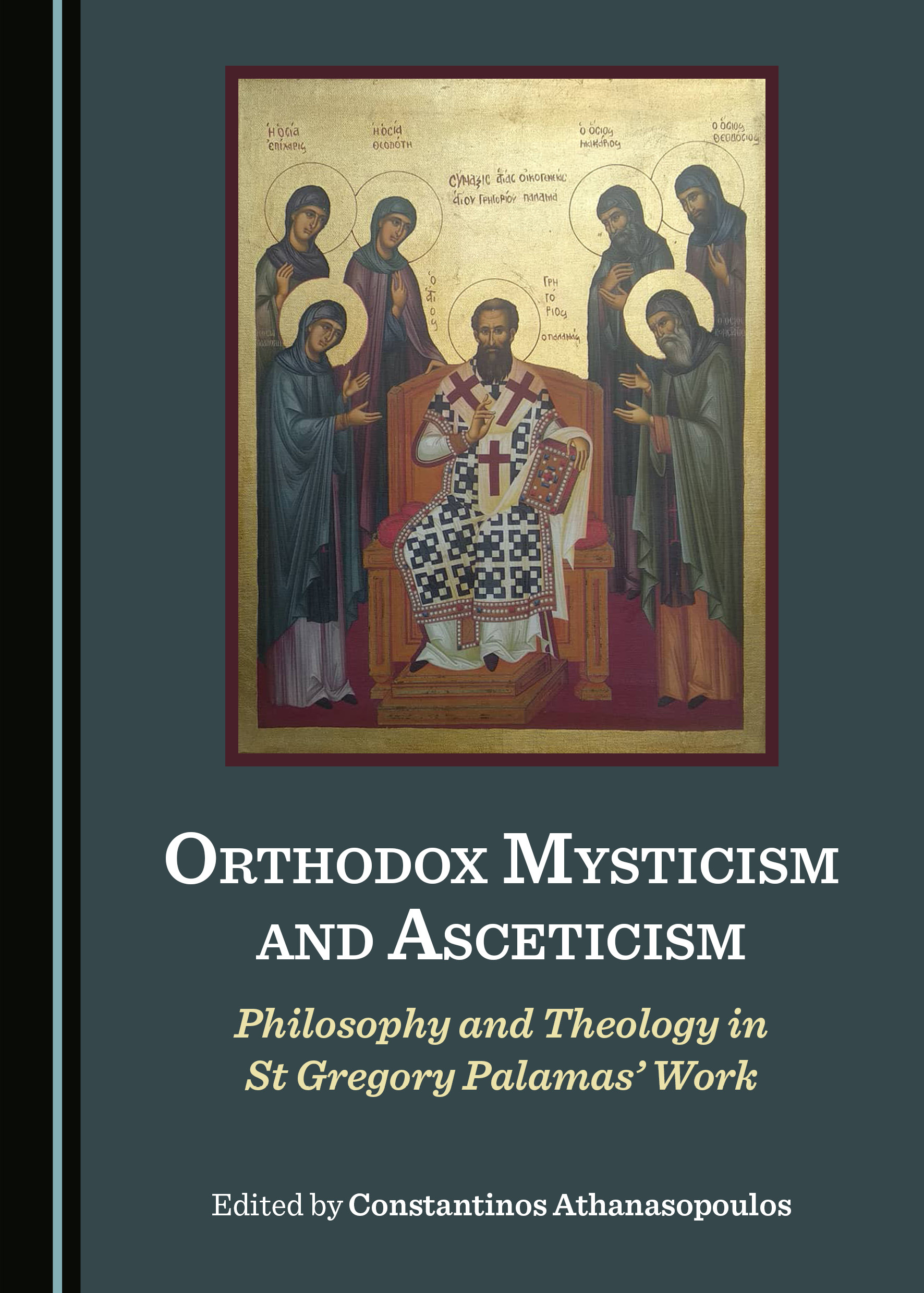
Orthodox Mysticism and Asceticism
Philosophy and Theology in St Gregory Palamas’ Work
This volume explores the cultural, social and ethical dimensions of St Gregory Palamas’ works, relating his mystical theology to contemporary debates in philosophy, politics, and art. Topics include church-state relations and hesychast influences on Byzantine iconography.
This volume explores the cultural, social and ethical dimensions of St Gregory Palamas’ works, relating his mystical theology to contemporary debates in philosophy, politics, and art. Topics include church-state relations and hesychast influences on Byzantine iconography.
View more
This product has multiple variants. The options may be chosen on the product page

View more
This product has multiple variants. The options may be chosen on the product page
The Idea and Values of Europe
From Antigone to the Charter of Fundamental Rights
From Sophocles’ Antigone to the EU’s Charter of Fundamental Rights, this book charts the 2500-year evolution of human rights. It explores the origins of European shared values and assesses their compatibility with a non-European culture and religion such as Islam.
From Sophocles’ Antigone to the EU’s Charter of Fundamental Rights, this book charts the 2500-year evolution of human rights. It explores the origins of European shared values and assesses their compatibility with a non-European culture and religion such as Islam.
View more
This product has multiple variants. The options may be chosen on the product page
Processing Your Order
Please wait while we securely process your order.
Do not refresh or leave this page.
You will be redirected shortly to a confirmation page with your order number.