
View more
This product has multiple variants. The options may be chosen on the product page
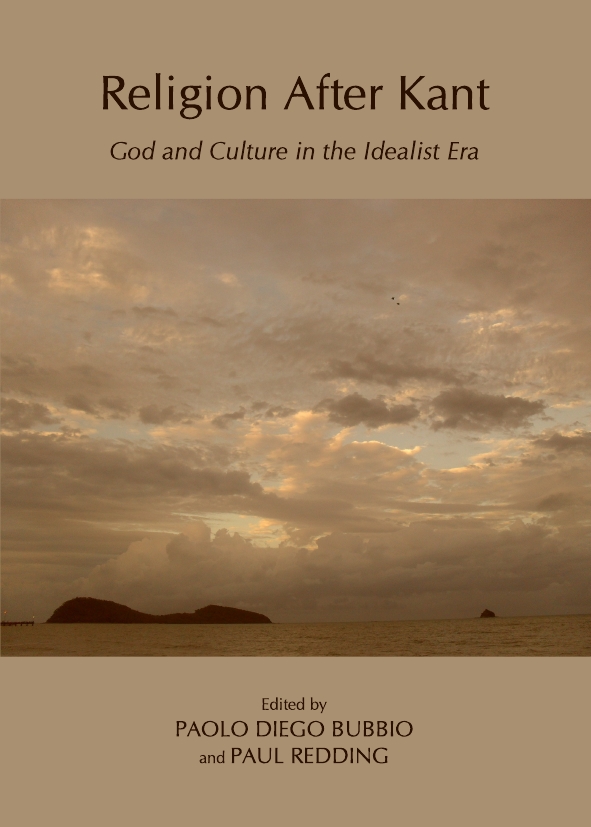
Religion After Kant
God and Culture in the Idealist Era
After Kant, idealist thinkers like Hegel and Schelling transformed the conceptual framework for considering religion. This volume explores their reconsideration of religion’s place within human self-fashioning, which shaped later thinkers like Kierkegaard and Nietzsche.
After Kant, idealist thinkers like Hegel and Schelling transformed the conceptual framework for considering religion. This volume explores their reconsideration of religion’s place within human self-fashioning, which shaped later thinkers like Kierkegaard and Nietzsche.
View more
This product has multiple variants. The options may be chosen on the product page
View more
This product has multiple variants. The options may be chosen on the product page
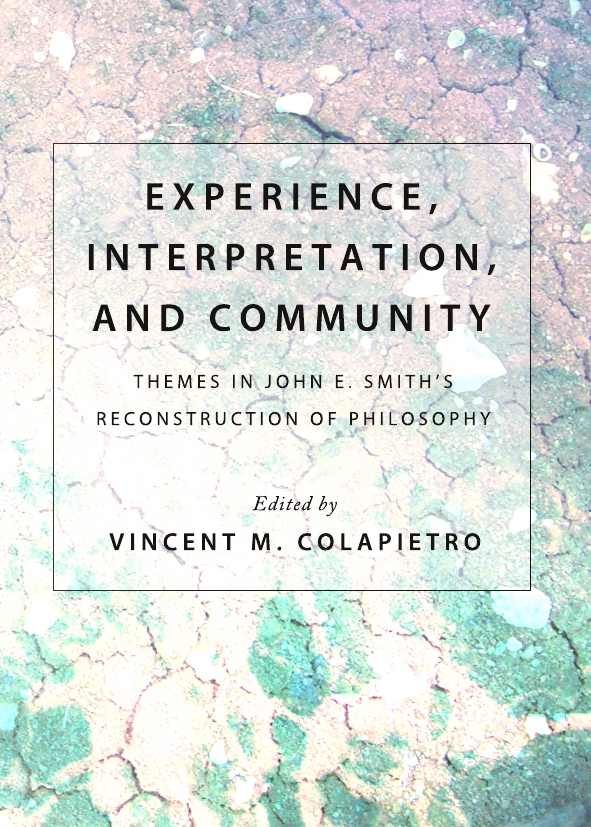
Experience, Interpretation, and Community
Themes in John E. Smith’s Reconstruction of Philosophy
John Edwin Smith recovered the voice of philosophy, showing its relevance to contemporary life. He not only anticipated key philosophical developments but also pointed the way beyond intellectual impasses. The essays in this volume reveal his wisdom for our world.
John Edwin Smith recovered the voice of philosophy, showing its relevance to contemporary life. He not only anticipated key philosophical developments but also pointed the way beyond intellectual impasses. The essays in this volume reveal his wisdom for our world.
View more
This product has multiple variants. The options may be chosen on the product page
View more
This product has multiple variants. The options may be chosen on the product page
£34.99
This book explores the thought of Dionysius the Areopagite, a controversial figure who masterfully integrated pagan Neoplatonic philosophy with Christian theology. It examines his sources and offers insights into the original points of his philosophy.
This book explores the thought of Dionysius the Areopagite, a controversial figure who masterfully integrated pagan Neoplatonic philosophy with Christian theology. It examines his sources and offers insights into the original points of his philosophy.
View more
This product has multiple variants. The options may be chosen on the product page
View more
This product has multiple variants. The options may be chosen on the product page
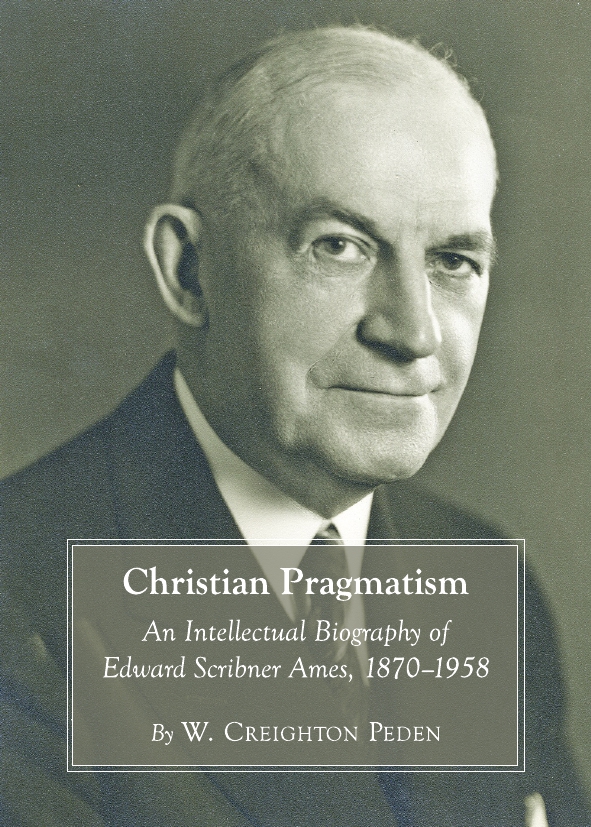
Christian Pragmatism
An Intellectual Biography of Edward Scribner Ames, 1870-1958
Edward Ames called theology a search for a black cat in a dark room that is not there. A student of John Dewey, he forged a pragmatic view of religion, seeing God as a natural process. This volume presents his thought historically through his major writings.
Edward Ames called theology a search for a black cat in a dark room that is not there. A student of John Dewey, he forged a pragmatic view of religion, seeing God as a natural process. This volume presents his thought historically through his major writings.
View more
This product has multiple variants. The options may be chosen on the product page
View more
This product has multiple variants. The options may be chosen on the product page
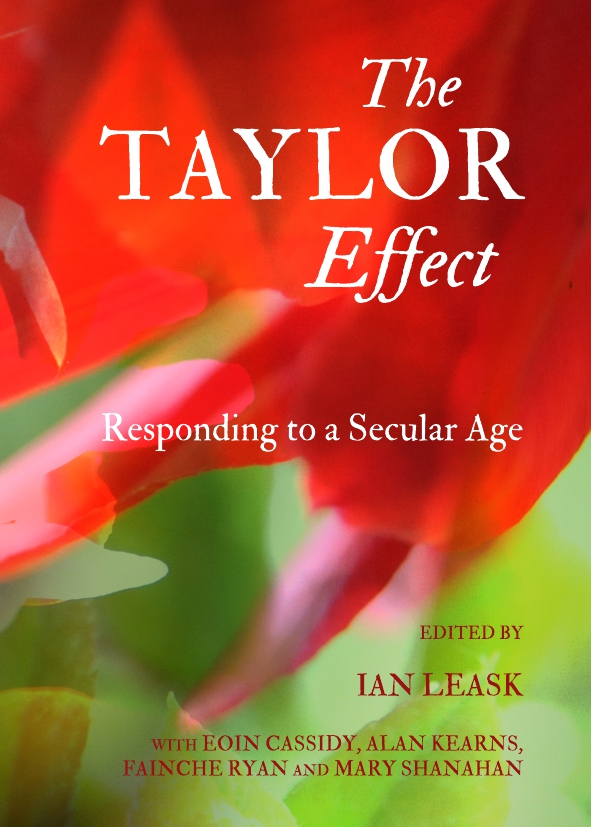
The Taylor Effect
Responding to a Secular Age
The Taylor Effect presents a diverse collection of essays addressing Charles Taylor’s A Secular Age. With contributions from philosophy, theology, literature, and political science, this is a central reference point for any future discussion of Taylor’s work.
The Taylor Effect presents a diverse collection of essays addressing Charles Taylor’s A Secular Age. With contributions from philosophy, theology, literature, and political science, this is a central reference point for any future discussion of Taylor’s work.
View more
This product has multiple variants. The options may be chosen on the product page
View more
This product has multiple variants. The options may be chosen on the product page
£39.99
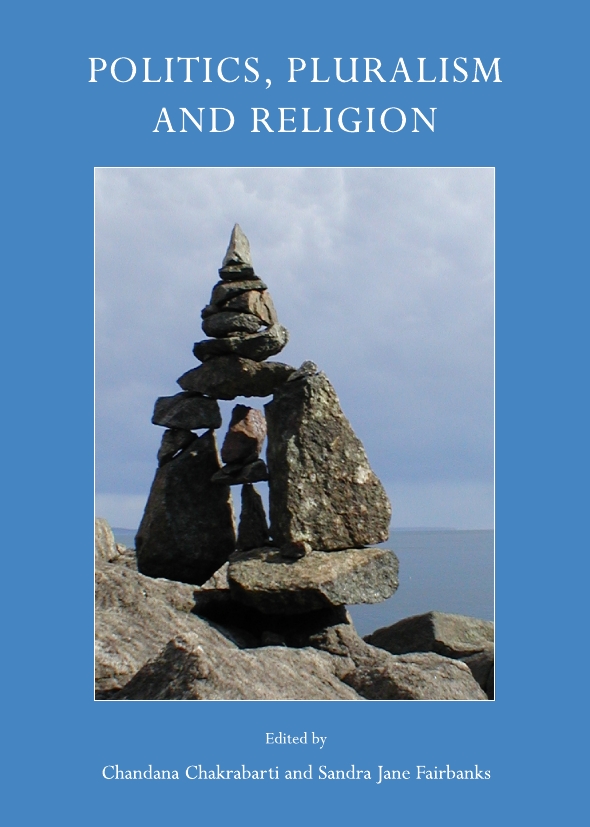
This volume discusses pluralism and the interplay between religion and politics. As competing religious truths have historically produced violent conflict, and since religion is constitutive of identity, its influence on politics is extremely significant.
This volume discusses pluralism and the interplay between religion and politics. As competing religious truths have historically produced violent conflict, and since religion is constitutive of identity, its influence on politics is extremely significant.
View more
This product has multiple variants. The options may be chosen on the product page
View more
This product has multiple variants. The options may be chosen on the product page
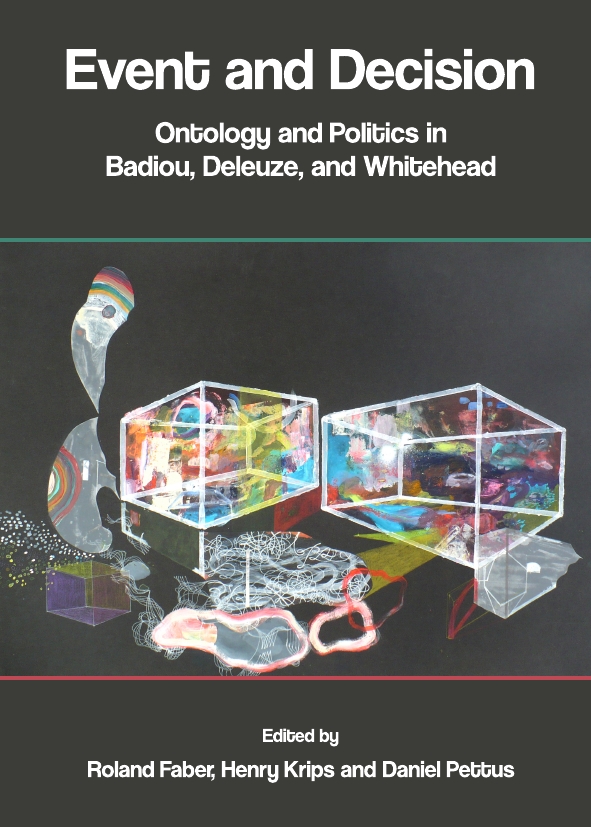
Event and Decision
Ontology and Politics in Badiou, Deleuze, and Whitehead
This book unites the philosophies of Badiou, Deleuze, and Whitehead on the concept of the event. For all three thinkers, the event necessitates a radical politics, revealing humanity as constituted by a multiplicious cycle of infinite creation.
This book unites the philosophies of Badiou, Deleuze, and Whitehead on the concept of the event. For all three thinkers, the event necessitates a radical politics, revealing humanity as constituted by a multiplicious cycle of infinite creation.
View more
This product has multiple variants. The options may be chosen on the product page
View more
This product has multiple variants. The options may be chosen on the product page
From £24.99
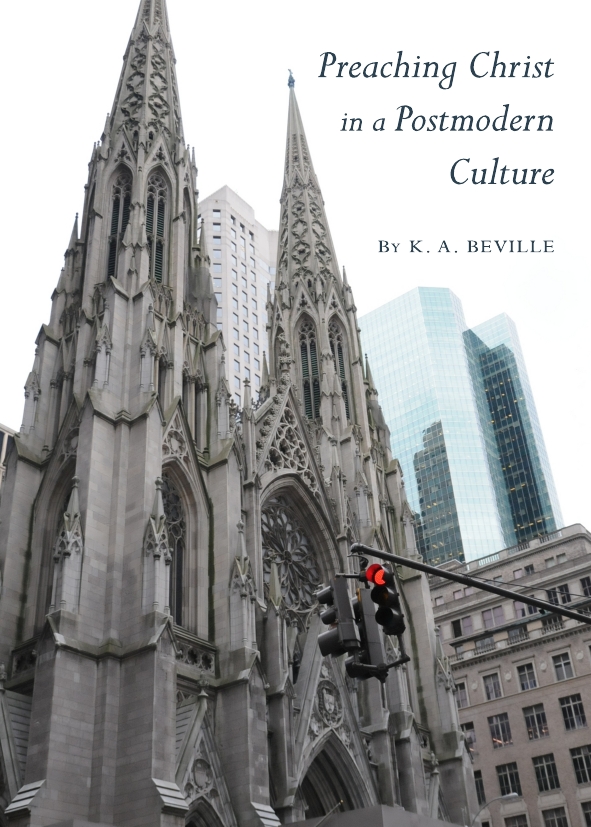
This book assesses preaching in a postmodern culture that rejects absolute truth and authority. For disillusioned practitioners, it offers guidelines, distinguishing authoritative from authoritarian preaching to show the homiletic task is still feasible.
This book assesses preaching in a postmodern culture that rejects absolute truth and authority. For disillusioned practitioners, it offers guidelines, distinguishing authoritative from authoritarian preaching to show the homiletic task is still feasible.
View more
This product has multiple variants. The options may be chosen on the product page
View more
This product has multiple variants. The options may be chosen on the product page
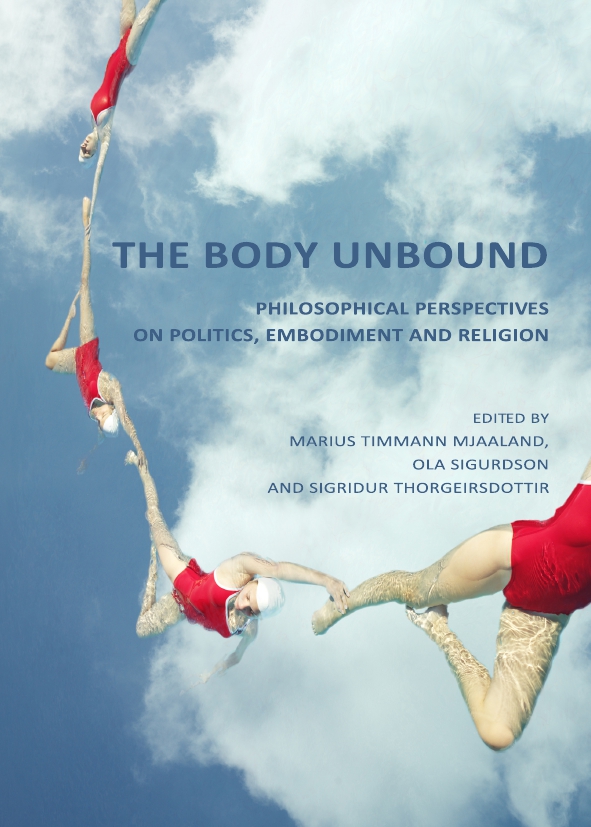
The Body Unbound
Philosophical Perspectives on Politics, Embodiment and Religion
A philosophical inquiry into politics, embodiment, and religion confronts notorious contemporary issues, from suicide bombing to biopolitics. Contributors uncover resources to unbind a body which has been doubly bound by history, law, and culture.
A philosophical inquiry into politics, embodiment, and religion confronts notorious contemporary issues, from suicide bombing to biopolitics. Contributors uncover resources to unbind a body which has been doubly bound by history, law, and culture.
View more
This product has multiple variants. The options may be chosen on the product page
View more
This product has multiple variants. The options may be chosen on the product page
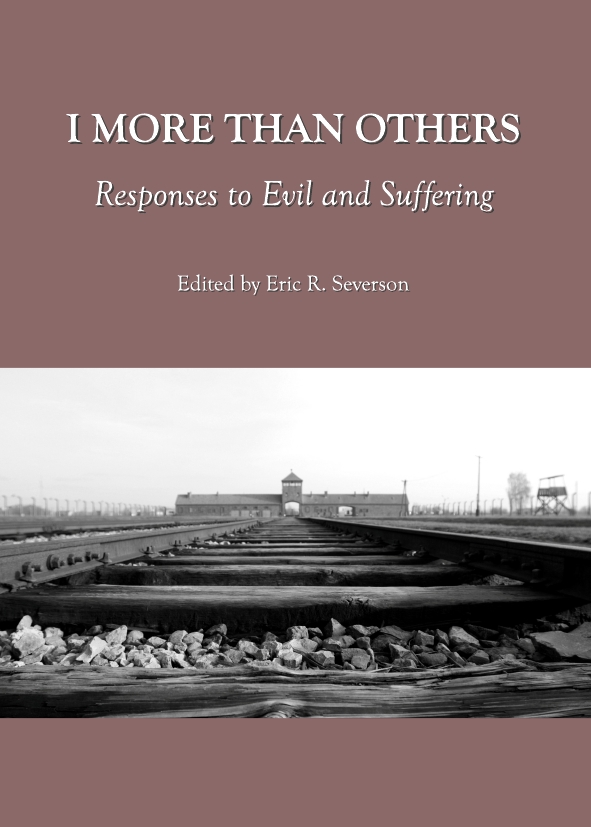
I More than Others
Responses to Evil and Suffering
How responsible are we for the world's suffering? Inspired by Dostoyevsky, philosophers and theologians confront the nature of evil, our shared guilt, and the difficult struggle for hope.
How responsible are we for the world’s suffering? Inspired by Dostoyevsky, philosophers and theologians confront the nature of evil, our shared guilt, and the difficult struggle for hope.
View more
This product has multiple variants. The options may be chosen on the product page
View more
This product has multiple variants. The options may be chosen on the product page
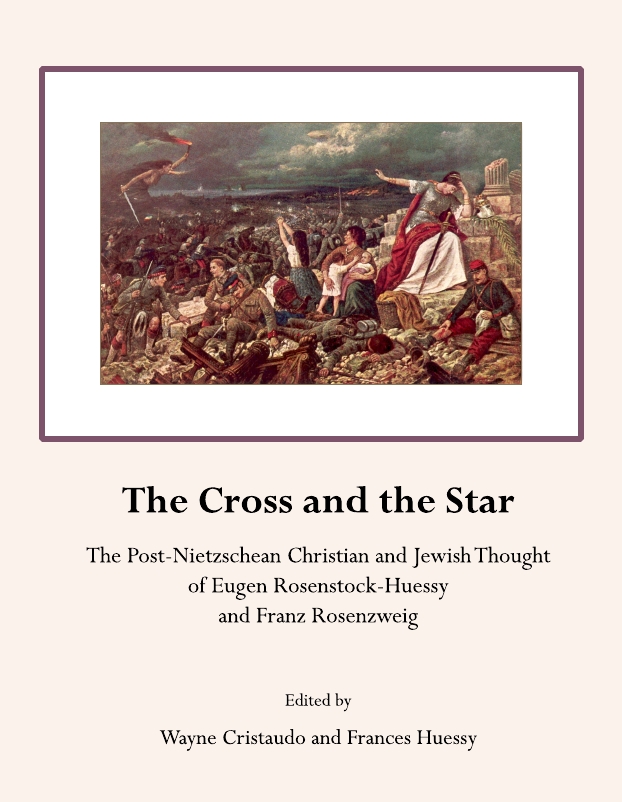
The Cross and the Star
The Post-Nietzschean Christian and Jewish Thought of Eugen Rosenstock-Huessy and Franz Rosenzweig
A conversation between Christian scholar Eugen Rosenstock-Huessy and Jewish thinker Franz Rosenzweig sparked a stunning dialogue. Confronting Nietzsche's critiques, their "new thinking" resurrected the redemptive cores of faith for the rejuvenation of society.
A conversation between Christian scholar Eugen Rosenstock-Huessy and Jewish thinker Franz Rosenzweig sparked a stunning dialogue. Confronting Nietzsche’s critiques, their “new thinking” resurrected the redemptive cores of faith for the rejuvenation of society.
View more
This product has multiple variants. The options may be chosen on the product page
View more
This product has multiple variants. The options may be chosen on the product page
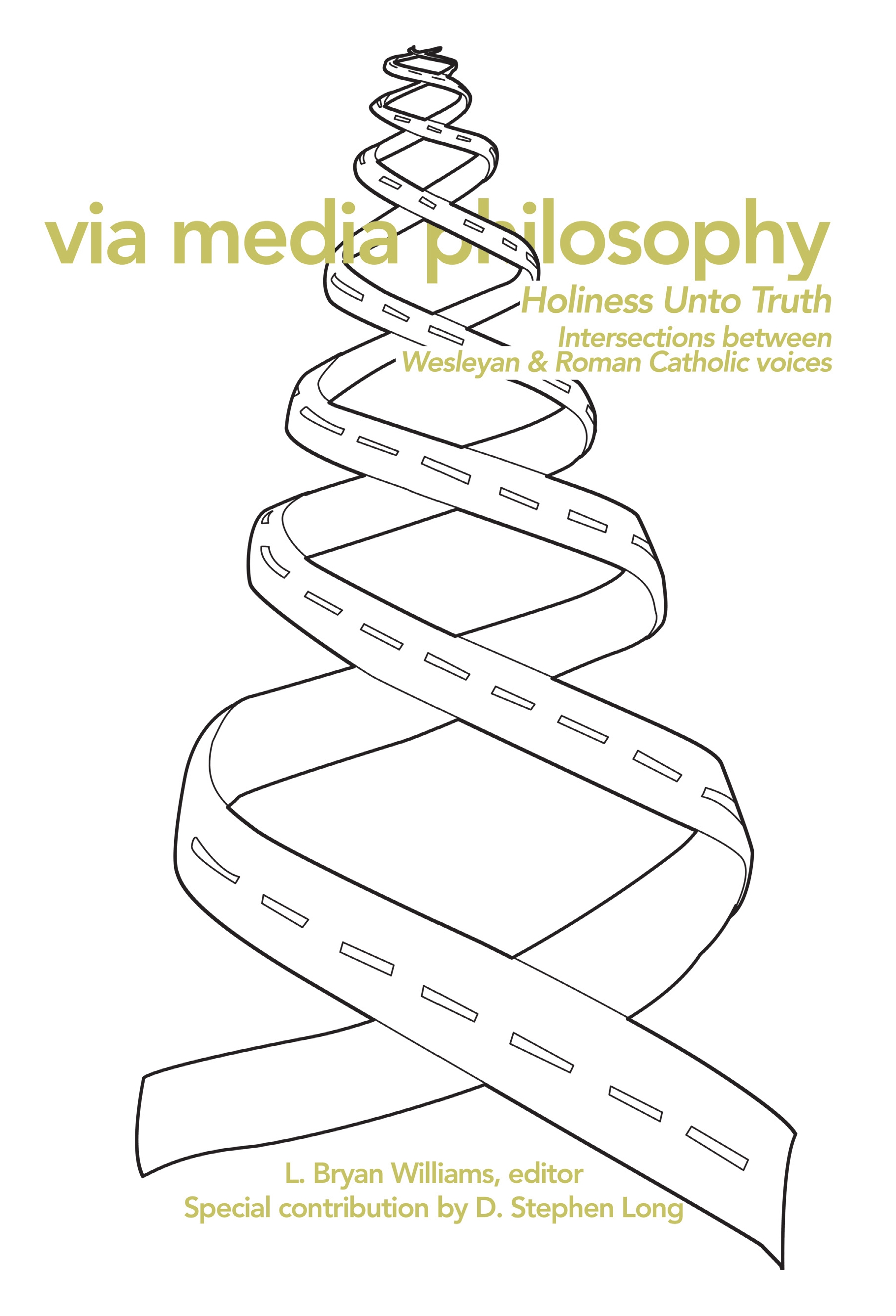
via media philosophy
Holiness Unto Truth; Intersections between Wesleyan and Roman Catholic Voices
This book records the first formal philosophical conversations between Wesleyan and Roman Catholic voices. Inspired by Pope John Paul II's call for dialogue, it builds bridges between the two communities, seeking a via media to a holy relationship unto truth.
This book records the first formal philosophical conversations between Wesleyan and Roman Catholic voices. Inspired by Pope John Paul II’s call for dialogue, it builds bridges between the two communities, seeking a via media to a holy relationship unto truth.
View more
This product has multiple variants. The options may be chosen on the product page
View more
This product has multiple variants. The options may be chosen on the product page
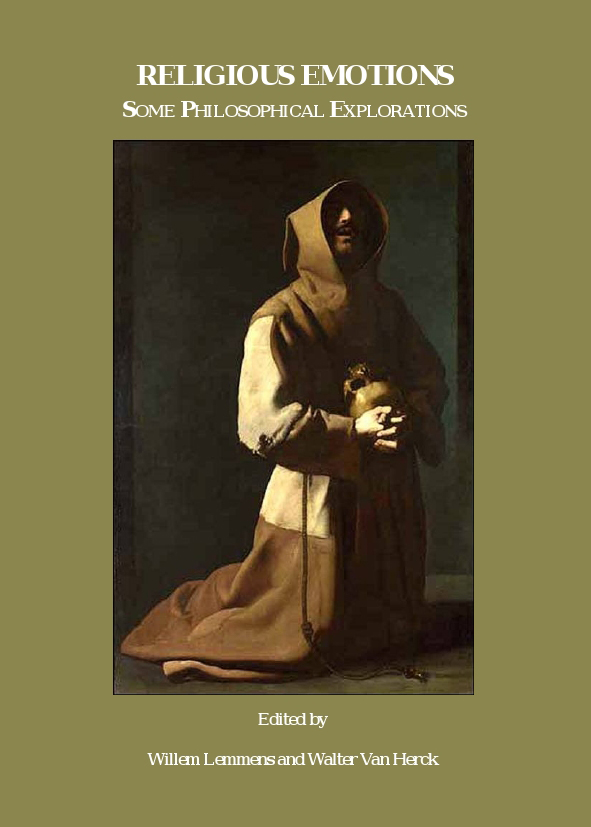
Religious Emotions
Some Philosophical Explorations
The role of emotions in religion has received little attention. This volume of research explores ‘religious emotions,’ asking what is distinctive about them and how Christianity made use of human emotional potential. The reader is invited to reflect on their interaction.
The role of emotions in religion has received little attention. This volume of research explores ‘religious emotions,’ asking what is distinctive about them and how Christianity made use of human emotional potential. The reader is invited to reflect on their interaction.
View more
This product has multiple variants. The options may be chosen on the product page
View more
This product has multiple variants. The options may be chosen on the product page
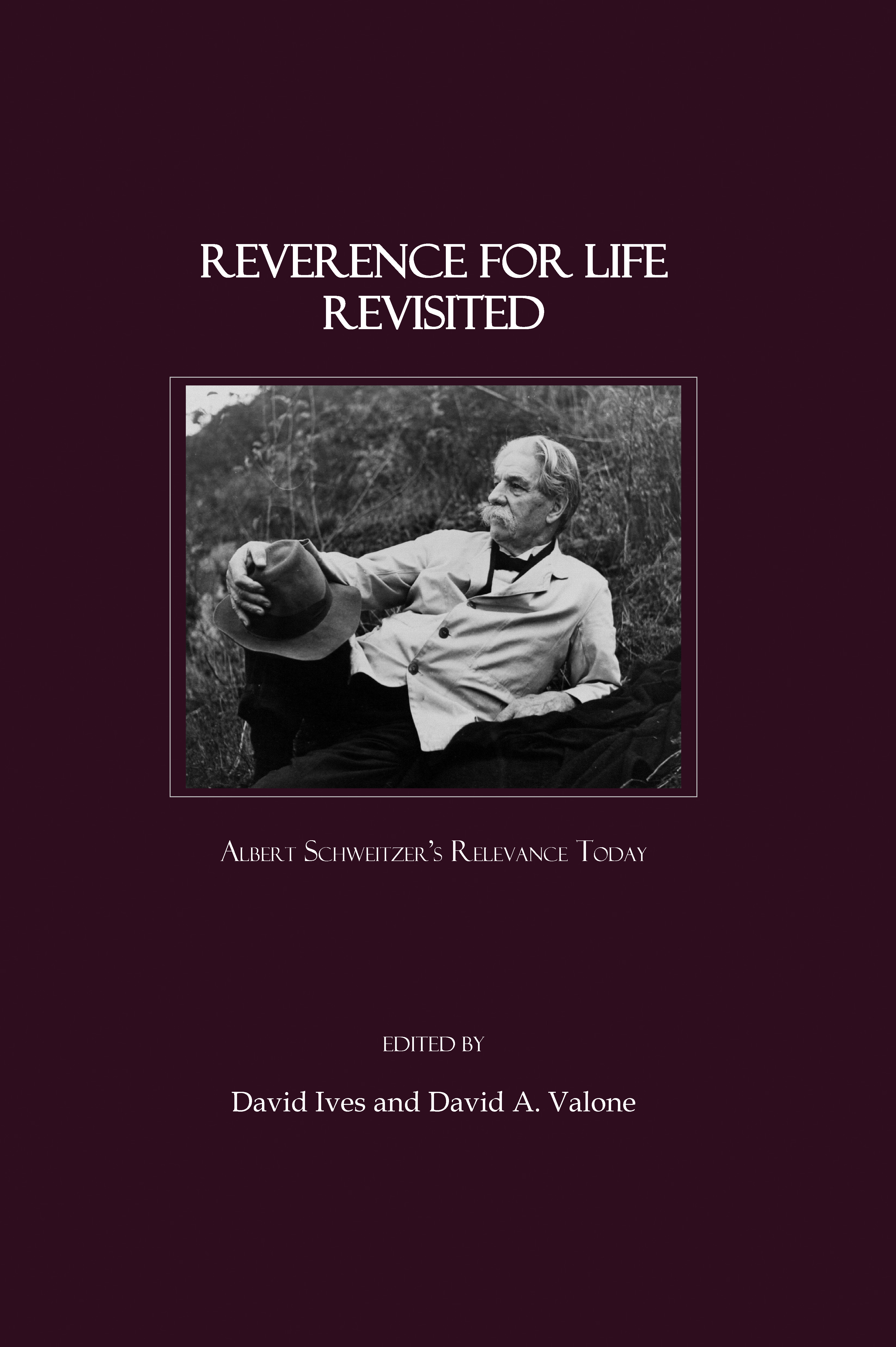
Reverence for Life Revisited
Albert Schweitzer's Relevance Today
This book's essays re-examine Albert Schweitzer's life and his "Reverence for Life" philosophy, assessing its relevance for the twenty-first century. Featuring diverse perspectives, including from Jane Goodall, they explore applications to today's global issues.
This book’s essays re-examine Albert Schweitzer’s life and his “Reverence for Life” philosophy, assessing its relevance for the twenty-first century. Featuring diverse perspectives, including from Jane Goodall, they explore applications to today’s global issues.
View more
This product has multiple variants. The options may be chosen on the product page
View more
This product has multiple variants. The options may be chosen on the product page
£34.99
This book identifies a third problem of evil: epistemic evil. It arises when our judgments, through no corrigible defect, lead to undeserved human suffering. Tierno forcefully defends this problem, a groundbreaking challenge to theodicy.
This book identifies a third problem of evil: epistemic evil. It arises when our judgments, through no corrigible defect, lead to undeserved human suffering. Tierno forcefully defends this problem, a groundbreaking challenge to theodicy.
View more
This product has multiple variants. The options may be chosen on the product page
Processing Your Order
Please wait while we securely process your order.
Do not refresh or leave this page.
You will be redirected shortly to a confirmation page with your order number.