
View more
This product has multiple variants. The options may be chosen on the product page
£52.99
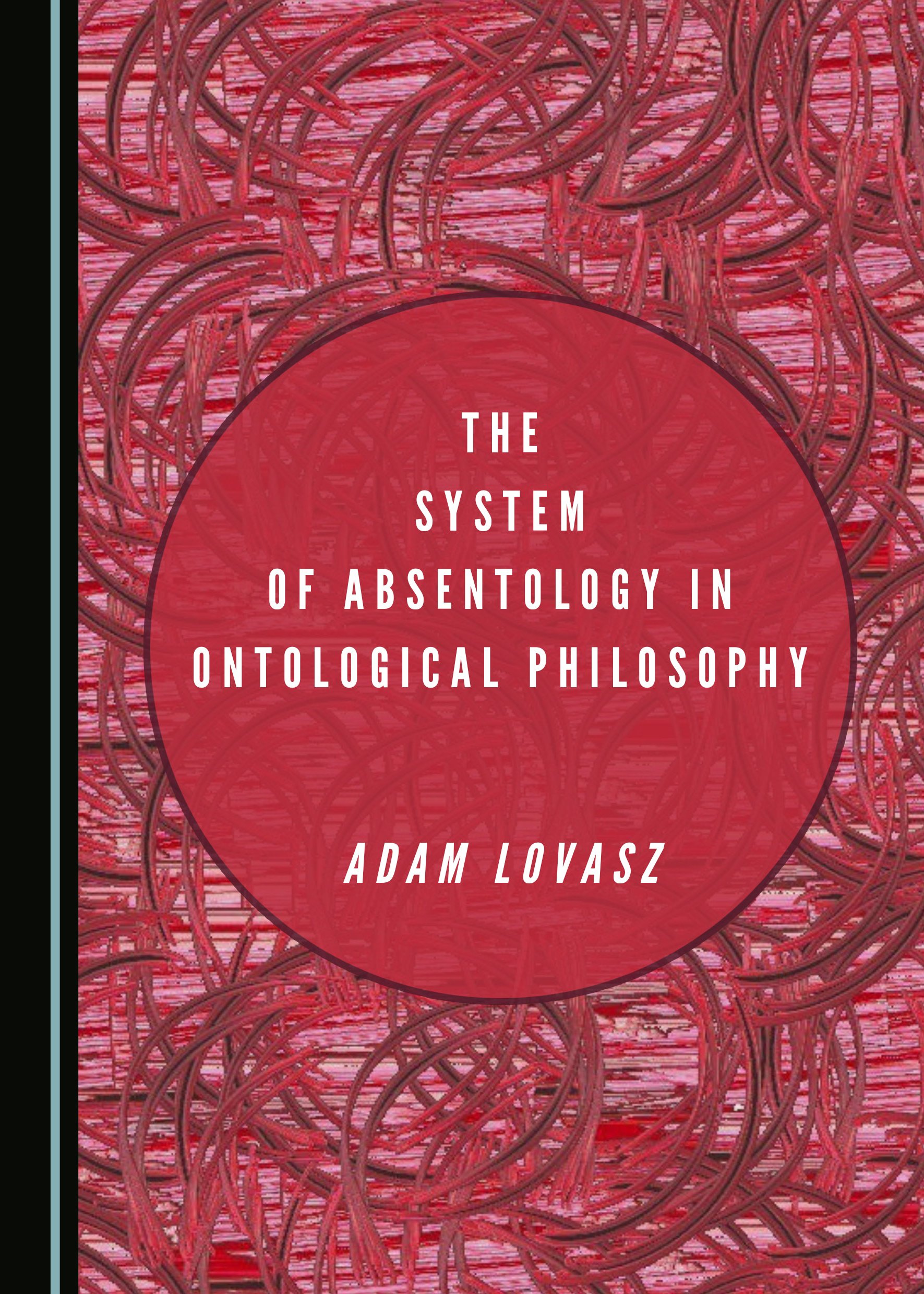
Lovasz deals primarily with absentology, an ontological and social-scientific epistemological mode, dedicated to the analysis of absence. His monograph is drawn by manifestations of absence and deals with three terms, ‘the shadow economy’, ‘corruption’ and ‘pollution’.
Lovasz deals primarily with absentology, an ontological and social-scientific epistemological mode, dedicated to the analysis of absence. His monograph is drawn by manifestations of absence and deals with three terms, ‘the shadow economy’, ‘corruption’ and ‘pollution’.
View more
This product has multiple variants. The options may be chosen on the product page
View more
This product has multiple variants. The options may be chosen on the product page
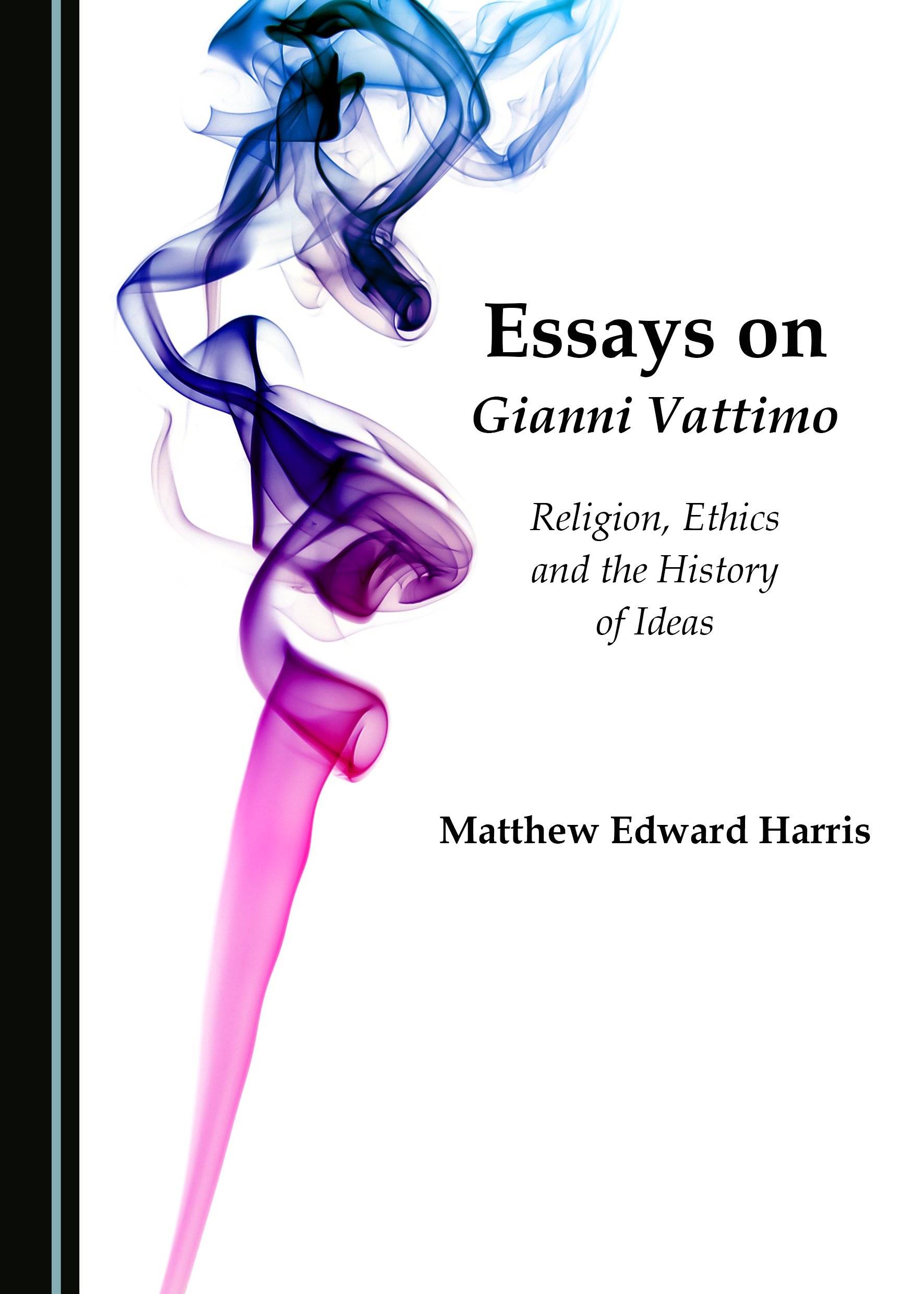
Essays on Gianni Vattimo
Religion, Ethics and the History of Ideas
This monograph, focused on the interrelated themes of religion, ethics and the history of ideas, offers a critically constructive approach to defending Gianni Vattimo against some of his more strident critics, but nevertheless poses some questions of its own.
This monograph, focused on the interrelated themes of religion, ethics and the history of ideas, offers a critically constructive approach to defending Gianni Vattimo against some of his more strident critics, but nevertheless poses some questions of its own.
View more
This product has multiple variants. The options may be chosen on the product page
View more
This product has multiple variants. The options may be chosen on the product page
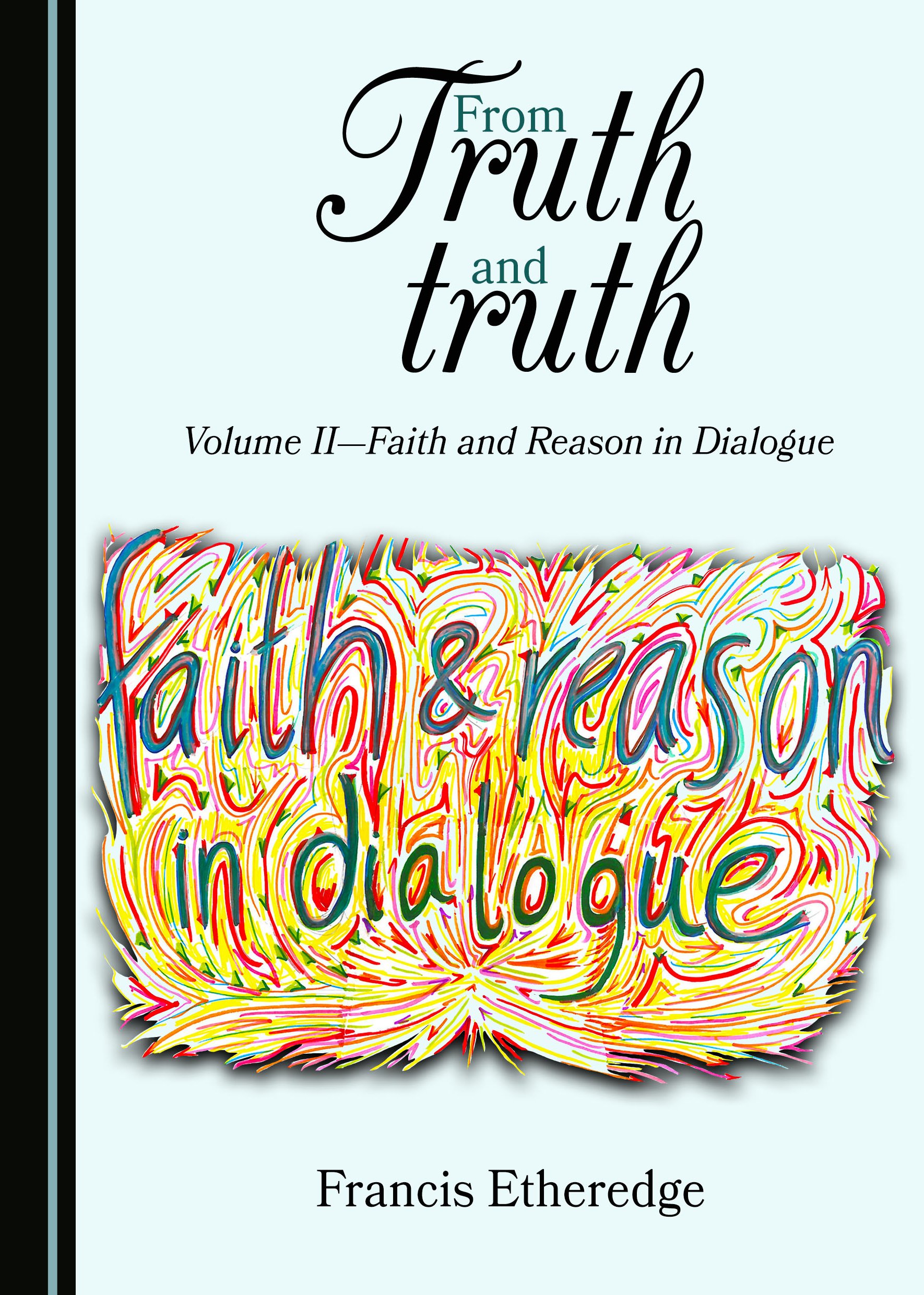
From Truth and truth
Volume II—Faith and Reason in Dialogue
Examining the answers of reason and faith to the question "What is man?", these essays explore the incomparable depth of dialogue. Given the critical situations in the world, humanity must choose the wealth of dialogue over a polarized, conflictual existence.
Examining the answers of reason and faith to the question “What is man?”, these essays explore the incomparable depth of dialogue. Given the critical situations in the world, humanity must choose the wealth of dialogue over a polarized, conflictual existence.
View more
This product has multiple variants. The options may be chosen on the product page
View more
This product has multiple variants. The options may be chosen on the product page
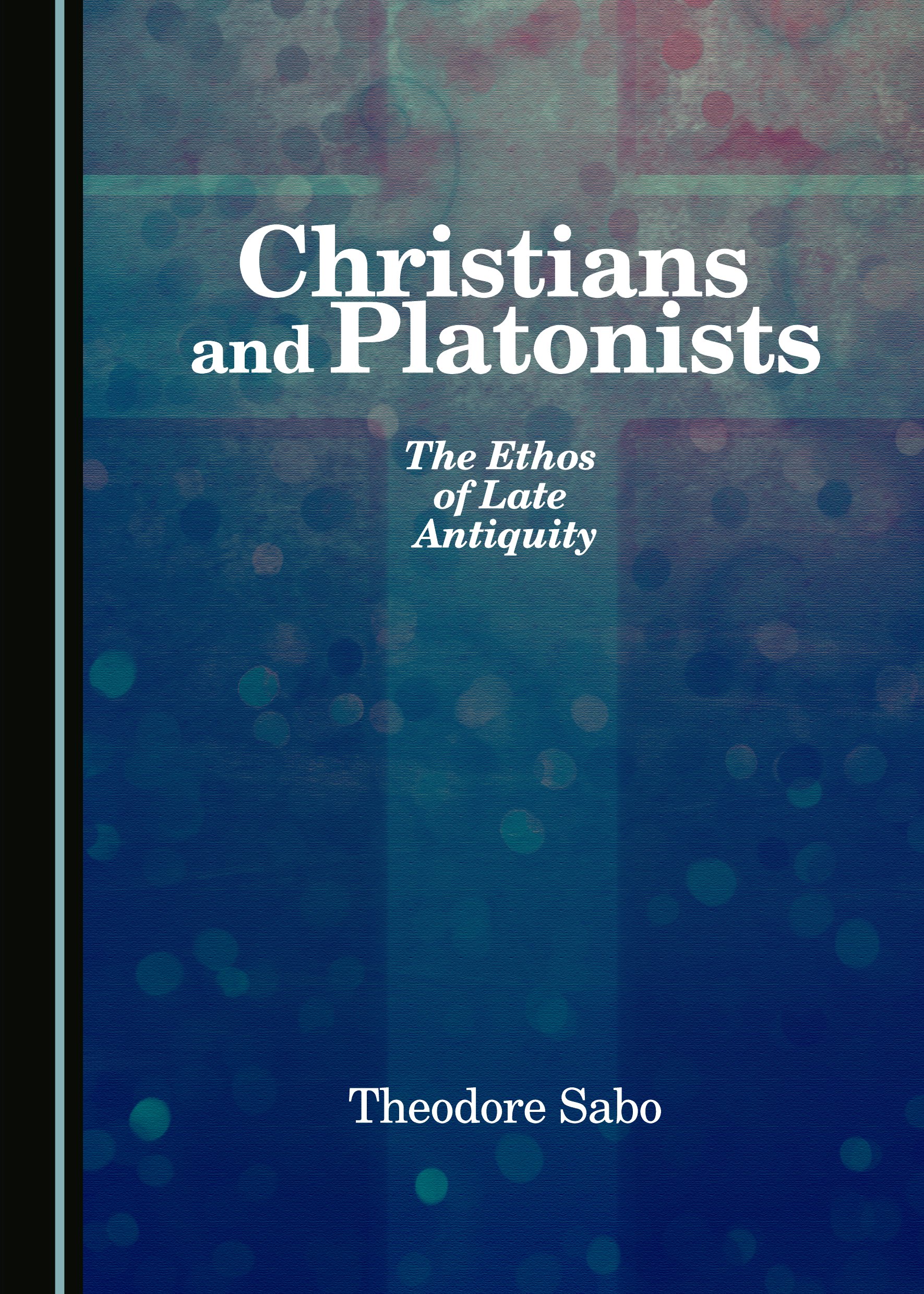
Christians and Platonists
The Ethos of Late Antiquity
Theodore Sabo examines the distaste towards matter and the body shared by Christians, Gnostics, and Platonists of late antiquity, looking at key terms like ethos, aiōn, and saeculum, and investigating the individual beliefs of each school of philosophy.
Theodore Sabo examines the distaste towards matter and the body shared by Christians, Gnostics, and Platonists of late antiquity, looking at key terms like ethos, aiōn, and saeculum, and investigating the individual beliefs of each school of philosophy.
View more
This product has multiple variants. The options may be chosen on the product page
View more
This product has multiple variants. The options may be chosen on the product page
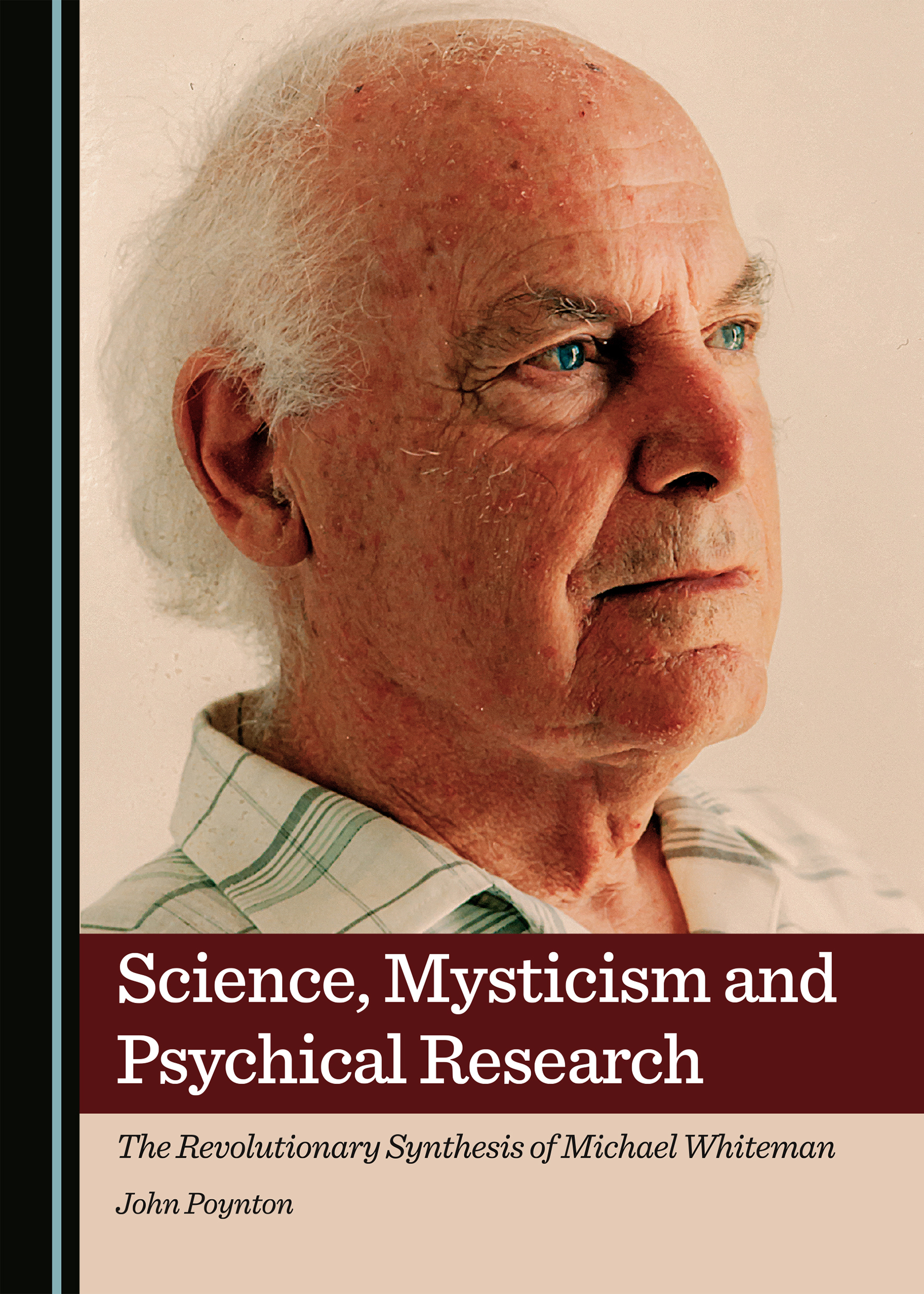
Science, Mysticism and Psychical Research
The Revolutionary Synthesis of Michael Whiteman
Science, mysticism, and psychical research are thought to be irreconcilable. This book reveals the revolutionary synthesis of mathematician Michael Whiteman, who fused modern physics with ancient mystical texts, informed by a lifetime of psychic experience.
Science, mysticism, and psychical research are thought to be irreconcilable. This book reveals the revolutionary synthesis of mathematician Michael Whiteman, who fused modern physics with ancient mystical texts, informed by a lifetime of psychic experience.
View more
This product has multiple variants. The options may be chosen on the product page
View more
This product has multiple variants. The options may be chosen on the product page
£41.99
This book explores justice, ethics, and intercultural learning, arguing that cultural diversity is as critical for humankind as biodiversity is for nature. Adopting a pluralistic approach, readers will gain a greater understanding of culture, values, and identity.
This book explores justice, ethics, and intercultural learning, arguing that cultural diversity is as critical for humankind as biodiversity is for nature. Adopting a pluralistic approach, readers will gain a greater understanding of culture, values, and identity.
View more
This product has multiple variants. The options may be chosen on the product page
View more
This product has multiple variants. The options may be chosen on the product page
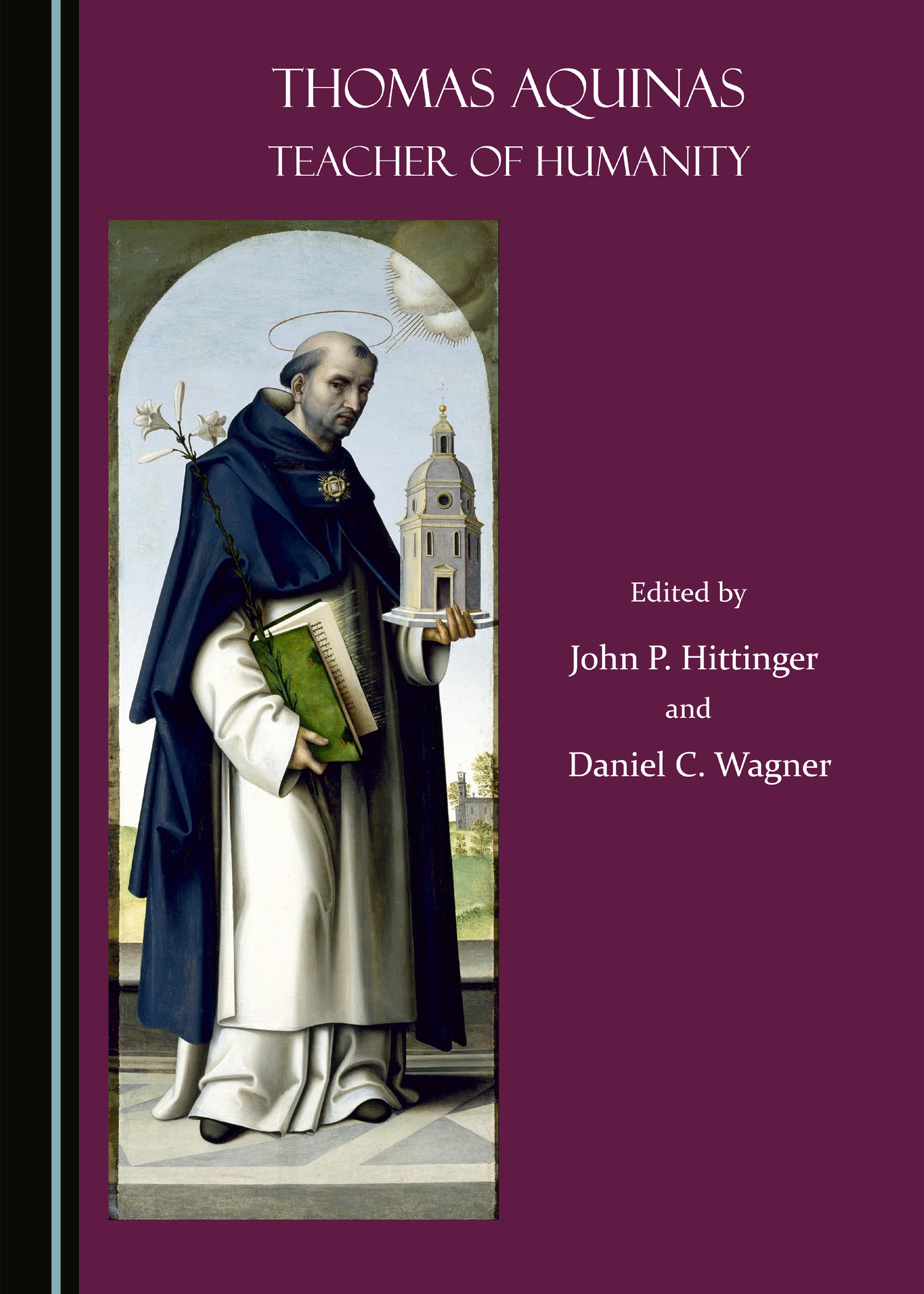
Thomas Aquinas
Teacher of Humanity
John Paul II called Thomas Aquinas a “Doctor of Humanity” for affirming human dignity. This collection of papers explores the philosophical and theological thought of both men, applying their wisdom to challenges from political praxis to transhumanism.
John Paul II called Thomas Aquinas a “Doctor of Humanity” for affirming human dignity. This collection of papers explores the philosophical and theological thought of both men, applying their wisdom to challenges from political praxis to transhumanism.
View more
This product has multiple variants. The options may be chosen on the product page
View more
This product has multiple variants. The options may be chosen on the product page
£39.99
This book offers a cross-cultural and interdisciplinary approach to timeless questions. It explores the nature of reality, how we can know it, and our moral obligations using insights from philosophy, religion, science, and psychology from East and West.
This book offers a cross-cultural and interdisciplinary approach to timeless questions. It explores the nature of reality, how we can know it, and our moral obligations using insights from philosophy, religion, science, and psychology from East and West.
View more
This product has multiple variants. The options may be chosen on the product page
View more
This product has multiple variants. The options may be chosen on the product page
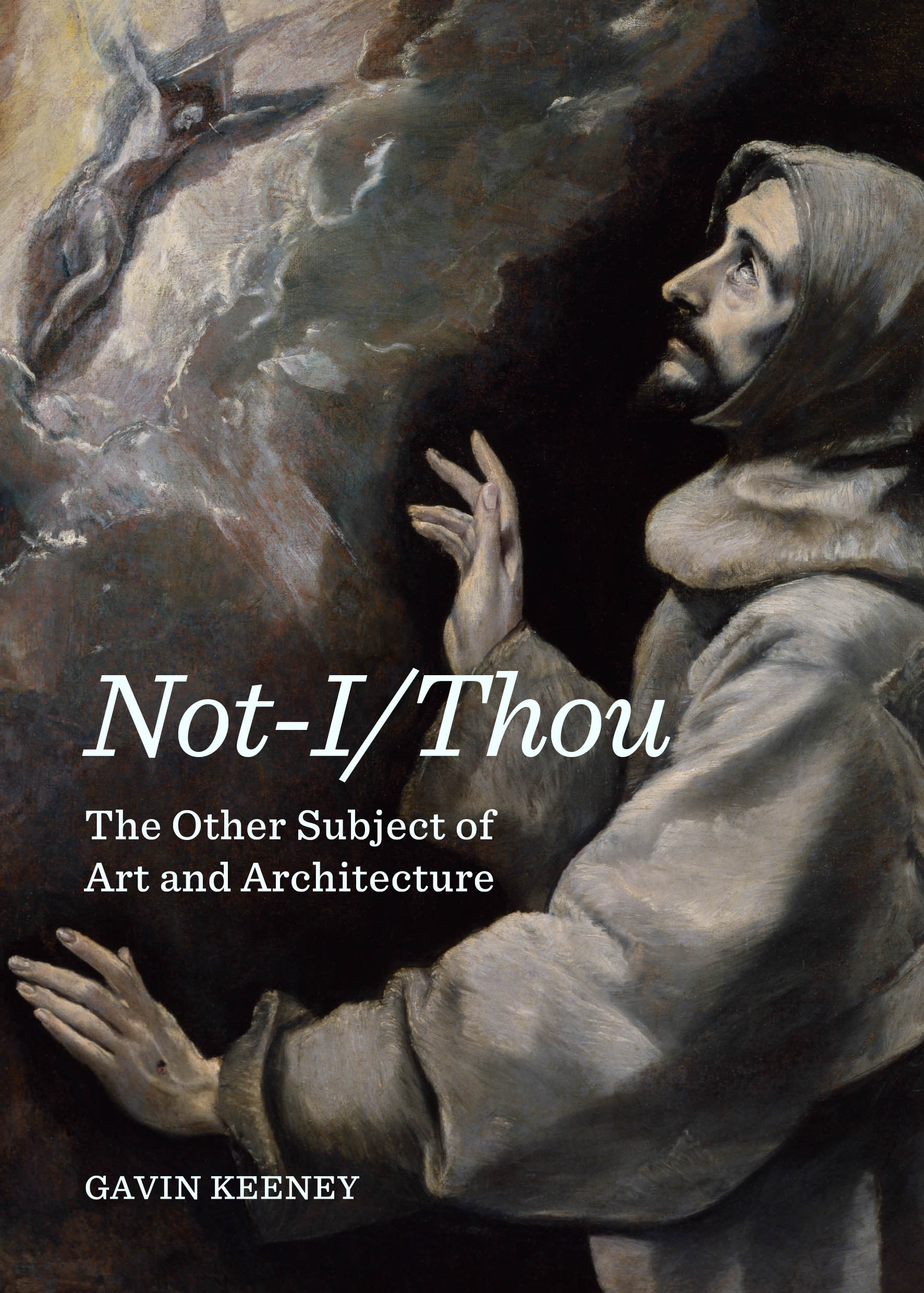
Not-I/Thou
The Other Subject of Art and Architecture
In these essays, Art and Architecture emerge from the gray areas of cultural production as a type of knowledge with no utilitarian agency. They operate at the edge of authorized systems, quietly validating the shadowy and recondite operations of intellect.
In these essays, Art and Architecture emerge from the gray areas of cultural production as a type of knowledge with no utilitarian agency. They operate at the edge of authorized systems, quietly validating the shadowy and recondite operations of intellect.
View more
This product has multiple variants. The options may be chosen on the product page
View more
This product has multiple variants. The options may be chosen on the product page
£44.99
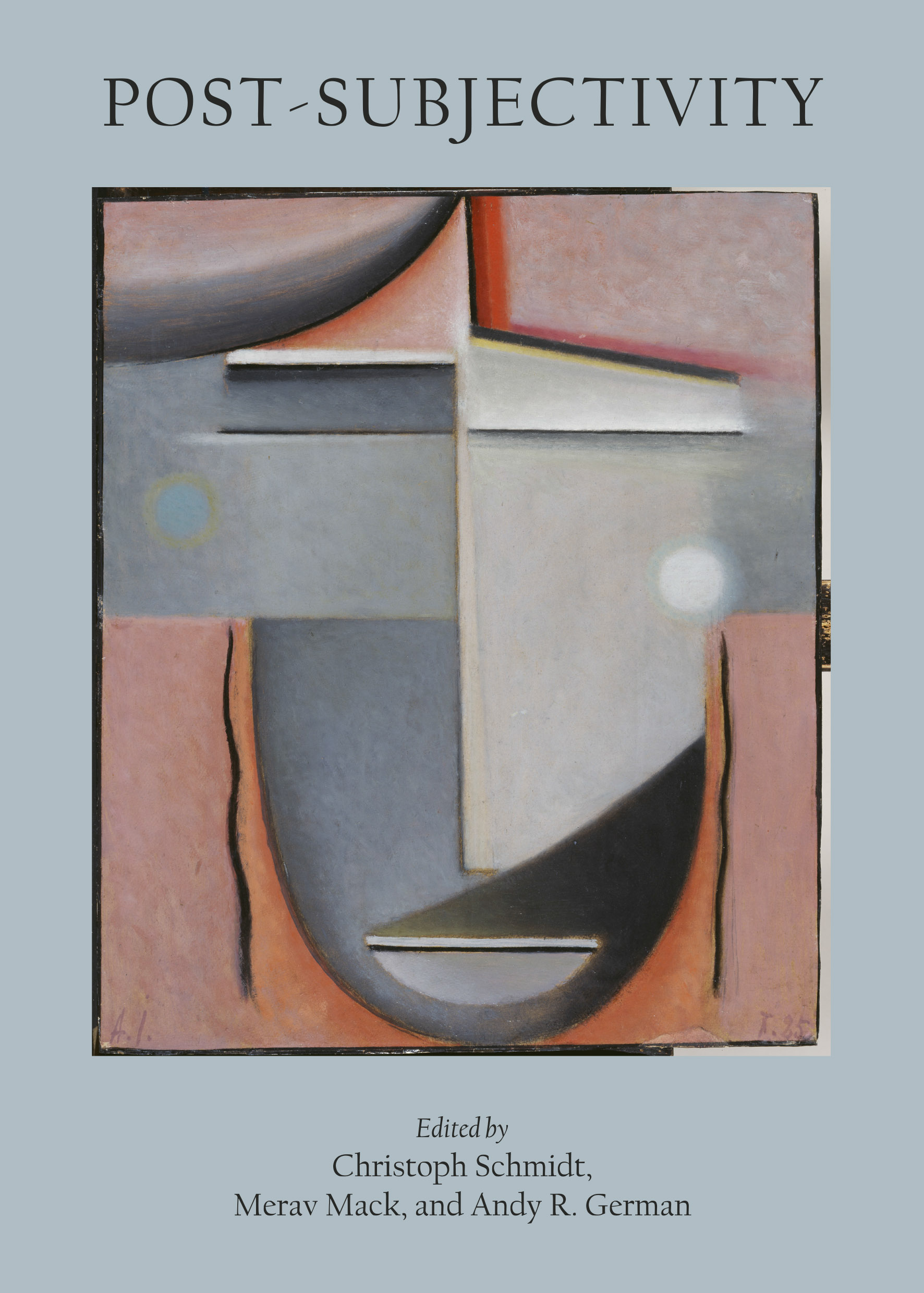
As modern thinkers declare the “death of the subject,” this volume searches for new ways of being a self. With renewed attention to religion, these essays guide readers beyond the crises of modernity to resurrect the subject in new and unexpected forms.
As modern thinkers declare the “death of the subject,” this volume searches for new ways of being a self. With renewed attention to religion, these essays guide readers beyond the crises of modernity to resurrect the subject in new and unexpected forms.
View more
This product has multiple variants. The options may be chosen on the product page
View more
This product has multiple variants. The options may be chosen on the product page
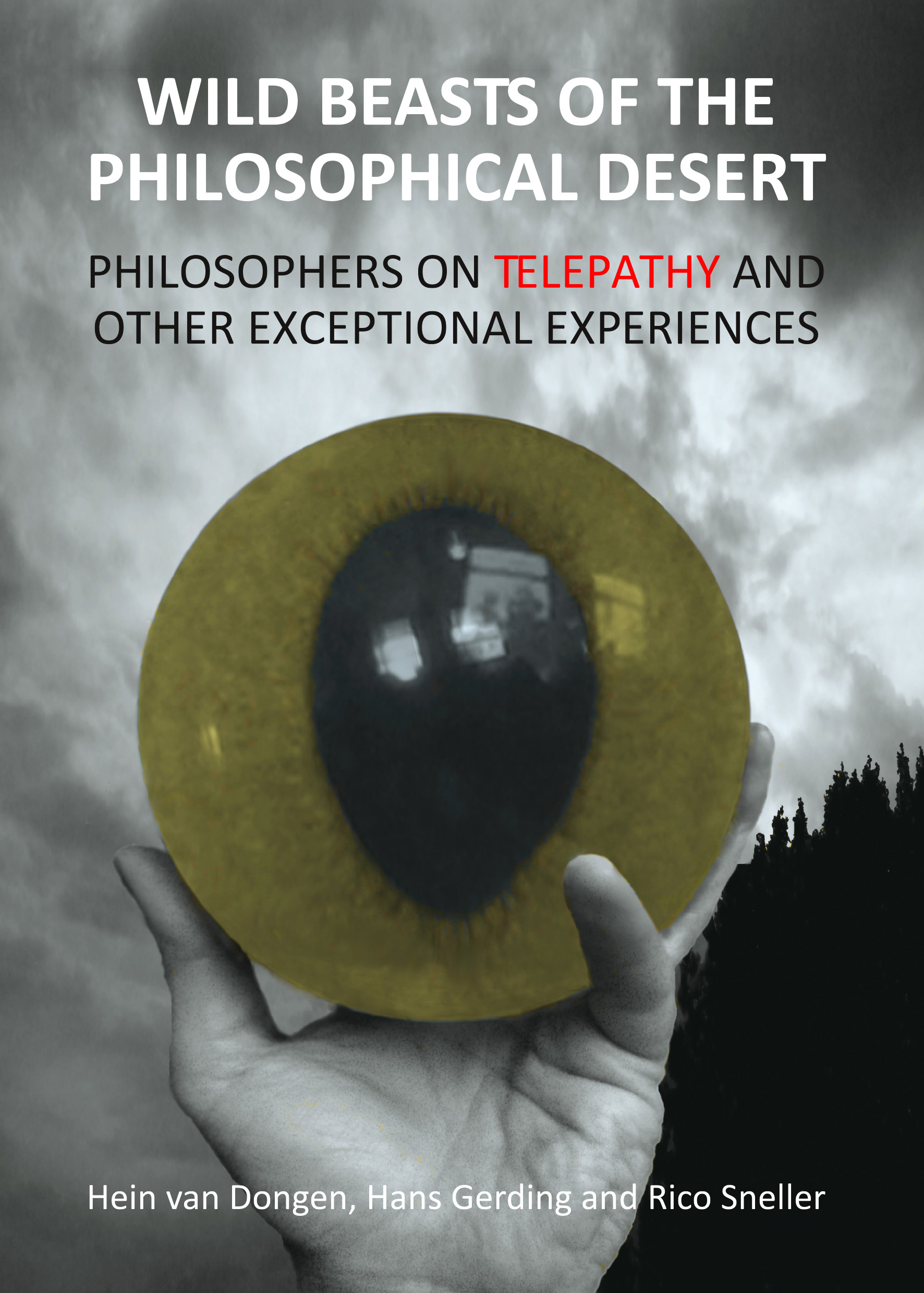
Wild Beasts of the Philosophical Desert
Philosophers on Telepathy and Other Exceptional Experiences
Though paranormal experiences are rarely taken seriously, this book demonstrates that to important philosophers—from Kant to Derrida—controversial phenomena like telepathy and clairvoyance were serious topics, thoughtfully interpreted.
Though paranormal experiences are rarely taken seriously, this book demonstrates that to important philosophers—from Kant to Derrida—controversial phenomena like telepathy and clairvoyance were serious topics, thoughtfully interpreted.
View more
This product has multiple variants. The options may be chosen on the product page
View more
This product has multiple variants. The options may be chosen on the product page
Hegel’s Philosophy of Universal Reconciliation
Logic as Form of the World
In this final volume on Hegel as theologian, we discover the reconciliation of Mind with itself as the nerve of Hegel’s thought. Subtitled “Logic as Form of the World,” this work identifies faith with rationality and man as the form of the world.
In this final volume on Hegel as theologian, we discover the reconciliation of Mind with itself as the nerve of Hegel’s thought. Subtitled “Logic as Form of the World,” this work identifies faith with rationality and man as the form of the world.
View more
This product has multiple variants. The options may be chosen on the product page
View more
This product has multiple variants. The options may be chosen on the product page
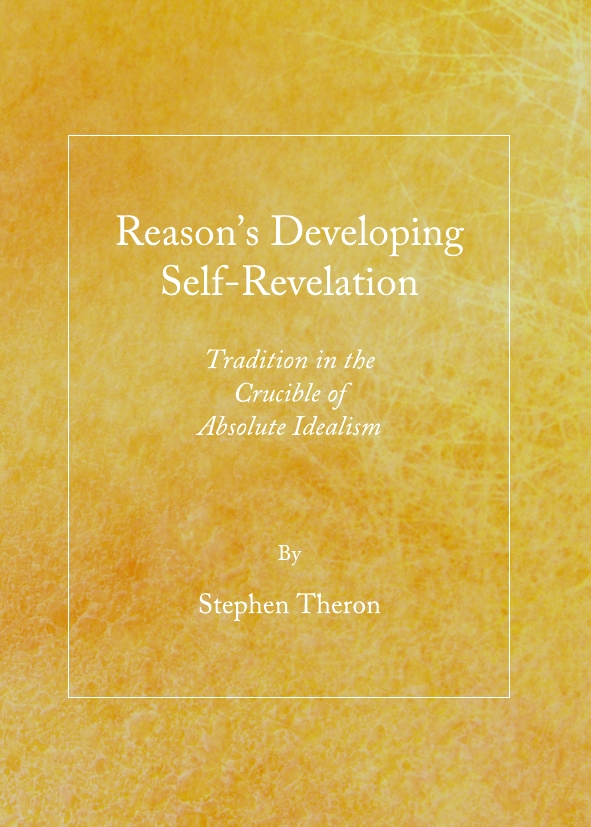
Reason’s Developing Self-Revelation
Tradition in the Crucible of Absolute Idealism
This book expounds Christianity as the unfolding of Reason’s Developing Self-Revelation. It frees orthodoxy from figurative representation, progressing through Hegelian Logic to a final question: “Christianity without (or within) God?”
This book expounds Christianity as the unfolding of Reason’s Developing Self-Revelation. It frees orthodoxy from figurative representation, progressing through Hegelian Logic to a final question: “Christianity without (or within) God?”
View more
This product has multiple variants. The options may be chosen on the product page
View more
This product has multiple variants. The options may be chosen on the product page
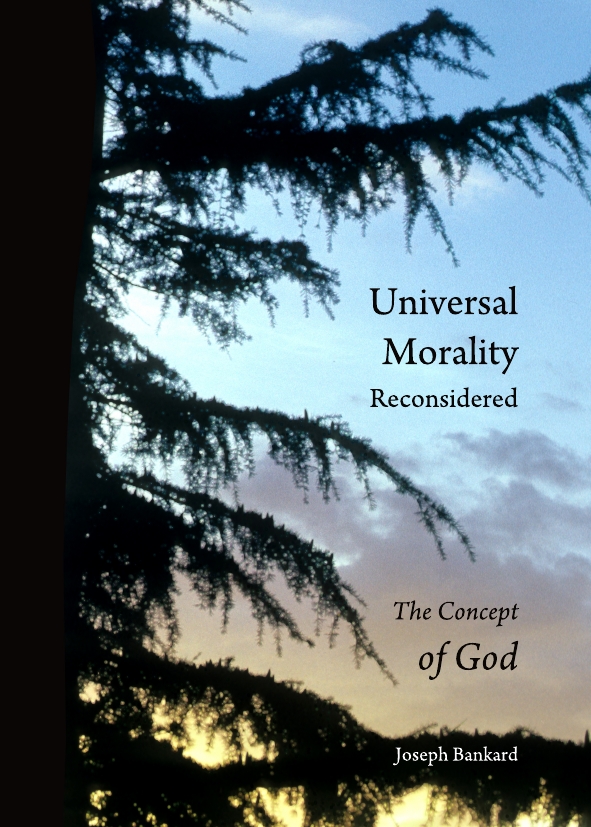
Universal Morality Reconsidered
The Concept of God
This book bridges the great divide in moral discourse. It argues that universal morality is most successful when grounded in God, and unlike other works, it successfully integrates the newest empirical research from the sciences into a theological framework.
This book bridges the great divide in moral discourse. It argues that universal morality is most successful when grounded in God, and unlike other works, it successfully integrates the newest empirical research from the sciences into a theological framework.
View more
This product has multiple variants. The options may be chosen on the product page
View more
This product has multiple variants. The options may be chosen on the product page
Applied Social Sciences
Philosophy and Theology
This volume provides original essays on philosophy and theology, exploring aesthetics, ethics, postmodernism, and the role of religion in society. Accessible to specialists and a wider public, it offers new ideas for professionals in the socio-humanistic field.
This volume provides original essays on philosophy and theology, exploring aesthetics, ethics, postmodernism, and the role of religion in society. Accessible to specialists and a wider public, it offers new ideas for professionals in the socio-humanistic field.
View more
This product has multiple variants. The options may be chosen on the product page
View more
This product has multiple variants. The options may be chosen on the product page
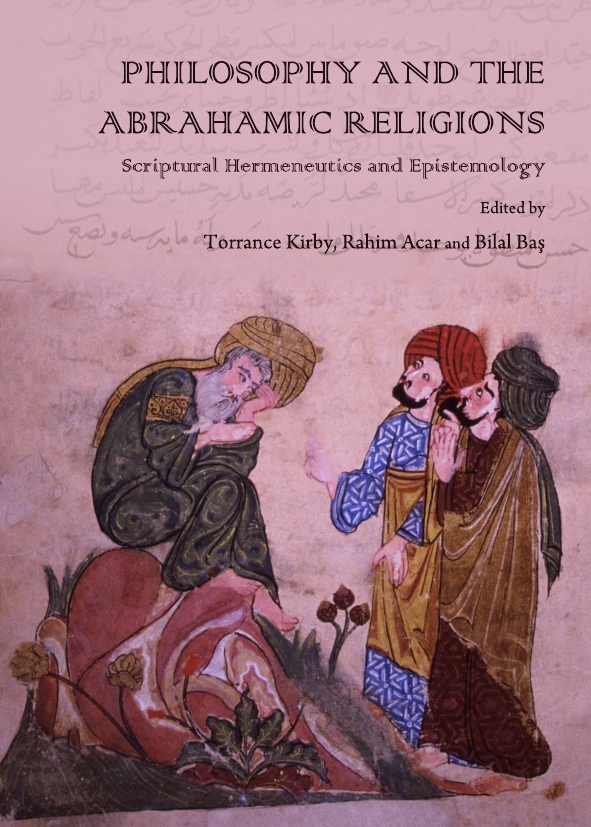
Philosophy and the Abrahamic Religions
Scriptural Hermeneutics and Epistemology
From Greco-Roman Antiquity, philosophy and religious thought were inseparably interwoven. These essays explore how the three Abrahamic religions interacted on the common ground of Greek philosophy, creating similar patterns of thought on crucial concepts.
From Greco-Roman Antiquity, philosophy and religious thought were inseparably interwoven. These essays explore how the three Abrahamic religions interacted on the common ground of Greek philosophy, creating similar patterns of thought on crucial concepts.
View more
This product has multiple variants. The options may be chosen on the product page
View more
This product has multiple variants. The options may be chosen on the product page
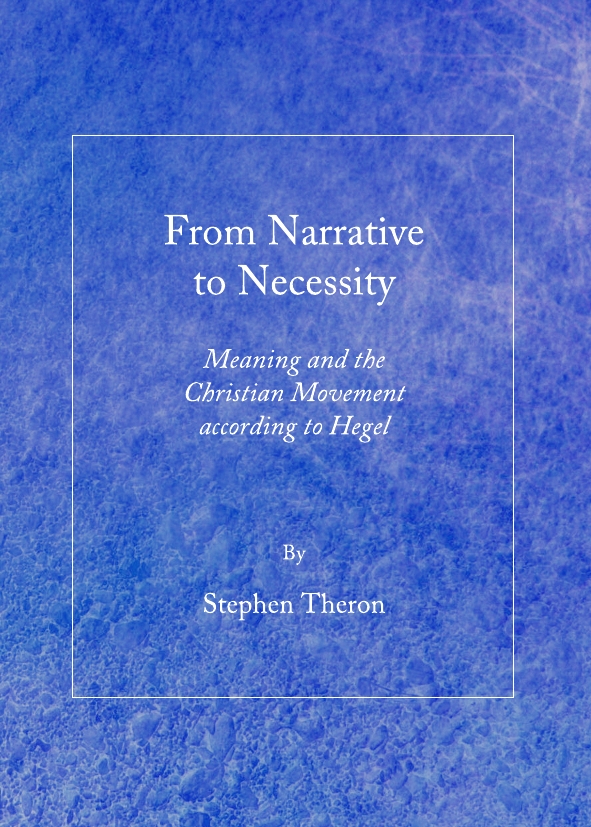
From Narrative to Necessity
Meaning and the Christian Movement according to Hegel
This book presents religion as intelligible metaphysics, reconciling faith and reason. It explores the philosophical implications of the Trinity, Creation, and Incarnation, correcting false views of divine transcendence where God is "all in all."
This book presents religion as intelligible metaphysics, reconciling faith and reason. It explores the philosophical implications of the Trinity, Creation, and Incarnation, correcting false views of divine transcendence where God is “all in all.”
View more
This product has multiple variants. The options may be chosen on the product page
View more
This product has multiple variants. The options may be chosen on the product page
£44.99
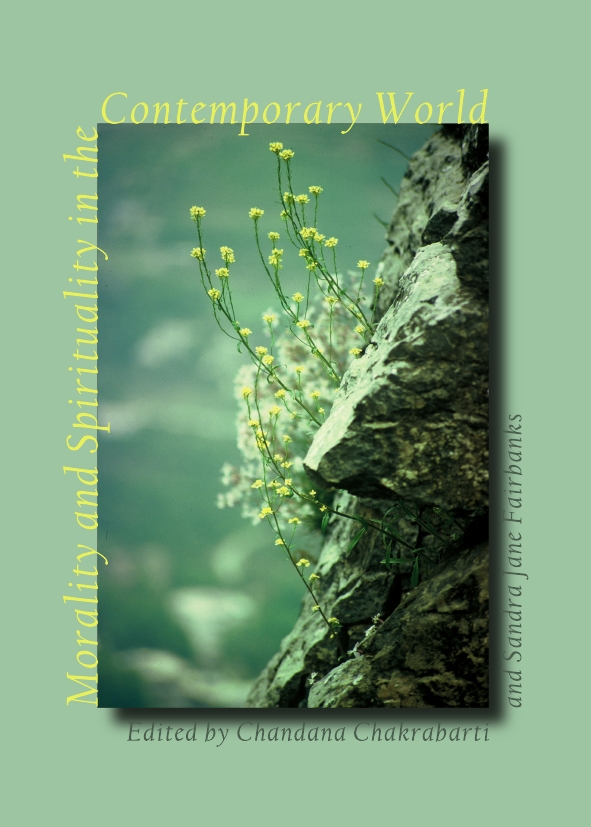
The world's deep-seated problems, from environmental crisis to social injustice, arise from technological society and structures of domination. This book offers guidance, providing a plurality of moral and spiritual perspectives to find reasonable responses.
The world’s deep-seated problems, from environmental crisis to social injustice, arise from technological society and structures of domination. This book offers guidance, providing a plurality of moral and spiritual perspectives to find reasonable responses.
View more
This product has multiple variants. The options may be chosen on the product page
View more
This product has multiple variants. The options may be chosen on the product page
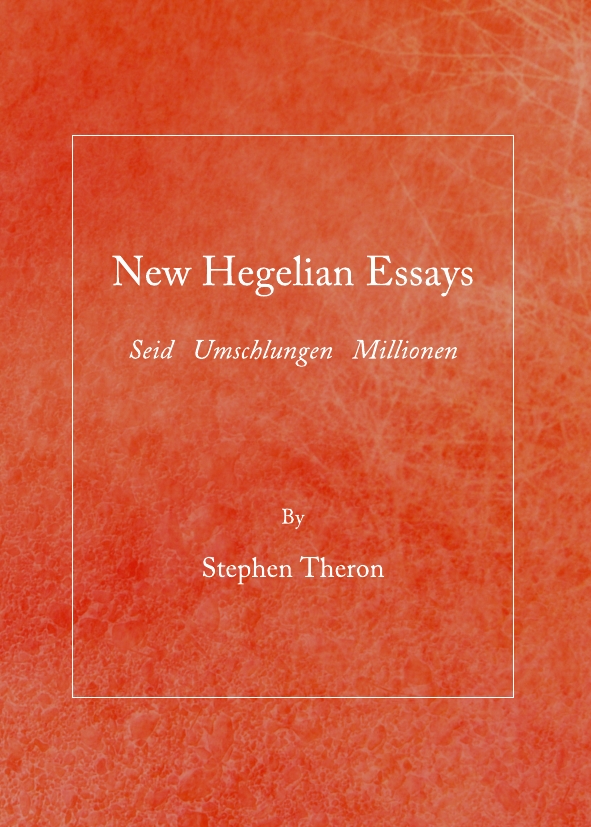
New Hegelian Essays
Seid Umschlungen Millionen
These essays show how Hegel’s philosophy overcomes religious dualisms, inserting Christian doctrine into the metaphysical tradition. To read Hegel is to participate in a divine “service,” a spiritual participation to which this text invites the reader.
These essays show how Hegel’s philosophy overcomes religious dualisms, inserting Christian doctrine into the metaphysical tradition. To read Hegel is to participate in a divine “service,” a spiritual participation to which this text invites the reader.
View more
This product has multiple variants. The options may be chosen on the product page
View more
This product has multiple variants. The options may be chosen on the product page
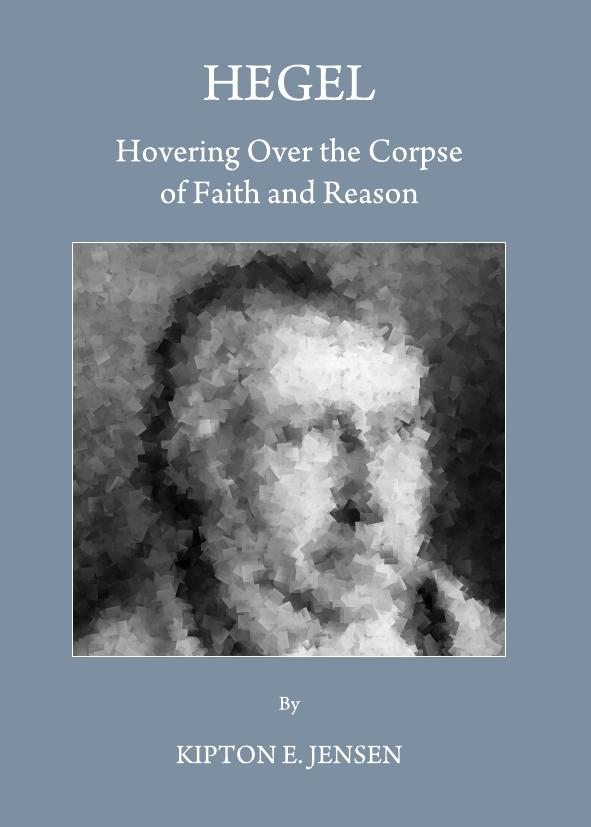
Hegel
Hovering Over the Corpse of Faith and Reason
This revisionist reading of Hegel’s essay, Faith and Knowledge, argues his critique of predecessors was no misreading. As a philosophical latecomer, Hegel appropriated the thought of his precursors with an eye toward overcoming them.
This revisionist reading of Hegel’s essay, Faith and Knowledge, argues his critique of predecessors was no misreading. As a philosophical latecomer, Hegel appropriated the thought of his precursors with an eye toward overcoming them.
View more
This product has multiple variants. The options may be chosen on the product page
Processing Your Order
Please wait while we securely process your order.
Do not refresh or leave this page.
You will be redirected shortly to a confirmation page with your order number.