
View more
This product has multiple variants. The options may be chosen on the product page
From £25.99
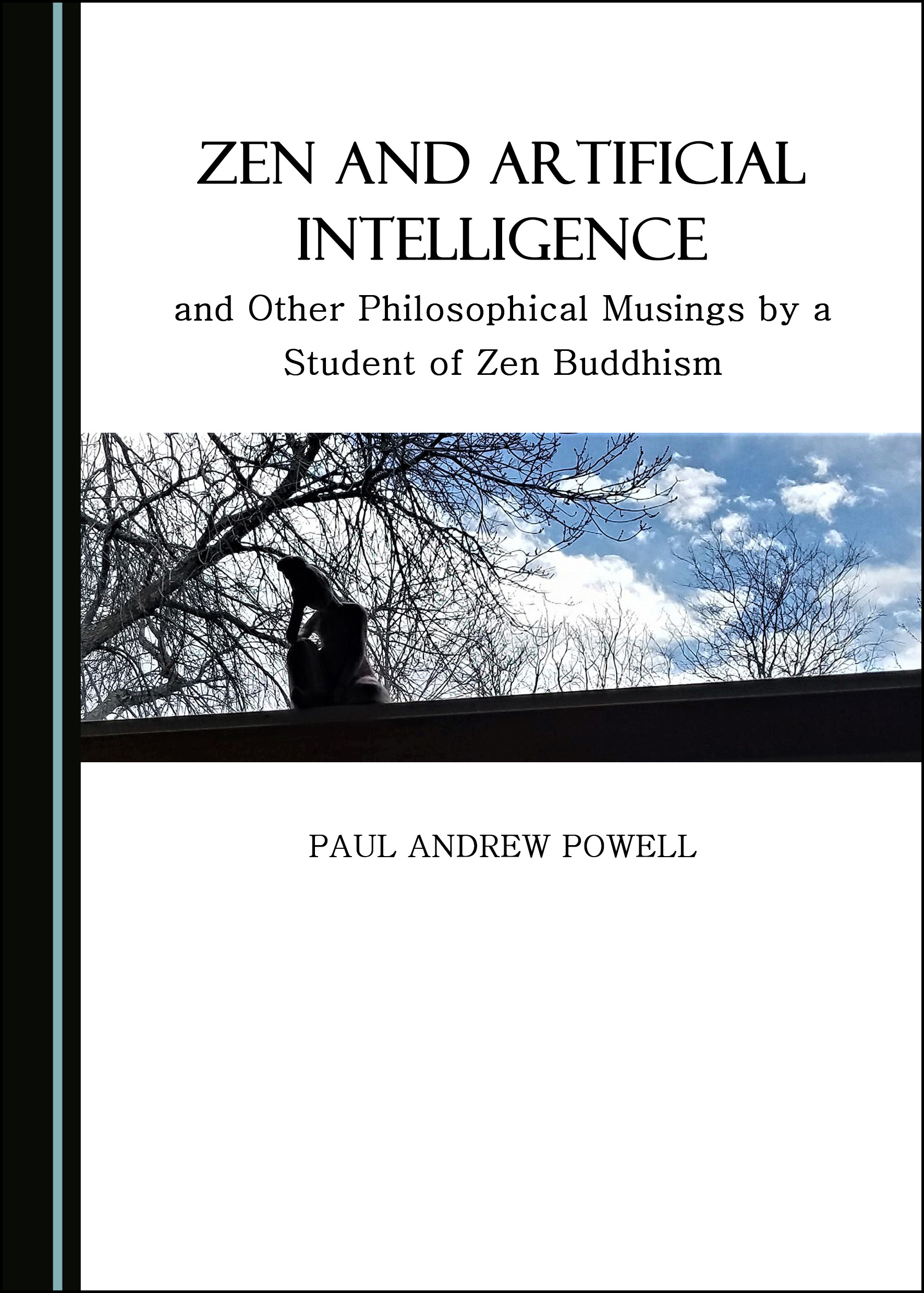
This collection of philosophical essays synthesizes Western culture and science with insights from Zen practice. It discusses provocative topics from The Lord of the Rings to artificial intelligence and consciousness. A stimulating tour that will challenge how you look at things.
This collection of philosophical essays synthesizes Western culture and science with insights from Zen practice. It discusses provocative topics from The Lord of the Rings to artificial intelligence and consciousness. A stimulating tour that will challenge how you look at things.
View more
This product has multiple variants. The options may be chosen on the product page
View more
This product has multiple variants. The options may be chosen on the product page
The World as Analogy of Absolute Mind
An Hegelian, Thomist and Aristotelico-Platonist Account
Can evolved thought grasp evolution itself? This book explores the Augustinian-Thomist heritage through Hegel, considering sacramental theology, original sin, grace, and linguistic representation, culminating in an examination of real presence in unreal nature.
Can evolved thought grasp evolution itself? This book explores the Augustinian-Thomist heritage through Hegel, considering sacramental theology, original sin, grace, and linguistic representation, culminating in an examination of real presence in unreal nature.
View more
This product has multiple variants. The options may be chosen on the product page
View more
This product has multiple variants. The options may be chosen on the product page
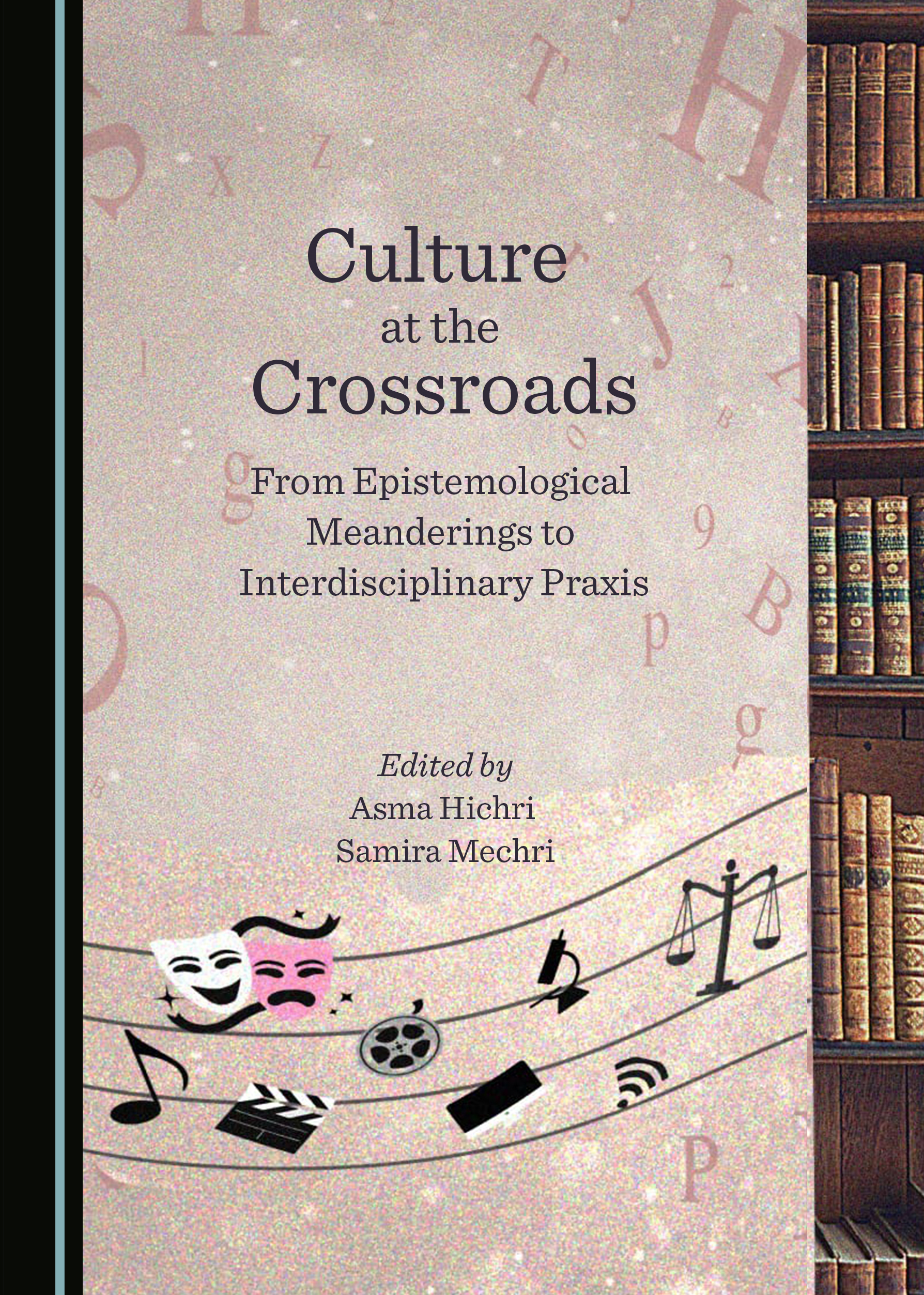
Culture at the Crossroads
From Epistemological Meanderings to Interdisciplinary Praxis
This collection explores the interfaces of culture, gender, and power. It moves beyond conventional conceptions to suggest a holistic view of culture that enacts the dynamics of power, nationality, class, gender, and ethnicity in an ever-shifting transnational context.
This collection explores the interfaces of culture, gender, and power. It moves beyond conventional conceptions to suggest a holistic view of culture that enacts the dynamics of power, nationality, class, gender, and ethnicity in an ever-shifting transnational context.
View more
This product has multiple variants. The options may be chosen on the product page
View more
This product has multiple variants. The options may be chosen on the product page
From £32.99
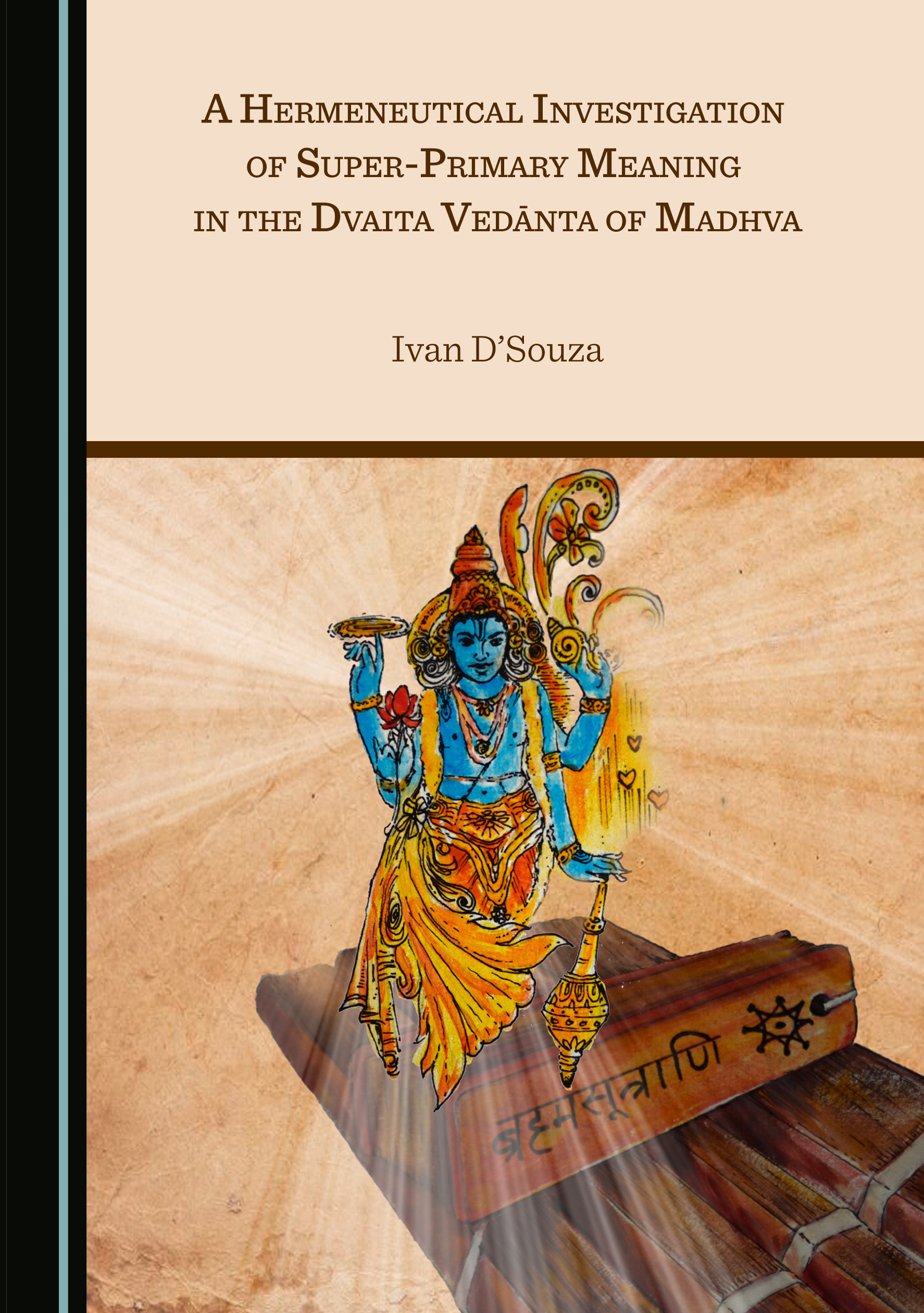
This study unearths the singular concept of “parama-mukhya-vṛtti” from the Dvaita Vedānta philosophy of Madhva. Discover the 12th-century thinker's unique hermeneutical technique used to establish Viṣṇu as the focus of Vedic writings and its relevance for any sacred text.
This study unearths the singular concept of “parama-mukhya-vṛtti” from the Dvaita Vedānta philosophy of Madhva. Discover the 12th-century thinker’s unique hermeneutical technique used to establish Viṣṇu as the focus of Vedic writings and its relevance for any sacred text.
View more
This product has multiple variants. The options may be chosen on the product page
View more
This product has multiple variants. The options may be chosen on the product page
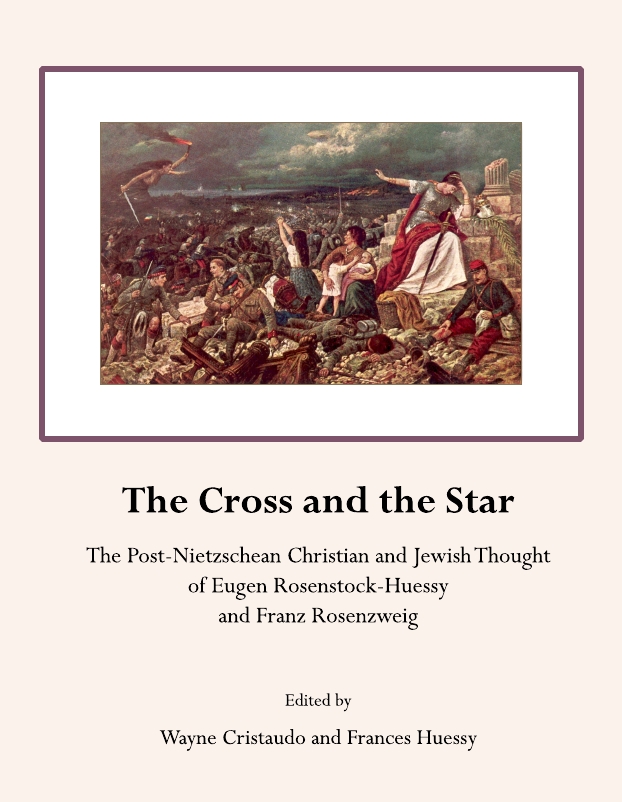
The Cross and the Star
The Post-Nietzschean Christian and Jewish Thought of Eugen Rosenstock-Huessy and Franz Rosenzweig
A conversation between Christian scholar Eugen Rosenstock-Huessy and Jewish thinker Franz Rosenzweig sparked a stunning dialogue. Confronting Nietzsche's critiques, their "new thinking" resurrected the redemptive cores of faith for the rejuvenation of society.
A conversation between Christian scholar Eugen Rosenstock-Huessy and Jewish thinker Franz Rosenzweig sparked a stunning dialogue. Confronting Nietzsche’s critiques, their “new thinking” resurrected the redemptive cores of faith for the rejuvenation of society.
View more
This product has multiple variants. The options may be chosen on the product page
View more
This product has multiple variants. The options may be chosen on the product page
Beyond Hope
Philosophical Reflections
This book argues for hope as a path beyond facile optimism and weary pessimism. Drawing on Western philosophy and Advaita Vedanta, it suggests that living from the Self, distinct from the ego, reveals a peace and bliss beyond both hope and happiness. A timely and wise book.
This book argues for hope as a path beyond facile optimism and weary pessimism. Drawing on Western philosophy and Advaita Vedanta, it suggests that living from the Self, distinct from the ego, reveals a peace and bliss beyond both hope and happiness. A timely and wise book.
View more
This product has multiple variants. The options may be chosen on the product page
View more
This product has multiple variants. The options may be chosen on the product page
Analogies and Models in Science and Theology
A Study of Mary Hesse
This book uses Hesse’s Network Model of Theory to debunk scientism and argue for the indispensability of socio-cultural and theological values in the search for objective knowledge. It shows how both science and theology rely on interpretation, models, and metaphor.
This book uses Hesse’s Network Model of Theory to debunk scientism and argue for the indispensability of socio-cultural and theological values in the search for objective knowledge. It shows how both science and theology rely on interpretation, models, and metaphor.
View more
This product has multiple variants. The options may be chosen on the product page
View more
This product has multiple variants. The options may be chosen on the product page
£58.99
For Thomas Aquinas, ethics is not a set of moral precepts but the cultivation of virtues for human flourishing. Natural law, reflecting the eternal, is awakened within us. Crowned by faith, hope, and love, this vision is summed up in the Beatitudes.
For Thomas Aquinas, ethics is not a set of moral precepts but the cultivation of virtues for human flourishing. Natural law, reflecting the eternal, is awakened within us. Crowned by faith, hope, and love, this vision is summed up in the Beatitudes.
View more
This product has multiple variants. The options may be chosen on the product page
View more
This product has multiple variants. The options may be chosen on the product page
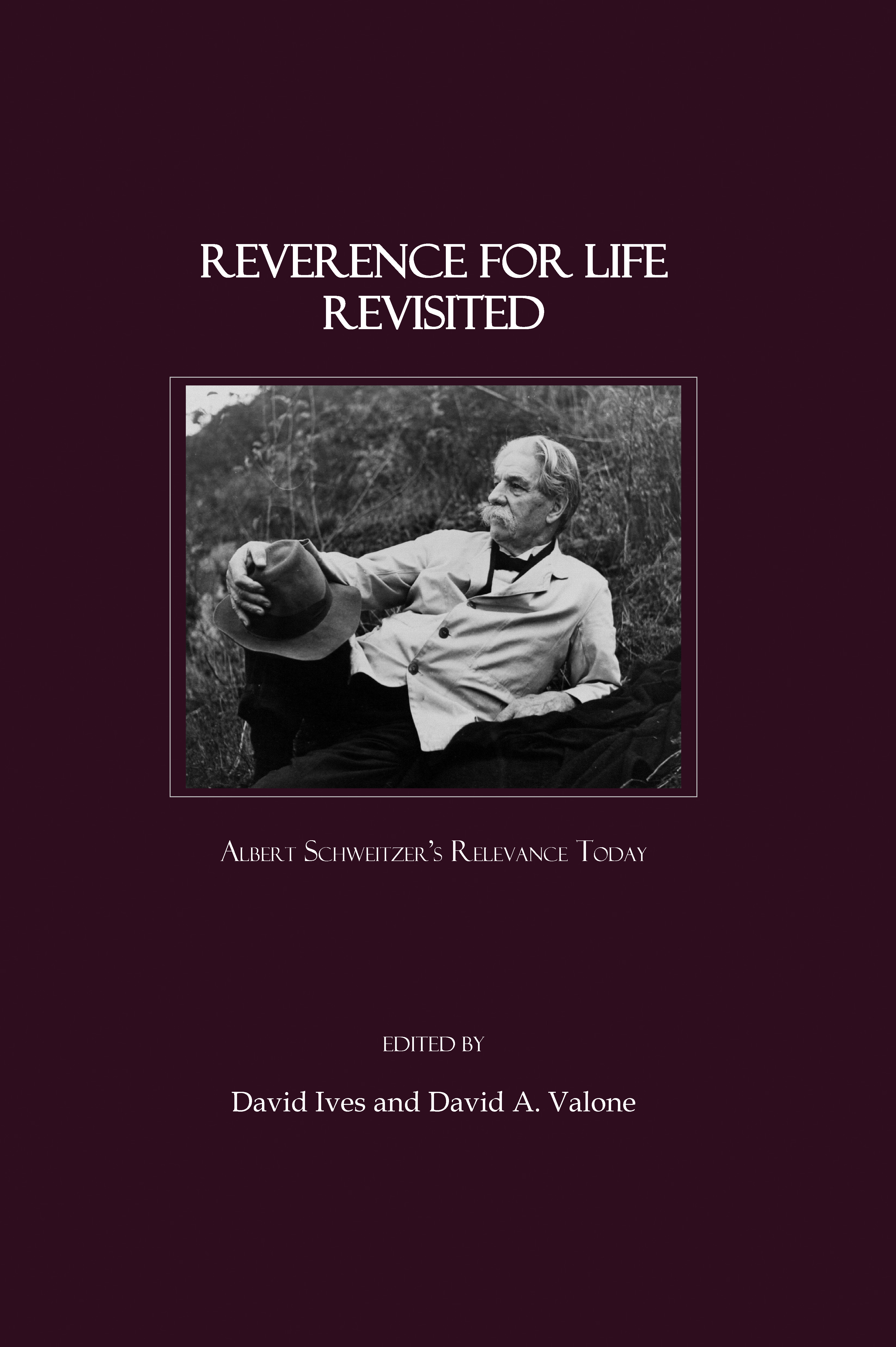
Reverence for Life Revisited
Albert Schweitzer's Relevance Today
This book's essays re-examine Albert Schweitzer's life and his "Reverence for Life" philosophy, assessing its relevance for the twenty-first century. Featuring diverse perspectives, including from Jane Goodall, they explore applications to today's global issues.
This book’s essays re-examine Albert Schweitzer’s life and his “Reverence for Life” philosophy, assessing its relevance for the twenty-first century. Featuring diverse perspectives, including from Jane Goodall, they explore applications to today’s global issues.
View more
This product has multiple variants. The options may be chosen on the product page
View more
This product has multiple variants. The options may be chosen on the product page
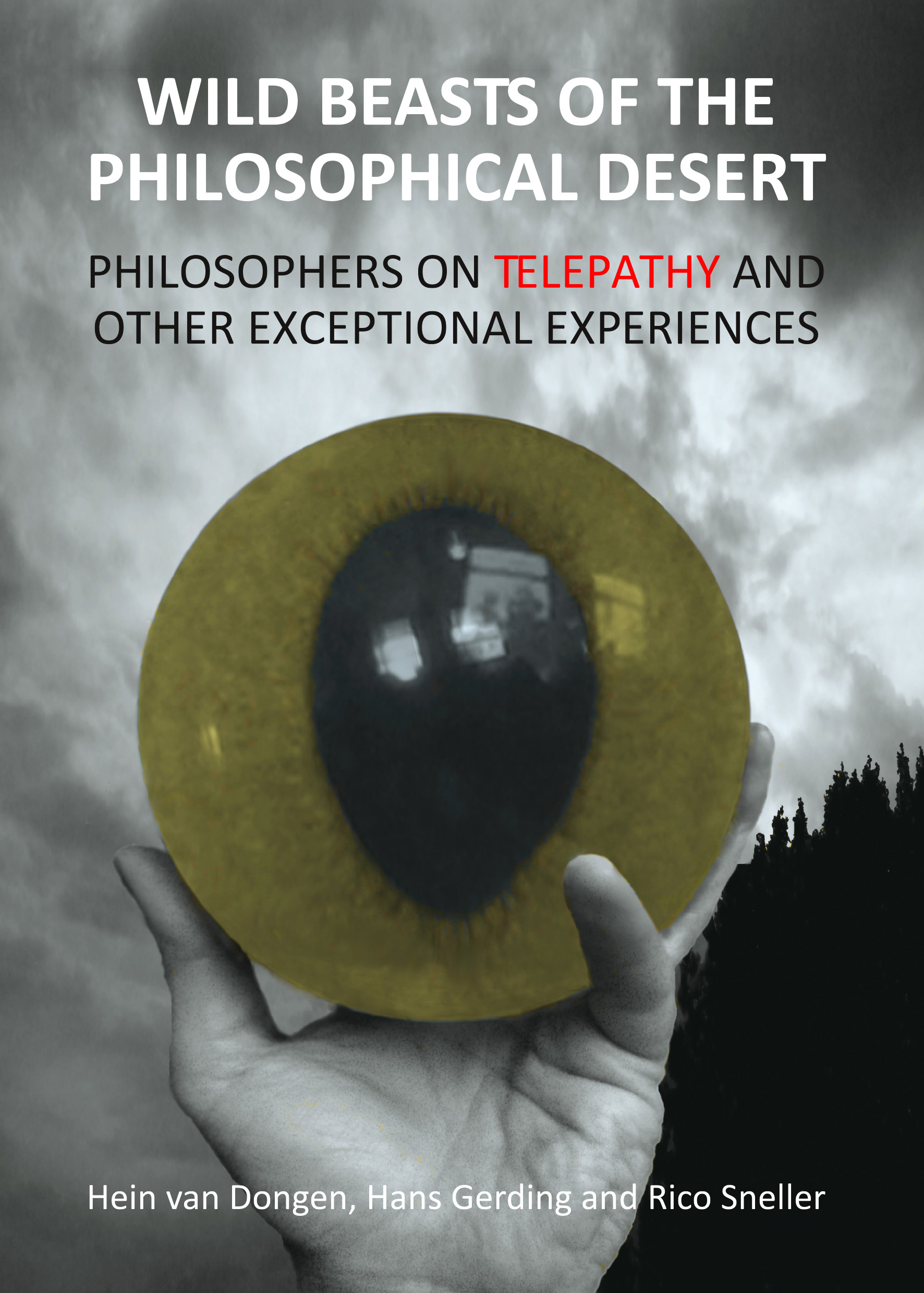
Wild Beasts of the Philosophical Desert
Philosophers on Telepathy and Other Exceptional Experiences
Though paranormal experiences are rarely taken seriously, this book demonstrates that to important philosophers—from Kant to Derrida—controversial phenomena like telepathy and clairvoyance were serious topics, thoughtfully interpreted.
Though paranormal experiences are rarely taken seriously, this book demonstrates that to important philosophers—from Kant to Derrida—controversial phenomena like telepathy and clairvoyance were serious topics, thoughtfully interpreted.
View more
This product has multiple variants. The options may be chosen on the product page
View more
This product has multiple variants. The options may be chosen on the product page
£61.99
Despite the enduring popularity of the works of Shadhiliyya master Ibn ‘Ata’ Allah, there has been no systematic analysis of his worldview. This book is the first study to highlight the interconnections in his writings, building a new understanding of his Sufism.
Despite the enduring popularity of the works of Shadhiliyya master Ibn ‘Ata’ Allah, there has been no systematic analysis of his worldview. This book is the first study to highlight the interconnections in his writings, building a new understanding of his Sufism.
View more
This product has multiple variants. The options may be chosen on the product page
View more
This product has multiple variants. The options may be chosen on the product page
Kant’s Shorter Writings
Critical Paths Outside the Critiques
Spanning the entire intellectual career of Kant, this work highlights the importance of the thinker’s shorter writings. It contrasts with other such studies of his work, which typically focus on a specific part of his career, and on either his theoretical or practical philosophy.
Spanning the entire intellectual career of Kant, this work highlights the importance of the thinker’s shorter writings. It contrasts with other such studies of his work, which typically focus on a specific part of his career, and on either his theoretical or practical philosophy.
View more
This product has multiple variants. The options may be chosen on the product page
View more
This product has multiple variants. The options may be chosen on the product page
£34.99
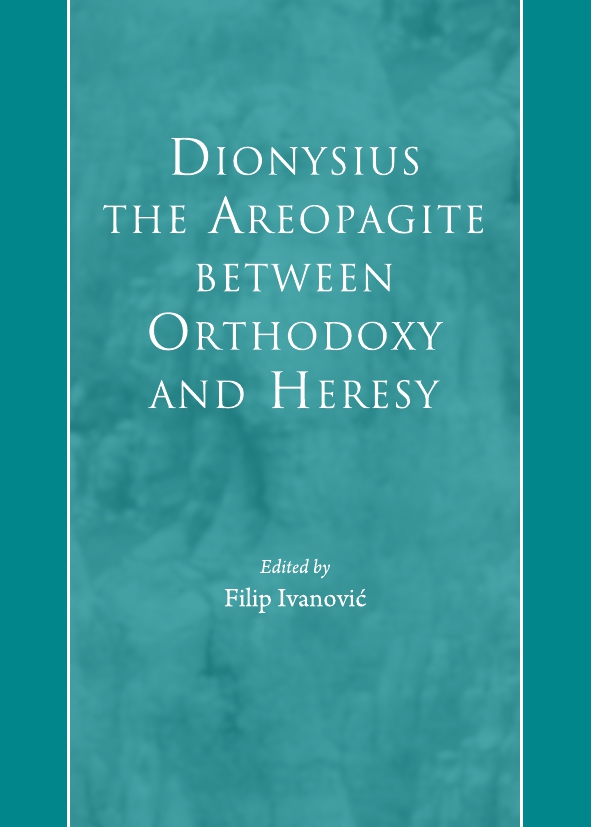
This book explores the thought of Dionysius the Areopagite, a controversial figure who masterfully integrated pagan Neoplatonic philosophy with Christian theology. It examines his sources and offers insights into the original points of his philosophy.
This book explores the thought of Dionysius the Areopagite, a controversial figure who masterfully integrated pagan Neoplatonic philosophy with Christian theology. It examines his sources and offers insights into the original points of his philosophy.
View more
This product has multiple variants. The options may be chosen on the product page
View more
This product has multiple variants. The options may be chosen on the product page
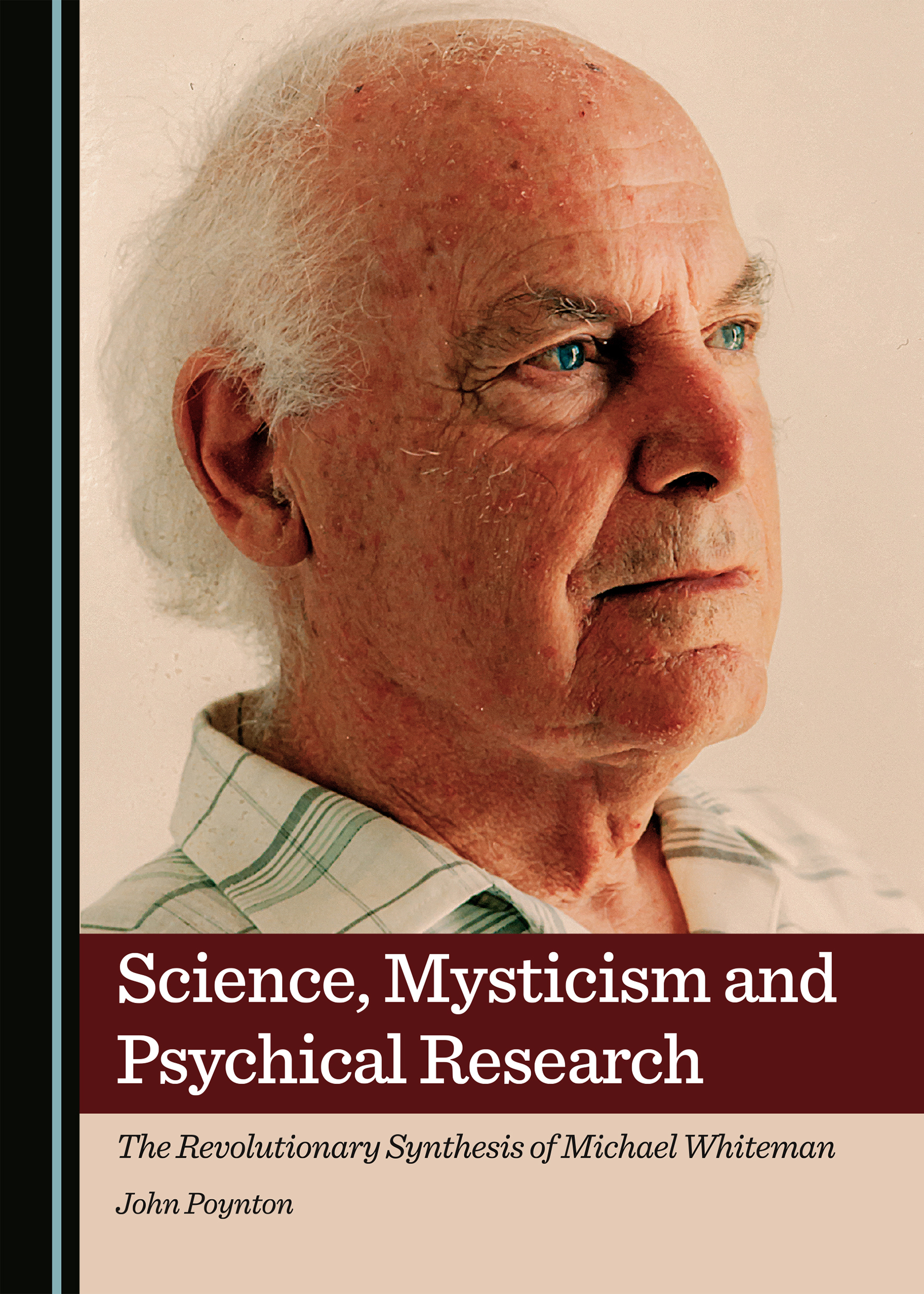
Science, Mysticism and Psychical Research
The Revolutionary Synthesis of Michael Whiteman
Science, mysticism, and psychical research are thought to be irreconcilable. This book reveals the revolutionary synthesis of mathematician Michael Whiteman, who fused modern physics with ancient mystical texts, informed by a lifetime of psychic experience.
Science, mysticism, and psychical research are thought to be irreconcilable. This book reveals the revolutionary synthesis of mathematician Michael Whiteman, who fused modern physics with ancient mystical texts, informed by a lifetime of psychic experience.
View more
This product has multiple variants. The options may be chosen on the product page
View more
This product has multiple variants. The options may be chosen on the product page
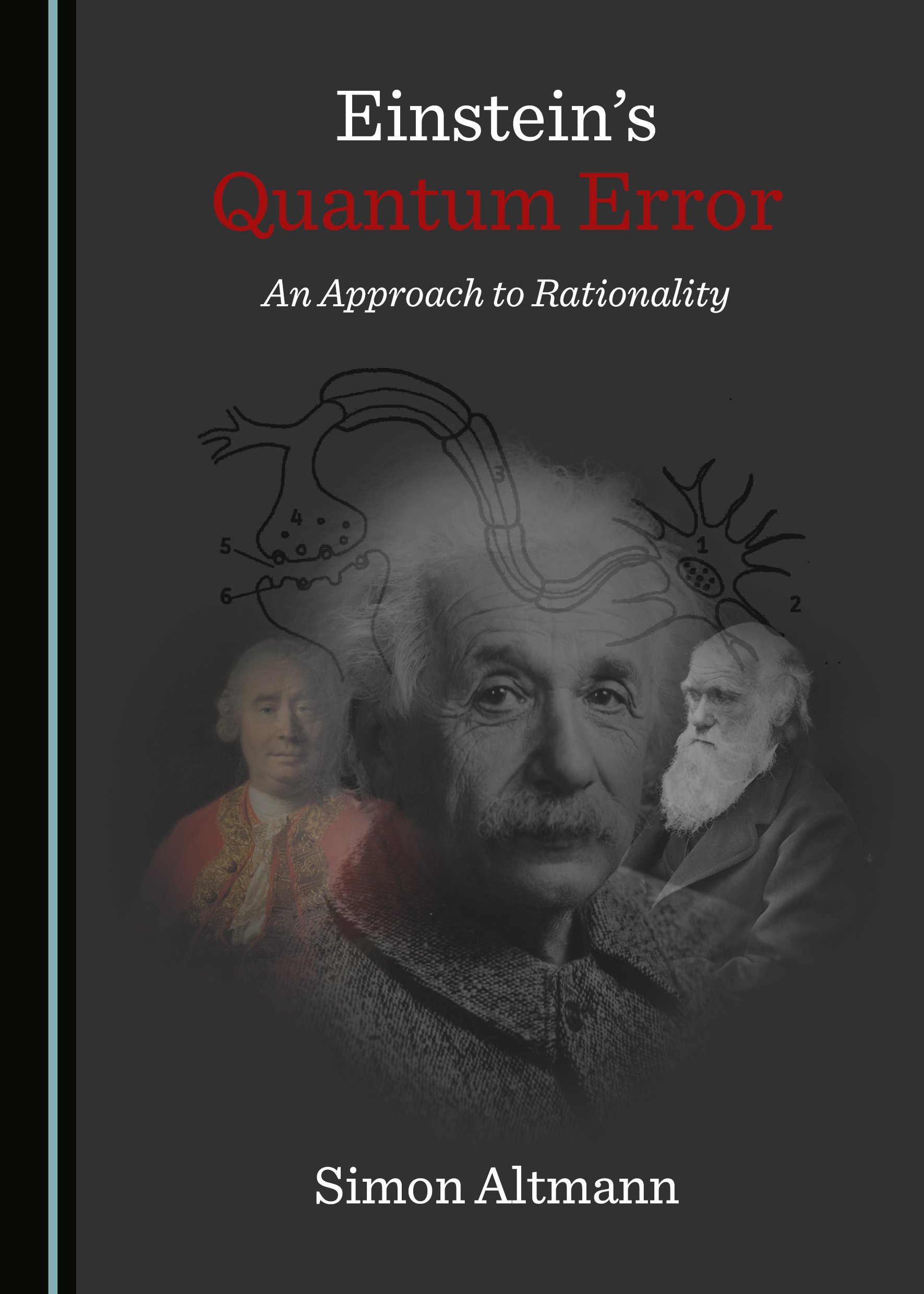
Einstein’s Quantum Error
An Approach to Rationality
What is it to be rational? This book argues that rational principles are not absolutes, but are empirically justified. It shows how principles like causality reflect our brain’s evolved structure, which parallels the physical world, and confronts modern attacks on science.
What is it to be rational? This book argues that rational principles are not absolutes, but are empirically justified. It shows how principles like causality reflect our brain’s evolved structure, which parallels the physical world, and confronts modern attacks on science.
View more
This product has multiple variants. The options may be chosen on the product page
View more
This product has multiple variants. The options may be chosen on the product page
£57.99
Theron presents what Hegel calls “the vital spirit of the actual world”, the truth, namely, of logic’s form and content as one concrete whole. He operates from the view that thinking is necessarily free and unbounded, if we escape a performative contradiction in evaluating it.
Theron presents what Hegel calls “the vital spirit of the actual world”, the truth, namely, of logic’s form and content as one concrete whole. He operates from the view that thinking is necessarily free and unbounded, if we escape a performative contradiction in evaluating it.
View more
This product has multiple variants. The options may be chosen on the product page
View more
This product has multiple variants. The options may be chosen on the product page
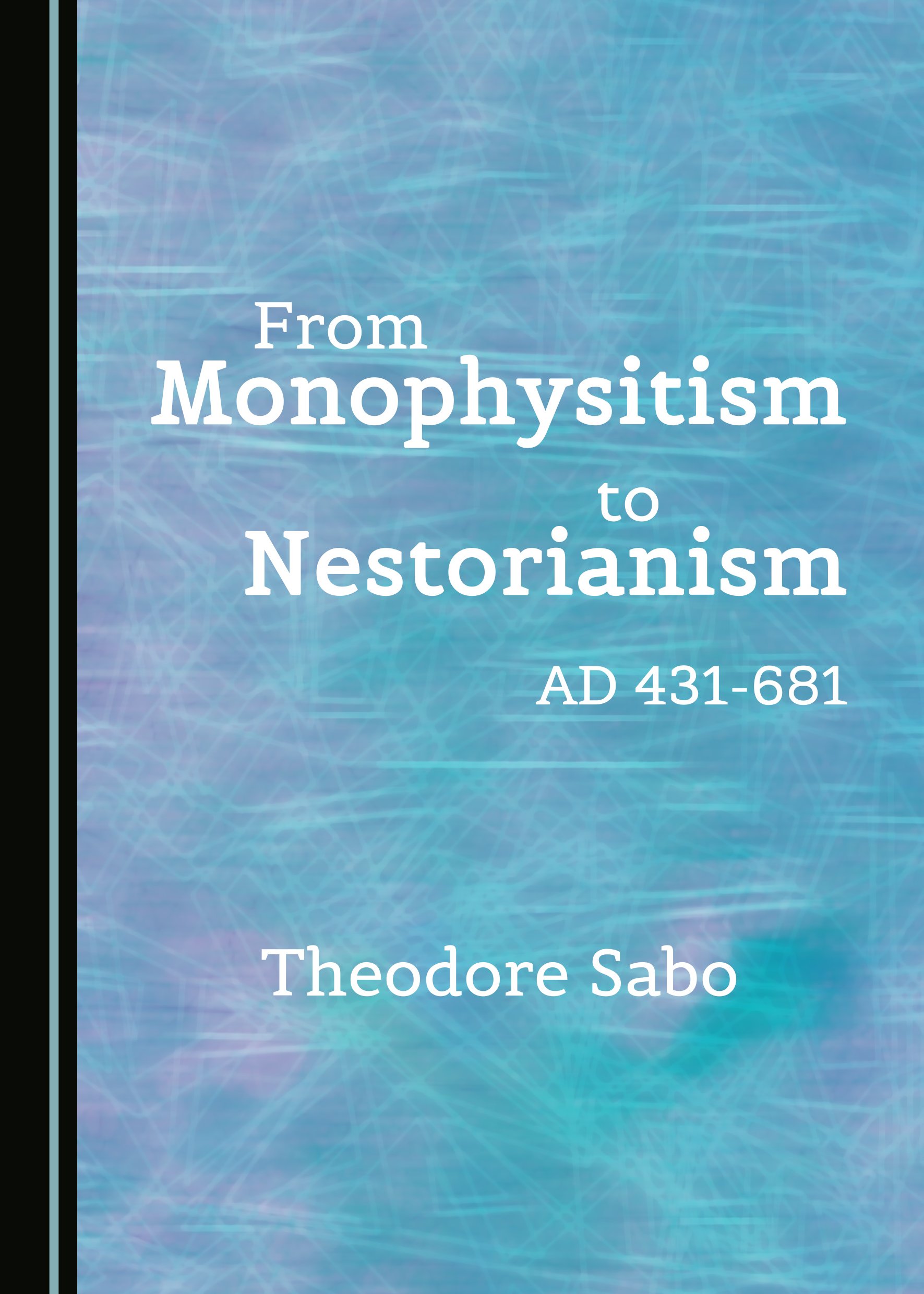
From Monophysitism to Nestorianism
AD 431-681
This book argues that early orthodoxy was not a linear progression. Instead, the church navigated the narrow strait between Nestorianism and Monophysitism by continually changing sides in the Ecumenical Councils, ultimately outwitting both heresies to forge its own path.
This book argues that early orthodoxy was not a linear progression. Instead, the church navigated the narrow strait between Nestorianism and Monophysitism by continually changing sides in the Ecumenical Councils, ultimately outwitting both heresies to forge its own path.
View more
This product has multiple variants. The options may be chosen on the product page
View more
This product has multiple variants. The options may be chosen on the product page
From £35.99
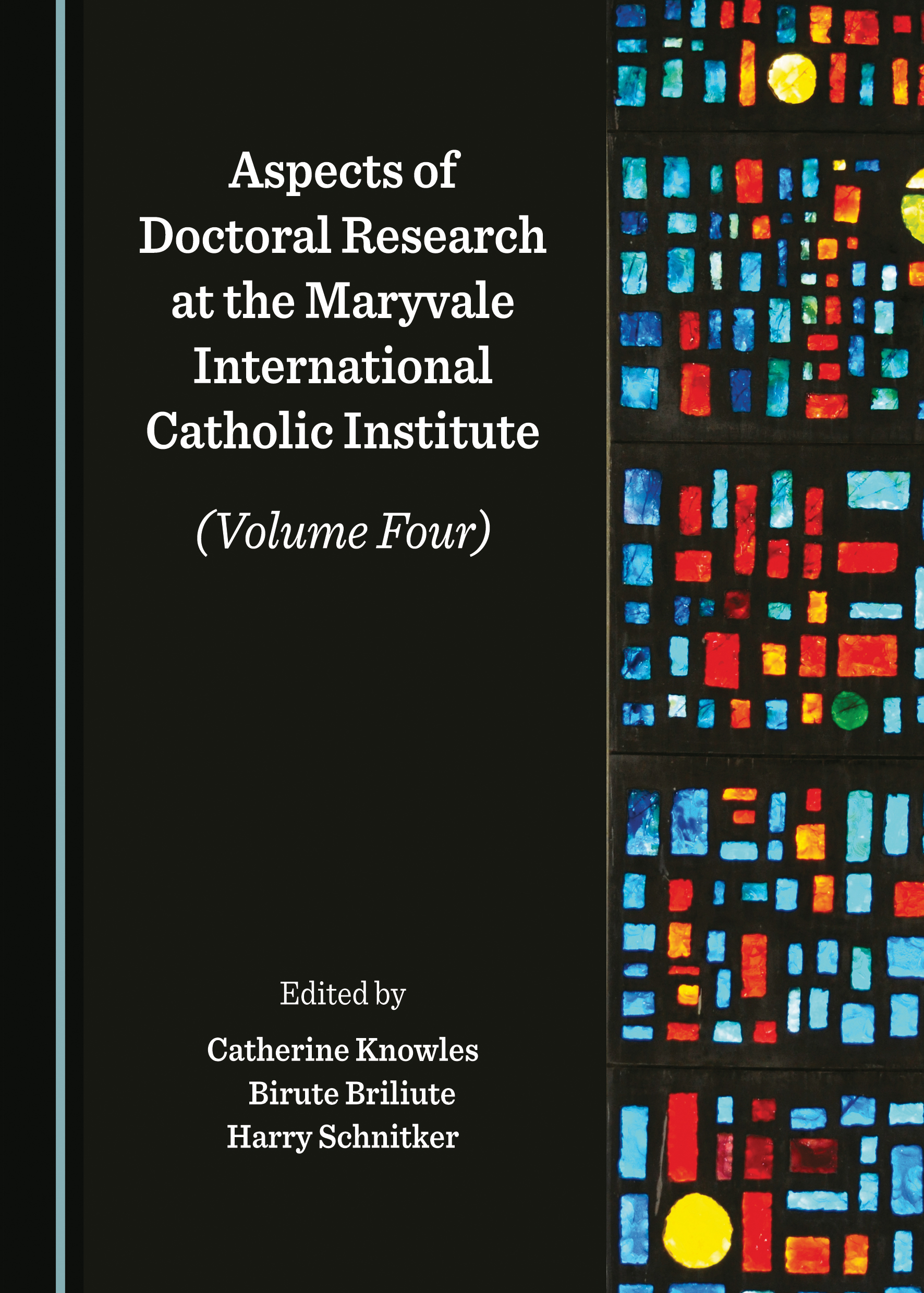
This collection of doctoral essays in Catholic Studies shines new light on age-old issues and offers opportunities for dialogue with the contemporary world. Inspired by St. John Henry Newman’s vision of faith and reason, these works cover theology, ethics, history, and more.
This collection of doctoral essays in Catholic Studies shines new light on age-old issues and offers opportunities for dialogue with the contemporary world. Inspired by St. John Henry Newman’s vision of faith and reason, these works cover theology, ethics, history, and more.
View more
This product has multiple variants. The options may be chosen on the product page
View more
This product has multiple variants. The options may be chosen on the product page
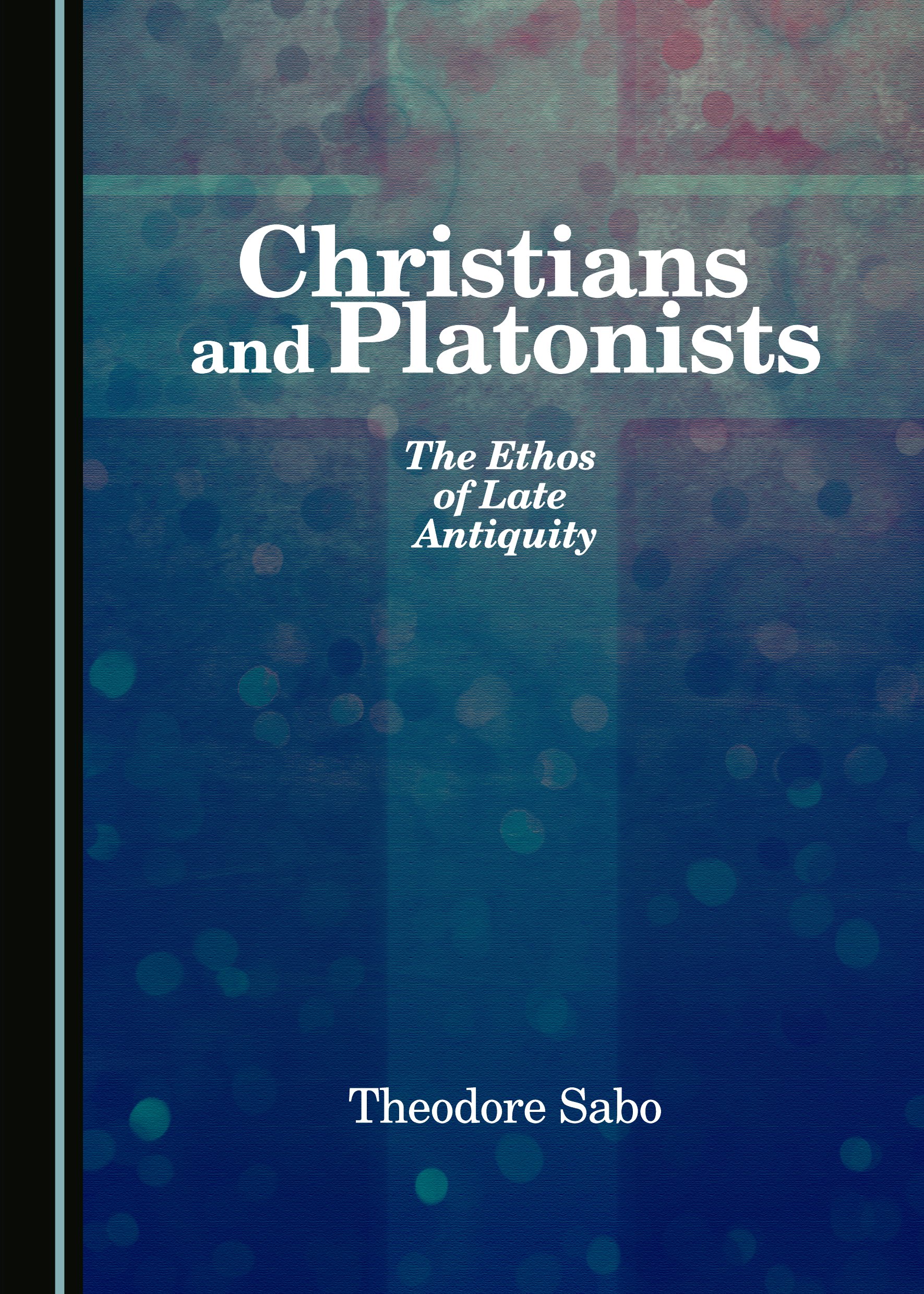
Christians and Platonists
The Ethos of Late Antiquity
Theodore Sabo examines the distaste towards matter and the body shared by Christians, Gnostics, and Platonists of late antiquity, looking at key terms like ethos, aiōn, and saeculum, and investigating the individual beliefs of each school of philosophy.
Theodore Sabo examines the distaste towards matter and the body shared by Christians, Gnostics, and Platonists of late antiquity, looking at key terms like ethos, aiōn, and saeculum, and investigating the individual beliefs of each school of philosophy.
View more
This product has multiple variants. The options may be chosen on the product page
View more
This product has multiple variants. The options may be chosen on the product page
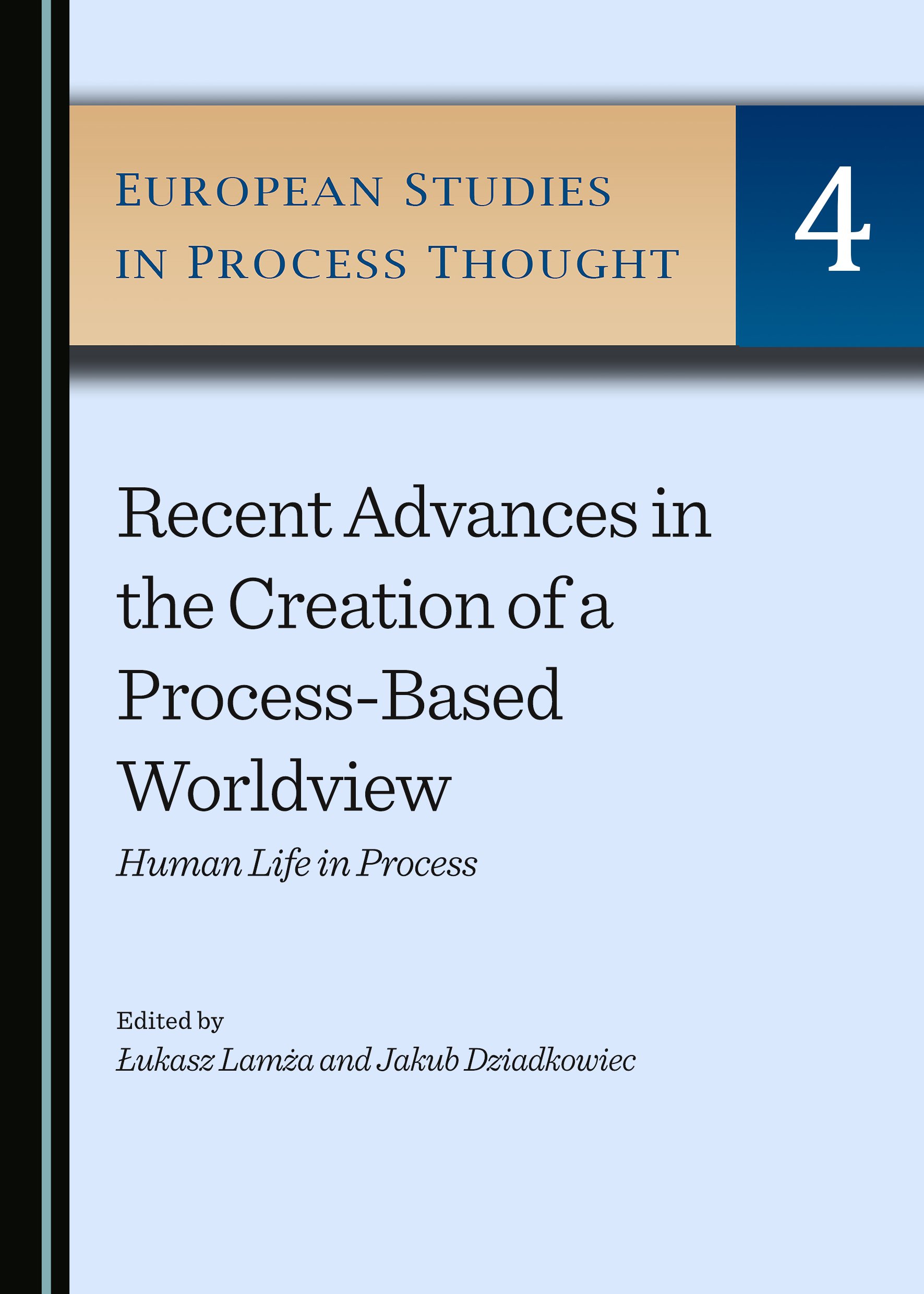
Recent Advances in the Creation of a Process-Based Worldview
Human Life in Process
This collection investigates the cutting edge in the creation of a process worldview, an important component of contemporary philosophy. It explores how process thinking can inspire us to rethink our lives, representing a bold move from academic philosophy to actual human lives.
This collection investigates the cutting edge in the creation of a process worldview, an important component of contemporary philosophy. It explores how process thinking can inspire us to rethink our lives, representing a bold move from academic philosophy to actual human lives.
View more
This product has multiple variants. The options may be chosen on the product page
Processing Your Order
Please wait while we securely process your order.
Do not refresh or leave this page.
You will be redirected shortly to a confirmation page with your order number.