
View more
This product has multiple variants. The options may be chosen on the product page
£29.99
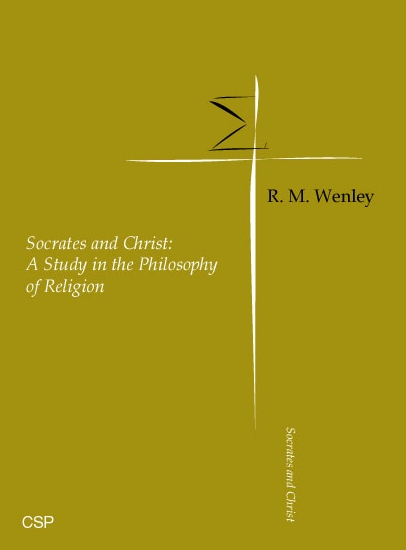
This book shows how Greek thought and Judaism rendered Christ’s work different from that of Socrates. Arguing that Christianity is not Greek at its source, it provides a useful, objective, and all-encompassing overview of the main currents of scholarship.
This book shows how Greek thought and Judaism rendered Christ’s work different from that of Socrates. Arguing that Christianity is not Greek at its source, it provides a useful, objective, and all-encompassing overview of the main currents of scholarship.
View more
This product has multiple variants. The options may be chosen on the product page

View more
This product has multiple variants. The options may be chosen on the product page
Promethean Love
Paul Kurtz and the Humanistic Perspective on Love
He stole fire for humanity, a timeless symbol of rebellion and selfless love. These essays trace the Promethean philosophy of love from its origins in Ancient Greece to its powerful contrast with the figure of Christ.
He stole fire for humanity, a timeless symbol of rebellion and selfless love. These essays trace the Promethean philosophy of love from its origins in Ancient Greece to its powerful contrast with the figure of Christ.
View more
This product has multiple variants. The options may be chosen on the product page
View more
This product has multiple variants. The options may be chosen on the product page
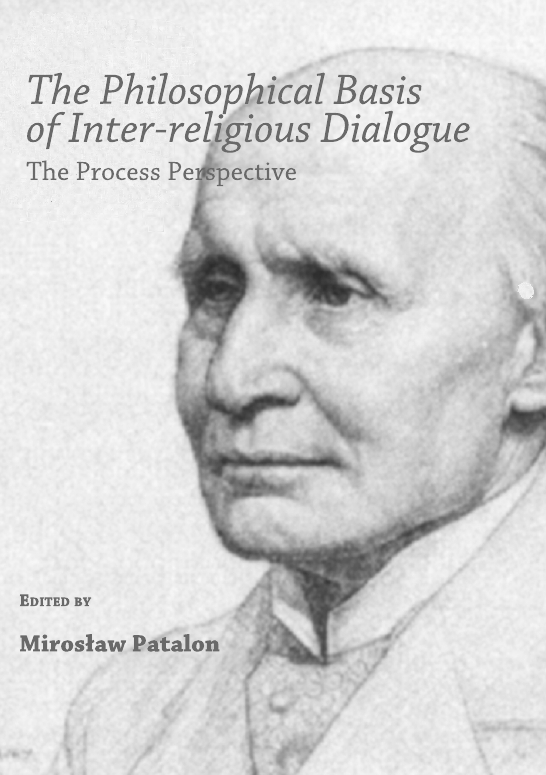
The Philosophical Basis of Inter-religious Dialogue
The Process Perspective
In an age of global tension, can religions remain isolated islands? What is the true role of inter-religious dialogue? This selection of articles uses process philosophy to explore different points of view on these essential questions.
In an age of global tension, can religions remain isolated islands? What is the true role of inter-religious dialogue? This selection of articles uses process philosophy to explore different points of view on these essential questions.
View more
This product has multiple variants. The options may be chosen on the product page

View more
This product has multiple variants. The options may be chosen on the product page
After the Postsecular and the Postmodern
New Essays in Continental Philosophy of Religion
A vanguard of scholars asks what comes after the postsecular and postmodern in Continental philosophy of religion. This volume argues philosophy must liberate itself from theological norms and mutate into a new speculative practice to confront the challenges of our time.
A vanguard of scholars asks what comes after the postsecular and postmodern in Continental philosophy of religion. This volume argues philosophy must liberate itself from theological norms and mutate into a new speculative practice to confront the challenges of our time.
View more
This product has multiple variants. The options may be chosen on the product page
View more
This product has multiple variants. The options may be chosen on the product page
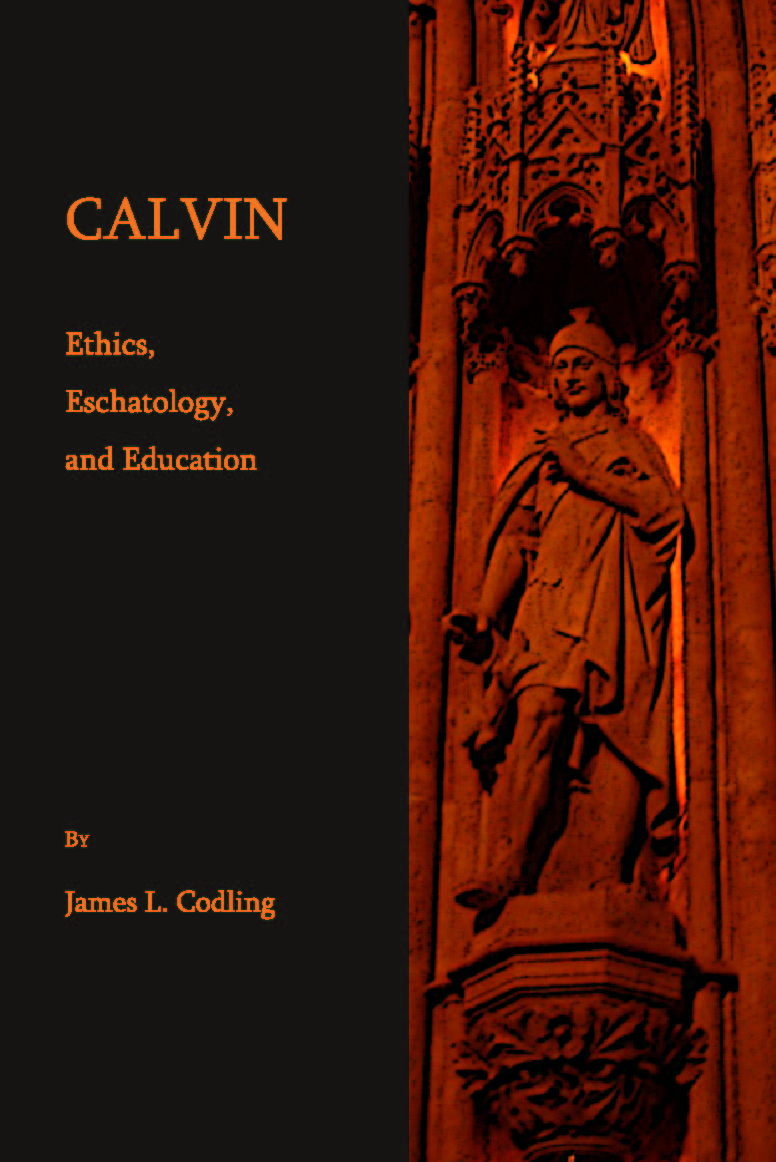
Calvin
Ethics, Eschatology, and Education
This study examines John Calvin's influence, exploring the vital connection he saw between ethics, eschatology, and education. For Calvin, education was a means to prepare people for their divine calling and for life on earth and the after life.
This study examines John Calvin’s influence, exploring the vital connection he saw between ethics, eschatology, and education. For Calvin, education was a means to prepare people for their divine calling and for life on earth and the after life.
View more
This product has multiple variants. The options may be chosen on the product page
View more
This product has multiple variants. The options may be chosen on the product page
£39.99
What ought philosophy of religion be? How should it relate to religion today? This collection offers a variety of perspectives on contemporary issues like faith, reason, atheism, and politics, without privileging any single philosophical or religious orientation.
What ought philosophy of religion be? How should it relate to religion today? This collection offers a variety of perspectives on contemporary issues like faith, reason, atheism, and politics, without privileging any single philosophical or religious orientation.
View more
This product has multiple variants. The options may be chosen on the product page
View more
This product has multiple variants. The options may be chosen on the product page
From £29.99
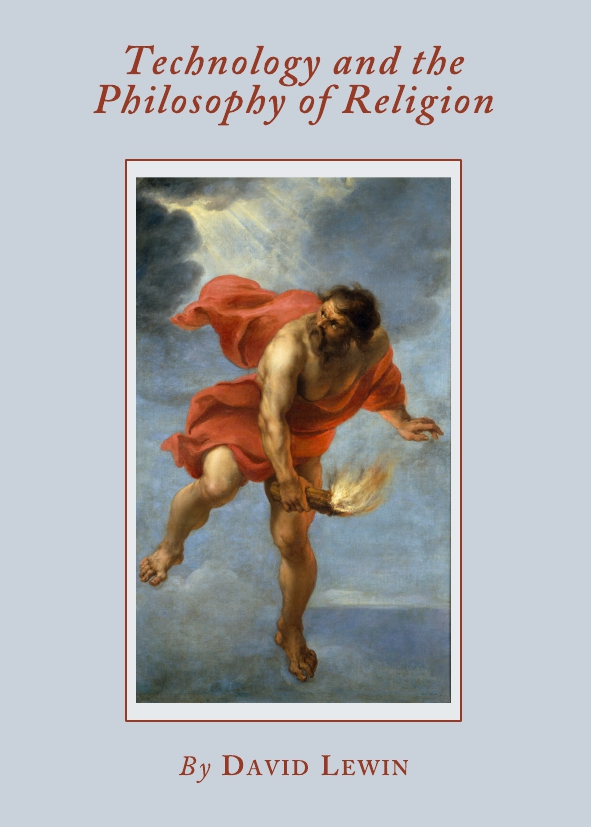
Despite unimaginable technological progress, we feel a profound unease. While philosophers have analyzed technological society, their secular ideas are limited. This book argues that where philosophy ends, a religious discourse is needed to articulate our ultimate concerns.
Despite unimaginable technological progress, we feel a profound unease. While philosophers have analyzed technological society, their secular ideas are limited. This book argues that where philosophy ends, a religious discourse is needed to articulate our ultimate concerns.
View more
This product has multiple variants. The options may be chosen on the product page
View more
This product has multiple variants. The options may be chosen on the product page
£34.99
This book challenges contemporary phenomenology’s denegation of Being. It provides a fruitful alternative through a reassessment of Edith Stein’s ontology, considering Being in Steinian terms of support and safety to overcome this critical impasse.
This book challenges contemporary phenomenology’s denegation of Being. It provides a fruitful alternative through a reassessment of Edith Stein’s ontology, considering Being in Steinian terms of support and safety to overcome this critical impasse.
View more
This product has multiple variants. The options may be chosen on the product page
View more
This product has multiple variants. The options may be chosen on the product page
£39.99
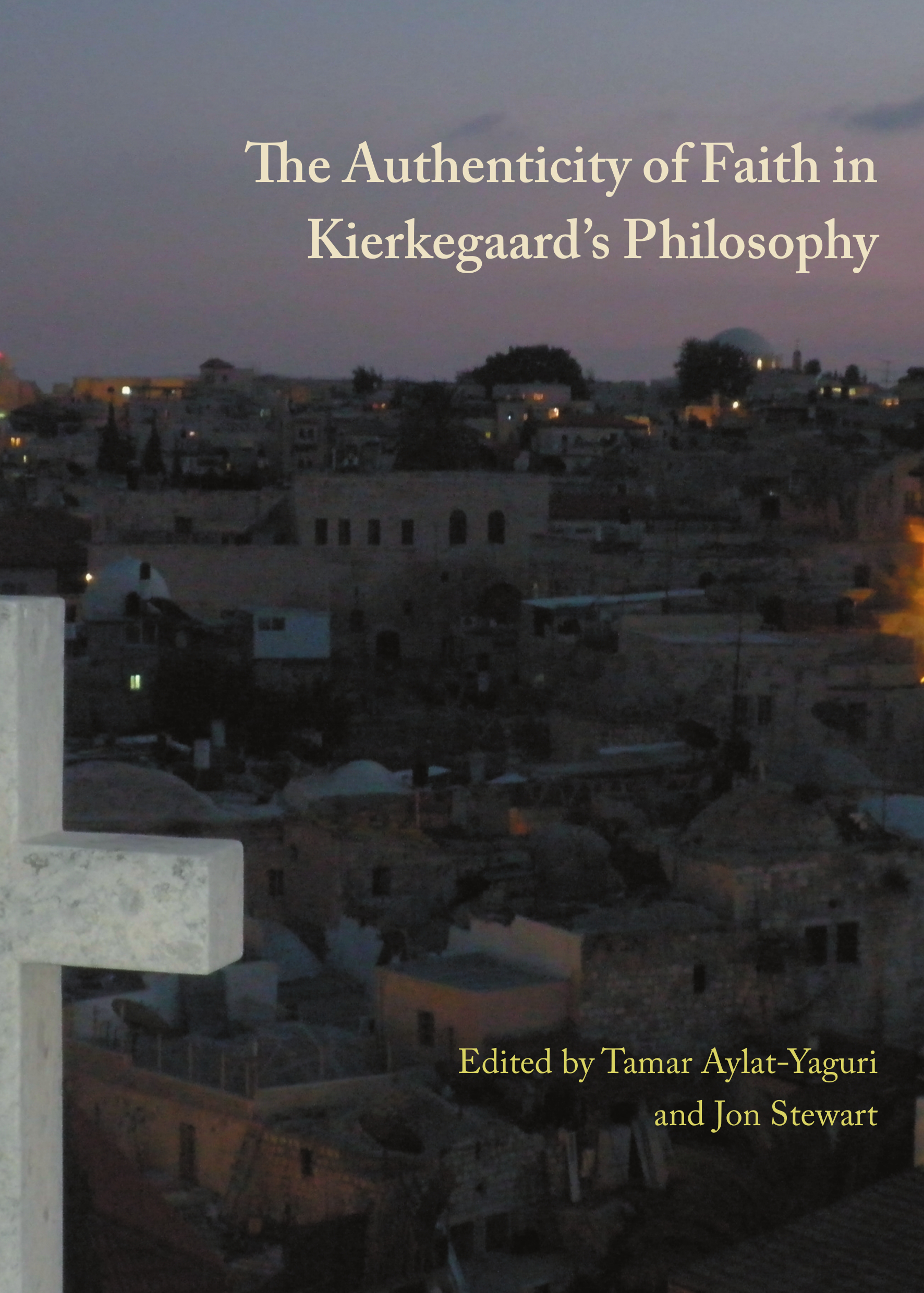
Was Abraham deluded? When is faith just self-deception? In a world of doubt, Kierkegaard’s answers to the haunting questions of faith and authenticity are more urgent than ever.
Was Abraham deluded? When is faith just self-deception? In a world of doubt, Kierkegaard’s answers to the haunting questions of faith and authenticity are more urgent than ever.
View more
This product has multiple variants. The options may be chosen on the product page
View more
This product has multiple variants. The options may be chosen on the product page
The Concept of the Soul
Scientific and Religious Perspectives
The idea of the soul will not go away, despite criticism of traditional dualism. This book explores the concept from theological, scientific, and philosophical perspectives, presenting diverse approaches and conclusions from leading scholars.
The idea of the soul will not go away, despite criticism of traditional dualism. This book explores the concept from theological, scientific, and philosophical perspectives, presenting diverse approaches and conclusions from leading scholars.
View more
This product has multiple variants. The options may be chosen on the product page
View more
This product has multiple variants. The options may be chosen on the product page
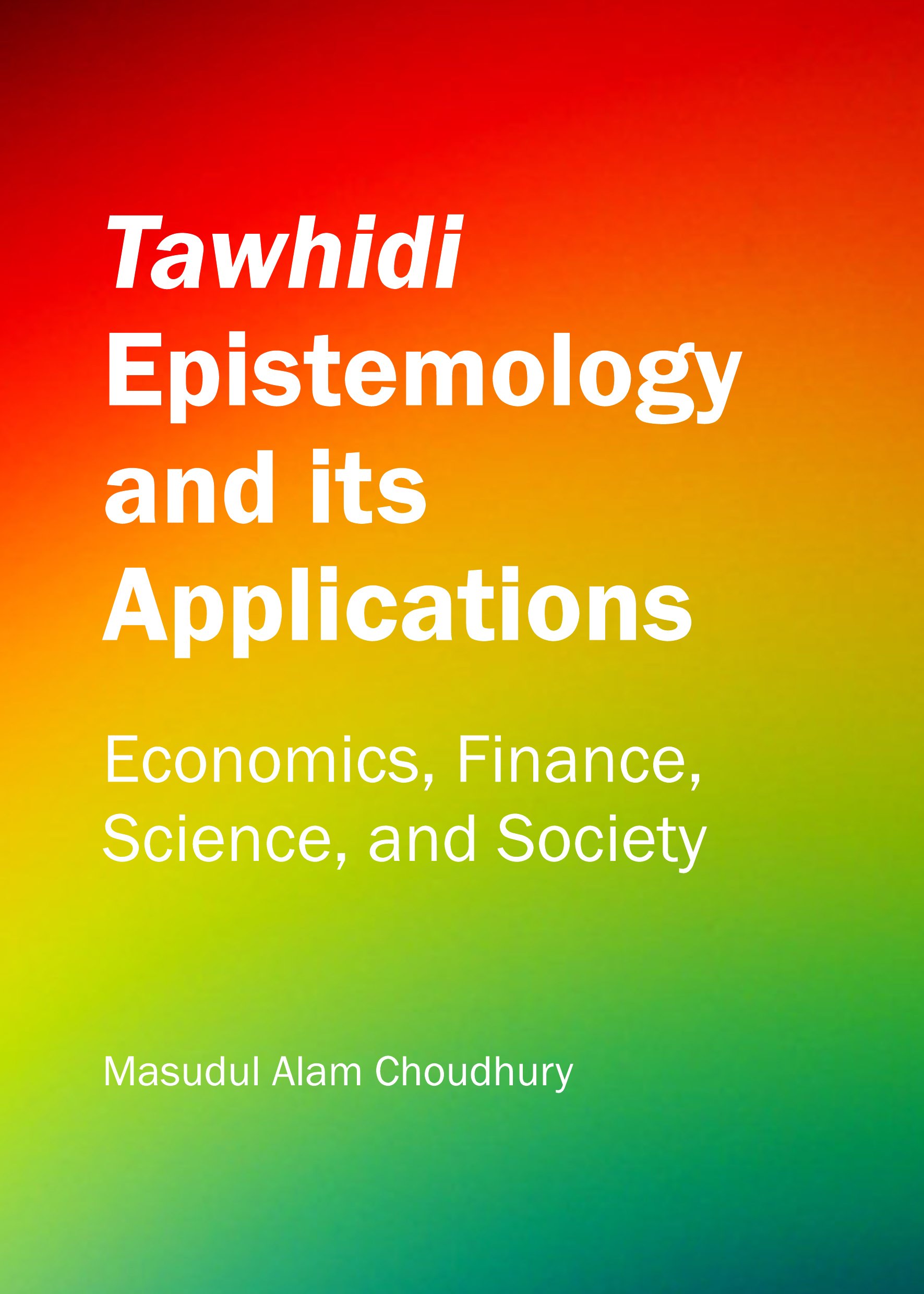
Tawhidi Epistemology and its Applications
Economics, Finance, Science, and Society
This journal has been discontinued. Any issues are available to purchase separately.
View more
This product has multiple variants. The options may be chosen on the product page
View more
This product has multiple variants. The options may be chosen on the product page
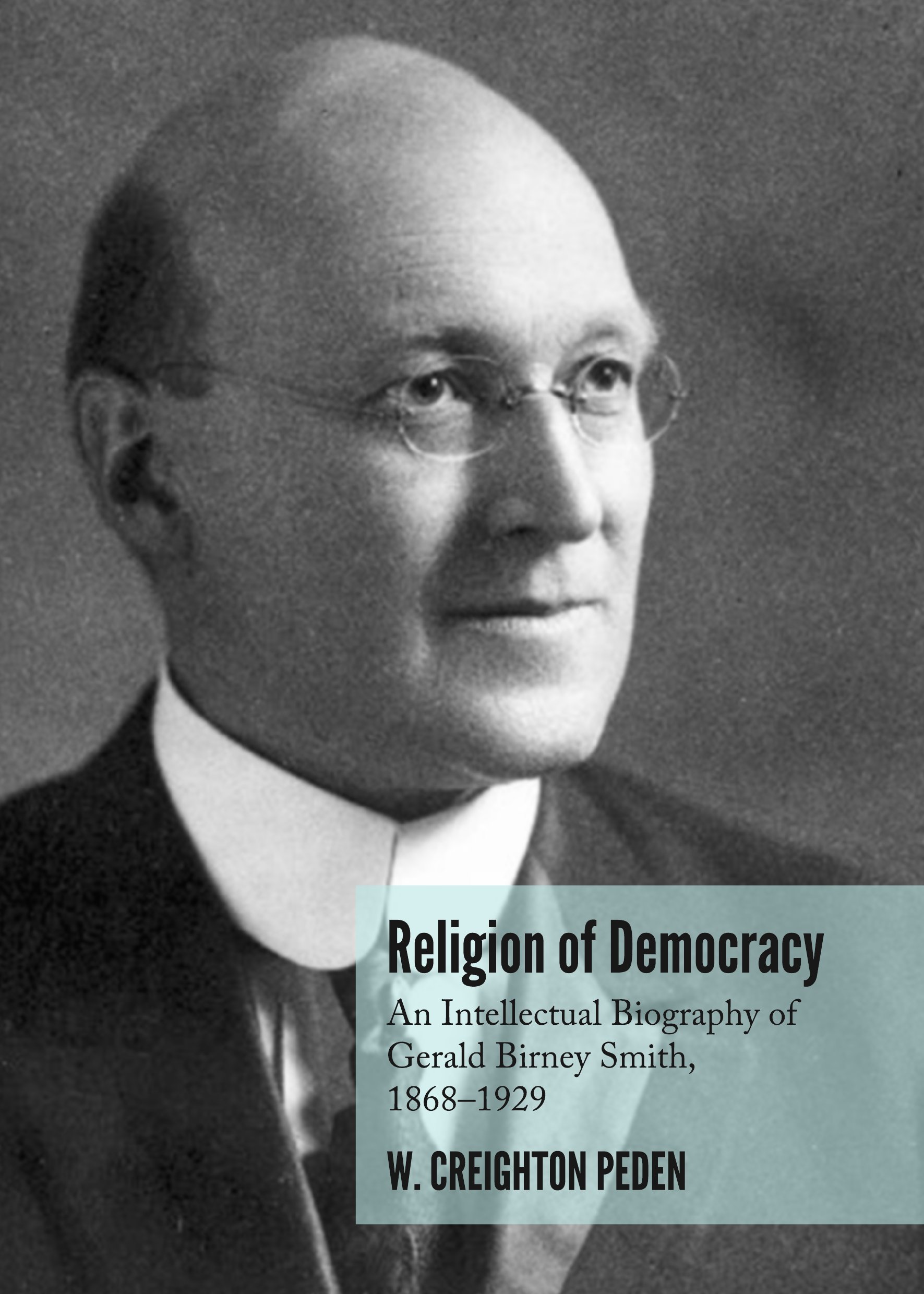
Religion of Democracy
An Intellectual Biography of Gerald Birney Smith, 1868–1929
This volume concludes Dr Peden’s series on the empirical tradition in American Philosophical and Religious Thought.
View more
This product has multiple variants. The options may be chosen on the product page
View more
This product has multiple variants. The options may be chosen on the product page
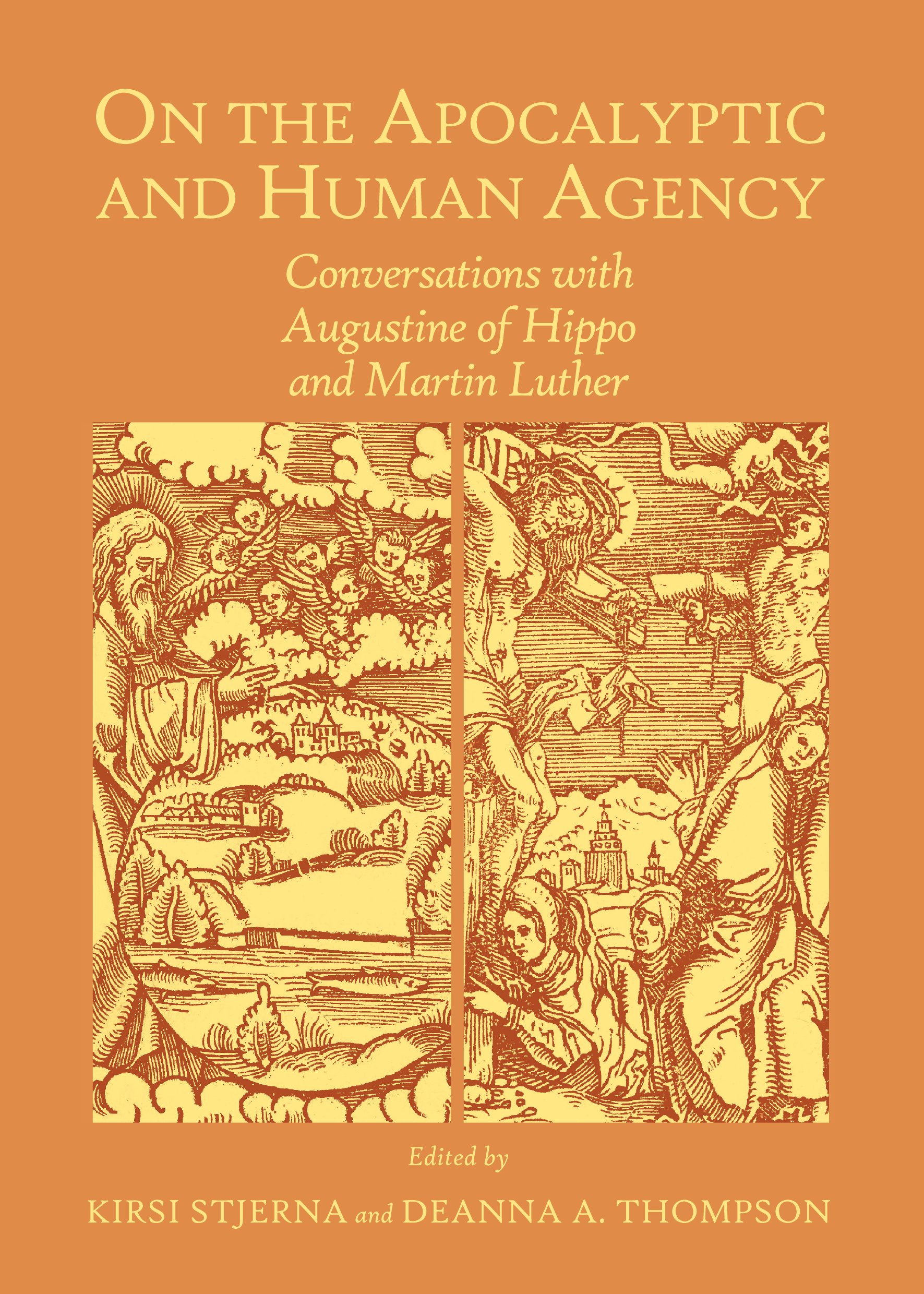
On the Apocalyptic and Human Agency
Conversations with Augustine of Hippo and Martin Luther
Scholars explore the fundamental importance of Augustine and Luther for questions of human identity and destiny. This volume examines Luther’s apocalyptic worldview and how he adapted Augustine’s understanding of the self for a new era.
Scholars explore the fundamental importance of Augustine and Luther for questions of human identity and destiny. This volume examines Luther’s apocalyptic worldview and how he adapted Augustine’s understanding of the self for a new era.
View more
This product has multiple variants. The options may be chosen on the product page
View more
This product has multiple variants. The options may be chosen on the product page
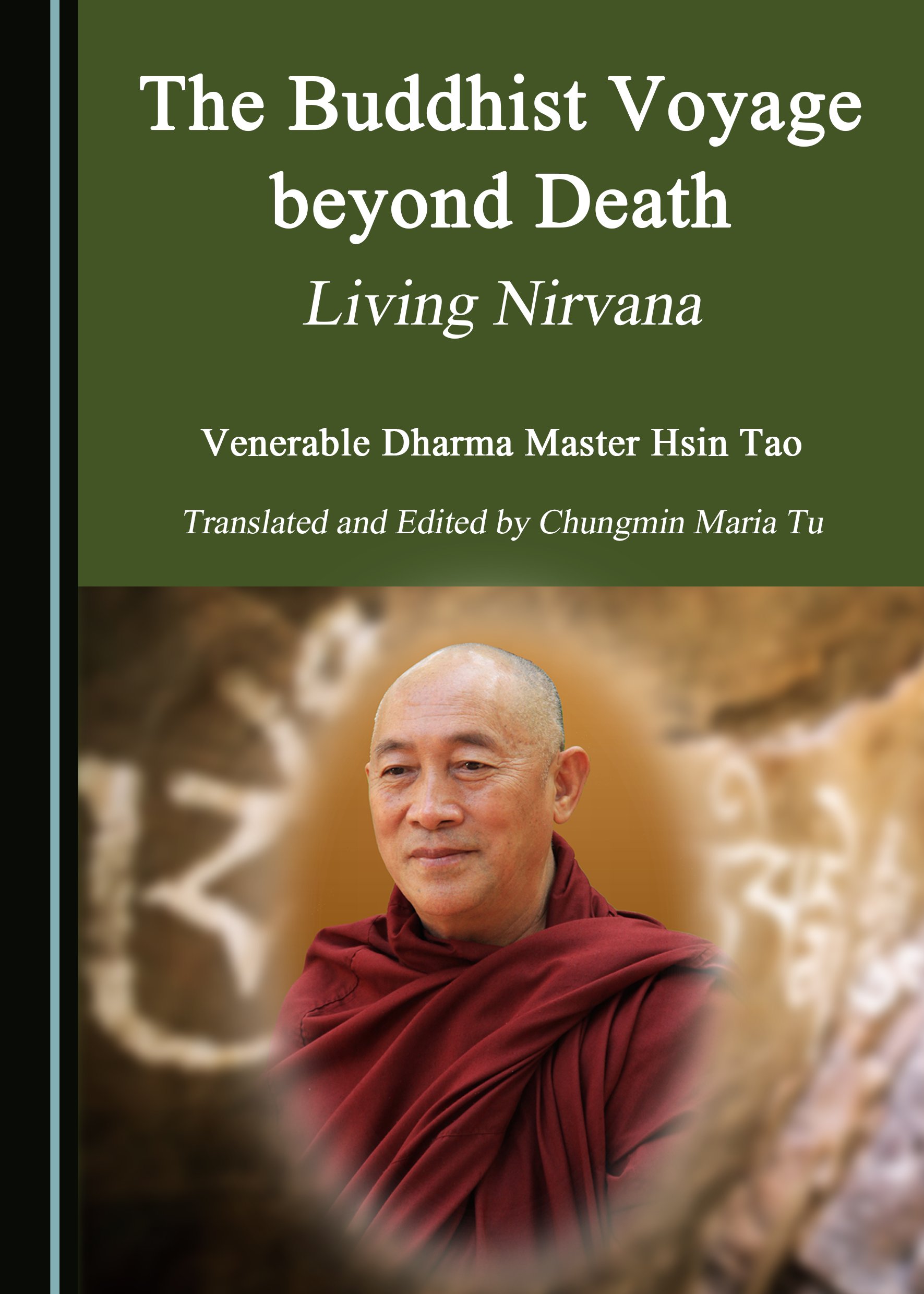
The Buddhist Voyage beyond Death
Living Nirvana
This book explores the central teachings of Buddha, of the Mahayana and of the Vajrayana. It focuses on memory, time and space, matter and energy and provides an answer to those grappling with their life difficulties.
This book explores the central teachings of Buddha, of the Mahayana and of the Vajrayana. It focuses on memory, time and space, matter and energy and provides an answer to those grappling with their life difficulties.
View more
This product has multiple variants. The options may be chosen on the product page
View more
This product has multiple variants. The options may be chosen on the product page
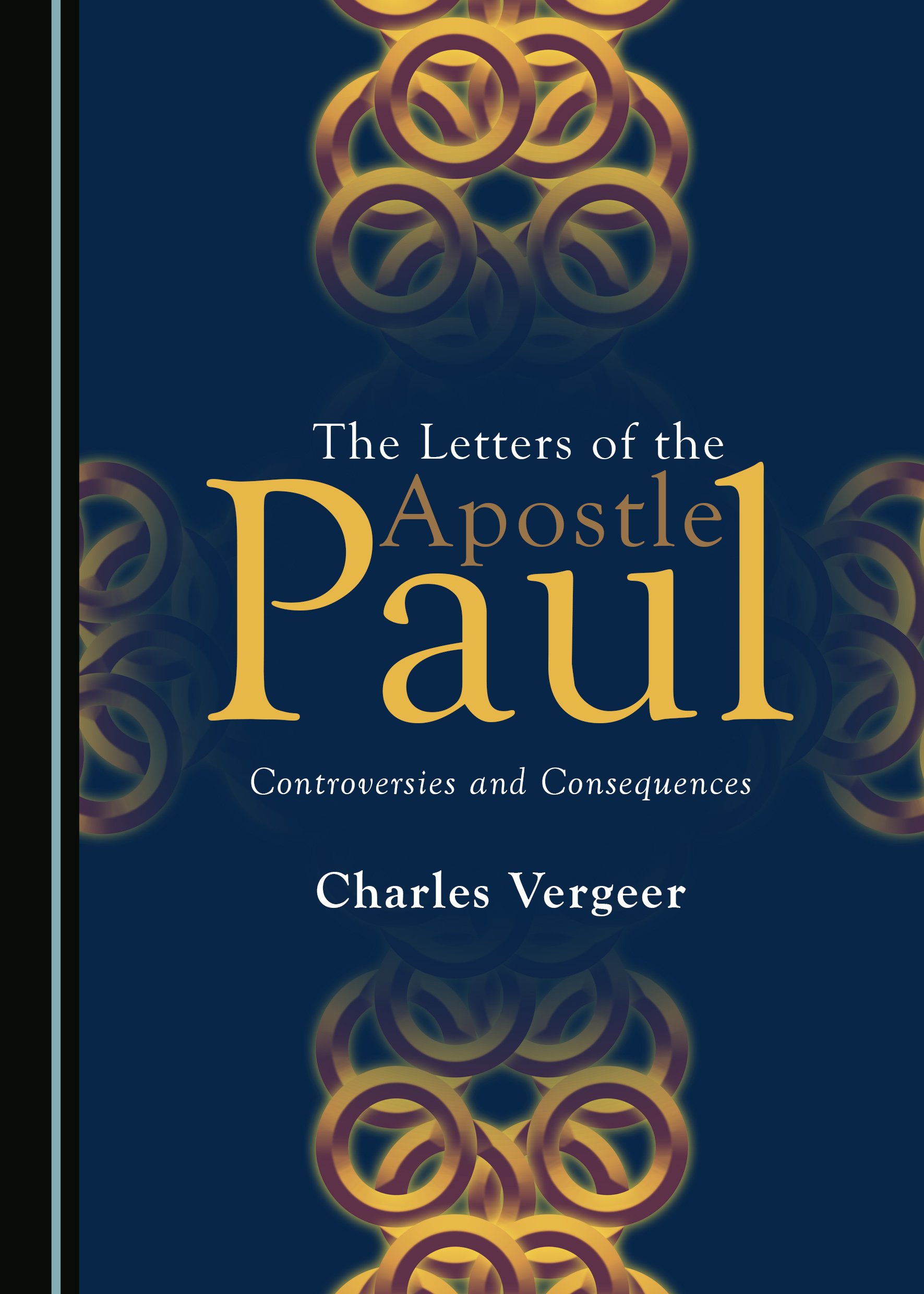
The Letters of the Apostle Paul
Controversies and Consequences
For centuries, Paul’s letters have been read in a theological context, forming as they do part of the foundation of the Christian faith. Vergeer, however, maintains that it is important to learn to analyse these letters in their original, contemporary context.
For centuries, Paul’s letters have been read in a theological context, forming as they do part of the foundation of the Christian faith. Vergeer, however, maintains that it is important to learn to analyse these letters in their original, contemporary context.
View more
This product has multiple variants. The options may be chosen on the product page
View more
This product has multiple variants. The options may be chosen on the product page
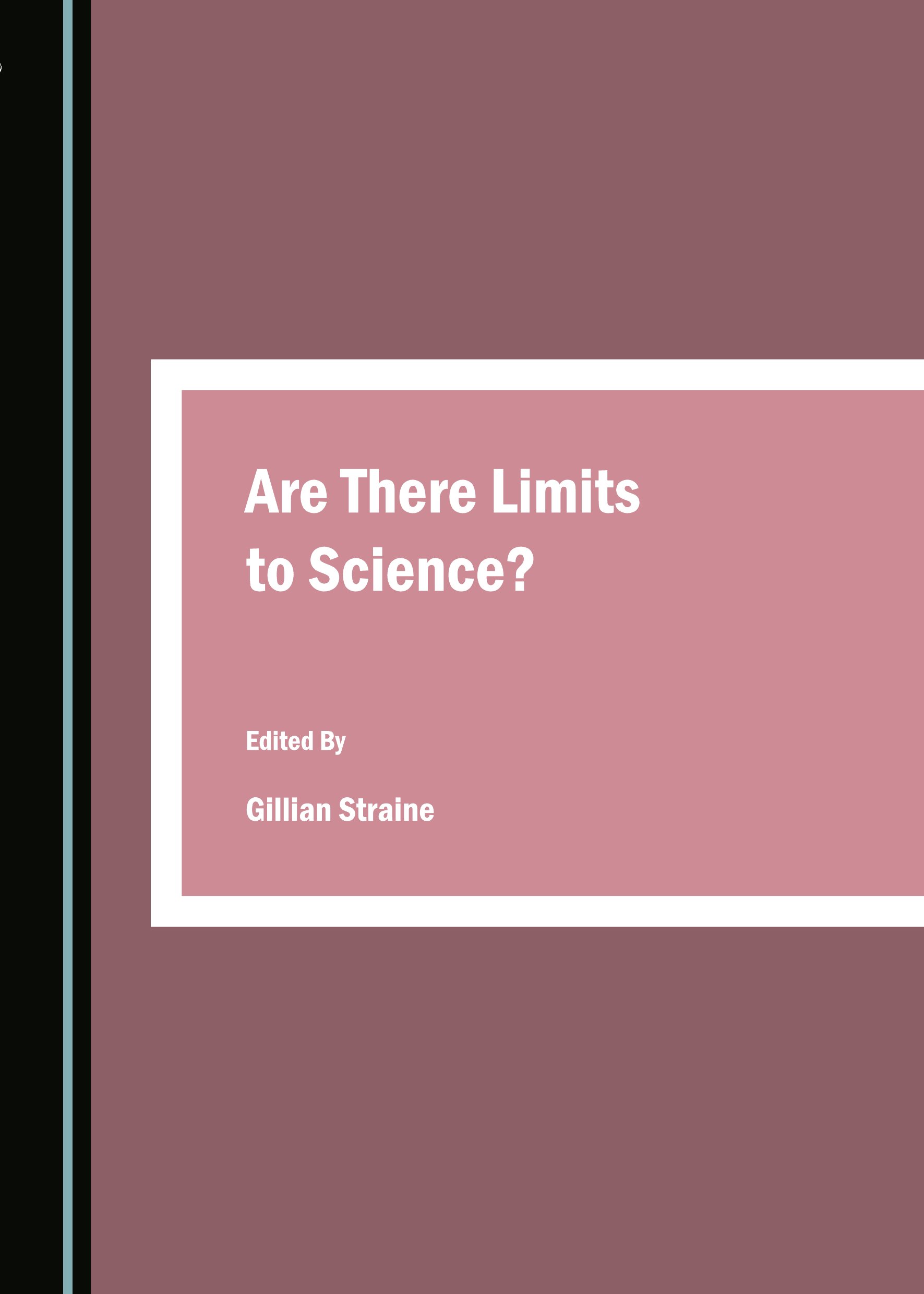
£61.99
This compilation is the result of the 2016 conference of the UK’s Science and Religion Forum which brings together leading scientific and theological thinkers to reflect together on key issues in these two fields.
This compilation is the result of the 2016 conference of the UK’s Science and Religion Forum which brings together leading scientific and theological thinkers to reflect together on key issues in these two fields.
View more
This product has multiple variants. The options may be chosen on the product page
View more
This product has multiple variants. The options may be chosen on the product page
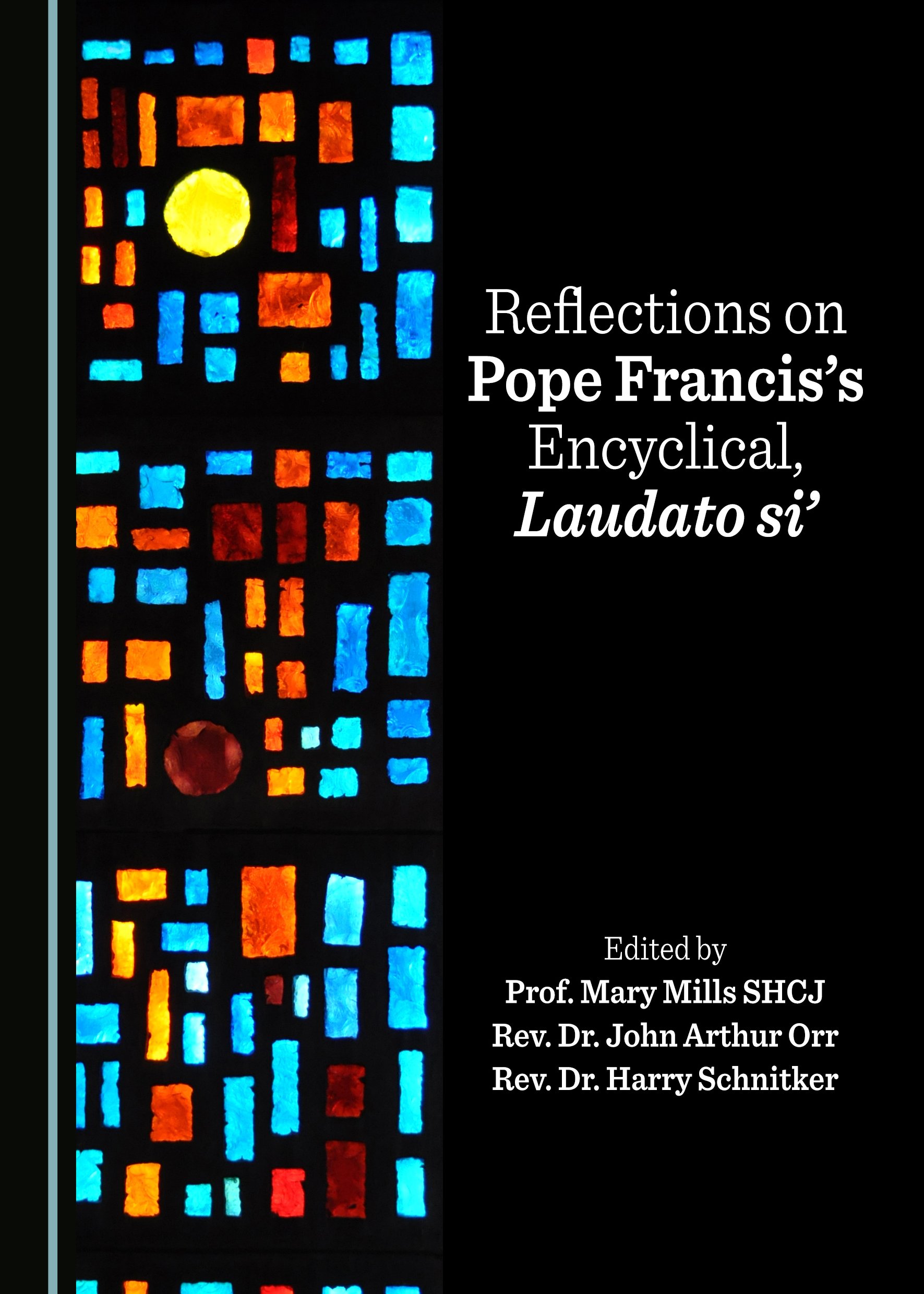
£61.99
This volume offers insights from emerging and well-established Catholic scholars on Laudato si’, Pope Francis’s encyclical on the environment. It focuses on the philosophical, ecological and anthropological aspects of Laudato si’, placing it within a specific history of ideas.
This volume offers insights from emerging and well-established Catholic scholars on Laudato si’, Pope Francis’s encyclical on the environment. It focuses on the philosophical, ecological and anthropological aspects of Laudato si’, placing it within a specific history of ideas.
View more
This product has multiple variants. The options may be chosen on the product page
View more
This product has multiple variants. The options may be chosen on the product page
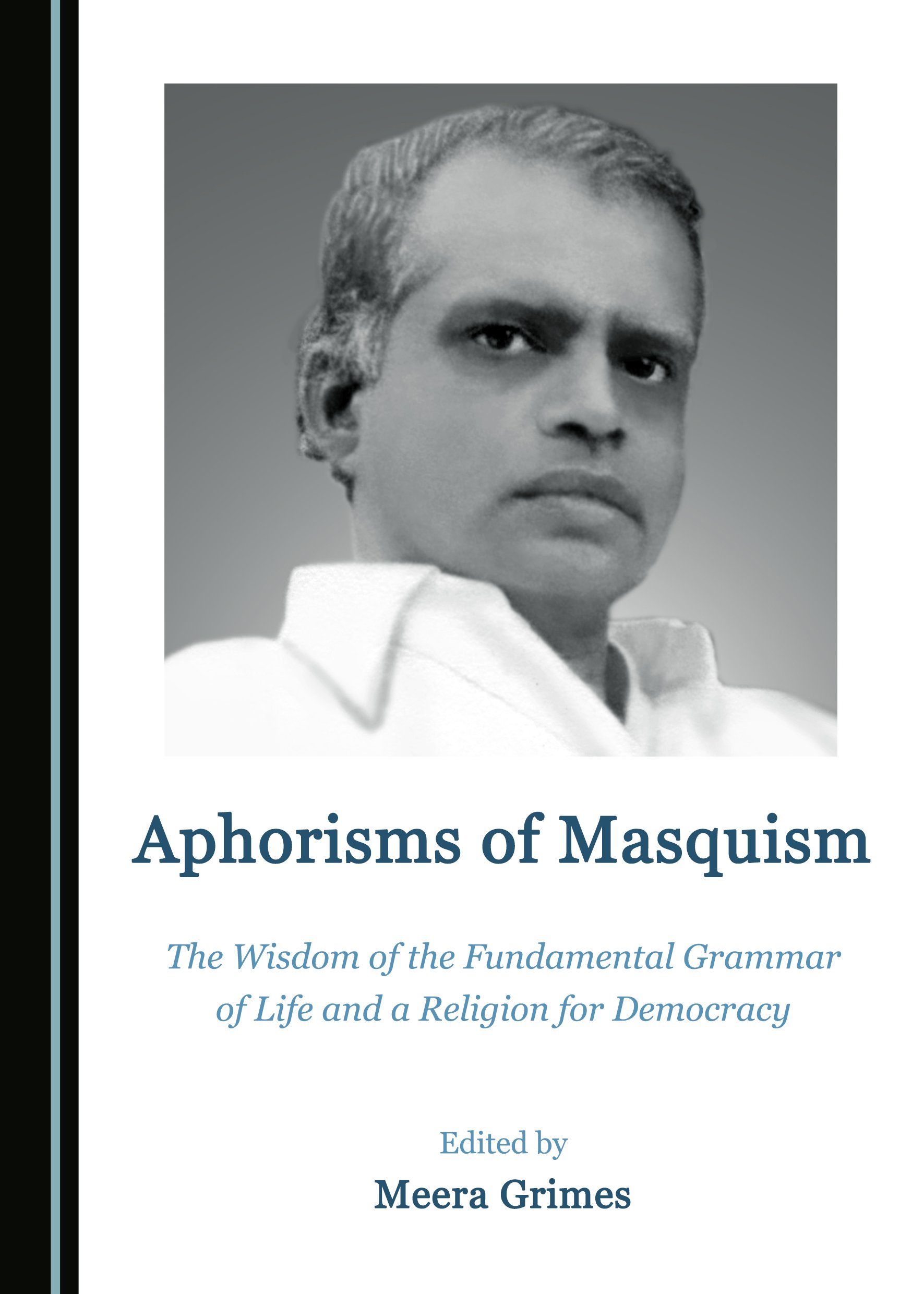
Aphorisms of Masquism
The Wisdom of the Fundamental Grammar of Life and a Religion for Democracy
Grimes presents the monumental work of Swami R. Vaidyanathan (1913-1990), who was a research student at Cambridge under Lord Rutherford from 1934 to 1938, detailing his complete and unique philosophy, which aimed at reducing human suffering and promoting world welfare.
Grimes presents the monumental work of Swami R. Vaidyanathan (1913-1990), who was a research student at Cambridge under Lord Rutherford from 1934 to 1938, detailing his complete and unique philosophy, which aimed at reducing human suffering and promoting world welfare.
View more
This product has multiple variants. The options may be chosen on the product page
View more
This product has multiple variants. The options may be chosen on the product page
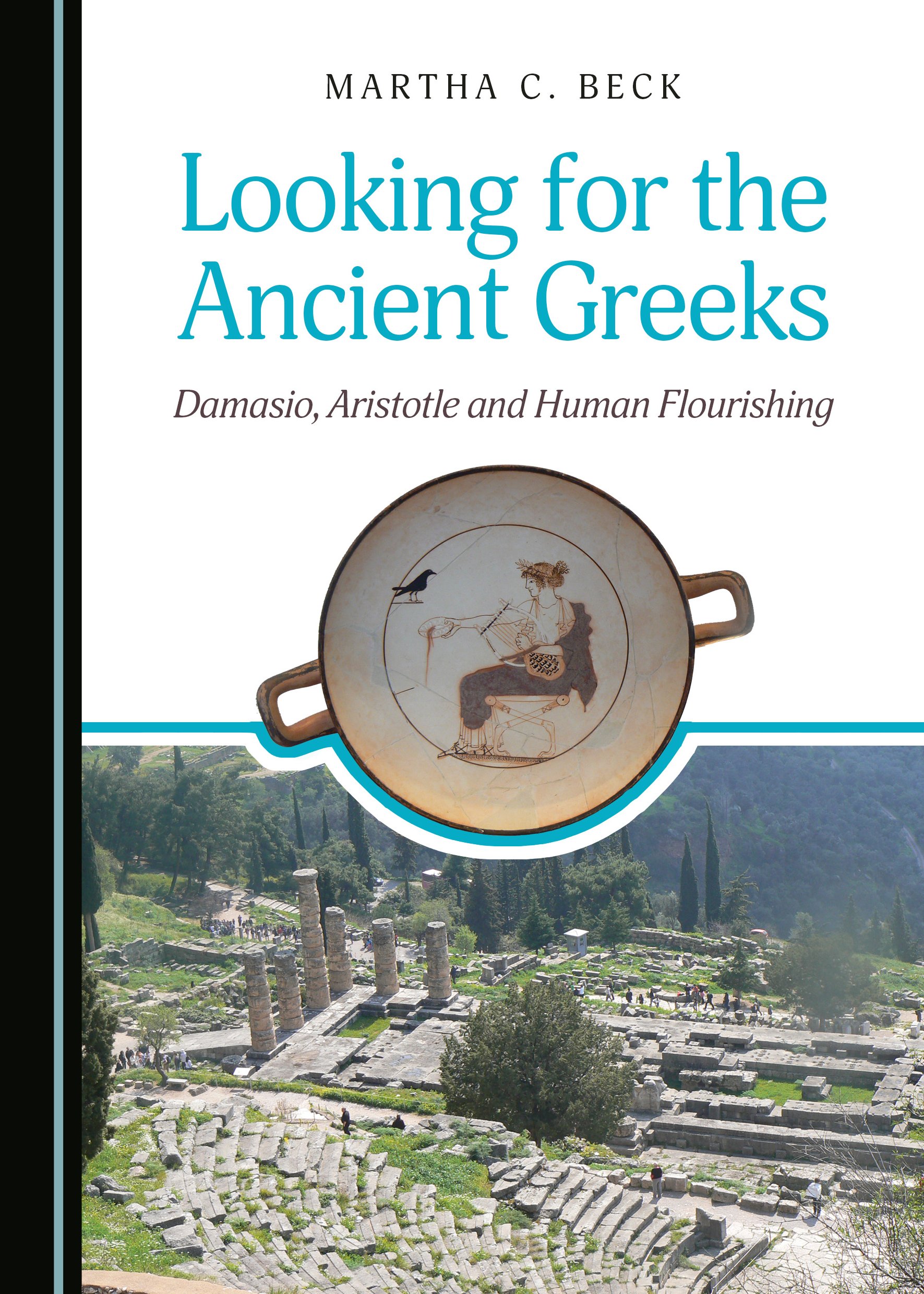
Looking for the Ancient Greeks
Damasio, Aristotle and Human Flourishing
A response to Antonio Damasio’s work on the feeling brain, this book offers new perspectives on life's biggest questions. It shows how Ancient Greek culture developed a system to create the integrated psyche that modern neuroscience claims is so vital for us today.
A response to Antonio Damasio’s work on the feeling brain, this book offers new perspectives on life’s biggest questions. It shows how Ancient Greek culture developed a system to create the integrated psyche that modern neuroscience claims is so vital for us today.
View more
This product has multiple variants. The options may be chosen on the product page

View more
This product has multiple variants. The options may be chosen on the product page
An Environmental Ethic for the End of the World
An Ecological Midrash on Romans 8
Powell investigates Romans 8:19-22 and Paul’s Christological discourse as a source of ecological healing, arguing that Paul’s midrash provides deep insight into the biblical role of humans and their instrumentality in bringing both harm and healing to the world of nature.
Powell investigates Romans 8:19-22 and Paul’s Christological discourse as a source of ecological healing, arguing that Paul’s midrash provides deep insight into the biblical role of humans and their instrumentality in bringing both harm and healing to the world of nature.
View more
This product has multiple variants. The options may be chosen on the product page
Processing Your Order
Please wait while we securely process your order.
Do not refresh or leave this page.
You will be redirected shortly to a confirmation page with your order number.