
View more
This product has multiple variants. The options may be chosen on the product page
From £43.99
How do we live when no one seems to be in charge? This history of Western culture charts the collapse of authority and our modern struggle to manage frustration and find fulfillment without falling into radical narcissism.
How do we live when no one seems to be in charge? This history of Western culture charts the collapse of authority and our modern struggle to manage frustration and find fulfillment without falling into radical narcissism.
View more
This product has multiple variants. The options may be chosen on the product page

View more
This product has multiple variants. The options may be chosen on the product page
From £34.99
This book traces the literary expression of religious fear from the New Testament to scholasticism. It reveals how Franciscan preachers, using the power of community language, forged a confident and peace-seeking theology to counter this legacy.
This book traces the literary expression of religious fear from the New Testament to scholasticism. It reveals how Franciscan preachers, using the power of community language, forged a confident and peace-seeking theology to counter this legacy.
View more
This product has multiple variants. The options may be chosen on the product page
View more
This product has multiple variants. The options may be chosen on the product page
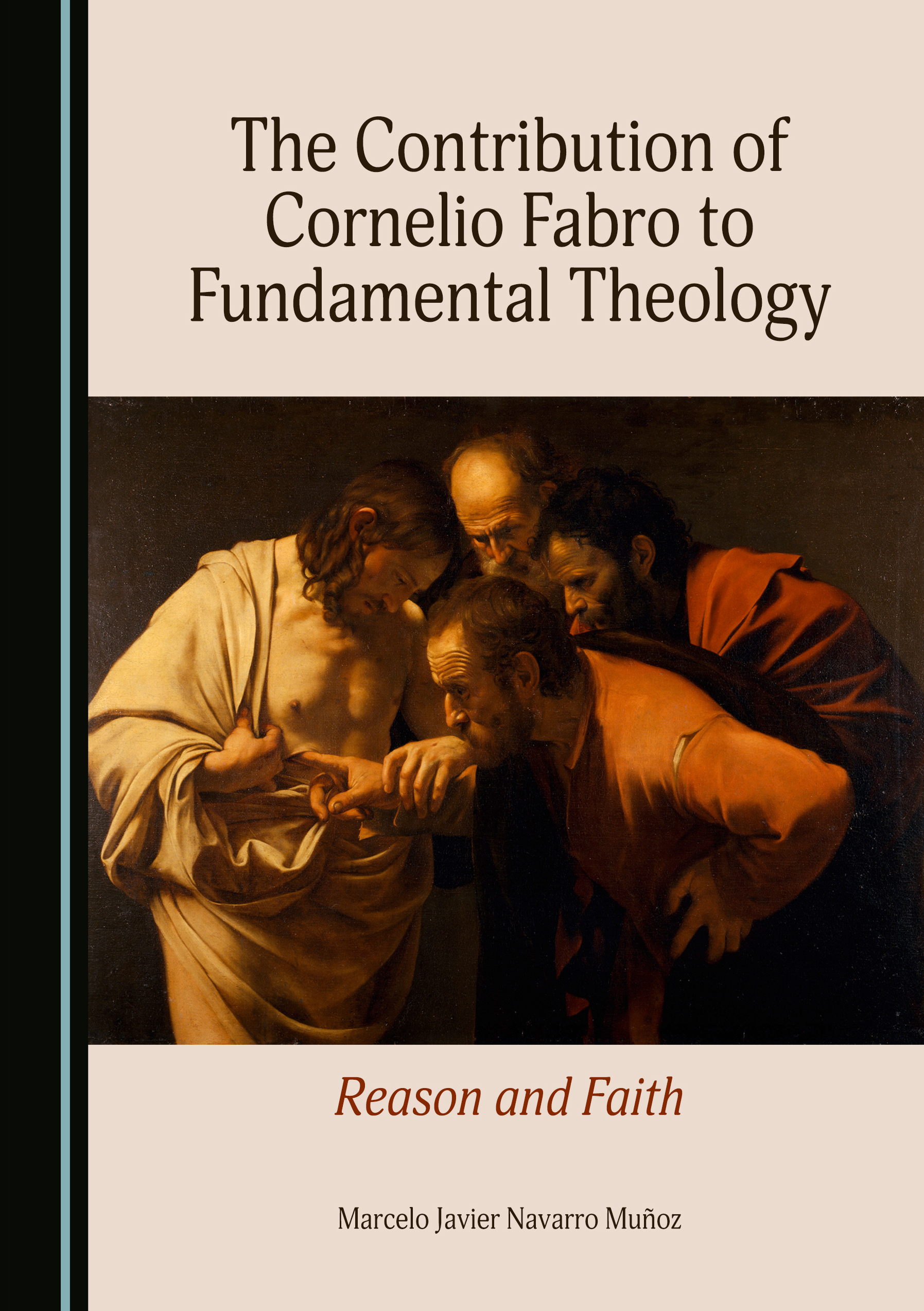
The Contribution of Cornelio Fabro to Fundamental Theology
Reason and Faith
Explore faith’s metaphysical and existential roots through the dynamic Thomism of Cornelio Fabro. This dialogue with Kierkegaard and modern thought affirms the human being’s essential openness to the Absolute.
Explore faith’s metaphysical and existential roots through the dynamic Thomism of Cornelio Fabro. This dialogue with Kierkegaard and modern thought affirms the human being’s essential openness to the Absolute.
View more
This product has multiple variants. The options may be chosen on the product page
View more
This product has multiple variants. The options may be chosen on the product page
The Priority of the Possible
Outlines of a Contemplative Philosophy of Orientation
This book shows the importance of the possibility approach for contemporary debates on metaphysics, God, evil, and transhumanism. It offers a new starting point for philosophical theology beyond the barren alternatives of metaphysics and anti-metaphysics.
This book shows the importance of the possibility approach for contemporary debates on metaphysics, God, evil, and transhumanism. It offers a new starting point for philosophical theology beyond the barren alternatives of metaphysics and anti-metaphysics.
View more
This product has multiple variants. The options may be chosen on the product page

View more
This product has multiple variants. The options may be chosen on the product page
Montaigne’s Essays
Tackling It
Montaigne’s essays probe the intimate feelings, anxieties, and hopes of daily life. This blend of his observations with the author's offers a mirror to your own experiences, and the solace of knowing that his wisdom applies precisely to your world.
Montaigne’s essays probe the intimate feelings, anxieties, and hopes of daily life. This blend of his observations with the author’s offers a mirror to your own experiences, and the solace of knowing that his wisdom applies precisely to your world.
View more
This product has multiple variants. The options may be chosen on the product page
View more
This product has multiple variants. The options may be chosen on the product page
From £32.99
“God became man that man might become God.” This book shows how Hegel fleshes this thought out, stripping away false materialist interpretations of his philosophy to reveal its continuity with the Biblical belief in “the power to become the sons of God.”
“God became man that man might become God.” This book shows how Hegel fleshes this thought out, stripping away false materialist interpretations of his philosophy to reveal its continuity with the Biblical belief in “the power to become the sons of God.”
View more
This product has multiple variants. The options may be chosen on the product page
View more
This product has multiple variants. The options may be chosen on the product page
From £32.99
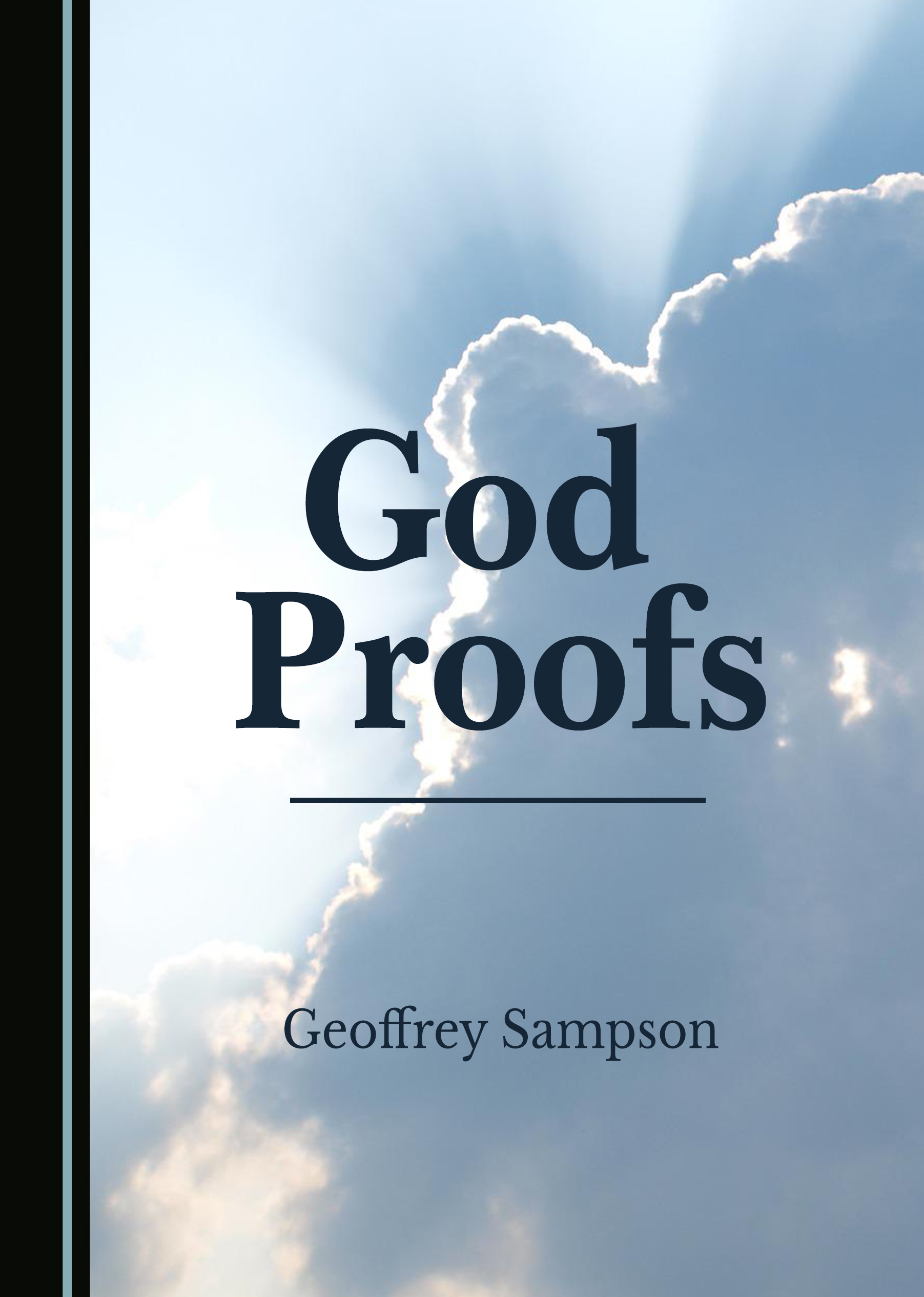
Can God’s existence be proven with logic? A thousand years ago, Anselm said yes, sparking a debate for the ages. This accessible book explores the arguments and their creators, inviting you to examine the evidence and render your own verdict.
Can God’s existence be proven with logic? A thousand years ago, Anselm said yes, sparking a debate for the ages. This accessible book explores the arguments and their creators, inviting you to examine the evidence and render your own verdict.
View more
This product has multiple variants. The options may be chosen on the product page
View more
This product has multiple variants. The options may be chosen on the product page
From £32.99
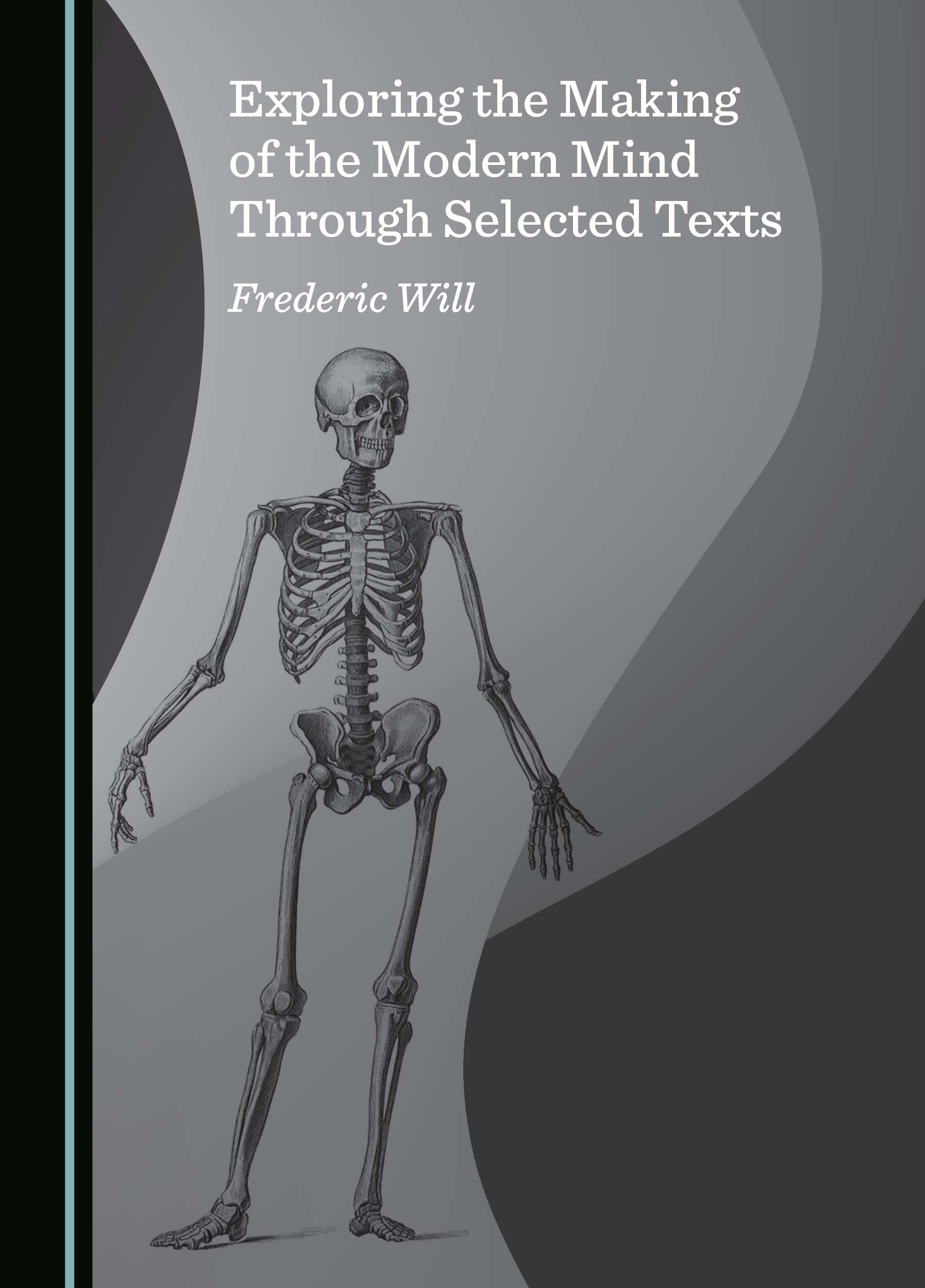
An anthology of texts from significant writers between the Renaissance and the late seventeenth century, from Ficino to Dryden. The study traces a growth of self-awareness, worldview scepticism, and aesthetic exuberance.
An anthology of texts from significant writers between the Renaissance and the late seventeenth century, from Ficino to Dryden. The study traces a growth of self-awareness, worldview scepticism, and aesthetic exuberance.
View more
This product has multiple variants. The options may be chosen on the product page
View more
This product has multiple variants. The options may be chosen on the product page
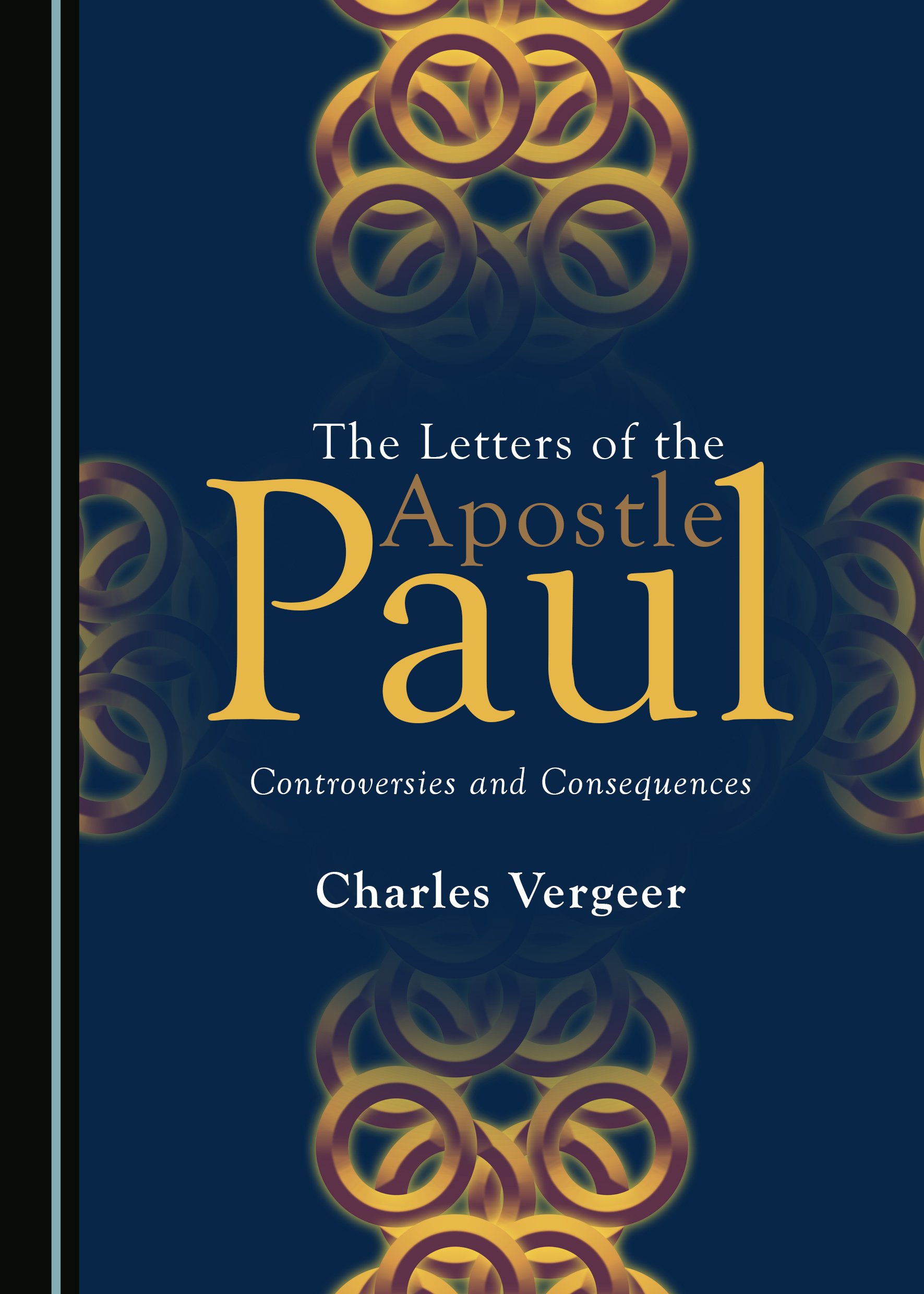
The Letters of the Apostle Paul
Controversies and Consequences
For centuries, Paul’s letters have been read in a theological context, forming as they do part of the foundation of the Christian faith. Vergeer, however, maintains that it is important to learn to analyse these letters in their original, contemporary context.
For centuries, Paul’s letters have been read in a theological context, forming as they do part of the foundation of the Christian faith. Vergeer, however, maintains that it is important to learn to analyse these letters in their original, contemporary context.
View more
This product has multiple variants. The options may be chosen on the product page

View more
This product has multiple variants. The options may be chosen on the product page
From £30.99
The digital age promised connection but delivered chaos, fake news, and manipulation. How must the Church respond? Drawing on timeless wisdom, these vital essays forge a path through the digital wilderness.
The digital age promised connection but delivered chaos, fake news, and manipulation. How must the Church respond? Drawing on timeless wisdom, these vital essays forge a path through the digital wilderness.
View more
This product has multiple variants. The options may be chosen on the product page
View more
This product has multiple variants. The options may be chosen on the product page
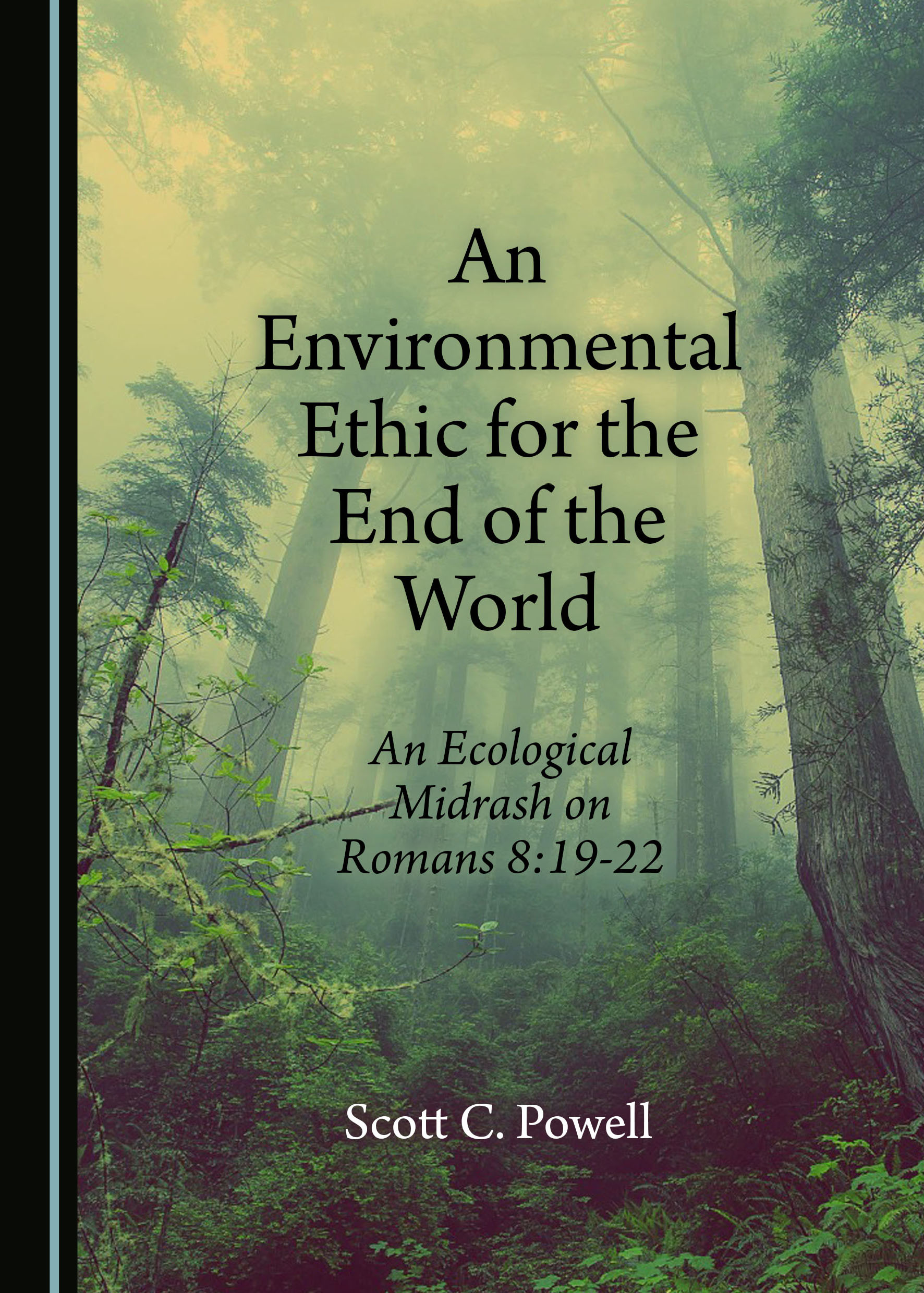
An Environmental Ethic for the End of the World
An Ecological Midrash on Romans 8
Powell investigates Romans 8:19-22 and Paul’s Christological discourse as a source of ecological healing, arguing that Paul’s midrash provides deep insight into the biblical role of humans and their instrumentality in bringing both harm and healing to the world of nature.
Powell investigates Romans 8:19-22 and Paul’s Christological discourse as a source of ecological healing, arguing that Paul’s midrash provides deep insight into the biblical role of humans and their instrumentality in bringing both harm and healing to the world of nature.
View more
This product has multiple variants. The options may be chosen on the product page
View more
This product has multiple variants. The options may be chosen on the product page
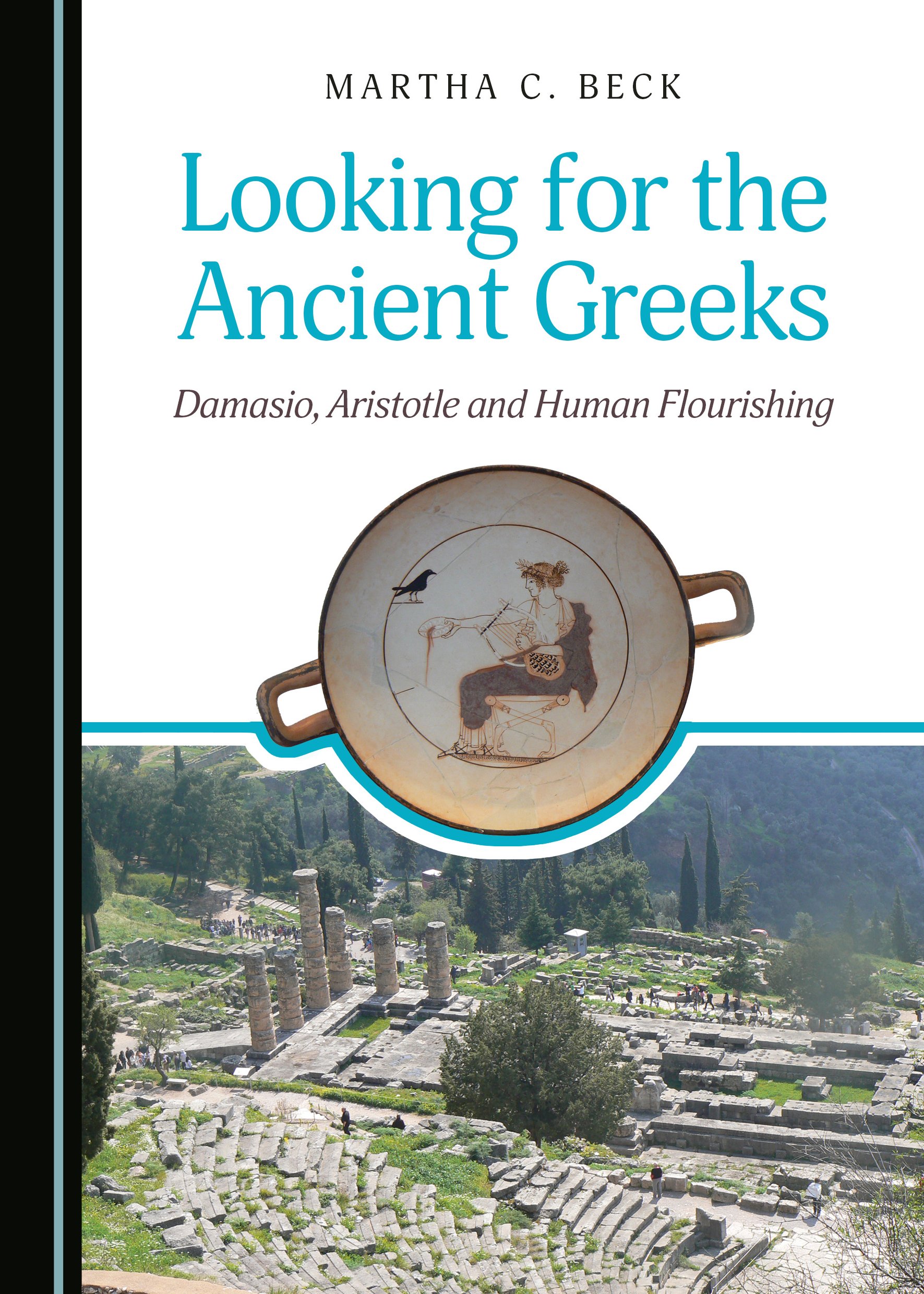
Looking for the Ancient Greeks
Damasio, Aristotle and Human Flourishing
A response to Antonio Damasio’s work on the feeling brain, this book offers new perspectives on life's biggest questions. It shows how Ancient Greek culture developed a system to create the integrated psyche that modern neuroscience claims is so vital for us today.
A response to Antonio Damasio’s work on the feeling brain, this book offers new perspectives on life’s biggest questions. It shows how Ancient Greek culture developed a system to create the integrated psyche that modern neuroscience claims is so vital for us today.
View more
This product has multiple variants. The options may be chosen on the product page
View more
This product has multiple variants. The options may be chosen on the product page
African Pentecostalism and Eschatological Expectations
He is Coming Back Again!
This book investigates the eschatology of African Pentecostalism concerning the second coming of Christ. It critiques literalistic Bible readings and presents a new Pentecostal hermeneutics, offering new ways of thinking to enrich and enlighten the movement's hope.
This book investigates the eschatology of African Pentecostalism concerning the second coming of Christ. It critiques literalistic Bible readings and presents a new Pentecostal hermeneutics, offering new ways of thinking to enrich and enlighten the movement’s hope.
View more
This product has multiple variants. The options may be chosen on the product page
View more
This product has multiple variants. The options may be chosen on the product page
£61.99
This compilation is the result of the 2016 conference of the UK’s Science and Religion Forum which brings together leading scientific and theological thinkers to reflect together on key issues in these two fields.
This compilation is the result of the 2016 conference of the UK’s Science and Religion Forum which brings together leading scientific and theological thinkers to reflect together on key issues in these two fields.
View more
This product has multiple variants. The options may be chosen on the product page
View more
This product has multiple variants. The options may be chosen on the product page
£61.99
This volume offers insights from emerging and well-established Catholic scholars on Laudato si’, Pope Francis’s encyclical on the environment. It focuses on the philosophical, ecological and anthropological aspects of Laudato si’, placing it within a specific history of ideas.
This volume offers insights from emerging and well-established Catholic scholars on Laudato si’, Pope Francis’s encyclical on the environment. It focuses on the philosophical, ecological and anthropological aspects of Laudato si’, placing it within a specific history of ideas.
View more
This product has multiple variants. The options may be chosen on the product page

View more
This product has multiple variants. The options may be chosen on the product page
From £29.99
Why did Philo of Alexandria avoid the open use of dialectic? Does his interpretation of Abraham’s migration include a hidden political message? This collection of essays investigates these and other questions, exploring the ideological aspects of Philo's approach to Scripture.
Why did Philo of Alexandria avoid the open use of dialectic? Does his interpretation of Abraham’s migration include a hidden political message? This collection of essays investigates these and other questions, exploring the ideological aspects of Philo’s approach to Scripture.
View more
This product has multiple variants. The options may be chosen on the product page
View more
This product has multiple variants. The options may be chosen on the product page
From £29.99
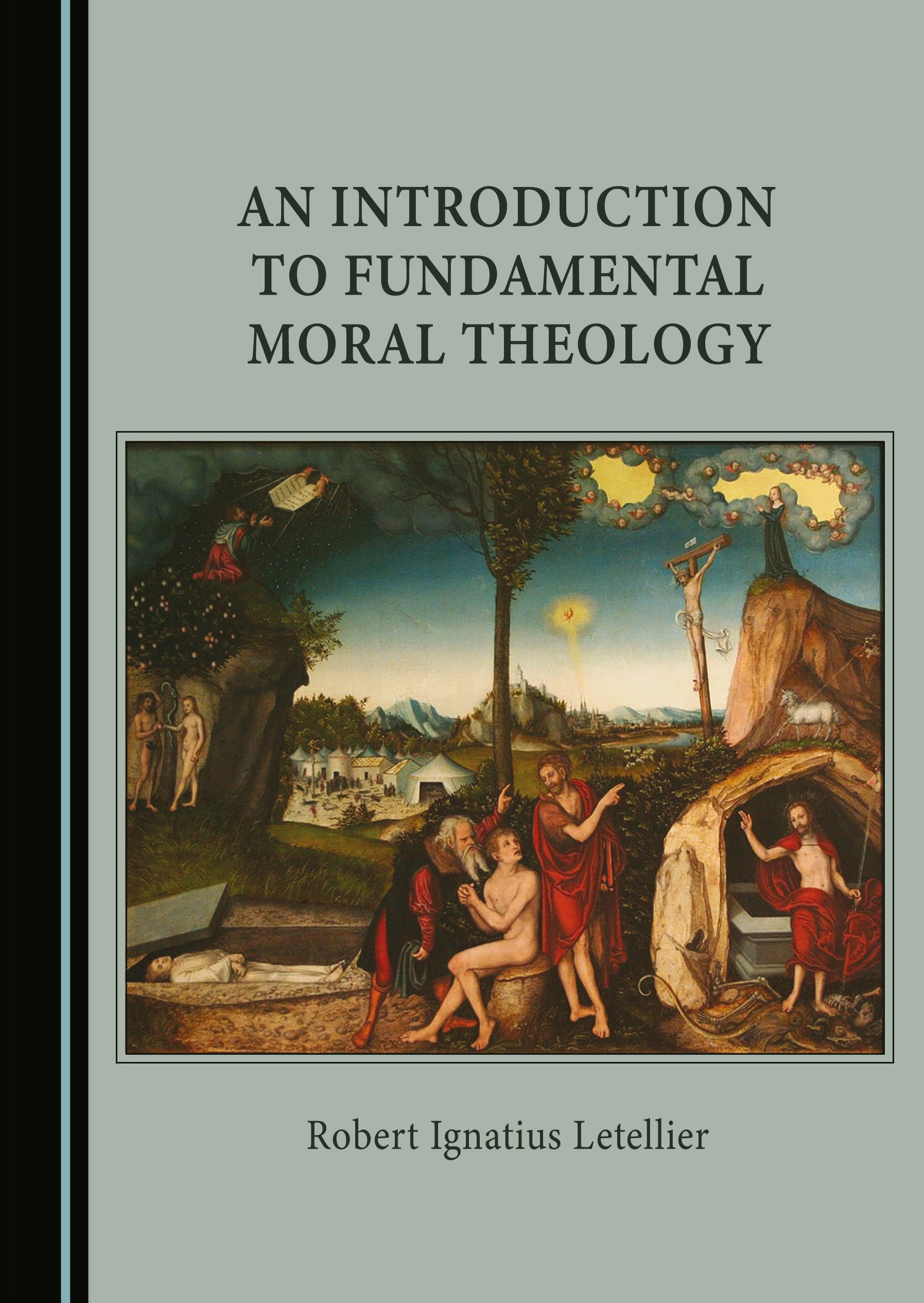
This book discusses fundamental morals, helping the disciple of Jesus Christ direct human acts to God, their true happiness. It explores how Christ's teaching, Natural Law, and human reason form a bridge between faith and life, guiding our conscience and moral decisions.
This book discusses fundamental morals, helping the disciple of Jesus Christ direct human acts to God, their true happiness. It explores how Christ’s teaching, Natural Law, and human reason form a bridge between faith and life, guiding our conscience and moral decisions.
View more
This product has multiple variants. The options may be chosen on the product page
View more
This product has multiple variants. The options may be chosen on the product page
From £29.99
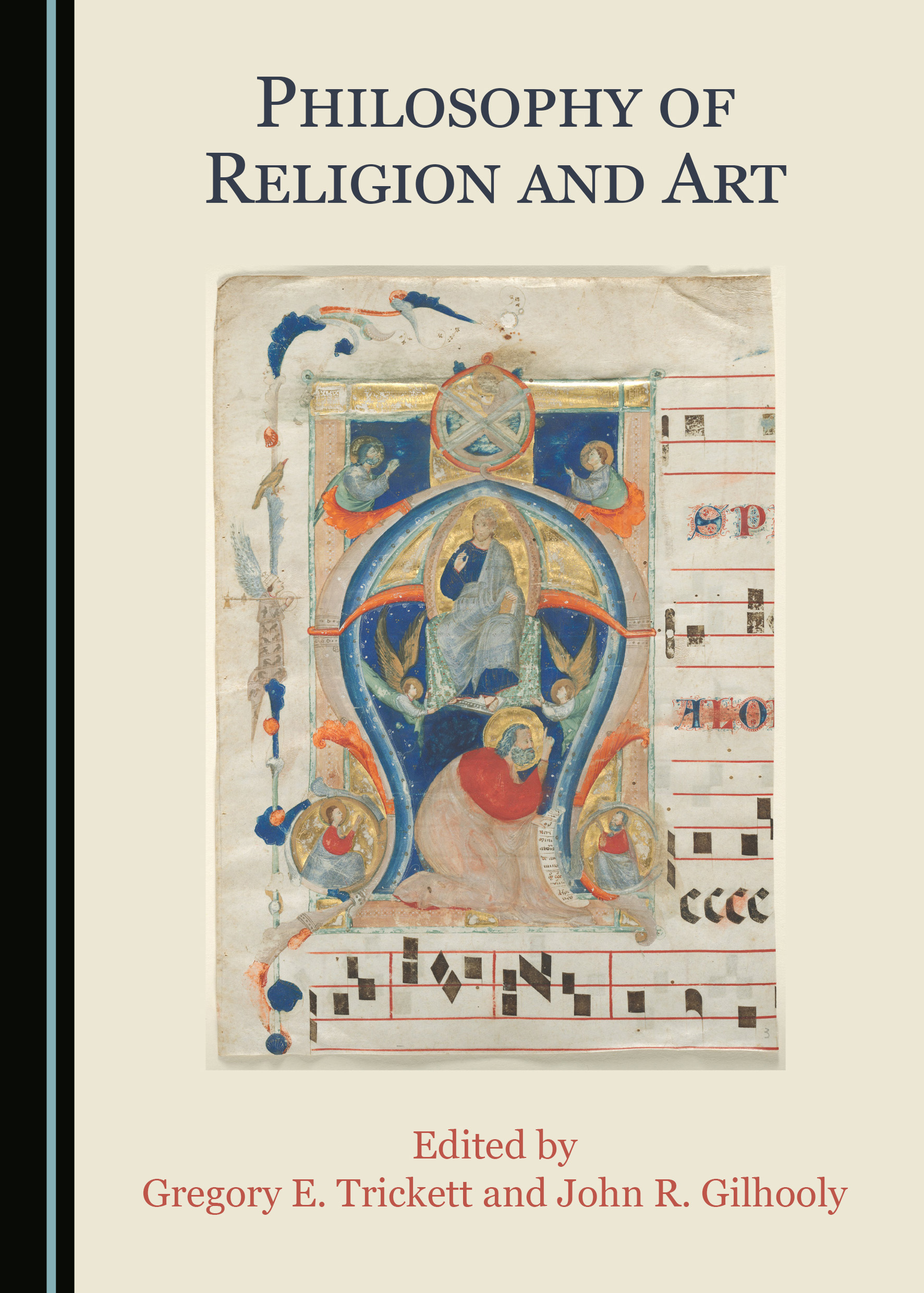
This volume relates the philosophy of religion to the humanities, including visual art, literature, and pop culture. Essays discuss the nature of art and religious experience, the role of art in religious dialogue, and the function of narrative in religious discourse.
This volume relates the philosophy of religion to the humanities, including visual art, literature, and pop culture. Essays discuss the nature of art and religious experience, the role of art in religious dialogue, and the function of narrative in religious discourse.
View more
This product has multiple variants. The options may be chosen on the product page
View more
This product has multiple variants. The options may be chosen on the product page
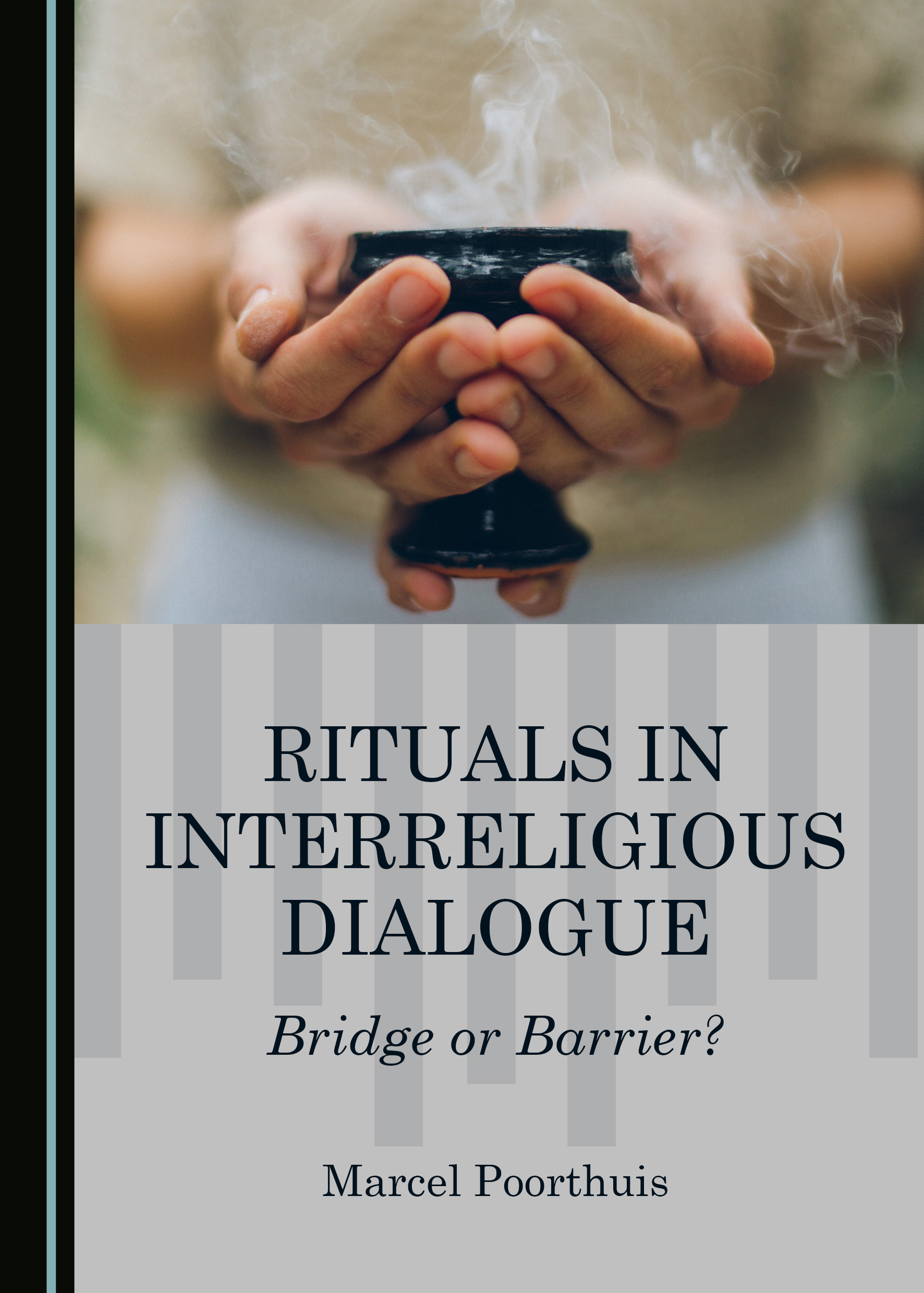
Rituals in Interreligious Dialogue
Bridge or Barrier?
Rituals are the treasure of religious memory, connecting us to the past and community. But what happens to rituals when different religions meet? This book takes them seriously, exploring the rich traditions of Judaism, Islam, Hinduism and Christianity to find new possibilities.
Rituals are the treasure of religious memory, connecting us to the past and community. But what happens to rituals when different religions meet? This book takes them seriously, exploring the rich traditions of Judaism, Islam, Hinduism and Christianity to find new possibilities.
View more
This product has multiple variants. The options may be chosen on the product page
View more
This product has multiple variants. The options may be chosen on the product page
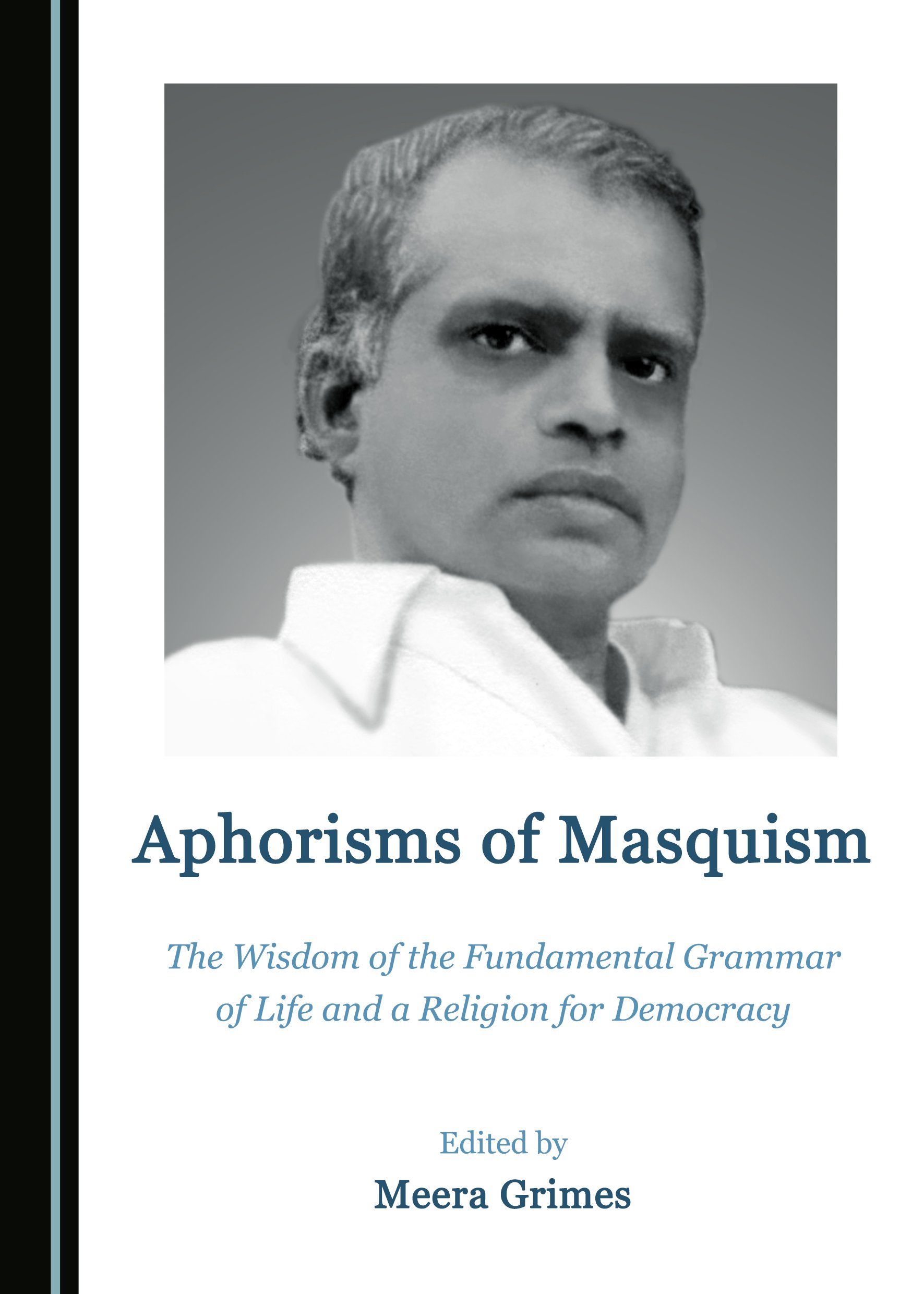
Aphorisms of Masquism
The Wisdom of the Fundamental Grammar of Life and a Religion for Democracy
Grimes presents the monumental work of Swami R. Vaidyanathan (1913-1990), who was a research student at Cambridge under Lord Rutherford from 1934 to 1938, detailing his complete and unique philosophy, which aimed at reducing human suffering and promoting world welfare.
Grimes presents the monumental work of Swami R. Vaidyanathan (1913-1990), who was a research student at Cambridge under Lord Rutherford from 1934 to 1938, detailing his complete and unique philosophy, which aimed at reducing human suffering and promoting world welfare.
View more
This product has multiple variants. The options may be chosen on the product page
Processing Your Order
Please wait while we securely process your order.
Do not refresh or leave this page.
You will be redirected shortly to a confirmation page with your order number.