
View more
This product has multiple variants. The options may be chosen on the product page
£29.99
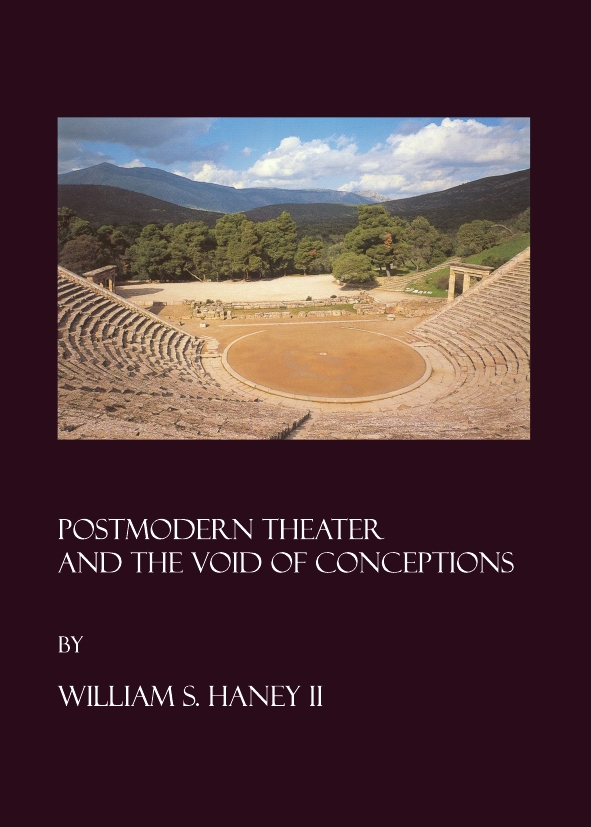
This book argues that the theater of Stoppard, Hwang, Churchill, Shepard, Walcott, and Karnad induces spectators to deconstruct habitual perception and taste a void of conceptions, pointing through performance toward a trans-verbal, trans-cultural wholeness.
This book argues that the theater of Stoppard, Hwang, Churchill, Shepard, Walcott, and Karnad induces spectators to deconstruct habitual perception and taste a void of conceptions, pointing through performance toward a trans-verbal, trans-cultural wholeness.
View more
This product has multiple variants. The options may be chosen on the product page
View more
This product has multiple variants. The options may be chosen on the product page
Theatres of Thought
Theatre, Performance and Philosophy
Theatre and philosophy both make things appear. These essays articulate the fact that they have never been truly apart, exploring theatre’s fascination with transforming thought into spectacle from wide-ranging perspectives and approaches.
Theatre and philosophy both make things appear. These essays articulate the fact that they have never been truly apart, exploring theatre’s fascination with transforming thought into spectacle from wide-ranging perspectives and approaches.
View more
This product has multiple variants. The options may be chosen on the product page
View more
This product has multiple variants. The options may be chosen on the product page
Sensorium
Aesthetics, Art, Life
This book reconfigures art and philosophy by returning to an older meaning of aesthetics: our capacity to receive sensations. Following Deleuze and Lyotard, it frames artists as experimenters with the sensible who extend our perceptual interface with the world.
This book reconfigures art and philosophy by returning to an older meaning of aesthetics: our capacity to receive sensations. Following Deleuze and Lyotard, it frames artists as experimenters with the sensible who extend our perceptual interface with the world.
View more
This product has multiple variants. The options may be chosen on the product page
View more
This product has multiple variants. The options may be chosen on the product page
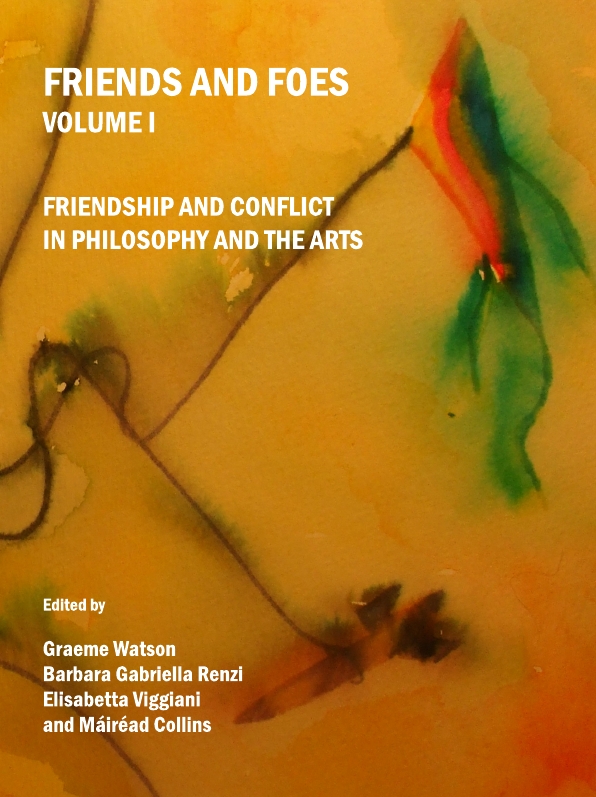
Friends and Foes Volume I
Friendship and Conflict in Philosophy and the Arts
What constitutes friendship? What challenges, duties and pleasures does it entail? This volume of philosophical and cultural essays offers an illuminating investigation of the relationship between friendship and conflict, exploring its compelling ambiguities.
What constitutes friendship? What challenges, duties and pleasures does it entail? This volume of philosophical and cultural essays offers an illuminating investigation of the relationship between friendship and conflict, exploring its compelling ambiguities.
View more
This product has multiple variants. The options may be chosen on the product page
View more
This product has multiple variants. The options may be chosen on the product page
£49.99
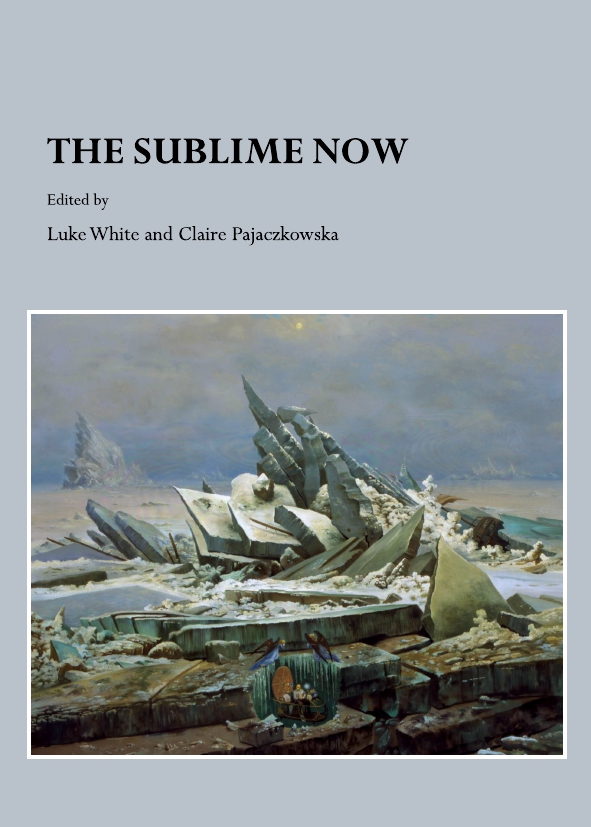
Once considered an archaic concept, the Sublime has returned to the critical agenda. This book asks why. Spanning philosophy, politics, popular cinema, and digital cultures, these essays explore the relevance and urgency of the Sublime for today's world.
Once considered an archaic concept, the Sublime has returned to the critical agenda. This book asks why. Spanning philosophy, politics, popular cinema, and digital cultures, these essays explore the relevance and urgency of the Sublime for today’s world.
View more
This product has multiple variants. The options may be chosen on the product page
View more
This product has multiple variants. The options may be chosen on the product page
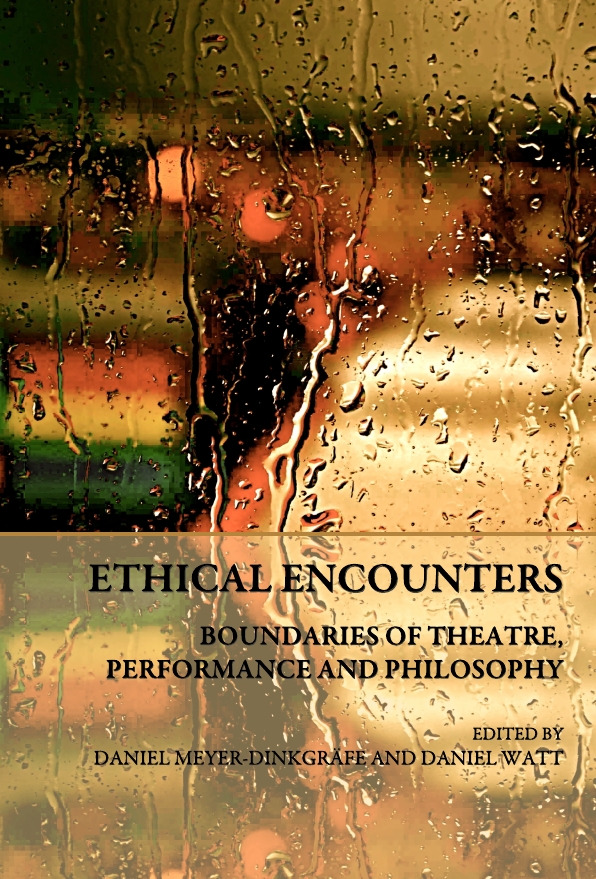
Ethical Encounters
Boundaries of Theatre, Performance and Philosophy
These essays on theatre ethics demonstrate how academics and artists have thought about its ethical implications. They debate relevant issues and explore what is possible within theatre, challenging you to form and develop your own opinions and resultant actions.
These essays on theatre ethics demonstrate how academics and artists have thought about its ethical implications. They debate relevant issues and explore what is possible within theatre, challenging you to form and develop your own opinions and resultant actions.
View more
This product has multiple variants. The options may be chosen on the product page

View more
This product has multiple variants. The options may be chosen on the product page
£44.99
A philosopher and artist analyzes the clash between government funding and censorship. Combining philosophical analysis with interviews with censored artists, this book reveals why freedom of expression is vital for a society to be both stimulating and safe.
A philosopher and artist analyzes the clash between government funding and censorship. Combining philosophical analysis with interviews with censored artists, this book reveals why freedom of expression is vital for a society to be both stimulating and safe.
View more
This product has multiple variants. The options may be chosen on the product page
View more
This product has multiple variants. The options may be chosen on the product page
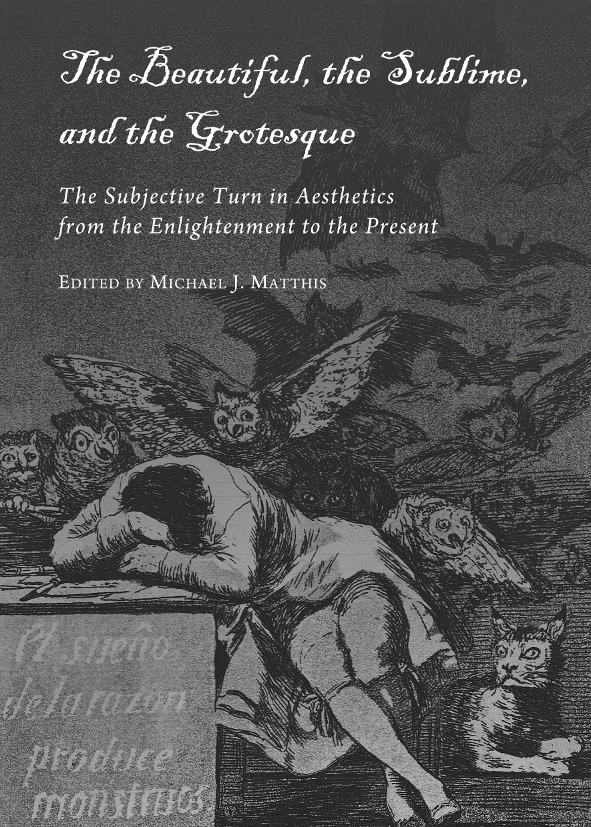
The Beautiful, the Sublime, and the Grotesque
The Subjective Turn in Aesthetics from the Enlightenment to the Present
This book of essays explores the tension between subjectivity and objectivity from the Enlightenment to the Postmodern world. It focuses on the aesthetic theories of Winkelmann, Hume, and Kant, examining the beautiful, the sublime, and the grotesque.
This book of essays explores the tension between subjectivity and objectivity from the Enlightenment to the Postmodern world. It focuses on the aesthetic theories of Winkelmann, Hume, and Kant, examining the beautiful, the sublime, and the grotesque.
View more
This product has multiple variants. The options may be chosen on the product page
View more
This product has multiple variants. The options may be chosen on the product page
£44.99
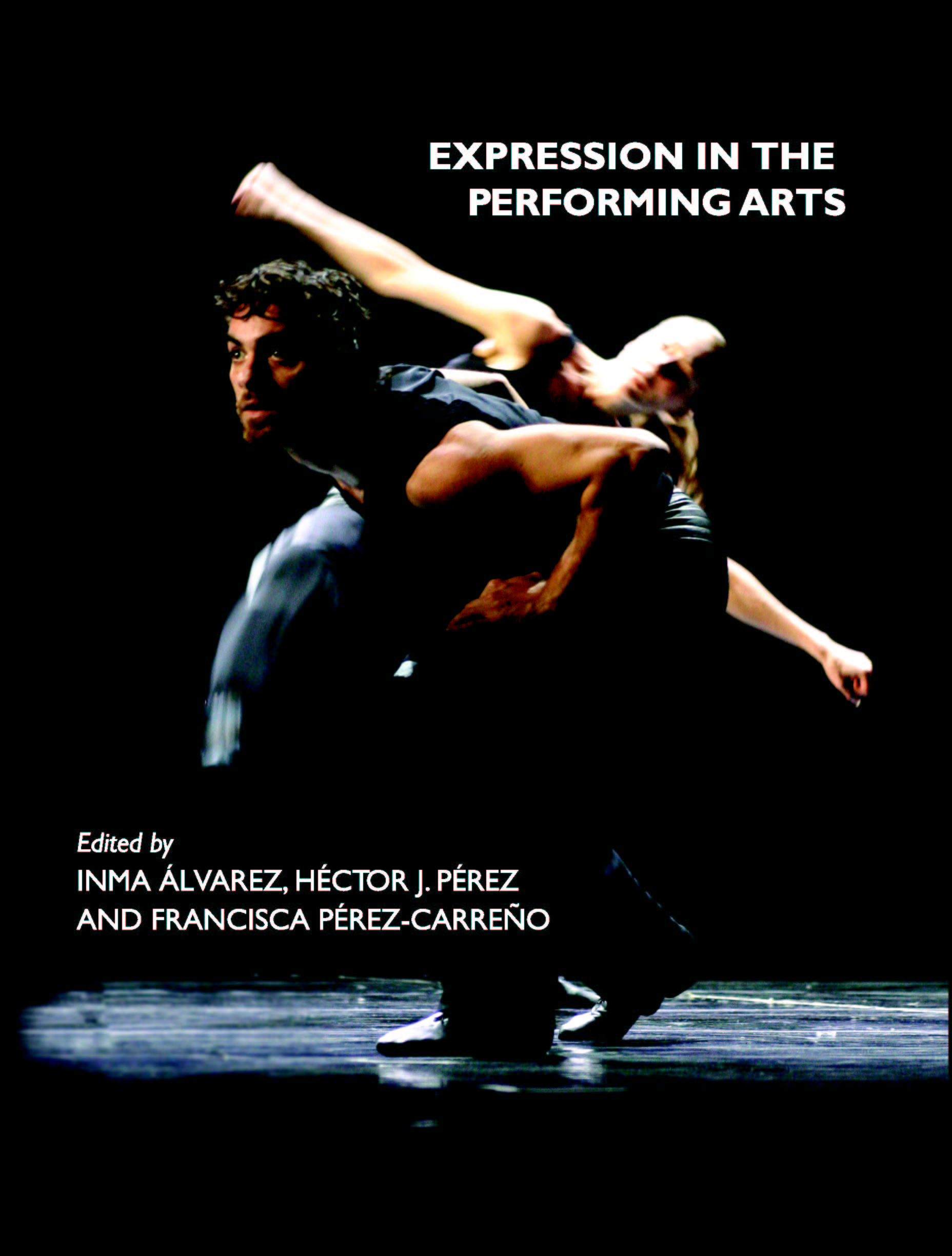
The performing arts remain an underexplored territory for aesthetics. This volume collects essays by international scholars who address the core philosophical topic of expression, questioning the roles of the performer, the work, and the spectator.
The performing arts remain an underexplored territory for aesthetics. This volume collects essays by international scholars who address the core philosophical topic of expression, questioning the roles of the performer, the work, and the spectator.
View more
This product has multiple variants. The options may be chosen on the product page
View more
This product has multiple variants. The options may be chosen on the product page
£34.99
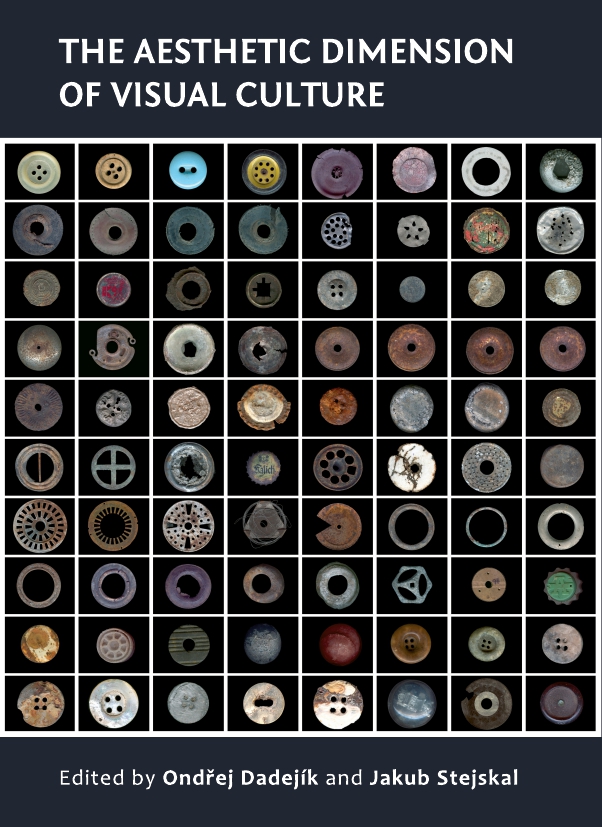
How can aesthetic enquiry contribute to the study of visual culture? The essays in this volume show a variety of points of intersection between aesthetics and visual studies, considering the future of art, aesthetic experience, and representation versus reality.
How can aesthetic enquiry contribute to the study of visual culture? The essays in this volume show a variety of points of intersection between aesthetics and visual studies, considering the future of art, aesthetic experience, and representation versus reality.
View more
This product has multiple variants. The options may be chosen on the product page
View more
This product has multiple variants. The options may be chosen on the product page
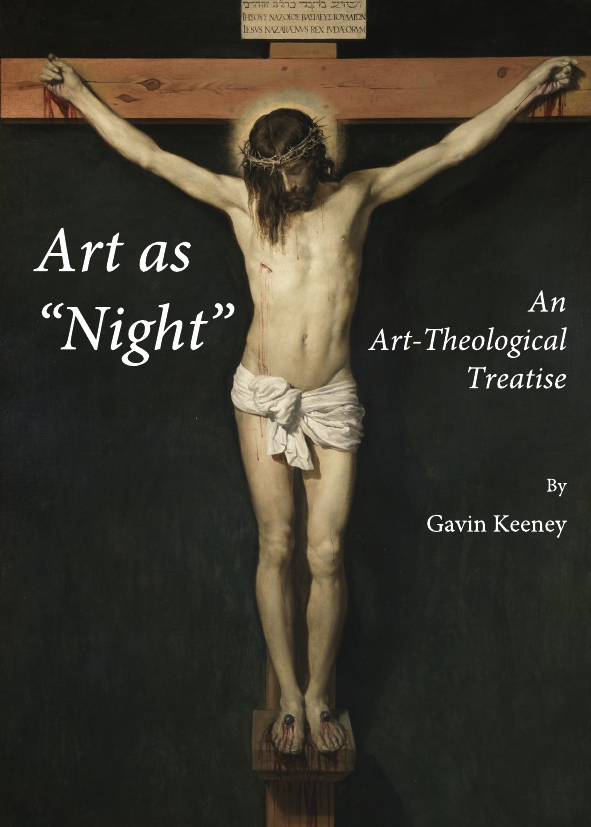
Art as “Night”
An Art-Theological Treatise
Art as “Night” proposes a type of dark, a-historical knowledge crossing painting from Velázquez to Richter and Kiefer. It argues for a non-discursive form of intellection embodied in the work of art—a pure visual and moral agency lost since the Baroque era.
Art as “Night” proposes a type of dark, a-historical knowledge crossing painting from Velázquez to Richter and Kiefer. It argues for a non-discursive form of intellection embodied in the work of art—a pure visual and moral agency lost since the Baroque era.
View more
This product has multiple variants. The options may be chosen on the product page
View more
This product has multiple variants. The options may be chosen on the product page
Wit’s End
Making Sense of the Great Movies
This book studies the “Great Movies,” the enduring works of cinematic history. It attempts to “make sense” of these films to understand what they express about the universality of human life and the worlds they recreate on screen.
This book studies the “Great Movies,” the enduring works of cinematic history. It attempts to “make sense” of these films to understand what they express about the universality of human life and the worlds they recreate on screen.
View more
This product has multiple variants. The options may be chosen on the product page
View more
This product has multiple variants. The options may be chosen on the product page
Heroes, Monsters and Values
Science Fiction Films of the 1970s
This anthology of essays on 1970s sci-fi films from Alien to Zardoz explores what it means to be human. Challenging our ideas on heroism, technology, and morality, this is an enlightening work for science fiction and film enthusiasts.
This anthology of essays on 1970s sci-fi films from Alien to Zardoz explores what it means to be human. Challenging our ideas on heroism, technology, and morality, this is an enlightening work for science fiction and film enthusiasts.
View more
This product has multiple variants. The options may be chosen on the product page

View more
This product has multiple variants. The options may be chosen on the product page
From £24.99
Ethics is not just ‘being good’, but living a ‘good life’. This book highlights that being good is a matter of acting good—of performing certain roles and duties. It explores this relationship between ethics and performance from natality to fatality.
Ethics is not just ‘being good’, but living a ‘good life’. This book highlights that being good is a matter of acting good—of performing certain roles and duties. It explores this relationship between ethics and performance from natality to fatality.
View more
This product has multiple variants. The options may be chosen on the product page
View more
This product has multiple variants. The options may be chosen on the product page
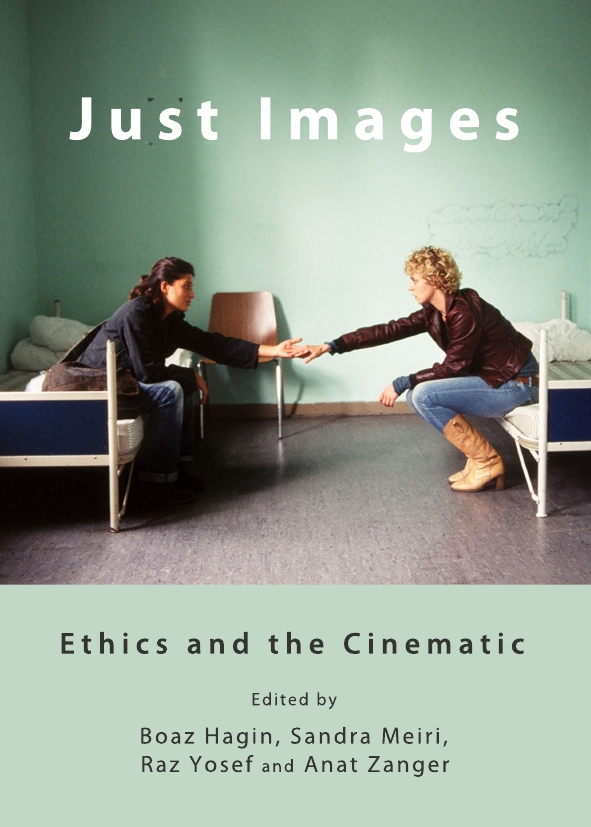
Just Images
Ethics and the Cinematic
This collection of essays explores the role ethics plays in the study of moving images. Scholars discuss how film engages with history, politics, trauma, and representations of the Other to reshape our thoughts on subjects like terrorism and conflict.
This collection of essays explores the role ethics plays in the study of moving images. Scholars discuss how film engages with history, politics, trauma, and representations of the Other to reshape our thoughts on subjects like terrorism and conflict.
View more
This product has multiple variants. The options may be chosen on the product page
View more
This product has multiple variants. The options may be chosen on the product page
£34.99
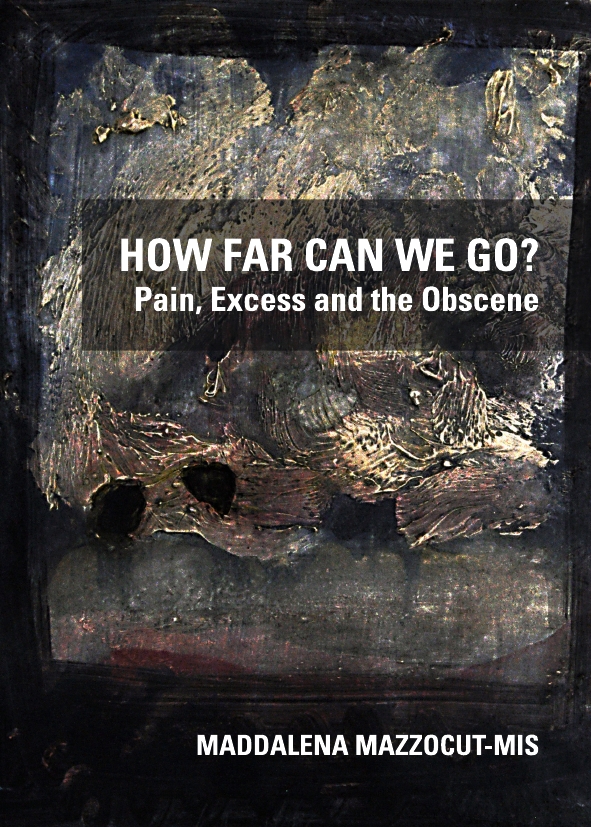
The public does not desire horror, yet enjoys it in art. In the monstrous marriage of the abject and the sublime, this thrill transforms the spectator into voyeur or victim. Representing horror means rendering it enjoyable—a game of limits that are no longer limits.
The public does not desire horror, yet enjoys it in art. In the monstrous marriage of the abject and the sublime, this thrill transforms the spectator into voyeur or victim. Representing horror means rendering it enjoyable—a game of limits that are no longer limits.
View more
This product has multiple variants. The options may be chosen on the product page
View more
This product has multiple variants. The options may be chosen on the product page
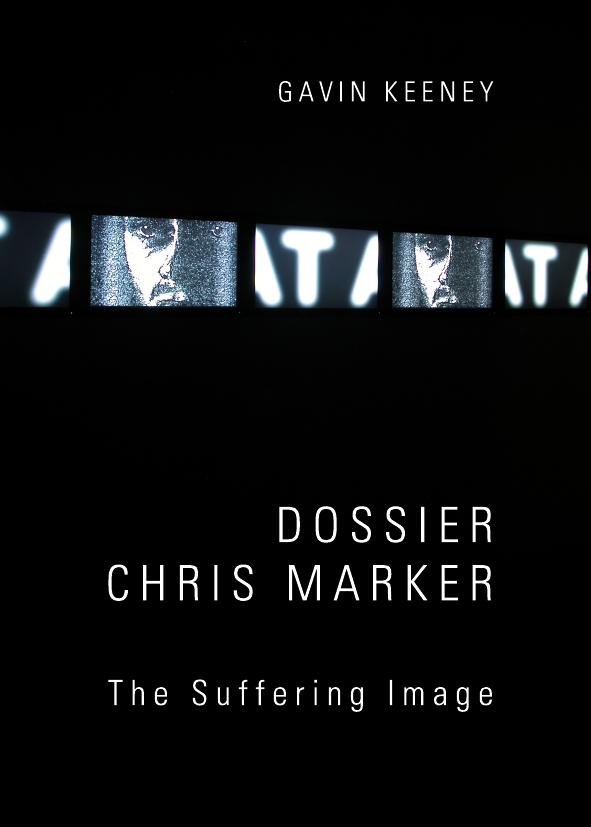
Dossier Chris Marker
The Suffering Image
A study of Chris Marker's works, focusing on the dynamic interplay of political and subjective agency. It is this very conflict that animates all of Marker’s extensive works, which act as a “mask” or “screen” for forces that reside beyond the frame.
A study of Chris Marker’s works, focusing on the dynamic interplay of political and subjective agency. It is this very conflict that animates all of Marker’s extensive works, which act as a “mask” or “screen” for forces that reside beyond the frame.
View more
This product has multiple variants. The options may be chosen on the product page
View more
This product has multiple variants. The options may be chosen on the product page
£39.99
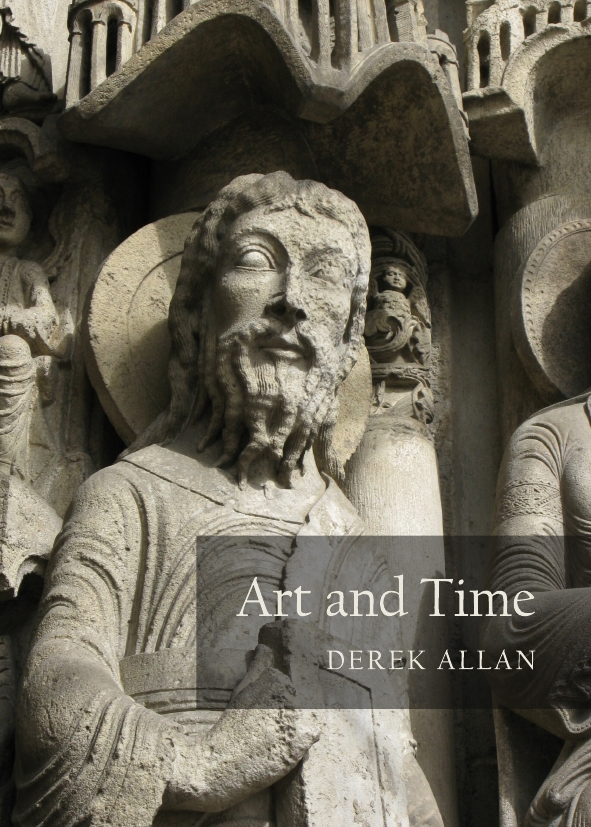
How do great works of art live on long after their cultures have vanished? This book rejects the idea that art is simply timeless. It argues that art transcends time through a process of metamorphosis, posing a major challenge to traditional aesthetics.
How do great works of art live on long after their cultures have vanished? This book rejects the idea that art is simply timeless. It argues that art transcends time through a process of metamorphosis, posing a major challenge to traditional aesthetics.
View more
This product has multiple variants. The options may be chosen on the product page

View more
This product has multiple variants. The options may be chosen on the product page
Cinema and Evil
Moral Complexities and the “Dangerous” Film
This book explores films that address the problem of evil, drawing on thinkers from Manicheanism to Arendt. It considers how filmmakers like Fritz Lang and Michael Haneke use “dangerous” films to task us with considering evil as our own responsibility.
This book explores films that address the problem of evil, drawing on thinkers from Manicheanism to Arendt. It considers how filmmakers like Fritz Lang and Michael Haneke use “dangerous” films to task us with considering evil as our own responsibility.
View more
This product has multiple variants. The options may be chosen on the product page
View more
This product has multiple variants. The options may be chosen on the product page
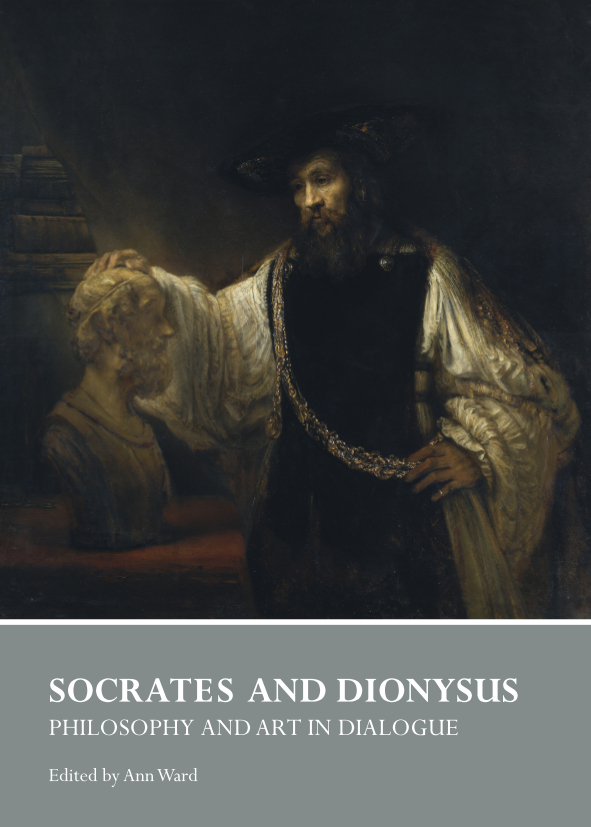
Socrates and Dionysus
Philosophy and Art in Dialogue
Nietzsche argued Socratic reason destroyed the tragic art of Dionysus, pitting science against art. But are they enemies? This volume challenges that division, exploring how artists and thinkers bridge the gap between the world of fact and the world of fiction.
Nietzsche argued Socratic reason destroyed the tragic art of Dionysus, pitting science against art. But are they enemies? This volume challenges that division, exploring how artists and thinkers bridge the gap between the world of fact and the world of fiction.
View more
This product has multiple variants. The options may be chosen on the product page
Processing Your Order
Please wait while we securely process your order.
Do not refresh or leave this page.
You will be redirected shortly to a confirmation page with your order number.