

View more
This product has multiple variants. The options may be chosen on the product page
Christians and Platonists
The Ethos of Late Antiquity
Theodore Sabo examines the distaste towards matter and the body shared by Christians, Gnostics, and Platonists of late antiquity, looking at key terms like ethos, aiōn, and saeculum, and investigating the individual beliefs of each school of philosophy.
Theodore Sabo examines the distaste towards matter and the body shared by Christians, Gnostics, and Platonists of late antiquity, looking at key terms like ethos, aiōn, and saeculum, and investigating the individual beliefs of each school of philosophy.
View more
This product has multiple variants. The options may be chosen on the product page
View more
This product has multiple variants. The options may be chosen on the product page
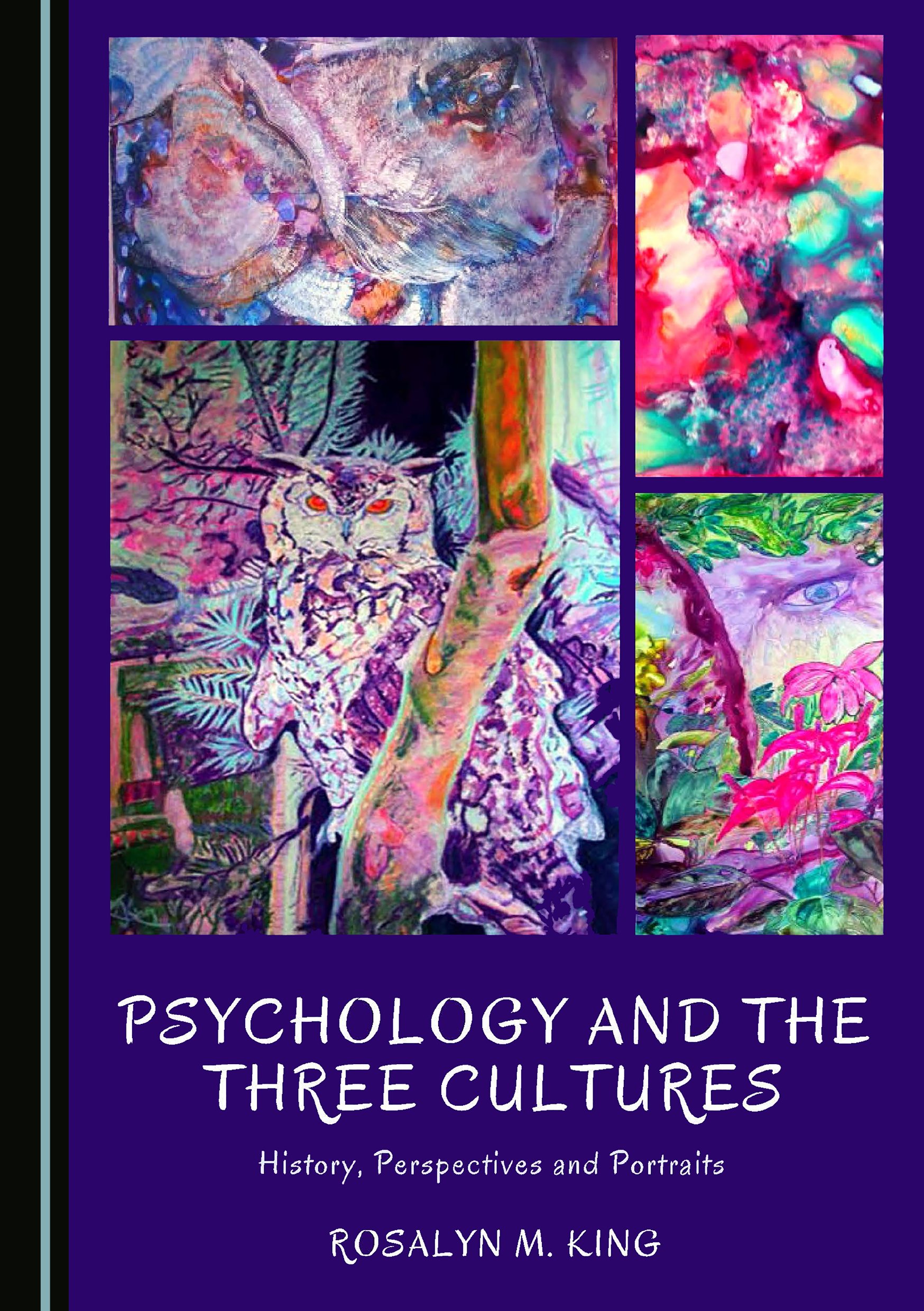
Psychology and the Three Cultures
History, Perspectives and Portraits
King documents the history and evolution of the field of psychology and its position as a global, integrated, hub science. She presents the nexus between science, the humanities and social sciences.
King documents the history and evolution of the field of psychology and its position as a global, integrated, hub science. She presents the nexus between science, the humanities and social sciences.
View more
This product has multiple variants. The options may be chosen on the product page

View more
This product has multiple variants. The options may be chosen on the product page
The Opportunity to Live Well
The Wisdom of Nelson Mandela, Gough Whitlam, Pete Seeger and Others
Traditional success—money, fame, career—won't provide a good life. So, how can we truly live well? Learn from the lives of Nelson Mandela and others who show that the joyous rewards of living well come from cultivating awareness, passion, empathy, and resilience.
Traditional success—money, fame, career—won’t provide a good life. So, how can we truly live well? Learn from the lives of Nelson Mandela and others who show that the joyous rewards of living well come from cultivating awareness, passion, empathy, and resilience.
View more
This product has multiple variants. The options may be chosen on the product page
View more
This product has multiple variants. The options may be chosen on the product page
From £34.99
This advanced text on formal logic covers semantics, axiomatics, and proofs of soundness, completeness, and Gödel’s theorems. It also discusses the pictorial semantics of logic diagrams, the evaluation of everyday argumentation, and Nether Logic, the logic of falsehood.
This advanced text on formal logic covers semantics, axiomatics, and proofs of soundness, completeness, and Gödel’s theorems. It also discusses the pictorial semantics of logic diagrams, the evaluation of everyday argumentation, and Nether Logic, the logic of falsehood.
View more
This product has multiple variants. The options may be chosen on the product page
View more
This product has multiple variants. The options may be chosen on the product page
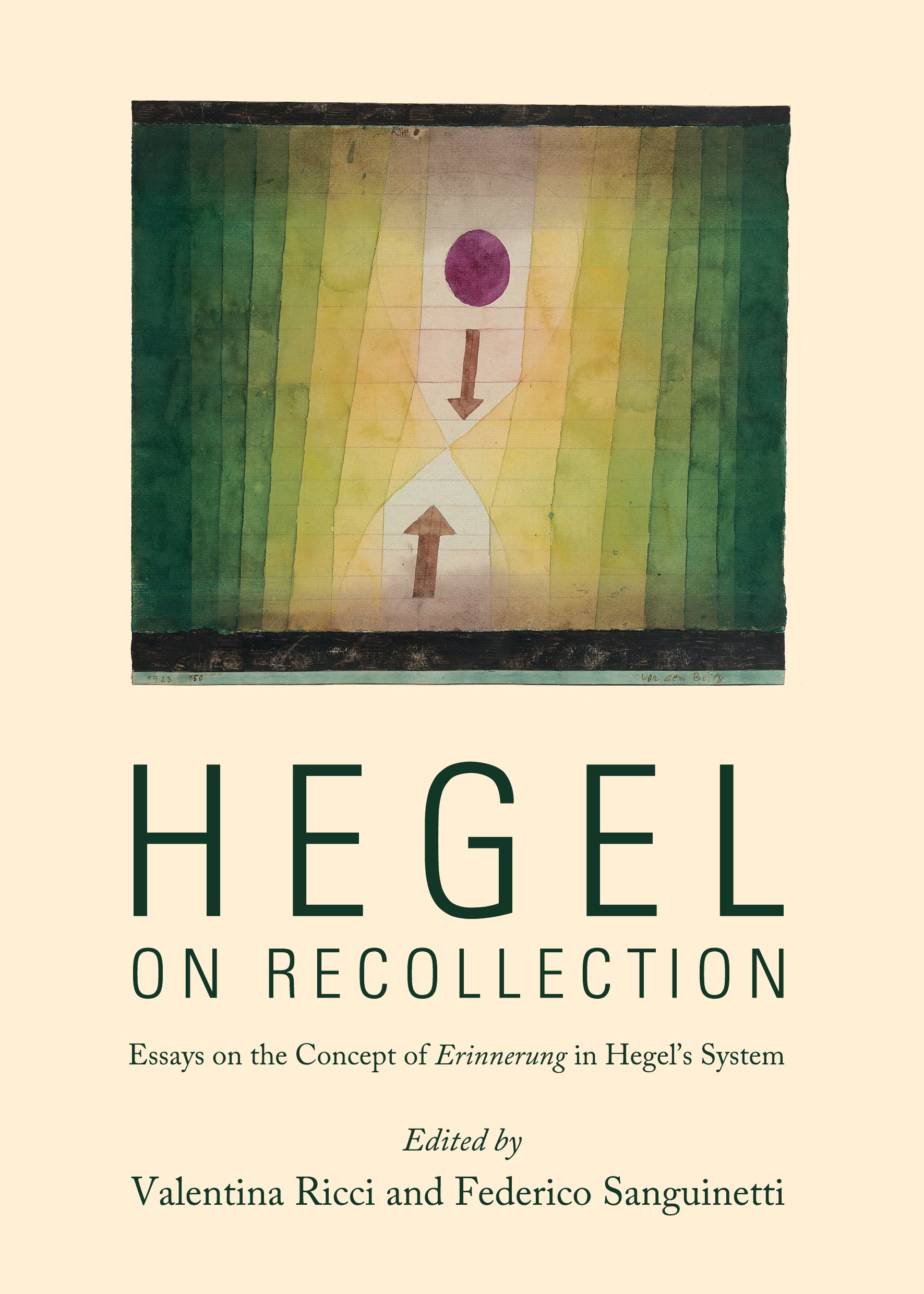
Hegel on Recollection
Essays on the Concept of Erinnerung in Hegel’s System
This collection of essays focuses on Hegel’s concept of recollection (Erinnerung). It provides a detailed examination of the role played by recollection within his system, arguing that it is a privileged key to interpreting Hegel’s philosophy.
This collection of essays focuses on Hegel’s concept of recollection (Erinnerung). It provides a detailed examination of the role played by recollection within his system, arguing that it is a privileged key to interpreting Hegel’s philosophy.
View more
This product has multiple variants. The options may be chosen on the product page

View more
This product has multiple variants. The options may be chosen on the product page
On Affirmation and Becoming
A Deleuzian Introduction to Nietzsche’s Ethics and Ontology
This book re-explores Nietzsche’s critique of nihilism through Gilles Deleuze. Using Deleuze’s experimental reading, it introduces Nietzsche’s ethics of affirmation and ontology of becoming, moving beyond traditional metaphysics to a new image of thought.
This book re-explores Nietzsche’s critique of nihilism through Gilles Deleuze. Using Deleuze’s experimental reading, it introduces Nietzsche’s ethics of affirmation and ontology of becoming, moving beyond traditional metaphysics to a new image of thought.
View more
This product has multiple variants. The options may be chosen on the product page
View more
This product has multiple variants. The options may be chosen on the product page
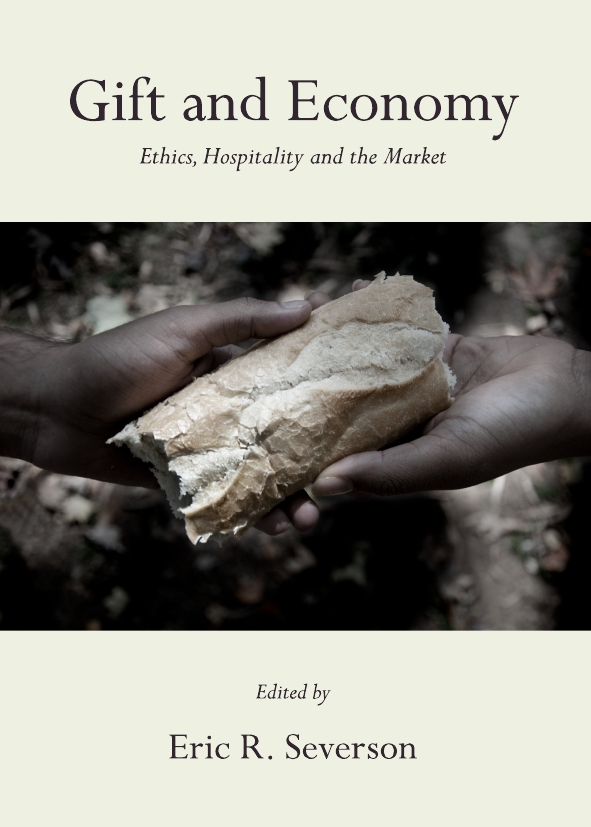
Gift and Economy
Ethics, Hospitality and the Market
Is a pure gift truly possible? The powerful forces of economy can corrupt every effort to give. This volume takes up Jacques Derrida’s challenge to investigate the gift, exploring an excess that cannot be explained by the calculus of exchange and power.
Is a pure gift truly possible? The powerful forces of economy can corrupt every effort to give. This volume takes up Jacques Derrida’s challenge to investigate the gift, exploring an excess that cannot be explained by the calculus of exchange and power.
View more
This product has multiple variants. The options may be chosen on the product page

View more
This product has multiple variants. The options may be chosen on the product page
£29.99
What happens when we remember? This book argues that autobiographical memory is not a recollection but an active, imaginative reconstruction of our past, linking historical philosophy from Bolzano and Husserl with contemporary cognitive science.
What happens when we remember? This book argues that autobiographical memory is not a recollection but an active, imaginative reconstruction of our past, linking historical philosophy from Bolzano and Husserl with contemporary cognitive science.
View more
This product has multiple variants. The options may be chosen on the product page

View more
This product has multiple variants. The options may be chosen on the product page
Recent Advances in the Creation of a Process-Based Worldview
Human Life in Process
This collection investigates the cutting edge in the creation of a process worldview, an important component of contemporary philosophy. It explores how process thinking can inspire us to rethink our lives, representing a bold move from academic philosophy to actual human lives.
This collection investigates the cutting edge in the creation of a process worldview, an important component of contemporary philosophy. It explores how process thinking can inspire us to rethink our lives, representing a bold move from academic philosophy to actual human lives.
View more
This product has multiple variants. The options may be chosen on the product page

View more
This product has multiple variants. The options may be chosen on the product page
£39.99
This analysis of values within Husserlian phenomenology describes our experience of intersubjective values and explores ethics as a practical matter, offering a third phenomenological way beyond the common positivistic and deontological dichotomy.
This analysis of values within Husserlian phenomenology describes our experience of intersubjective values and explores ethics as a practical matter, offering a third phenomenological way beyond the common positivistic and deontological dichotomy.
View more
This product has multiple variants. The options may be chosen on the product page
View more
This product has multiple variants. The options may be chosen on the product page
£54.99
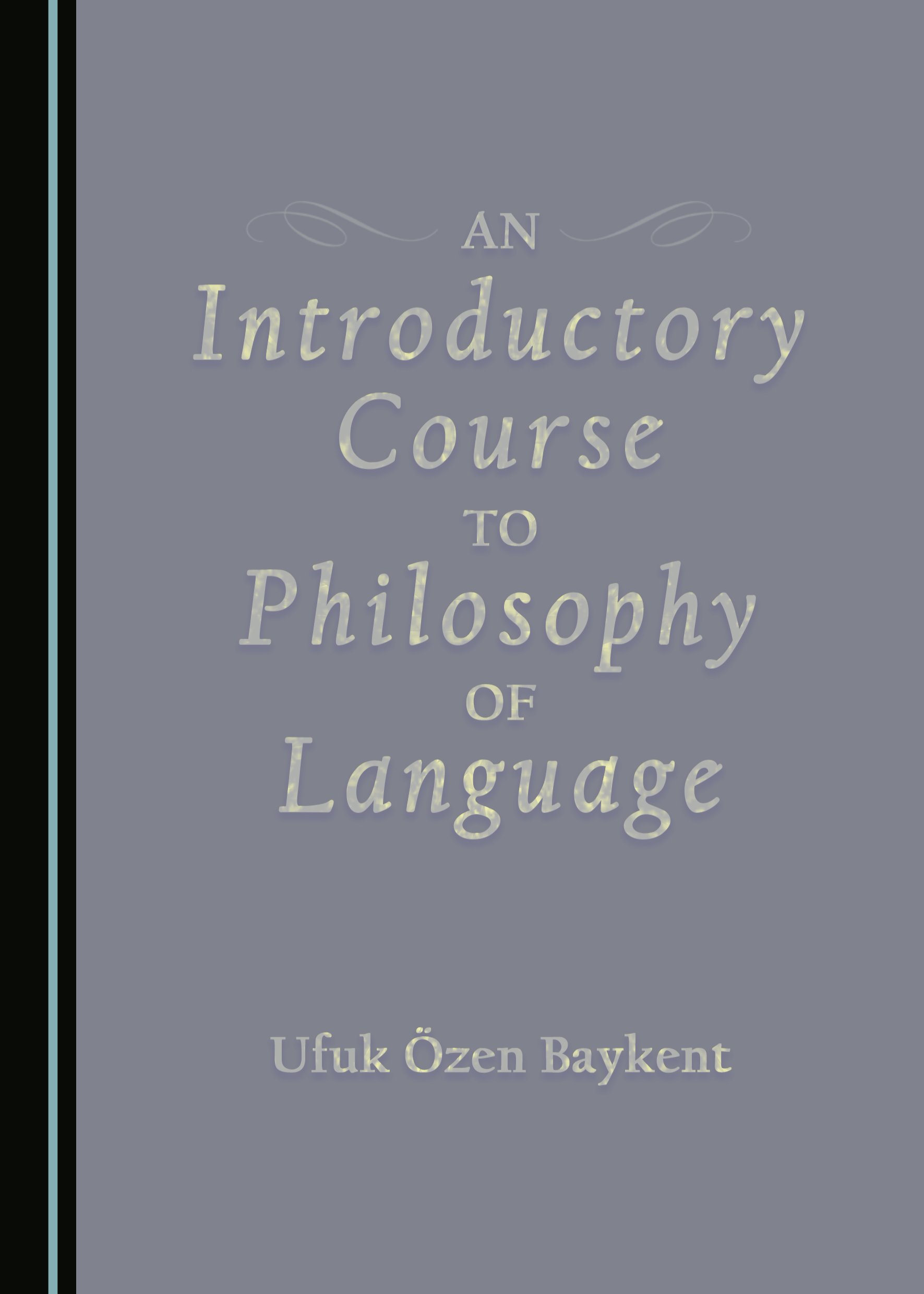
In this book, central issues in the history of philosophical investigations about the concept of language are introduced. Topics are structured with reference to the world’s foremost philosophers of language, raising an awareness of language as a distinctive human capacity.
In this book, central issues in the history of philosophical investigations about the concept of language are introduced. Topics are structured with reference to the world’s foremost philosophers of language, raising an awareness of language as a distinctive human capacity.
View more
This product has multiple variants. The options may be chosen on the product page
View more
This product has multiple variants. The options may be chosen on the product page
The Recognition Principle
A Philosophical Perspective between Psychology, Sociology and Politics
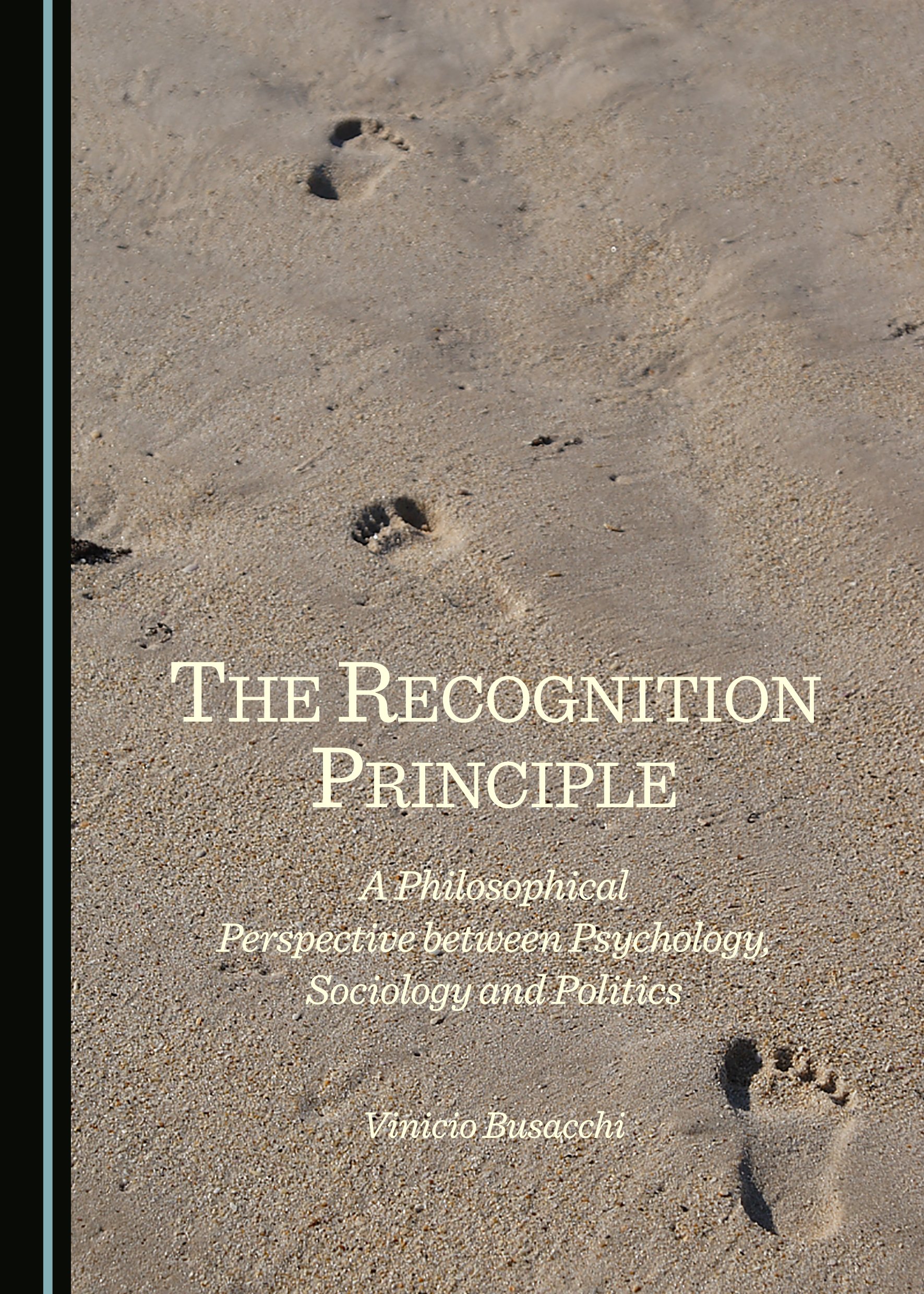
This book explores recognition across psychology, sociology, and politics. It argues that no philosophy of recognition can be built without deep psychological and anthropological foundations, ultimately exploring recognition as a general 'recognition principle'.
This book explores recognition across psychology, sociology, and politics. It argues that no philosophy of recognition can be built without deep psychological and anthropological foundations, ultimately exploring recognition as a general ‘recognition principle’.
View more
This product has multiple variants. The options may be chosen on the product page
View more
This product has multiple variants. The options may be chosen on the product page
£52.99
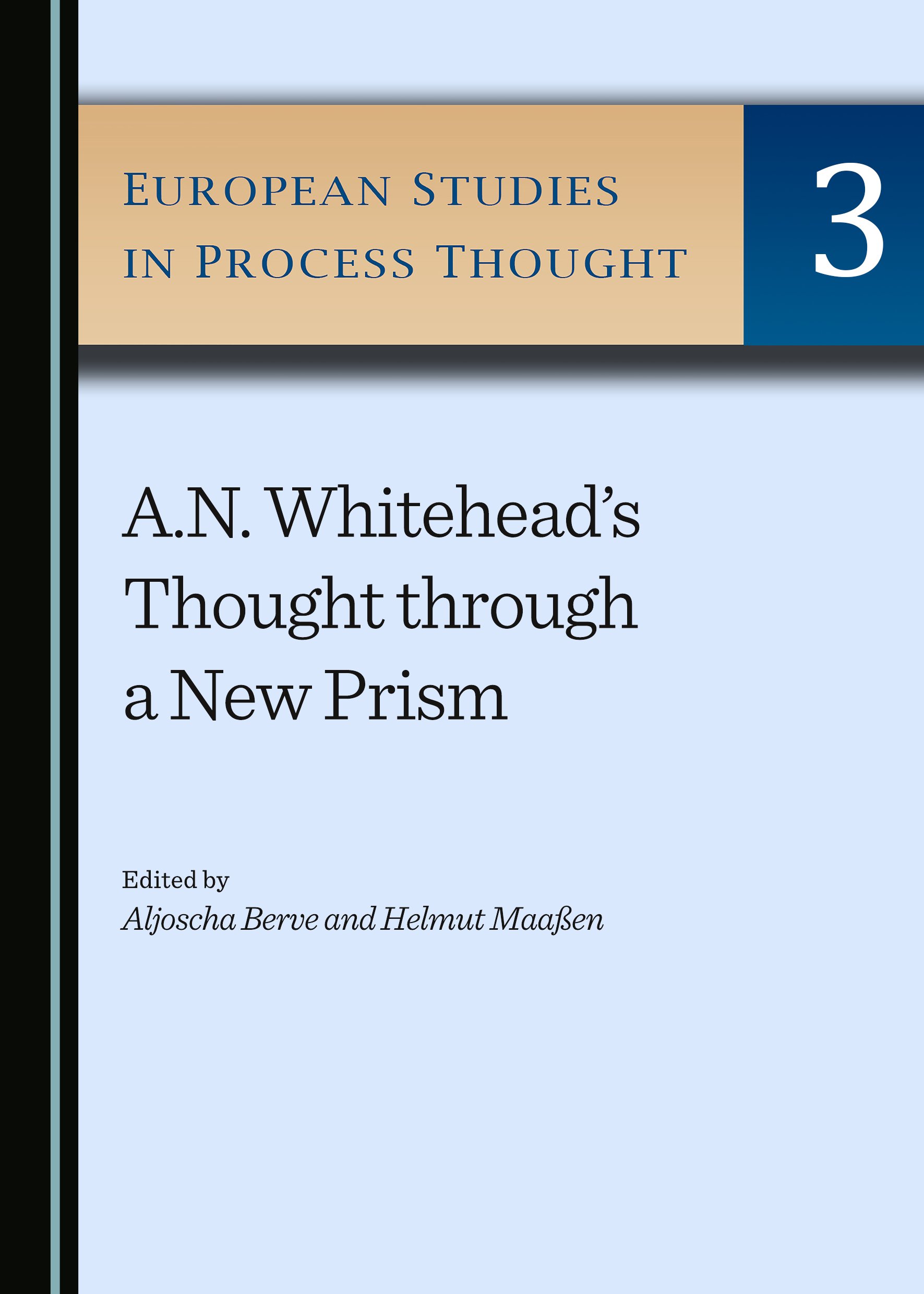
Deriving from the “European Summer School for Process Thought”, this volume explores A.N. Whitehead’s thinking in different fields of science. The first part concerns Whitehead’s philosophical methodology and the second discusses applications for concepts of Whitehead’s thinking.
Deriving from the “European Summer School for Process Thought”, this volume explores A.N. Whitehead’s thinking in different fields of science. The first part concerns Whitehead’s philosophical methodology and the second discusses applications for concepts of Whitehead’s thinking.
View more
This product has multiple variants. The options may be chosen on the product page
View more
This product has multiple variants. The options may be chosen on the product page
Cosmic Consciousness and Human Excellence
Implications for Global Ethics
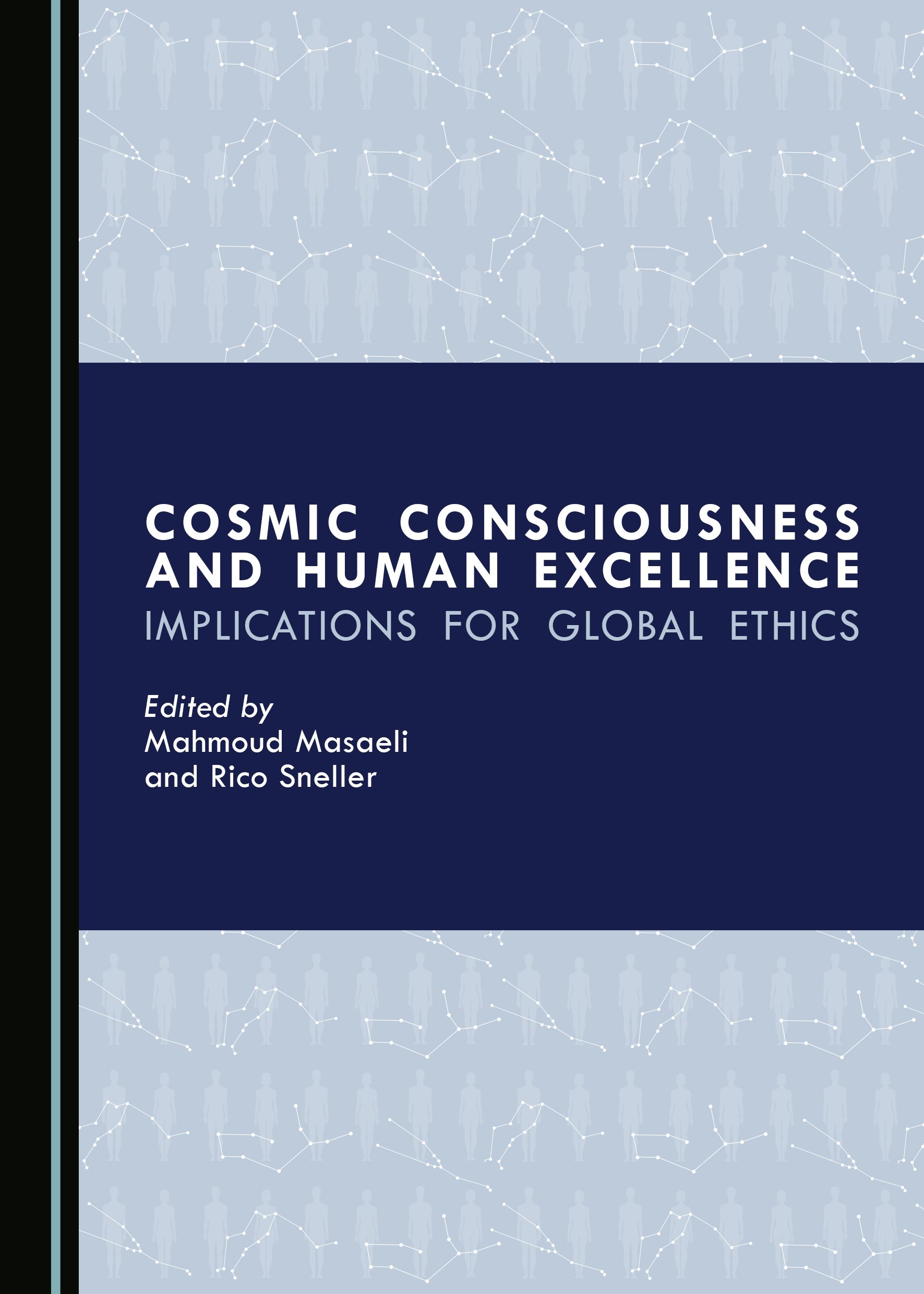
Cosmic consciousness is a transcendence of self, a pathway to human excellence. It suggests the world cannot be improved without changing individual consciousness. This book places this idea at the centre of contemporary arguments on the nature of consciousness.
Cosmic consciousness is a transcendence of self, a pathway to human excellence. It suggests the world cannot be improved without changing individual consciousness. This book places this idea at the centre of contemporary arguments on the nature of consciousness.
View more
This product has multiple variants. The options may be chosen on the product page
View more
This product has multiple variants. The options may be chosen on the product page
£44.99
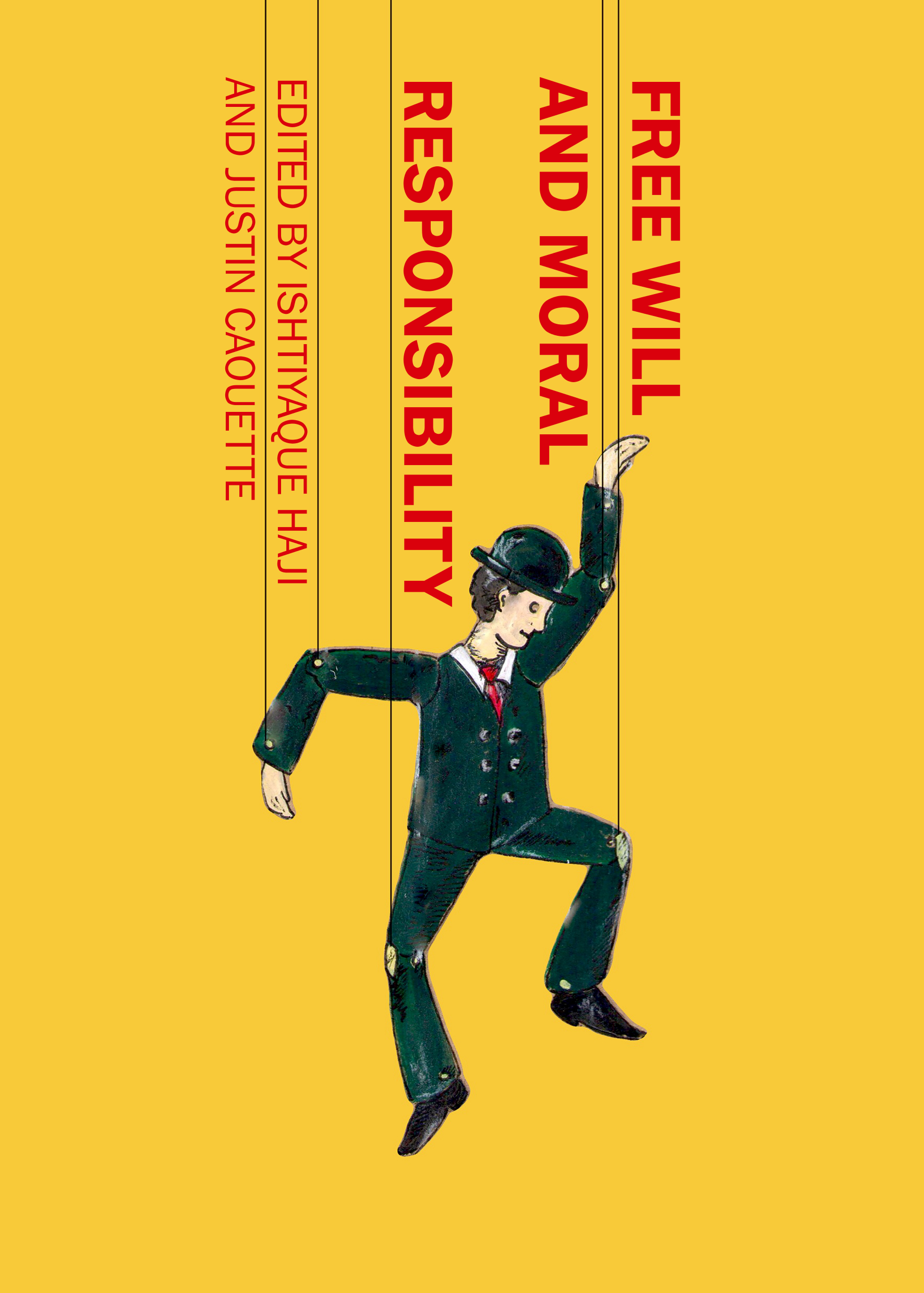
A dilemma threatens our belief in moral responsibility: if determinism is true, we lack control; if not, our actions are a matter of luck. This collection of new essays confronts this problem, with contributions by John Martin Fischer, Robert Kane, and others.
A dilemma threatens our belief in moral responsibility: if determinism is true, we lack control; if not, our actions are a matter of luck. This collection of new essays confronts this problem, with contributions by John Martin Fischer, Robert Kane, and others.
View more
This product has multiple variants. The options may be chosen on the product page
View more
This product has multiple variants. The options may be chosen on the product page
£34.99
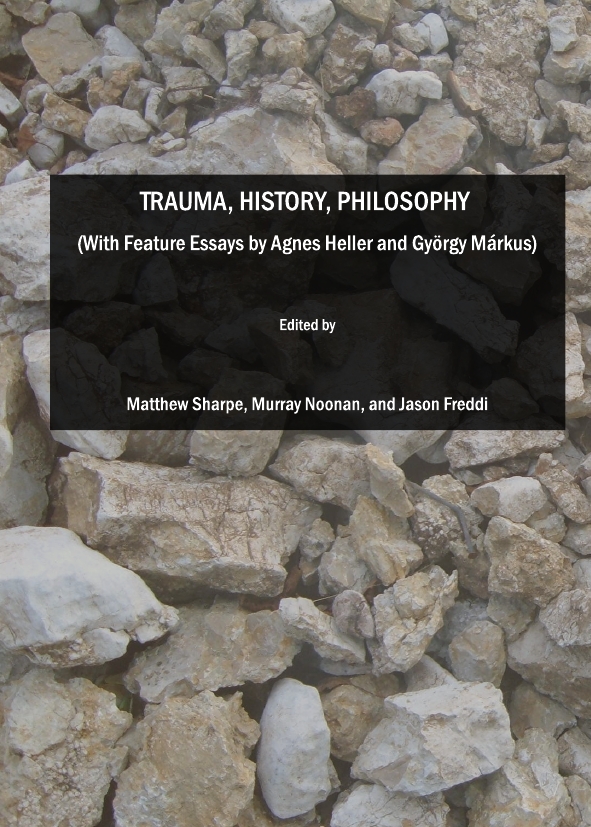
In an age of terror, this essay collection explores trauma's renewed relevance, examining 9/11, the Shoah, and tyranny through the thought of Derrida, Zizek, Lacan, and Freud.
In an age of terror, this essay collection explores trauma’s renewed relevance, examining 9/11, the Shoah, and tyranny through the thought of Derrida, Zizek, Lacan, and Freud.
View more
This product has multiple variants. The options may be chosen on the product page
View more
This product has multiple variants. The options may be chosen on the product page
£39.99
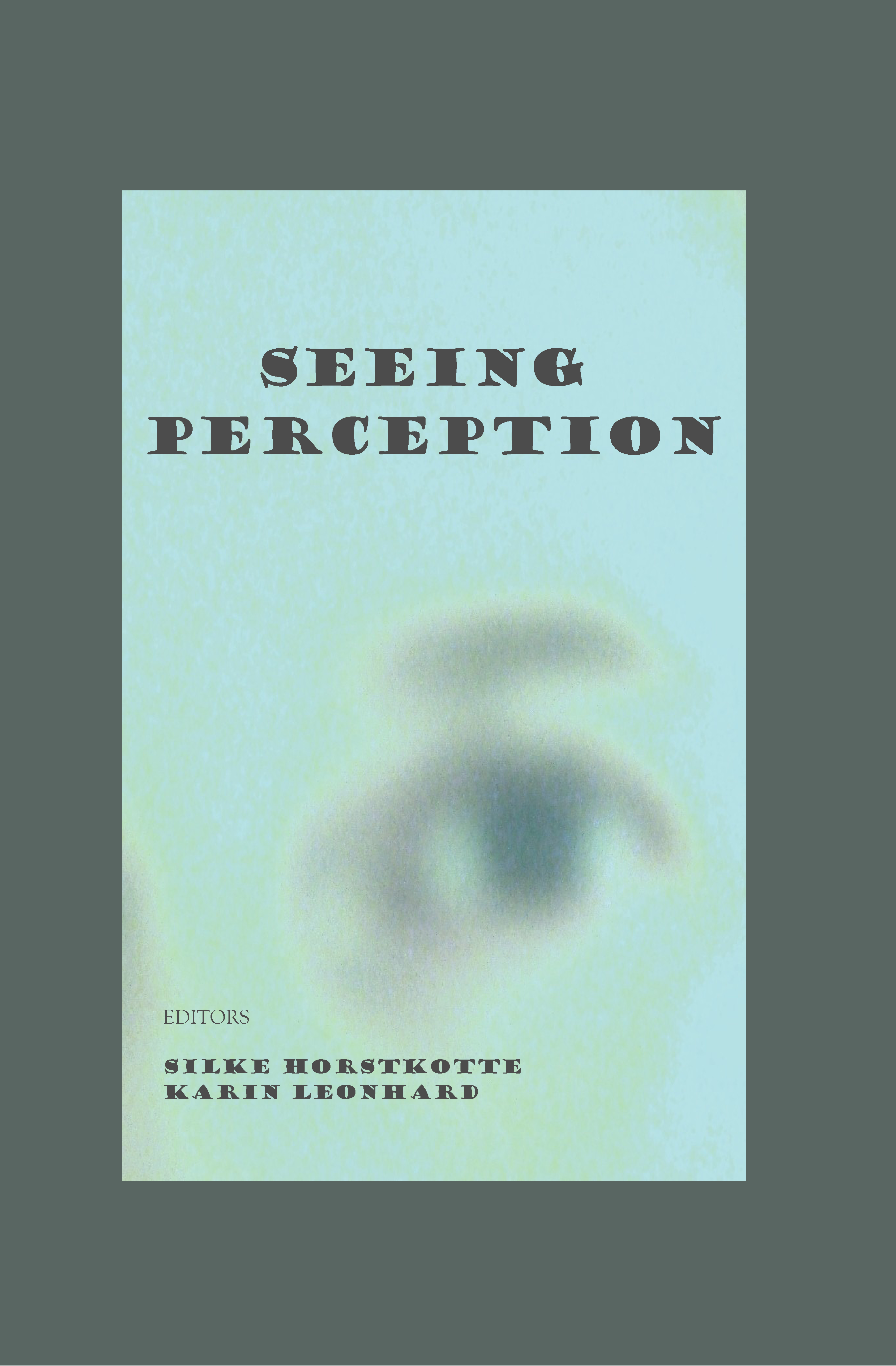
How do we see and write about perception? The act of vision is profoundly impure, entangled with other senses, memory, and dreams. This volume explores the reciprocal relationship between seer and seen and the core concepts of visual perception theory.
How do we see and write about perception? The act of vision is profoundly impure, entangled with other senses, memory, and dreams. This volume explores the reciprocal relationship between seer and seen and the core concepts of visual perception theory.
View more
This product has multiple variants. The options may be chosen on the product page

View more
This product has multiple variants. The options may be chosen on the product page
£41.99
This line-by-line commentary on Kant's B-Transcendental Deduction reveals its argument as the progressive unfolding of the Principle of Apperception. Focusing on this structure settles controversial questions, making it helpful to students and specialists.
This line-by-line commentary on Kant’s B-Transcendental Deduction reveals its argument as the progressive unfolding of the Principle of Apperception. Focusing on this structure settles controversial questions, making it helpful to students and specialists.
View more
This product has multiple variants. The options may be chosen on the product page

View more
This product has multiple variants. The options may be chosen on the product page
Life and Mind
A Philosophical Quest
This provocative book argues that life and mind elude purely materialistic explanations. It posits intelligence as a precondition for organic existence, a serious challenge to modern science, and culminates in a philosophical proof of the mind system.
This provocative book argues that life and mind elude purely materialistic explanations. It posits intelligence as a precondition for organic existence, a serious challenge to modern science, and culminates in a philosophical proof of the mind system.
View more
This product has multiple variants. The options may be chosen on the product page
View more
This product has multiple variants. The options may be chosen on the product page
From £30.99
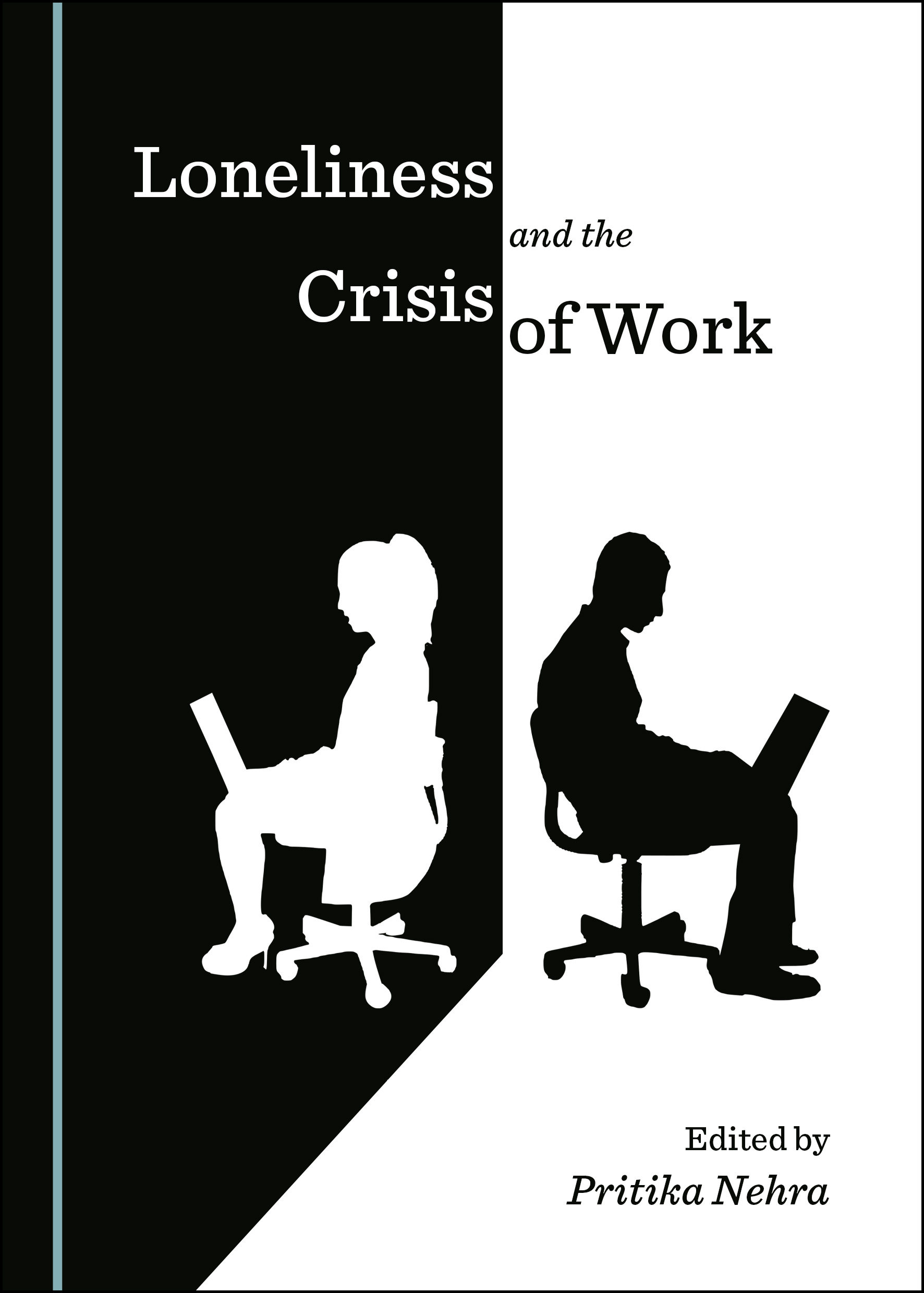
This book offers philosophical reflections on new forms of domination, vulnerability and alienation at work. Following Hannah Arendt, it addresses the crisis of work and loneliness as a political problem of exclusion and meaninglessness.
This book offers philosophical reflections on new forms of domination, vulnerability and alienation at work. Following Hannah Arendt, it addresses the crisis of work and loneliness as a political problem of exclusion and meaninglessness.
View more
This product has multiple variants. The options may be chosen on the product page
Processing Your Order
Please wait while we securely process your order.
Do not refresh or leave this page.
You will be redirected shortly to a confirmation page with your order number.