
View more
This product has multiple variants. The options may be chosen on the product page
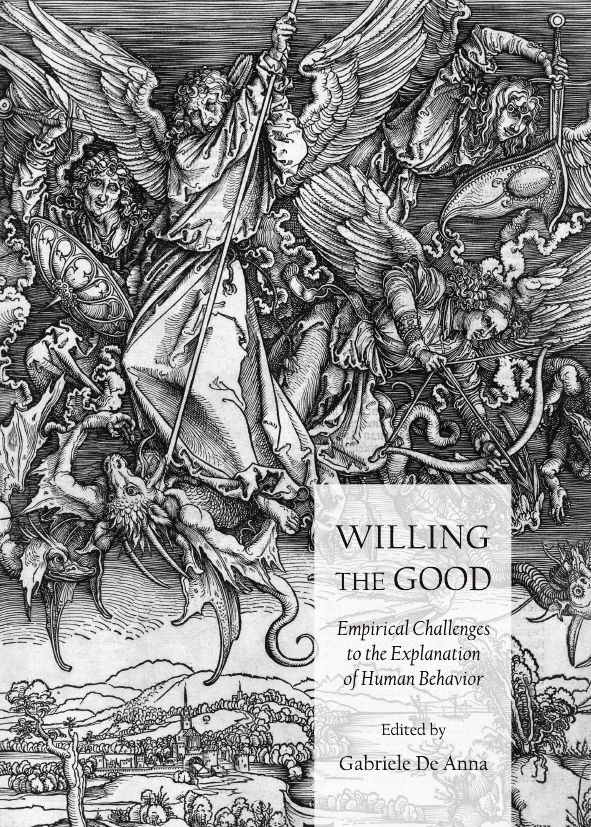
Willing the Good
Empirical Challenges to the Explanation of Human Behavior
Science brings new insights into human agency, but can it be reduced to mere scientific facts? This collection of essays explores non-empiricist views, reconciling the scientific and manifest images of the world to reach a stereoscopic vision of reality.
Science brings new insights into human agency, but can it be reduced to mere scientific facts? This collection of essays explores non-empiricist views, reconciling the scientific and manifest images of the world to reach a stereoscopic vision of reality.
View more
This product has multiple variants. The options may be chosen on the product page

View more
This product has multiple variants. The options may be chosen on the product page
Cross Currents
Comparative Responses to Global Interdependence
Comparative philosophy engages thinkers worldwide to approach common problems from different perspectives. This approachable survey brings “eastern” and “western” philosophy into a global conversation. Foreign terms are translated and notes give context.
Comparative philosophy engages thinkers worldwide to approach common problems from different perspectives. This approachable survey brings “eastern” and “western” philosophy into a global conversation. Foreign terms are translated and notes give context.
View more
This product has multiple variants. The options may be chosen on the product page
View more
This product has multiple variants. The options may be chosen on the product page
£34.99
With so much preventable suffering in the world, what does it mean to live ethically today? This collection explores our obligations to humans and other animals, the search for a meaningful life, and the relevance and vitality of ethics today.
With so much preventable suffering in the world, what does it mean to live ethically today? This collection explores our obligations to humans and other animals, the search for a meaningful life, and the relevance and vitality of ethics today.
View more
This product has multiple variants. The options may be chosen on the product page
View more
This product has multiple variants. The options may be chosen on the product page
£47.99
These essays advance the philosophical understanding of causation, agency, and moral responsibility. The volume investigates important questions: Can causation be perceived? Is a causal relation a necessary condition for moral responsibility?
These essays advance the philosophical understanding of causation, agency, and moral responsibility. The volume investigates important questions: Can causation be perceived? Is a causal relation a necessary condition for moral responsibility?
View more
This product has multiple variants. The options may be chosen on the product page
View more
This product has multiple variants. The options may be chosen on the product page
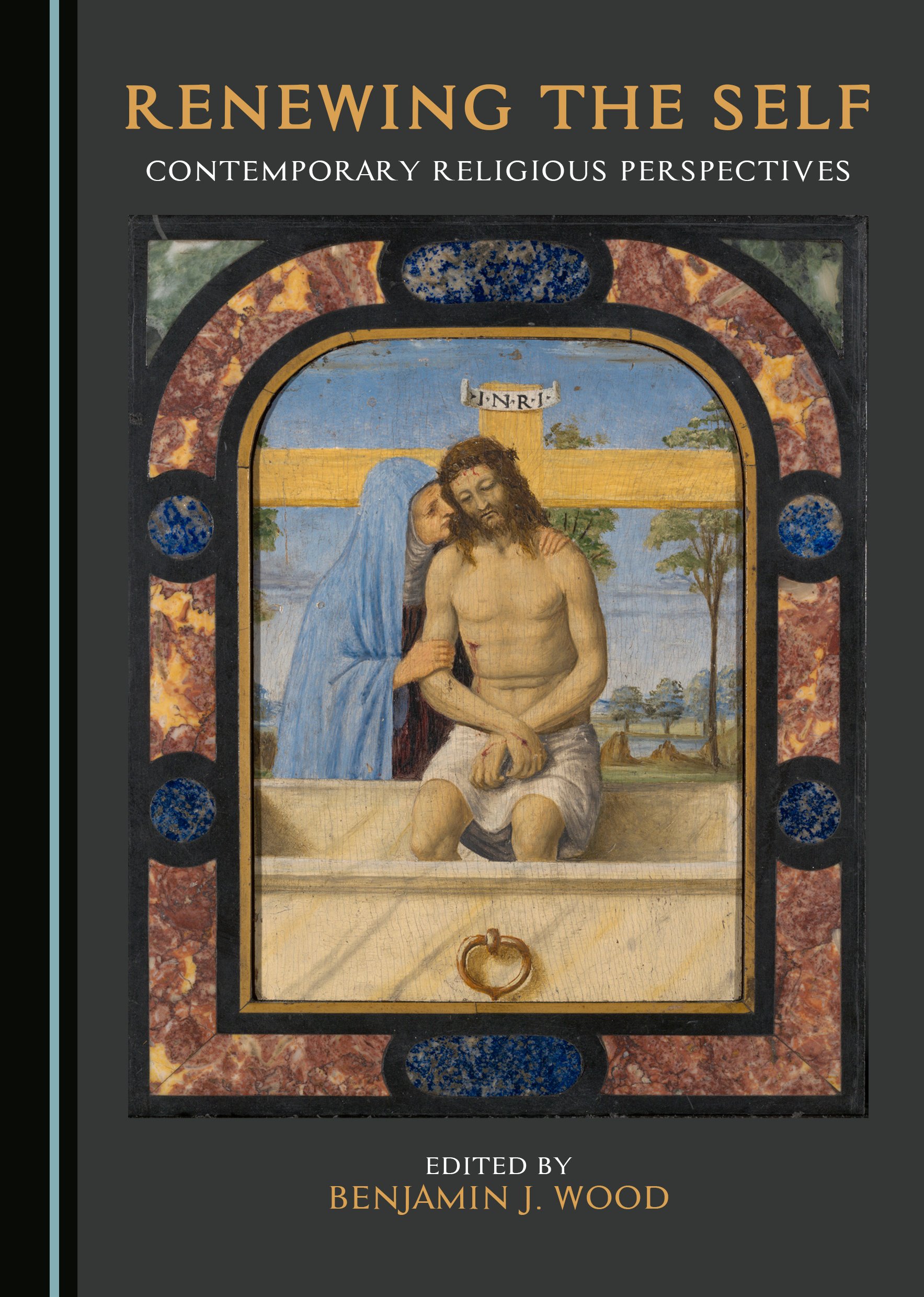
Renewing the Self
Contemporary Religious Perspectives
This publication analyses the roots, significance, and future of the stunning resurgence of religious engagement in both politics and civil society in the UK through the lens of contemporary Christian communities.
This publication analyses the roots, significance, and future of the stunning resurgence of religious engagement in both politics and civil society in the UK through the lens of contemporary Christian communities.
View more
This product has multiple variants. The options may be chosen on the product page
View more
This product has multiple variants. The options may be chosen on the product page
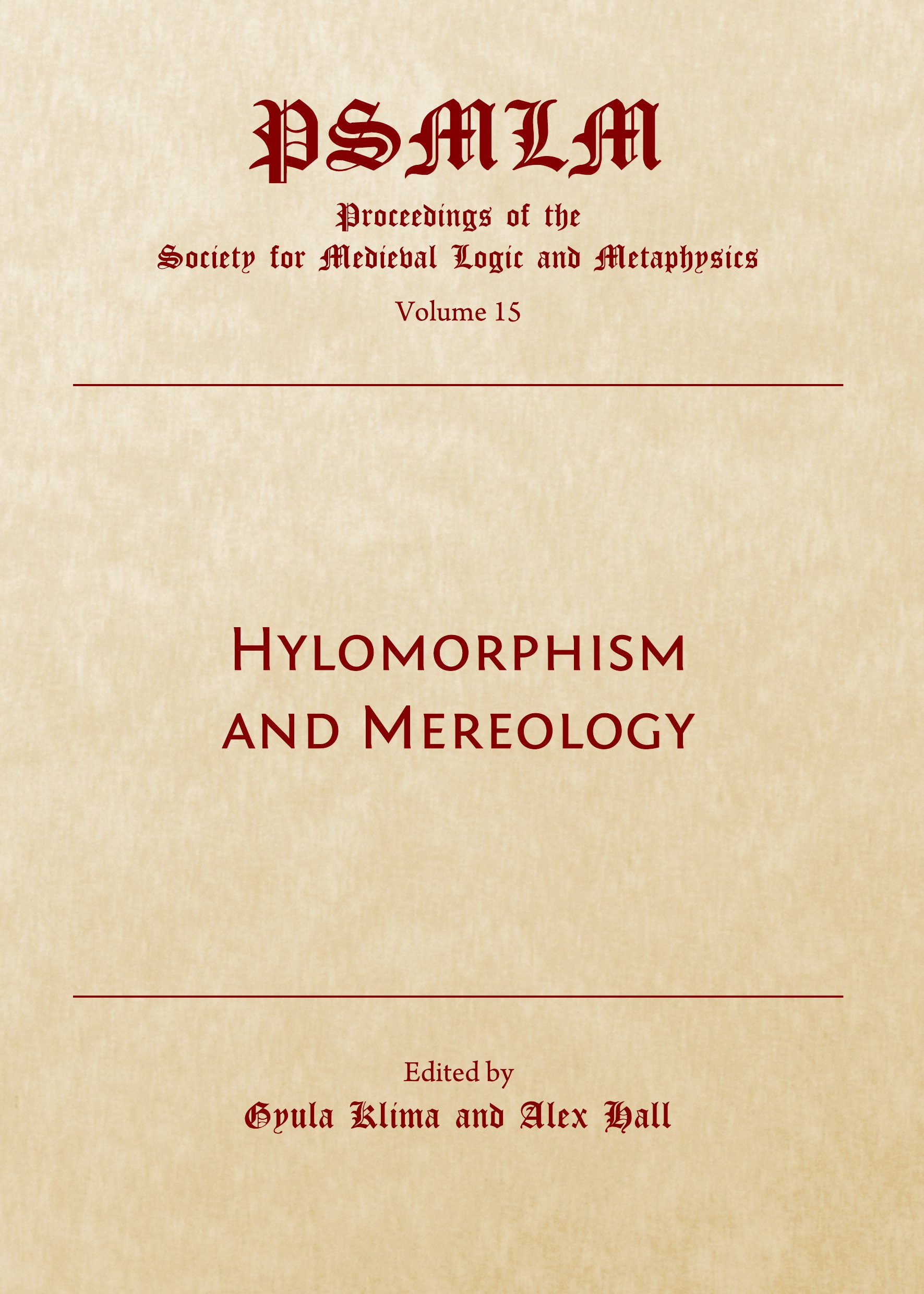
Hylomorphism and Mereology
Proceedings of the Society for Medieval Logic and Metaphysics Volume 15
Mereology is the theory of parts and wholes, while hylomorphism is the doctrine according to which all natural substances consist of matter and form as their essential parts. This volume presents medieval theories of these concepts, articulating their conceptual development.
Mereology is the theory of parts and wholes, while hylomorphism is the doctrine according to which all natural substances consist of matter and form as their essential parts. This volume presents medieval theories of these concepts, articulating their conceptual development.
View more
This product has multiple variants. The options may be chosen on the product page
View more
This product has multiple variants. The options may be chosen on the product page
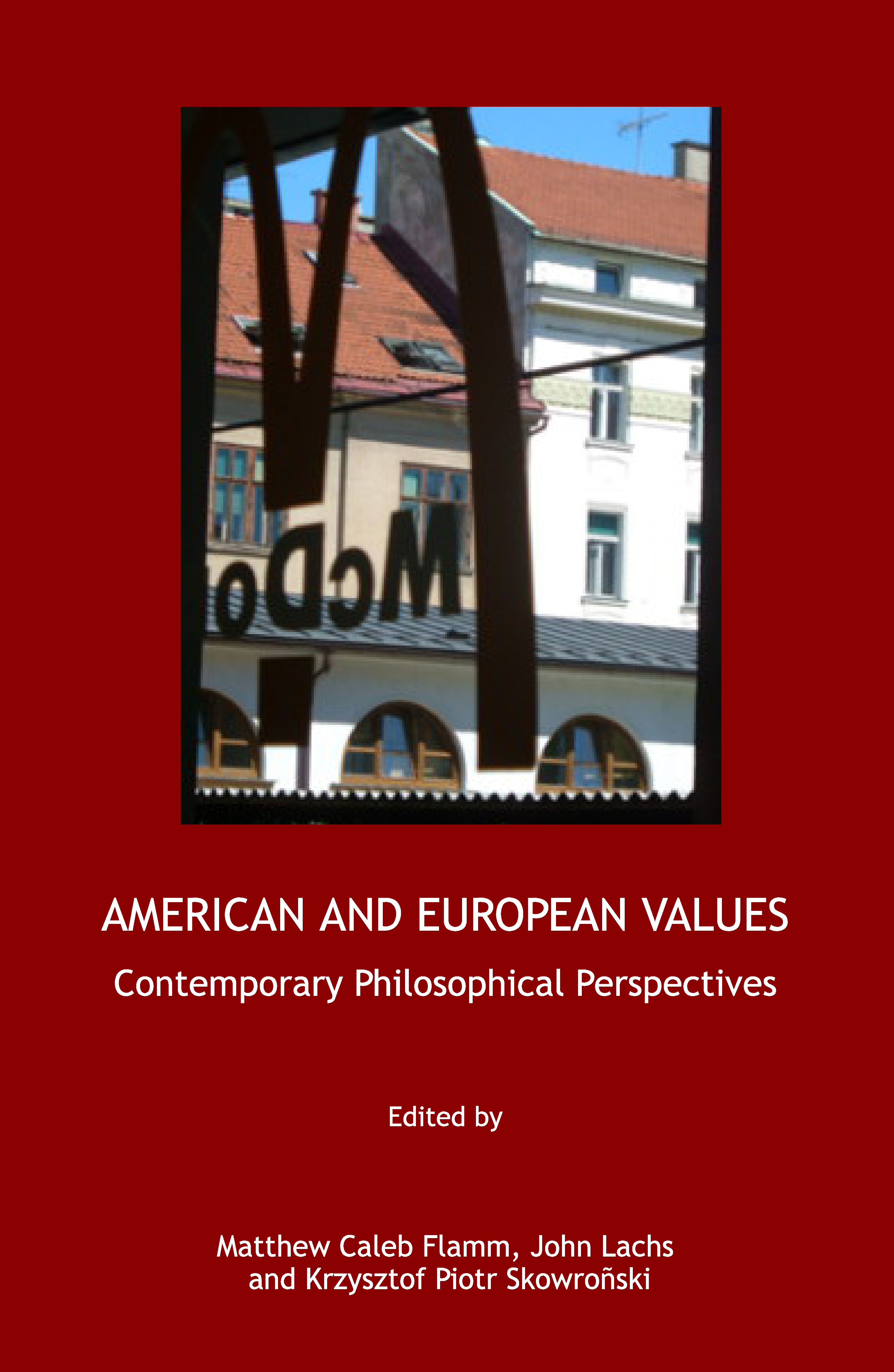
American and European Values
Contemporary Philosophical Perspectives
International scholars consider the intersection of American and European values. They explore cultural sensibilities, key philosophical figures, and movements from pragmatism to existentialism, offering a rich conversation for our increasingly globalized world.
International scholars consider the intersection of American and European values. They explore cultural sensibilities, key philosophical figures, and movements from pragmatism to existentialism, offering a rich conversation for our increasingly globalized world.
View more
This product has multiple variants. The options may be chosen on the product page
View more
This product has multiple variants. The options may be chosen on the product page
£29.99
David Swift turns to the philosopher Epicurus for a scientific explanation of the mind. Reinterpreting thinkers from Descartes to Freud, he reveals the secrets of love, hate, and behavior as the results of learned experience, not genetic predisposition.
David Swift turns to the philosopher Epicurus for a scientific explanation of the mind. Reinterpreting thinkers from Descartes to Freud, he reveals the secrets of love, hate, and behavior as the results of learned experience, not genetic predisposition.
View more
This product has multiple variants. The options may be chosen on the product page
View more
This product has multiple variants. The options may be chosen on the product page
Dualism, Platonism and Voluntarism
Explorations at the Quantum, Microscopic, Mesoscopic and Symbolic Neural Levels
This conference proceedings brings together a host of contemporary thinkers, from Stuart Kauffmann and Ed Vul, on the cognitive side, to Stuart Kauffmann and Henry Stapp. The papers presented here make for a wide-ranging and incisive debate.
This conference proceedings brings together a host of contemporary thinkers, from Stuart Kauffmann and Ed Vul, on the cognitive side, to Stuart Kauffmann and Henry Stapp. The papers presented here make for a wide-ranging and incisive debate.
View more
This product has multiple variants. The options may be chosen on the product page

View more
This product has multiple variants. The options may be chosen on the product page
The Theory of Evolution
From a Space Vacuum to Neural Ensembles and Moving Forward
This book analyzes ‘evolution’ across cosmology, biology, neurobiology, and philosophy. Unifying these fields, it proposes the ‘Evolving Matter’ model, which views the universe as a complex organisation in continuous, non-linear development.
This book analyzes ‘evolution’ across cosmology, biology, neurobiology, and philosophy. Unifying these fields, it proposes the ‘Evolving Matter’ model, which views the universe as a complex organisation in continuous, non-linear development.
View more
This product has multiple variants. The options may be chosen on the product page
View more
This product has multiple variants. The options may be chosen on the product page
£62.99
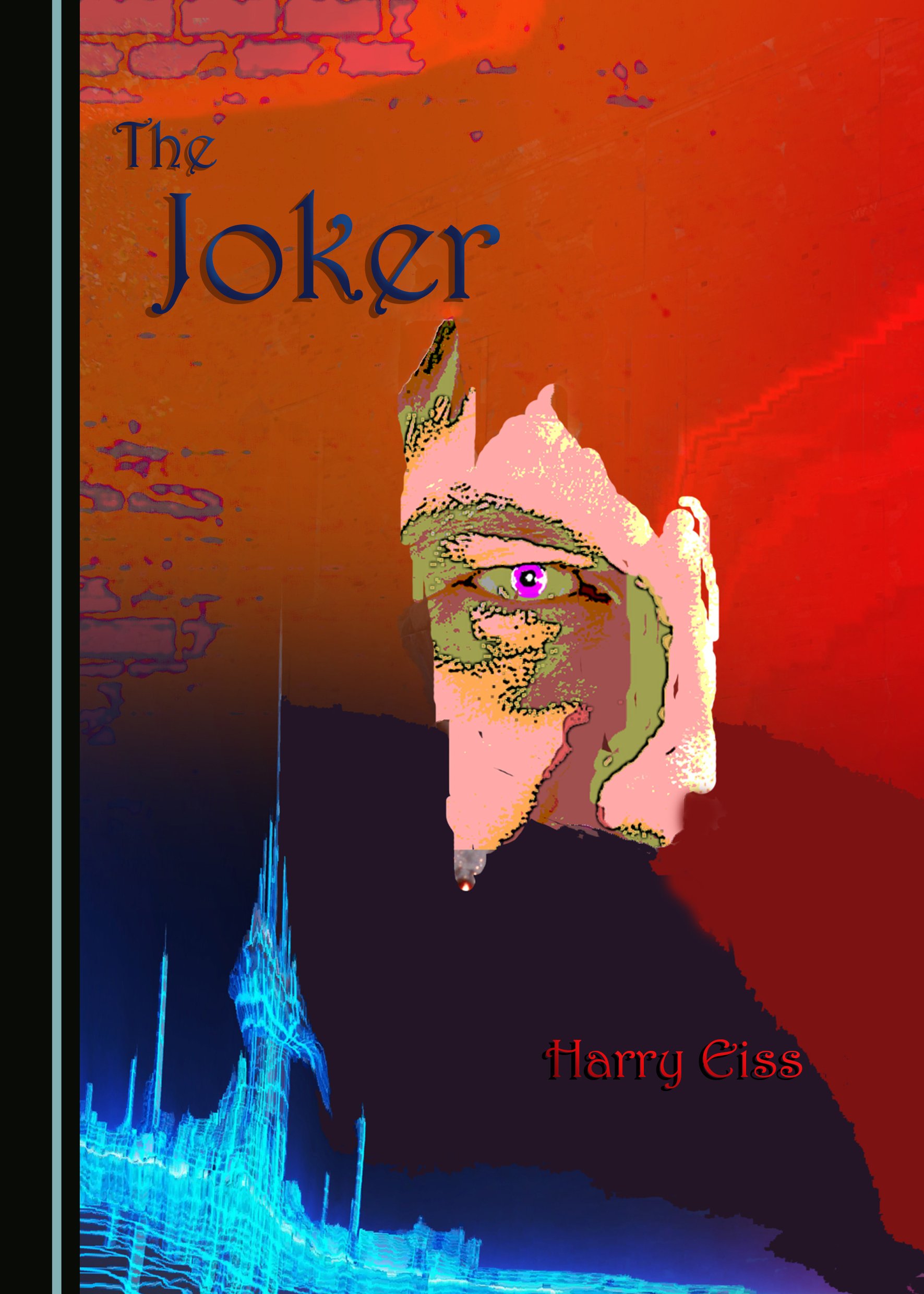
Why does a psychopath like the Joker seem to have a sense of higher truths? This is the role of the Fool. This book explores how, as culture fragments, artists reveal darkness and show how expressions of meaninglessness are rites-of-passage, not a final destination.
Why does a psychopath like the Joker seem to have a sense of higher truths? This is the role of the Fool. This book explores how, as culture fragments, artists reveal darkness and show how expressions of meaninglessness are rites-of-passage, not a final destination.
View more
This product has multiple variants. The options may be chosen on the product page
View more
This product has multiple variants. The options may be chosen on the product page
£39.99
This is the first comparative study of Kant and Herschel. Their model of the world dismissed the idea of a finite, static cosmos and introduced an evolutionary perspective that had a crucial influence on nineteenth- and twentieth-century astronomy.
This is the first comparative study of Kant and Herschel. Their model of the world dismissed the idea of a finite, static cosmos and introduced an evolutionary perspective that had a crucial influence on nineteenth- and twentieth-century astronomy.
View more
This product has multiple variants. The options may be chosen on the product page
View more
This product has multiple variants. The options may be chosen on the product page
£44.99
In this collection, diverse authors discuss key ethical and metaethical issues and their relation to applied ethics. Expert scholars and young researchers reframe current philosophical debates, stimulating and challenging anyone curious about what we hold valuable.
In this collection, diverse authors discuss key ethical and metaethical issues and their relation to applied ethics. Expert scholars and young researchers reframe current philosophical debates, stimulating and challenging anyone curious about what we hold valuable.
View more
This product has multiple variants. The options may be chosen on the product page

View more
This product has multiple variants. The options may be chosen on the product page
Whiteheadian Ethics
Abstracts and Papers from the Ethics Section of the Philosophy Group at the 6th International Whitehead Conference at the University of Salzburg, July 2006
These papers explore the ethical and meta-ethical implications of Alfred North Whitehead’s process philosophy. From a major international conference, contributions cover the metaphysics of morals, evaluating moral practices, and ethics and aesthetic values.
These papers explore the ethical and meta-ethical implications of Alfred North Whitehead’s process philosophy. From a major international conference, contributions cover the metaphysics of morals, evaluating moral practices, and ethics and aesthetic values.
View more
This product has multiple variants. The options may be chosen on the product page
View more
This product has multiple variants. The options may be chosen on the product page
£39.99
Is democracy in decay? This book offers a pragmatist meditation on the question, combining practical politics with the history of ideas. It explores arguments from both critics and supporters, covering corruption, theory, community, and art.
Is democracy in decay? This book offers a pragmatist meditation on the question, combining practical politics with the history of ideas. It explores arguments from both critics and supporters, covering corruption, theory, community, and art.
View more
This product has multiple variants. The options may be chosen on the product page
View more
This product has multiple variants. The options may be chosen on the product page
From £33.99
A realist polemic against nominalism, relativism, and nihilism. This volume formulates Husserl’s dependence ontology of experience, contrasting realist and nominalist views. It also explores Kant’s and Husserl’s concepts of time and how empirical facts arise from experience.
A realist polemic against nominalism, relativism, and nihilism. This volume formulates Husserl’s dependence ontology of experience, contrasting realist and nominalist views. It also explores Kant’s and Husserl’s concepts of time and how empirical facts arise from experience.
View more
This product has multiple variants. The options may be chosen on the product page

View more
This product has multiple variants. The options may be chosen on the product page
The Metaphysics of Personal Identity
Proceedings of the Society for Medieval Logic and Metaphysics Volume 13
What makes a person distinct, and how does identity persist over time? This volume explores medieval debates on the metaphysics of personhood, from Aristotle and Muslim philosophers to Aquinas and Locke, covering the soul's fate after death and persistence through non-existence.
What makes a person distinct, and how does identity persist over time? This volume explores medieval debates on the metaphysics of personhood, from Aristotle and Muslim philosophers to Aquinas and Locke, covering the soul’s fate after death and persistence through non-existence.
View more
This product has multiple variants. The options may be chosen on the product page
View more
This product has multiple variants. The options may be chosen on the product page
Edmund Burke, the Imperatives of Empire and the American Revolution
An Interpretation
Edmund Burke advocated for America’s rights yet fiercely criticized the French Revolution. This volume presents his writings on the American Crisis, exploring the core paradox: Was this defender of colonial liberty a friend or a foe of revolution?
Edmund Burke advocated for America’s rights yet fiercely criticized the French Revolution. This volume presents his writings on the American Crisis, exploring the core paradox: Was this defender of colonial liberty a friend or a foe of revolution?
View more
This product has multiple variants. The options may be chosen on the product page
View more
This product has multiple variants. The options may be chosen on the product page
£64.99
This book introduces new approaches to semiotics and metaphysical philosophy. Drawing from over 30 years of research, it shows how mature semiotics leads to new philosophical vistas, with conclusions that differ significantly from currently accepted philosophical views.
This book introduces new approaches to semiotics and metaphysical philosophy. Drawing from over 30 years of research, it shows how mature semiotics leads to new philosophical vistas, with conclusions that differ significantly from currently accepted philosophical views.
View more
This product has multiple variants. The options may be chosen on the product page
View more
This product has multiple variants. The options may be chosen on the product page
£39.99
This volume discusses pluralism and the interplay between religion and politics. As competing religious truths have historically produced violent conflict, and since religion is constitutive of identity, its influence on politics is extremely significant.
This volume discusses pluralism and the interplay between religion and politics. As competing religious truths have historically produced violent conflict, and since religion is constitutive of identity, its influence on politics is extremely significant.
View more
This product has multiple variants. The options may be chosen on the product page
Processing Your Order
Please wait while we securely process your order.
Do not refresh or leave this page.
You will be redirected shortly to a confirmation page with your order number.