
View more
This product has multiple variants. The options may be chosen on the product page
From £30.99
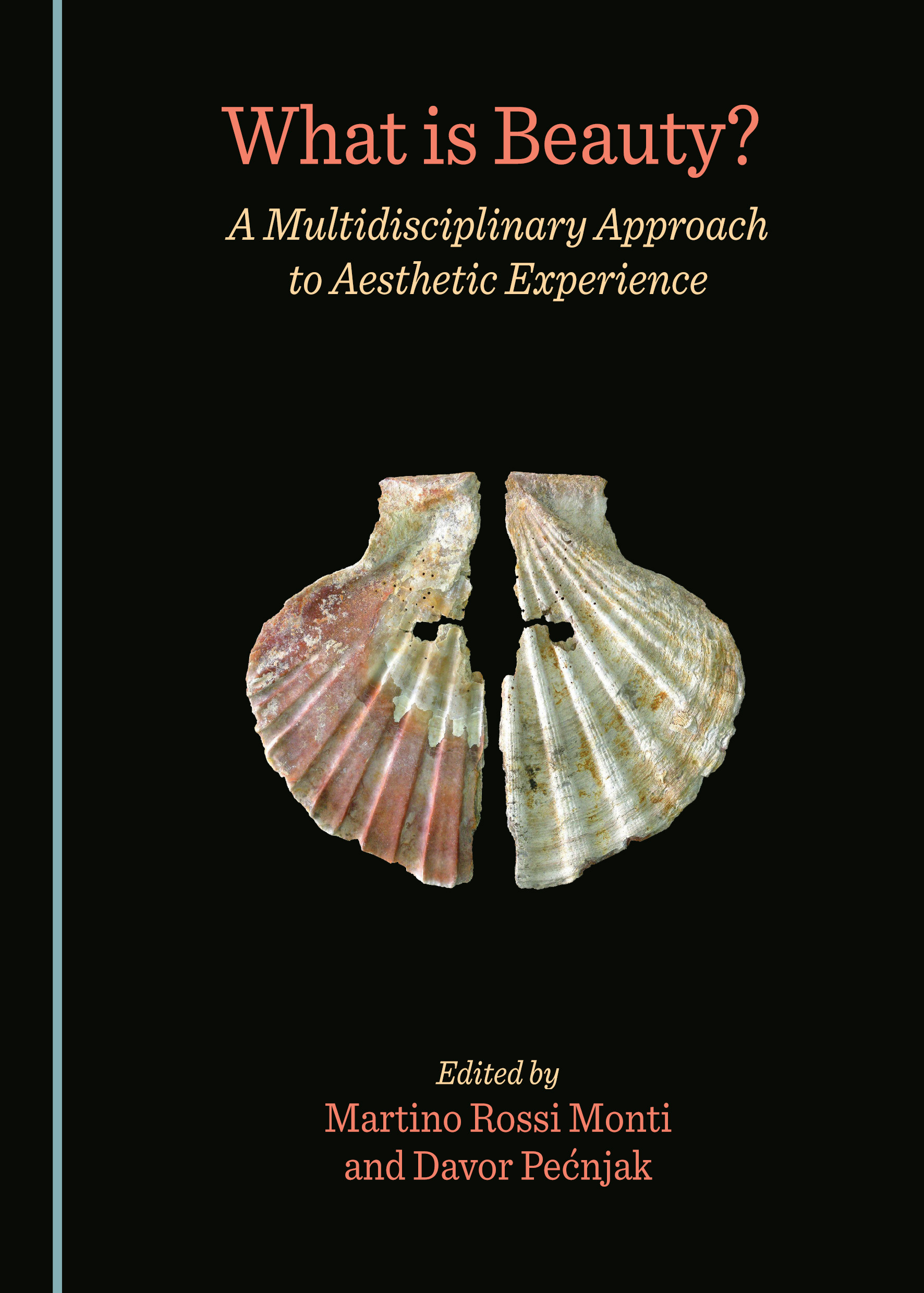
Does art need to be beautiful? Is the experience of beauty confined to humans? This volume gathers authors from philosophy, neuroscience, anthropology, and more to investigate the most debated aspects of beauty and aesthetic experience.
Does art need to be beautiful? Is the experience of beauty confined to humans? This volume gathers authors from philosophy, neuroscience, anthropology, and more to investigate the most debated aspects of beauty and aesthetic experience.
View more
This product has multiple variants. The options may be chosen on the product page
View more
This product has multiple variants. The options may be chosen on the product page
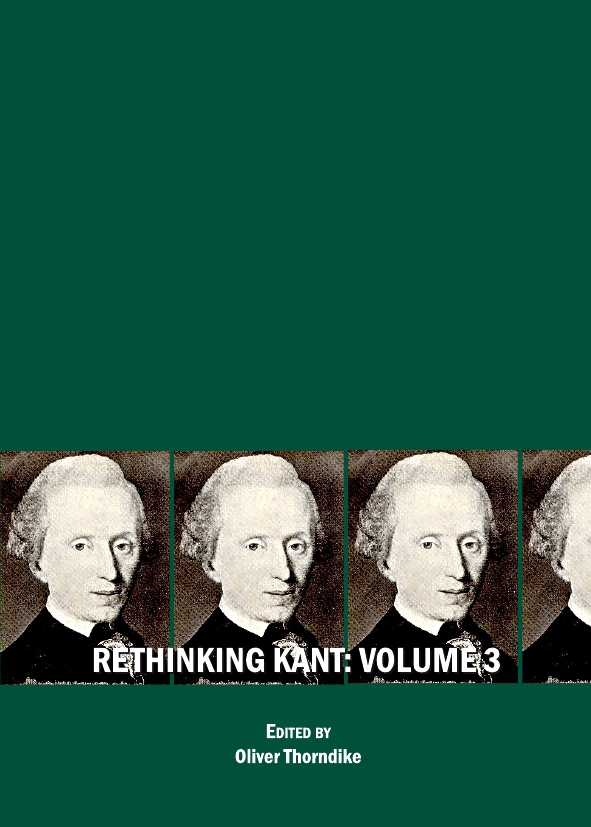
Rethinking Kant
Volume 3
The Rethinking Kant series bears witness to the richness of Kantian studies. This unique collection garners papers from a whole generation of thinkers, from new PhDs to established scholars. This third volume takes the pulse of current Kantian scholarship.
The Rethinking Kant series bears witness to the richness of Kantian studies. This unique collection garners papers from a whole generation of thinkers, from new PhDs to established scholars. This third volume takes the pulse of current Kantian scholarship.
View more
This product has multiple variants. The options may be chosen on the product page
View more
This product has multiple variants. The options may be chosen on the product page
From £29.99
This book analyzes major ethical and bioethical issues like euthanasia, suicide, organ commerce, sexual objectification, and abortion from the perspective of Kant’s moral theory. It tackles questions of autonomy, human dignity, and free choice.
This book analyzes major ethical and bioethical issues like euthanasia, suicide, organ commerce, sexual objectification, and abortion from the perspective of Kant’s moral theory. It tackles questions of autonomy, human dignity, and free choice.
View more
This product has multiple variants. The options may be chosen on the product page
View more
This product has multiple variants. The options may be chosen on the product page
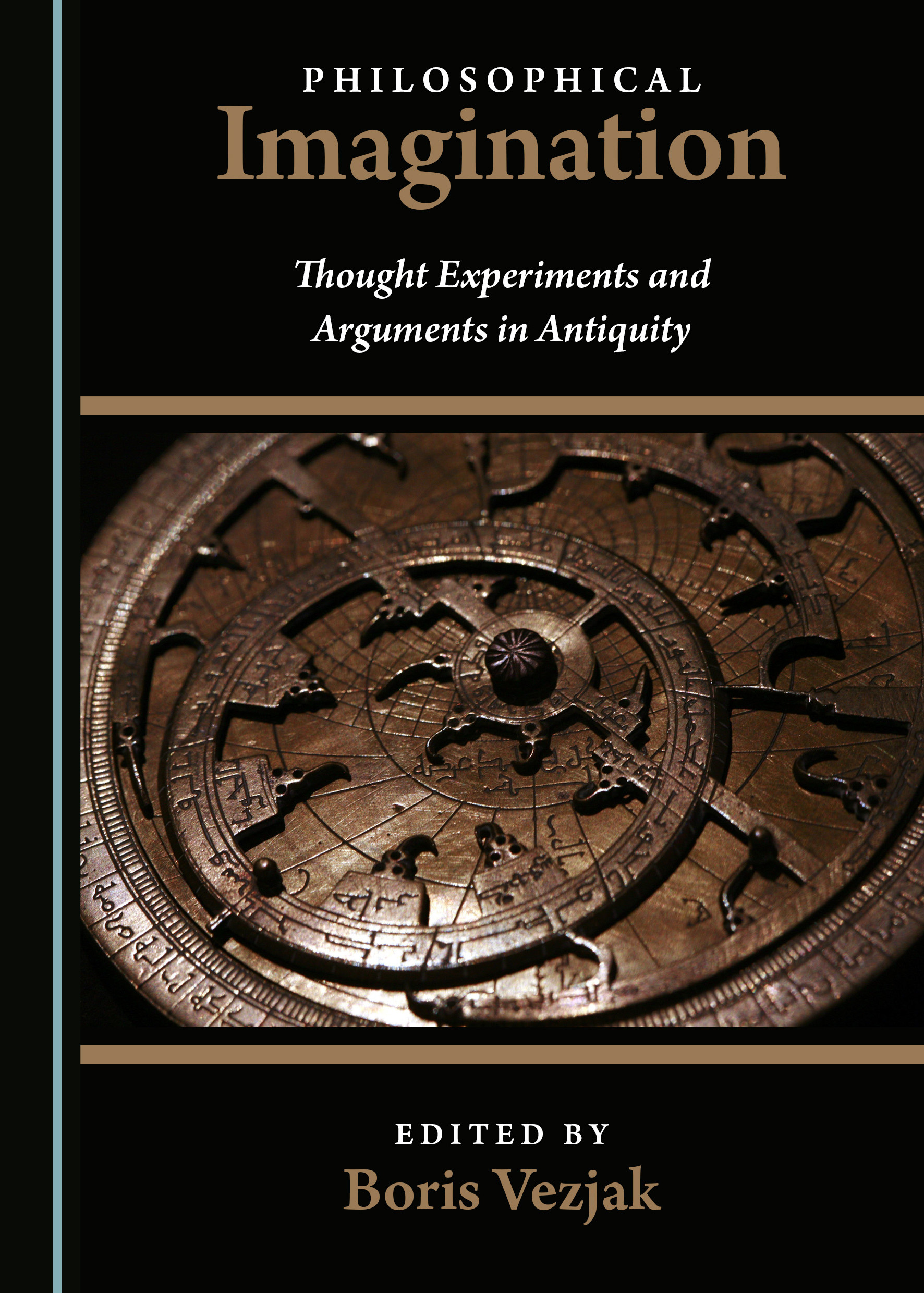
Philosophical Imagination
Thought Experiments and Arguments in Antiquity
This book shows how ancient philosophers used thought experiments to convey theories and promote scientific knowledge. By analyzing historical examples like Plato’s Ring of Gyges, it provides new insights into how philosophical hypotheses helped promote scientific discovery.
This book shows how ancient philosophers used thought experiments to convey theories and promote scientific knowledge. By analyzing historical examples like Plato’s Ring of Gyges, it provides new insights into how philosophical hypotheses helped promote scientific discovery.
View more
This product has multiple variants. The options may be chosen on the product page

View more
This product has multiple variants. The options may be chosen on the product page
The Philosophy of Chemistry
Practices, Methodologies, and Concepts
This volume connects chemistry and philosophy by exploring chemical practice. Chemists and philosophers collaborate to reshape concepts, address current challenges, and foster inventiveness. Prefaced by Nobel Laureate in Chemistry, Roald Hoffmann.
This volume connects chemistry and philosophy by exploring chemical practice. Chemists and philosophers collaborate to reshape concepts, address current challenges, and foster inventiveness. Prefaced by Nobel Laureate in Chemistry, Roald Hoffmann.
View more
This product has multiple variants. The options may be chosen on the product page
View more
This product has multiple variants. The options may be chosen on the product page
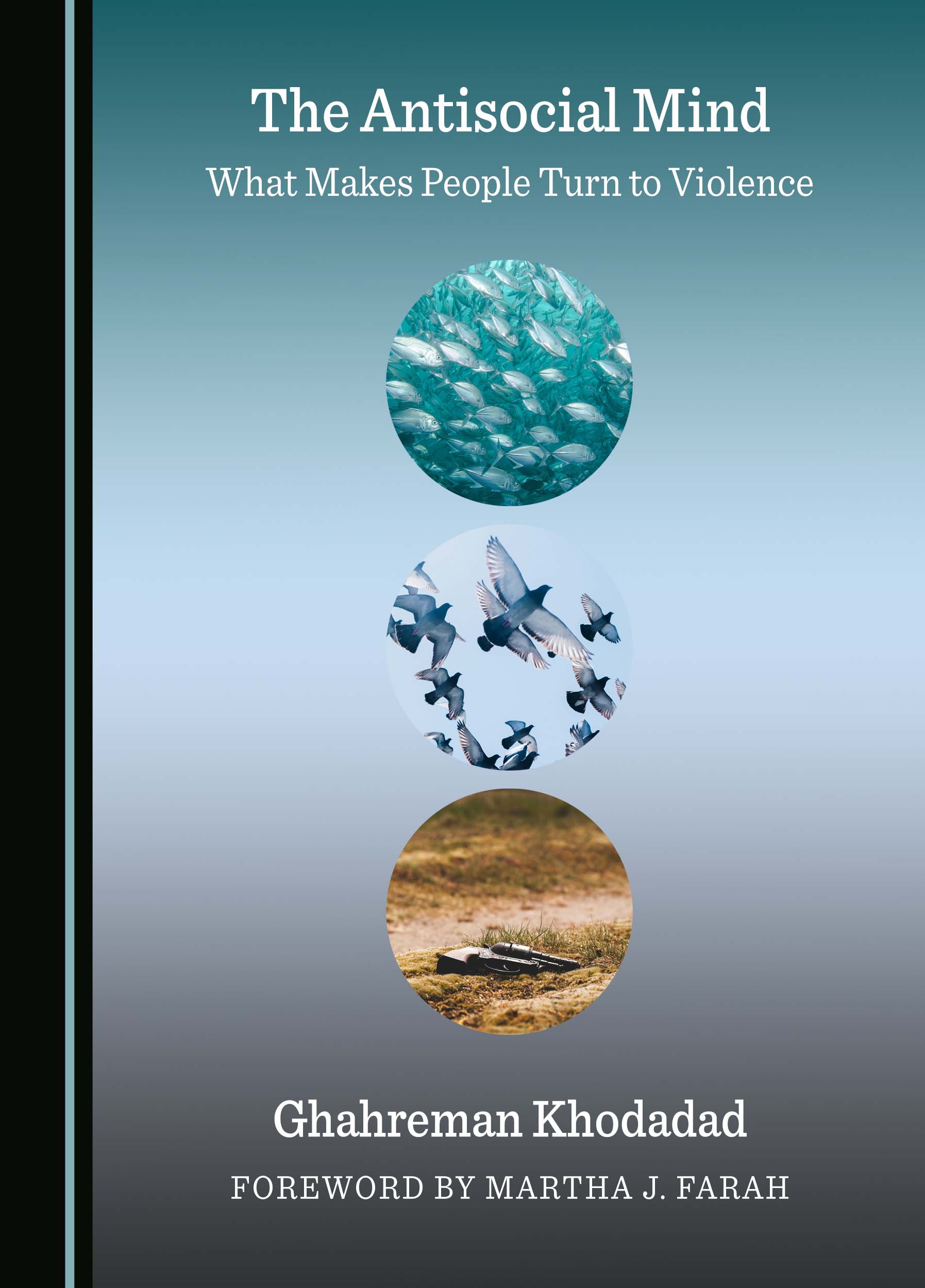
The Antisocial Mind
What Makes People Turn to Violence
Antisocial behavior is a result of biology, not a choice. This book argues that since the brain produces behavior unconsciously, antisocial individuals are not accountable. They should be treated, not punished, and prisons converted into rehabilitation centers.
Antisocial behavior is a result of biology, not a choice. This book argues that since the brain produces behavior unconsciously, antisocial individuals are not accountable. They should be treated, not punished, and prisons converted into rehabilitation centers.
View more
This product has multiple variants. The options may be chosen on the product page
View more
This product has multiple variants. The options may be chosen on the product page
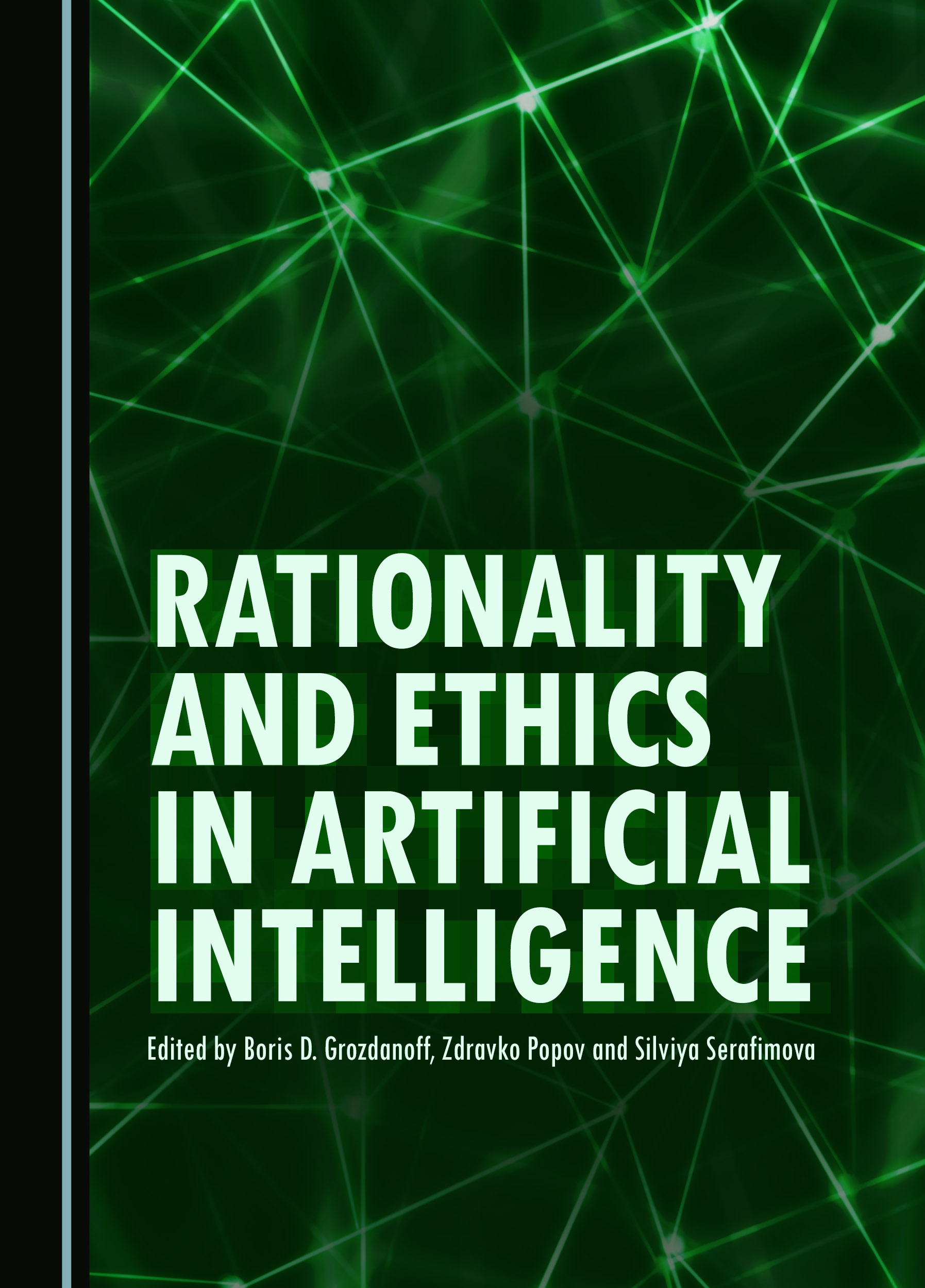
From £36.99
Artificial intelligence is the most disruptive technology today. This volume explores the problems of ethical AI and the prospects of human-like intelligence, with a broad spectrum of approaches from ethics, economics, defense studies, computer science, and philosophy.
Artificial intelligence is the most disruptive technology today. This volume explores the problems of ethical AI and the prospects of human-like intelligence, with a broad spectrum of approaches from ethics, economics, defense studies, computer science, and philosophy.
View more
This product has multiple variants. The options may be chosen on the product page
View more
This product has multiple variants. The options may be chosen on the product page
Modern and Contemporary Taiwanese Philosophy
Traditional Foundations and New Developments
As mainland China rejected its philosophical heritage, Taiwanese thinkers did more than preserve it—they reinvented it. Engaging with Western thought, they forged complex new systems, creating a vital 20th-century legacy still largely unknown in the West.
As mainland China rejected its philosophical heritage, Taiwanese thinkers did more than preserve it—they reinvented it. Engaging with Western thought, they forged complex new systems, creating a vital 20th-century legacy still largely unknown in the West.
View more
This product has multiple variants. The options may be chosen on the product page

View more
This product has multiple variants. The options may be chosen on the product page
Mind in Nature
Bridging Process Philosophy and Neoplatonism
This collection of essays by leading scholars bridges Neo-Platonism and Process Philosophy. It explores shared topics like creativity, temporality, and holism, concurring on an integral worldview where wholeness and complexity are prevalent in Nature, science, and metaphysics.
This collection of essays by leading scholars bridges Neo-Platonism and Process Philosophy. It explores shared topics like creativity, temporality, and holism, concurring on an integral worldview where wholeness and complexity are prevalent in Nature, science, and metaphysics.
View more
This product has multiple variants. The options may be chosen on the product page
View more
This product has multiple variants. The options may be chosen on the product page
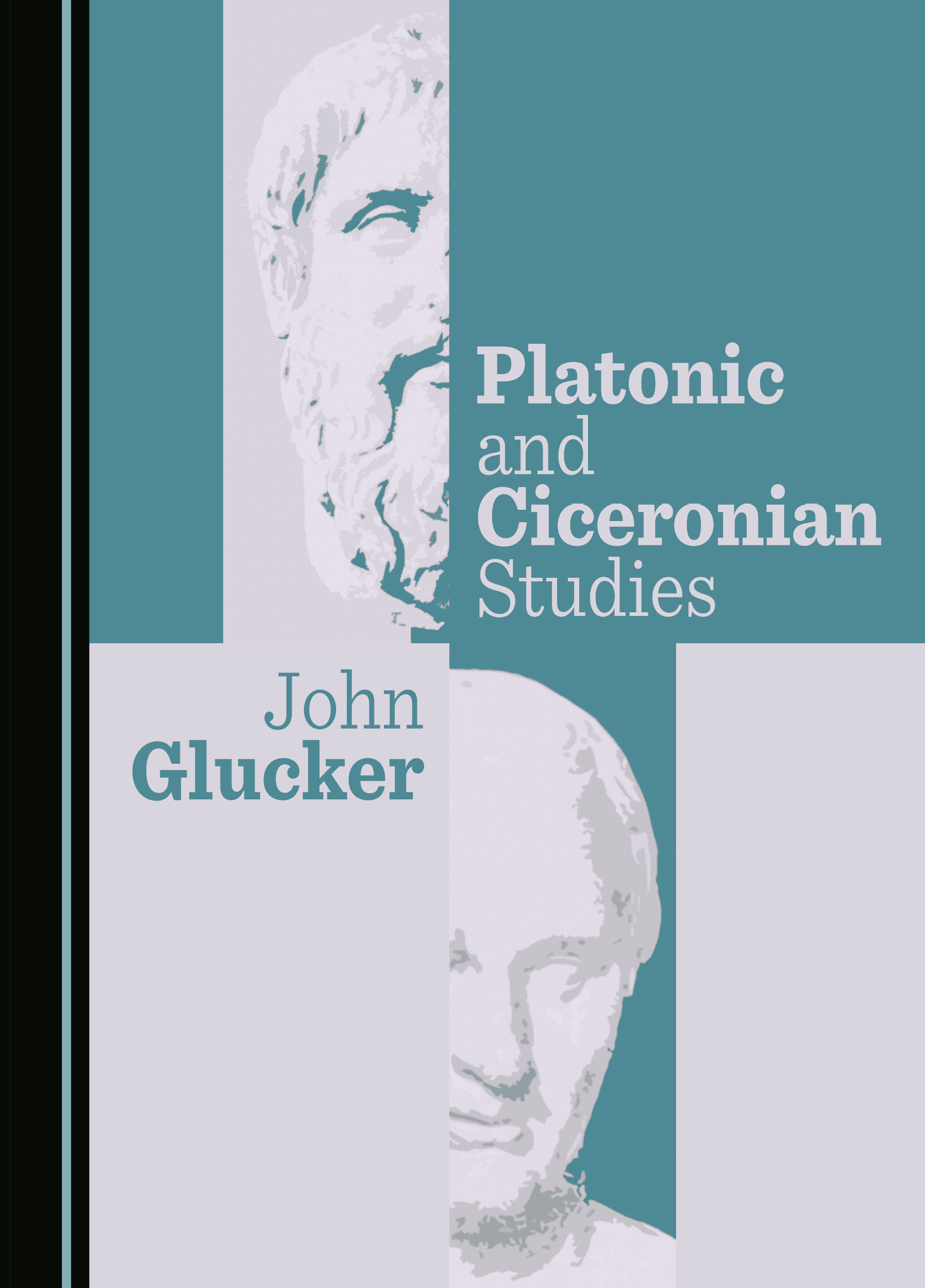
From £43.99
This volume assembles John Glucker's essays on Plato and Cicero for the first time. The articles deal with interpretations of their philosophical works and their influence on Western thought, and will be of interest to both scholars and laymen with a background in the classics.
This volume assembles John Glucker’s essays on Plato and Cicero for the first time. The articles deal with interpretations of their philosophical works and their influence on Western thought, and will be of interest to both scholars and laymen with a background in the classics.
View more
This product has multiple variants. The options may be chosen on the product page
View more
This product has multiple variants. The options may be chosen on the product page
From £29.99
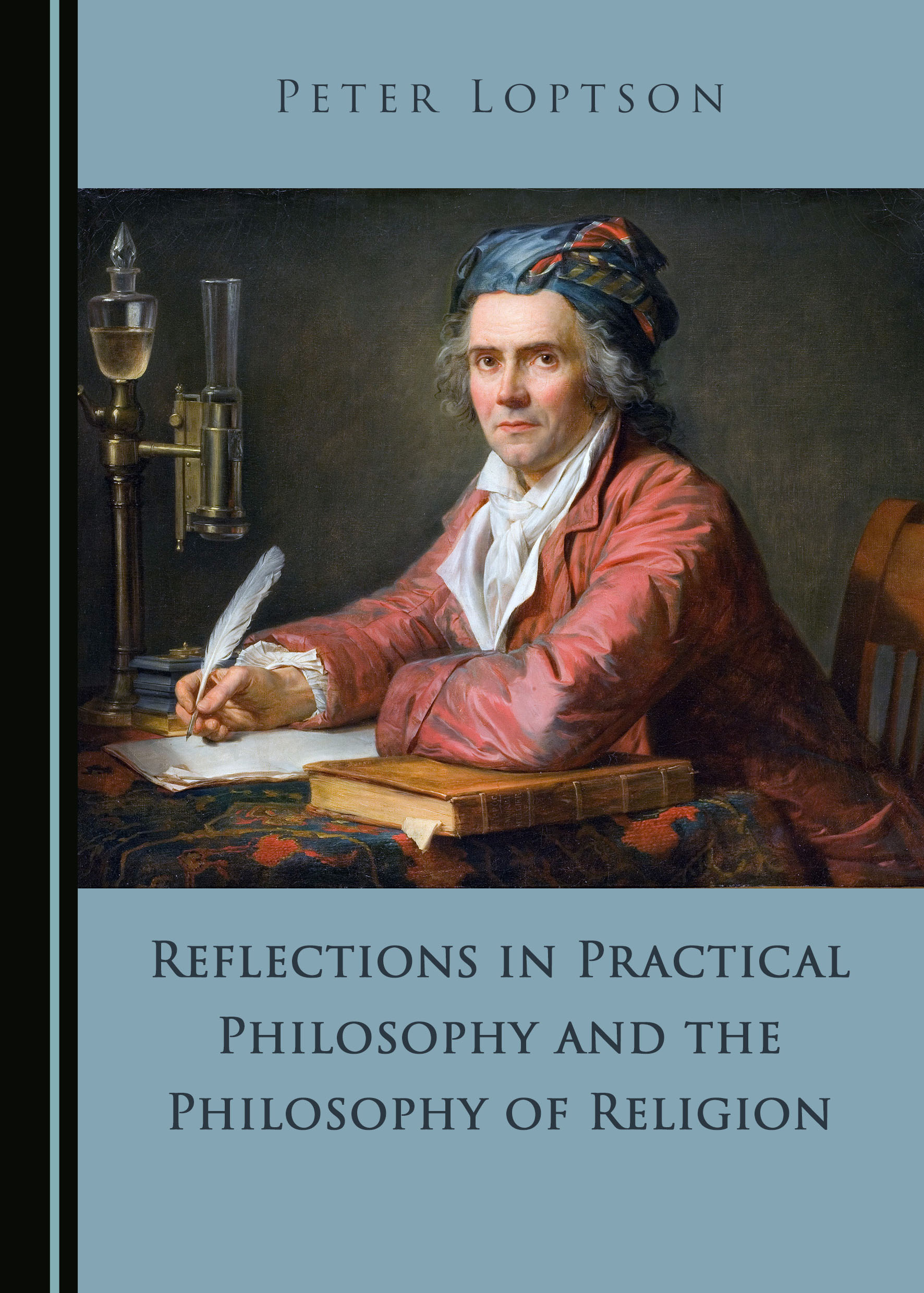
This book's focus is on philosophical topics—ethics, metaethics, social and political philosophy, and religion. It offers distinctive and original arguments addressing both theory and practical life, sometimes adopting a personal, or Joycean, perspective.
This book’s focus is on philosophical topics—ethics, metaethics, social and political philosophy, and religion. It offers distinctive and original arguments addressing both theory and practical life, sometimes adopting a personal, or Joycean, perspective.
View more
This product has multiple variants. The options may be chosen on the product page
View more
This product has multiple variants. The options may be chosen on the product page
From £33.99
In his Meditations, Descartes sought the first principles of human knowledge, rejecting the senses for intuition and meditation. This book explains his reasoning and provides textual support, while a final critical chapter shows the failures of his approach.
In his Meditations, Descartes sought the first principles of human knowledge, rejecting the senses for intuition and meditation. This book explains his reasoning and provides textual support, while a final critical chapter shows the failures of his approach.
View more
This product has multiple variants. The options may be chosen on the product page

View more
This product has multiple variants. The options may be chosen on the product page
Metaphorical Imagination
Towards a Methodology for Implicit Evidence
Abdullah tells the story of an intellectual journey with metaphor in this book. He revisits the epistemology and ontology of evidence and challenges the dualist norms of social research, points to the failings, and flags up directions for researchers who take evidence seriously.
Abdullah tells the story of an intellectual journey with metaphor in this book. He revisits the epistemology and ontology of evidence and challenges the dualist norms of social research, points to the failings, and flags up directions for researchers who take evidence seriously.
View more
This product has multiple variants. The options may be chosen on the product page
View more
This product has multiple variants. The options may be chosen on the product page
From £32.99
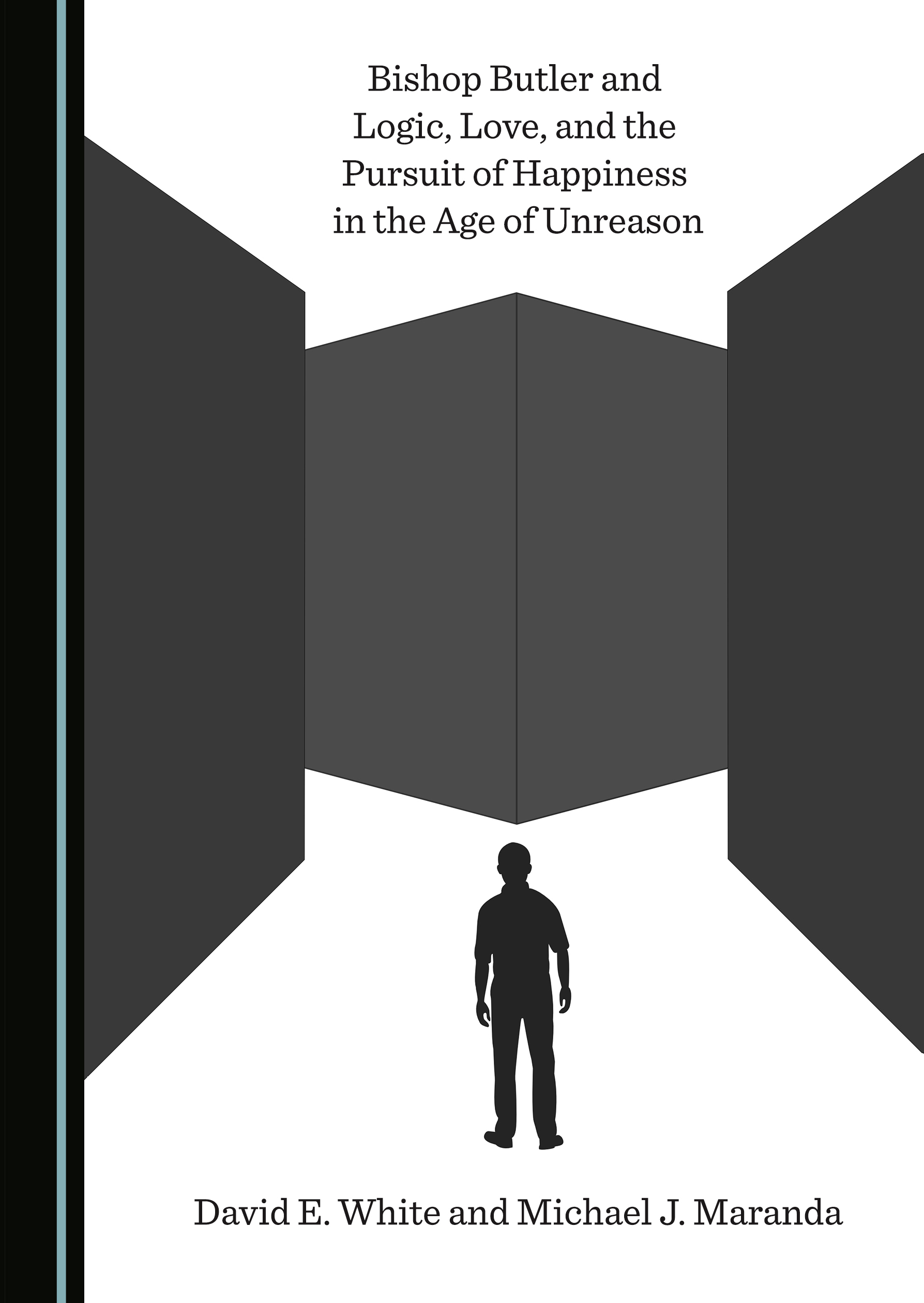
Using ordinary language and facts of experience, Bishop Butler's philosophy is a guidebook to happiness. This book presents his work as a bridge joining ancient wisdom with modern experience, offering ways to live without the error and distraction that lead to misery.
Using ordinary language and facts of experience, Bishop Butler’s philosophy is a guidebook to happiness. This book presents his work as a bridge joining ancient wisdom with modern experience, offering ways to live without the error and distraction that lead to misery.
View more
This product has multiple variants. The options may be chosen on the product page
View more
This product has multiple variants. The options may be chosen on the product page
Returning to the Long Revolution
The Crisis of Recognition
The key to motivating change lies in a radical re-imagining of democratic citizenship. We must reconfigure ourselves from being passive consumers to active citizens, empowered to participate in and take responsibility for remaking the communities in which we live and work.
The key to motivating change lies in a radical re-imagining of democratic citizenship. We must reconfigure ourselves from being passive consumers to active citizens, empowered to participate in and take responsibility for remaking the communities in which we live and work.
View more
This product has multiple variants. The options may be chosen on the product page
View more
This product has multiple variants. The options may be chosen on the product page
From £30.99
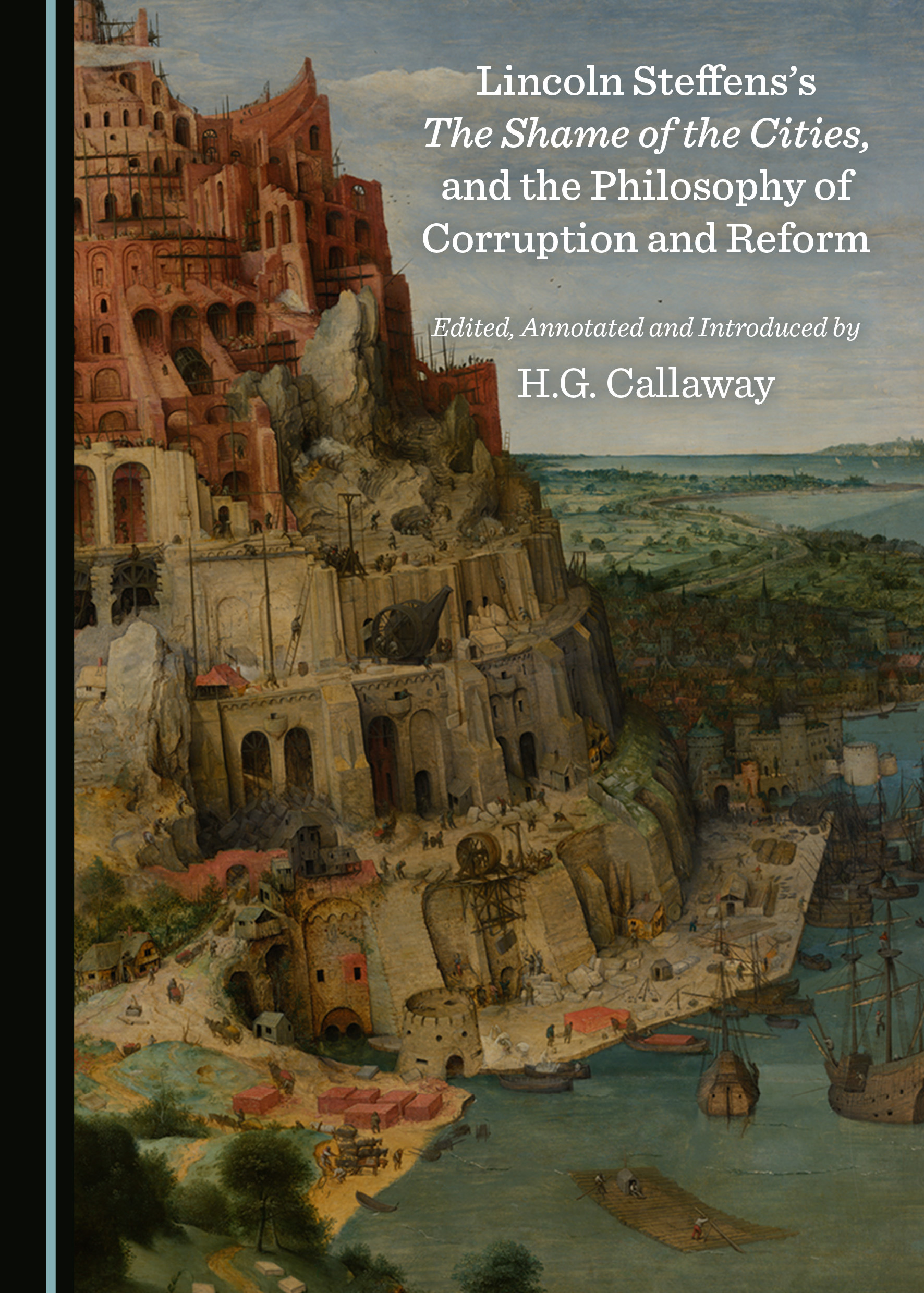
This scholarly edition of Lincoln Steffens' muck-raking classic dissects Gilded Age corruption in America's cities. With new analysis and historical context, it reveals the timeless moral and social-political phenomenon of corruption and the nature of reform.
This scholarly edition of Lincoln Steffens’ muck-raking classic dissects Gilded Age corruption in America’s cities. With new analysis and historical context, it reveals the timeless moral and social-political phenomenon of corruption and the nature of reform.
View more
This product has multiple variants. The options may be chosen on the product page
View more
This product has multiple variants. The options may be chosen on the product page
Post Qualitative Inquiry in Academia
Animating Potential for Intensities and Becoming in Writing
A student quits college on her first day. Ten years later, she gets an imaginary second chance. This book troubles academic barriers through innovative writing, offering multiple entryways to speculate on future educational possibilities for all.
A student quits college on her first day. Ten years later, she gets an imaginary second chance. This book troubles academic barriers through innovative writing, offering multiple entryways to speculate on future educational possibilities for all.
View more
This product has multiple variants. The options may be chosen on the product page

View more
This product has multiple variants. The options may be chosen on the product page
From £29.99
This book applies Saint Augustine’s ethics to contemporary social justice. In dialogue with modern political philosophy, it offers new frameworks for addressing 21st-century challenges and prepares readers for today’s most urgent social justice debates.
This book applies Saint Augustine’s ethics to contemporary social justice. In dialogue with modern political philosophy, it offers new frameworks for addressing 21st-century challenges and prepares readers for today’s most urgent social justice debates.
View more
This product has multiple variants. The options may be chosen on the product page
View more
This product has multiple variants. The options may be chosen on the product page
Functional Psychology and the Philosophy of Mind
Intentional Realism in Cognitive Psychology
This book connects language, mind, and consciousness, focusing on thinkers like Quine, Davidson, and Dennett. Its organizing theme is a contextual approach to meaning that builds on William James's functional psychology and anticipates a contemporary revival of his work.
This book connects language, mind, and consciousness, focusing on thinkers like Quine, Davidson, and Dennett. Its organizing theme is a contextual approach to meaning that builds on William James’s functional psychology and anticipates a contemporary revival of his work.
View more
This product has multiple variants. The options may be chosen on the product page
View more
This product has multiple variants. The options may be chosen on the product page
Taking Business Ethics Seriously
Beyond “How Much Would You Sell Your Mother for?”
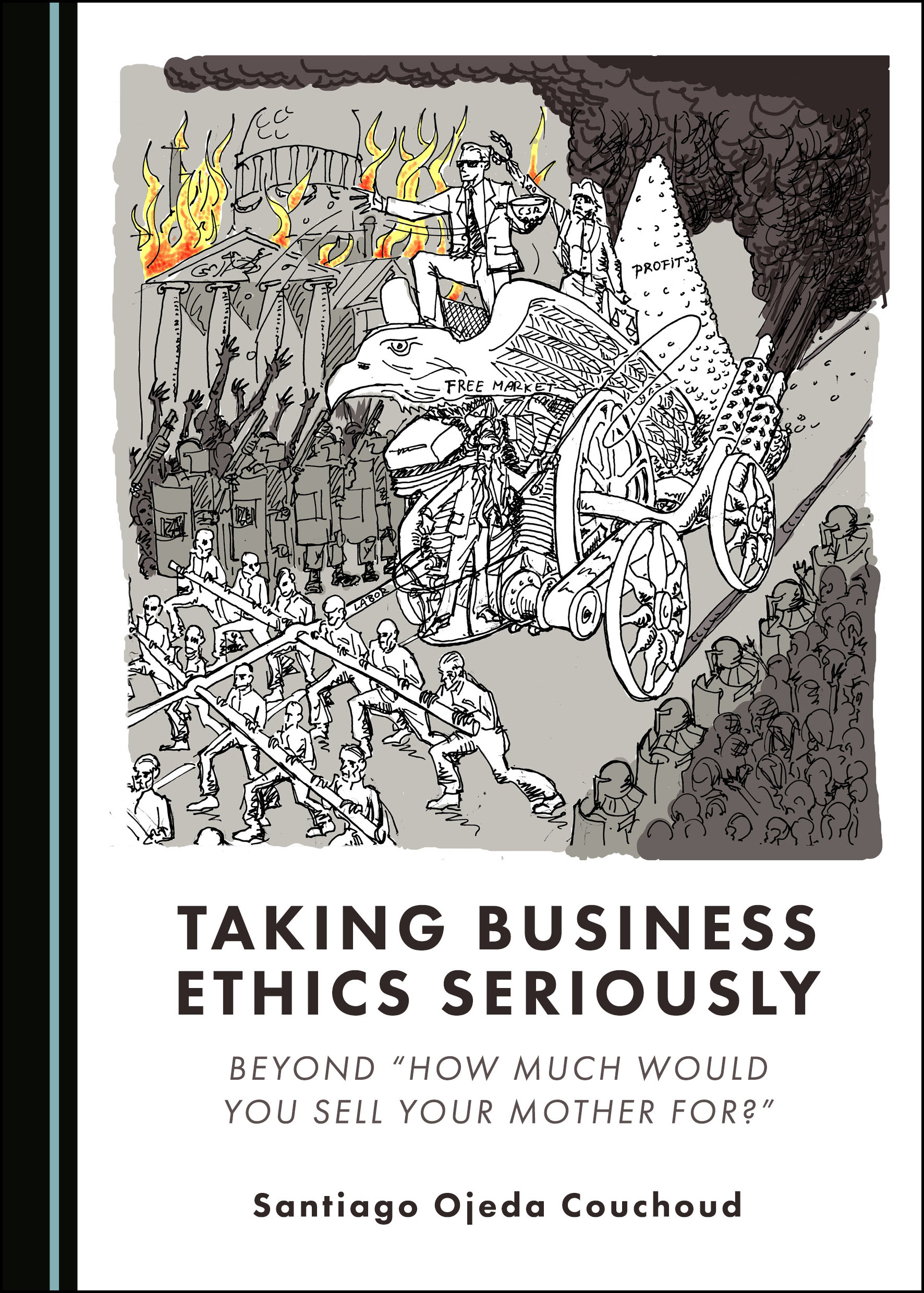
What is the “good life”? This book presents a passionate argument against the compartmentalization that separates such timeless questions from our professional lives. It makes the case for aligning business with a life worth living and treating people ethically in all realms.
What is the “good life”? This book presents a passionate argument against the compartmentalization that separates such timeless questions from our professional lives. It makes the case for aligning business with a life worth living and treating people ethically in all realms.
View more
This product has multiple variants. The options may be chosen on the product page
Processing Your Order
Please wait while we securely process your order.
Do not refresh or leave this page.
You will be redirected shortly to a confirmation page with your order number.