
View more
This product has multiple variants. The options may be chosen on the product page
From £29.99
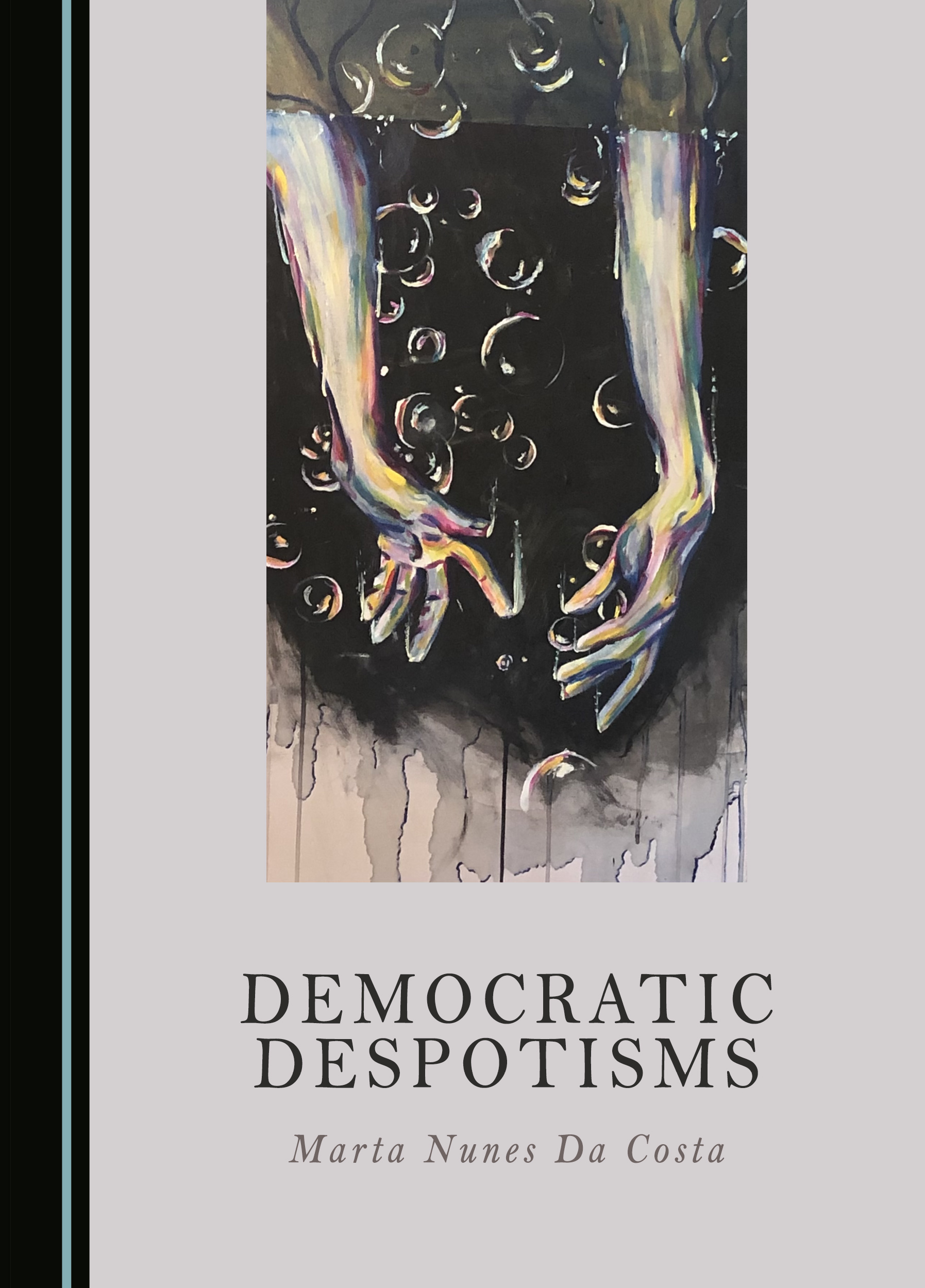
Can democracy become a new form of despotism? This book reveals the totalitarian seeds hidden within liberal society, born from our constant struggle between the universal desire for freedom and the craving for absolute security.
Can democracy become a new form of despotism? This book reveals the totalitarian seeds hidden within liberal society, born from our constant struggle between the universal desire for freedom and the craving for absolute security.
View more
This product has multiple variants. The options may be chosen on the product page
View more
This product has multiple variants. The options may be chosen on the product page
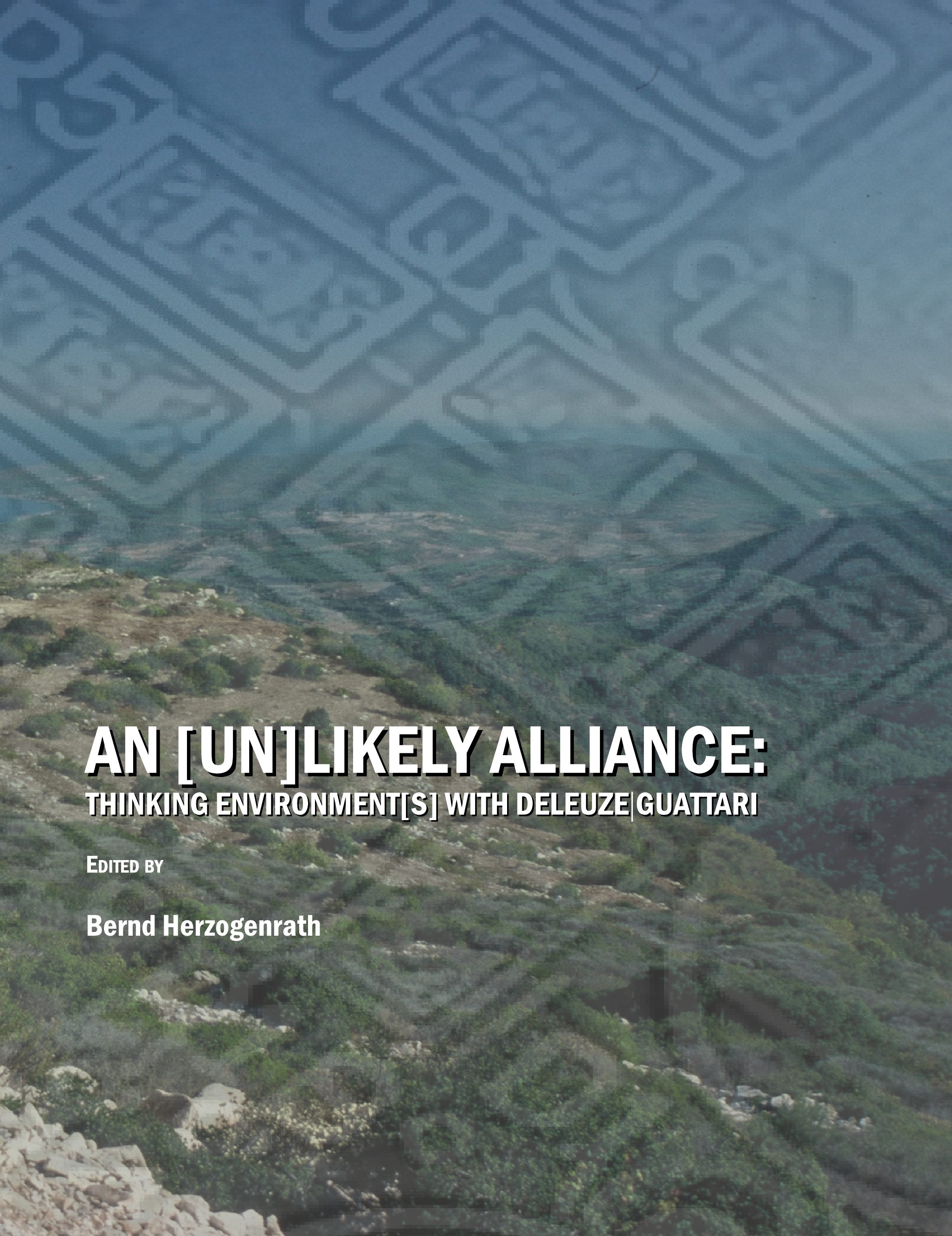
An [Un]Likely Alliance
Thinking Environment[s] with Deleuze/Guattari
This study explores 'environment' and 'ecology' in the philosophy of Deleuze and Guattari. It is a call to think complexity, evading dualisms like nature vs. culture to conceptualize a radical, non-anthropocentric ecoscience.
This study explores ‘environment’ and ‘ecology’ in the philosophy of Deleuze and Guattari. It is a call to think complexity, evading dualisms like nature vs. culture to conceptualize a radical, non-anthropocentric ecoscience.
View more
This product has multiple variants. The options may be chosen on the product page
View more
This product has multiple variants. The options may be chosen on the product page
Being, Goodness and Truth (Volume 16
Proceedings of the Society for Medieval Logic and Metaphysics)
This volume considers Aquinas’s virtue ethics, exploring the scholarly debate over inconsistencies in his account. It argues that Aquinas's understanding of human beings as matter-form composites furnishes a robust moral accounting unavailable to reductive materialist accounts.
This volume considers Aquinas’s virtue ethics, exploring the scholarly debate over inconsistencies in his account. It argues that Aquinas’s understanding of human beings as matter-form composites furnishes a robust moral accounting unavailable to reductive materialist accounts.
View more
This product has multiple variants. The options may be chosen on the product page
View more
This product has multiple variants. The options may be chosen on the product page
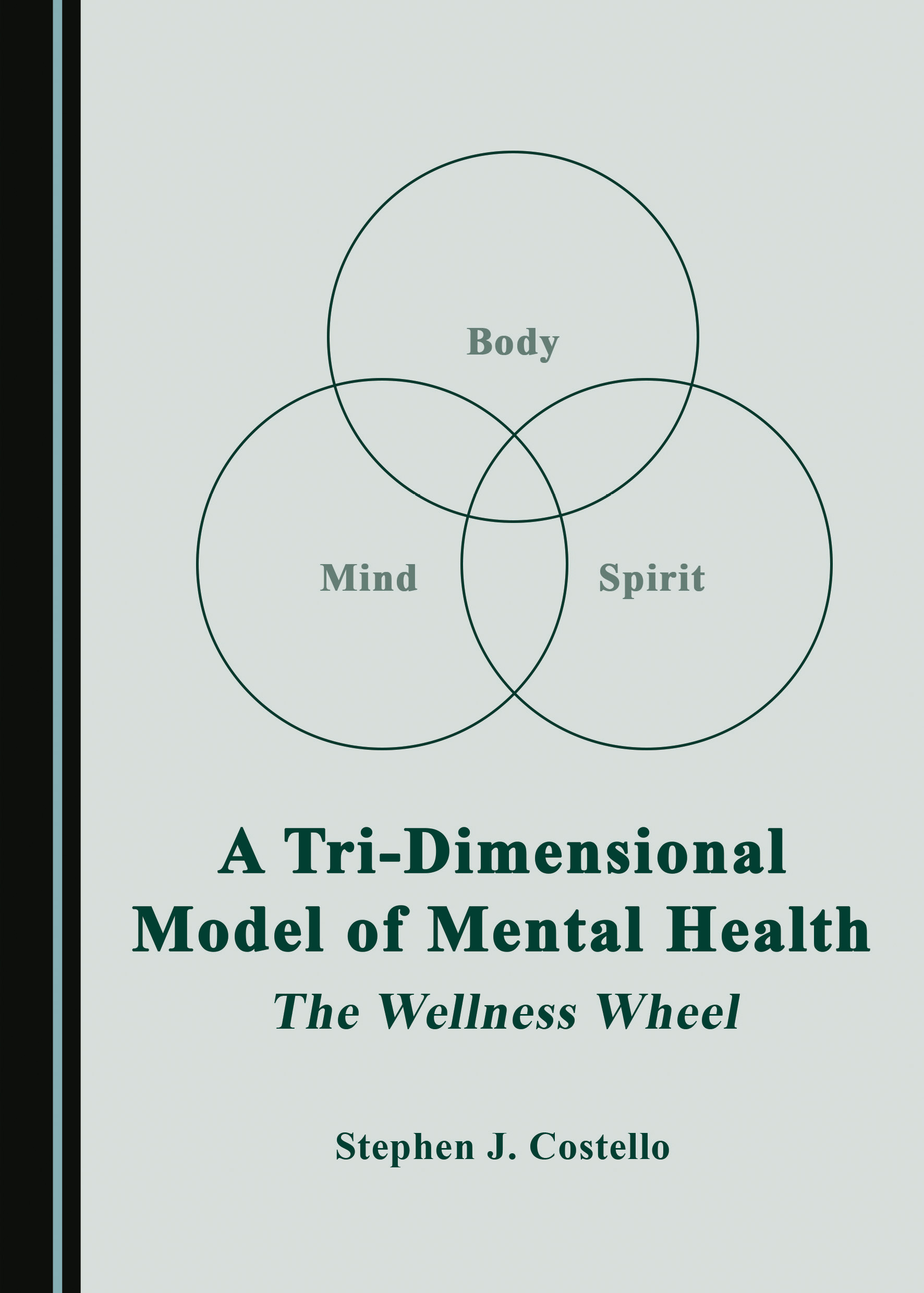
A Tri-Dimensional Model of Mental Health
The Wellness Wheel
This study explores what constitutes mental health, proposing that holistic health depends on integral wholeness: the synthesis of body, mind, and heart. It argues one is always whole in one’s true Self (essence), which must be distinguished from the ego (personality).
This study explores what constitutes mental health, proposing that holistic health depends on integral wholeness: the synthesis of body, mind, and heart. It argues one is always whole in one’s true Self (essence), which must be distinguished from the ego (personality).
View more
This product has multiple variants. The options may be chosen on the product page
View more
This product has multiple variants. The options may be chosen on the product page
From £35.99
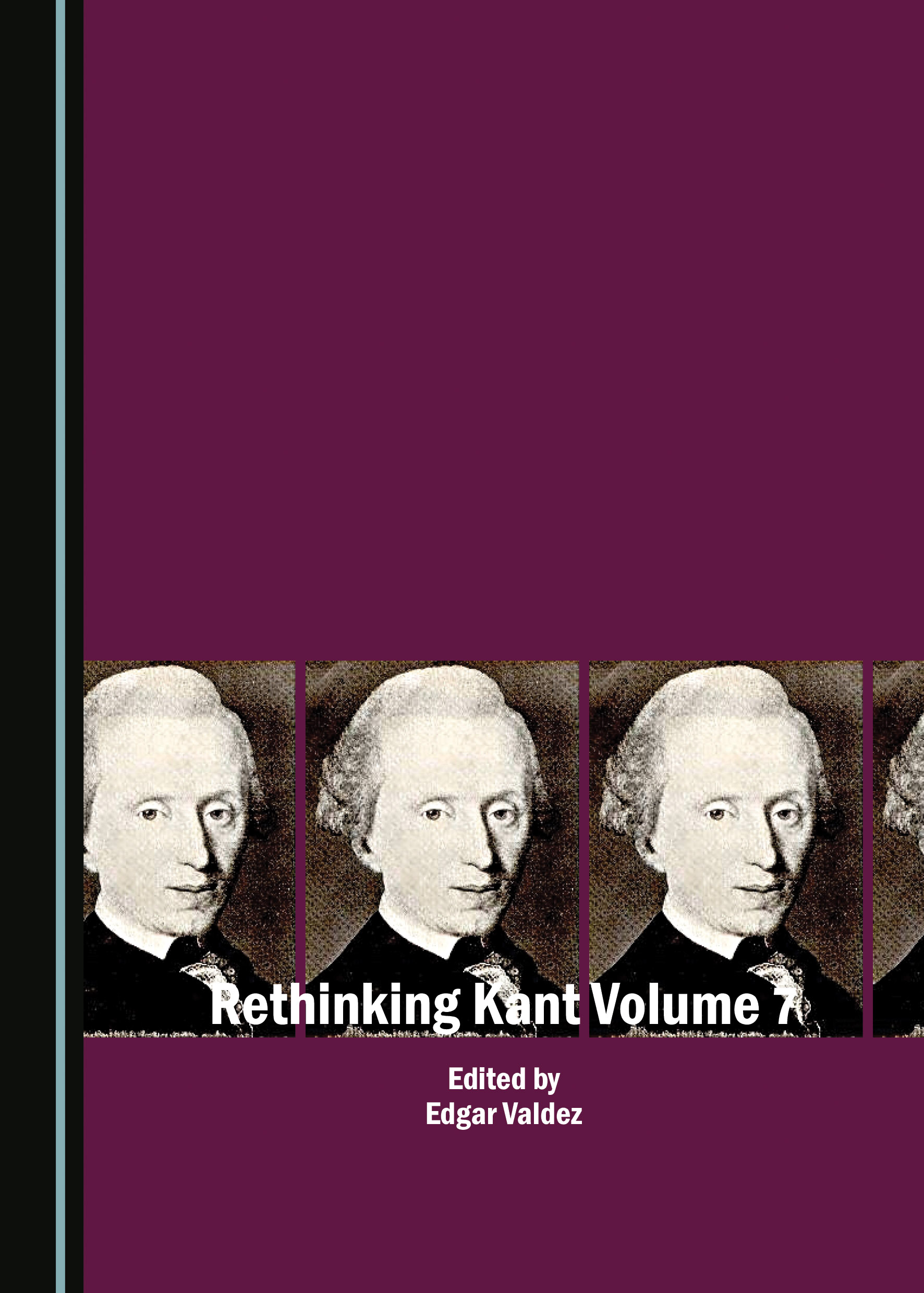
Kant’s enduring questions call for rethinking him in light of contemporary debates. The essays in this volume range from reason’s critique of itself to the role of feeling in moral judgment, highlighting his significance for the ever-broadening landscape of philosophy today.
Kant’s enduring questions call for rethinking him in light of contemporary debates. The essays in this volume range from reason’s critique of itself to the role of feeling in moral judgment, highlighting his significance for the ever-broadening landscape of philosophy today.
View more
This product has multiple variants. The options may be chosen on the product page
View more
This product has multiple variants. The options may be chosen on the product page
From £35.99
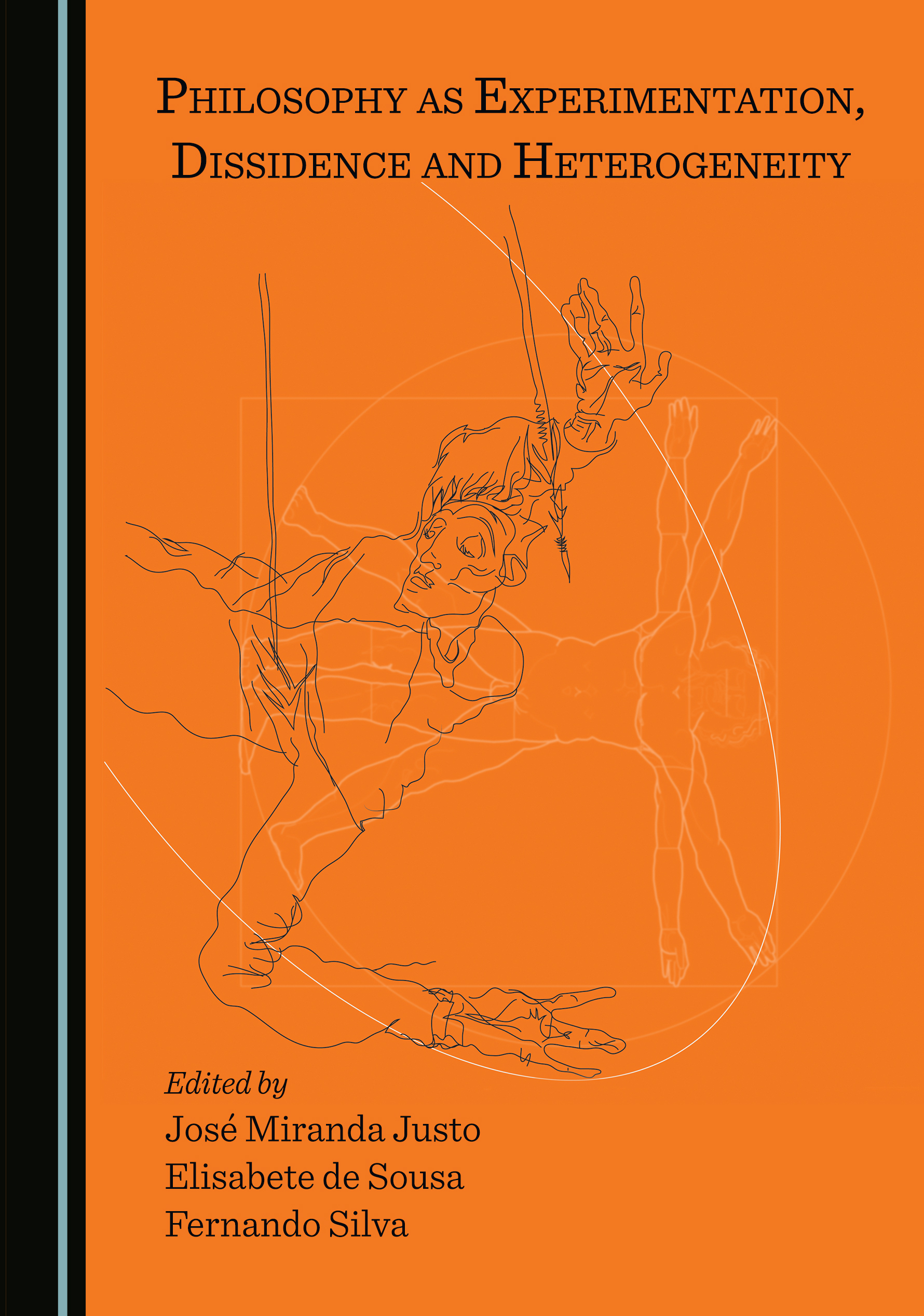
This collection of essays explores the role of experimentation, dissidence, and heterogeneity in philosophy. Critiquing monolithic tendencies, it traces the influence of marginal thinkers from Kierkegaard and Nietzsche to Deleuze, Foucault, and Benjamin.
This collection of essays explores the role of experimentation, dissidence, and heterogeneity in philosophy. Critiquing monolithic tendencies, it traces the influence of marginal thinkers from Kierkegaard and Nietzsche to Deleuze, Foucault, and Benjamin.
View more
This product has multiple variants. The options may be chosen on the product page
View more
This product has multiple variants. The options may be chosen on the product page
From £32.99
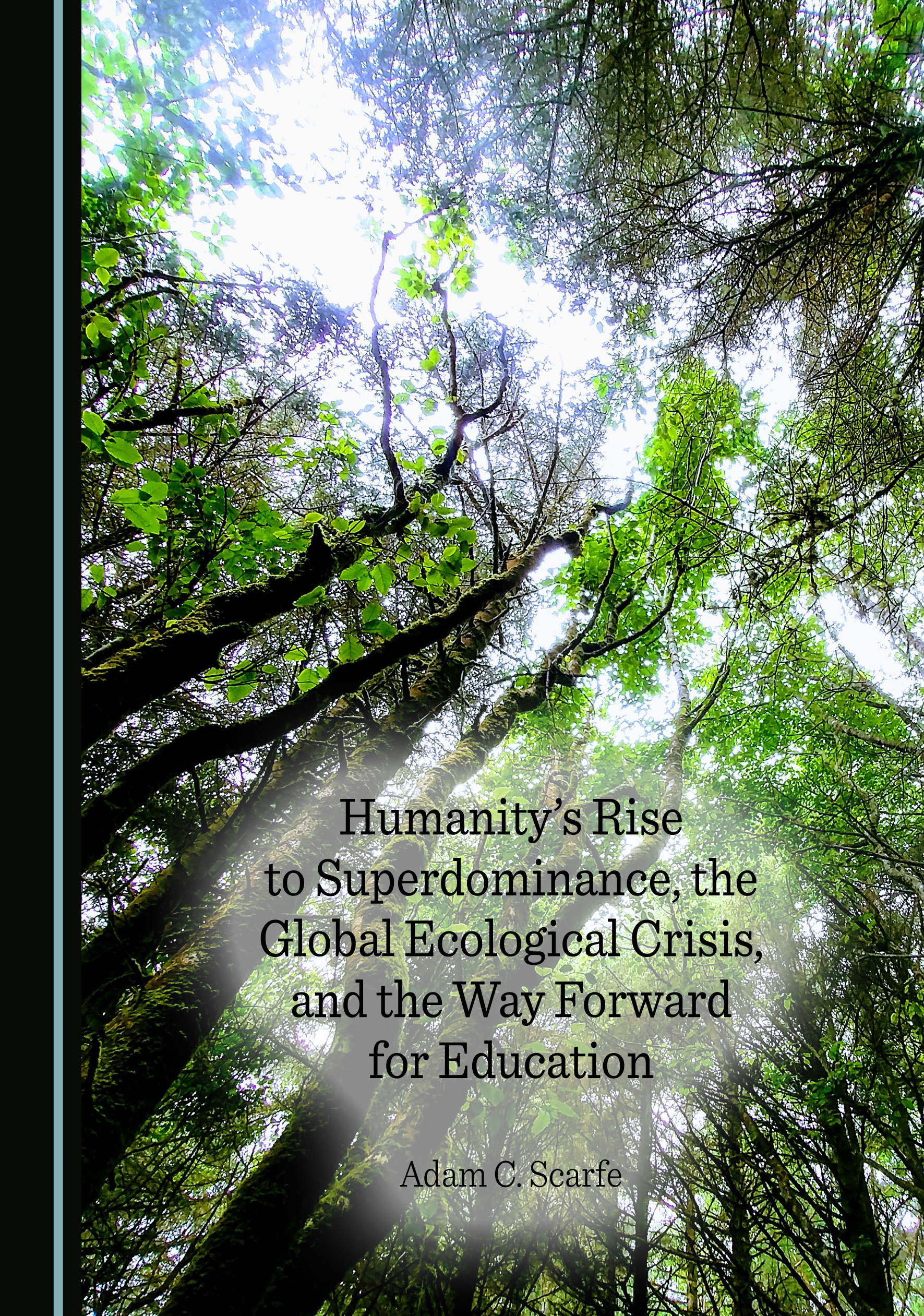
Humanity’s planetary superdominance, a product of transgenerational learning, has caused an ecological crisis. We now face an evolutionary choice about the purpose of education: should we double down on humanism, deconstruct the system, or adopt a holistic biological wisdom?
Humanity’s planetary superdominance, a product of transgenerational learning, has caused an ecological crisis. We now face an evolutionary choice about the purpose of education: should we double down on humanism, deconstruct the system, or adopt a holistic biological wisdom?
View more
This product has multiple variants. The options may be chosen on the product page
View more
This product has multiple variants. The options may be chosen on the product page
From £32.99
This collection on Homo Kybernetes frames the technosphere as an aesthetic problem. It reflects on cybernetic thinking as a condition for digital aesthetics and explores the transition of human existence through transhumanism and the posthuman condition.
This collection on Homo Kybernetes frames the technosphere as an aesthetic problem. It reflects on cybernetic thinking as a condition for digital aesthetics and explores the transition of human existence through transhumanism and the posthuman condition.
View more
This product has multiple variants. The options may be chosen on the product page
View more
This product has multiple variants. The options may be chosen on the product page
From £36.99
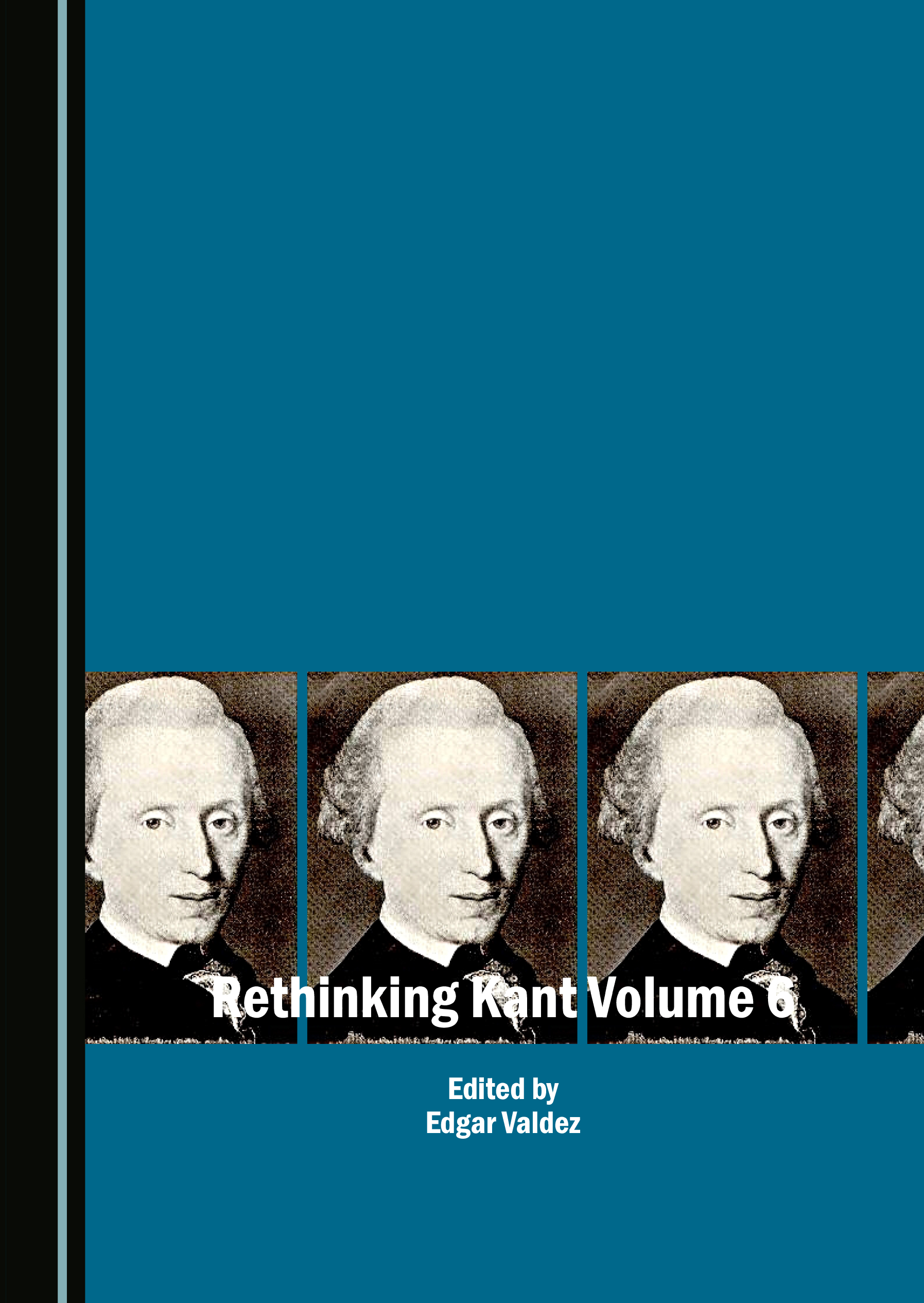
This volume reflects a rich tradition of Kantian thought. Essays rethink Kant’s most controversial themes—freedom, morality, transcendental idealism, radical evil, and revolution—and indicate his importance for current philosophical debates.
This volume reflects a rich tradition of Kantian thought. Essays rethink Kant’s most controversial themes—freedom, morality, transcendental idealism, radical evil, and revolution—and indicate his importance for current philosophical debates.
View more
This product has multiple variants. The options may be chosen on the product page
View more
This product has multiple variants. The options may be chosen on the product page
From £32.99
Philosophy and science go hand-in-hand to answer fundamental questions about how we know the world. This book provides answers to such philosophical problems on the basis of sound and clearly presented argumentation for philosophers, scientists, and inquisitive readers.
Philosophy and science go hand-in-hand to answer fundamental questions about how we know the world. This book provides answers to such philosophical problems on the basis of sound and clearly presented argumentation for philosophers, scientists, and inquisitive readers.
View more
This product has multiple variants. The options may be chosen on the product page
View more
This product has multiple variants. The options may be chosen on the product page
From £32.99
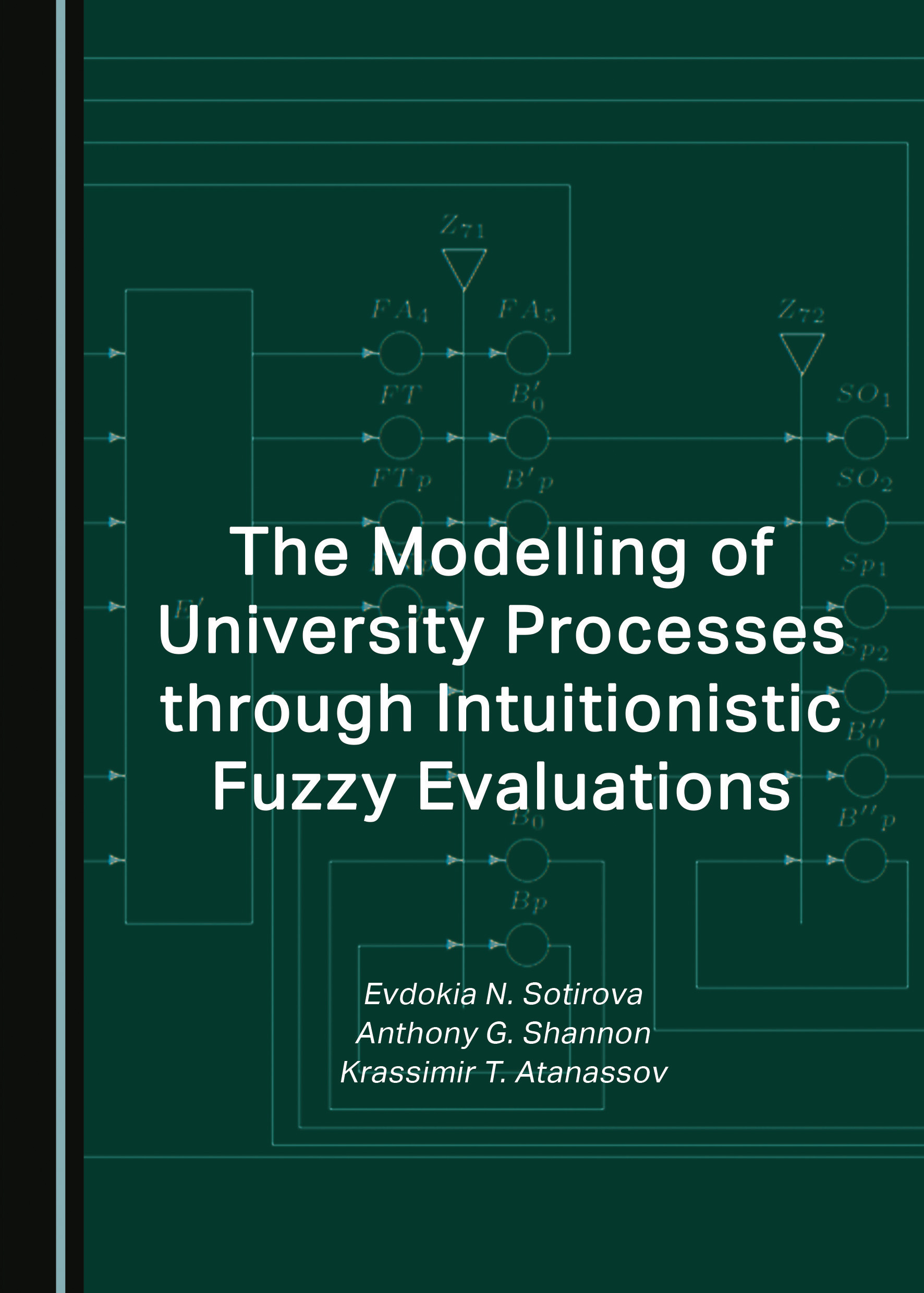
This book introduces a digital literacy beyond social media. It's not enough to buy technology without understanding the hardware and software logic. Generalized nets marry the soft approximations of humans with the hard precision of the computer.
This book introduces a digital literacy beyond social media. It’s not enough to buy technology without understanding the hardware and software logic. Generalized nets marry the soft approximations of humans with the hard precision of the computer.
View more
This product has multiple variants. The options may be chosen on the product page
View more
This product has multiple variants. The options may be chosen on the product page
From £32.99
Countering claims of decadence, this book argues that turn-of-the-century art was energized by a search for meaningful form grounded in psychology. It connects key thinkers to modernists like T. S. Eliot and James Joyce, redefining literary genre through this new lens.
Countering claims of decadence, this book argues that turn-of-the-century art was energized by a search for meaningful form grounded in psychology. It connects key thinkers to modernists like T. S. Eliot and James Joyce, redefining literary genre through this new lens.
View more
This product has multiple variants. The options may be chosen on the product page
View more
This product has multiple variants. The options may be chosen on the product page
From £35.99
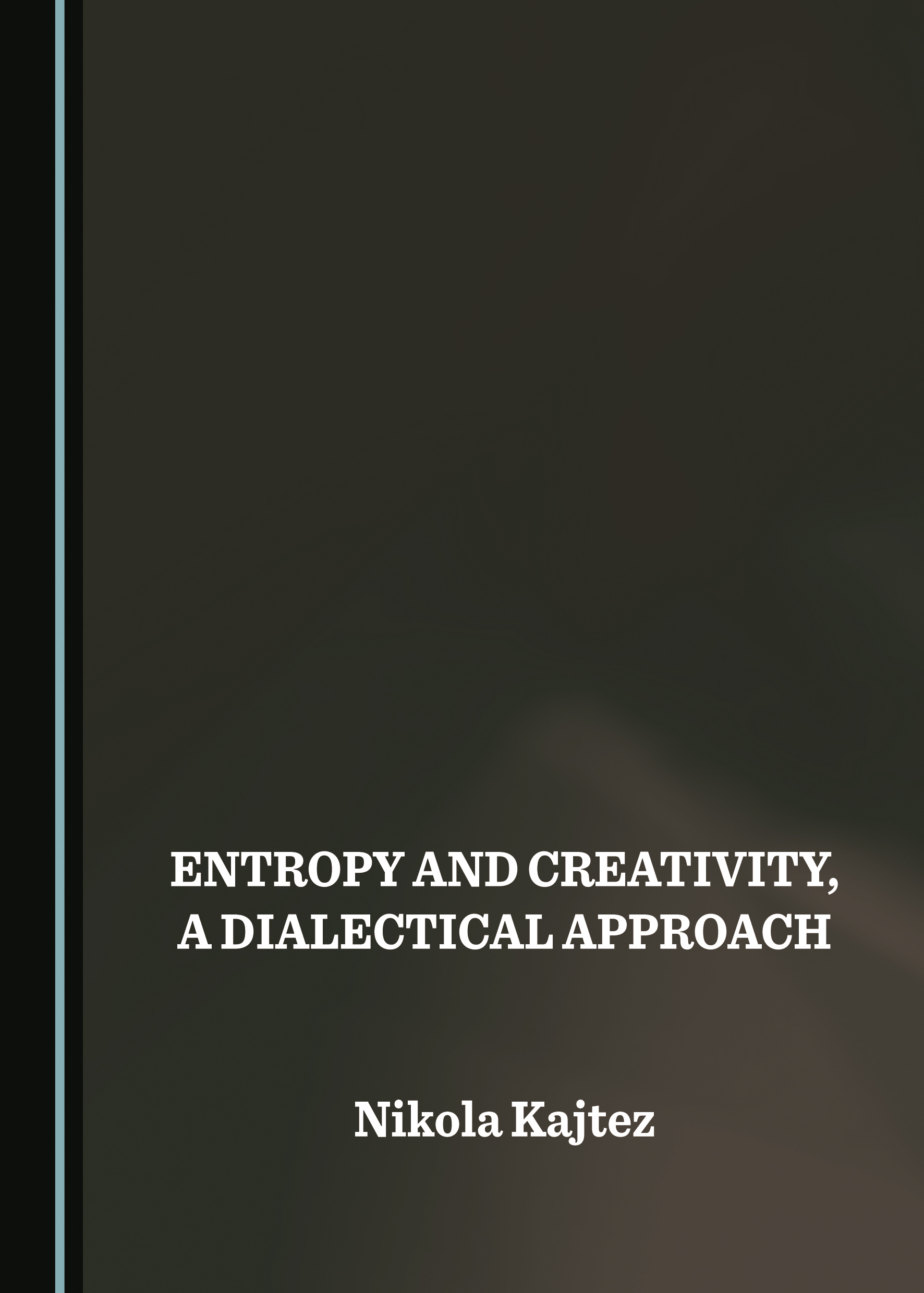
By reframing the cosmos through entropy and creativity, this book offers a solution to the Fermi paradox, a correction of the Drake equation, and a new definition of singularity, revealing a unique chain of being—from elementary information to all possible worlds.
By reframing the cosmos through entropy and creativity, this book offers a solution to the Fermi paradox, a correction of the Drake equation, and a new definition of singularity, revealing a unique chain of being—from elementary information to all possible worlds.
View more
This product has multiple variants. The options may be chosen on the product page

View more
This product has multiple variants. The options may be chosen on the product page
From £32.99
In West Africa, military takeovers are fueled by identity politics and discrimination in the distribution of national wealth. This book promotes a sane approach to sharing the national ‘cake’: adopting pragmatism and the Rule of Law to ensure equal participation and opportunity.
In West Africa, military takeovers are fueled by identity politics and discrimination in the distribution of national wealth. This book promotes a sane approach to sharing the national ‘cake’: adopting pragmatism and the Rule of Law to ensure equal participation and opportunity.
View more
This product has multiple variants. The options may be chosen on the product page
View more
This product has multiple variants. The options may be chosen on the product page
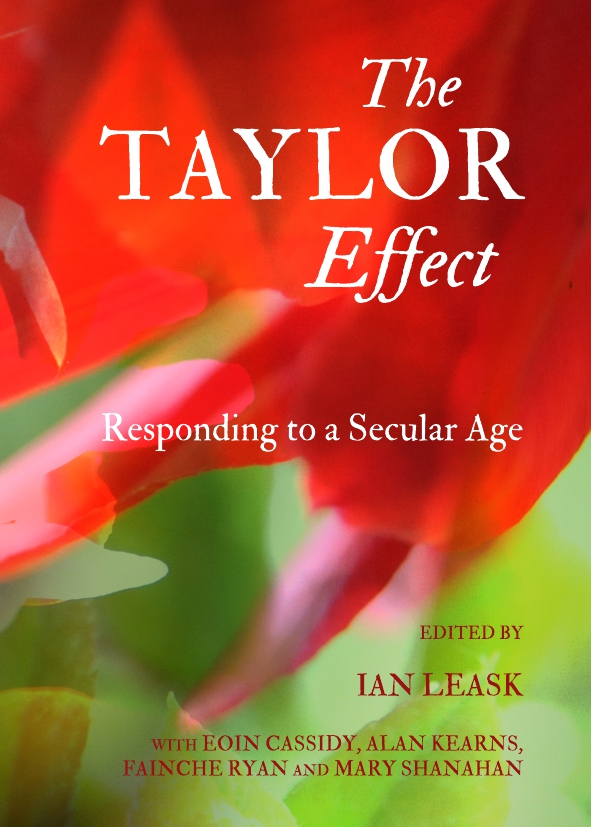
The Taylor Effect
Responding to a Secular Age
The Taylor Effect presents a diverse collection of essays addressing Charles Taylor’s A Secular Age. With contributions from philosophy, theology, literature, and political science, this is a central reference point for any future discussion of Taylor’s work.
The Taylor Effect presents a diverse collection of essays addressing Charles Taylor’s A Secular Age. With contributions from philosophy, theology, literature, and political science, this is a central reference point for any future discussion of Taylor’s work.
View more
This product has multiple variants. The options may be chosen on the product page
View more
This product has multiple variants. The options may be chosen on the product page
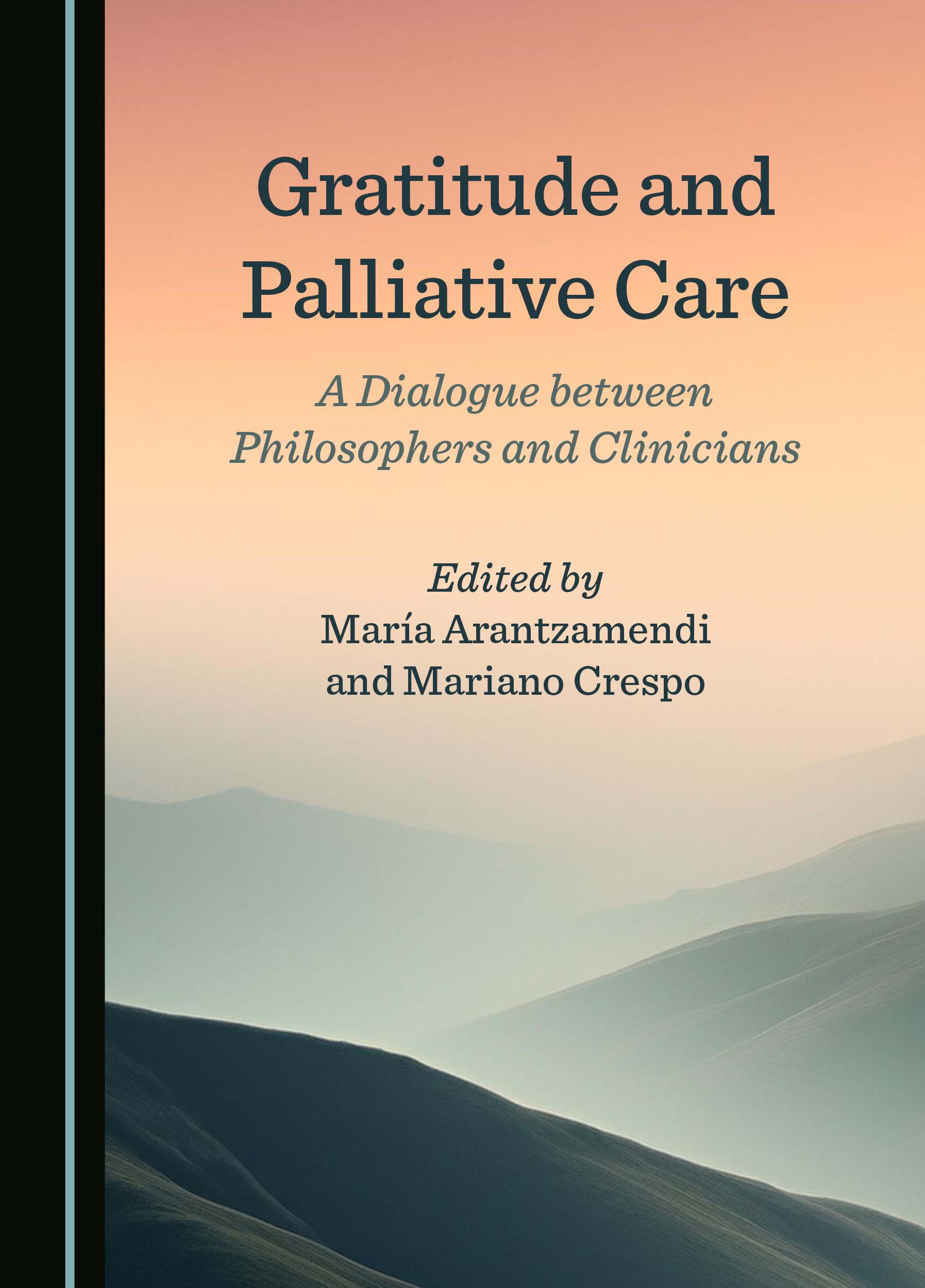
Gratitude and Palliative Care
A Dialogue between Philosophers and Clinicians
Surprisingly, gratitude persists even at the end of life. This book explores profound gratitude in palliative care. Blending clinical experience and philosophy, it examines the transformative power of gratitude for patients, families, and professionals amidst serious illness.
Surprisingly, gratitude persists even at the end of life. This book explores profound gratitude in palliative care. Blending clinical experience and philosophy, it examines the transformative power of gratitude for patients, families, and professionals amidst serious illness.
View more
This product has multiple variants. The options may be chosen on the product page
View more
This product has multiple variants. The options may be chosen on the product page
From £32.99
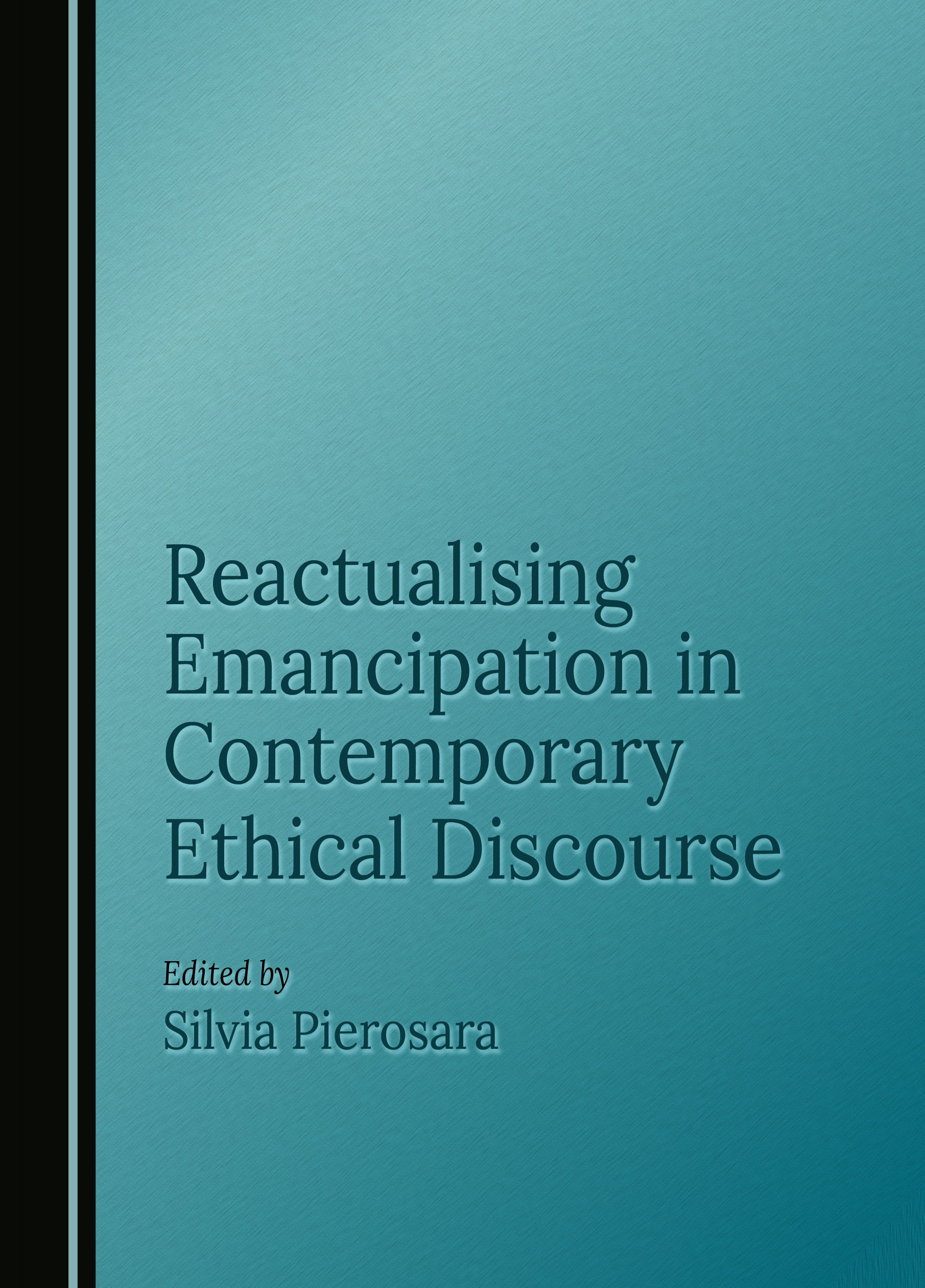
What does emancipation mean in the contemporary moral and political landscape? From what can we free ourselves? This collection investigates emancipation through the eyes of the ethicist, re-examining the concept within different philosophical traditions.
What does emancipation mean in the contemporary moral and political landscape? From what can we free ourselves? This collection investigates emancipation through the eyes of the ethicist, re-examining the concept within different philosophical traditions.
View more
This product has multiple variants. The options may be chosen on the product page
View more
This product has multiple variants. The options may be chosen on the product page
From £30.99
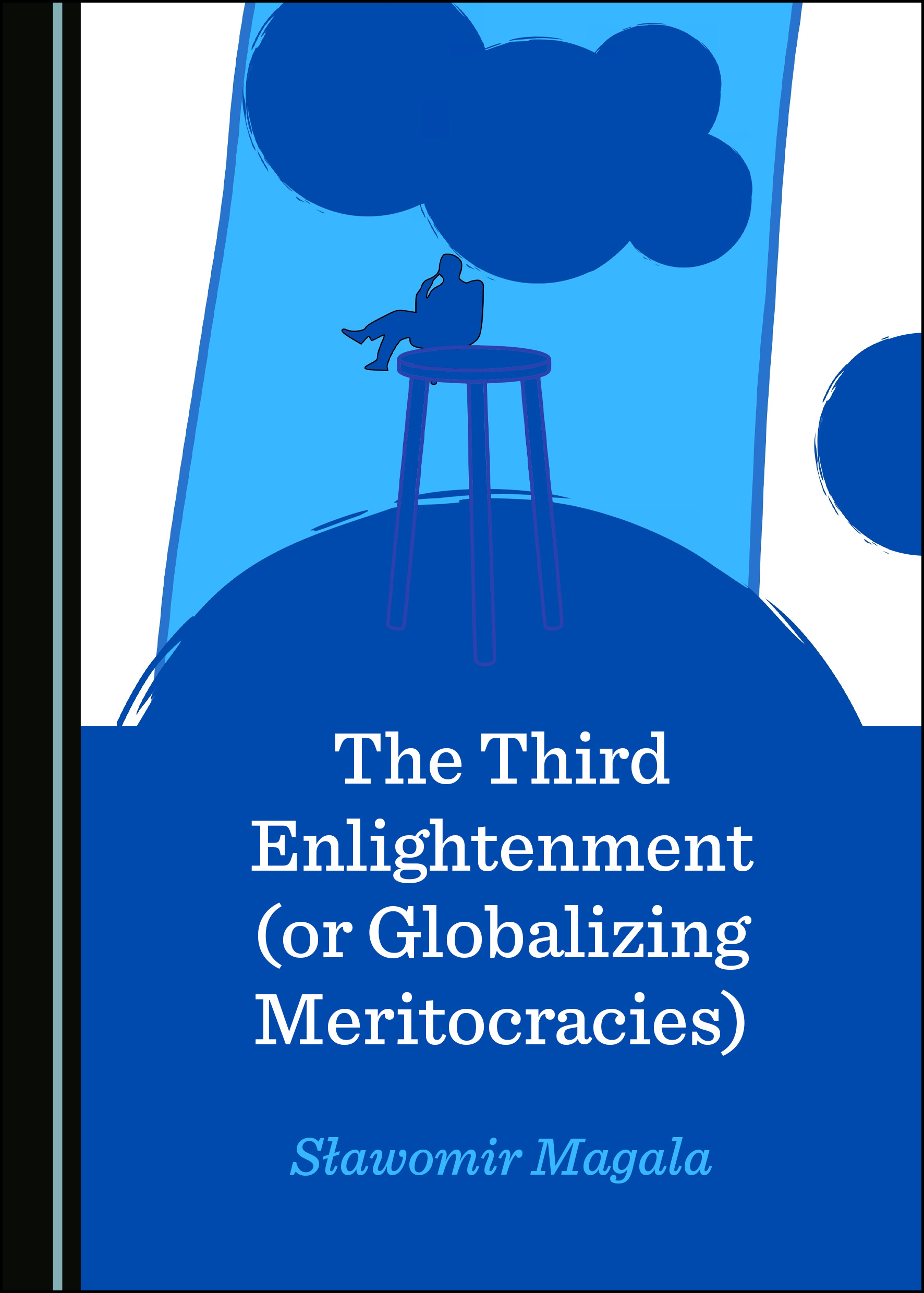
Political correctness cripples public debate, limits knowledge, and threatens democracy. This book shows how meritocracies have become contaminated by the propaganda of cultural wars. Why are media and teachers still following old instructions to control damage?
Political correctness cripples public debate, limits knowledge, and threatens democracy. This book shows how meritocracies have become contaminated by the propaganda of cultural wars. Why are media and teachers still following old instructions to control damage?
View more
This product has multiple variants. The options may be chosen on the product page
View more
This product has multiple variants. The options may be chosen on the product page
From £36.99
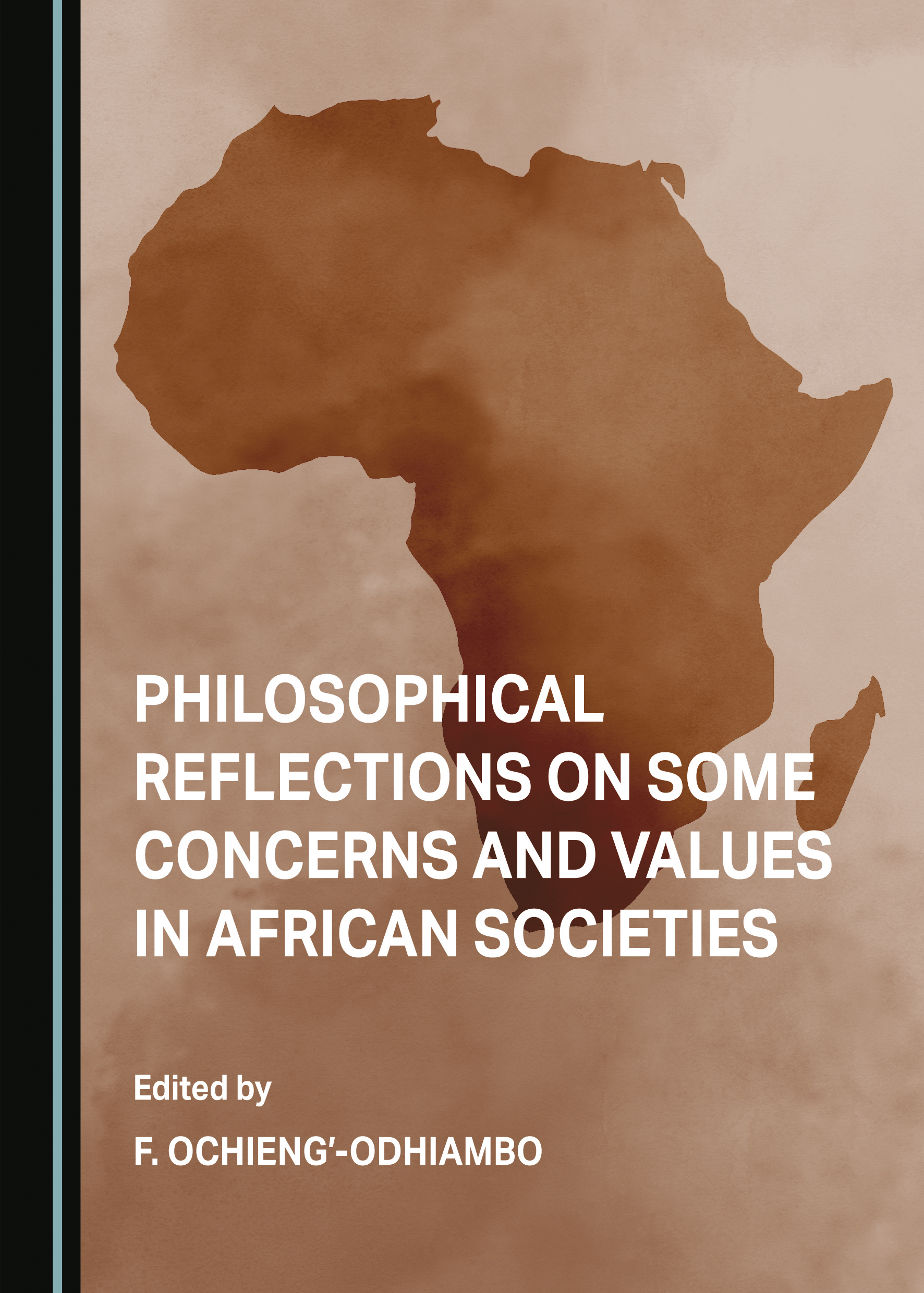
Africa continues to face harsh challenges as a result of colonialism. This volume addresses diverse social-political, moral, and developmental problems, arguing that while they arose from Africa’s encounter with the West, the solutions must be home-grown.
Africa continues to face harsh challenges as a result of colonialism. This volume addresses diverse social-political, moral, and developmental problems, arguing that while they arose from Africa’s encounter with the West, the solutions must be home-grown.
View more
This product has multiple variants. The options may be chosen on the product page
View more
This product has multiple variants. The options may be chosen on the product page
From £33.99
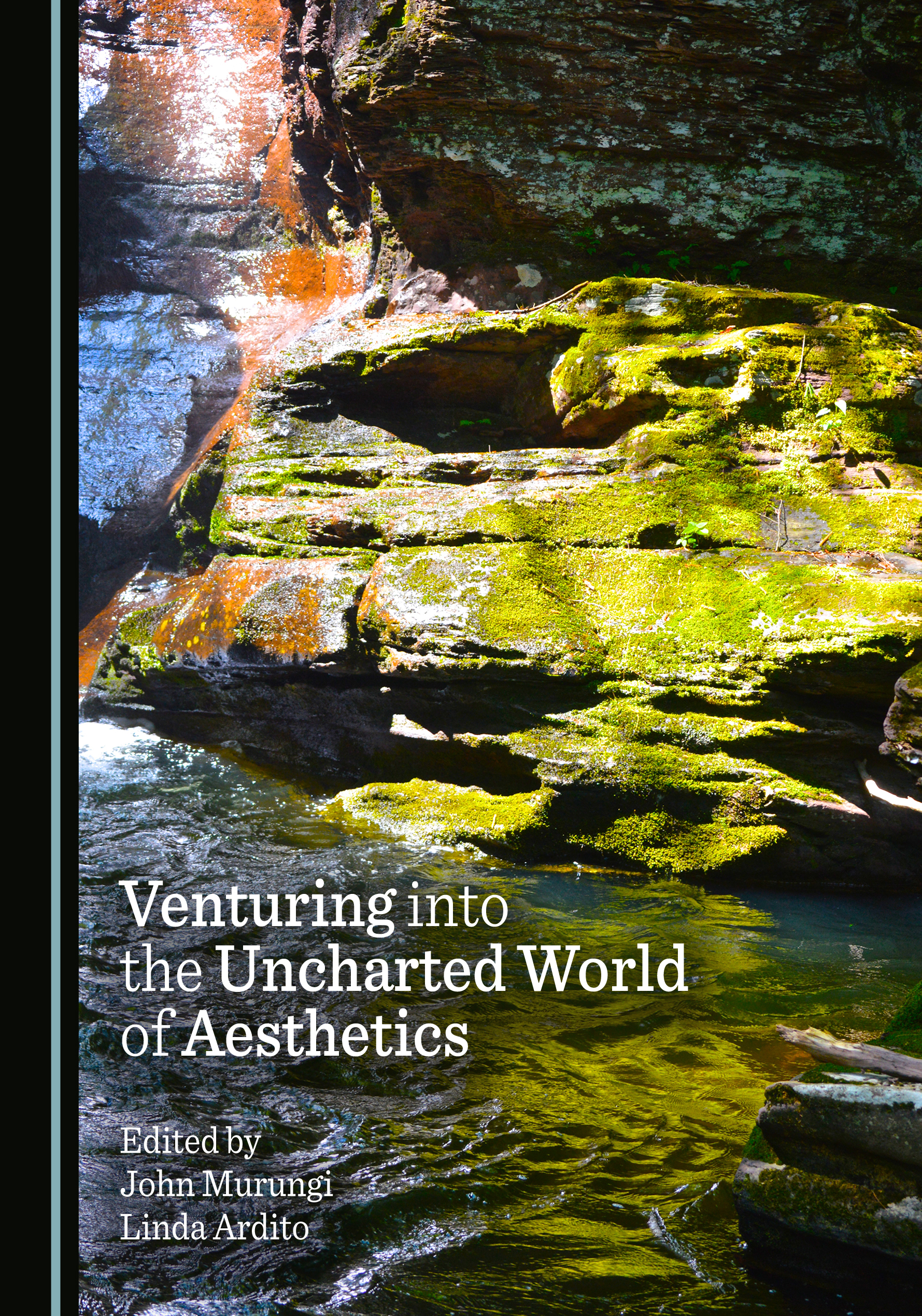
To venture into the uncharted world of aesthetics is to explore the cosmos and blaze a trail to the self. This book provides insights into how works about aesthetics are also works reflective of the self, with endless possibilities of being.
To venture into the uncharted world of aesthetics is to explore the cosmos and blaze a trail to the self. This book provides insights into how works about aesthetics are also works reflective of the self, with endless possibilities of being.
View more
This product has multiple variants. The options may be chosen on the product page
Processing Your Order
Please wait while we securely process your order.
Do not refresh or leave this page.
You will be redirected shortly to a confirmation page with your order number.