
View more
This product has multiple variants. The options may be chosen on the product page
From £32.99
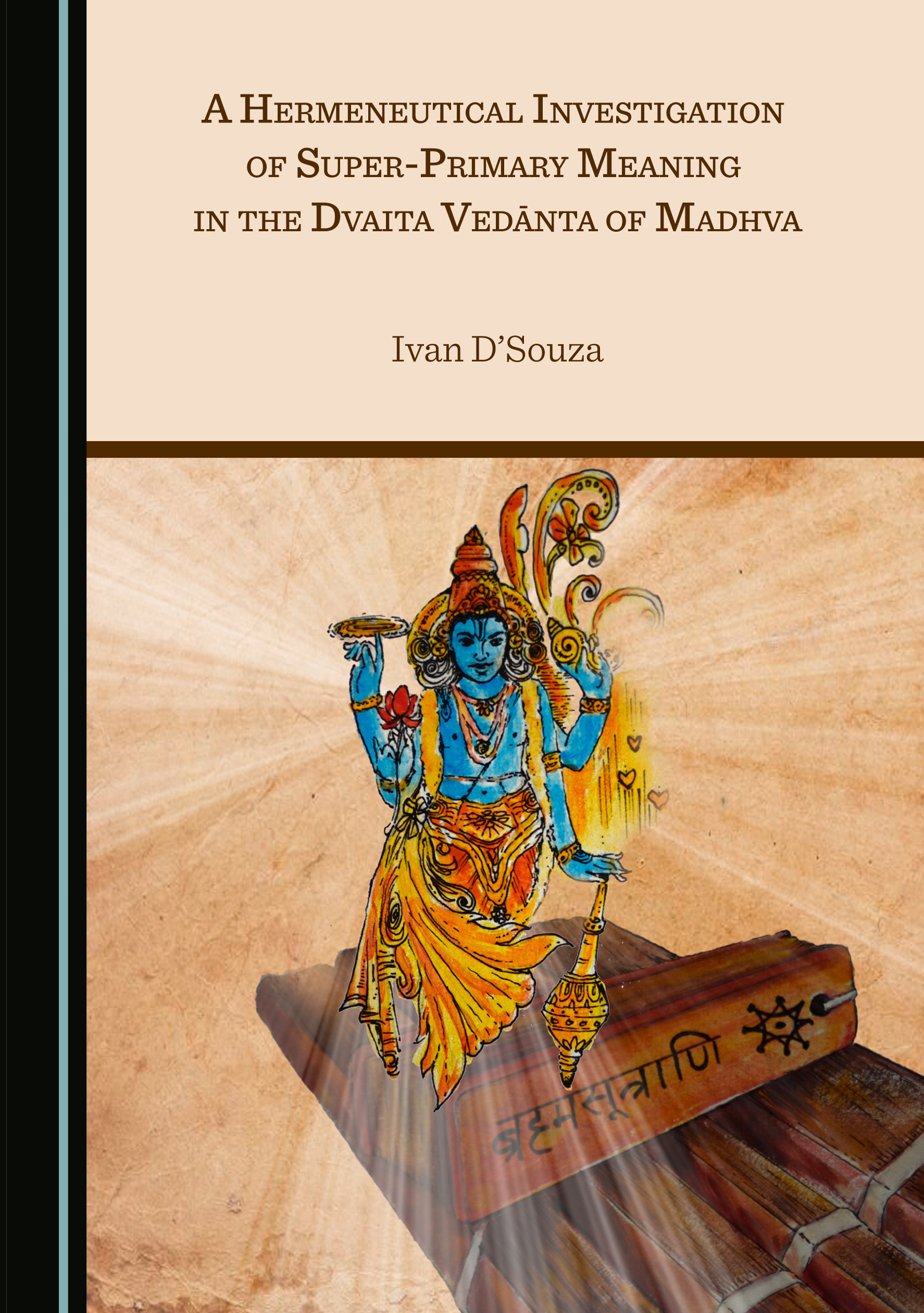
This study unearths the singular concept of “parama-mukhya-vṛtti” from the Dvaita Vedānta philosophy of Madhva. Discover the 12th-century thinker's unique hermeneutical technique used to establish Viṣṇu as the focus of Vedic writings and its relevance for any sacred text.
This study unearths the singular concept of “parama-mukhya-vṛtti” from the Dvaita Vedānta philosophy of Madhva. Discover the 12th-century thinker’s unique hermeneutical technique used to establish Viṣṇu as the focus of Vedic writings and its relevance for any sacred text.
View more
This product has multiple variants. The options may be chosen on the product page
View more
This product has multiple variants. The options may be chosen on the product page
A Study of Daisaku Ikeda
Philosophy of Action between East and West
This book explores the philosophical and religious work of Daisaku Ikeda, framing it as a philosophy of action. With a strong spiritual and religious reference, Ikeda's work interprets the human through emancipative will, translating philosophy into practical social engagement.
This book explores the philosophical and religious work of Daisaku Ikeda, framing it as a philosophy of action. With a strong spiritual and religious reference, Ikeda’s work interprets the human through emancipative will, translating philosophy into practical social engagement.
View more
This product has multiple variants. The options may be chosen on the product page
View more
This product has multiple variants. The options may be chosen on the product page
£66.99
Human values do not fall from a metaphysical sky. They originate from the human essence—a universal life force emerging from the natural process. Values arise as an existential response to the desires and essential demands of human nature, a gift to all societies.
Human values do not fall from a metaphysical sky. They originate from the human essence—a universal life force emerging from the natural process. Values arise as an existential response to the desires and essential demands of human nature, a gift to all societies.
View more
This product has multiple variants. The options may be chosen on the product page
View more
This product has multiple variants. The options may be chosen on the product page
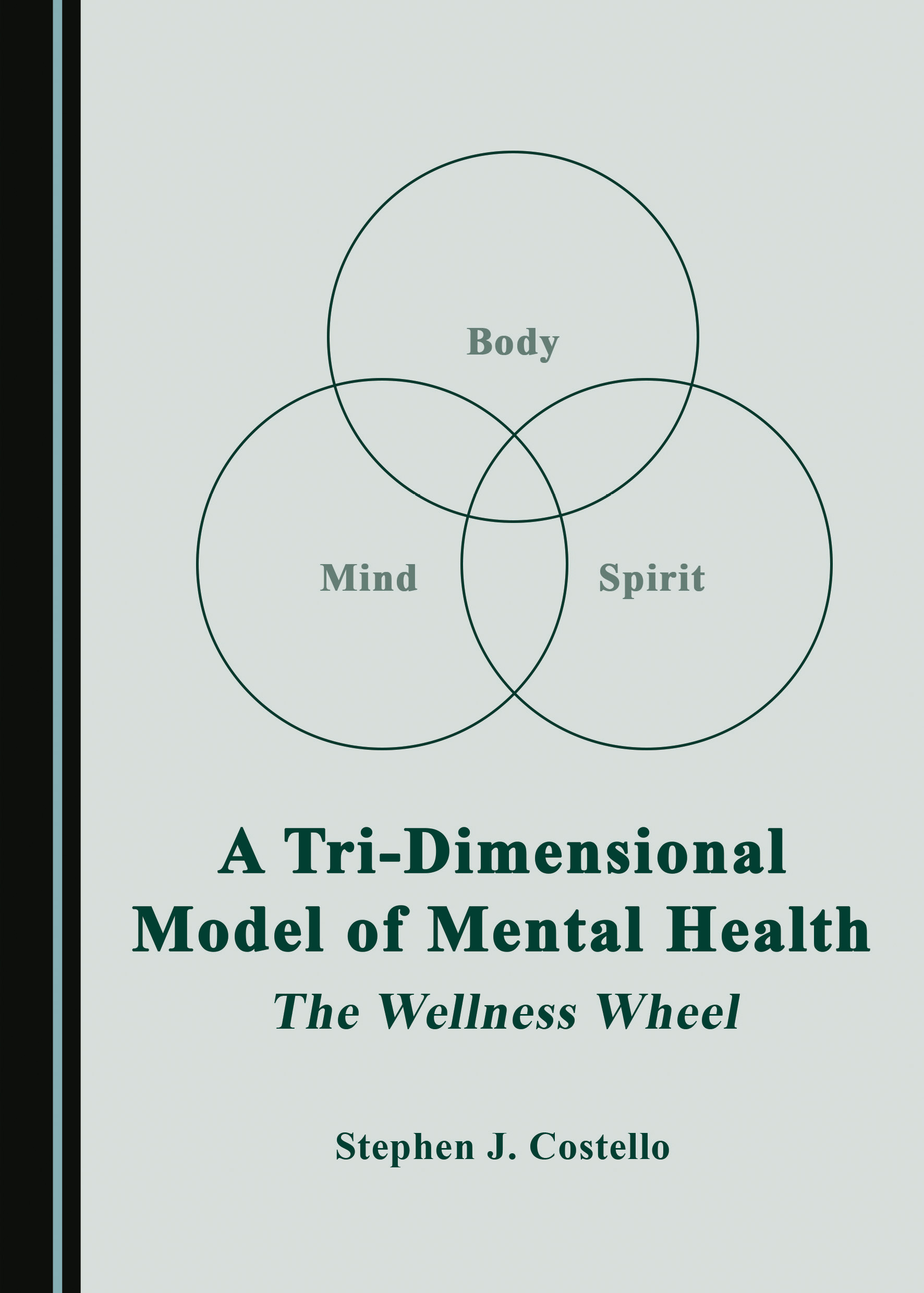
A Tri-Dimensional Model of Mental Health
The Wellness Wheel
This study explores what constitutes mental health, proposing that holistic health depends on integral wholeness: the synthesis of body, mind, and heart. It argues one is always whole in one’s true Self (essence), which must be distinguished from the ego (personality).
This study explores what constitutes mental health, proposing that holistic health depends on integral wholeness: the synthesis of body, mind, and heart. It argues one is always whole in one’s true Self (essence), which must be distinguished from the ego (personality).
View more
This product has multiple variants. The options may be chosen on the product page
View more
This product has multiple variants. The options may be chosen on the product page
£52.99
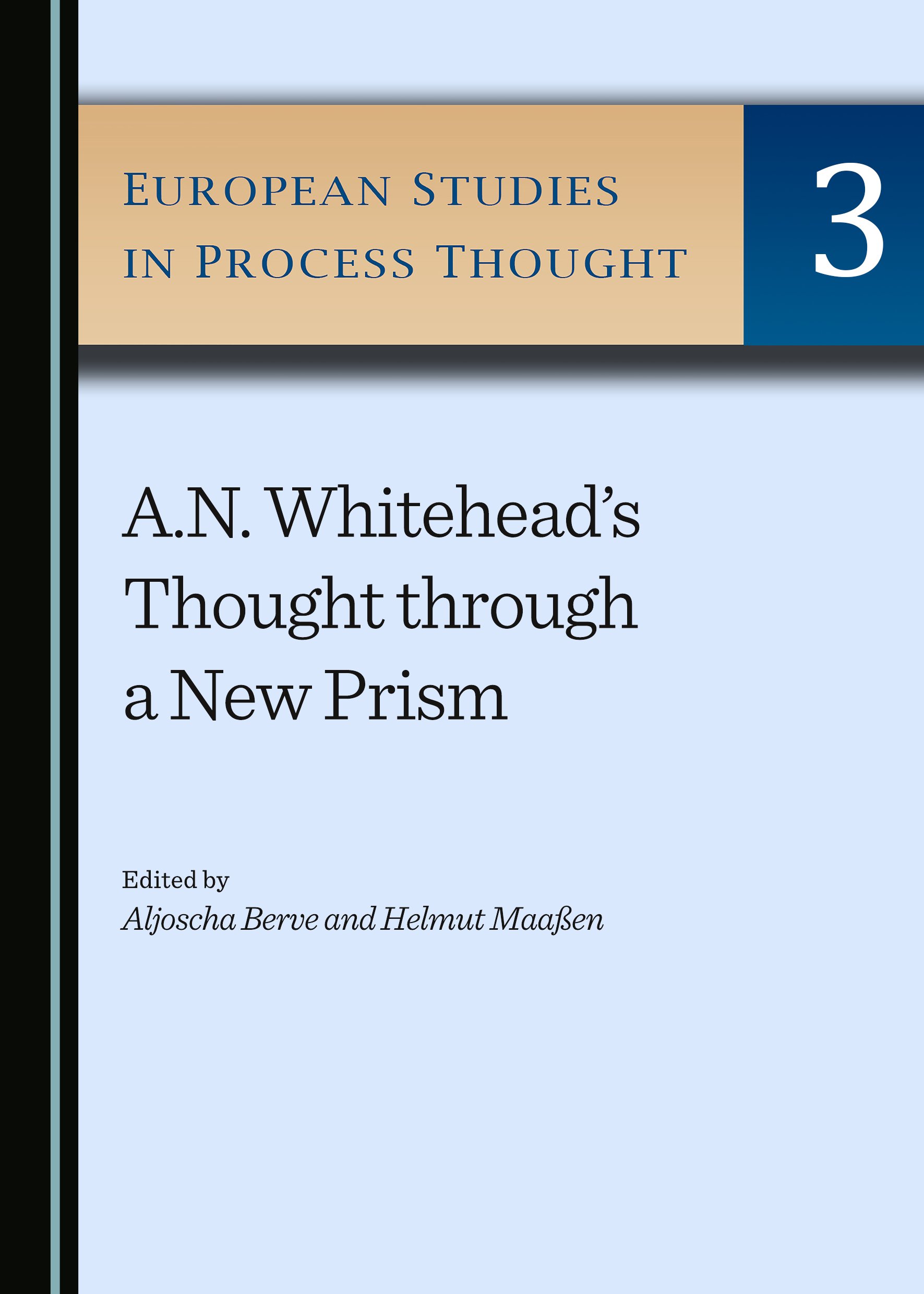
Deriving from the “European Summer School for Process Thought”, this volume explores A.N. Whitehead’s thinking in different fields of science. The first part concerns Whitehead’s philosophical methodology and the second discusses applications for concepts of Whitehead’s thinking.
Deriving from the “European Summer School for Process Thought”, this volume explores A.N. Whitehead’s thinking in different fields of science. The first part concerns Whitehead’s philosophical methodology and the second discusses applications for concepts of Whitehead’s thinking.
View more
This product has multiple variants. The options may be chosen on the product page
View more
This product has multiple variants. The options may be chosen on the product page
From £32.99
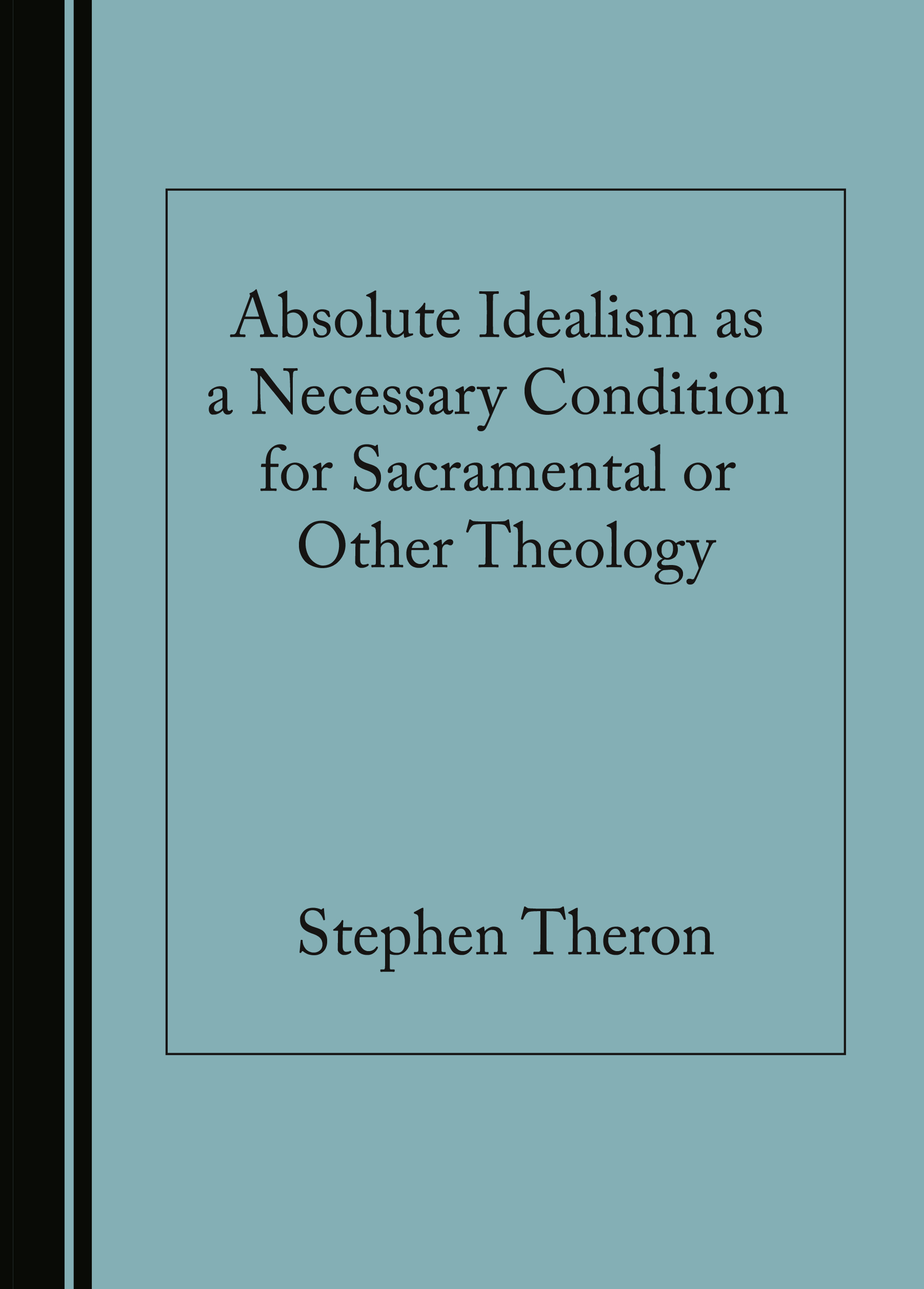
This book bridges Christian sacramental praxis with philosophy of mind. Through a new philosophy of incarnation, it argues self-consciousness must develop towards the Absolute Idea, where religion becomes intellectual virtue. A new theology is here. It is time to put it to work.
This book bridges Christian sacramental praxis with philosophy of mind. Through a new philosophy of incarnation, it argues self-consciousness must develop towards the Absolute Idea, where religion becomes intellectual virtue. A new theology is here. It is time to put it to work.
View more
This product has multiple variants. The options may be chosen on the product page
View more
This product has multiple variants. The options may be chosen on the product page
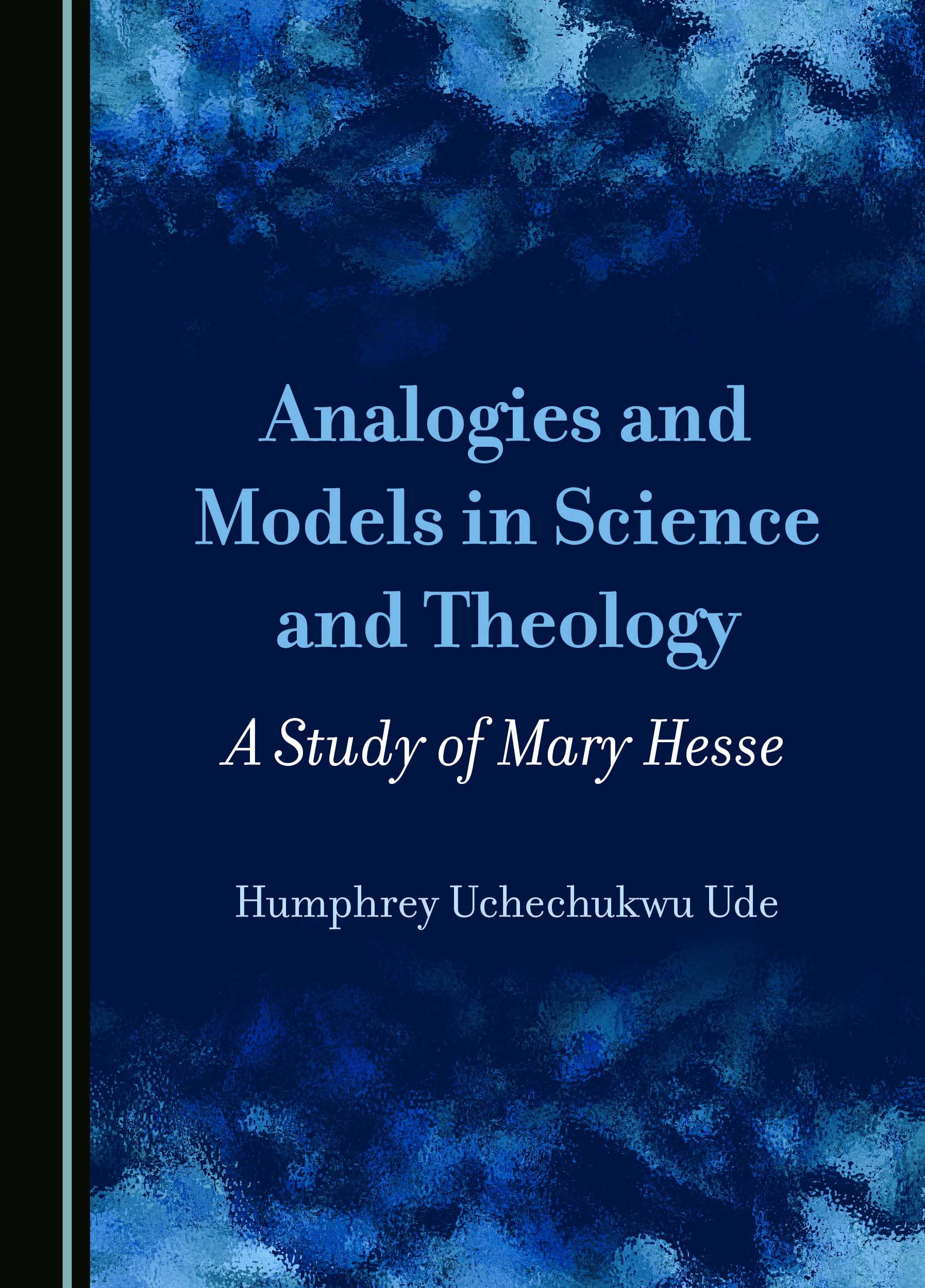
Analogies and Models in Science and Theology
A Study of Mary Hesse
This book uses Hesse’s Network Model of Theory to debunk scientism and argue for the indispensability of socio-cultural and theological values in the search for objective knowledge. It shows how both science and theology rely on interpretation, models, and metaphor.
This book uses Hesse’s Network Model of Theory to debunk scientism and argue for the indispensability of socio-cultural and theological values in the search for objective knowledge. It shows how both science and theology rely on interpretation, models, and metaphor.
View more
This product has multiple variants. The options may be chosen on the product page
View more
This product has multiple variants. The options may be chosen on the product page
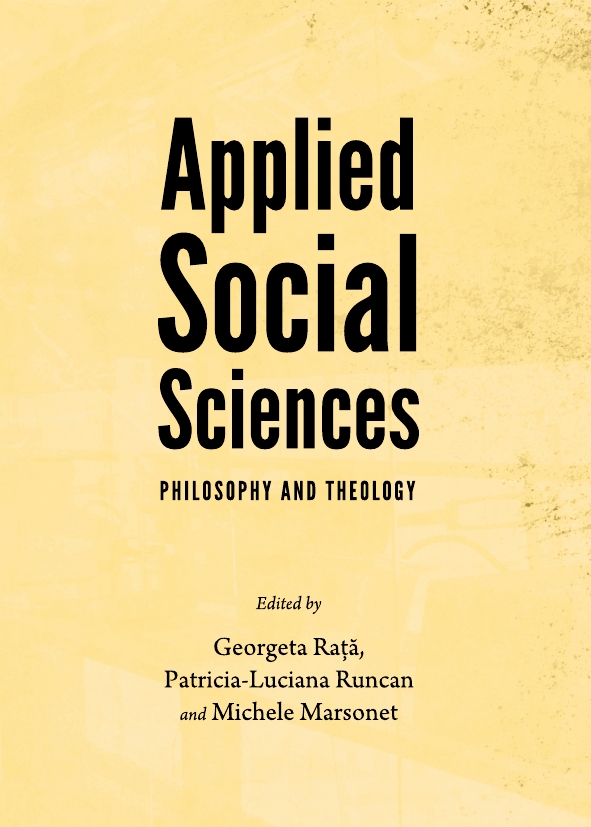
Applied Social Sciences
Philosophy and Theology
This volume provides original essays on philosophy and theology, exploring aesthetics, ethics, postmodernism, and the role of religion in society. Accessible to specialists and a wider public, it offers new ideas for professionals in the socio-humanistic field.
This volume provides original essays on philosophy and theology, exploring aesthetics, ethics, postmodernism, and the role of religion in society. Accessible to specialists and a wider public, it offers new ideas for professionals in the socio-humanistic field.
View more
This product has multiple variants. The options may be chosen on the product page
View more
This product has multiple variants. The options may be chosen on the product page
From £35.99
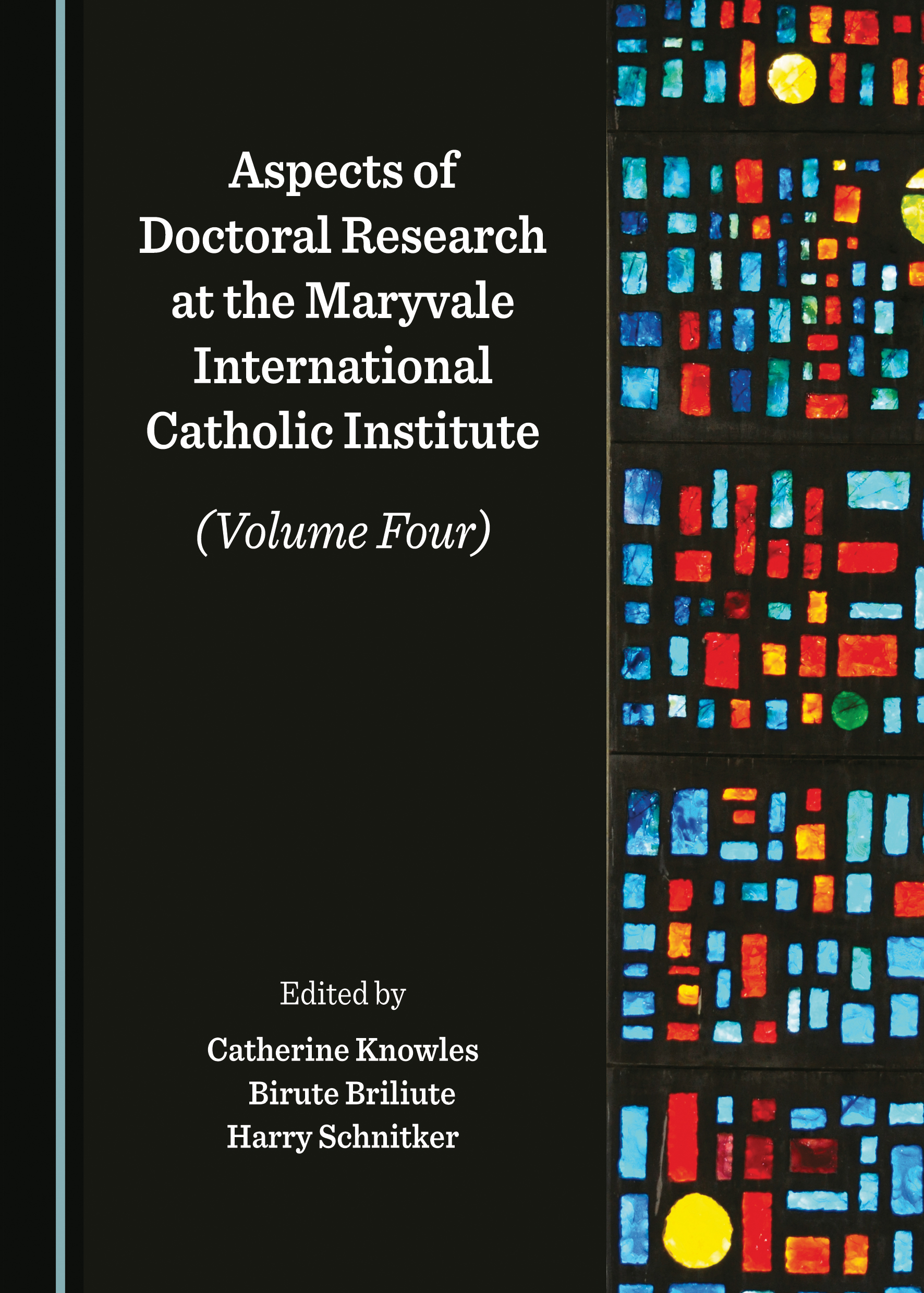
This collection of doctoral essays in Catholic Studies shines new light on age-old issues and offers opportunities for dialogue with the contemporary world. Inspired by St. John Henry Newman’s vision of faith and reason, these works cover theology, ethics, history, and more.
This collection of doctoral essays in Catholic Studies shines new light on age-old issues and offers opportunities for dialogue with the contemporary world. Inspired by St. John Henry Newman’s vision of faith and reason, these works cover theology, ethics, history, and more.
View more
This product has multiple variants. The options may be chosen on the product page
View more
This product has multiple variants. The options may be chosen on the product page
£58.99
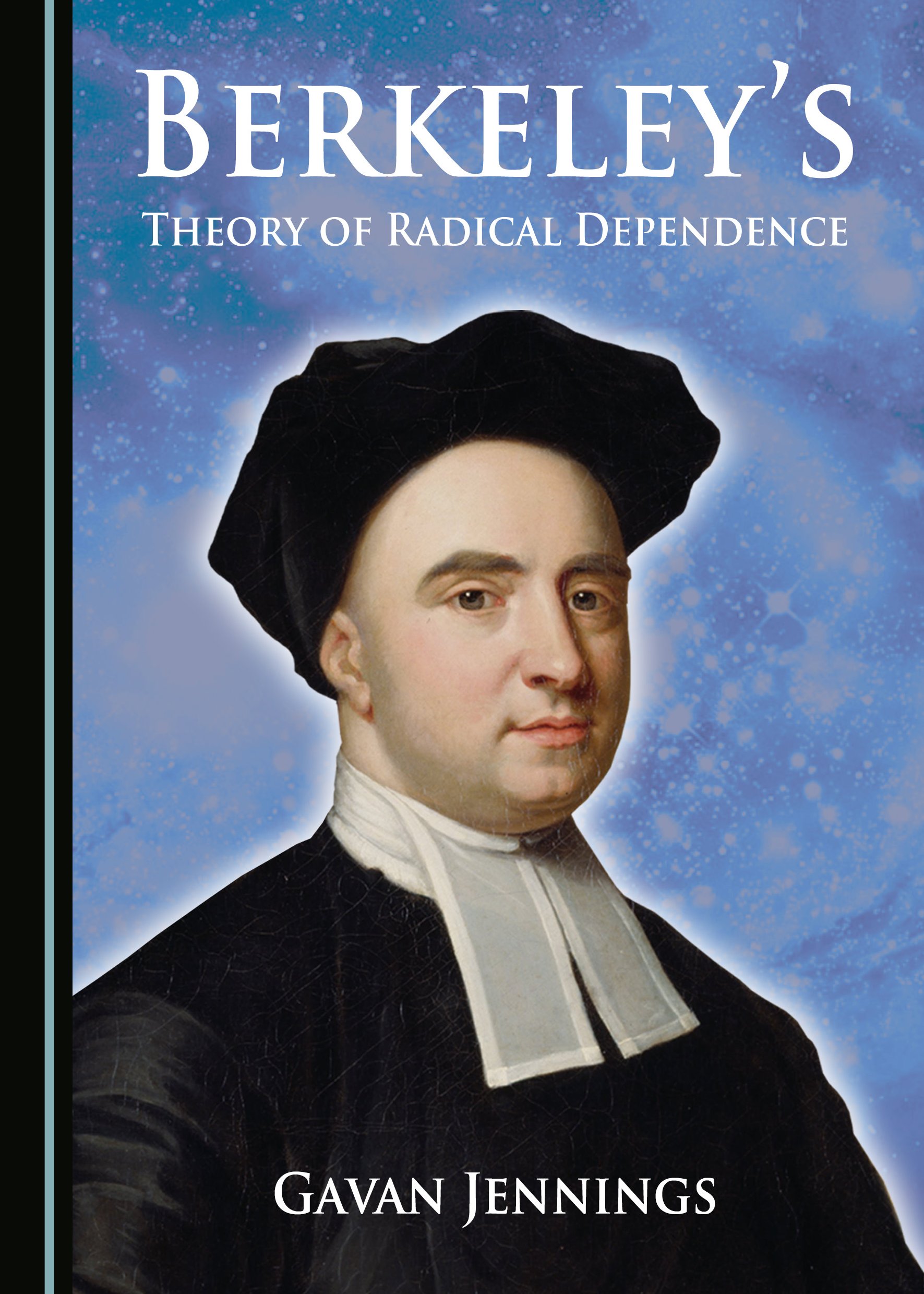
Jennings traces the theory of Radical Dependence through its various forms in Berkeley’s philosophical works, showing how this idea unifies Berkeley’s various phases of philosophical development.
Jennings traces the theory of Radical Dependence through its various forms in Berkeley’s philosophical works, showing how this idea unifies Berkeley’s various phases of philosophical development.
View more
This product has multiple variants. The options may be chosen on the product page
View more
This product has multiple variants. The options may be chosen on the product page
Beyond Hope
Philosophical Reflections
This book argues for hope as a path beyond facile optimism and weary pessimism. Drawing on Western philosophy and Advaita Vedanta, it suggests that living from the Self, distinct from the ego, reveals a peace and bliss beyond both hope and happiness. A timely and wise book.
This book argues for hope as a path beyond facile optimism and weary pessimism. Drawing on Western philosophy and Advaita Vedanta, it suggests that living from the Self, distinct from the ego, reveals a peace and bliss beyond both hope and happiness. A timely and wise book.
View more
This product has multiple variants. The options may be chosen on the product page
View more
This product has multiple variants. The options may be chosen on the product page
From £32.99
Using ordinary language and facts of experience, Bishop Butler's philosophy is a guidebook to happiness. This book presents his work as a bridge joining ancient wisdom with modern experience, offering ways to live without the error and distraction that lead to misery.
Using ordinary language and facts of experience, Bishop Butler’s philosophy is a guidebook to happiness. This book presents his work as a bridge joining ancient wisdom with modern experience, offering ways to live without the error and distraction that lead to misery.
View more
This product has multiple variants. The options may be chosen on the product page
View more
This product has multiple variants. The options may be chosen on the product page
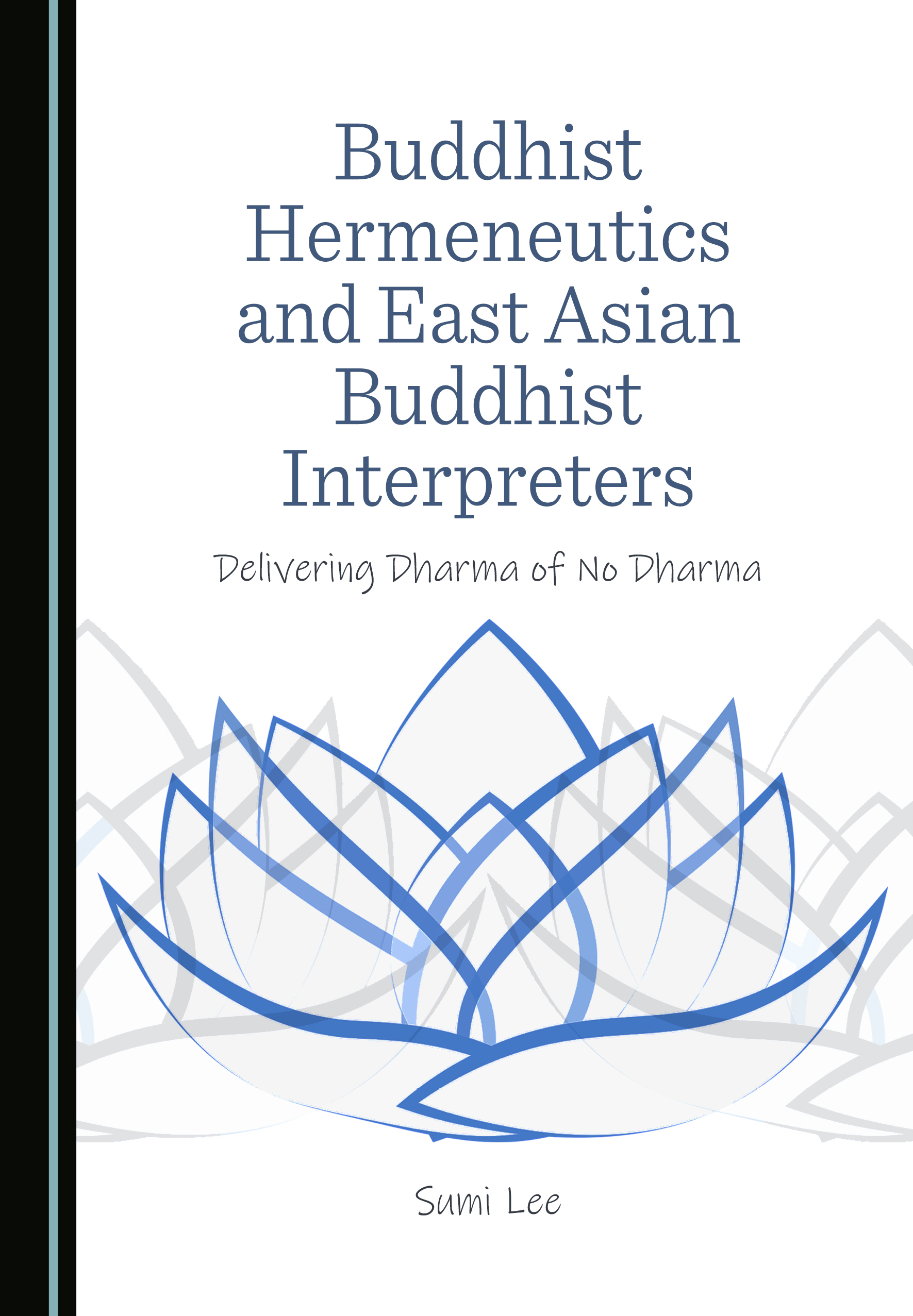
Buddhist Hermeneutics and East Asian Buddhist Interpreters
Delivering Dharma of No Dharma
This book explores the hermeneutic dilemma of how non-conceptual religious reality is conceptually interpreted in Buddhism. Examining approaches from Indian, Chinese, Korean, and Japanese traditions, it illuminates the fundamental challenge: how to deliver dharma of no dharma.
This book explores the hermeneutic dilemma of how non-conceptual religious reality is conceptually interpreted in Buddhism. Examining approaches from Indian, Chinese, Korean, and Japanese traditions, it illuminates the fundamental challenge: how to deliver dharma of no dharma.
View more
This product has multiple variants. The options may be chosen on the product page
View more
This product has multiple variants. The options may be chosen on the product page
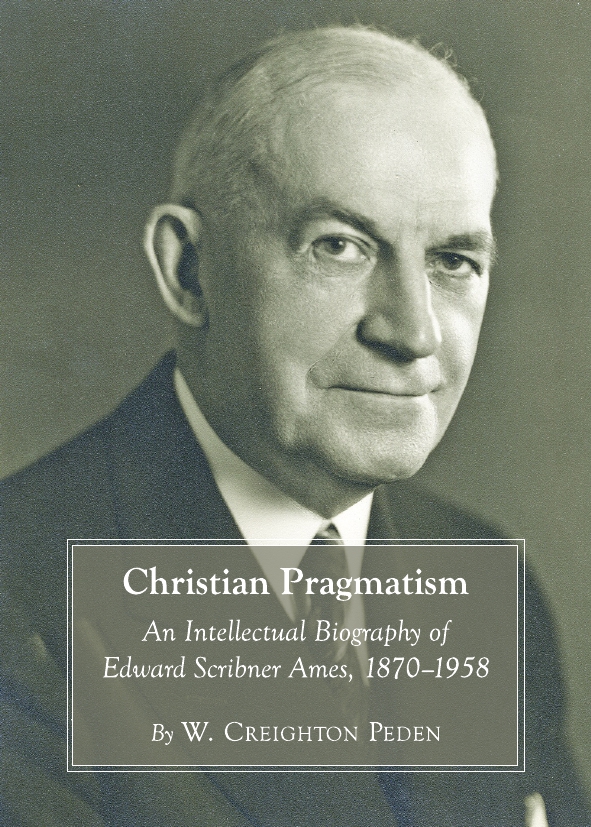
Christian Pragmatism
An Intellectual Biography of Edward Scribner Ames, 1870-1958
Edward Ames called theology a search for a black cat in a dark room that is not there. A student of John Dewey, he forged a pragmatic view of religion, seeing God as a natural process. This volume presents his thought historically through his major writings.
Edward Ames called theology a search for a black cat in a dark room that is not there. A student of John Dewey, he forged a pragmatic view of religion, seeing God as a natural process. This volume presents his thought historically through his major writings.
View more
This product has multiple variants. The options may be chosen on the product page
View more
This product has multiple variants. The options may be chosen on the product page
Christians and Platonists
The Ethos of Late Antiquity
Theodore Sabo examines the distaste towards matter and the body shared by Christians, Gnostics, and Platonists of late antiquity, looking at key terms like ethos, aiōn, and saeculum, and investigating the individual beliefs of each school of philosophy.
Theodore Sabo examines the distaste towards matter and the body shared by Christians, Gnostics, and Platonists of late antiquity, looking at key terms like ethos, aiōn, and saeculum, and investigating the individual beliefs of each school of philosophy.
View more
This product has multiple variants. The options may be chosen on the product page
View more
This product has multiple variants. The options may be chosen on the product page
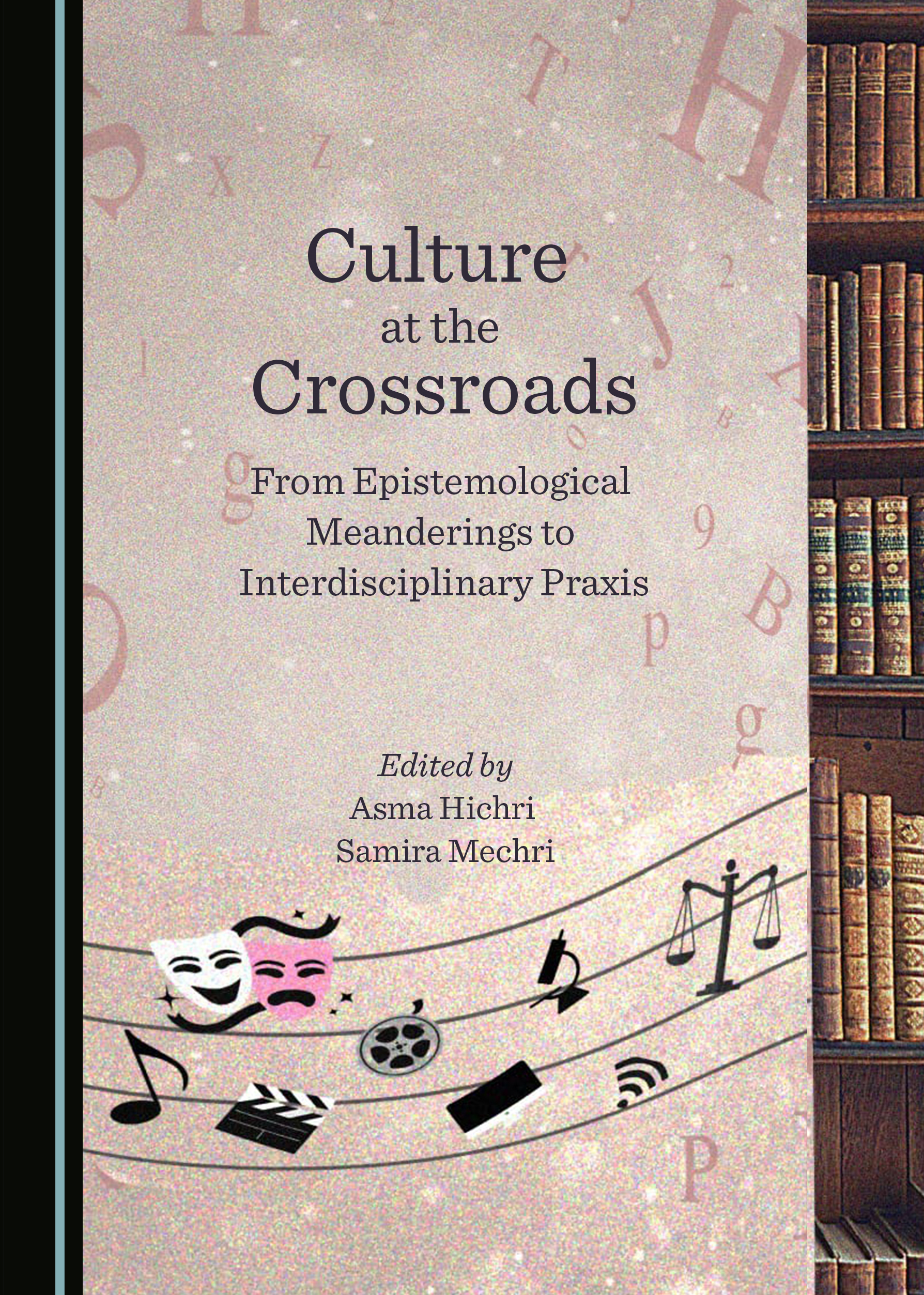
Culture at the Crossroads
From Epistemological Meanderings to Interdisciplinary Praxis
This collection explores the interfaces of culture, gender, and power. It moves beyond conventional conceptions to suggest a holistic view of culture that enacts the dynamics of power, nationality, class, gender, and ethnicity in an ever-shifting transnational context.
This collection explores the interfaces of culture, gender, and power. It moves beyond conventional conceptions to suggest a holistic view of culture that enacts the dynamics of power, nationality, class, gender, and ethnicity in an ever-shifting transnational context.
View more
This product has multiple variants. The options may be chosen on the product page
View more
This product has multiple variants. The options may be chosen on the product page
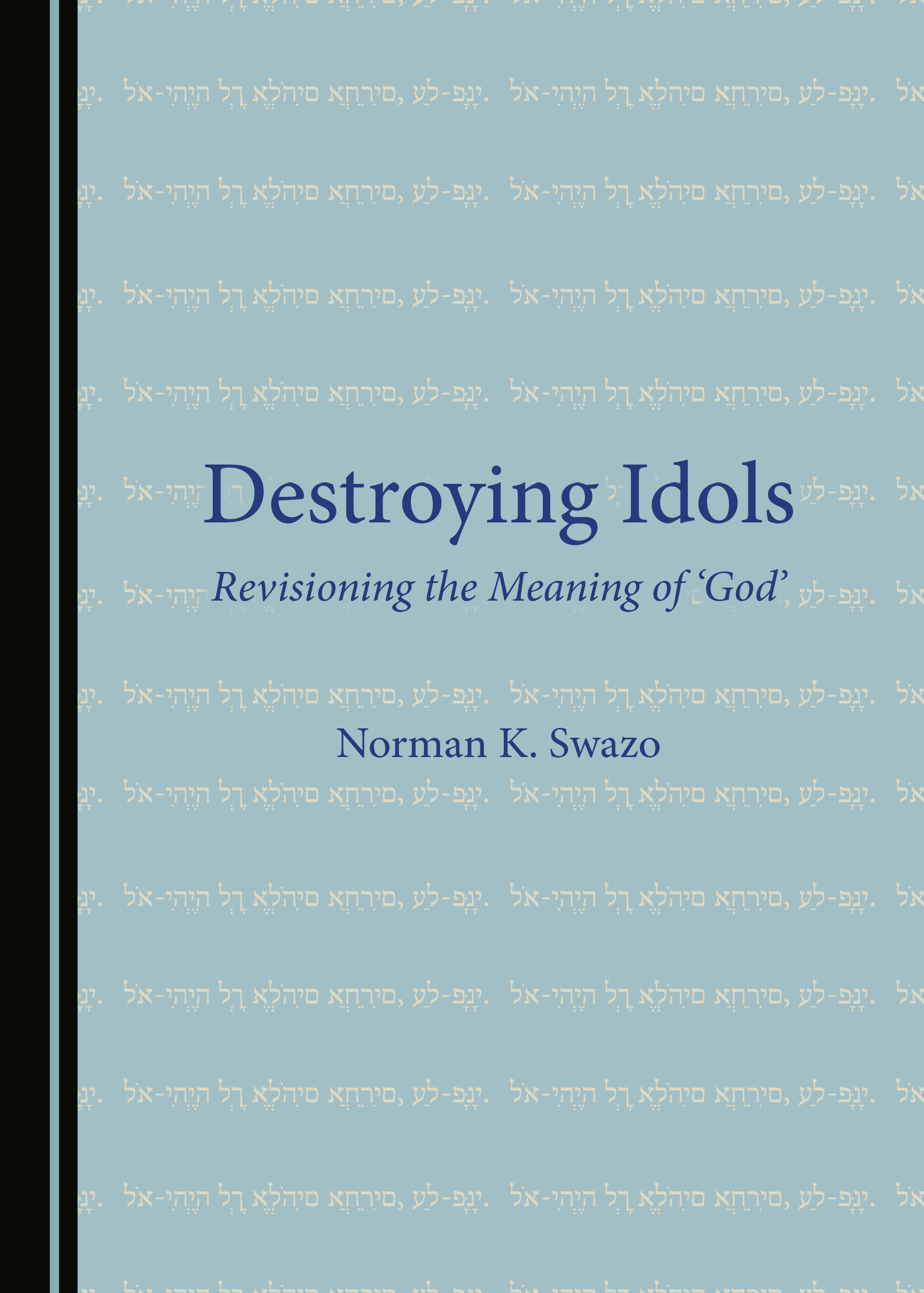
Destroying Idols
Revisioning the Meaning of ‘God’
Confusion over the meaning of ‘God’ in biblical texts is at the heart of the divorce between Judaism and Christianity. This book offers a new understanding by re-examining the “two powers in heaven” doctrine, allowing for a renewed messianic interpretation of both faiths.
Confusion over the meaning of ‘God’ in biblical texts is at the heart of the divorce between Judaism and Christianity. This book offers a new understanding by re-examining the “two powers in heaven” doctrine, allowing for a renewed messianic interpretation of both faiths.
View more
This product has multiple variants. The options may be chosen on the product page
View more
This product has multiple variants. The options may be chosen on the product page
£34.99
This book explores the thought of Dionysius the Areopagite, a controversial figure who masterfully integrated pagan Neoplatonic philosophy with Christian theology. It examines his sources and offers insights into the original points of his philosophy.
This book explores the thought of Dionysius the Areopagite, a controversial figure who masterfully integrated pagan Neoplatonic philosophy with Christian theology. It examines his sources and offers insights into the original points of his philosophy.
View more
This product has multiple variants. The options may be chosen on the product page
View more
This product has multiple variants. The options may be chosen on the product page
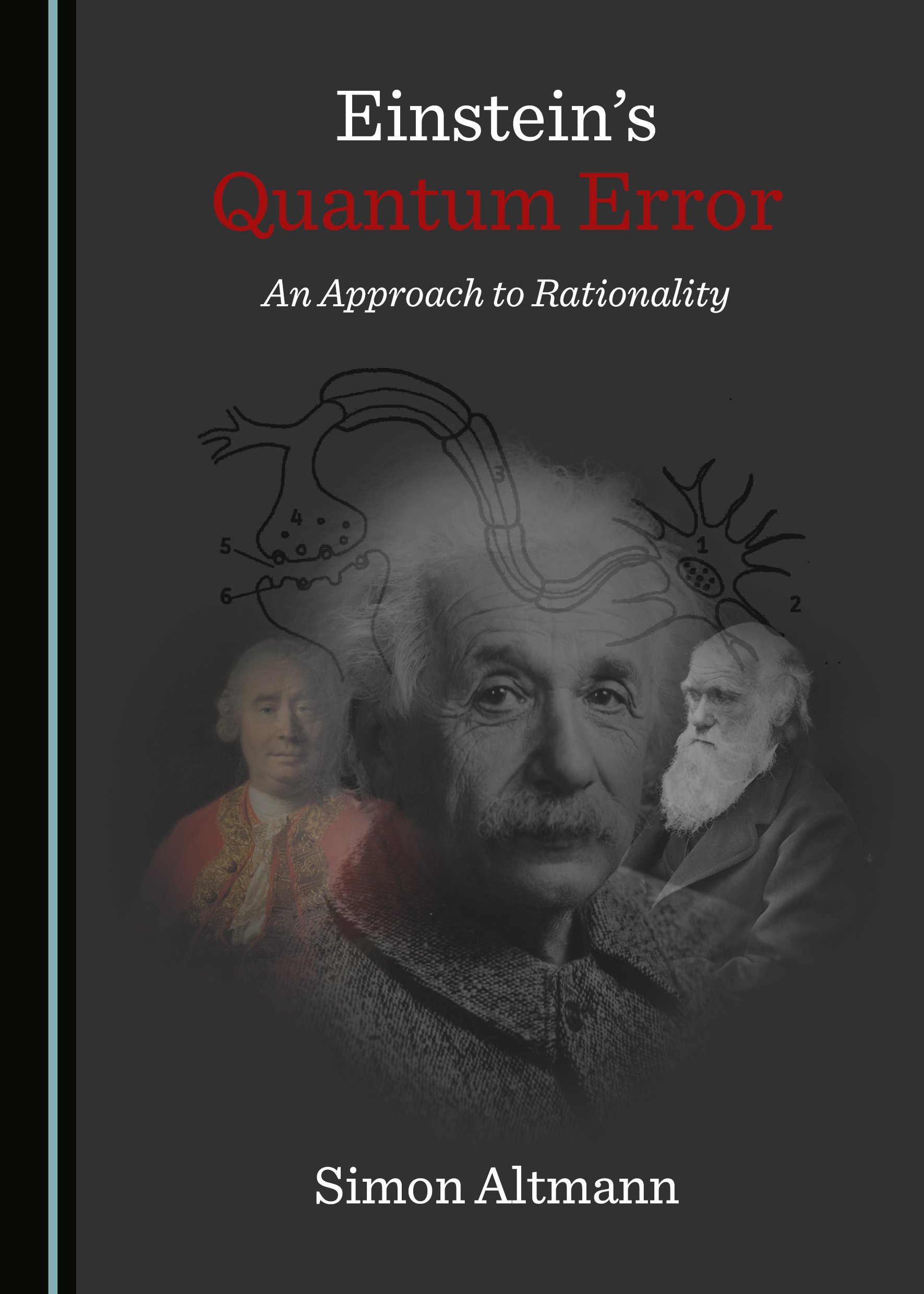
Einstein’s Quantum Error
An Approach to Rationality
What is it to be rational? This book argues that rational principles are not absolutes, but are empirically justified. It shows how principles like causality reflect our brain’s evolved structure, which parallels the physical world, and confronts modern attacks on science.
What is it to be rational? This book argues that rational principles are not absolutes, but are empirically justified. It shows how principles like causality reflect our brain’s evolved structure, which parallels the physical world, and confronts modern attacks on science.
View more
This product has multiple variants. The options may be chosen on the product page
View more
This product has multiple variants. The options may be chosen on the product page
£34.99
This book identifies a third problem of evil: epistemic evil. It arises when our judgments, through no corrigible defect, lead to undeserved human suffering. Tierno forcefully defends this problem, a groundbreaking challenge to theodicy.
This book identifies a third problem of evil: epistemic evil. It arises when our judgments, through no corrigible defect, lead to undeserved human suffering. Tierno forcefully defends this problem, a groundbreaking challenge to theodicy.
View more
This product has multiple variants. The options may be chosen on the product page
Processing Your Order
Please wait while we securely process your order.
Do not refresh or leave this page.
You will be redirected shortly to a confirmation page with your order number.